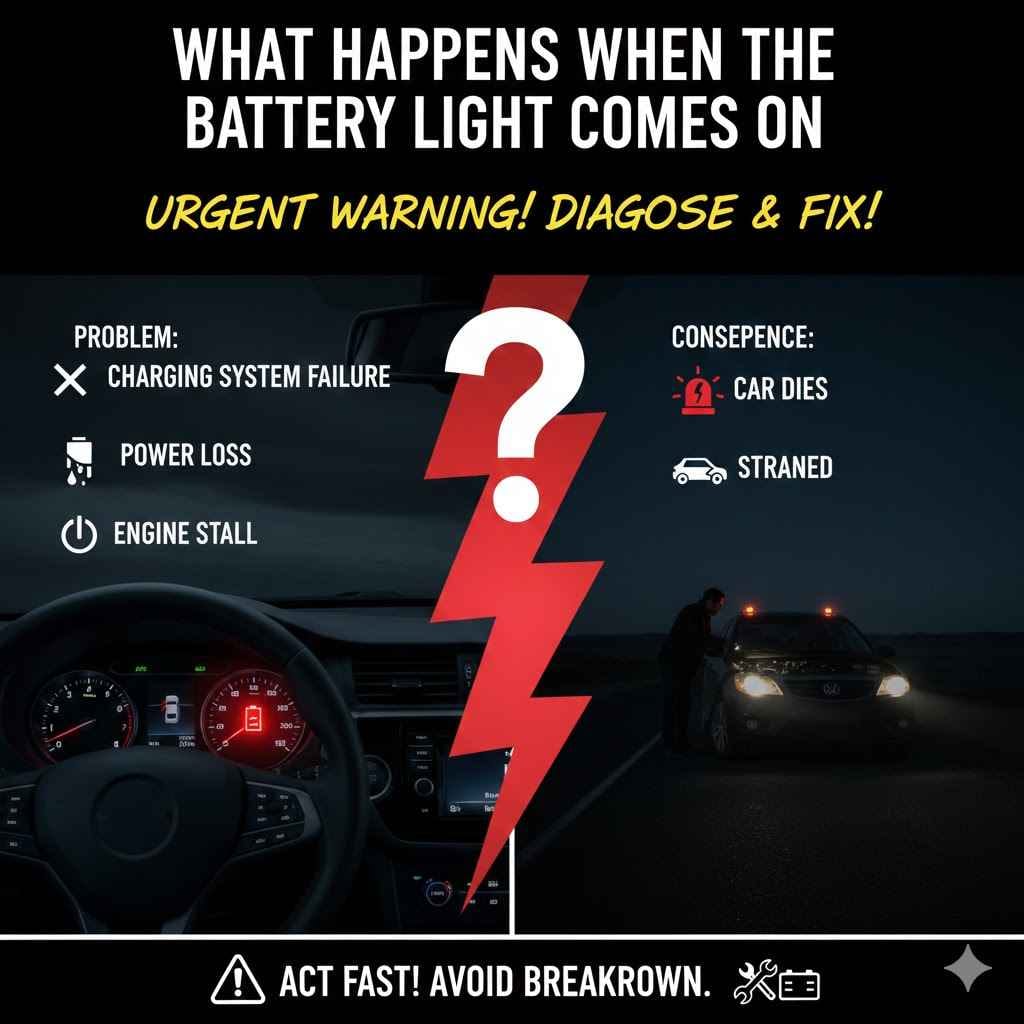
What Happens When The Battery Light Comes On
Seeing a warning light on your car’s dashboard can be a little worrying, especially if you’re new to car care. The light that looks like a battery symbol is one of those that can cause a bit of a scare. Many people wonder, What Happens When the Battery Light Comes On? It sounds serious, and it can be if you ignore it.
But don’t worry, this guide breaks down exactly what that light means and what you should do, step by step. We’ll look at why it appears and how to sort it out simply.
Understanding The Battery Warning Light

LHZHENG
LHZHENG Rechargeable Emergency Light Bulbs, Battery Powered…
- ► [ Rechargeable Emergency LED Bulb ] -- Be Prepared For Emergency. These emergency lights for home power failure work as normal b…
- ►[ 100%/50%/10% Brightness Adjustable ]--When connected to the mains, 6-8 hours fully charged.Battery mode lasts up to 14 hours, L…
- ► [ Energy Saving Light Bulbs]--800-850 lumens emergency light bulb with low energy cost, longtime use. With energy-efficient LED…
As an Amazon Associate I earn from qualifying purchases.
The battery warning light is a sign from your car’s electrical system. It tells you that something might be wrong with how your car is charging its battery. This light is important because your car needs a steady flow of electricity to run all its systems, from the engine to the radio.
If the charging system isn’t working right, your car might not start, or it could stop running while you’re driving.
What The Light Actually Means
When the battery light illuminates, it generally means that the charging system is not functioning as it should. This system includes the alternator, the battery itself, the voltage regulator, and the wiring connecting them. The alternator is the main component responsible for recharging the battery while the engine is running and powering the car’s electrical needs.
The light indicates that the voltage from the alternator is too low or too high, or that there’s a fault in the charging circuit.
It’s important to distinguish between the battery light and other warning lights. The battery light specifically points to issues within the charging mechanism, not necessarily a dead battery that needs replacing immediately, though a faulty charging system can eventually lead to a dead battery. It’s a proactive alert to prevent further problems.
Why The Battery Light Might Turn On
Several issues can trigger the battery light. The most common reason is a failing alternator. The alternator is a part that generates electricity for your car.
Over time, its internal components can wear out, reducing its ability to charge the battery. Another possibility is a loose or corroded battery terminal. These connections need to be clean and tight for electricity to flow properly.
The serpentine belt, which drives the alternator, could also be the culprit. If this belt is worn, cracked, or loose, it might not be turning the alternator effectively, preventing it from charging the battery. Sometimes, the battery itself can be the problem, even if it’s relatively new.
Internal faults or a cell failure can stop it from holding a charge, which the alternator then tries to compensate for, sometimes triggering the light.
Other, less common, reasons include a faulty voltage regulator, which controls the electrical output of the alternator, or a problem with the wiring harness that connects the charging system components. Even a blown fuse related to the charging system could cause the light to come on.
Is It Safe To Drive With The Battery Light On?
Driving with the battery light on is generally not recommended for extended periods. Your car’s battery is designed to provide power to start the engine and run essential electronics when the engine is off. While the engine is running, the alternator takes over supplying power.
If the alternator is not charging the battery properly, the car will eventually run solely on battery power.
A car’s battery has a limited capacity. Once it drains, the car will lose power to crucial systems. This can lead to stalling, loss of power steering, and non-functional lights, making it dangerous to drive.
The exact time a car can run on battery alone varies greatly depending on the vehicle’s electrical demands and the remaining charge in the battery, but it’s usually a matter of minutes to an hour at most.
If the light just came on and you are very close to home or a safe place, you might be able to drive a short distance carefully. However, it’s best to pull over as soon as it’s safe and seek professional help. Continuing to drive could lead to more serious damage to your car’s electrical system or leave you stranded.
Common Causes For A Lit Battery Light
The battery warning light is a signal that your car’s charging system is not working correctly. This system is responsible for keeping your battery topped up and providing electricity to all of your car’s components while the engine is running. When the light comes on, it means this vital process is interrupted.
Let’s explore the most frequent reasons behind this alert.
The Alternator Is Failing
The alternator is the heart of your car’s charging system. Its main job is to convert mechanical energy from the engine into electrical energy. This electricity then powers your car’s systems and recharges the battery.
When the alternator starts to fail, it can’t produce enough electricity. This means the battery has to work harder to supply power, and eventually, it will drain.
Signs of a failing alternator often include dimming headlights or dashboard lights, especially when the engine is idling. You might also hear a whining noise coming from the engine bay, which can indicate worn bearings or a loose pulley within the alternator. Sometimes, the battery light will flicker on and off before staying on constantly as the alternator gets worse.
A faulty alternator can be caused by several things. The internal components, like the rectifier or voltage regulator, can wear out. The brushes that transfer electricity can become depleted.
The bearings can seize up, causing resistance and noise. If the alternator pulley is damaged or the connection to the engine is compromised, it won’t spin correctly either.
Example: Sarah noticed her headlights seemed dimmer than usual, especially at stoplights. A few days later, her battery light came on. She took her car to a mechanic who diagnosed a failing alternator.
The alternator was not producing enough voltage to power the car and recharge the battery. Replacing the alternator resolved the issue, and her headlights were bright again.
Statistics show that the alternator is a common component to fail in vehicles, with issues often appearing between 60,000 and 100,000 miles, depending on driving conditions and vehicle model. A malfunctioning alternator can lead to various electrical problems beyond just a lit dashboard light.
Loose Or Corroded Battery Terminals
Your car battery has two terminals, positive and negative, that connect to the battery cables. These connections are crucial for the flow of electricity. If the terminals become loose, the electrical connection is interrupted, preventing the battery from receiving a charge from the alternator or supplying power to the car.
Corrosion, a white or bluish powdery substance, can also build up on the terminals, acting as an insulator and blocking electrical flow.
You can often spot corrosion by looking at the battery posts and cable clamps. If you see this buildup, it needs to be cleaned. Loose terminals can sometimes be tightened with a wrench.
It’s important to ensure these connections are secure and free of debris or corrosion for optimal electrical performance.
The battery terminals are made of lead, which is prone to oxidation. This oxidation, combined with moisture and battery acid fumes, leads to the formation of sulfates, which appear as corrosion. This buildup is more common in humid climates or if the battery is overcharged or leaking.
Regular visual checks of the battery terminals can help prevent this issue.
Case Study: Mark’s car battery light came on intermittently. He initially thought it was a more serious problem. Upon inspection, he found significant corrosion on his battery terminals.
After cleaning them thoroughly with a wire brush and a baking soda solution and ensuring the cable clamps were snug, the battery light stopped appearing, and his car’s electrical system worked perfectly.
Problems With The Serpentine Belt
The serpentine belt is a long, V-shaped rubber belt that winds around several pulleys in the engine bay. It drives essential components like the alternator, power steering pump, and air conditioning compressor. If the serpentine belt is worn, cracked, or has slipped off a pulley, the alternator will not spin properly, meaning it cannot generate electricity to charge the battery.
This is a common cause for the battery light to illuminate.
A damaged or loose serpentine belt can make a squealing noise, especially when the engine is started or under load. You might also notice that power steering feels heavier or the air conditioning stops working. If the belt breaks completely, all the accessories it drives will stop functioning, and the car will quickly drain its battery and stop running.
Serpentine belts are made of reinforced rubber compounds that degrade over time due to heat, tension, and exposure to engine fluids. Most manufacturers recommend replacing serpentine belts based on mileage or a specific age, typically every 60,000 to 100,000 miles, or if they show signs of wear like fraying, cracking, or glazing.
Sample Scenario:
1. You start your car, and the battery light comes on, accompanied by a high-pitched squealing sound from the engine. 2.
You notice that your steering feels heavier than usual. 3. You pull over safely and look under the hood.
You see that the serpentine belt appears to be loose or has visible cracks on its surface. 4. This indicates a problem with the serpentine belt, which is likely not turning the alternator correctly, causing the battery light to activate.
Other Potential Causes
While a failing alternator, battery terminals, or serpentine belt are the most frequent culprits, other components can also trigger the battery light. The voltage regulator, often built into the alternator, is responsible for maintaining a steady electrical output. If it malfunctions, it can cause the alternator to overcharge or undercharge the battery, both of which can lead to the warning light appearing.
The battery itself, even if relatively new, can develop internal issues. A weak or dead cell within the battery can prevent it from accepting a charge properly. This forces the alternator to work overtime, and the car’s computer may detect this abnormal operation and illuminate the battery light.
A faulty battery will eventually prevent the car from starting.
Less common issues include problems with the wiring that connects the charging system. Corroded wires, loose connections, or breaks in the circuit can disrupt the flow of electricity. A blown fuse in the charging circuit can also cause the light to come on.
In rare cases, a faulty engine control unit (ECU) or a problem with the warning light indicator itself could be the cause, though these are much less likely.
What To Do When The Battery Light Comes On
Discovering the battery warning light on your dashboard can feel concerning, but it’s a signal that helps you address potential issues before they become major problems. Knowing the right steps to take ensures you handle the situation safely and effectively, minimizing any disruption. Here’s a straightforward guide to help you manage this common car alert.
Immediate Actions And Safety Precautions
When you first see the battery light illuminate, the most important thing is to remain calm. Your car is still running on battery power, so you likely have some time, but you should reduce the load on the electrical system. Turn off any non-essential accessories such as the radio, air conditioning, heated seats, and unnecessary lights.
This conserves the remaining battery charge.
If you are driving, find a safe place to pull over as soon as possible. Continuing to drive with a faulty charging system can lead to the car eventually stalling, potentially in a dangerous location. Once stopped, turn off the engine.
Assess your immediate surroundings and decide whether it’s safe to attempt a simple check or if you need immediate professional assistance. If you are on a busy road or highway, it’s best to call for a tow truck rather than risk driving further.
Here are some immediate steps:
- Turn off accessories: Reduce power draw by switching off the stereo, AC, and any other non-essential electrical devices.
- Monitor gauges: Keep an eye on your engine temperature and oil pressure gauges. A failing charging system can sometimes affect other engine functions.
- Listen for unusual noises: Pay attention to any new sounds coming from the engine, such as whining or squealing, which can help diagnose the problem.
- Avoid hard acceleration: Drive smoothly and avoid sudden bursts of speed, which can further stress the electrical system.
These initial actions can help you manage the situation safely while you figure out the next steps.
Checking The Battery And Connections
Once you’ve found a safe location, you can perform a basic inspection. If you’re comfortable doing so, and if you have a basic toolkit, you can check the battery terminals. Ensure they are clean and tight.
Look for any white or bluish powdery buildup (corrosion) on the battery posts and cable clamps. If you see corrosion, you can carefully clean it off using a wire brush. A mixture of baking soda and water can help neutralize the acid.
Gently try to wiggle the battery cable clamps attached to the battery posts. They should be snug and not move. If they feel loose, try to tighten them.
However, be careful not to overtighten, which could damage the battery posts. This simple check can sometimes reveal a simple fix for the battery light.
While you’re looking at the battery, you can also inspect the serpentine belt for any visible damage, such as cracks, fraying, or glazing. If the belt appears worn or loose, it’s a likely cause of the battery light.
When To Call A Mechanic Or Tow Truck
If your battery light remains illuminated after checking the terminals and serpentine belt, or if you’re not comfortable performing these checks, it’s time to call for professional help. Driving for too long with a malfunctioning charging system can lead to more significant and expensive repairs, or leave you stranded. If you notice any of the following, it’s best to get a tow:
- The battery light is solid and doesn’t go off.
- You hear loud whining or grinding noises from the engine.
- The car’s headlights or interior lights are significantly dimming.
- The steering feels unusually heavy, or other power-assisted systems are failing.
- The car is showing other warning lights in addition to the battery light.
A mechanic can perform a more thorough diagnostic test on your car’s charging system. They will check the output of the alternator, the health of the battery, and the condition of the serpentine belt and other related components. This ensures an accurate diagnosis and repair.
Understanding Diagnostic Trouble Codes (DTCs)
Modern cars are equipped with onboard diagnostic systems that monitor various functions. When a problem is detected, such as an issue with the charging system, the car’s computer stores a Diagnostic Trouble Code (DTC) in its memory. A mechanic uses a special tool called an OBD-II scanner to read these codes.
The DTCs provide specific information about the fault, helping the technician pinpoint the exact cause of the battery light.
For example, a code like “P0562” might indicate “System Voltage Low,” which points to a problem with the charging system, possibly a weak alternator or battery. Another code, like “P0480,” might relate to a cooling fan circuit, which, while not directly a charging issue, can sometimes indirectly impact the alternator’s performance if it overheats. Understanding these codes helps professionals diagnose issues efficiently.
Reading DTCs is a crucial step in diagnosing issues beyond simple visual checks. It allows for a targeted approach to repair, rather than guesswork. While some auto parts stores offer free code reading, a full diagnosis often requires specialized knowledge and tools available at a repair shop.
A code might point to a specific sensor or component that needs replacement or further testing.
Solutions And Preventative Maintenance
Once the cause of the battery light is identified, repairs can be made. The solution will depend entirely on what was found during the diagnosis. The goal is to restore the car’s charging system to its optimal working condition so that the battery stays properly charged and all electrical components receive the necessary power.
Regular maintenance can also help prevent future issues.
Repairing Or Replacing The Alternator
If the diagnosis reveals that the alternator is faulty, it will need to be repaired or replaced. Most of the time, it’s more cost-effective and reliable to replace the entire alternator unit. The process typically involves disconnecting the battery (to avoid electrical shorts), unbolting the old alternator, disconnecting its wiring harness, and installing the new one.
Then, the serpentine belt is re-tensioned, and the battery is reconnected.
The cost of a new alternator varies widely depending on the car model and brand, typically ranging from $200 to $600 for the part, plus labor. Professional installation can add another $100 to $300. Remanufactured alternators are also available and can be a more budget-friendly option.
It’s vital to ensure the
Real-life Example: John’s battery light came on, and his mechanic determined the alternator was producing only half its rated output. He opted for a reputable aftermarket alternator, which cost $350, and the installation labor was $150. The entire repair took about two hours, and his car’s charging system was back to normal, with the battery light disappearing permanently.
Replacing The Battery Or Cleaning Terminals
In some cases, the battery itself might be the issue. If a battery cell has failed or if the battery is simply old and no longer holds a charge effectively, replacement is necessary. The average lifespan of a car battery is 3 to 5 years.
A mechanic can test the battery’s health and capacity to determine if it needs to be replaced. Battery replacement is usually a straightforward process that many owners can do themselves, but it’s also a common service offered by repair shops.
If the problem is simply corrosion on the battery terminals, a thorough cleaning might solve the issue. This involves disconnecting the battery cables, using a wire brush and a solution of baking soda and water to scrub away all corrosion from the posts and clamps, rinsing, drying, and then reconnecting the cables securely. This is a low-cost solution that can often resolve battery light warnings related to poor connections.
Statistics: According to industry data, approximately 15-20% of battery warning lights are caused by simple issues like corroded or loose terminals rather than a failed alternator or battery, highlighting the importance of regular checks.
Serpentine Belt Inspection And Replacement
The serpentine belt should be inspected periodically for signs of wear and tear. If it’s cracked, frayed, or showing excessive glazing on its surface, it should be replaced. Replacing a serpentine belt is typically a moderately priced repair.
The cost of a new belt is usually between $20 and $50 for the part, and labor costs can range from $50 to $150, depending on the vehicle and how accessible the belt is.
A worn belt not only affects the alternator but also other crucial components driven by it, like the power steering pump and water pump. If the belt breaks completely while driving, it can lead to a cascade of problems, including overheating and loss of power steering, making the vehicle unsafe and potentially causing severe engine damage. Therefore, timely replacement is essential preventative maintenance.
Sample Scenario:
1. You notice a persistent squealing noise when you start your car. 2.
The battery light is illuminated on your dashboard. 3. A mechanic inspects your engine and finds that the serpentine belt is visibly cracked and worn.
4. They recommend replacing the serpentine belt, which costs $30 for the part and $75 for labor. 5.
After replacement, the squealing stops, and the battery light goes off, indicating the belt was the issue.
Preventative Maintenance Tips
Regular preventative maintenance is key to avoiding unexpected issues like a lit battery light. This includes:
- Regular Visual Inspections: Periodically check your battery terminals for corrosion and ensure they are clean and tight. Also, visually inspect the serpentine belt for any signs of cracking or fraying.
- Battery Testing: Have your car battery tested annually, especially as it approaches 3-4 years old. Most auto parts stores offer this service for free.
- Listen To Your Car: Pay attention to any unusual noises, such as whining or squealing, which could indicate a problem with the alternator or serpentine belt.
- Check Belt Condition: Follow your car manufacturer’s recommended schedule for serpentine belt replacement, usually between 60,000 to 100,000 miles, or if any wear is visible.
Taking these simple steps can help ensure your car’s charging system operates reliably and prevent the inconvenience and potential cost of a roadside breakdown due to a battery warning light.
Frequently Asked Questions
Question: How long can I drive with the battery light on?
Answer: It’s best to drive as little as possible. You might have a short amount of time, but the car will eventually stop running when the battery drains. It’s safest to pull over and get it checked right away or towed.
Question: Does the battery light mean my battery is bad?
Answer: Not always. The light usually means the alternator isn’t charging the battery properly. The battery might be fine, but it’s not getting the charge it needs.
Question: Can I jump-start my car if the battery light is on?
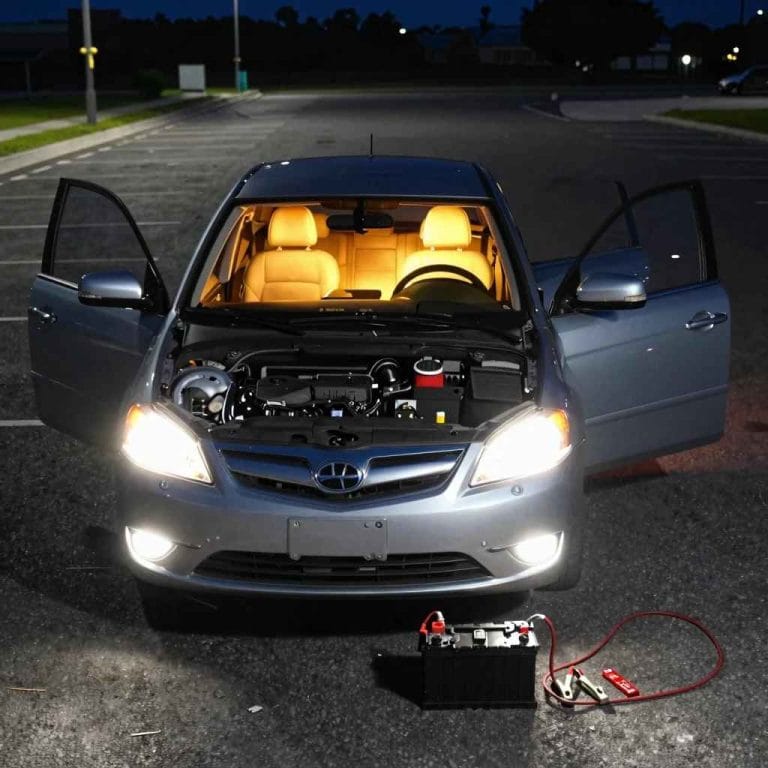
Answer: A jump-start might get your car started, but it won’t fix the underlying charging problem. The battery light will likely come back on soon after, or the battery may die again quickly.
Question: How much does it cost to fix the battery light issue?
Answer: The cost varies greatly. Cleaning terminals is very cheap. Replacing a serpentine belt might be $100-$200.
Replacing an alternator can cost $300-$800 or more, depending on the car and parts used.
Question: Is it possible for a new battery to cause the battery light to come on?
Answer: Yes, though it’s rare. A defective new battery might not accept a charge properly, leading the car’s system to indicate a fault. It’s also possible the new battery was installed incorrectly or the terminals aren’t clean.
Summary
When the battery light comes on, it signals a problem with your car’s charging system. This could be a failing alternator, loose battery connections, or a worn serpentine belt. It’s important to act quickly by turning off accessories and pulling over safely.
Addressing the issue promptly can prevent you from being stranded and costly further damage. See also how to fix a car light cover that’s cracked or broken.
Related pick: Check today's price on Amazon
Products related to this article
Sponsored / affiliate links. As an Amazon Associate I earn from qualifying purchases. I may earn additional commission from eligible campaigns.