How to Brake Smoothly in an Automatic Car
Learning to drive an automatic car is exciting for many new drivers. One part that can feel a bit tricky at first is braking smoothly. It is common to get used to how the car stops, and sometimes new drivers might be a little jerky.
But do not worry, it is easier than you might think. This guide will show you exactly how to brake smoothly in your automatic car with simple steps. We will cover everything you need to know to make your rides feel comfortable for everyone.
Mastering Smooth Braking in Automatic Cars
Braking smoothly in an automatic car is a key skill for any driver. It makes the ride more comfortable for passengers and can even help reduce wear on your car’s brakes. Many new drivers find that their braking can be a bit sudden.
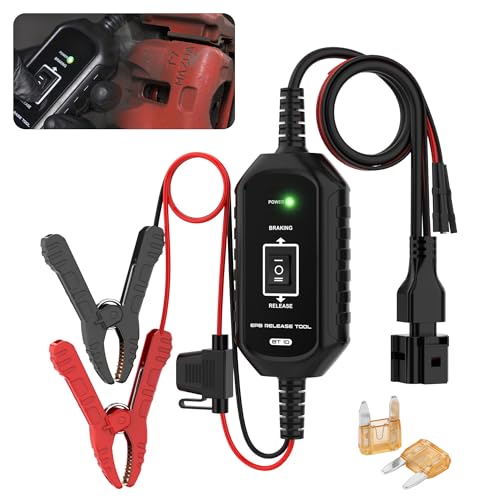
YUANRI
YUANRI BT10 EPB Emergency Release Tool EPB…
- 1.【Emergency EPB Release and Reset】 - Whether your vehicle has a dead battery, system failure, or requires maintenance, the Electr…
- 2.【Dual-Channel Precision Control】 - Our epb service tool features independent release and reset channels, ensuring safe, stable,…
- 3.【Multiple Safety Protection Features】 - Our epb release tool is equipped with multi-circuit protection, including safeguards aga…
As an Amazon Associate I earn from qualifying purchases.
This often happens because they are not used to the feel of the brake pedal or are unsure about how much pressure to apply. This section will break down the basics of smooth braking, explaining why it matters and how to achieve it.
Understanding How Automatic Brakes Work
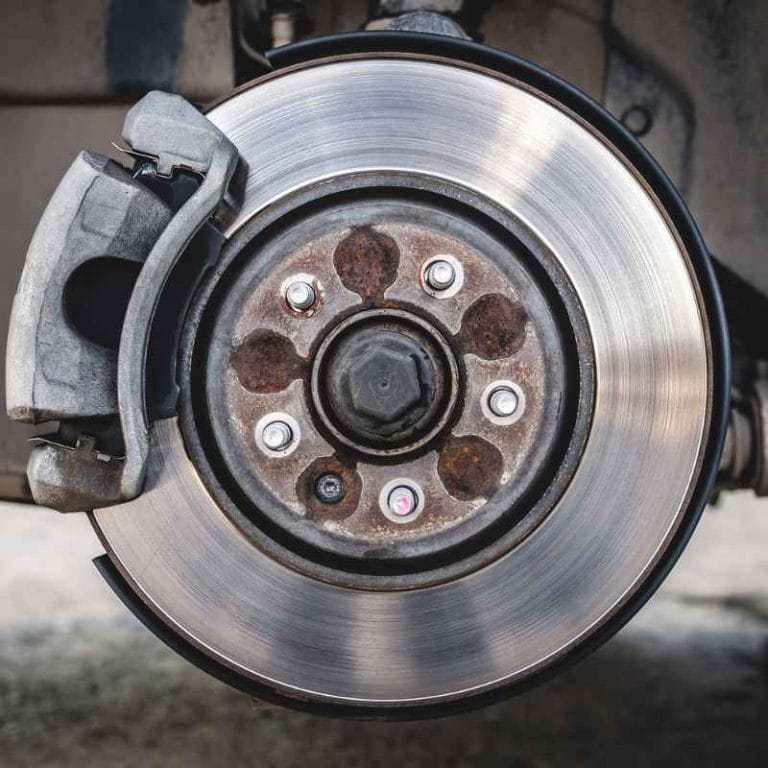
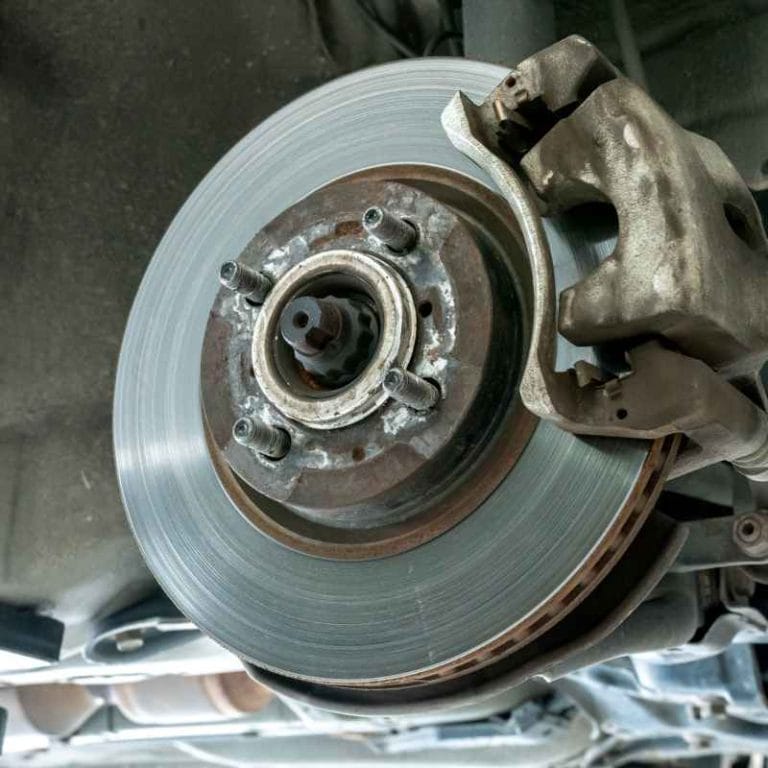
Automatic cars use a system where the transmission automatically selects the best gear for you. This means you do not have to worry about shifting gears yourself. When you press the brake pedal, it activates the car’s braking system, which uses hydraulic pressure to apply friction to the wheels, slowing them down.
The car’s computer also helps manage the engine and transmission during braking, which can contribute to a smoother stop if you are anticipating it properly. Understanding these basic functions helps in using the brakes more effectively.
Many drivers think that automatic cars do all the work. While the transmission handles gear changes, the driver is still in control of acceleration and braking. For smooth braking, the key is gentle and progressive pressure on the brake pedal.
Avoid slamming on the brakes unless it is an emergency. This gentle approach allows the car’s systems to work with your input for a comfortable stop.
How to Brake Smoothly in an Automatic Car is about anticipating stops and applying just the right amount of pressure. It is a skill that develops with practice. The more you drive, the better you will become at feeling how the car responds to your braking.
Remember, a smooth stop is one where passengers do not feel like they are being thrown forward. This is achievable for all drivers, regardless of experience level.
The Importance of Anticipating Stops
Anticipating stops is perhaps the most important factor in achieving smooth braking. This means looking ahead on the road and thinking about what might happen. If you see a red light, a stop sign, or traffic slowing down, start to ease off the accelerator early.
This allows the car to naturally slow down a bit on its own before you even need to touch the brake pedal.
By looking ahead, you give yourself more time to react. Instead of needing to brake hard at the last second, you can begin to apply gentle pressure on the brake pedal well in advance. This progressive application of brakes is the secret to a smooth stop.
It tells the car and its braking system that you are preparing to slow down, allowing for a gradual deceleration.
Think of it like this: if you are expecting to stop, you can make your brake application a slow, gentle squeeze rather than a sudden stomp. This makes a huge difference in how comfortable the ride is. It also reduces the strain on your brake pads and rotors, potentially saving you money on maintenance over time.
- Looking Ahead for Traffic Signals: Always scan the road ahead for traffic lights and signs. This allows you to plan your deceleration early. If you see a light is red or about to turn red, begin to lift your foot off the gas pedal.
- Observing Other Vehicles: Watch the cars in front of you. If they are slowing down, you should too. Mimic their braking pattern if it appears smooth. This visual cue is a great way to learn how to judge stopping distances.
- Recognizing Road Conditions: Be aware of the road surface. Wet or icy roads require much gentler braking. You will need to anticipate stops even earlier in these conditions to avoid skidding.
Gentle Pedal Pressure Technique
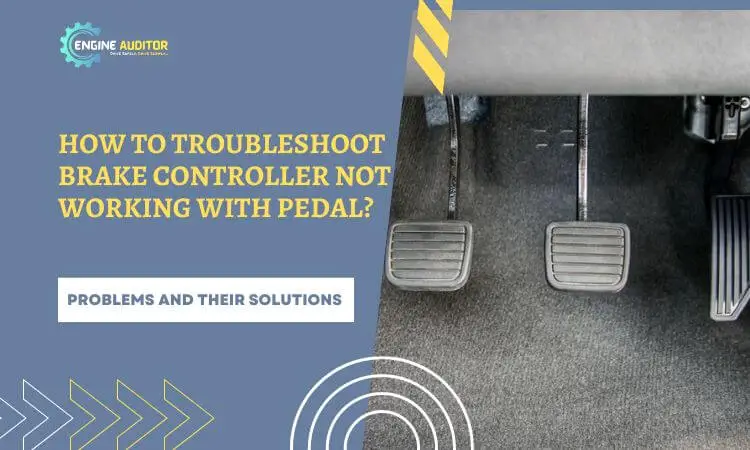
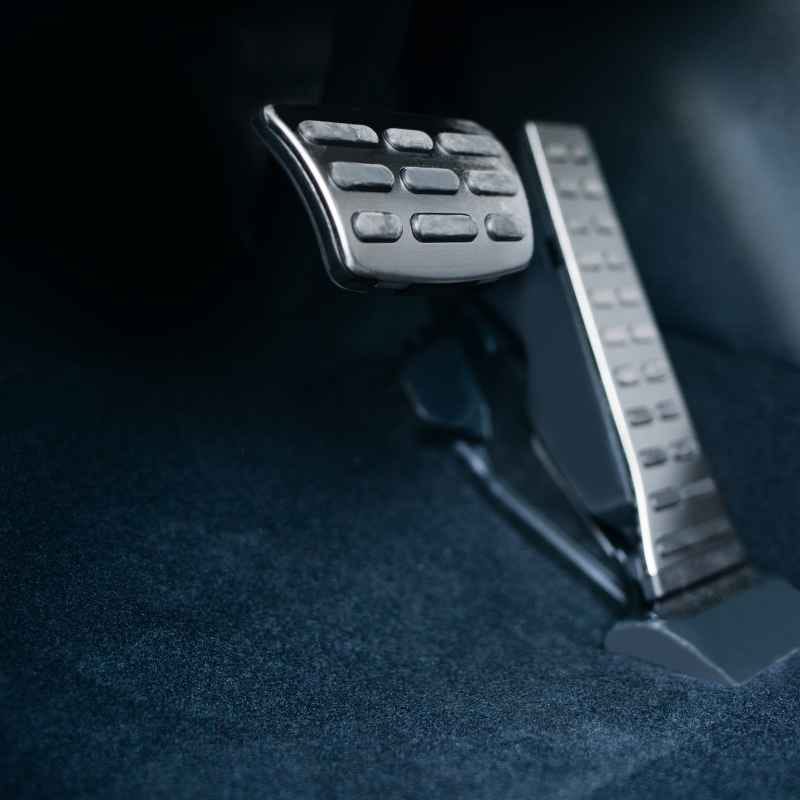
The actual physical act of pressing the brake pedal is where many new drivers struggle. They often press too hard, too quickly, or lift their foot off abruptly. The goal for smooth braking is a gradual increase and then a gentle release of pressure.
Start by lifting your foot off the accelerator and then softly place your foot on the brake pedal.
Apply just enough pressure to feel the car begin to slow. As the car slows, you will want to slightly reduce the pressure you are applying. This sounds complicated, but with practice, it becomes second nature.
It is like gently squeezing a sponge rather than crushing it all at once.
This gradual release of pressure is what prevents that jarring feeling. When you brake too hard or release the pedal suddenly, the car lurches forward. By slowly easing off the brake as you come to a complete stop, you allow the car to settle gently.
This technique is vital for passenger comfort and for making your driving feel more polished.
Here is a simple way to think about it: Imagine you are holding a delicate object. You would not want to squeeze it too hard. You would apply just enough pressure to hold it steady.
Braking is similar. You want to apply just enough pressure to slow down without making the passengers feel uncomfortable.
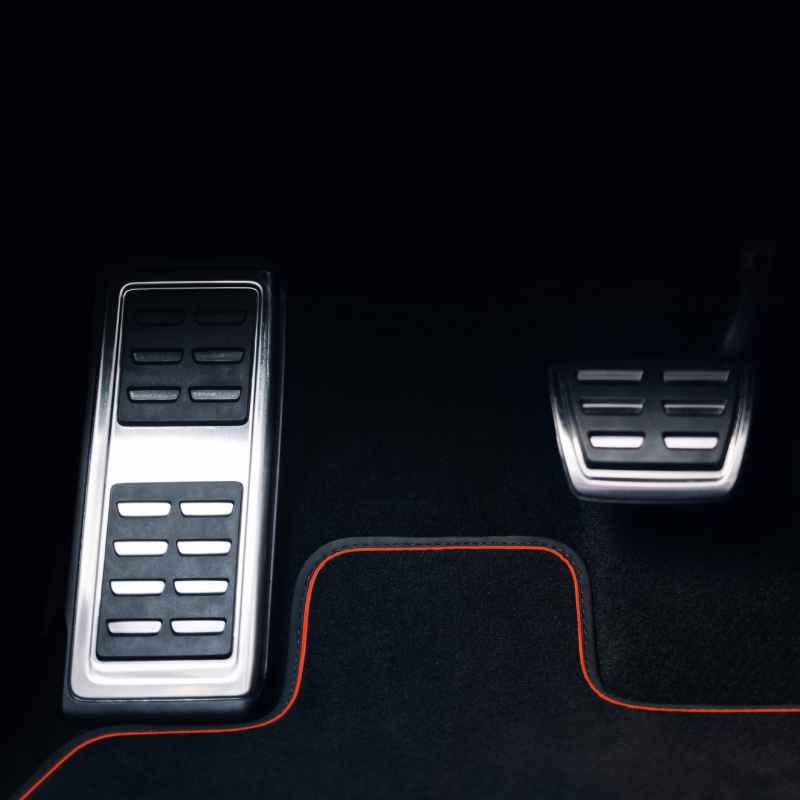
Step-by-Step Guide to Smooth Automatic Braking
Now that we have covered the ‘why’ and the basic technique, let’s walk through the exact steps for achieving smooth braking. This practical guide will help you put the concepts into action every time you drive. We will focus on a clear, step-by-step approach that is easy to follow and apply.
Step 1 Preparing to Slow Down
This is the stage where anticipation really comes into play. Before you even think about touching the brake pedal, take your foot off the accelerator. Let the car’s natural momentum begin to slow it down.
This is often called “coasting.”
Coasting allows the engine to help slow the car slightly, and it gives you a much wider window of time to prepare for braking. If you are approaching a traffic light that has just turned yellow, or if you see brake lights ahead, this is your cue to lift off the gas.
This initial lift-off is crucial. It reduces your speed significantly before you need to apply the brakes, making the subsequent braking much smoother and more controlled. It is the first, most important action in a smooth stop.
- Scan Ahead: Always look at least 12-15 seconds ahead of your vehicle. This means looking far enough down the road to see upcoming intersections, traffic lights, and other vehicles.
- Release Accelerator: Once you spot a reason to slow down, smoothly lift your foot completely off the accelerator pedal. Do not jab at it, just a smooth, steady lift.
- Allow Natural Deceleration: Let the car slow down on its own for a few seconds. This uses engine braking and reduces the amount of physical braking you will need to do later.
Step 2 Gentle Application of Brake Pedal
After you have lifted your foot off the accelerator, wait a moment. You will feel the car begin to slow naturally. Now, it is time to introduce the brake pedal.
Place your foot gently on the brake pedal.
Apply light, steady pressure. You are not trying to stop the car instantly. You are simply telling the car to begin slowing down more deliberately.
Think of it as a soft touch, not a firm push.
The goal here is to engage the brakes without any sudden jolt. This initial light pressure is the foundation of a smooth stop. If you are doing it right, you will not feel any deceleration yet, just the very start of the brake pads touching the rotors.
This gentle engagement is key. It signals to the braking system that you intend to slow down, and it prepares the car for a controlled deceleration. It is the subtle start of your braking maneuver.
Step 3 Gradual Increase in Pressure
As the car continues to slow, you will need to increase the pressure on the brake pedal slightly. However, this increase should be gradual and progressive. Imagine a smooth ramp; you are slowly moving up the ramp, not taking giant leaps.
If you are stopping at a traffic light, you will feel the speed decreasing. As it does, you can slowly apply a little more pressure to the brake pedal to maintain that steady deceleration. The rate at which you increase pressure depends on how quickly you need to stop.
For a typical stop, you will be increasing pressure for a few seconds. The aim is to reach a point where the car is slowing at a comfortable rate without any jerky movements. This smooth build-up of braking force is what makes the stop feel effortless.
Consider the difference between quickly pushing down on a plunger and slowly and steadily pushing it down. The latter is what you want to achieve with your brake pedal. A consistent, even increase in pressure prevents that forward lurch.
Real-life example: Imagine you are driving on a highway and notice traffic is slowing significantly about a quarter-mile ahead. You lift your foot off the gas. As you get closer, you feel the car slowing.
You then gently place your foot on the brake and slowly increase the pressure over the next 10-15 seconds. By the time you reach the slowing traffic, your car is already moving at a similar, reduced speed, and your passengers feel nothing but a smooth transition.
Step 4 Smooth Release of Pressure
This is the final stage of your braking maneuver, and it is just as important as the application. As your car comes to a complete stop, or when you reach the desired slow speed, you need to gradually release the pressure on the brake pedal.
Do not lift your foot off suddenly. Instead, slowly ease the pressure off. You want the car to come to a gentle halt.
As you release, you might feel the car still wanting to creep forward slightly; this is normal in an automatic. Gently hold the brake to keep it from moving.
This controlled release ensures that the car does not stop abruptly at the very last second. A smooth release prevents the occupants from being jolted forward as the car finally halts. It is the finishing touch that makes the entire braking experience feel professional.
Think about it like letting go of a balloon slowly. If you let go all at once, it flies away. If you let the air out gradually, it descends gently.
The same principle applies here.
This technique ensures that the car smoothly settles to a complete stop, or maintains a slow speed without any sudden jerks. It is the culmination of all the steps, bringing your braking maneuver to a comfortable conclusion.
Sample scenario: You are approaching a stop sign at a moderate speed. You lift your foot off the gas early. As you get closer, you apply light brake pressure.
You gradually increase this pressure as the car slows. Just as the car is about to stop, you slowly begin to ease off the brake pedal. You may even take your foot completely off the pedal and reapply a tiny bit of pressure to hold the car still.
The result is a stop so smooth, it feels like the car just glided to a halt.
Advanced Techniques for Even Smoother Stops
Once you have mastered the basic steps, you can explore a few more techniques to make your braking even more refined. These tips are especially helpful in different driving conditions or when you want to provide the utmost comfort for your passengers.
Braking in Different Conditions
Driving conditions can significantly impact how you need to brake. Wet roads, for instance, reduce tire grip, meaning your brakes will not be as effective. You will need to start braking much earlier and be even gentler with your pedal inputs.
On slippery surfaces like ice or snow, braking becomes even more critical. You should avoid sudden braking or sharp turns. If you have anti-lock braking systems (ABS), you can press the brake pedal firmly and hold it; the system will prevent the wheels from locking up.
For non-ABS cars, you might need to practice a technique called “threshold braking,” where you brake just hard enough to slow down without locking the wheels.
Even on dry roads, factors like steep hills can affect braking. When going downhill, you will need to apply more brake pressure. When going uphill, you may need less.
Being aware of these variations helps you adjust your braking technique accordingly.
- Wet Roads: Increase your following distance and brake earlier. Use light, steady pressure. If you feel the car start to slide, ease off the brake and steer gently.
- Icy Roads: Brake very gently and early. If you have ABS, press the brake pedal firmly and do not pump it. If you do not have ABS, brake lightly and be ready to release and reapply pressure if the wheels lock.
- Steep Hills: For downhill braking, anticipate needing more pressure. For uphill braking, you may need less, but be prepared to accelerate gently if needed to maintain momentum.
Statistic: According to the National Highway Traffic Safety Administration (NHTSA), about 26% of all traffic crashes are related to wet weather conditions. This highlights the importance of adjusting driving techniques, including braking, when roads are wet.
Using Engine Braking Effectively
While automatic cars do not offer manual gear selection for strong engine braking, they do provide some level of engine braking, especially when you lift your foot off the accelerator. In some automatic cars, there might be a “low” or “L” gear setting, or a manual mode (often indicated by “+/-” or “M” on the gear selector) that can provide more engine braking.
Using these features, or simply relying on the natural deceleration from lifting off the gas, can supplement your braking. This reduces the need to press the brake pedal as hard or as often, leading to smoother stops, particularly on long downhill stretches.
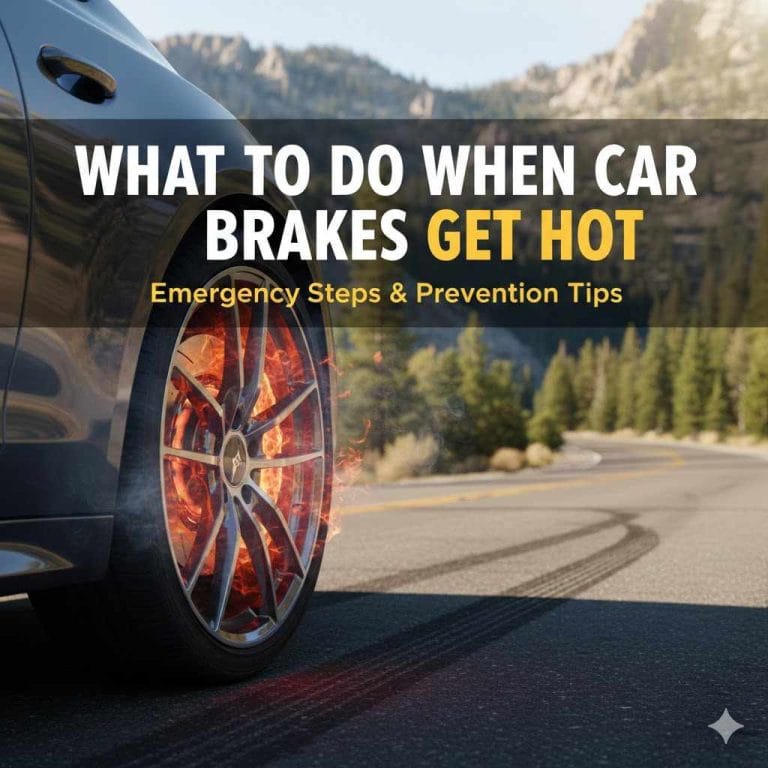
When you are going down a long, steep hill, using engine braking can prevent your brakes from overheating, a phenomenon known as “brake fade,” which can reduce their effectiveness. This proactive use of engine braking is a sign of an experienced and smooth driver.
This can be especially useful when approaching a downhill traffic light or a slower speed zone. By engaging a lower gear (if available) or simply lifting off the gas sooner, you allow the engine to help slow the car before you even need to touch the brake pedal.
Understanding Brake Fade
Brake fade is a condition where brakes lose effectiveness due to overheating. This typically happens during prolonged, heavy braking, such as descending a long, steep hill. When the brake components get too hot, their friction properties decrease, making them less able to slow the car.
To avoid brake fade, it is essential to use engine braking as a primary means of slowing down on long descents. Gently applying the brakes intermittently rather than holding them down continuously can also help. If you notice your brakes are not responding as well as usual, pull over safely and let them cool down.
This phenomenon is a critical safety concern. Awareness of brake fade encourages drivers to adopt proactive braking strategies, like using engine braking, rather than relying solely on foot brakes, especially in challenging situations.
Sample scenario: You are driving down a mountain road for several miles. To avoid overheating your brakes, you shift your automatic transmission into its lowest gear setting. This causes the engine to work harder, providing a constant, gentle braking force that slows the car without wearing out your brake pads.
You still use your foot brake when necessary, but the engine is doing most of the work, ensuring a safe and smooth descent.
Statistic: According to the U.S. Department of Transportation, brake failure is a contributing factor in a small percentage of accidents, but often when it occurs, it is due to overheating from prolonged use without adequate cooling or engine braking.
Common Mistakes to Avoid
Even with the best intentions, new drivers often make common mistakes that can lead to jerky braking. Recognizing these errors is the first step to correcting them and achieving the smooth stops you desire. Avoiding these pitfalls will significantly improve your driving experience and that of your passengers.
Sudden Pedal Stomping
This is perhaps the most frequent mistake. It involves pressing the brake pedal very hard and very quickly. This action causes the car to decelerate abruptly, leading to a jarring stop that can be uncomfortable and even unsafe.
The cause is often panic, inexperience, or not anticipating the need to stop early enough. Instead of a gentle application, the foot slams onto the pedal, engaging the brakes with maximum force instantly. This is the opposite of the smooth, progressive pressure we have discussed.
To avoid this, focus on looking ahead and practicing the “lift and gently apply” technique. If you find yourself needing to brake suddenly, try to modulate the pressure as much as possible, rather than holding it down hard. This is especially important in emergency situations where quick but controlled braking is needed.
Abrupt Pedal Release
Just as important as how you apply the brakes is how you release them. Lifting your foot off the brake pedal too quickly at the end of a stopping maneuver causes the car to lurch forward. It is like hitting a wall after a period of slowing down.
This mistake often occurs when a driver is anxious to get going again or is not paying attention to the final moments of the stop. They might be anticipating the green light and quickly move their foot from the brake to the accelerator.
The solution is to practice a slow, controlled release. As the car comes to a near stop, gently ease the pressure off the brake pedal. You want the car to settle into its final stopped position with minimal drama.
A slight reapplication of very light pressure can help hold the car still without jolting.
Not Looking Ahead Enough
This mistake is the root cause of many braking issues, including sudden stomping and abrupt releases. If you are only looking at the car directly in front of you, you will always be reacting late. This forces you into sudden braking actions.
Not looking ahead means you miss early visual cues like traffic lights changing, brake lights of cars further down the road, or pedestrians stepping out. When you miss these cues, you have to brake much harder and faster than necessary.
The fix is simple: train yourself to scan the road far ahead. This gives you ample time to plan your actions, lift off the accelerator early, and apply the brakes progressively. It transforms driving from a series of frantic reactions into a smooth, controlled flow.
Comparison of Braking Styles:
| Braking Style | Description | Passenger Comfort | Wear and Tear |
|---|---|---|---|
| Jerky Braking | Sudden, hard application and release of the brake pedal. | Low; causes passengers to lurch forward. | High; puts excessive stress on brake pads and rotors. |
| Smooth Braking | Gentle, progressive application and release of the brake pedal. | High; provides a comfortable, stable ride. | Low; promotes longer life for brake components. |
Frequently Asked Questions
Question: How can I practice smooth braking without annoying other drivers?
Answer: Find quiet residential streets or empty parking lots during off-peak hours. Practice coming to gentle stops at imaginary lines. Focus on the feel of the pedal and making the car stop smoothly each time.
Even short, focused practice sessions can make a big difference.
Question: Should I always use the brakes or let the car slow down on its own?
Answer: It is best to use a combination. Start by lifting your foot off the accelerator to let the car slow naturally. Then, gently apply the brakes as needed.
This anticipation and combination approach leads to the smoothest stops.
Question: My car’s brakes feel stiff. What should I do?
Answer: If your brakes feel unusually stiff or require a lot of force, it is a good idea to have them checked by a mechanic. There could be an issue with the brake system that needs attention. Do not ignore changes in brake feel.
Question: How do I know if I am braking too hard?
Answer: If passengers feel like they are being thrown forward, or if you hear squealing or grinding sounds (beyond normal braking noise), you are likely braking too hard or too suddenly. Aim for a stop where everyone stays comfortable and stable.
Question: Is it okay to brake while turning?
Answer: It is generally best to avoid heavy braking while turning. If you must slow down, do so before the turn. Braking hard while turning can cause your tires to lose grip and could lead to a skid, especially in slippery conditions.
Gentle, light braking might be necessary if you misjudged your speed.
Summary
Mastering how to brake smoothly in an automatic car makes driving safer and more enjoyable. By anticipating stops, using gentle and progressive pedal pressure, and practicing a smooth release, you can eliminate jarring stops. Remember to look ahead, adjust for conditions, and avoid common mistakes like sudden pedal movements.
With consistent practice, smooth braking will become second nature, providing a comfortable experience for everyone in your car. See also how to stop car brake squeal for good proven methods .
Related pick: Check today's price on Amazon
Products related to this article
Sponsored / affiliate links. As an Amazon Associate I earn from qualifying purchases. I may earn additional commission from eligible campaigns.