How Long Should Car Brake Pads Last
Understanding Brake Pad Lifespan
Car brake pads are vital safety components that help your vehicle slow down and stop. Their lifespan is not fixed and can vary greatly depending on several factors. Understanding these influences is key to knowing when it’s time for a replacement.
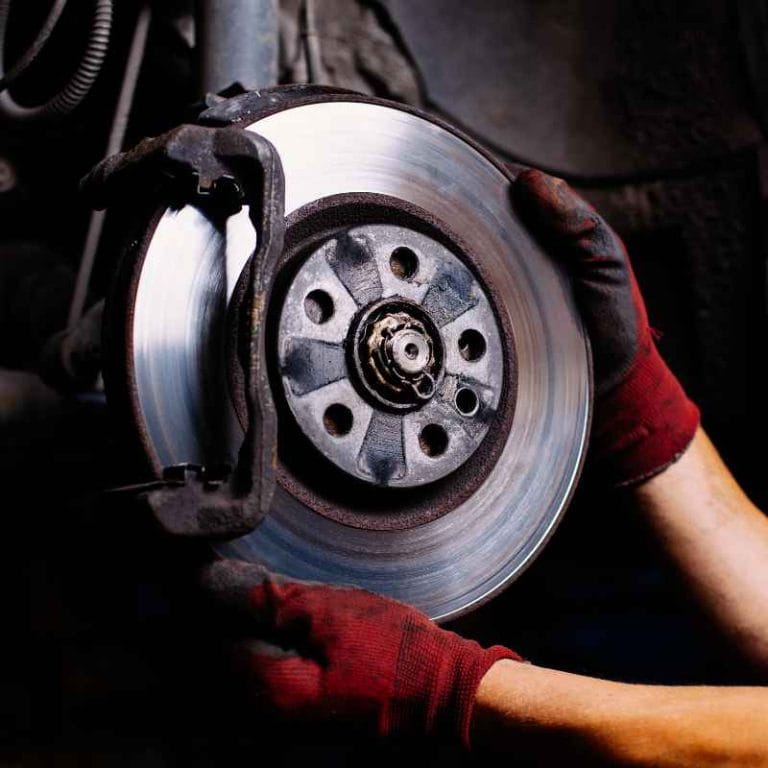
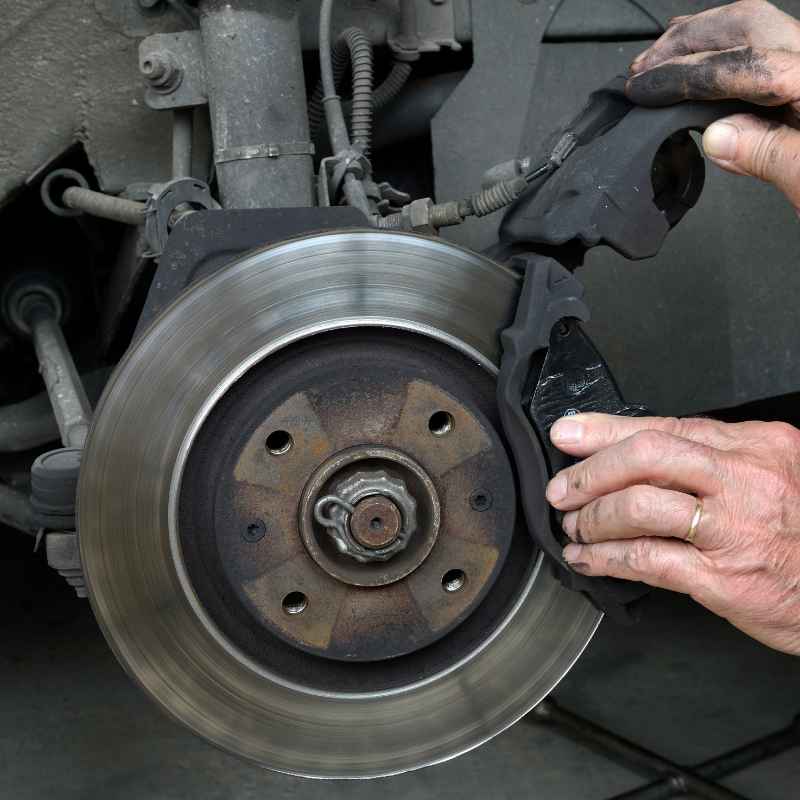
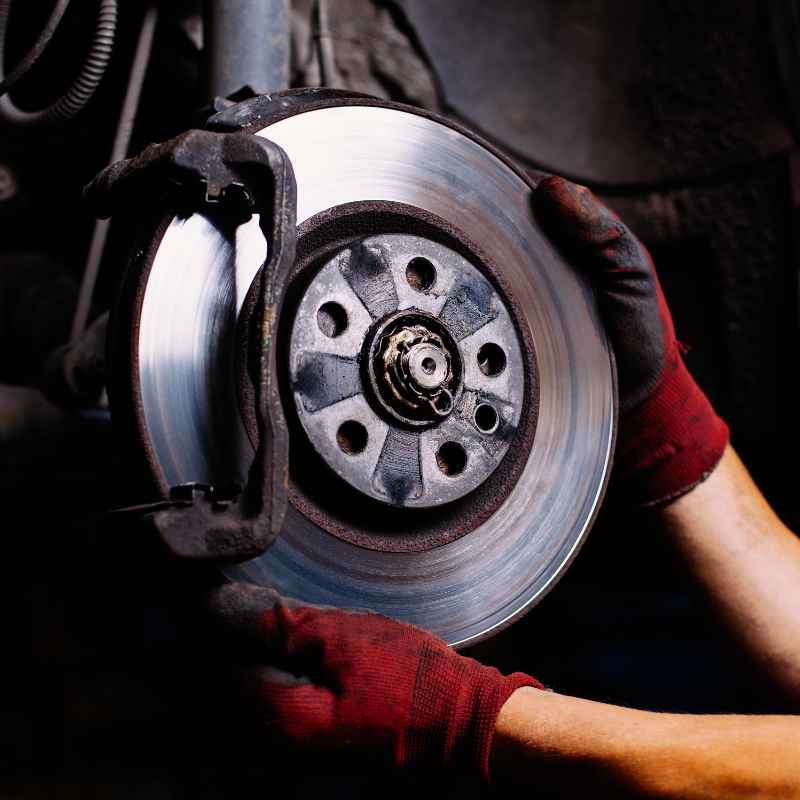
Brake pads work by creating friction against the brake rotor. This friction converts kinetic energy into heat, slowing the car. Over time, this friction wears down the pad material.
Hapleby
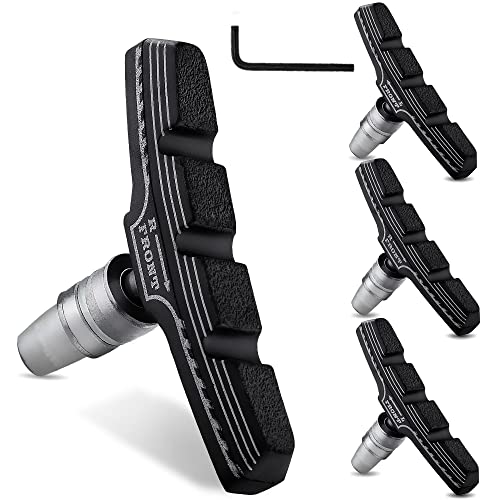
Hapleby 4PCS Premium Bike Brake Pads, Professional…
- 【HARD-WEARING MATERIAL】 The brake pads are made of hyathetic fiber and nitrile rubber, they have supreme durable and long-lasting…
- 【EXPERIMENTAL DATA】 After many experiments we have obtained data, when the vehicle speed is 12.5km/h, it can be used continuously…
- 【HUMANIZE DESIGN】 This brake pads have three while lines. the first line is remind to replace the brake pads, the second line is b…
As an Amazon Associate I earn from qualifying purchases.
The material your brake pads are made from plays a big role in how long they last and how they perform. Different types of brake pads are designed for various driving conditions and preferences. For instance, performance pads might wear faster than standard ones.
Knowing the general lifespan of brake pads can help you budget for maintenance and avoid unexpected issues.
Types of Brake Pads and Their Durability
Brake pads come in several main types, each offering different benefits regarding stopping power, noise, and lifespan. The materials used directly impact how quickly they wear down and how long they will perform effectively.
Organic Brake Pads
These are often the most affordable option and are made from a blend of materials like rubber, glass, and kevlar, held together with resin. They are known for being quiet and easy on the rotors. However, they tend to wear out faster than other types.
They also don’t perform as well in extreme heat or heavy braking situations.
- Pros: Quiet operation, low rotor wear, affordable.
- Cons: Shorter lifespan, less effective in high heat, dustier.
The lifespan of organic brake pads can be anywhere from 20,000 to 40,000 miles. This is because the softer materials wear down more quickly with each application of the brakes. They are best suited for drivers who do mostly city driving with gentle braking.
Semi-Metallic Brake Pads
These pads contain about 30-70% metal fibers, such as steel wool or copper, mixed with fillers and binders. They offer good braking performance across a wide range of temperatures and are more durable than organic pads. A drawback is that they can be noisier and may wear rotors faster due to the metal content.
- Pros: Good performance, better heat dissipation, longer lasting than organic.
- Cons: Can be noisy, wear rotors faster, produce more dust.
Semi-metallic brake pads typically last between 40,000 and 60,000 miles. This increased durability makes them a popular choice for everyday driving. Their ability to handle heat better means they are suitable for more varied driving conditions, including some highway use.
Ceramic Brake Pads
Made from ceramic fibers, bonding agents, and non-ferrous fill materials, ceramic pads are known for their quiet operation and very low dust production. They offer excellent stopping power and are durable, typically outlasting organic and semi-metallic pads. While they can be more expensive initially, their longer life and cleaner performance often make them a good investment.
- Pros: Quiet, very low dust, long lasting, good stopping power, gentle on rotors.
- Cons: Higher initial cost, can be less effective in very cold temperatures compared to semi-metallic.
Ceramic brake pads can last from 50,000 to over 70,000 miles. Their composition allows them to withstand high temperatures without significant wear. Many drivers prefer ceramic pads for their balance of performance, longevity, and cleanliness.
High-Performance/Racing Brake Pads
These are designed for extreme conditions and offer superior stopping power but at the cost of longevity and comfort. They are made from specialized composite materials. They are not suitable for everyday driving as they can be very noisy, produce significant dust, and wear rotors extremely quickly.
- Pros: Maximum stopping power, excellent heat resistance.
- Cons: Very short lifespan, noisy, extremely aggressive on rotors, high cost.
Their lifespan can be as short as 10,000 to 20,000 miles or even less under racing conditions. They are typically used in motorsports or for vehicles driven very aggressively on a track.
Factors Affecting Brake Pad Longevity
Several factors influence how long your brake pads will last. Your driving habits are a major contributor. Frequent hard braking, like slamming on the brakes often, will wear them down much faster than smooth, gradual stops.
Driving in stop-and-go traffic also increases wear because you use the brakes more often.
The environment you drive in matters too. Driving in dusty or muddy conditions can cause contaminants to get into the brake system, increasing wear. Extreme temperatures, both hot and cold, can also affect brake pad performance and lifespan.
Heavy loads or towing also put extra stress on the brakes, leading to quicker wear.
Driving Habits
Your personal driving style has a significant impact on brake pad wear. Aggressive driving, which involves frequent hard acceleration and sudden braking, puts immense stress on your brake pads. Each time you brake hard, more material is ground off the pad.
This is because the brakes have to work much harder to slow a vehicle moving at a higher speed or one that has rapidly gained speed.
Conversely, a driver who practices smooth, defensive driving will experience much longer brake pad life. This involves anticipating traffic flow, maintaining safe following distances, and using gentle braking to slow down. By allowing the vehicle to coast or using light pressure on the brake pedal, the friction and heat generated are significantly reduced, thus minimizing wear.
Consider these habits:
- Hard Braking Using the brakes forcefully and frequently wears pads down rapidly. A study by AAA found that aggressive drivers can reduce brake life by up to 50%.
- Frequent Stops Driving in heavy city traffic or on winding roads often requires more frequent braking compared to highway driving, increasing wear.
- Downhill Driving Riding the brakes on long downhill slopes generates excessive heat and friction, greatly accelerating wear. Engine braking or using lower gears can help reduce reliance on brakes.
Sample Scenario 1: The Aggressive Driver
- Driver A accelerates quickly and brakes late and hard.
- They drive in a city with many traffic lights and intersections.
- Their brake pads might need replacement every 20,000 miles.
Sample Scenario 2: The Gentle Driver
- Driver B maintains a steady speed and brakes gently well in advance of stops.
- They primarily drive on highways or suburban roads with less traffic.
- Their brake pads could last 60,000 miles or more.
Environmental Conditions
The environment in which you drive can significantly affect the longevity of your brake pads. Dusty roads, for example, can introduce abrasive particles into the braking system. These particles can embed themselves in the brake pad material or between the pad and the rotor, acting like sandpaper and accelerating wear.
Driving in areas with heavy rainfall or snow also presents challenges. While water can help clean brake components, excessive moisture can lead to rust on rotors over time, especially if the car sits for long periods. Salt used on roads in winter can also be corrosive and contribute to premature wear and damage to brake parts.
Extreme temperatures also play a role. In very hot climates, brake pads can overheat, especially during prolonged braking like descending a steep grade. Overheating can cause the pad material to fade (lose effectiveness) and can lead to glazing, a condition where the pad surface becomes smooth and hardened, reducing its ability to grip the rotor.
In very cold climates, brake components can contract, and moisture can freeze, potentially causing issues.
- Dust and Debris Driving on dirt roads or in construction zones exposes brakes to abrasive materials that speed up wear.
- Moisture and Salt Road salt and prolonged exposure to water can cause corrosion on rotors and other brake parts, affecting performance and potentially leading to premature wear.
- Temperature Extremes Both very high and very low temperatures can impact brake pad material and rotor performance, affecting their lifespan.
A report by the U.S. Environmental Protection Agency (EPA) has noted that brake dust, while often overlooked, can contain trace amounts of metals and other materials that, over time, can contribute to environmental concerns and wear on components.
Vehicle Load and Towing
The weight your vehicle carries directly impacts the demand placed on its braking system. When a vehicle is loaded with passengers, cargo, or is towing a trailer, it has more mass to slow down. More mass means the brakes must generate more friction to achieve the same stopping effect.
This increased demand translates into more material being abraded from the brake pads with each application. Furthermore, carrying heavy loads or towing often leads to prolonged braking, especially on inclines or during descent, which generates more heat. Excessive heat can accelerate wear and potentially damage the brake pads and rotors.
For drivers who regularly carry heavy loads or tow, it’s essential to be aware that their brake pads will likely wear out faster than those of drivers who operate lighter vehicles. Regular inspection becomes even more critical in these scenarios.
- Increased Mass A heavier vehicle requires more force and time to decelerate, putting greater strain on the brake pads.
- Heat Generation Carrying or towing significant weight often involves more sustained braking, leading to higher temperatures that accelerate wear.
- Reduced Lifespan Consequently, brake pads on heavily loaded vehicles or those frequently used for towing will have a significantly shorter lifespan.
Manufacturers often provide recommendations for brake maintenance based on load conditions. For instance, a truck owner’s manual might suggest checking brake pads more frequently if towing above a certain weight.
How to Tell When Brake Pads Need Replacing
Recognizing the signs that your brake pads are wearing thin is crucial for safety. You don’t want to wait until your brakes are completely gone. Fortunately, there are several common indicators that alert you to this need.
The most noticeable signs are usually auditory. A high-pitched squealing noise when you apply the brakes is often a warning from the built-in wear indicator. This is a small metal tab designed to make noise when the pad reaches a certain minimum thickness.
Grinding or scraping sounds are more serious and mean the pad material has likely worn away completely, and the metal backing plate is grinding against the rotor.
Visual inspection is also effective. If you can see the brake pads through the wheel spokes, you can often gauge their thickness. You can also check the brake fluid level; if it’s low, it might indicate worn brake pads as the caliper pistons extend further to compensate.
However, a professional inspection is the most reliable way to ensure your brakes are in good working order.
Auditory Warning Signs
Your car’s braking system is designed with indicators to let you know when the brake pads are getting thin. The most common of these is a small metal tab attached to the brake pad. As the pad wears down, this tab eventually makes contact with the rotor when you apply the brakes.
This contact creates a high-pitched squealing or screeching sound. This noise is intentional and serves as an audible cue, essentially a reminder from your car that it’s time to have your brake pads inspected and likely replaced. It’s designed to be annoying enough that you’ll pay attention to it.
If you ignore the squealing, the brake pad material will continue to wear away. Eventually, the friction material can wear down to the metal backing plate of the brake pad. When this happens, you’ll hear a much more concerning sound: a harsh grinding or scraping noise.
This indicates metal-on-metal contact between the pad’s backing plate and the brake rotor, which is damaging to both components and severely compromises your braking ability.
- Squealing or Screeching A high-pitched noise when braking typically means the wear indicator is engaged. This is your first warning.
- Grinding or Scraping A deep, harsh noise indicates the brake pad material is gone, and the metal backing is contacting the rotor. This requires immediate attention.
- Clicking Noises Sometimes, clicking can indicate issues with the brake caliper or other related components, though it’s less common for pad wear itself.
A survey by the National Highway Traffic Safety Administration (NHTSA) has highlighted that audible warnings are one of the most common ways drivers become aware of brake issues.
Visual Indicators
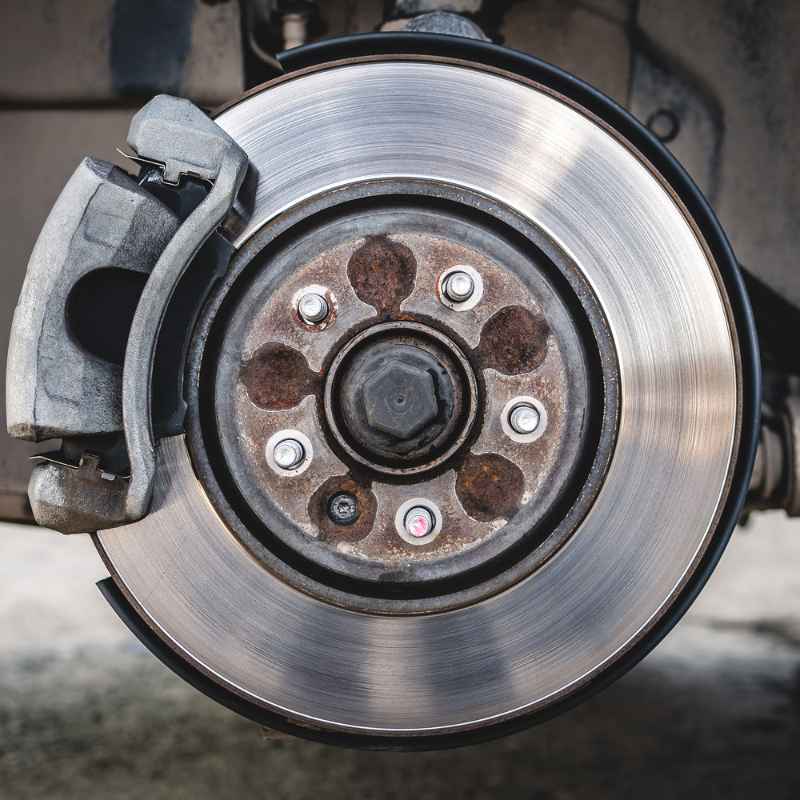
Looking at your brake pads directly can provide a clear visual cue about their remaining lifespan. On many cars, the brake calipers are visible through the spokes of the wheels, allowing for a quick inspection.
The brake pad itself is typically a friction material attached to a metal backing plate. When new, the friction material is usually quite thick, often 8-12 millimeters (about 0.3 to 0.5 inches). As you drive and brake, this material wears away.
When the thickness of the friction material drops to about 3-4 millimeters (around 0.12 to 0.16 inches), it’s generally considered time for replacement.
Some wheel designs make it difficult to see the pads. In such cases, you might need to remove the wheel for a proper view. If you’re unsure what to look for, a mechanic can easily show you.
It’s also helpful to know that brake pads wear down unevenly, so check both the inner and outer pads on each wheel.
- Pad Thickness Visually inspect the brake pad material. If it looks thin, especially compared to the metal backing plate, it needs attention. A general rule is to replace them when they reach 3mm or less.
- Uneven Wear If one pad on an axle is significantly thinner than the other, it could indicate a problem with the caliper or mounting hardware.
- Rotor Scoring Look for deep grooves or scoring marks on the brake rotor surface. This can be a sign that brake pads have been worn down to the metal backing.
A car owner survey revealed that about 60% of drivers have performed visual checks on their brake pads at some point.
Feel and Performance Changes
Your brake pads affect how your brakes feel and perform. As they wear down, you might notice changes in your car’s braking performance. These changes can be subtle at first but become more pronounced as the pads get thinner.
One common sensation is a spongy or soft brake pedal. This means that when you press the brake pedal, it feels less firm and goes down further than usual before engaging the brakes. This can happen for a few reasons, including air in the brake lines, but it’s also often associated with severely worn brake pads.
The reduced material means the caliper has to travel further to make contact.
You might also notice that it takes longer to stop your car. If you feel like you have to press the brake pedal harder than before to achieve the same stopping power, or if your stopping distances have increased, it’s a clear sign that your brake pads are not performing at their best. Vibrations or pulsing through the brake pedal or steering wheel during braking can indicate warped rotors, which often go hand-in-hand with worn pads.
- Spongy Pedal The brake pedal feels soft or goes down further than normal before engaging.
- Reduced Stopping Power It takes longer to stop your car, or you need to apply more force to the pedal.
- Pedal Pulsation Vibrations felt in the pedal or steering wheel during braking can indicate issues like warped rotors, often related to brake pad wear.
- Car Pulling to One Side If your car pulls to the left or right when you brake, it could mean uneven pad wear or a problem with one side of the braking system.
According to automotive repair statistics, a change in brake pedal feel is reported by drivers as a leading indicator for brake service, often before audible warnings.
How Long Should Car Brake Pads Last
When asking, How Long Should Car Brake Pads Last?, the answer is not a single number. It’s a range that depends heavily on the factors we’ve discussed. For average driving conditions, most car brake pads are designed to last between 25,000 and 70,000 miles.
This wide range reflects the differences in pad materials, driving styles, and environmental conditions. For instance, a driver who commutes on highways and brakes gently might achieve the upper end of this range, while a driver who frequently drives in city traffic with hard stops might only get half that mileage from their pads.
It’s essential to have your brake pads inspected regularly as part of your vehicle’s routine maintenance. Most vehicle manufacturers recommend brake inspections every 6,000 to 12,000 miles or at least once a year. This allows a mechanic to check their thickness and assess their condition, ensuring you replace them before they become a safety hazard.
Average Lifespan Benchmarks
While individual experiences vary greatly, there are general benchmarks for how long different types of brake pads typically last under normal driving conditions. These figures provide a useful reference point for car owners.
As a general guideline, you can expect the following mileages:
- Organic Brake Pads Typically last between 20,000 to 40,000 miles. They are the least durable.
- Semi-Metallic Brake Pads Generally last between 40,000 to 60,000 miles. They offer a good balance of durability and performance.
- Ceramic Brake Pads Often last between 50,000 to 70,000 miles or more. They are known for their longevity and clean performance.
It’s important to remember that these are averages. Driving habits and environmental factors can significantly shorten or extend these lifespans. For example, a driver who consistently brakes hard will wear down even ceramic pads much faster than someone who drives gently.
Importance of Regular Inspections
Regular brake inspections are non-negotiable for maintaining your vehicle’s safety and preventing costly damage. Mechanics can identify worn brake pads, damaged rotors, or other brake system issues before they become critical problems.
Most automotive experts recommend having your brakes inspected every 6,000 to 12,000 miles, which often aligns with your vehicle’s oil change intervals. During these inspections, a technician will visually check the thickness of your brake pads and rotors, examine brake lines for leaks, and assess the condition of the brake fluid.
Catching worn brake pads early can save you money in the long run. If you let them wear down too far, they can damage the brake rotors. Replacing rotors is significantly more expensive than replacing just the pads.
Furthermore, driving with severely worn brakes is extremely dangerous, compromising your ability to stop quickly in an emergency.
- Preventative Maintenance Regular checks catch wear before it becomes a safety hazard or causes further damage.
- Cost Savings Early detection of worn pads prevents damage to more expensive components like rotors.
- Safety Assurance Ensures your vehicle can stop effectively when needed, protecting you and others.
- Performance Monitoring Allows for adjustments or repairs to maintain optimal braking performance.
A survey by RepairPal indicated that only about 30% of car owners have their brakes inspected as part of routine maintenance, leading to more significant issues down the line.
When to Seek Professional Help
While some basic car maintenance can be done at home, brake work is a critical safety system and often best left to professionals, especially if you’re not experienced. If you hear any unusual noises, feel strange sensations when braking, or see any warning lights on your dashboard related to the braking system, it’s time to consult a qualified mechanic.
Mechanics have the specialized tools and knowledge to accurately diagnose brake issues. They can check the entire brake system, including calipers, hoses, master cylinder, and brake fluid, not just the pads and rotors. They can also ensure that new parts are installed correctly and that the system is properly bled if necessary.
Don’t gamble with your brakes. If you have any doubts about their condition, or if you’ve noticed any of the warning signs we’ve discussed, take your car to a reputable repair shop. They can provide a thorough inspection and perform any necessary repairs to keep you safe on the road.
- Unusual Noises Squealing, grinding, or clicking noises when braking should be checked immediately.
- Changes in Pedal Feel A spongy, soft, or vibrating brake pedal is a critical warning sign.
- Dashboard Warning Lights Any brake-related warning lights on your instrument cluster require professional attention.
- Pulling or Vibrations If the car pulls to one side during braking or you feel pulsing, seek expert advice.
Statistics from the automotive repair industry show that brake-related issues are among the most common reasons for vehicle repairs, underscoring the need for prompt professional attention when problems arise.
Brake Pad Replacement Costs and Factors
The cost to replace brake pads can vary widely. This is influenced by the type of vehicle, the quality of the replacement parts used, and where you choose to get the service done. Understanding these factors can help you estimate the expense.
For most standard passenger cars, replacing just the front brake pads typically costs between $150 and $300. This price usually includes both parts and labor. Rear brake pads might be slightly less expensive, but it depends on the vehicle’s braking system design.
However, if rotors also need to be replaced, the cost can increase significantly, potentially doubling the overall price. High-performance or luxury vehicles often have more complex braking systems and use higher-priced components, leading to higher repair bills. Doing your research and getting quotes from a couple of different reputable shops can help you find the best value.
Cost Breakdown Parts vs. Labor
When you get your brake pads replaced, the total cost is made up of two main components: the price of the parts themselves and the cost of the labor to install them. Understanding this breakdown can help you gauge the fairness of a quote.
Brake pads can range in price from $30 to $150 or more per axle, depending on the material (organic, semi-metallic, ceramic) and brand. Higher-quality ceramic pads or those designed for specific performance needs will cost more than basic organic pads.
Labor costs for brake pad replacement typically range from $80 to $200 per axle. This covers the mechanic’s time to safely lift the vehicle, remove the wheel, disassemble the caliper, replace the pads, reassemble the system, and ensure everything is functioning correctly. Mechanics often charge by the hour, and brake jobs can take anywhere from 30 minutes to over an hour per axle, depending on the vehicle and any unexpected issues.
- Brake Pad Costs Ranging from $30-$150+ per axle, based on material and brand.
- Rotor Replacement Costs If needed, rotors can add $100-$300+ per axle.
- Labor Charges Typically $80-$200 per axle, depending on shop rates and complexity.
- Additional Components Sometimes, brake hardware like clips or shims might add a small amount to the parts cost.
According to industry data, the parts typically account for about 40-60% of the total repair cost for brake pad replacement.
Factors Influencing Price
Several key factors influence the overall price you’ll pay for brake pad replacement. Understanding these can help you make informed decisions and manage your budget.
Vehicle Type: Luxury cars, sports cars, and heavy-duty trucks often use more specialized and expensive brake components compared to standard sedans or compact cars. The complexity of the braking system also plays a role.
Brake Pad Material: As discussed, ceramic pads are generally more expensive than semi-metallic, which are more expensive than organic pads. Performance or racing pads can be significantly pricier.
Brand of Parts: While generic or economy brands are cheaper, reputable brands known for quality and durability often come with a higher price tag. OEM (Original Equipment Manufacturer) parts are usually the most expensive.
Location and Shop Type: Dealerships typically have the highest labor rates and often use OEM parts, making them the most expensive option. Independent mechanics and chain auto repair shops usually offer more competitive pricing. Your geographic location can also affect labor rates.
Additional Repairs: If your inspection reveals that your brake rotors are worn, damaged, or warped, they will also need to be replaced or resurfaced. This will significantly increase the total cost of the repair.
- Vehicle Make and Model: Premium vehicles and those with advanced braking systems cost more.
- Quality of Brake Pads: Higher-end pads offer better performance and longevity but at a higher price.
- Need for Rotor Service: Replacing or resurfacing rotors adds substantial cost.
- Shop Rates: Labor costs vary widely between dealerships, independent shops, and chain stores.
A national average cost analysis for brake pad replacement shows that a full set of front pads for a mid-size sedan can range from $200 to $350, including parts and labor.
DIY vs. Professional Replacement
Deciding whether to replace your brake pads yourself or have a professional do it is a significant consideration. Both options have their pros and cons.
DIY Replacement: If you have some mechanical aptitude, the right tools (like jack stands, wrenches, C-clamps, and potentially a torque wrench), and access to clear instructions or guides, you can save money on labor costs by replacing your brake pads yourself. The cost of parts will still apply, but you avoid the mechanic’s hourly rate. However, working on brakes is critical for safety.
Mistakes can lead to brake failure. You also need to ensure you dispose of old parts properly.
Professional Replacement: Hiring a mechanic offers peace of mind. They have the expertise, specialized tools, and warranties on their work. If anything goes wrong, you have a professional to turn to.
While more expensive due to labor costs, it ensures the job is done correctly and safely. For many people, the added safety and convenience outweigh the cost savings of DIY.
It’s generally recommended that if you are not experienced with automotive repair, or if you are unsure about any part of the process, you should have brake work performed by a qualified mechanic.
- DIY Pros: Significant cost savings on labor, satisfaction of doing it yourself.
- DIY Cons: Requires tools and knowledge, risk of error leading to safety issues, no warranty on labor.
- Professional Pros: Safety assurance, expert knowledge, warranty on work, convenience.
- Professional Cons: Higher overall cost due to labor charges.
Consumer reports suggest that DIY brake pad replacement can save an average of $100 to $250 per axle compared to professional service.
Conclusion
Understanding How Long Should Car Brake Pads Last? involves looking at pad types, driving habits, and environment. Most pads last between 25,000 and 70,000 miles. Regular checks, usually every 6,000-12,000 miles, are vital.
Listen for squeals or grinding, and watch for changes in how your brakes feel. Professional inspection ensures safety and prevents costly rotor damage. Replacing pads proactively keeps you safe and your car running smoothly.
Frequently Asked Questions
Question: What does it mean if my brakes squeal?
Answer: A high-pitched squealing noise when you apply the brakes usually means the brake pad wear indicator is making contact with the rotor. This is a signal that your brake pads are thin and need to be inspected and likely replaced soon.
Question: Can I drive with worn brake pads?
Answer: Driving with worn brake pads is very dangerous. It significantly reduces your car’s ability to stop, increasing stopping distances and the risk of accidents. It can also damage your brake rotors, leading to more expensive repairs.
Question: How often should brake pads be checked?
Answer: It’s recommended to have your brake pads checked at least once a year or every 6,000 to 12,000 miles. Many mechanics will inspect them during routine oil changes.
Question: Do all cars have brake pad wear indicators?
Answer: Most modern cars are equipped with audible wear indicators, which are small metal tabs designed to squeal when the pads are worn. However, some vehicles might use electronic sensors instead, which trigger a dashboard warning light.
Question: How can I make my brake pads last longer?
Answer: To make your brake pads last longer, practice smooth driving. Avoid hard acceleration and sudden braking. Maintain a safe following distance to allow for gentle stops.
Also, be mindful of your environment; driving in dusty or wet conditions can increase wear. See also best place to buy car brakes online vs local shops.
Related pick: Check today's price on Amazon
Products related to this article
Sponsored / affiliate links. As an Amazon Associate I earn from qualifying purchases. I may earn additional commission from eligible campaigns.