How To Check Car Engine Oil Condition In 60 Seconds
Checking your car’s engine oil condition is vital for engine health. In about 60 seconds, you can use a dipstick to see if the oil is dark, thick, or has a milky appearance. This quick check helps you understand potential engine problems early, preventing costly repairs.
Understanding Your Car’s Engine Oil Condition
Engine oil is like the blood of your car’s engine. It does many important jobs. It keeps parts from rubbing together.
This stops wear and tear. It also cools down the engine. Oil carries away dirt and tiny metal bits.
It even helps seal gaps. So, good oil means a happy engine.
When you check your oil, you look at its color and feel its texture. The oil’s condition tells a story. It can signal if the engine is running well.
It can also hint at problems. Learning these signs is very useful. It helps you know when to change your oil.
It also alerts you to bigger issues.
Many car owners skip this step. They rely on their mechanic. Or they wait for a warning light.
But a simple oil check can save you trouble. You can spot issues before they become disasters. Imagine knowing your oil is bad before it causes engine failure.
That’s the power of this check.
The car engine oil condition is a key health indicator. Think of it like checking your own pulse. It’s a quick way to gauge overall well-being.
For your car, it’s a direct line to the engine’s inner workings. It’s not just about the oil level. It’s about the oil’s quality.
We will break down what you see. We will explain what it means in plain terms. No complex jargon here.
Just easy-to-understand facts. So, you can feel confident. You can know what your car’s oil is telling you.
My “Oh No” Oil Check Moment
I remember one sweltering summer afternoon. I was about to take my old sedan on a road trip. My friend, who knows a lot about cars, stopped me.
“Did you check your oil?” he asked. I hadn’t in a while. I thought, “It’s fine.
It’s not low.”
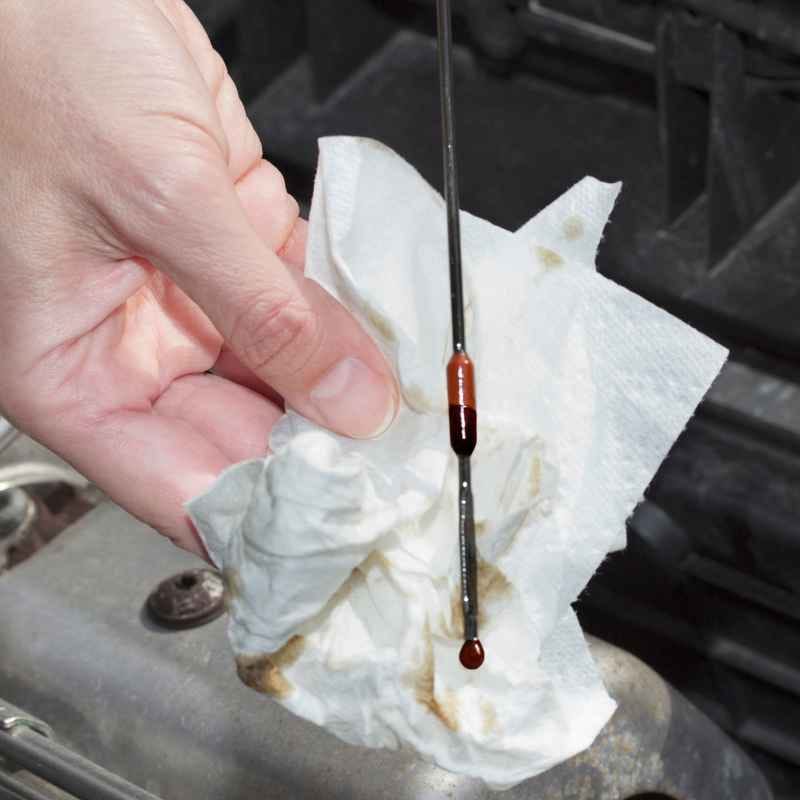
I grabbed the dipstick. It was buried deep in the engine. Pulling it out felt like a chore.
The oil that came off was thick. It was almost black. It looked nothing like the golden honey I remembered.
And it smelled a bit burnt. My stomach dropped. I felt a wave of panic.
What if it was too late?
My friend took a look. He said, “This oil is done. It’s sludge.
You can’t drive on this.” He helped me find a quick oil change place. It was a close call. That day taught me a lesson.
Never assume your oil is okay. Always check its condition. It only takes a minute.
And it can save your engine.
That burnt smell was a warning. The thick, dark color showed the oil was old. It had lost its ability to protect the engine.
It had collected too much dirt and grime. This experience stuck with me. Now, I check my oil religiously.
It’s a simple habit with big rewards.
Checking oil isn’t just for mechanics. It’s for everyday drivers too. The engine oil condition can prevent breakdowns.
It can stop you from being stranded. That feeling of dread I had? You can avoid it.
The Essential Oil Check Steps
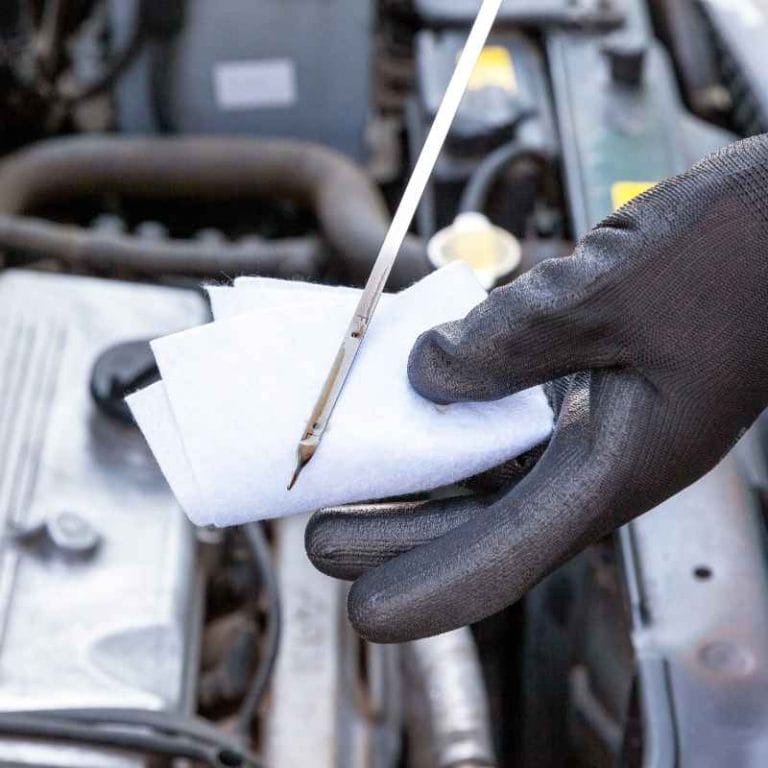
1. Find the Dipstick: Look for a bright colored loop or handle. It’s usually on the engine block.
2. Pull It Out: Gently pull the dipstick all the way out.
3. Wipe It Clean: Use a clean rag or paper towel. Wipe off all the oil.
4. Reinsert Fully: Push the dipstick back into its tube until it stops.
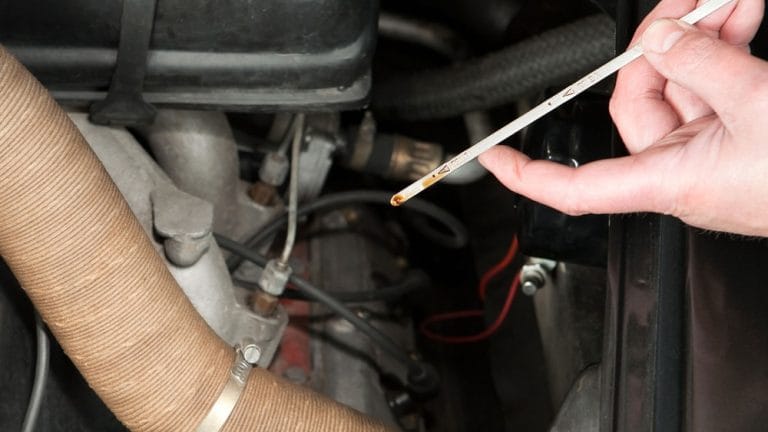
5. Pull It Out Again: This time, check the oil marks. See the color and feel the texture.
6. Wipe and Dispose: Clean the dipstick well. Put it back in its place.
What Does the Color of Your Engine Oil Mean?
The color of your engine oil is a big clue. Fresh engine oil is usually light amber or honey-colored. It looks clean and somewhat transparent.
As you use your car, the oil picks up soot. It also collects other particles. This makes it darker over time.
A slightly darkened oil is normal. It means the oil is doing its job. It’s cleaning the engine.
But there are shades of dark. And some signs are not good.
Light Amber/Honey: This is new oil. Or it’s oil that has been recently changed. It’s healthy and clean.
Brown: This is normal for oil that has been in use for a while. It means the oil is working. It’s starting to pick up some dirt.
Dark Brown/Black: This means the oil is old. It has been used for a long time. It has absorbed a lot of soot and debris.
It’s time to change it. If it’s very dark and thick, it might be overdue.
Black and Gritty: This is a bad sign. It means there are a lot of particles in the oil. These could be metal shavings from engine wear.
Or lots of soot. This oil is not protecting the engine anymore.
Milky or Foamy (Brownish-White): This is a serious issue. It usually means coolant is leaking into the oil. This is bad for the engine.
It can cause major damage quickly.
The oil color guide is simple. Darkening is natural. But a change to milky white is a big red flag.
Always pay attention to unusual colors.
Oil Color Quick Guide
- New Oil: Light amber, clear.
- Used Oil (Normal): Brown, slightly darker.
- Old Oil: Dark brown to black.
- Very Old/Dirty Oil: Black, opaque.
- Problem Oil: Milky white, foamy, or greyish.
Texture and Feel: What Your Fingers Can Tell You
Your fingertips can be a useful tool too. After checking the dipstick, rub a little oil between your fingers. Be careful if the engine is hot.
Let it cool slightly. The feel of the oil can reveal more.
Smooth and Slippery: This is good. It means the oil still has its lubricating properties. It’s doing its job well.
Gritty or Sandy: This is a sign of contamination. You might feel tiny particles. These could be metal shavings.
This means the engine parts are rubbing too much. Or the oil is very old and full of dirt.
Thick and Sludgy: This oil is not flowing well. It’s like tar. This happens when oil gets old and breaks down.
Or if the wrong type of oil was used. Thick oil can’t reach all engine parts. This causes wear.
Watery or Thin: Some modern synthetic oils are naturally thinner. But if oil feels unusually thin or watery for its type, it might be a problem. This could mean fuel is mixing with the oil.
Or the oil has broken down significantly.
The engine oil texture test is simple. Just a tiny bit on your finger. It gives you a tactile clue.
It complements what you see with color. If it feels gritty, that’s a concern.
Feel Test Checklist
- Smooth? Good.
- Gritty? Bad. Metal particles likely.
- Thick like tar? Oil is old/degraded.
- Watery thin? Could be fuel contamination.
The Smell of Your Engine Oil
Don’t forget to smell the oil on the dipstick. Engine oil has a distinct smell. But if that smell changes, it’s a warning sign.
Always smell the oil when it’s cool enough to do so safely.
Normal Oil Smell: It has a slightly oily smell. It’s not strong or unpleasant.
Burnt Smell: This is a major warning. It means the oil is overheating. It has been subjected to extreme temperatures.
This can happen if the oil level is too low. Or if the engine is working too hard. Or if the oil itself is old and degraded.
Gasoline Smell: If you smell gasoline, it means fuel is leaking into the oil. This is not good. It thins the oil.
It reduces its ability to lubricate. It can also be a sign of engine combustion problems.
Acrid or Chemical Smell: This might indicate the oil is breaking down. Or there’s a leak of some other fluid into the oil.
A burnt oil smell from the dipstick is something to address immediately. It means the oil is not doing its job. It’s likely causing harm.
Smell Test Results
- Oily (Normal): Okay.
- Burnt: Warning! Oil overheating.
- Gasoline: Warning! Fuel dilution.
- Chemical/Acrid: Warning! Oil degradation.
When is Dark Oil Okay?
As we’ve seen, oil gets darker with use. This is normal. It means the detergent additives in the oil are working.
They are grabbing onto soot particles. These particles come from the combustion process. They are tiny bits of carbon.
When the oil is dark brown but still feels smooth. And it doesn’t smell burnt. And the level is correct.
Then dark oil is likely okay. It just means it’s time for an oil change soon. Most manufacturers recommend oil changes at set mileage intervals.
Or after a certain time period.
For example, a lot of cars need oil changes every 5,000 to 7,500 miles. Some newer cars with synthetic oil can go longer, maybe 10,000 miles. But always check your car’s owner’s manual.
It has the exact recommendations for your vehicle.
If you’re close to that mileage or time limit. And your oil is dark brown. It’s a good idea to get it changed.
Don’t wait until it turns completely black. Or until it smells burnt.
The key is consistency. Regular checks help you spot when dark oil becomes too dark. Or when its texture changes.
Don’t just look at the color in isolation. Consider all the factors together. The dark engine oil condition is not always an emergency.
Is Dark Oil Bad? Not Always!
When Dark is Okay:
- Oil is dark brown, not black.
- It feels smooth, not gritty.
- It doesn’t smell burnt or like gas.
- The oil level is correct.
- You are within or slightly past your recommended oil change interval.
When Dark is a Concern:
- Oil is jet black and thick.
- Oil feels gritty.
- Oil smells burnt or like gasoline.
- You are significantly past your oil change interval.
When to Worry: Signs of Troubled Oil
While dark oil can be normal, some signs mean you need to act fast. These are indicators of serious issues. They could damage your engine if ignored.
Milky White Oil: This is the most alarming sign. It means coolant has mixed with your engine oil. Coolant is vital for preventing overheating.
Oil is vital for lubrication. When mixed, they create a sludge. This sludge offers no lubrication.
It can cause rapid engine wear. It can lead to overheating. A blown head gasket is often the cause.
See a mechanic immediately.
Gritty Texture: As mentioned, gritty oil means metal particles are present. This is a direct sign of internal engine wear. Parts are grinding against each other.
This is a critical issue. Your engine is failing. You need professional inspection.
Burnt Smell: A strong burnt smell means the oil is too hot. It has lost its lubricating ability. This can happen due to low oil levels.
Or a malfunctioning cooling system. Or the oil is simply too old. If you notice this, stop driving the car if possible.
Check the oil level. If it’s low, add oil. If the smell persists, get it checked.
Excessive Foaminess: While milky white is the worst, any significant foaminess can be bad. It suggests air is getting into the oil. Or the oil is breaking down.
This reduces its ability to protect the engine.
These are the signs of bad engine oil. They are your car’s way of screaming for help. Don’t delay.
The cost of a repair is usually much lower than the cost of a new engine.
Critical Oil Warning Signs
- Milky/Foamy Oil: Coolant leak. IMMEDIATE mechanic visit needed.
- Gritty Feel: Metal wear. Stop driving and get it checked.
- Burnt Smell: Oil overheating. Check level, reduce load, and get inspected.
- Fuel Smell: Fuel dilution. May indicate engine issues.
Real-World Scenarios and Oil Checks
Think about your daily driving. Your car’s oil condition can be affected by many things.
Short Trips: If you only drive short distances. Like just to the grocery store and back. Your engine doesn’t get hot enough.
This can cause moisture and condensation to build up in the oil. Over time, this can lead to sludge. If this is your driving style, check your oil often.
Consider driving a longer distance once a week. This helps burn off moisture.
Heavy Towing or Hauling: When you tow a trailer or carry heavy loads. Your engine works harder. This makes the oil hotter.
It also breaks down the oil faster. If you do this regularly, you might need to change your oil more often. Check your owner’s manual for towing guidelines.
Extreme Weather: Driving in very hot climates. Or in very cold climates. Puts extra stress on the engine and oil.
In extreme heat, oil can break down faster. In extreme cold, it can become too thick. Using the correct weight of oil for your climate is very important.
For example, 5W-30 is common. But your manual will specify.
Stop-and-Go Traffic: Constant stopping and starting. Especially in hot weather. Can lead to engine overheating.
This stresses the oil. It can cause it to degrade faster. If you spend a lot of time in city traffic jams.
Make sure your cooling system is working well. And check your oil more frequently.
These are real situations where oil condition monitoring is crucial. Your driving habits matter. They impact how your oil performs.
Driving Habits and Oil Life
Scenario: Daily Short Trips
Impact: Moisture buildup, potential sludge.
Action: Check oil often. Take a longer drive weekly.
Scenario: Frequent Heavy Towing
Impact: Oil overheats, breaks down faster.
Action: Consult manual for extended oil change intervals.
Scenario: Extreme Heat/Cold
Impact: Oil viscosity issues, faster degradation.
Action: Use correct oil weight for climate.
What This Means for Your Car’s Health
Your engine oil condition is a direct reflection of your engine’s health. If the oil is clean and at the right level, it’s a good sign. It means your engine is likely running smoothly.
If the oil is dark, gritty, or smells bad. It’s a warning. It means something isn’t right inside.
The oil is no longer protecting your engine effectively. It might be due to normal wear and tear over time. Or it could be a sign of a specific problem.
Ignoring bad oil can lead to serious consequences. These include:
- Increased Engine Wear: Without proper lubrication, parts rub together. This causes premature wear.
- Overheating: Oil helps cool the engine. If it’s degraded, it can’t do this job well.
- Sludge Buildup: Old, broken-down oil forms sludge. This blocks oil passages. It starves parts of oil.
- Engine Seizure: In extreme cases, lack of lubrication causes parts to weld together. The engine stops working.
- Costly Repairs: Replacing an engine is one of the most expensive car repairs.
The implications of oil condition are huge. It’s not just about the oil. It’s about the entire engine.
A simple oil check is preventive maintenance. It saves you money and stress in the long run.
Your Oil Check Matters!
Good Oil = Good Engine: Clean oil means better lubrication and cooling.
Bad Oil = Potential Problems: Dark, gritty, or smelly oil signals engine stress or wear.
Consequences of Neglect: Engine wear, overheating, sludge, and very expensive repairs.
Your Action: Regular checks help catch issues early.
Quick Checks and Simple Tips
Here are some easy things you can do. They help keep your oil in good shape.
Check Your Oil Level: Always ensure your oil is between the “min” and “max” marks on the dipstick. Too little oil is dangerous. Too much oil can also cause problems.
Use the Right Oil: Always use the type and weight of oil recommended in your car’s owner’s manual. Using the wrong oil can affect performance and wear.
Don’t Ignore Warning Lights: If your oil pressure light comes on, stop driving immediately. It means oil is not circulating properly.
Listen to Your Engine: If your engine starts making strange noises, especially knocking or ticking sounds, check your oil. These can be signs of lubrication issues.
Regular Oil Changes: Follow your car manufacturer’s recommended oil change schedule. This is the single best thing you can do.
These are basic engine oil maintenance tips. They are easy to follow. They are essential for your car’s long life.

Frequently Asked Questions About Engine Oil Condition
How often should I check my car’s engine oil condition?
It’s best to check your oil level and condition at least once a month. Many people check it every time they fill up with gas. If you notice any issues, check more often.
Can I drive my car if the oil is black?
If the oil is dark brown but still smooth and doesn’t smell bad, you might be able to drive short distances. But it’s a strong sign it’s time for an oil change. If it’s jet black and thick, or gritty, or smells burnt, it’s safer to stop driving and get it checked by a mechanic.
What does it mean if my oil is low?
Low oil means your engine isn’t getting enough lubrication. This can cause overheating and serious wear. Add the correct type of oil immediately.
Then, check for leaks. If you’re losing oil quickly, get it inspected.
Is it okay to mix different types of oil?
It’s generally best to use the same type and brand of oil. If you need to top off, check your owner’s manual. For short-term mixing, use the same viscosity grade (like 5W-30).
However, for optimal performance, stick to one type. Long-term mixing can reduce the oil’s effectiveness.
How long does engine oil last?
Most conventional oils last about 5,000 miles or 6 months. Synthetic oils can last longer, often 7,500 to 10,000 miles or a year. Always refer to your car’s owner’s manual for the exact recommendation for your vehicle.
What is the difference between conventional and synthetic oil?
Conventional oil is refined crude oil. Synthetic oil is engineered in a lab. Synthetic oil is more stable at extreme temperatures.
It offers better protection, lasts longer, and resists breakdown better than conventional oil.
Final Thoughts on Oil Condition
Checking your car’s engine oil condition is simple. It takes less than a minute. But it gives you valuable insights.
You can spot problems early. You can keep your engine running smoothly. Don’t fear the dipstick.
It’s your friend.
Remember the color, feel, and smell. These simple checks help you maintain your car. They prevent costly repairs.
Make it a habit. Your engine will thank you for it.