How Much Oil Does a Car Engine Need? 4 to 8 Quarts by Size
Most car engines need between 4 and 6 quarts of oil. The exact amount depends on your car’s make, model, and engine size. Always check your owner’s manual for the precise capacity.
What is Engine Oil and Why Does It Matter So Much?
Think of your car’s engine as a busy city. Lots of parts are moving very fast. They rub against each other.
Mobil 1 Extended Performance 5W-30 (5 Quart) — $34.97
Most 4-cylinder engines need close to 5 quarts — exactly what this jug covers in one purchase, with no leftover partial quart to store.
- Best for: 4-cylinder engines needing the ~5 quart fill this article covers
- Why picked: Full synthetic resists breakdown longer between changes than conventional oil
- Main drawback: 6-cylinder+ engines need 6+ quarts — check your exact capacity first
This rubbing makes heat. It also causes wear. Engine oil is like the city’s lifeblood.
It flows everywhere to keep things smooth.
Oil does a few big jobs. It lubricates all the moving parts. This means less friction.
Less friction means less heat. It also helps keep your engine clean. Dirt and tiny metal bits can get washed away.
Oil also forms a seal. This seal helps with compression. Compression is key for power.
So, does your engine need 4 quarts? Or maybe 5? Or even 6?
The exact amount is very important. Too little oil means parts can grind. This causes fast wear.
It can even lead to engine failure. Too much oil can also cause problems. It can hurt seals and sensors.
It can even make the engine run rough.
My Own Oil Level Scare
I remember one time, years ago. I had a little sedan. It was a good car.
I thought I was being really good about maintenance. I checked the oil every few weeks. One day, I was driving on a long trip.
The engine started making a funny noise. It wasn’t a loud noise. It was more like a slight tick.
I got a little worried.
I pulled over at the next gas station. I popped the hood. I pulled out the dipstick.
The oil level was right at the bottom line. I had let it get too low. I felt a rush of panic.
How could I miss this? I had enough oil in my trunk. I added a quart.
The noise went away. But it taught me a big lesson. Even a little bit too low can cause trouble.
It’s easy to miss. It’s easy to get wrong. But it’s so important.
Quick Oil Facts You Need to Know
What is it? Engine oil is a special fluid. It has oils and additives.
Why check it? To make sure there’s enough. Too much or too little is bad.
When to check? When the engine is cool. On a flat surface.
How much? Always check your car’s manual. It’s different for every car.
How to Actually Check Your Car’s Oil Level
Checking your oil is not hard. But there are steps. Do these steps right.
You’ll get the right answer. First, find a good spot. Your car needs to be on a level surface.
Hills can trick you. Wait for the engine to cool. Give it about 10-15 minutes after you stop driving.
This lets all the oil drip back down.
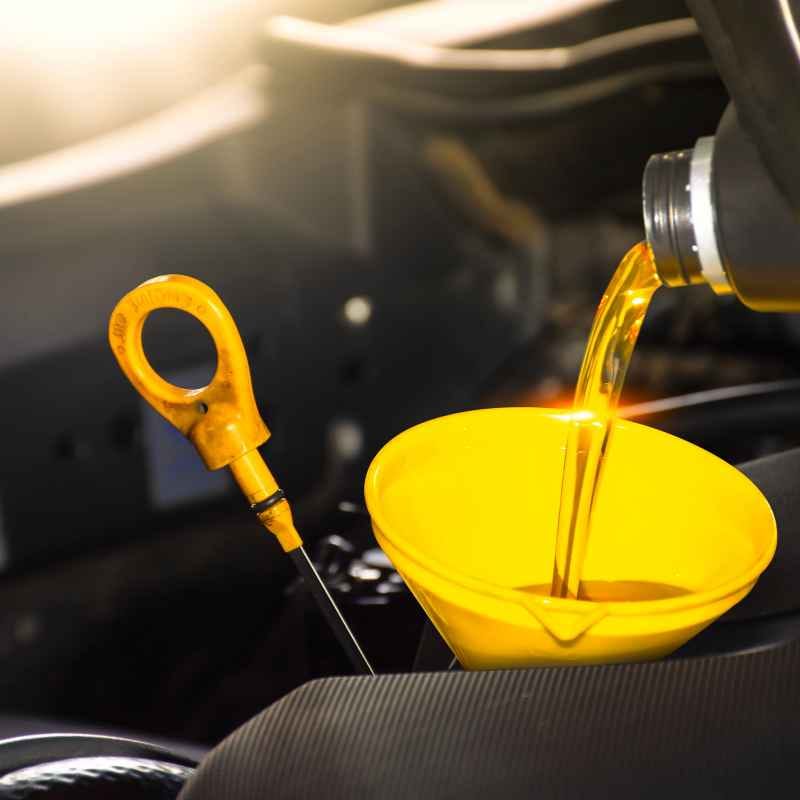
Open the hood. Find the oil dipstick. It usually has a bright-colored handle.
It might say “Oil” on it. Pull it all the way out. Wipe it clean with a paper towel or rag.
Push it all the way back in. Make sure it’s seated properly. Pull it out again.
Look at the end of the dipstick.
You’ll see marks there. Usually, there are two marks or holes. One is “Low.” The other is “Full.” The oil level should be between these two marks.
Ideally, it should be close to the “Full” mark. If it’s at the “Low” mark, you need to add oil. If it’s below “Low,” you need to add it fast.
What if the oil is above the “Full” mark? This means you have too much. Don’t ignore this.
It can be a problem too. We’ll talk about why later. But for now, know that the sweet spot is between the marks.
Closer to full is usually better than too low.
Oil Dipstick: What to Look For
- Level: Should be between the “Low” and “Full” marks.
- Color: New oil is amber. Old oil can be dark brown or black.
- Smell: Should not smell burnt. A burnt smell is a warning.
- Texture: Should feel smooth. Gritty oil means dirt or metal.
How Much Oil Does Your Car Really Need?
This is the million-dollar question. The answer is not one size fits all. Your car’s engine needs a specific amount of oil to work right.
This amount is called its oil capacity. It’s measured in quarts or liters.
Where do you find this magic number? The best place is your car’s owner’s manual. It’s in the back pages, usually in a section about maintenance.
It will say something like “Engine Oil Capacity.” It might list it for different engines if your car model has options.
Why is it different? Think about different size cups. A small teacup holds less liquid than a large soup bowl.
Car engines are like that. Smaller engines have smaller oil pans. They need less oil.
Bigger engines have bigger oil pans. They need more oil.
For example, a small compact car might need around 4 quarts of oil. A large truck or an SUV with a V8 engine might need 6, 7, or even 8 quarts. Some sports cars have special designs that need even more.
So, always, always look up your specific car.
Typical Oil Capacities (Examples)
Small Sedans (e.g., Honda Civic, Toyota Corolla): 3.5 – 4.5 quarts
Mid-Size Sedans (e.g., Toyota Camry, Honda Accord): 4.5 – 5.5 quarts
SUVs (e.g., Ford Explorer, Toyota Highlander): 5 – 6.5 quarts
Pickup Trucks (e.g., Ford F-150, Ram 1500): 6 – 7.5 quarts
Note: These are general examples. Always check your owner’s manual for your specific vehicle.
What Happens If You Have Too Little Oil?
We talked about this a bit. But it’s worth repeating. Having too little oil is dangerous for your engine.
Imagine trying to run a race without water. Your body would suffer. Your engine is similar.
Oil is its coolant and lubricant.
When the oil level is low, the oil pump might struggle to pick up enough oil. This is called oil starvation. The oil doesn’t reach all the parts that need it.
The parts that move the most, like the crankshaft and pistons, don’t get enough lubrication.
This causes friction. Friction creates heat. This heat can damage metal parts.
They can warp or melt. You’ll start to hear new sounds. These might be ticks, knocks, or grinding noises.
The engine light might come on. It could be a red oil pressure light.
If you ignore low oil, the damage gets worse. The engine can seize up. This means the moving parts stop moving.
It’s like a heart attack for your engine. The repair cost can be huge. Sometimes, the engine needs to be replaced entirely.
This can cost thousands of dollars. It’s much cheaper to prevent this by checking oil.
Signs of Low Engine Oil
- Oil Warning Light: A red light that looks like an oil can.
- Strange Noises: Ticking or knocking sounds from the engine.
- Burning Smell: Oil burning on hot engine parts.
- Low Oil Pressure Gauge: If your car has one.
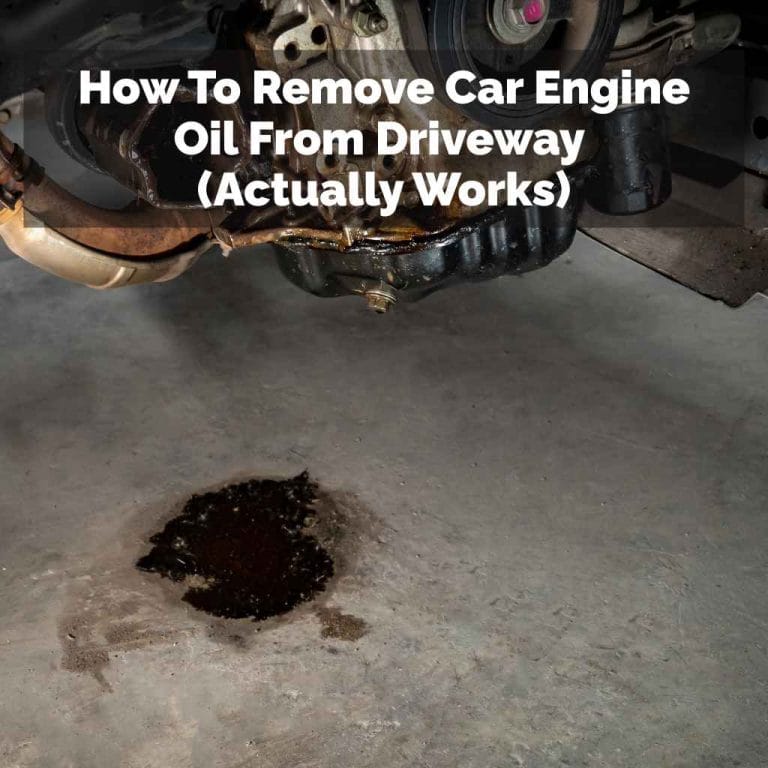
- Visible Leaks: Puddles of oil under your car.
What Happens If You Have Too Much Oil?
Okay, so too little is bad. Is too much oil also bad? Yes, it really can be.
Many people think “more is better.” Not with engine oil. Too much oil causes different problems. But they can be just as serious.
When you overfill your engine with oil, the crankshaft can whip the excess oil. This creates a lot of foam. Foamy oil is not good.
It doesn’t lubricate as well as smooth oil. It also traps air. This can make the oil pressure drop.
This is the opposite of what you want.
The excess oil can also get into places it shouldn’t. It can get past piston rings. This means oil can burn in the combustion chamber.
This causes smoke. It can also foul spark plugs. This makes your engine run poorly.
You might notice reduced power.
More seriously, too much oil can damage seals and gaskets. The pressure from the excess oil can push oil out of these seals. This leads to leaks.
It can also damage the catalytic converter. This is an expensive part to replace. It’s best to get it right.
Not too low, not too high. Just right.
Signs of Too Much Engine Oil
- Blue Smoke from Exhaust: Oil burning in the combustion chamber.
- Rough Engine Idle: Engine shakes or sputters when stopped.
- Reduced Engine Power: Car feels sluggish.
- Oil Leaks: Around the oil filter or gaskets.
- Check Engine Light: May come on due to sensor issues.
Understanding Oil Viscosity and Weight
When you look at oil bottles, you see numbers. Like 5W-30 or 10W-40. What do these mean?
This is called viscosity. Viscosity is how thick or thin the oil is. It’s like syrup.
Some syrup is thin. Some is thick.
The “W” stands for “Winter.” The first number tells you how well the oil flows when it’s cold. A lower number means it flows better in cold weather. So, 5W oil is thinner when cold than 10W oil.
This helps your engine start easier in the winter.
The second number tells you how thick the oil is when it’s hot. So, 30W is thinner when hot than 40W. This second number is important for high-temperature lubrication.
It needs to be thick enough to protect parts when the engine is working hard.
Why does this matter for how much oil? It doesn’t directly change how much oil your car needs. But it’s part of using the right oil.
Your owner’s manual will tell you the correct viscosity grade. Always use the recommended oil. Using the wrong kind can also affect how the engine runs and lasts.
When is it Time to Add Oil?
You checked your dipstick. The oil level is below the “Low” mark. Or even halfway between “Low” and the bottom of the stick.
It’s time to add oil. But how much do you add? This is where it gets a little tricky.
The marks on the dipstick are guides. The difference between the “Low” and “Full” mark is usually about 0.5 to 1 quart. If your oil is just a little bit below “Full,” you might only need a small amount.
Like a quarter of a quart.
If it’s at the “Low” mark, you probably need about 1 quart. It’s always better to add a little at a time. You can always add more.
You can’t easily take it out. Add about half a quart. Wait a minute.
Then recheck the dipstick.
If it’s still low, add another quarter quart. Keep doing this until you are close to the “Full” mark. Do not go over the “Full” mark.
It’s really important. You want to be between the marks. Near the full mark is ideal.
But not past it. This method prevents overfilling.
Adding Oil: Step-by-Step
- Find the correct oil type and viscosity in your manual.
- Buy a quart of the correct oil.
- Make sure your car is on a level surface and the engine is cool.
- Locate the oil filler cap (it usually says “Oil”).
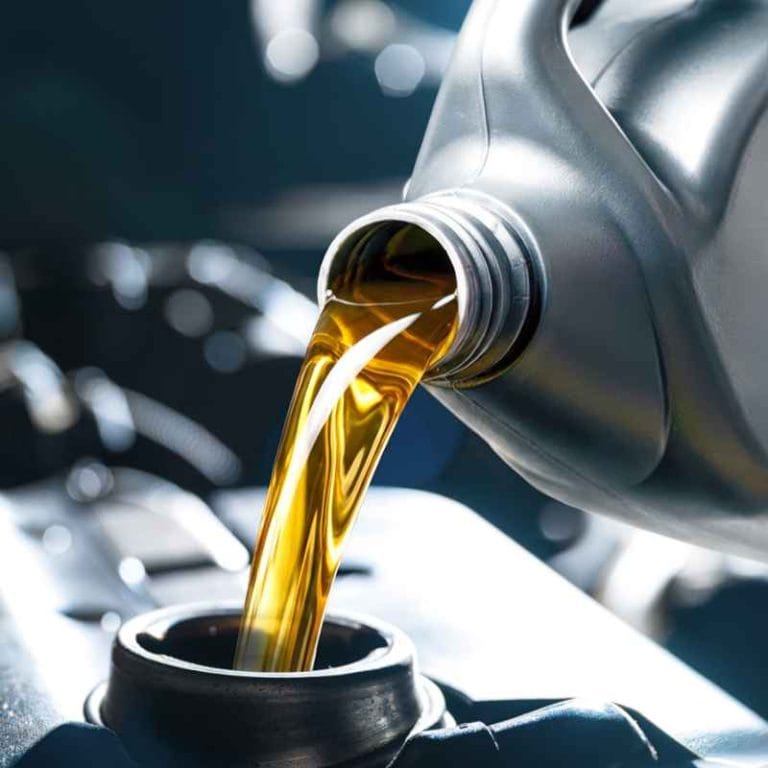
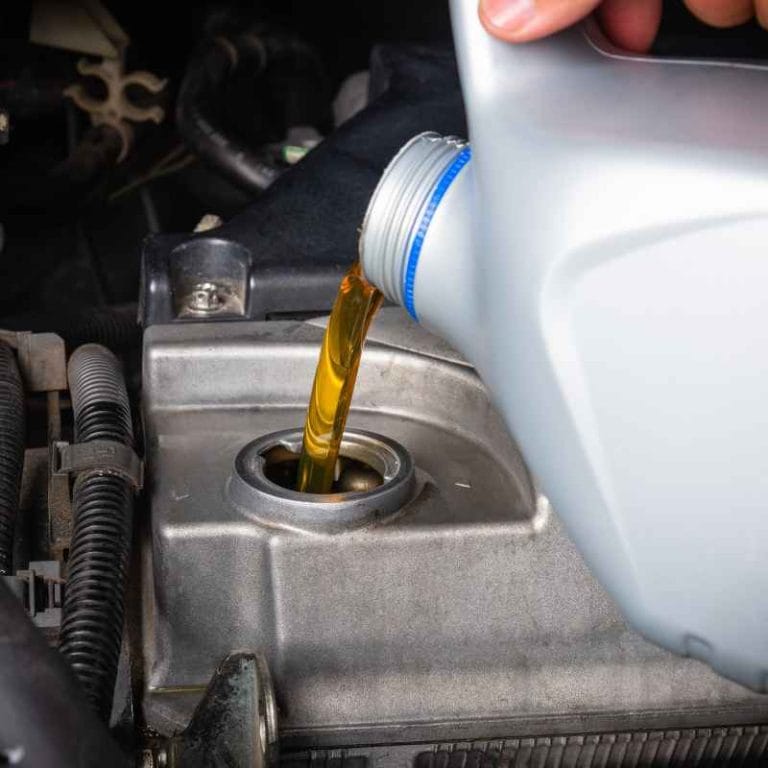
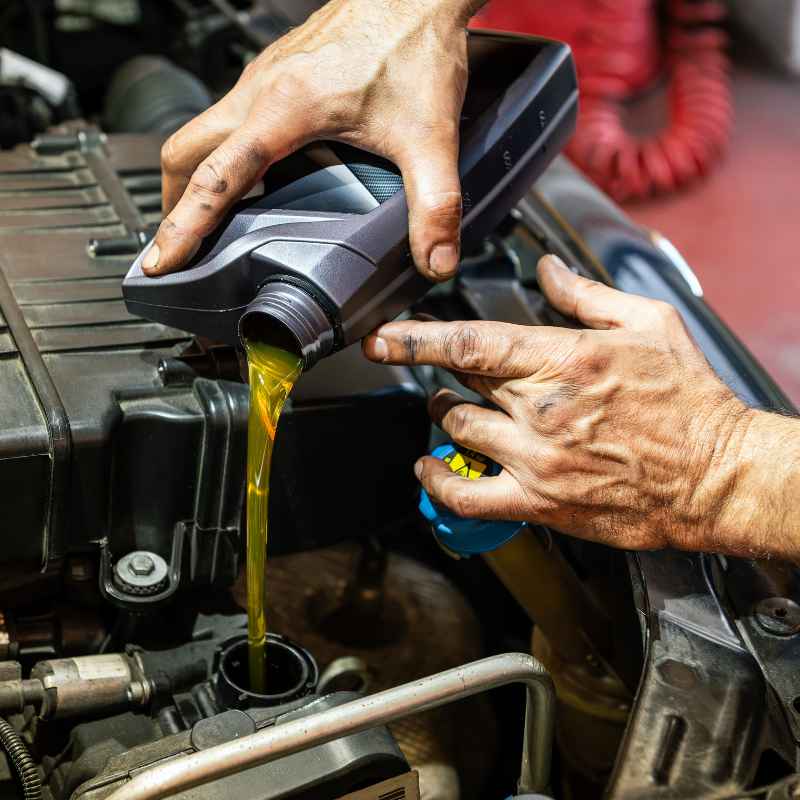
- Open the cap and slowly add about half a quart of oil.
- Wait for a minute for the oil to settle.
- Recheck the dipstick.
- Repeat steps 5-7 until the oil level is between the “Low” and “Full” marks, near “Full.”
- Replace the oil filler cap securely.
When is it Time to Change Your Oil?
Checking the oil level is one thing. Changing the oil is another. This is done less often.
But it’s crucial for engine health. Old oil loses its effectiveness. It gets dirty.
It breaks down.
How often should you change your oil? Again, check your owner’s manual. Many cars used to recommend oil changes every 3,000 miles.
That’s still a good rule of thumb for many older cars or if you drive in tough conditions.
Tough conditions include: lots of short trips, driving in extreme heat or cold, towing heavy loads, or driving on dusty roads. For many newer cars, especially those using synthetic oil, you might be able to go 5,000, 7,500, or even 10,000 miles between changes.
Some cars have an “oil life monitor” system. This system tracks your driving. It tells you when it’s time for a change.
It’s usually based on miles driven, engine temperature, and other factors. These systems are usually pretty accurate.
When you change your oil, you also change the oil filter. The filter traps dirt and debris. It gets clogged over time.
A new filter means cleaner oil circulating. It’s a package deal. Don’t skip the filter!
Oil Change Intervals
- Standard Recommendation: 3,000 – 5,000 miles for conventional oil.
- Synthetic Oil: 7,500 – 10,000+ miles.
- Severe Driving Conditions: Shorter intervals may be needed.
- Oil Life Monitor: Follow your car’s recommendation.
- Time Factor: Even if you don’t drive much, change oil at least once a year. Oil can still break down over time.
Real-World Scenarios: Oil Levels in Different Situations
Let’s think about different times you might check your oil. What do you see? What does it mean?
Scenario 1: Cold Morning Start
You wake up on a chilly morning. You haven’t started the car. You check the dipstick.
The oil level looks a little lower than usual. This is normal. When oil is cold, it’s thicker.
It doesn’t flow back into the oil pan as quickly. So, the reading might seem a bit lower. Wait for the engine to warm up and settle.
Then check again for a true reading.
Scenario 2: After a Long Highway Drive
You just drove 300 miles. You stop for gas. The engine is hot.
You check the oil. The level looks higher than it did when you started. This can happen because the oil has expanded with heat.
Also, some oil might not have fully drained back down into the pan. Let the engine cool for at least 15-20 minutes. Then recheck for an accurate level.
Scenario 3: Following Your Mechanic’s Advice
Your mechanic just changed your oil. They told you it took 5 quarts. You check the dipstick.
It looks perfect, right near the “Full” mark. This is what you want. It means they did the job correctly.
If you check it later and it’s low, don’t panic. Some cars can consume a little oil over time.
Scenario 4: Driving Uphill or Towing
You’re driving up a steep hill. Or maybe you’re towing a trailer. The engine is working harder.
It’s getting hotter. The oil is also working harder. It’s circulating faster.
The oil level might seem a bit lower on the dipstick after this. This is due to the heat and faster circulation. It’s a good time to check it when you stop.
But it’s usually not a cause for immediate alarm unless it’s below the “Low” mark.
What This Means For Your Car’s Health
Understanding your car’s oil needs isn’t just about a number. It’s about your car’s long-term health. Keeping the oil level correct is one of the easiest ways to prevent major problems.
When is it Normal?
It’s normal for the oil level to be between the “Low” and “Full” marks. It’s also normal for the oil level to change slightly due to temperature or how hard the engine is working. A slight drop over several thousand miles is also typical for many cars.
When Should You Worry?
You should worry if the oil is consistently below the “Low” mark. You should worry if you see a sudden, significant drop in oil level. Worry if you see oil leaks.
Worry if the oil looks very dark, dirty, or smells burnt. These are all signs that something isn’t right.
Simple Checks You Can Do
Make checking your oil a habit. Do it every few fill-ups. Or at least once a month.
Look at the oil’s color and texture on the dipstick. Does it look clean? Does it feel smooth?
Does it smell okay? These quick checks can spot problems early. They can save you a lot of money and stress.
Quick Tips for Managing Your Engine Oil
Here are some easy things to remember:
- Always check your owner’s manual first. This is the most important rule.
- Check oil on a flat surface. Hills give fake readings.
- Let the engine cool. Cold checks are more accurate.
- Add oil slowly. A little at a time prevents overfilling.
- Use the right oil type. Viscosity and specs matter.
- Don’t ignore the oil light. It means stop driving.
- Change oil and filter on schedule. Follow your manual or oil life monitor.
Oil vs. Other Fluids
Transmission Fluid: Different purpose. Controls gears. Has its own dipstick.
Often red.
Coolant: Keeps engine from overheating. Usually in a plastic reservoir. Should be between MIN/MAX lines when cool.
Brake Fluid: Essential for stopping. Checked in a small reservoir. Dark fluid may mean problems.
Power Steering Fluid: Helps you turn the wheel. Check reservoir. Often clear or slightly colored.
Frequently Asked Questions About Car Engine Oil
How often should I really check my engine oil?
It’s a good idea to check your engine oil at least once a month. Many people check it every time they fill up with gas. If your car is older or known to consume oil, checking it more often is wise.
Can I mix different brands of oil?
Yes, you can usually mix different brands of the same type and viscosity of oil. For example, mixing two different brands of 5W-30 synthetic oil is generally fine. However, it’s always best to stick to one brand and type if possible for consistent performance.
What does it mean if my oil is black?
Black oil usually means it’s dirty and has been doing its job. It has picked up soot and metal particles from the engine. If the oil is black but still within its change interval, it’s likely fine.
If it’s black and very gritty, or you’re overdue for a change, it’s time to change it.
How do I know if my car uses a lot of oil?
If you find yourself adding oil more than once a month, or if you have to add more than a quart between oil changes, your car might be using a lot of oil. Look for blue smoke from the exhaust or oil leaks. This requires a mechanic’s inspection.
Is synthetic oil better than regular oil?
Synthetic oil is generally better. It’s made in a lab. It has fewer impurities and a more uniform molecular structure.
This leads to better lubrication, higher temperature resistance, and longer life than conventional (regular) oil. Many modern cars are designed to use synthetic oil.
What is an oil sludge?
Oil sludge is like a thick, tarry gunk that forms when oil breaks down. This happens when oil isn’t changed on time, or when the engine overheats. Sludge can block oil passages, preventing oil from reaching parts of the engine.
This causes severe damage. Regular oil changes prevent sludge.
Final Thoughts on Your Engine’s Oil Needs
Taking care of your car’s oil level is a simple act. But it has a huge impact. It protects your engine from wear.
It ensures it runs smoothly. It saves you money on repairs. Always check your manual for the exact amount.
Then, make checking it a habit. Your car will thank you for it.
Products related to this article
Sponsored / affiliate links. As an Amazon Associate I earn from qualifying purchases. I may earn additional commission from eligible campaigns.