Why Is My Car Brake Making Noise? Causes & Fixes
Your car brake making noise can be a deeply unsettling experience, often signaling a problem that demands immediate attention to ensure your safety on the road. This common issue can range from a mild squeal to a loud grinding sound, each with distinct potential causes. Understanding these noises is crucial for diagnosing the problem and knowing when to seek professional help.
This post will delve into the most frequent reasons behind brake noise, explain what each sound might indicate, and guide you through the necessary steps for resolution, empowering you to keep your vehicle in safe working order.
Simply put, your car brake making noise is usually a sign of worn brake pads, issues with rotors, or foreign objects. Addressing these sounds promptly is vital for your safety and can prevent more extensive, costly repairs.
Key Takeaways

Smilyeez
Smilyeez Listing for BG Stop Squeal Brake…
- Bundle includes 1 Bottle of BG Stop Squeal Brake Noise Eliminator, PN 860 and a Smilyeez Pocket Screwdriver.
- Enhances Brake Pad Longevity: This product infuses brake pads with special ingredients that minimize friction and sticking between…
- Quick and Easy Application: Enjoy a hassle-free application process that takes just 10 minutes, making it a convenient addition to…
As an Amazon Associate I earn from qualifying purchases.
- Car brake making noise can indicate worn brake pads, warped rotors, or even a lodged debris.
- Squealing often points to worn pads or a need for lubrication, while grinding suggests severe wear or rotor damage.
- Regular inspection and maintenance of your braking system are essential for safety and preventing larger issues.
- Don’t ignore brake noise; it’s a critical warning sign that should be investigated by a qualified mechanic.
- The cost of fixing minor issues early is significantly less than repairing damage caused by neglect.
What is the Sound Telling You?
The symphony of sounds your brakes can produce is surprisingly informative. A high-pitched squeal often heard during braking is frequently the first sign that your brake pads are nearing the end of their life. Many modern brake pads have a small metal tab called a wear indicator that, as the pad wears down, comes into contact with the rotor, creating this tell-tale squeal.
It’s a deliberate alert system.
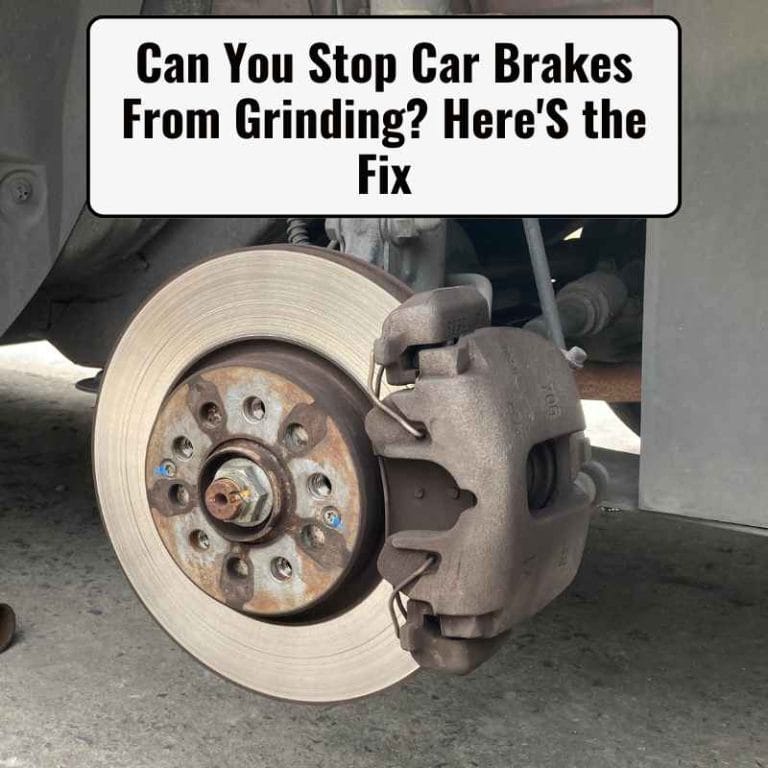
On the other hand, a low-pitched grinding or scraping sound is far more concerning. This often indicates that the friction material on your brake pads has worn away completely, leaving the metal backing plate to grind directly against the metal rotor. This is a serious condition that can cause significant damage to your rotors and compromise your braking ability.
Other sounds, like a clunking or thumping, might suggest a loose caliper or a problem with the suspension components related to the braking system. Sometimes, a persistent clicking sound could be due to something as simple as a small stone lodged between the brake pad and the rotor, or it could indicate issues with the anti-rattle clips.
Common Brake Noises and Their Meanings
- Squealing/High-Pitched Screech: Usually means worn brake pads or a need for lubrication on the caliper pins.
- Grinding/Scraping: Indicates severe wear; the metal backing of the pad is grinding on the rotor. This requires immediate attention.
- Clicking: Can be a loose component, debris in the braking system, or potentially a problem with the ABS system.
- Thumping/Clunking: May point to loose brake hardware, a worn suspension component, or a damaged brake rotor.
- Rattling: Often caused by loose brake shims or anti-rattle clips, or potentially a sticking caliper.
Worn Brake Pads: The Most Common Culprit
Brake pads are designed to wear down over time. They are the sacrificial component in your braking system, designed to absorb the friction and heat generated when you slow your vehicle. As they wear, their effectiveness diminishes, and they can start to make noise.
The wear indicator is often the first sign, but if ignored, the entire pad can be consumed.
When brake pads are worn, the metal backing plate can come into direct contact with the brake rotor. This creates a harsh grinding sound and can quickly damage the rotor. Replacing worn brake pads is a routine maintenance task, typically recommended every 30,000 to 70,000 miles, depending on your driving habits and the quality of the pads.
Ignoring worn brake pads is not only dangerous due to reduced stopping power but also costly. A damaged rotor can be expensive to resurface or replace. Therefore, it’s always advisable to address squealing brakes promptly before they escalate into a more serious and expensive problem.
Signs Your Brake Pads Need Replacement
- Audible squealing or grinding sounds when braking.
- The brake pedal feels softer or travels further down than usual.
- Visible thinning of the brake pad material when looking through the wheel spokes.
- Vibrations felt through the brake pedal or steering wheel.
- Warning light on the dashboard indicating brake system issues.
| Brake Pad Wear Indicator Types | Description |
|---|---|
| Metal Tab Wear Indicator | A small, angled metal tab attached to the pad that scrapes against the rotor when worn, causing a high-pitched squeal. |
| Electronic Sensor | A small sensor embedded in the pad that makes contact with the rotor. This sends an electrical signal to illuminate a dashboard warning light. |
| Visual Inspection | Measuring the thickness of the pad material directly, often possible by looking through the wheel. |
Knowing the type of wear indicator your vehicle uses can help you better understand the alerts your car provides.
Brake Rotor Issues: Warping and Damage
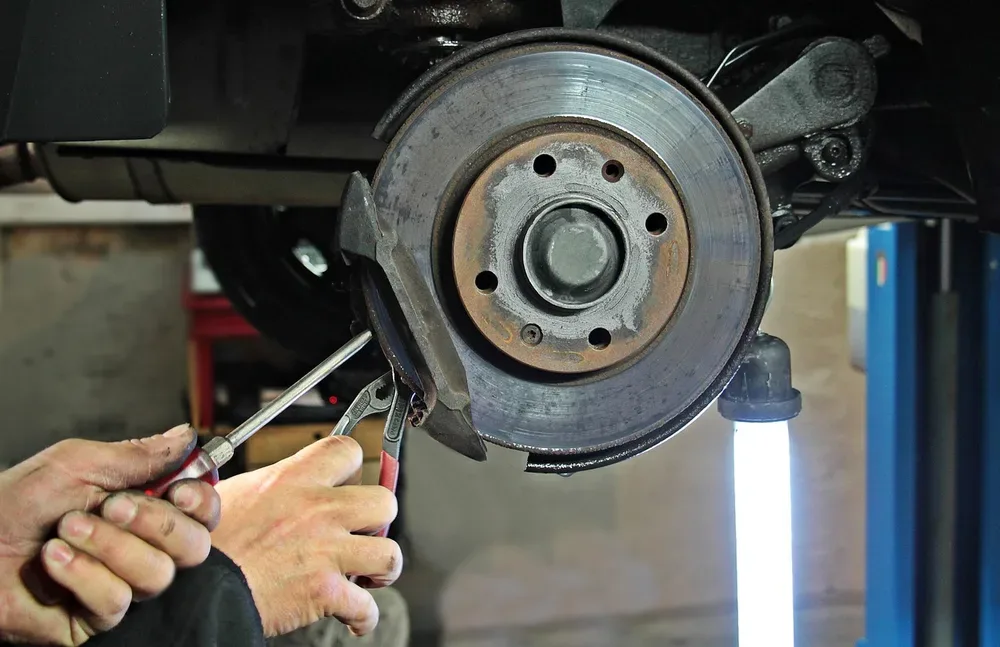
Brake rotors are the large metal discs that your brake pads clamp onto to create friction. They are subjected to extreme heat and pressure during braking. Over time, or due to excessive heat, rotors can become warped or damaged.
Warped rotors are a common cause of a pulsating brake pedal and can also contribute to noise.
When a rotor is warped, its surface is no longer perfectly flat. As the brake pads grip the uneven surface, they cause a shuddering or vibration sensation that you can feel in the brake pedal and sometimes the steering wheel. This warping can also lead to a consistent squealing or groaning sound, especially during light braking.
Severe damage to rotors, such as deep scoring from worn pads or cracks from extreme heat cycles, can cause loud grinding or scraping noises. In such cases, the rotor may need to be replaced entirely. Resurfacing is an option for minor warping or scoring, but if the rotor is too thin or heavily damaged, replacement is the only safe solution.
When Rotors Need Attention
- A pulsating brake pedal during braking.
- Visible warping or unevenness on the rotor surface.
- Deep grooves or scoring on the rotor.
- A persistent grinding or scraping noise that changes with speed.
- Rotors that are below the minimum thickness specification (stamped on the rotor).
| Rotor Condition | Typical Noise | Associated Symptoms | Recommended Action |
|---|---|---|---|
| Slightly Warped | Mild pulsation/squeal | Pedal pulsation during braking | Resurface or replace |
| Severely Scored/Grooved | Grinding/Scraping | Reduced braking effectiveness | Replace |
| Cracked/Glazed | Screeching/Grinding | Overheating, loss of braking power | Replace |
The condition of your brake rotors directly impacts braking performance and safety, so regular checks are crucial.
Foreign Objects in the Braking System
Sometimes, the source of an annoying brake noise isn’t wear but something much simpler: a foreign object lodged in the brake assembly. Small stones, road debris, or even loose metal fragments can become trapped between the brake pad and the rotor, or between the rotor and the dust shield.
When this happens, you might hear a persistent clicking, scraping, or rattling sound. These objects can cause uneven pressure on the brake components, leading to noise and potentially minor damage over time if left in place. Often, these objects are dislodged by driving at higher speeds or by a sudden braking maneuver.
If you suspect a foreign object is the cause, sometimes it can be removed by a mechanic who will inspect and clean the brake assembly. In many cases, a thorough cleaning and inspection are all that’s needed. However, if the object has caused damage, such as deep gouges in the rotor or pad, those components may need to be replaced.
Warning: Never try to forcefully remove debris from your brakes while the vehicle is running or the brakes are hot. Always allow components to cool and ensure the vehicle is securely parked. If you are unsure, consult a professional mechanic.
Identifying Debris-Related Noises
- Sound Pattern: Is the noise consistent or does it come and go, perhaps related to bumps or turns?
- Location: Can you pinpoint if the noise is coming from a specific wheel?
- Braking Effect: Does the noise change or disappear when you apply the brakes? Debris often causes noise even without braking.
- Visual Check: Look for visible foreign objects caught in the caliper or rotor assembly.
Brake Caliper and Hardware Issues
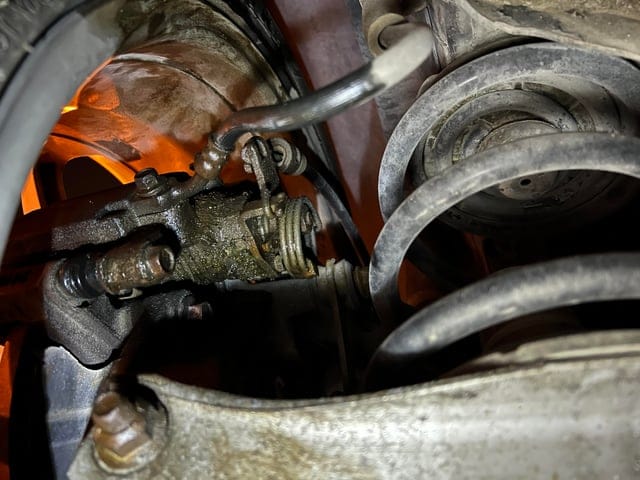
The brake caliper is a crucial component that houses the brake pads and acts like a clamp. Inside the caliper assembly are pins, springs, and shims designed to ensure smooth operation and quiet braking. Problems with these parts can lead to noise.
If the caliper pins become dirty or corroded, they can stick, preventing the caliper from moving freely. This can cause uneven pad wear and a persistent squealing or dragging noise. Sometimes, the caliper itself can become seized, leading to significant braking problems and loud noises.
Brake shims are thin pieces of metal or rubber that sit between the brake pad and the caliper piston. They are designed to absorb vibrations and reduce noise. If these shims become loose, damaged, or are missing, it can lead to rattling or squealing sounds, especially over bumps or during light braking.
Anti-rattle clips also serve a similar purpose and can cause noise if they become dislodged.
Common Caliper and Hardware Problems
- Sticking Caliper Pins: Prevent smooth pad movement, causing squealing and uneven wear.
- Seized Caliper: The caliper is stuck and cannot apply or release brake pressure properly, leading to grinding or dragging.
- Loose/Damaged Shims: Cause rattling or squealing sounds by failing to dampen vibrations.
- Worn/Broken Caliper Hardware: Such as anti-rattle clips, leading to rattling noises.
- Fluid Leaks: Can contaminate pads and rotors, leading to reduced performance and noise.
Other Potential Causes of Brake Noise
While the above are the most common reasons for your car brake making noise, several other factors can contribute. For instance, new brake pads and rotors sometimes require a “bedding-in” period. During this process, the new components mate with each other.
You might hear some light squeaking until this process is complete, which is normal.
Brake fluid level and condition can also play a role. Low brake fluid can indicate a leak or worn pads (as the caliper piston has to extend further, lowering the fluid level). While not a direct cause of noise, it’s a sign of a system that needs attention.
Moisture or rust on brake components, especially after the car has been sitting for a while or after washing, can cause temporary squeaks that usually disappear after a few brake applications.
The material composition of brake pads themselves can also influence noise. Ceramic pads are often quieter but can sometimes produce a faint squeal, especially when cold. Metallic pads offer better performance but can be noisier.
Understanding the type of pads you have can help in diagnosing noise.
Less Common, But Possible, Noise Sources
- New Brake Components: A temporary bedding-in squeal.
- Moisture/Rust: Temporary noise after rain or car wash.
- Brake Dust Accumulation: Can sometimes cause light squeaking.
- Improper Installation: Incorrectly installed pads or hardware.
- ABS System Activation: A brief grinding or buzzing sound during emergency braking or on slippery surfaces is normal.
When to Seek Professional Help
While some minor brake noises might be temporary, many are serious warnings that require immediate attention from a qualified mechanic. If you hear a loud grinding sound, experience a pulsating brake pedal, feel vibrations, or notice a significant decrease in your car’s stopping power, do not delay in getting it checked.
A professional mechanic has the tools and expertise to properly diagnose the cause of brake noise. They can inspect the entire braking system, including pads, rotors, calipers, lines, and fluid, to identify any issues. Attempting complex brake repairs yourself without proper knowledge and tools can be dangerous and may lead to further damage.
The cost of a professional inspection and repair is often much lower than the potential cost of an accident or the extensive damage caused by ignoring a brake problem. Regular maintenance checks, as recommended by your vehicle manufacturer, are the best way to prevent such issues and ensure your car’s braking system is always in optimal condition.
Frequently Asked Questions
What should I do if my car brake makes a grinding noise?
A grinding noise is a serious indicator that your brake pads may have worn down completely, exposing the metal backing plate to the rotor. You should stop driving the vehicle as soon as it is safe to do so and have it towed to a mechanic for immediate inspection and repair to prevent further damage and ensure your safety.
Is it normal for new brakes to squeal?
Yes, it is often normal for new brake pads and rotors to produce some light squealing or light dusting noise during an initial break-in or “bedding-in” period. This typically lasts for a few hundred miles of driving. However, loud or persistent squealing, especially after this period, should be investigated.
How much does it cost to fix noisy brakes?
The cost can vary widely. Replacing just worn brake pads might cost between $150 and $300 per axle. If rotors also need to be replaced or resurfaced, the cost can increase to $300-$600 or more per axle.
Caliper issues or other component failures will add to the expense. Getting a quote from a trusted mechanic is the best way to determine the exact cost.
Can I drive with noisy brakes?
While you might be able to drive with some types of brake noise, such as a temporary squeal from new pads or after rain, it is generally not recommended, especially if the noise is loud, grinding, or accompanied by other symptoms like a soft pedal or vibrations. Noisy brakes are a warning sign of a potential safety issue that could compromise your ability to stop effectively.
How often should I have my brakes inspected?
It’s recommended to have your brakes inspected at least once a year or every 10,000-12,000 miles as part of your routine vehicle maintenance. However, if you notice any unusual sounds, changes in performance, or dashboard warning lights related to your brakes, you should have them inspected immediately regardless of the schedule.
Final Thoughts
Your car brake making noise is never something to ignore. From simple worn pads to more complex rotor or caliper issues, these sounds are your vehicle’s way of signaling a need for attention. Prompt inspection and maintenance not only ensure your safety and the safety of others on the road but also prevent minor problems from escalating into costly repairs.
Listen to your brakes, address any unusual sounds immediately, and keep your vehicle performing at its best. See also best way to bleed car brakes at home no mechanic needed . See also when does your car need brake fluid don’t wait too long.
Related pick: Check today's price on Amazon See also why do car brake lights stay on here’s what’s wrong.