Can a Car Tire Be Patched? What’S Safe And What’S Not
A flat tire can quickly derail your day, whether you’re commuting to work or embarking on a road trip. The first question that pops up: “Can this tire be patched, or am I looking at a costly replacement?” The answer isn’t always straightforward. While patching is a common, cost-effective solution for many punctures, it’s not always safe or advisable. Understanding the limits of tire repair is critical—not just for your wallet, but for your safety on the road.
In this comprehensive guide, we break down when a car tire can be patched, what the industry standards are, the risks involved, and how to make the smartest, safest decision. Drawing on expert insights, real-world examples, and the latest data, we’ll ensure you never have to guess about your next flat tire.
Key Takeaways
- Tire patching is safe for small punctures in the tread area, but not for damage to the sidewall, shoulder, or large gashes.
- Industry guidelines, such as those from the U.S. Tire Manufacturers Association, dictate strict limits on patching location and size.
- Improperly patched tires can lead to dangerous blowouts, especially at high speeds.
- Combination plug-patch repairs are the most reliable method for fixing eligible punctures.
- Tires with multiple close punctures or structural damage should always be replaced.
- Knowing when to patch, plug, or replace saves money without compromising safety.
Understanding Tire Damage: Types, Causes, And Risks
Tires are engineered with multiple layers for strength, flexibility, and safety. When they sustain damage, the consequences can range from minor inconvenience to catastrophic failure. Let’s look at the most common types of tire damage and what causes them.
Types Of Tire Damage
- Punctures: Typically caused by nails, screws, or sharp debris. Most are less than 1/4 inch in diameter. Punctures are the most common repairable tire damage and often occur during regular urban or highway driving.
- Cuts or Gashes: Larger, often irregular damage from sharp objects or curb strikes. These can be deep enough to slice through several tire layers, making repair risky or impossible.
- Sidewall Bulges or Blisters: Indicate internal structural failure, often from impact or manufacturing defects. The presence of a bulge means the fabric or steel cords inside the tire are damaged, creating a weak spot that can rupture under stress.
- Tread Separation: Peeling of the tread from the casing, usually due to under-inflation, age, or excessive heat. This type of failure can be sudden and catastrophic, often resulting in complete loss of vehicle control.
- Bead Damage: Occurs near the edge where the tire meets the rim, often from improper mounting or from driving on a flat tire. Bead damage can also occur if a tire is removed or installed without the proper tools or expertise.
Common Causes
- Road debris (nails, glass, metal fragments): Everyday driving exposes tires to sharp objects that can become embedded in the tread.
- Potholes and rough roads: Repeated impacts can weaken tire structure over time, leading to slow leaks or sudden failure.
- Curb impacts: Even low-speed contact with a curb can cause sidewall bubbles or splits.
- Improper tire inflation: Over- or under-inflation increases wear and tear and the risk of blowouts.
- Manufacturing defects: While rare, even a new tire can have hidden weaknesses that eventually lead to damage.
Safety Implications Of Untreated Damage
Neglecting or improperly repairing tire damage can have serious repercussions:
- Loss of air pressure leading to blowouts, which can cause a sudden loss of control at any speed.
- Reduced handling and braking performance, increasing the risk of collisions—especially in emergency maneuvers or wet conditions.
- Complete tire failure at high speeds, which is especially dangerous on highways or during evasive actions.
- Slow leaks may strand you in unsafe locations or remote areas.
According to the National Highway Traffic Safety Administration (NHTSA), tire-related crashes contribute to over 700 fatalities annually in the U.S. alone (NHTSA). Many of these incidents stem from either ignored damage or improper repairs.
When Is It Safe To Patch A Tire?
Not all tire damage is eligible for a patch. Industry guidelines define strict criteria for safe repairs. Let’s examine when a patch is appropriate, and when replacement is the only option.
Industry Guidelines And Standards
The U.S. Tire Manufacturers Association (USTMA) sets the benchmark for tire repair. Key recommendations include:
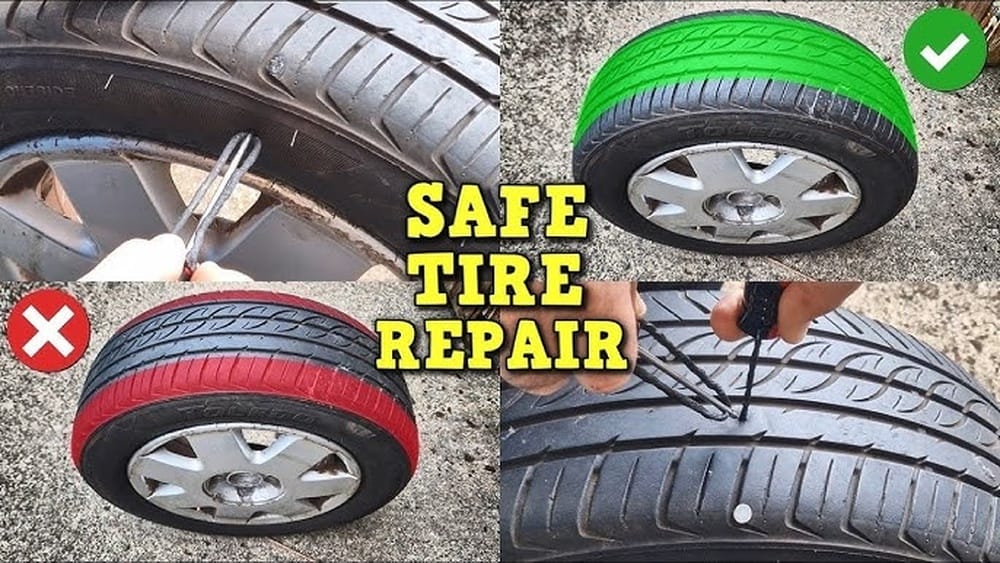
- Puncture Location: Only in the tread area (the central, thickest part of the tire) is repairable. The tread contains the strongest structure and is less subject to flexing forces compared to the sidewall or shoulder.
- Puncture Size: Maximum 1/4 inch (6mm) in diameter. Larger holes compromise the tire’s internal integrity and cannot be reliably repaired.
- Puncture Number: No more than two punctures per tire, and they must be at least 16 inches apart. This rule ensures the overall strength of the tire isn’t excessively weakened.
Repairs outside these parameters risk structural integrity and driver safety (USTMA). These standards are not just best practices—they are often used by insurance adjusters and liability investigators after accidents.
Eligible Vs. Ineligible Damage
Safe to Patch:
- Small, clean punctures in the tread zone, with a straight path through the rubber and no evidence of fraying or tearing.
- No evidence of sidewall or shoulder damage—these areas flex too much for a patch to hold.
- Minimal or no internal damage, such as moisture or separation between layers.
Unsafe to Patch:
- Cuts, gashes, or punctures larger than 1/4 inch, as these cannot be sealed reliably.
- Damage in the sidewall, shoulder, or bead area, which are highly stressed parts of the tire.
- Multiple closely spaced punctures, which can create a structurally weak area.
- Tires with visible cords, steel belts, or bulges.
Visual And Manual Inspection
Technicians use both visual and manual checks, including:
- Removing the tire from the rim for internal inspection. This is crucial, as many punctures look minor on the outside but have caused significant internal harm.
- Probing puncture sites for hidden damage, including rust, delamination, or signs that the tire was driven on while flat.
- Checking for separations, exposed belts, or moisture, all of which disqualify a tire from repair.
Real-world Example: Commuter Tire Repair
A commuter runs over a nail, resulting in a slow leak. The puncture is 2mm wide, located in the center tread, and the tire is less than two years old. After inspection, a plug-patch combination is applied, restoring the tire to safe condition with no further issues.
This scenario underscores the importance of following USTMA guidelines and not cutting corners with DIY patches on questionable damage.
Tire Patching Methods: What Works And What Doesn’t
There are several approaches to tire repair, but not all are created equal. Choosing the right method is essential for durability and safety.
Plug, Patch, Or Plug-patch?
Tire Plugs
- Inserted from the outside to seal the hole, usually with a sticky, rope-like material.
- Quick, inexpensive, but not a permanent solution. Plugs are especially vulnerable to air and moisture infiltration, which can corrode steel belts and cause the repair to fail over time.
- Can allow air and moisture to seep in, leading to internal rusting of steel belts and separation.
Tire Patches
- Applied to the inside of the tire after removal from the rim.
- Seal the inner liner but may not fill the puncture channel completely, especially if the hole is at an angle.
- More secure than a plug, but still not foolproof for all types of punctures.
Plug-patch Combination
- Industry-preferred method, combining both a plug and a patch in one unit.
- Fills the puncture channel (plug) and seals the inner liner (patch), addressing both air and moisture intrusion.
- Meets the highest safety standards and is recommended by all major tire manufacturers.
| Repair Method | Durability | Safety | Cost (Avg.) |
|---|---|---|---|
| Plug Only | Low | Poor | $10–$20 |
| Patch Only | Medium | Moderate | $20–$35 |
| Plug-Patch Combo | High | Excellent | $25–$40 |
Diy Kits Vs. Professional Repair
- DIY kits are widely available but best for temporary fixes. They often use plugs and don’t require tire removal, so internal damage may go unnoticed. They are suitable for emergency use but should be followed up with a professional repair as soon as possible.
- Professional repairs involve tire removal, internal inspection, and combination repairs, ensuring long-term safety. Certified technicians have access to better materials and can spot hidden issues.
Case Study: Fleet Vehicle Maintenance
A logistics company with a fleet of delivery vans noticed an uptick in roadside tire failures. Switching from plug-only to professional plug-patch repairs reduced tire-related breakdowns by 70%, saving thousands in repair and downtime costs over a year. This real-world data demonstrates the cost-effectiveness of doing repairs right the first time.
Credit: www.aaa.com
What’s Not Safe To Patch: Red Flags And Risks
Understanding when *not* to patch a tire can prevent accidents and costly mistakes. Some types of damage are always unsafe to repair.
Sidewall And Shoulder Damage
The sidewall and shoulder areas flex more than the tread, making them vulnerable to blowouts after repair. Patching here is universally discouraged due to the high risk of failure under normal driving conditions, especially cornering and braking.
Large Or Irregular Punctures
Anything larger than 1/4 inch or shaped irregularly (e. g. , a jagged cut) can’t be reliably sealed. These wounds compromise the tire’s structural integrity and can expand under load or heat.
Internal And Hidden Damage
Some punctures cause separation of plies or belts inside the tire, which isn’t always visible from the outside. Continuing to drive on such tires increases the risk of catastrophic failure, as the tire can come apart at speed.
Multiple Close Punctures
If two or more punctures are less than 16 inches apart, the area between them is weakened, and patching both is unsafe. Repeated repairs in the same area can create a failure point.
Table: Safe Vs. Unsafe Tire Repairs
| Damage Location/Type | Patchable? | Recommended Action |
|---|---|---|
| Tread Area, < 1/4 inch puncture | Yes | Plug-patch repair |
| Sidewall or Shoulder | No | Replace tire |
| Large cut/gash > 1/4 inch | No | Replace tire |
| Multiple close punctures | No | Replace tire |
| Bead damage | No | Replace tire |
Real-world Example: Highway Blowout
A driver patched a sidewall puncture with a DIY kit. Weeks later, the tire blew out at highway speeds, leading to a serious accident. An inspection revealed the sidewall flexing caused the patch to fail—a repair that should never have been attempted.
This underscores the importance of professional assessment and strict adherence to repair guidelines.
The Science And Data Behind Tire Repairs
Data and research help clarify best practices and dispel common myths about tire patching.
Failure Rates Of Different Repair Methods
A 2019 study by the Rubber Manufacturers Association found:
- Plug-only repairs failed in 32% of cases within 12 months, mainly due to air or moisture infiltration.
- Patch-only repairs failed in 17% of cases, often because the puncture channel was not fully filled, allowing air or water to travel along the injury.
- Plug-patch combination repairs had a failure rate of less than 2%, making them the safest and most reliable option.
Tire Life After Patching
Properly patched tires can last the remainder of their useful life, provided the repair follows USTMA guidelines and the tire isn’t otherwise worn or damaged. However, it’s important to monitor patched tires with regular inspections, especially after hitting road hazards.
Impact On Performance
There’s minimal impact on tire performance (grip, ride comfort) after a professional repair. However, repeated repairs or improper patching can cause vibration, noise, or uneven wear. In high-performance vehicles, even minor imbalances can affect handling, so professional balancing after repair is essential.
Regulatory Insights
- The U.S. Department of Transportation mandates that all repairs must restore the tire to its original performance standard (US DOT).
- Insurers may deny claims if a crash results from an improper tire repair. Keeping service records and choosing certified shops can protect you from liability.
How To Decide: Patch, Plug, Or Replace?
Making the right call depends on damage assessment, tire condition, and safety priorities.
Step-by-step Decision Guide
- Locate the Damage
- Center tread: Move to next step
- Shoulder/sidewall: Replace tire
- Measure the Puncture
- Less than 1/4 inch: Eligible for patch
- Greater than 1/4 inch: Replace tire
- Inspect for Additional Damage
- Internal damage, bulges, or visible cords: Replace tire
- Multiple punctures close together: Replace tire
- Evaluate Tire Condition
- Tread depth below 2/32 inch: Replace tire (worn out)
- Tire age over 6 years: Consider replacing for safety, as rubber compounds degrade over time and can become brittle.
When To Choose A Plug
- Emergency, short-term fix only
- No other repair options available or to get you to a safe location or repair shop
When To Choose A Patch Or Plug-patch
- Puncture meets all repair criteria
- Tire is otherwise in good condition, with plenty of tread and no visible aging signs
When To Replace
- Any doubt about safety or eligibility
- Visible structural damage, or if the manufacturer advises against repair for that tire type
Example: Sports Car Owner
A sports car owner discovers a screw in the tread of a high-performance tire. The puncture is small, in the center, and the tire is only a year old. A plug-patch repair is performed by a specialist, preserving the tire’s performance and saving the owner $300 compared to replacement.
Proper balancing and re-inspection ensure the car’s handling remains unaffected.
The Tire Repair Process: What To Expect
Knowing what happens during a proper tire repair can help you spot quality service and avoid shortcuts.
Step 1: Tire Removal And Inspection
The tire is removed from the rim for a thorough internal and external inspection. Hidden damage or moisture is identified at this stage. This step also allows the technician to clean the affected area thoroughly and check for any secondary issues, such as belt separation.
Step 2: Damage Preparation
The puncture channel is cleaned and buffed to ensure the plug and patch adhere securely. Any contaminants or debris are removed, and the area is roughened to help the patch bond well.
Step 3: Application Of Patch/plug
A combination unit is inserted, plugging the puncture and sealing the inner liner. Proper placement is critical—if the repair is misaligned, the seal may not be effective, leading to slow leaks or failure.
Step 4: Curing And Reassembly
The repair is pressed and cured (chemical or mechanical), then the tire is remounted, inflated, and checked for leaks. Some shops may use heat or specialized chemicals to ensure a solid bond.
Step 5: Balancing And Final Inspection
The repaired tire is balanced to prevent vibration and returned to service. Balancing extends tire life and ensures a smooth ride.
Table: Diy Vs. Professional Tire Repair
| Repair Step | DIY Kit | Professional Shop |
|---|---|---|
| Internal Inspection | No | Yes |
| Patch Application | No | Yes |
| Puncture Cleaning | Basic | Thorough |
| Tire Balancing | No | Yes |
| Guarantee | No | Yes |
How Long Does A Repair Last?
A professionally patched tire, if eligible, can last the remainder of its tread life—often tens of thousands of miles. Always follow up with regular tire inspections and rotate your tires according to the manufacturer’s schedule to catch developing issues early.
Cost, Convenience, And Longevity: The Economics Of Tire Patching
Is patching always the most economical choice? Let’s look at the numbers.
Average Costs
- Plug repair: $10–$20
- Patch repair: $20–$35
- Plug-patch combo: $25–$40
- New tire replacement: $80–$250 (depending on size and model, with high-performance or specialty tires costing much more)
Potential Savings
Patching a tire instead of replacing it can save $60–$200 per incident, especially with premium brands or specialty tires. For commercial vehicles or families with multiple cars, these savings add up over time.
Longevity Of Repairs
A properly patched tire can last 20,000–40,000 miles if the rest of the tire is in good shape (Consumer Reports). The key is ensuring the tire is inspected regularly for new damage or wear.
Convenience Factors
- Patching: Usually completed in under 30 minutes at most tire shops, with minimal disruption to your schedule.
- Replacement: May require ordering the correct size/model, leading to delays, especially with rare or performance tires.
Warranty And Insurance
Some tire warranties are voided by improper repairs. Always ask your shop about warranty compliance and whether the repair method meets manufacturer requirements (Michelin Warranty Info). Proper documentation and receipts are important if warranty issues arise later.
Real-world Scenarios: Case Studies
Examining real incidents clarifies how the rules apply in everyday life.
Case Study 1: Family Suv With Tread Puncture
A family’s SUV picks up a nail in the center tread. The tire is less than a year old with 80% tread remaining. After a professional plug-patch repair, the tire performs flawlessly for 25,000 more miles. Regular inspections ensure no new issues develop.
Case Study 2: Delivery Van With Sidewall Injury
A delivery van strikes a curb, resulting in a sidewall puncture. The shop declines to repair, citing safety concerns, and the van gets a new tire. The driver avoids a potentially dangerous blowout, and the company updates its fleet maintenance policy to always replace sidewall-damaged tires.
Case Study 3: Sports Sedan With Multiple Punctures
A sports sedan suffers two punctures just 10 inches apart after driving through construction debris. Despite both being in the tread area and less than 1/4 inch, the shop recommends replacement due to proximity, prioritizing safety. This decision prevents a possible structural failure and builds customer trust.
Case Study 4: Diy Repair Gone Wrong
A commuter uses a DIY plug kit on a tread puncture without removing the tire. Months later, the tire develops a vibration and loses air. Inspection reveals internal damage and corrosion from moisture—a professional patch would have prevented further issues.
The driver learns the value of professional service and switches to regular tire inspections.
Maintenance Tips To Prevent Tire Damage
Reducing the risk of punctures and maximizing tire life is always preferable to repairs.
Regular Tire Inspections
Check for embedded objects, cracks, bulges, and uneven wear at least monthly. Early detection allows for timely, safe repairs.
Maintain Proper Inflation
Under-inflation increases the chance of sidewall damage, while over-inflation makes tires more vulnerable to sharp objects. Use a quality gauge and check pressure at least monthly, including the spare.
Rotate Tires Regularly
Follow manufacturer guidelines—typically every 5,000 to 8,000 miles—to ensure even wear. Regular rotation also gives technicians a chance to spot developing problems before they become serious.
Avoid Road Hazards
Steer clear of construction zones, potholes, and debris whenever possible. Even small impacts can cause internal damage that isn’t immediately visible.
Use Quality Tires
Premium tires often feature stronger construction and better puncture resistance (Tire Rack: Tire Quality). Investing in quality pays off through improved safety and fewer repairs.
Align And Balance Regularly
Misalignment or unbalanced tires can lead to uneven wear and increase the risk of damage. Schedule alignment checks annually or after hitting a major pothole or curb.
Frequently Asked Questions
Can I Drive On A Patched Tire At Highway Speeds?
Yes, if the tire was professionally patched using a plug-patch combo and meets all safety criteria, it’s safe for highway use. However, avoid high speeds if the patch was a DIY repair or if you’re unsure of the damage. Always double-check after a repair by monitoring for changes in tire pressure or handling.
How Many Times Can A Tire Be Patched?
Industry guidelines allow for up to two patches, provided they are at least 16 inches apart and in the tread area. Tires with multiple close punctures or extensive repairs should be replaced for safety. Exceeding these limits increases the risk of structural failure.
Is A Plug As Good As A Patch?
No. Plugs are considered temporary fixes, while patches (especially plug-patch combinations) are permanent repairs. Plugs can allow moisture and air to infiltrate, potentially causing internal damage. Always follow up a plug with a professional inspection and repair.
Will Patching A Tire Void My Warranty?
It depends. Many manufacturers void warranties for improper repairs. Always ensure the repair is performed professionally and in accordance with tire maker guidelines (Goodyear Warranty Guide). Save your receipts and documentation for future reference.
Can Run-flat Tires Be Patched?
Some run-flat tires can be patched if the damage is minor and in the tread area, but many manufacturers recommend replacement due to potential hidden damage. Consult your tire manufacturer’s recommendations, as some brands prohibit any repair due to unique sidewall construction.
A flat tire doesn’t have to mean an expensive new purchase or hours of inconvenience. Understanding when a car tire can be safely patched—and when it can’t—empowers you to make informed, cost-effective, and most importantly, safe decisions. Always prioritize professional inspections and repairs, follow industry standards, and keep regular maintenance routines. With the right approach, you’ll maximize tire life, save money, and protect what matters most: your safety on the road.