Why Does a Car Tire Burst? Top Causes And Warning Signs
Every driver dreads the sudden jolt and deafening bang of a tire burst. Whether it happens on a deserted highway or during rush hour, a tire blowout can be a terrifying and dangerous experience. Despite advances in automotive technology, tire bursts remain a leading cause of accidents worldwide, resulting in thousands of injuries and fatalities each year.
But what really causes a car tire to burst, and—more importantly—how can you recognize the warning signs before disaster strikes?
By understanding the underlying causes and early indicators of tire failure, you can dramatically reduce your risk on the road. This comprehensive guide explores the science and statistics behind tire bursts, breaks down the most common triggers, shares real-life examples, and provides actionable tips for prevention.
Whether you’re a daily commuter, a road trip enthusiast, or a fleet operator, this article will arm you with the knowledge to keep your journeys safe and trouble-free.
Key Takeaways
- Tire bursts are primarily caused by underinflation, overloading, road hazards, manufacturing defects, and heat buildup.
- Recognizing early warning signs, such as visible damage, bulges, or persistent loss of pressure, can prevent dangerous blowouts.
- Regular tire maintenance—checking pressure, tread depth, and alignment—significantly reduces blowout risk.
- Real-world case studies show that tire bursts often occur at high speeds or under heavy loads, increasing accident severity.
- Choosing high-quality, properly rated tires and understanding their load and speed limits is critical for safety.

Credit: www.chapelhilltire.com
Understanding Tire Bursts: The Science And Statistics
Car tires are remarkable feats of engineering, designed to endure enormous stress. However, even the toughest tire has its limits. When those limits are exceeded—by internal weakness or external force—the tire can rupture catastrophically.
The Anatomy Of A Tire Burst
A tire burst occurs when the internal pressure exceeds the tire’s structural capacity, causing the rubber and reinforcing materials to fail suddenly. This is distinct from a simple flat, which is typically a slow loss of air. A burst is violent and immediate, often resulting in rapid air loss and loss of vehicle control.
Key components involved:
- Tread: The outermost layer that contacts the road. The tread is specifically engineered to provide grip and resist wear, but it can become compromised if punctured or worn excessively.
- Sidewall: The flexible rubber area between the tread and bead. The sidewall absorbs impacts and maintains structural integrity; however, it is more vulnerable to damage from curbs, potholes, or sharp debris.
- Carcass: Layers of fabric or steel cords that provide strength. The carcass is the backbone of the tire, consisting of multiple plies that determine the tire’s load-bearing capacity and resistance to deformation.
- Bead: The edge that seals against the wheel rim. The bead ensures the tire stays attached to the rim under pressure; a damaged bead can lead to air leaks or complete separation.
When the integrity of any of these components is compromised, especially at high speed or under load, a burst can occur. In some cases, damage may be invisible to the naked eye, such as internal cord separation or hidden punctures, making regular professional inspection essential.
Global Statistics On Tire-related Accidents
According to the National Highway Traffic Safety Administration (NHTSA), tire-related crashes cause over 11,000 accidents and around 700 fatalities annually in the United States alone (NHTSA). Globally, the numbers are even more staggering, with tire blowouts contributing to an estimated 5% of all highway accidents worldwide. In countries with extreme climates or less stringent maintenance standards, the incidence is even higher. For example, India reports over 2,000 deaths annually attributed to tire blowouts, often exacerbated by high temperatures and overloaded vehicles.
Insurance industry data shows that tire failure is responsible for billions in damages each year, affecting both personal vehicles and commercial fleets. The ripple effect includes lost productivity, medical costs, and infrastructure damage.
The Physics Behind Tire Failure
Tires are designed to withstand a specific range of pressure and temperature. Overloading, underinflation, or high-speed driving increases the internal temperature, weakening the tire’s structure. When a weak spot develops—whether from damage, manufacturing defect, or deterioration—it can rapidly expand and rupture.
The underlying physics involve the interplay between internal air pressure, external forces, and material fatigue. As a tire rotates, friction generates heat, especially at high speeds or when underinflated. Excessive heat causes the rubber to soften and the internal cords to lose strength, increasing the risk of sudden failure.
If a tire is structurally compromised, even a small increase in pressure or temperature can trigger a burst.
Top Causes Of Car Tire Bursts
While tire bursts can seem sudden and unpredictable, they almost always have identifiable causes. Understanding these triggers is the first step toward prevention.
Underinflation: The Silent Killer
Running tires below their recommended pressure is the leading cause of blowouts. Underinflated tires flex more, generating excessive heat and stress on the internal structure.
- According to a study by the Rubber Manufacturers Association, 85% of tire blowouts are linked to underinflation.
- Underinflated tires can increase heat buildup by up to 15%, drastically weakening the rubber and fabric.
For example, a tire rated at 35 psi may drop to 25 psi unnoticed, especially in cold weather when air contracts. This deficit leads to excessive flexing, particularly in the sidewall, which is not designed to withstand such stress. Over time, the repeated flexing causes microtears in the internal structure, culminating in a violent burst.
Modern vehicles equipped with TPMS (Tire Pressure Monitoring Systems) can mitigate this risk, but manual checks are still necessary. TPMS typically alerts only when pressure drops below a critical threshold, leaving a window where tires are underinflated but not detected.
Overloading The Vehicle
Every tire has a maximum load rating, which should never be exceeded. Overloading compresses the tire, reducing its ability to dissipate heat and causing structural fatigue.
Real-world example: In 2026, a minivan carrying twice its rated passenger load experienced a catastrophic tire burst at highway speed, resulting in a rollover accident. Investigations revealed all four tires were overloaded by 25%, exceeding their maximum load index.
The effects of overloading are compounded when combined with other risk factors such as underinflation or high ambient temperatures. Commercial vehicles, often loaded beyond recommended capacity, are especially prone to this hazard, making strict adherence to load ratings vital for fleet operators.
Road Hazards: Potholes, Debris, And Sharp Objects
Striking a pothole, curb, or debris can cause immediate or delayed damage. Sidewall bubbles and tread separation often result from such impacts, creating weak points prone to bursting.
- Pothole-related tire damage claims rose by 15% in the US between 2018 and 2026 (AAA).
Even minor impacts can cause hidden internal damage, leading to bursts weeks or months later. Urban drivers are especially vulnerable, as city streets often harbor potholes, construction debris, and uneven surfaces. Regularly inspecting tires after any significant impact is essential to catch potential issues early.
Manufacturing Defects And Aging
Even new tires can fail if they have invisible flaws. Poor bonding, weak spots, or contaminated materials can all lead to premature bursts. Additionally, as tires age, the rubber loses elasticity and strength.
- Tires older than 6 years, regardless of tread depth, are at significantly higher risk of blowout.
- In 2019, a recall involving over 1 million tires was issued due to sidewall weakness (NHTSA Recalls).
Tire manufacturers conduct rigorous testing, but defects can still slip through. Age-related failures are particularly insidious—rubber compounds degrade over time due to exposure to UV radiation, ozone, and fluctuating temperatures. Even if a tire is rarely used, the passage of time can compromise its integrity, making adherence to age guidelines crucial.
Excessive Speed And Heat
High speeds generate more friction, raising the tire’s internal temperature. During summer months or in hot climates, this effect is amplified.
- Tire bursts are 60% more likely during summer, especially on long-distance or high-speed trips (SaferCar.gov).
Long-distance drivers often underestimate the cumulative effect of sustained high speeds. On highways, the tire may reach temperatures exceeding 150°F, especially if underinflated or overloaded. This thermal stress causes the rubber to soften, weakening the bond between layers and increasing the risk of a blowout.
Improper Repairs Or Maintenance
Using incorrect patching methods, mismatched tires, or neglecting regular inspections can compromise tire integrity. For example, plugging a sidewall puncture rather than replacing the tire can lead to catastrophic failure.
Improper repairs, such as using a plug instead of a patch for larger punctures, can allow moisture and contaminants to penetrate deep into the tire structure. Mismatched tires—different brands, sizes, or tread patterns—can cause uneven wear and handling issues, further increasing burst risk.
Credit: www.safeintheseat.com
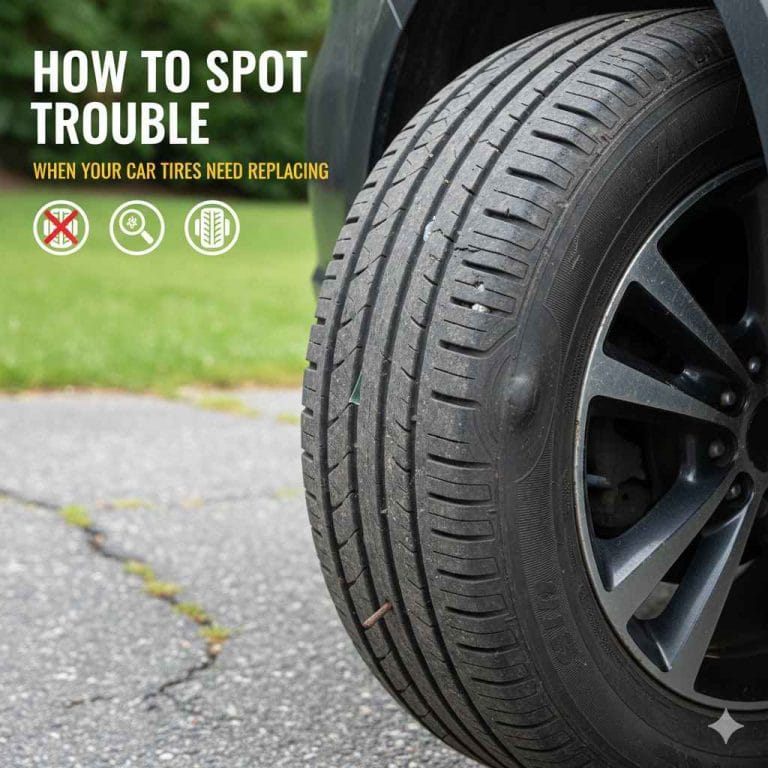
Early Warning Signs: How To Spot A Potential Tire Burst
Most tire bursts are preceded by visible or audible warnings. Recognizing these signs can save lives.
Persistent Loss Of Air Pressure
If a tire consistently loses pressure, even after refilling, it may have a slow leak or internal damage.
- Tip: Check for nails, screws, or embedded debris. If none are found, the issue may be internal.
Sometimes, a tire may lose pressure due to a cracked rim or faulty valve stem, which are less obvious but equally hazardous. If a tire requires frequent topping up, a thorough inspection—including removing the wheel and checking the inner surface—is recommended.
Visible Bulges, Blisters, Or Bubbles
Bulges on the sidewall or tread indicate separation of internal layers. This is a critical warning sign.
- Any bulge should be considered an immediate reason to replace the tire.
Bulges may appear after hitting a pothole or curb, but sometimes arise from manufacturing defects. These protrusions are weak points where the tire can fail suddenly, especially under load or at high speed. Do not attempt to repair or drive on a tire with visible bulges.
Uneven Or Rapid Tread Wear
Tread wearing faster on one side or in patches suggests alignment issues, overloading, or defective tires.
- Use the penny test: Insert a penny into the tread. If Lincoln’s head is visible, the tread is too worn.
Uneven wear can also result from suspension problems or improper tire rotation. The presence of “cupping” (scalloped tread pattern) or bald spots indicates a serious issue, often linked to imbalance or misalignment. Addressing these symptoms early can prevent a burst and extend tire life.
Vibration, Noise, Or Handling Changes
Excessive vibration, thumping noises, or a sudden change in steering response can signal internal damage or separation.
- Case study: A delivery van experienced increasing vibration over several days, ignored by the driver. The tire later burst on the highway, leading to a loss of control. Post-incident inspection revealed severe internal cord separation.
Subtle changes in vehicle handling, such as drifting, pulling to one side, or reduced responsiveness, can indicate tire issues. Drivers should be attuned to these signs and investigate promptly rather than dismiss them as minor annoyances.
Cracks, Cuts, Or Exposed Cords
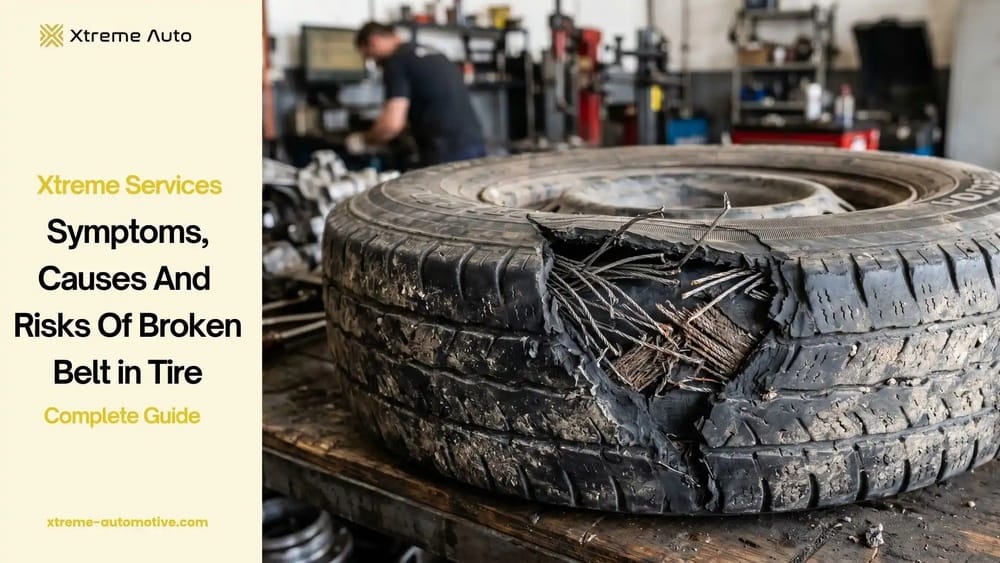
Any visible damage, especially with exposed steel belts or fabric, is a sign the tire is no longer safe.
- Warning: Small cracks (dry rot) indicate aging; large cracks or cuts demand immediate action.
Dry rot is common in older tires, especially those exposed to sun and weather. If you see any steel cords or textile plies, the tire has lost its structural integrity and is at imminent risk of bursting.

Credit: www.utires.com
Factors That Increase Tire Burst Risk
Understanding the conditions that exacerbate the risk of blowouts can help drivers make smarter decisions.
High-speed Driving
Speed amplifies all tire stresses. At 75 mph, a tire rotates about 1,200 times per minute, generating significant heat.
- Stat: The probability of a tire blowout increases by 40% at speeds above 70 mph compared to 55 mph.
Higher speeds also reduce reaction time. If a tire bursts at highway speed, the driver has mere seconds to respond before losing control, especially in vehicles with high centers of gravity, such as SUVs or vans.
Hot Weather And Long Drives
Heat causes air inside the tire to expand, increasing pressure and the risk of structural failure.
- In 2026, the UAE reported a 30% spike in summer tire blowouts, particularly among vehicles parked in direct sunlight (The National News).
Parking on hot asphalt can raise tire surface temperatures by 20–30°F above ambient, further stressing the rubber. Long-haul drivers should check tire pressure before and during trips, as heat buildup can cause pressure fluctuations.
Improper Tire Selection
Using tires not rated for your vehicle’s weight, speed, or driving conditions can be disastrous.
- Comparison Table: Tire Load Index vs. Common Vehicles
| Vehicle Type | Recommended Load Index | Common Tire Size | Notes |
|---|---|---|---|
| Small Sedan | 82–87 | 185/65R15 | Passenger use only |
| Midsize SUV | 98–104 | 235/60R18 | Increased load for families |
| Pickup Truck | 110–120 | 265/70R17 | Required for towing/hauling |
| Full-Size Van | 121–128 | 245/75R16 | Commercial/fleet use |
Choosing winter tires for summer or vice versa can also increase risk, as temperature-specific compounds may not withstand the stress of inappropriate climates.
Neglecting Tire Rotation And Balancing
Failing to rotate and balance tires causes uneven wear and increases the likelihood of weak spots developing.
- Best practice: Rotate tires every 5,000 to 7,000 miles to ensure even wear.
Unbalanced tires cause vibrations, which accelerate wear and can lead to tread separation. Regular balancing prevents these issues and improves ride comfort and safety.
Real-world Examples And Case Studies
Concrete examples underscore the dangers and common causes of tire bursts.
Case Study 1: High-speed Blowout On A Family Road Trip
A family traveling at 75 mph on Interstate 95 experienced a sudden tire burst. Investigation revealed the rear tire was underinflated by 12 psi and overloaded with luggage. The combination of heat, speed, and excess weight caused the sidewall to fail.
Fortunately, the driver maintained control and avoided a rollover, but the incident resulted in a multi-car pileup.
Further analysis showed that the tire was over five years old, with visible signs of aging and minor cracks along the sidewall. The family had not checked tire pressure for several months, underscoring the importance of regular maintenance, especially before long journeys.
Case Study 2: Delivery Fleet And Neglected Tire Maintenance
A regional delivery company suffered three tire burst incidents in a month. Post-incident analysis found that tire pressures were rarely checked, and several vehicles ran on mismatched or worn tires. The fleet implemented a strict weekly inspection protocol, leading to zero tire-related incidents in the following year.
This case highlights how institutional neglect can multiply risk, especially in commercial settings. By training drivers and enforcing maintenance routines, the company not only avoided accidents but also reduced repair costs and insurance claims.
Case Study 3: Manufacturing Defect Recall
In 2019, a major tire brand recalled over 1 million tires after several blowouts were traced to a defect in the inner liner. Drivers who registered their products received free replacements, highlighting the importance of responding to recall notices and registering new tires with manufacturers (Consumer Reports).
Some owners, unaware of the recall, continued driving on affected tires, resulting in avoidable accidents. This emphasizes the need for consumers to stay informed and proactive about product safety.
How To Prevent Tire Bursts: Proactive Maintenance And Safety Tips
Prevention is always better than cure. Simple, regular maintenance can dramatically cut the risk of a blowout.
Check And Maintain Tire Pressure
- Use a reliable digital tire gauge to check pressure at least once a month and before long trips.
- Compare readings to the vehicle manufacturer’s recommended values (usually found on the driver’s door placard).
- Tip: Check pressure when tires are cold for the most accurate reading.
Seasonal changes can affect tire pressure—cold weather decreases pressure, while hot weather increases it. Check all four tires, including the spare, as neglected spares can also fail when needed most.
Inspect Tires For Damage And Wear
- Look for bulges, cracks, cuts, embedded objects, or uneven tread wear.
- Replace tires with tread depth below 2/32 inch or if any structural damage is visible.
Use a flashlight to inspect the inner side of the tire, especially after hitting a pothole. Professional shops can use specialized equipment, such as X-ray or ultrasound, to detect hidden structural issues.
Rotate, Balance, And Align Tires Regularly
- Rotate tires every 5,000–7,000 miles.
- Balance during rotation or if you notice vibration.
- Have alignment checked annually or after hitting major potholes.
Proper alignment ensures that all tires wear evenly and maintain optimal contact with the road, reducing the risk of developing weak spots.
Avoid Overloading And Overspeeding
- Consult your vehicle and tire manuals for maximum load and speed ratings.
- Never exceed these limits, especially during hot weather or long trips.
If towing a trailer or carrying heavy cargo, consider upgrading to higher load-rated tires and check pressure more frequently.
Respond Promptly To Warning Signs
- If you notice persistent low pressure, bulges, or unusual noises, replace the tire immediately.
- Don’t risk driving on a compromised tire, even for short distances.
Ignoring warning signs is a common precursor to blowouts. If in doubt, seek professional advice or replace the tire rather than risking safety.
Choose The Right Tires For Your Vehicle
- Select tires with appropriate load index, speed rating, and quality certification.
- Consider premium brands for better durability and safety ratings (Tire Rack).
Consult with reputable tire dealers or mechanics to ensure you’re getting the best tire for your driving conditions. For specialized needs, such as off-roading or winter driving, select tires rated for those environments.
Register Your Tires
- Register new tires with the manufacturer to receive recall notifications.
Registration is often overlooked but is crucial for staying informed about potential safety issues and recalls.
Table: Tire Maintenance Checklist
| Task | Frequency | Why It Matters |
|---|---|---|
| Check pressure | Monthly/Before trips | Prevents under/overinflation |
| Inspect for damage | Monthly/After impacts | Early detection of weak spots |
| Rotate tires | Every 5,000–7,000 miles | Ensures even wear |
| Balance tires | As needed/Rotation | Reduces vibration, stress |
| Check alignment | Annually/After impacts | Prevents uneven wear |
| Replace old tires | 6 years or 40,000–60,000 miles | Prevents age-related failures |
The Role Of Tire Technology And Quality
Advancements in tire manufacturing and monitoring technology have made modern tires safer, but not infallible.
Run-flat And Reinforced Tires
Run-flat tires allow limited driving even after losing air, giving drivers time to reach safety. However, they are not immune to burst risk if abused or neglected.
Reinforced tires, such as those with extra plies or specialized compounds, offer better resistance to impacts and heat. These are especially beneficial for commercial vehicles or those operating in harsh environments. However, no tire is immune to poor maintenance or misuse.
Tire Pressure Monitoring Systems (tpms)
Most new cars are equipped with TPMS, which alerts drivers to significant pressure loss. However, TPMS does not replace manual checks, as it may not detect slow leaks or slight underinflation.
TPMS sensors can malfunction or become less accurate over time, particularly if exposed to dirt, moisture, or impact. Drivers should calibrate and test TPMS regularly and continue manual checks to ensure comprehensive safety.
Quality Standards And Certifications
Look for tires with certifications such as DOT, ECE, or ISO, indicating compliance with safety standards (ISO).
These certifications ensure the tire has passed rigorous tests for durability, load capacity, and resistance to environmental factors. While certified tires are more reliable, periodic inspections remain essential, as road conditions and usage patterns vary.
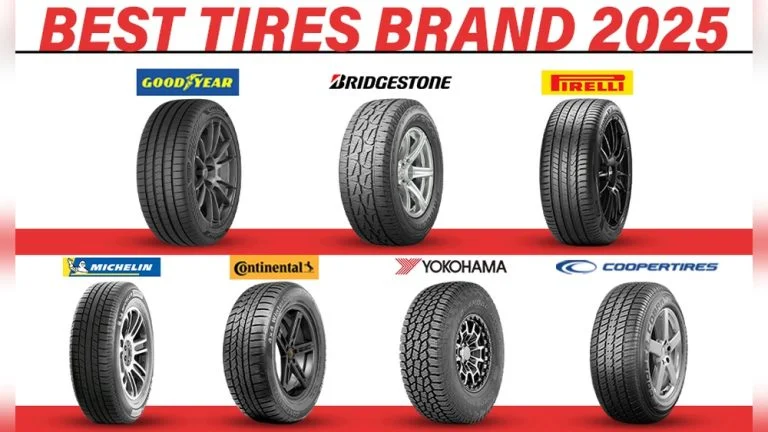
Choosing The Right Brand
Premium brands invest heavily in research and quality control, resulting in lower defect rates and better performance. Budget brands may cut corners, increasing blowout risk.
- Example: A 2020 independent test found premium tires had 35% fewer failures during extreme load testing compared to economy brands.
When choosing a brand, consider not only price but also reviews, warranty, and post-sale support. Investing in high-quality tires is an investment in safety, performance, and peace of mind.
What To Do If A Tire Burst Occurs
Knowing how to react in a blowout can prevent a minor emergency from becoming a major disaster.
Steps To Take During A Blowout
- Stay calm and keep a firm grip on the steering wheel.
- Do NOT slam on the brakes. Let the vehicle slow down gradually.
- Steer straight and gently correct any swerving.
- Signal and move to the shoulder or a safe area.
- Once stopped, turn on hazard lights and exit the vehicle only when safe.
Remaining composed is critical. A sudden burst can cause panic, but erratic steering or braking can worsen the situation. Modern vehicles with stability control systems may help, but driver reactions remain paramount.
Safety Tips After A Blowout
- Replace the blown tire with a spare, ensuring it is properly inflated and undamaged.
- If you lack the tools or confidence, call roadside assistance.
- Inspect remaining tires for similar issues, as blowouts can sometimes be a sign of systemic problems.
After a blowout, check the rim for damage, as driving on a flat can bend or crack the wheel. If the spare is a temporary “donut,” drive cautiously and replace it with a full-size tire as soon as possible.
Legal And Insurance Considerations
In some cases, tire burst accidents may involve liability issues, especially if caused by manufacturing defects or inadequate road maintenance. Document the incident and tire condition for insurance and potential recall claims.
- Resource: Learn more about tire recalls and reporting safety issues at the NHTSA Safety Portal.
Photograph the tire, vehicle, and surrounding scene. Keep receipts and records of maintenance, as these may be required for insurance or warranty claims.
Frequently Asked Questions
What Is The Difference Between A Tire Burst And A Flat Tire?
A tire burst is a sudden, violent rupture of the tire, usually accompanied by a loud bang and rapid air loss. A flat tire typically involves a slow leak or puncture, resulting in gradual loss of air and less dramatic failure. Bursts are far more dangerous due to the loss of control they can cause.
How Often Should I Replace My Tires To Avoid Bursts?
Most experts recommend replacing tires every 6 years, regardless of tread depth, due to aging rubber. However, if you drive more than 40,000–60,000 miles, replace them sooner or if you notice any signs of damage, bulges, or persistent air loss.
Can Tire Bursts Be Prevented Entirely?
While you can’t eliminate all risk, following regular maintenance routines, proper inflation, avoiding overloading, and responding to warning signs can reduce the chance of a blowout by over 80%.
Are Certain Tire Brands Less Likely To Burst?
Premium brands with rigorous quality controls and advanced materials, such as Michelin, Bridgestone, and Goodyear, tend to have lower failure rates. However, no tire is immune if misused or neglected. Always choose tires suited to your vehicle’s specifications.
What Should I Do Immediately If My Tire Bursts While Driving?
Stay calm, grip the steering wheel firmly, avoid slamming the brakes, and steer straight. Allow the car to slow down naturally, move to a safe location, and activate hazard lights. Change the tire only if it’s safe; otherwise, call for professional assistance.
A tire burst is one of the most alarming hazards a driver can face, but it is also one of the most preventable. By understanding the causes, recognizing warning signs, and committing to proactive maintenance, you can dramatically reduce your risk and travel with greater peace of mind.
Safe driving starts from the ground up—make your tires a top priority on every journey.
Products related to this article
Sponsored / affiliate links. As an Amazon Associate I earn from qualifying purchases. I may earn additional commission from eligible campaigns.