Car Tire Won’T Accept Air? Here Are the Most Likely Causes
If you’ve ever tried to inflate your car tire, only to find it stubbornly refusing to accept air, you know how frustrating—and potentially dangerous—this scenario can be. Whether you’re preparing for a long trip, dealing with a flat on the side of the road, or simply maintaining your vehicle, knowing the reasons behind this common issue is crucial.
Not only does it help you fix the problem faster, but it also prevents costly damage and ensures your safety on the road.
This comprehensive guide delves into the most likely causes for a car tire that won’t accept air, backed by real-world examples, technical data, and actionable solutions. We’ll explore everything from valve failures and rim defects to more subtle issues like bead damage and internal blockages.
By the end, you’ll be equipped to diagnose, repair, and prevent this problem—whether you’re a DIY enthusiast or relying on professional help.
Key Takeaways
- Valve issues are the most common reason tires won’t accept air—inspect the valve stem and core first.
- Rim damage or corrosion can prevent proper sealing and air entry, especially in older vehicles.
- Bead seating problems often occur after tire replacements or repairs; proper alignment is crucial.
- Internal obstructions like debris or failed tire liners can block airflow.
- Regular maintenance and prompt repairs can prevent most air refusal scenarios and extend tire life.
Credit: www.rushtruckcenters.com
Understanding Tire Inflation: Why Air Matters
Before diagnosing why a tire won’t accept air, it’s important to understand the mechanics of tire inflation. Car tires rely on a balance of air pressure to provide traction, support weight, and ensure safe handling. If a tire can’t be inflated, it’s not just an inconvenience—it’s a safety hazard that can lead to blowouts, uneven wear, or even accidents.
A properly inflated tire ensures that the contact patch—the area where the tire meets the road—is optimized for grip and braking. Low or no air pressure increases rolling resistance, which can cause the tire to overheat, degrade more quickly, and even fail catastrophically.
The inflation process itself is engineered to be straightforward, but several minor faults can lead to persistent inflation issues.
How Tire Valves Work
The valve stem is the gateway for air to enter the tire. It contains a valve core that opens when you press an air hose or gauge against it, allowing air to flow in. Once you remove the hose, the valve snaps shut, trapping air inside. If any part of this mechanism fails, air won’t enter—or worse, it will escape immediately.
The valve core is a small but critical component. It’s threaded into the stem and acts as a one-way gate. Modern valve cores are typically Schrader-type for cars, which use a spring-loaded pin to open and close the passage. If this pin is bent, stuck, or corroded, the valve may refuse to allow air in or leak air out rapidly after inflation.
In some cases, the valve may appear fine but have internal obstructions not visible from the outside.
Importance Of Proper Tire Pressure
According to the National Highway Traffic Safety Administration (NHTSA), underinflated tires contribute to over 11,000 accidents annually in the US. Proper tire pressure improves fuel efficiency, handling, and tire longevity. Tires that are consistently underinflated by just 5 psi can reduce fuel economy by up to 2% and shorten tire life by as much as 25%. A tire that won’t accept air disrupts this balance, making timely diagnosis and repair essential.
Improper tire pressure also impacts advanced safety systems such as ABS and stability control. These systems rely on predictable tire behavior to function correctly, and a compromised tire can interfere with their operation. Thus, ensuring your tires accept and hold the proper amount of air is fundamental to the safe operation of your vehicle.
Most Common Causes: Why Your Tire Won’t Accept Air
Let’s examine the primary reasons tires refuse to accept air, from the obvious to the often-overlooked.
Valve Stem Problems
The valve stem is responsible for allowing air in and keeping it there. If it’s damaged, corroded, or clogged, air can’t enter.
- Cracked or split valve stems: Often occur in older tires or those exposed to extreme temperatures. Rubber naturally degrades over time, especially when exposed to UV light and ozone, leading to tiny cracks that can expand.
- Stuck or faulty valve core: A malfunctioning core won’t open properly, blocking airflow. Sometimes, over-tightening the core during a previous repair can deform the internal components, causing air blockage.
- Debris or corrosion: Dirt, moisture, or road salt can clog the stem, especially in winter. Corrosion inside the stem can also cause the core to seize or develop leaks that prevent inflation.
Real-world Example
A 2017 Honda Accord owner reported persistent air refusal after tire rotation. Inspection revealed a corroded valve stem, likely caused by road salt during winter driving. Replacing the stem restored normal inflation. In another instance, a car owner discovered a small pebble wedged inside the stem after off-road driving, which was blocking airflow.
Removing the debris allowed the tire to accept air again.
Rim Or Wheel Damage
The rim’s condition directly affects the tire’s ability to seal and accept air.
- Bent rims: Impact from potholes or curbs can deform the rim, breaking the airtight seal. Even minor bends can create enough of a gap for air to escape or prevent it from entering during inflation.
- Corroded or rusty rims: Oxidation eats away at the rim surface, creating gaps. Aluminum rims, while lighter, are more susceptible to corrosion, especially when the protective coating wears off.
- Improper rim-tire fit: Using mismatched rims and tires prevents proper seating. Even a slight size mismatch can make inflation impossible and damage the bead.
Case Study
An auto shop in Chicago documented a 15% increase in rim-related air refusal cases during spring, correlating with winter pothole damage. Repairs involved rim straightening or replacement. Sometimes, severe corrosion required the rim to be machined or even replaced entirely.
The shop also noted that vehicles frequently driven near construction sites had higher rates of rim dents from road debris.
Bead Seating Issues
The bead is the thick, reinforced edge of the tire that sits on the rim. If it’s not seated correctly, air can escape or fail to enter.
- Improper installation: After mounting a new tire, the bead may not align with the rim. This can happen if the tire is mounted in a rush or without proper lubrication.
- Bead damage: Cuts or tears from rough handling or sharp objects. Using improper tools or excessive force can nick the bead, creating small leaks or complete blockages.
- Lubrication failures: Tire shops use bead lubricants to ease installation; lack of it increases resistance. Inadequate lubrication can cause the bead to stick, preventing it from snapping into place and sealing the rim.
Real-world Example
A DIY enthusiast replaced his own tire and struggled to inflate it. The bead wasn’t fully seated, preventing air entry. Re-seating the bead with proper lubrication solved the issue. In another case, a shop found that a customer’s bead had been damaged by a previous repair attempt using a screwdriver instead of a proper tire iron, which had nicked the bead and blocked air entry.
Internal Tire Obstructions
Sometimes, the blockage is inside the tire itself.
- Tire liners or sealants: After a puncture repair, excess sealant can clog the valve. Some sealants harden over time or leave sticky residues that adhere to the valve core.
- Foreign debris: Stones, rubber fragments, or broken TPMS sensors can obstruct the air path. This is more common in vehicles that frequently travel on gravel roads or off-road.
- Collapsed inner layers: In rare cases, tire delamination causes internal blockages. Separation of the tire’s internal plies can shift the structure and block the air passage.
Case Study
A fleet manager for a delivery company found that two vans had tires refusing air after a sealant-based puncture repair. Flushing the valve and replacing the core restored function. In one instance, a piece of a broken TPMS sensor was found lodged in the valve stem, necessitating both the sensor and valve replacement.
Faulty Air Equipment
Not all air refusal is tire-related—sometimes the inflator or gauge is to blame.
- Defective air hose: Cracked or leaking hoses won’t deliver air effectively. Even a tiny split in the hose can cause enough pressure loss to prevent inflation.
- Incompatible connectors: Some inflation tips don’t fit snugly, especially with aftermarket valve stems. This leads to air escaping around the connection instead of entering the tire.
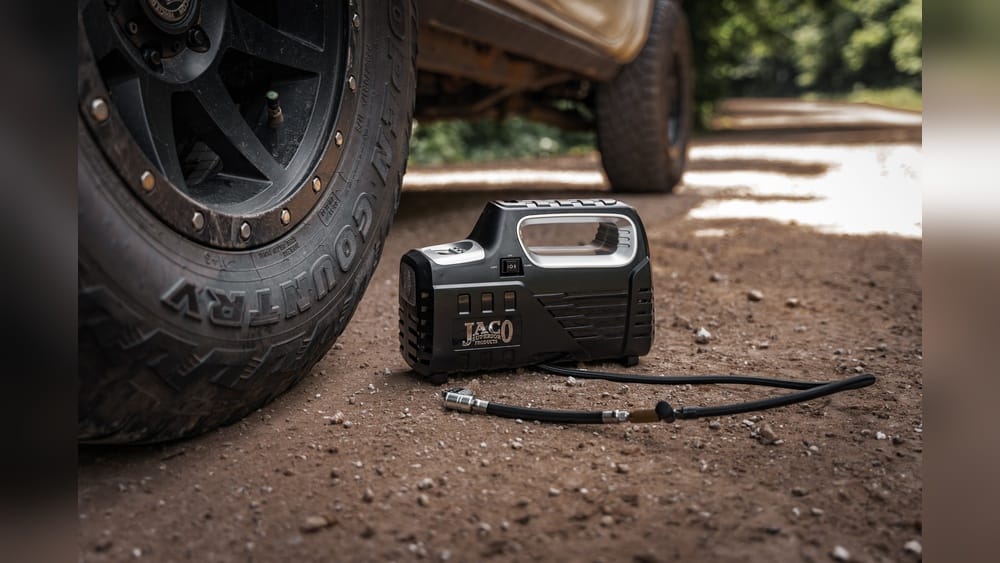
- Low compressor pressure: Home compressors may lack sufficient PSI for larger tires. Many portable units are designed for bicycles or small tires and simply can’t generate enough pressure for automotive applications.
Data Table: Common Causes Vs. Frequency
| Cause | Estimated Frequency (%) | Typical Solution |
|---|---|---|
| Valve Stem Problems | 45% | Replace valve stem/core |
| Rim/Wheel Damage | 22% | Repair/replace rim |
| Bead Seating Issues | 18% | Re-seat bead |
| Internal Obstructions | 10% | Remove debris/sealant |
| Faulty Air Equipment | 5% | Check/replacement |
Tire Age And Wear
Older tires are more prone to air refusal due to cumulative damage.
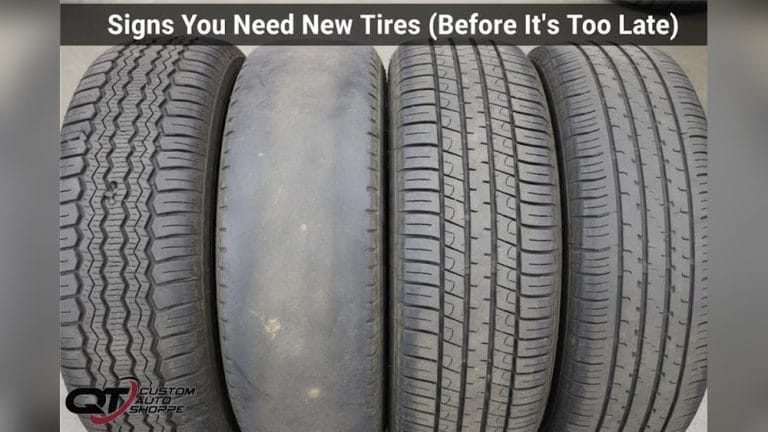
- Rubber fatigue: Cracks form in valve stems and beads. As tires age, the flexibility of the rubber decreases, making it more likely to fail under stress.
- Structural breakdown: Layers separate, leading to internal blockages. This can also compromise the tire’s ability to hold air, even if the external surfaces appear sound.
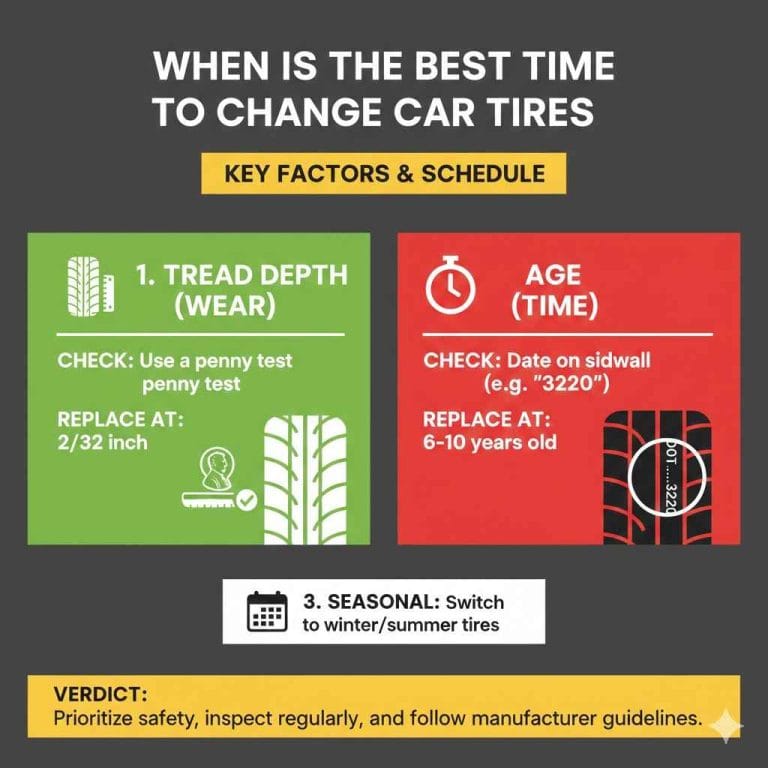
According to NHTSA, tires older than six years are 2.7 times more likely to fail during inflation. Regularly checking your tire’s DOT date code can help you determine if age is a factor.
Credit: us.gooloo.com
Diagnosing The Problem: Step-by-step Guide
A systematic approach can save time and money. Here’s how to pinpoint the cause of air refusal.
Visual Inspection
Look for obvious damage first:
- Check valve stem for cracks, corrosion, or debris. Gently wiggle the stem—if it feels loose or brittle, it likely needs replacement.
- Inspect rim for bends or rust. Look closely where the tire meets the rim; uneven gaps or visible corrosion are red flags.
- Examine tire bead for cuts or improper seating. A bead that isn’t uniform all the way around may not be sealing properly.
Listen For Leaks
After attempting inflation, listen for hissing near the valve or rim. This indicates air escaping rather than entering. Move your ear (or use a mechanic’s stethoscope) around the tire to localize the sound. Sometimes, the hiss is faint and only audible up close.
Test With Water
Spray soapy water around the valve, bead, and rim. Bubbles reveal leaks, helping you focus repairs. This simple test is often used in tire shops to quickly pinpoint even tiny leaks.
Remove The Valve Core
Using a valve core tool, extract the core and inspect for:
- Bent pins: Preventing proper operation.
- Corrosion: Indicating water intrusion.
- Blockages: Caused by dirt, old sealant, or rubber debris.
Replace if necessary. Sometimes, simply removing and reinstalling the core can dislodge minor obstructions.
Check Air Equipment
Swap out the air hose or compressor and try again. If the tire accepts air, the equipment was the issue. It’s also worth testing the equipment on another tire to confirm proper function.
Professional Diagnostic Tools
Shops use high-pressure inflators, bead blasters, and digital pressure gauges to test tires. If DIY methods fail, seek expert help. Professional diagnostics can also identify hidden issues such as internal delamination or micro-leaks invisible to the naked eye.
Example Diagnostic Scenario
A 2026 Ford Explorer owner noticed air refusal after hitting a curb. Visual inspection revealed a bent rim, confirmed by soapy water bubbling at the bead. Rim repair restored air entry. In a similar scenario, a slow leak was traced to a hairline crack in the wheel, which required welding and resealing.
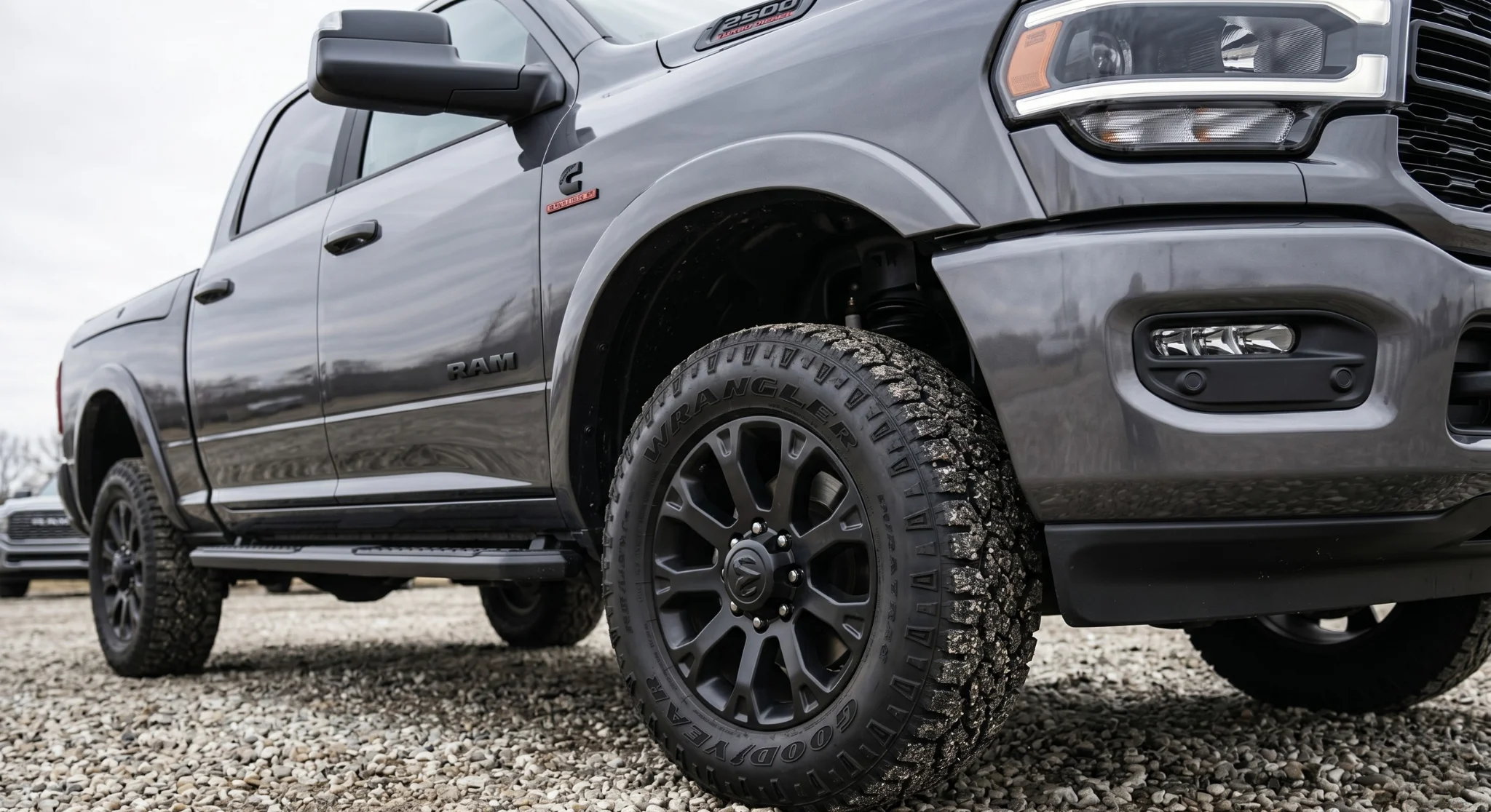
Credit: www.victorvillemotors.com
Solutions: How To Fix A Tire That Won’t Accept Air
Once you’ve diagnosed the cause, here are the best solutions for each scenario.
Replacing Or Repairing The Valve Stem
- Use a valve stem removal tool to extract and replace the stem.
- Ensure the new stem matches your tire specifications. Check for compatibility with TPMS sensors if your vehicle is equipped.
- Apply silicone lubricant for easier installation.
If the core itself is the problem, use a core removal tool to swap it out. Always check that the new core is seated tightly, but avoid over-tightening, which can deform the stem.
Repairing Rim Damage
- Minor bends can be straightened by a professional shop. Specialized rim-straightening equipment can restore the roundness and seal.
- Severe corrosion requires rim replacement. For minor corrosion, sanding and sealing the rim may suffice.
- Clean the rim with wire brushes before reinstalling the tire. Removing debris ensures a proper bead seal.
If you suspect a crack, have it professionally inspected—welding may be possible, but replacement is often safer.
Re-seating The Tire Bead
- Deflate the tire fully and apply bead lubricant. This helps the bead slide into place without tearing.
- Use a bead blaster or high-pressure air burst to force the bead onto the rim. Some shops use an “explosive” air burst method for stubborn beads (always done by professionals).
- Inspect for proper alignment before inflating. The bead should be evenly seated all around the rim.
For DIYers, there are “bead seater” tools available, but use caution—improper technique can cause injury.
Removing Internal Obstructions
- Extract the valve core and flush the stem with compressed air. This often removes sticky sealant or small debris.
- Remove debris using needle-nose pliers. Be careful not to damage the valve opening.
- For sealant blockages, rinse with water and replace the core. Some sealants are water-soluble, while others may require a special solvent.
If the obstruction is a broken sensor or large foreign object, professional dismounting of the tire may be necessary.
Fixing Faulty Air Equipment
- Replace cracked hoses and worn connectors. Always use parts rated for the pressure you’ll be using.
- Use a compressor with adequate PSI for your tire size (most passenger tires require 32–35 PSI, but trucks/SUVs may need up to 80 PSI).
- Ensure the inflation tip fits securely. Adapters are available for various valve types.
Regularly servicing your equipment can prevent most inflation issues.
Comparison Table: Diy Vs. Professional Repair
| Repair Type | DIY Cost (USD) | Professional Cost (USD) | Time Required | Success Rate |
|---|---|---|---|---|
| Valve Stem Replacement | $8–$15 | $25–$40 | 15–30 min | High |
| Rim Repair | N/A | $50–$150 | 1–2 hrs | Medium |
| Bead Re-Seating | $0 (if tools owned) | $20–$40 | 10–30 min | High |
| Debris Removal | $0–$10 | $15–$30 | 10–20 min | High |
| Air Equipment Replacement | $20–$60 | N/A | 5–15 min | High |
Prevention: Keeping Your Tires Air-ready
Prevention is always better than cure. Regular maintenance and proactive checks reduce the risk of air refusal.
Regular Valve Stem Checks
- Inspect stems monthly for cracks or corrosion. Even small surface cracks can lead to larger failures.
- Replace stems every two years, or sooner if damaged. Consider replacing valve stems whenever you buy new tires.
- Use valve caps to block dirt and moisture. Metal caps with internal seals provide superior protection compared to cheap plastic ones.
Rim Maintenance
- Clean rims quarterly, especially after winter driving. Use a mild detergent and avoid harsh chemicals that can damage protective coatings.
- Address minor bends or corrosion early. Small issues are easier and cheaper to fix before they worsen.
- Avoid hitting curbs and potholes. Reducing speed in bad conditions can help preserve rim integrity.
Bead And Tire Maintenance
- Have tires professionally mounted and balanced. Proper mounting ensures optimal bead seating and minimizes vibration.
- Use bead lubricant during installation. This small step prevents bead tearing and seating issues.
- Inspect for bead damage after off-road driving. Rocks and debris can nick the bead, so check for cuts and abrasions.
Proper Tire Storage
- Store tires in cool, dry locations. Heat and sunlight accelerate rubber degradation.
- Avoid stacking heavy objects on tires. This prevents deformation and bead damage.
Air Equipment Care
- Replace hoses and connectors annually. Even if they appear fine, rubber can degrade internally.
- Use compressors rated for your tire size. Underpowered compressors prolong inflation time and may not seat beads properly.
Data Table: Preventive Measures Vs. Risk Reduction
| Preventive Measure | Risk Reduction (%) | Recommended Frequency |
|---|---|---|
| Valve Stem Inspection | 30% | Monthly |
| Rim Cleaning | 20% | Quarterly |
| Professional Tire Mounting | 25% | Each new tire |
| Air Equipment Maintenance | 15% | Annually |
When To Seek Professional Help
Certain scenarios demand expert intervention.
Severe Rim Or Bead Damage
If your rim is bent beyond repair or the bead is torn, visit a tire shop. Attempting DIY fixes on structural damage can worsen the problem. Professional shops have the equipment and expertise to safely restore structural integrity.
Persistent Internal Obstructions
If flushing and cleaning fail, professionals use specialized tools to clear debris or sealant. Internal blockages may require tire dismounting and inspection for hidden damage.
Recurrent Valve Failures
Repeated valve stem issues may indicate manufacturing defects or underlying tire damage. A shop can inspect and replace components safely. Frequent valve failures can also be a sign of incompatible valve components, especially with aftermarket rims.
Tpms Complications
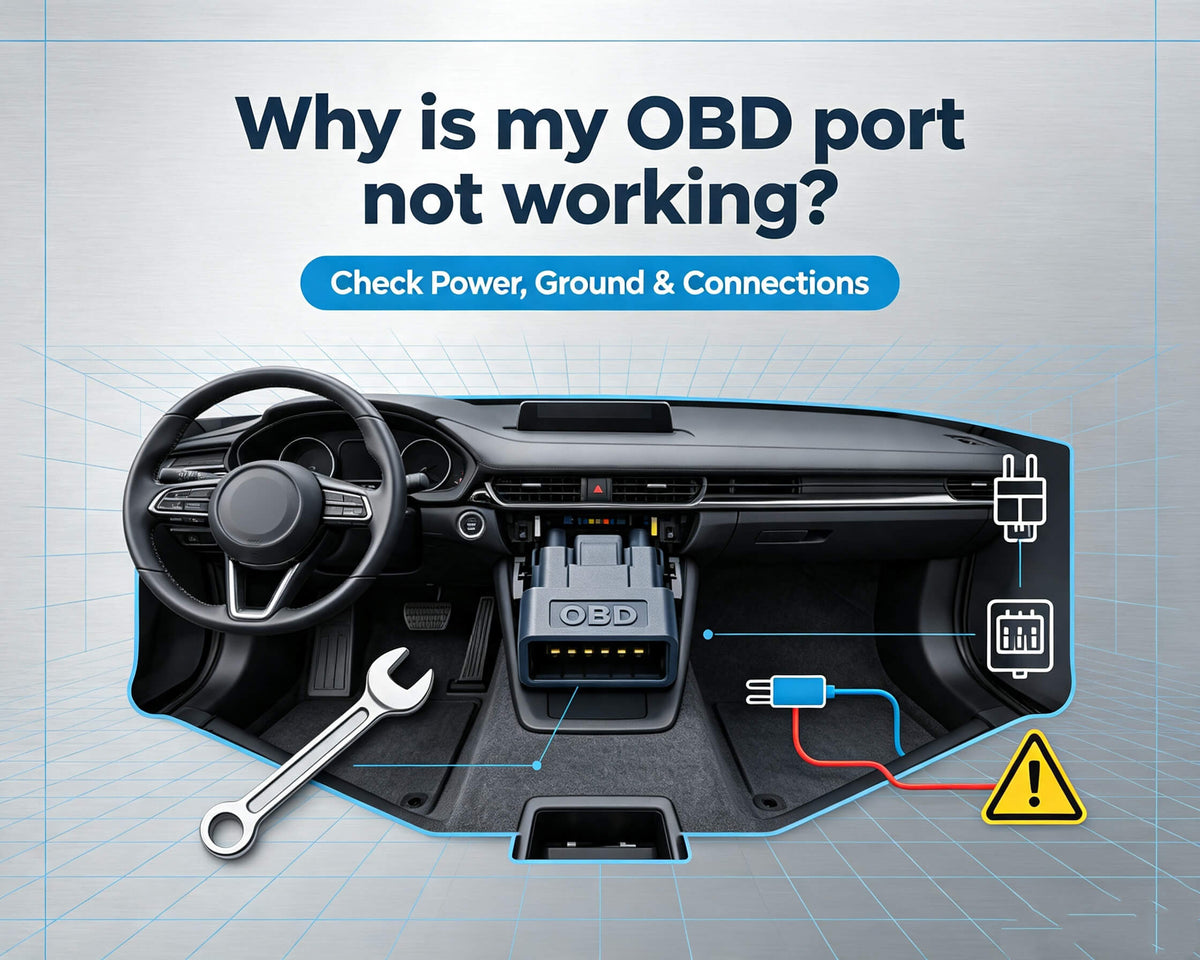
Modern vehicles use Tire Pressure Monitoring Systems (TPMS). Damaged sensors can obstruct airflow and require recalibration or replacement. According to Wikipedia, TPMS failures account for 7% of inflation problems in vehicles equipped with the system. If you suspect a TPMS issue, seek professional assistance to prevent further damage.
Example: Professional Intervention
A 2018 Toyota Camry owner experienced persistent air refusal despite multiple repairs. The shop discovered a broken TPMS sensor lodged in the valve stem, necessitating sensor replacement and recalibration. The dealership also updated the TPMS software to ensure compatibility with the new sensor.
Real-world Examples And Case Studies
Let’s highlight three practical scenarios to illustrate air refusal diagnosis and repair.
Example 1: Commercial Fleet Maintenance
A logistics company noticed that several delivery vans had tires refusing air after routine maintenance. Technicians found that improper bead seating during tire rotation was the culprit. Using bead blasters and lubricants, they reseated the tires, restoring inflation capability. The company implemented a checklist for tire rotation that included bead inspection and lubrication, which reduced air refusal incidents by 60% over the next year.
Example 2: Winter Driving Damage
A driver in Minnesota found his tire wouldn’t accept air after a harsh winter. Inspection revealed heavy rim corrosion from road salt, clogging the seal. The rim was cleaned and partially replaced, solving the issue. The company adopted quarterly rim cleaning as a preventive measure.
They also began using anti-corrosion sprays on their fleet’s rims, further decreasing related problems.
Example 3: Diy Tire Replacement Gone Wrong
A car owner attempted to mount and inflate a new tire at home, but the tire wouldn’t accept air. The bead was not aligned with the rim, preventing airflow. After reseating the bead and checking the valve stem, the tire inflated normally.
This experience highlighted the importance of using professional mounting tools and proper techniques.
Tire Inflation Safety: Risks And Best Practices
Inflating a tire isn’t risk-free, especially when dealing with stubborn, non-inflating tires. Here’s how to stay safe:
Risks Of Improper Inflation
- Blowouts: Overinflating or forcing air into a damaged tire can cause sudden rupture. This can be especially dangerous with old or structurally compromised tires.
- Flying debris: Valve stem or bead failures can eject parts at high speed. Always keep body parts away from the valve area during inflation.
- Chemical exposure: Sealant leaks expose you to potentially hazardous materials. Many tire sealants contain latex or other chemicals that can cause skin or eye irritation.
Safety Tips
- Always wear eye protection and gloves. Even a small burst of air can propel dirt or debris.
- Use compressors with automatic shutoff. This prevents accidental over-inflation.
- Don’t exceed manufacturer-recommended PSI. Overinflating can stretch the bead beyond its limits and lead to catastrophic failure.
Recognizing When To Stop
If you hear popping, hissing, or see bulging, stop immediately. Seek professional help to avoid injury. Never attempt to reinflate a tire that has visible structural damage or is bulging unnaturally.
Impact On Tire Longevity And Performance
A tire that refuses air is a warning sign. Ignoring it impacts performance, safety, and cost.
Short-term Effects
- Reduced fuel efficiency
- Poor handling
- Increased braking distance
- Increased stress on other tires, as they compensate for the underinflated or flat tire
Long-term Effects
- Premature tire wear
- Higher risk of blowouts
- Costly repairs or replacements
- Potential damage to rims, suspension, and alignment systems
According to Tire Rack, driving on underinflated or non-inflated tires can reduce tread life by up to 25%. It can also void tire warranties and increase your risk in insurance claims if an accident occurs.
Comparing Tire Types: Air Refusal Risks
Different tire types face varying risks of air refusal.
| Tire Type | Air Refusal Risk | Typical Cause | Recommended Solution |
|---|---|---|---|
| Standard Passenger Tire | Medium | Valve stem issues | Replace valve stem |
| Performance Tire | High | Bead seating, rim fit | Professional mounting |
| Run-Flat Tire | Low | Internal obstructions | Debris removal |
| Truck/SUV Tire | Medium | Rim damage | Rim repair |
| Winter Tire | High | Corrosion | Rim cleaning |
Performance and winter tires often have stiffer beads and specialized compounds, making them more sensitive to improper installation and rim condition. Run-flat tires are less likely to refuse air but can suffer from internal obstructions if damaged.
Additional Resources And References
For further information and expert guidance, consult these authoritative resources:
- NHTSA Tire Safety
- Wikipedia: Tire
- Tire Rack Tire Tech
- Consumer Reports: Tires
- Cars.com: How to Check Tire Pressure
- Popular Mechanics: Repair Tire Valve Stem
Frequently Asked Questions
What Should I Do First If My Tire Won’t Accept Air?
Start with a visual inspection of the valve stem, rim, and bead. Look for obvious damage, debris, or corrosion. If nothing is visible, try swapping the air hose or compressor to rule out equipment issues. If the problem persists, remove and inspect the valve core for obstructions.
Can Sealant From A Puncture Repair Cause Air Refusal?
Yes. Excess sealant can clog the valve stem or core, blocking air entry. Remove the valve core and flush the stem with water or compressed air, then replace the core if necessary. Some sealants are designed to wash out easily, but others may require a solvent.
Is It Safe To Drive On A Tire That Won’t Accept Air?
No. A tire that won’t inflate properly is unsafe and can lead to blowouts, poor handling, or uneven wear. Always repair or replace the tire before driving. Even a short trip on an underinflated tire can cause irreversible damage to the tire and rim.
How Often Should Valve Stems Be Replaced?
Valve stems should be replaced every two years or whenever you install new tires. Inspect monthly for cracks or corrosion, and replace immediately if damaged. High-performance vehicles and those exposed to harsh conditions may need more frequent replacements.
Can Tpms Sensors Block Air Entry During Inflation?
Yes. Broken or misaligned TPMS sensors can obstruct the valve stem, preventing air flow. Professional help is recommended for sensor replacement and recalibration. Always use compatible sensors and valve stems for your vehicle.
A car tire that won’t accept air is more than a minor annoyance—it’s a signal that something’s wrong with your tire, rim, valve, or even your inflation equipment. By systematically diagnosing the issue and applying the right fix, you can restore your tire’s health, improve safety, and avoid costly repairs.
Regular maintenance, professional mounting, and proactive inspections are the keys to keeping your tires air-ready for every journey.
Products related to this article
Sponsored / affiliate links. As an Amazon Associate I earn from qualifying purchases. I may earn additional commission from eligible campaigns.