How Much Car Engine Oil Is Used in the USA Each Year?
Car engine oil used in the USA totals billions of gallons annually, making it one of the most consumed automotive fluids in the world. This post breaks down the exact volume, the factors behind it, and what happens to all that oil after it drains out of your engine.
Simply put, the United States consumes roughly 1.3 billion gallons of lubricating oil each year, with passenger vehicles accounting for over half of that total. That translates to approximately 700 million gallons of engine oil used annually by cars and light trucks alone.
Key Takeaways
- The US consumes about 1.3 billion gallons of engine oil and other lubricants per year, with passenger vehicles responsible for roughly 55% of that total.
- Annual car engine oil usage is driven by the number of vehicles on the road, average oil change frequency, and the volume of oil each engine holds.
- Only about 60% of used engine oil is properly recycled or re-refined; the rest is disposed of improperly or lost through leaks and burning.
- US oil consumption per vehicle averages between 4 and 6 quarts per oil change, with most drivers changing oil every 5,000 to 7,500 miles.
- Re-refining used oil saves energy and resources: 2 gallons of re-refined oil can be produced from 3 gallons of used oil, compared to 42 gallons of crude oil to make 3 gallons of virgin oil.
What Is the Annual Car Engine Oil Consumption in the USA?
The total volume of car engine oil used in the USA each year is staggering. According to the American Petroleum Institute, the United States consumes approximately 1.3 billion gallons of lubricating oil annually. Passenger cars and light trucks account for roughly 55% of this total, putting car engine oil consumption at around 700 million gallons per year.
To put that in perspective, 700 million gallons would fill over 1,000 Olympic-sized swimming pools. It is enough oil to drain and refill the crankcase of every passenger vehicle in the country roughly 2.5 times over.
| Category | Estimated Annual Volume (Gallons) |
|---|---|
| Total US lubricant consumption | 1.3 billion |
| Passenger car & light truck engine oil | ~700 million |
| Heavy-duty diesel engine oil | ~250 million |
| Industrial & other lubricants | ~350 million |
The table above breaks down how the 1.3 billion gallon total is distributed across different categories. Passenger vehicles clearly dominate the consumption figures.
How Is Car Engine Oil Usage Measured Across the Country?
Industry analysts and environmental agencies track car engine oil usage using several methods. The most reliable data comes from lubricant sales figures reported by manufacturers, import data from the U.S. Energy Information Administration, and vehicle registration statistics combined with average service intervals.
The EPA monitors used oil generation and recycling rates. The Department of Transportation tracks vehicle miles traveled and fleet composition. These data sources together create a reasonably accurate picture of how much oil is consumed nationwide.
- Sales data: Lubricant manufacturers report quarterly sales volumes to industry associations like the American Petroleum Institute.
- Vehicle registration data: The Federal Highway Administration reports that there are approximately 280 million registered vehicles in the US.
- Service interval estimates: Most passenger vehicles require an oil change every 5,000 to 7,500 miles, with an average capacity of 5 quarts.
- Total miles driven: Americans drive roughly 3 trillion miles per year across all passenger vehicles.
- Used oil collection data: The EPA tracks how many gallons of used oil are collected by recycling facilities and service centers.
Important: These measurement methods provide estimates, not exact counts. Actual consumption can vary by 5-10% year over year depending on economic activity, fuel prices, and vehicle ages.
What Factors Drive the High Volume of Oil Used Each Year?
Several interconnected factors explain why car engine oil used in the USA reaches such enormous volumes. The size of the vehicle fleet is the most obvious driver, but other elements play equally important roles.
Engine size and design have a direct impact. Large trucks and SUVs typical in the US market require 6 to 8 quarts per oil change, while smaller economy cars use 3 to 4 quarts. The trend toward larger vehicles over the past two decades has pushed average oil consumption per vehicle higher.
- Fleet size: 280 million registered vehicles, each requiring regular oil changes.
- Vehicle type: SUVs and light trucks now represent over 50% of new vehicle sales, with larger oil capacities.
- Driving habits: The average American drives 14,000 miles per year, requiring 2 to 3 oil changes annually.
- Oil change frequency: Despite synthetic oils lasting longer, many drivers still change oil every 5,000 miles.
- Oil consumption in older engines: Vehicles over 10 years old often burn or leak oil between changes, increasing total consumption.
- Commercial fleet operations: Delivery vans, taxis, and service trucks rack up miles quickly and require frequent oil changes.
| Vehicle Type | Average Oil Capacity (Quarts) | Annual Oil Changes | Total Oil per Year (Gallons) |
|---|---|---|---|
| Compact car | 4 | 2 | 2.0 |
| Midsize sedan | 5 | 2 | 2.5 |
| Full-size SUV | 7 | 3 | 5.25 |
| Light truck | 6 | 3 | 4.5 |
| Heavy-duty diesel truck | 12 | 4 | 12.0 |
This table shows the wide range in oil consumption per vehicle. A single heavy-duty truck can use six times more oil per year than a compact car.
How Does the US Compare to Other Countries in Oil Use?
When examining car engine oil used in the USA compared to other nations, the United States stands far ahead in total volume. However, per-capita and per-vehicle comparisons tell a more nuanced story.
The US has the highest per-capita oil consumption of any major country, largely due to the sheer number of vehicles and the average distance driven each year. China has a larger total vehicle fleet but lower per-vehicle oil consumption because of smaller engines and shorter average trip distances.
- United States: ~700 million gallons per year for passenger vehicles, ~2.1 gallons per person.
- China: ~500 million gallons per year for passenger vehicles, ~0.35 gallons per person.
- European Union: ~450 million gallons per year for passenger vehicles, ~0.9 gallons per person.
- India: ~150 million gallons per year for passenger vehicles, ~0.1 gallons per person.
- Japan: ~100 million gallons per year for passenger vehicles, ~0.8 gallons per person.
Warning: Comparing global oil consumption data is difficult because reporting standards and definitions vary between countries. The figures above are estimates based on the best available industry data.
What Types of Engine Oil Are Most Commonly Used in the USA?
The composition of car engine oil used in the USA has shifted dramatically over the past two decades. Synthetic and synthetic-blend oils now dominate the market, replacing conventional mineral oils as the standard recommendation for most new vehicles.
The move toward synthetic oils has been driven by stricter fuel economy standards, longer required oil change intervals, and consumer demand for better engine protection. Today, approximately 60% of passenger car engine oil sold in the US is synthetic or synthetic-blend.
- Full synthetic oil: Used in approximately 40% of passenger vehicles. Provides superior protection, longer change intervals, and better cold-weather performance.
- Synthetic blend oil: A mix of synthetic and conventional base stocks. Used in roughly 20% of vehicles. Offers better protection than conventional at a lower cost than full synthetic.
- Conventional oil: Still used in about 30% of vehicles, especially older models and low-mileage drivers. Less expensive but requires more frequent changes.
- High-mileage oil: Formulated for vehicles with over 75,000 miles. Contains seal conditioners and additives to reduce leaks and oil consumption.
- Diesel engine oil: Used in heavy-duty trucks and some passenger diesel vehicles. Meets different API specifications and has higher additive concentrations.
| Oil Type | Market Share | Typical Change Interval | Average Cost per Change |
|---|---|---|---|
| Full synthetic | 40% | 7,500 – 10,000 miles | $50 – $80 |
| Synthetic blend | 20% | 5,000 – 7,500 miles | $35 – $55 |
| Conventional | 30% | 3,000 – 5,000 miles | $25 – $40 |
| High-mileage | 10% | 5,000 – 7,500 miles | $40 – $65 |
Full synthetic oils have captured the largest market share due to automaker recommendations and extended drain intervals. This shift has slightly reduced the total volume of oil consumed because synthetic oils last longer between changes.
How Does Used Engine Oil Get Recycled or Disposed Of?
Understanding what happens to car engine oil after it is drained is crucial. The EPA estimates that approximately 200 million gallons of used oil are generated from passenger vehicles in the US each year. Of that, about 60% is collected for recycling or re-refining.
The remaining 40% is either dumped illegally, poured down drains, stored in garages, or burned as fuel. Proper recycling is essential because used oil does not wear out — it simply gets dirty. Re-refining restores it to like-new quality.
- Re-refining: Used oil is processed to remove contaminants and restore its lubricating properties. This produces high-quality base oil that meets the same standards as virgin oil.
- Recycling as fuel: Used oil can be burned in industrial boilers, furnaces, and power plants for heat generation. This is the most common disposal method in some regions.
- Improper disposal: Oil poured down drains, onto the ground, or into trash contaminates soil and water. The EPA states that 1 gallon of used oil can contaminate 1 million gallons of fresh water.
- Collection programs: Most auto parts stores, quick-lube centers, and municipal recycling centers accept used oil for free.
- Energy recovery: Used oil has a high BTU value and can be burned in approved facilities to generate electricity or heat.
Tip: If you change your own oil, collect the used oil in a clean container with a tight lid and take it to any auto parts store or quick-lube center. Most will accept up to 5 gallons per visit at no charge.
What Are the Environmental Implications of This Oil Usage?
The environmental impact of car engine oil used in the USA extends far beyond the fuel burned in engines. Oil production, transportation, packaging, and disposal all carry significant environmental costs.
Producing 1 gallon of virgin engine oil from crude oil requires roughly 42 gallons of crude oil input and generates substantial greenhouse gas emissions. In contrast, re-refining used oil can produce 2 gallons of high-quality base oil from just 3 gallons of used oil, with significantly lower energy requirements.
| Environmental Factor | Virgin Oil Production | Re-Refined Oil Production |
|---|---|---|
| Crude oil required per gallon of base oil | ~42 gallons | ~1.5 gallons |
| Energy consumption (BTU per gallon) | ~25,000 BTU | ~8,000 BTU |
| CO2 emissions per gallon | ~8 lbs CO2 | ~2 lbs CO2 |
| Water contamination risk | High (drilling, refining, transport) | Low (closed-loop process) |
The data clearly shows that re-refining used oil has a much lower environmental footprint than producing virgin oil from crude. Increasing the recycling rate from 60% to 80% could save millions of gallons of crude oil and reduce CO2 emissions significantly.
How Can Drivers Reduce Their Engine Oil Consumption?
Individual drivers can make meaningful reductions in car engine oil used in the USA through simple changes in maintenance habits and vehicle choices. While the overall volume is large, small actions add up across millions of vehicles.
The most effective strategy is extending oil change intervals by using high-quality synthetic oils and following the manufacturer’s recommended schedule rather than the old 3,000-mile rule. Modern engines and oils are engineered to last longer between changes.
- Use synthetic oil: Synthetic oils last 2-3 times longer than conventional oil, reducing the number of oil changes needed per year.
- Follow the manufacturer’s recommended interval: Most modern vehicles need oil changes every 7,500 to 10,000 miles, not 3,000.
- Fix oil leaks promptly: A small leak that drips one drop per minute wastes over 3 gallons of oil per year.
- Choose a more efficient vehicle: Smaller engines and hybrid vehicles use less oil and require fewer changes.
- Drive fewer miles: Carpooling, public transit, and remote work reduce mileage and extend the time between oil changes.
- Recycle used oil properly: Ensure every drop of used oil goes to a certified collection center, not into the trash or environment.
Tip: If every American driver extended their oil change interval by just 1,000 miles, it would reduce annual engine oil consumption by roughly 50 million gallons.
Frequently Asked Questions
How many gallons of engine oil does the average US car use per year?
The average passenger car in the US uses about 2.5 to 3 gallons of engine oil per year, assuming two oil changes at 5 quarts each. Large SUVs and trucks can use 4 to 6 gallons per year due to larger oil capacities and more frequent changes.
What percentage of used engine oil is recycled in the US?
The EPA estimates that approximately 60% of used engine oil from passenger vehicles is collected for recycling or re-refining in the US. The remaining 40% is lost through improper disposal, burning, leaks, or storage.
Does synthetic oil reduce the total volume of oil consumed in the US?
Yes, synthetic oil reduces total consumption because it allows longer intervals between oil changes. A vehicle using synthetic oil may only need one change per year instead of two or three with conventional oil. This has contributed to a slight decline in per-vehicle oil consumption over the past decade.
How much used engine oil is improperly disposed of each year?
Roughly 80 million gallons of used engine oil are improperly disposed of annually in the US. This includes oil dumped into storm drains, poured onto the ground, thrown in the trash, or left in abandoned containers. This improper disposal poses serious environmental hazards.
What is the economic value of used engine oil in the US?
The used engine oil generated in the US each year has an estimated market value of $1 to $2 billion when properly recycled or re-refined. Re-refined oil sells at a premium as a sustainable alternative to virgin base oil, and used oil burned for energy generation offsets fossil fuel consumption.
Final Thoughts
The United States consumes roughly 700 million gallons of car engine oil each year, driven by a massive vehicle fleet and high average mileage per driver. Understanding this volume highlights both the importance of proper recycling and the potential for conservation through smarter maintenance practices. Small changes by individual drivers, combined with higher recycling rates, can significantly reduce the environmental and resource impact of this essential automotive fluid.
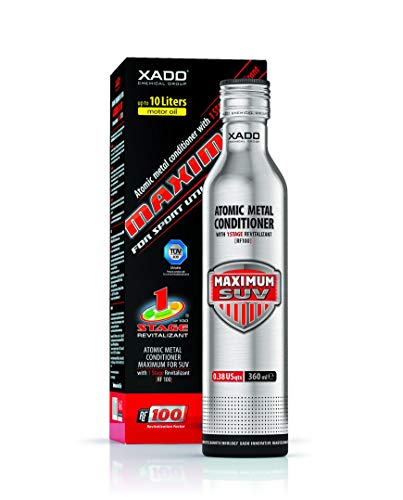
Related pick: Check today's price on Amazon See also why does my car smell like oil causes you should know.
Products related to this article
Sponsored / affiliate links. As an Amazon Associate I earn from qualifying purchases. I may earn additional commission from eligible campaigns.