Car Tire Not Holding Air? Here Are the Most Likely Causes
Car Tire Not Holding Air? Here Are the Most Likely Causes
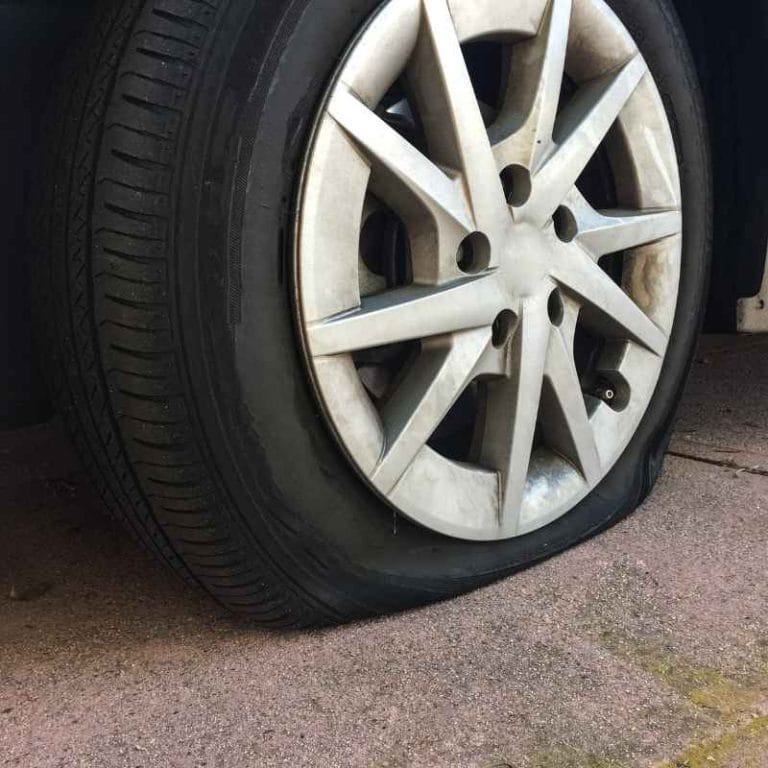
Few things are more frustrating than discovering your car tire is losing air—especially when you’re running late, or the weather is less than ideal. Whether you notice your tire pressure warning light blinking or spot a visibly deflated tire, it’s a problem that demands immediate attention.
A tire not holding air isn’t just an inconvenience; it can compromise vehicle safety, fuel efficiency, and even the longevity of your tires.
Understanding why your tire isn’t holding air is the first step toward a solution. Many drivers assume the culprit is always a puncture, but the reality is far more nuanced. From subtle rim leaks to faulty valves, a range of issues can cause air loss.
This comprehensive guide will walk you through the most common causes, diagnostic strategies, and actionable fixes—backed by real-world examples and data—to help you keep your tires properly inflated and your journeys trouble-free.
Key Takeaways
- Multiple factors can cause a car tire to lose air, including punctures, rim leaks, faulty valves, and environmental conditions.
- Proper diagnosis is crucial to determine whether a repair or replacement is needed.
- Ignoring air loss can lead to decreased fuel efficiency, compromised safety, and expensive tire damage.
- Regular maintenance and timely repairs can extend tire life and improve overall vehicle performance.
- Professional help may be required for complex issues, but many problems can be identified and solved at home.
Credit: www.victorvillemotors.com
The Most Common Causes Of Tire Air Loss
Car tires are engineered for resilience, but they aren’t immune to damage and deterioration. Below, we explore the main reasons a tire might not hold air, backed by data and expert insights.
Punctures And Foreign Objects
The most obvious culprit behind air loss is a puncture—often caused by nails, screws, glass, or sharp debris on the road. According to the National Highway Traffic Safety Administration (NHTSA), punctures account for roughly 70% of tire failures in the United States.
Punctures can vary in size and location, but even the smallest breach in the tire’s surface can lead to gradual or rapid air loss. Debris is especially prevalent in urban areas and construction zones, where road conditions expose drivers to greater risks.
Sometimes, the foreign object remains embedded in the tire, temporarily sealing the hole but gradually allowing air to escape around it. In other cases, the object may fall out, leaving a clear path for air to leak.
Symptoms:
- Rapid or slow air loss
- Visible object embedded in the tread
- Audible hissing sound
- Uneven tire wear near the puncture site
- Vibration or thumping sensation when driving at moderate speeds
Action Steps:
- Inspect the tread and sidewall for embedded objects.
- If found, do not remove the object until you can repair or replace the tire—it may be plugging the hole.
- Use a tire repair kit or seek professional help for patching.
- If the puncture is in the sidewall or shoulder, do not attempt repair—replace the tire.
Punctures located in the tread area, away from the shoulders or sidewall, are generally repairable if the hole is less than 1/4 inch in diameter. However, punctures closer to the sidewall or those exceeding this size threshold compromise the tire’s structural integrity.
Valve Stem Failures
The valve stem is a small but vital component that lets you inflate and deflate the tire. Over time, exposure to heat, weather, and road chemicals can cause valve stems to crack, deteriorate, or become loose.
Even a slightly damaged or aged valve stem can allow a surprising amount of air to escape. In regions with extreme temperatures, rubber components degrade faster, and road salts or de-icing chemicals can accelerate corrosion. Additionally, over-tightening or improper installation during tire servicing can compromise the valve’s seal.
Faulty or missing valve caps, while less critical, also expose the valve core to contaminants that can cause leaks.
Symptoms:
- Air leaking from the valve area
- Difficulty maintaining pressure after inflation
- Bubbling at the valve when checked with soapy water
- Hissing sound near the valve when the tire is pressurized
Action Steps:
- Spray soapy water on the valve stem and look for bubbles.
- Tighten or replace the valve cap.
- If leaking persists, have the stem replaced by a technician.
- During tire replacement, always request new valve stems as part of the installation.
Regularly checking the valve stems for signs of cracking, discoloration, or brittleness can help prevent unexpected air loss.
Rim And Bead Leaks
Modern tires seal against the wheel rim at the bead, but corrosion, dirt, or improper mounting can prevent a tight seal. Rim leaks are especially common with aluminum wheels, which are prone to oxidation.
Corrosion is typically caused by moisture and road salts accumulating between the tire bead and the rim, slowly degrading the metal. When the seal is compromised, air can escape between the tire and the rim, often resulting in chronic, hard-to-trace leaks.
Dirt, debris, or leftover mounting lubricant can also interfere with the bead’s ability to seal. In some cases, a minor bend in the rim, due to hitting a curb or pothole, can break the airtight bond.
Symptoms:
- Persistent air loss despite no visible damage
- Bubbling when soapy water is applied to the rim edge
- Difficulty maintaining air pressure after seasonal changes
- Visible corrosion or pitting on the wheel surface
Action Steps:
- Clean the rim thoroughly.
- Use bead sealant or have a professional remount the tire.
- Replace corroded rims if necessary.
- Inspect wheels for bends, which may require repair or replacement.
Routine wheel cleaning and avoiding harsh impacts can help maintain the integrity of the bead seal.
Sidewall Damage
Unlike tread punctures, sidewall damage cannot be safely repaired. This area is critical for structural integrity, and even small cuts or bulges can lead to catastrophic failure.
Sidewall injuries often occur from running over sharp objects, hitting curbs, or encountering road hazards at high speed. The sidewall contains fewer plies than the tread, making it more vulnerable to compromise. Even if a cut seems shallow, it can propagate under pressure, increasing the risk of a blowout.
Bulges indicate internal separation or broken cords, which are warning signs of imminent failure.
Symptoms:
- Visible cuts, abrasions, or bubbles
- Sudden air loss
- Lumps or deformities in the sidewall
- Unusual noise or vibration while driving
Action Steps:
- Inspect sidewalls for damage regularly.
- Replace the tire immediately if any sidewall compromise is found.
- Avoid driving on a compromised tire, even for short distances.
If you’re unsure about the extent of sidewall damage, have a professional assess the tire before driving further.
Temperature And Environmental Factors
Tires naturally lose air due to temperature fluctuations. For every 10°F drop in temperature, tires lose about 1 PSI of pressure. Seasonal changes can cause repeated air loss even without physical damage.
This phenomenon, known as thermal contraction, is especially pronounced in climates with large temperature swings. In winter, cold weather causes the air inside the tire to contract, reducing pressure. Conversely, hot weather can lead to over-inflation if not properly monitored. Altitude changes also affect air pressure—driving from low to high elevations may temporarily increase tire pressure, while descending can decrease it.
Symptoms:
- Gradual air loss during colder months
- No visible damage or leaks
- TPMS warning light during temperature drops
Action Steps:
- Check tire pressure monthly, especially in winter.
- Inflate tires to manufacturer-recommended PSI.
- Adjust pressure for major altitude or temperature changes as needed.
- Store spare tires in temperature-controlled environments when possible.
Proactively monitoring tire pressure with the seasons can prevent under-inflation and extend tire life.
Faulty Tire Repair Or Installation
Improper repairs, patching, or mounting can leave tires susceptible to leaks. According to a study by the Rubber Manufacturers Association, incorrect repairs can increase the risk of failure by 40%.
Common mistakes include using a plug without a patch for larger punctures, failing to clean the puncture thoroughly before repair, or using inadequate materials. Similarly, improper mounting can pinch the bead, damage the tire’s inner liner, or leave debris that compromises the seal.
DIY repairs with non-industry-approved products often fail under driving conditions.
Symptoms:
- Air loss shortly after repair
- Irregular tread wear
- Residue or patches peeling inside the tire
- Recurring leaks at the same site
Action Steps:
- Only use industry-approved repair methods.
- Avoid “plug-only” fixes for sidewalls or large punctures.
- Have all repairs inspected by a professional, especially before long trips.
- Request documentation of repairs for warranty purposes.
Choosing a reputable tire shop with certified technicians can minimize risks associated with improper repairs.
Aging And Natural Wear
Even with perfect maintenance, tires deteriorate over time. Rubber loses elasticity, and micro-cracks form, leading to slow air loss.
UV exposure, ozone, chemicals, and repeated heat cycles contribute to the aging process. Over several years, the tire compound breaks down, making the tire more susceptible to leaks and blowouts. “Dry rot” describes the cracking and brittleness that develop as the tire ages, often visible in the tread or sidewall.
Even if tread depth appears adequate, aged tires can be unsafe.
Symptoms:
- Gradual air loss in older tires
- Visible cracking or dry rot
- Discoloration or chalky appearance on the tire surface
- Hardening of the rubber
Action Steps:
- Replace tires every 6 years, regardless of tread depth, per Tire Industry Association guidelines.
- Store tires away from direct sunlight and chemicals.
- Rotate tires regularly to promote even wear.
- Check the DOT code on the tire to determine its manufacturing date.
Proper storage and routine inspection can help delay the effects of aging, but eventual replacement is unavoidable.

Credit: www.safewise.com
Diagnosing The Source Of Air Loss
Identifying why your tire isn’t holding air is essential for effective repair. Here’s a systematic approach to pinpoint the cause.
Visual Inspection
Start with a thorough visual inspection of the tire, rim, and valve. Look for obvious signs like embedded objects, cuts, bulges, or cracks.
Checklist:
- Tread: Nails, screws, glass, stones, visible holes or punctures
- Sidewall: Cuts, bubbles, abrasions, signs of aging or dry rot
- Valve: Cracks, missing cap, corrosion, debris around the base
- Rim: Rust, dirt, bends, corrosion, evidence of bead separation
Check the inner and outer sidewalls carefully, as some damage may be hidden from a quick glance. Use a flashlight for low-light conditions and consider removing the wheel for a closer look.
Soapy Water Test
The soapy water test is a reliable method for detecting leaks. Mix water and dish soap, apply to suspected areas, and watch for bubbles.
Steps:
- Inflate the tire to recommended PSI.
- Apply soapy solution to tread, sidewall, valve, and rim.
- Look for bubbling, indicating escaping air.
- Mark the location of bubbles for targeted repair.
This test can also be performed using a spray bottle for easier application on hard-to-reach spots. Persistent bubbling means you’ve found the leak.
Tire Pressure Monitoring System (tpms) Alerts
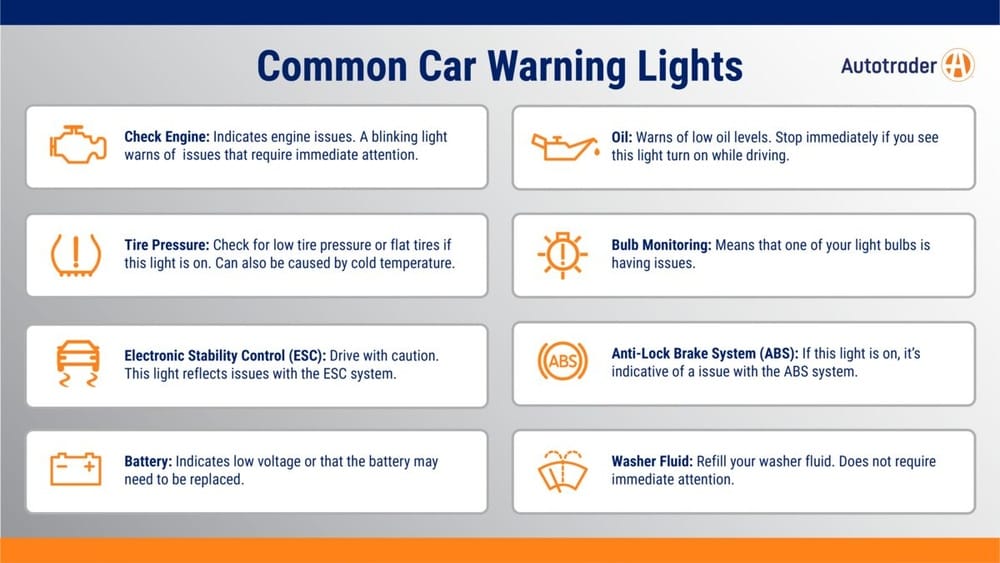
Modern vehicles are equipped with TPMS sensors, which alert you to low tire pressure. If the warning light persists after inflation, a leak is likely.
Data: According to the U.S. Department of Transportation, TPMS reduces the risk of driving on under-inflated tires by 55%.
Some vehicles display individual tire pressures, making it easier to identify which tire is losing air. If your TPMS light cycles on and off with temperature changes, check for slow leaks or environmental effects.
Submersion Test
If leaks are elusive, the submersion test can be performed by immersing the tire in water and watching for bubbles.
Precautions: Only do this with loose tires; never attempt with mounted tires on the vehicle.
This test is particularly effective for finding tiny, slow leaks that aren’t detectable with soapy water. Slowly rotate the tire and observe all surfaces, including the bead and valve area.
Professional Diagnosis
For complex or hidden leaks, a tire shop can use advanced tools like electronic leak detectors or X-ray inspection.
Tip: Always ask for a written report detailing the cause and recommended remedy.
Professional diagnostics may include demounting the tire to inspect for internal damage or multiple leaks, ensuring no underlying issues are missed.
Credit: us.gooloo.com
Repair Vs. Replace: Making The Right Choice
Not all air leaks require a new tire. Knowing when to repair versus replace can save money and ensure safety.
| Leak Type | Repairable? | Recommended Action |
|---|---|---|
| Puncture (Tread) | Yes (If < 1/4 inch and not near sidewall) | Plug/Patch |
| Puncture (Sidewall) | No | Replace Tire |
| Valve Leak | Yes | Replace Valve Stem |
| Rim/Bead Leak | Yes | Clean/Seal/Remount |
| Dry Rot/Aging | No | Replace Tire |
Repairable Situations
- Small tread punctures (away from sidewall) can be safely patched or plugged.
- Valve leaks often require only a quick stem replacement.
- Rim leaks may be resolved by cleaning and resealing.
- Minor bead leaks caused by dirt or rust can be fixed during remounting.
- TPMS sensor leaks (around the base) can sometimes be repaired by resealing or replacing the sensor grommet.
Irreparable Situations
- Sidewall damage: Always replace the tire.
- Large punctures or multiple repairs: Replacement is safer.
- Dry rot or severe aging: Tires lose structural integrity and should be replaced.
- Extensive internal damage: Tires with visible or suspected internal separation must not be repaired.
Cost Comparison
| Repair Type | Average Cost (USD) | Time to Complete |
|---|---|---|
| Puncture Repair | $15-$30 | 15-30 minutes |
| Valve Stem Replacement | $10-$25 | 10-20 minutes |
| Rim Cleaning/Remount | $20-$50 | 30-60 minutes |
| Tire Replacement | $100-$250 (per tire) | 30-60 minutes |
Data Source:Consumer Reports
When in doubt, consult the manufacturer’s guidelines or a certified tire technician to ensure safety and compliance.
Real-world Examples And Case Studies
Learning from real situations can help you understand the practical challenges and solutions.
Case Study 1: Nail Puncture On City Streets
Situation: A driver in New York City noticed a slow air loss over several days. Inspection revealed a nail in the tread.
Action: The tire was patched professionally, restoring full air retention. The driver avoided a costly replacement.
Lesson: Regular inspection catches slow leaks before they become dangerous. Urban drivers should check their tires often due to increased road debris.
Case Study 2: Valve Stem Deterioration In Hot Climates
Situation: In Phoenix, Arizona, a vehicle’s tire repeatedly lost air. No puncture was visible, but soapy water revealed bubbling at the valve.
Action: The valve stem was replaced for $18. The issue was resolved.
Lesson: Extreme temperatures accelerate valve stem wear—periodic checks are vital. Replacing valve stems during every tire change can help mitigate future issues.
Case Study 3: Rim Leak After Winter Road Salt Exposure
Situation: A driver in Michigan experienced air loss after a harsh winter. The rim had visible corrosion.
Action: The tire was removed, the rim cleaned and resealed, and the tire remounted.
Lesson: Seasonal maintenance prevents rim leaks caused by salt and moisture. Washing wheels regularly can reduce the buildup of corrosive materials.
Case Study 4: Unrepairable Sidewall Damage
Situation: A driver hit a curb, causing a visible bubble on the sidewall. The tire lost air rapidly.
Action: The tire was replaced immediately to ensure safety.
Lesson: Sidewall damage cannot be repaired and poses a high risk. Drivers should avoid curbing and check for hidden damage after impacts.
Preventative Maintenance: How To Keep Tires Airtight
Prevention is the best strategy for tire health. Here’s how to minimize air loss and extend tire life.
Regular Pressure Checks
- Use a digital tire gauge monthly.
- Inflate to manufacturer-recommended PSI.
- Check pressure when tires are cold for most accurate readings.
- Don’t rely solely on visual inspection—tires can look properly inflated when they’re not.
Stat: Under-inflated tires reduce fuel efficiency by up to 3%, according to the U.S. Department of Energy.
Inspect For Damage
- Check tread, sidewall, valve, and rim for signs of wear or damage.
- Address issues promptly to prevent escalation.
- Inspect tires after hitting potholes, curbs, or road debris.
- Look for uneven wear, which can indicate alignment issues or chronic under-inflation.
Seasonal Adjustments
- Adjust tire pressure during seasonal temperature changes.
- Store spare tires indoors during extreme weather.
- Use winter or all-season tires appropriate for your climate.
- Clean off road salt and chemicals to prevent rim corrosion during winter.
Use Quality Repair Products
- Only use industry-approved patches and plugs.
- Avoid “fix-a-flat” sprays for long-term solutions—they can damage TPMS sensors and leave residue.
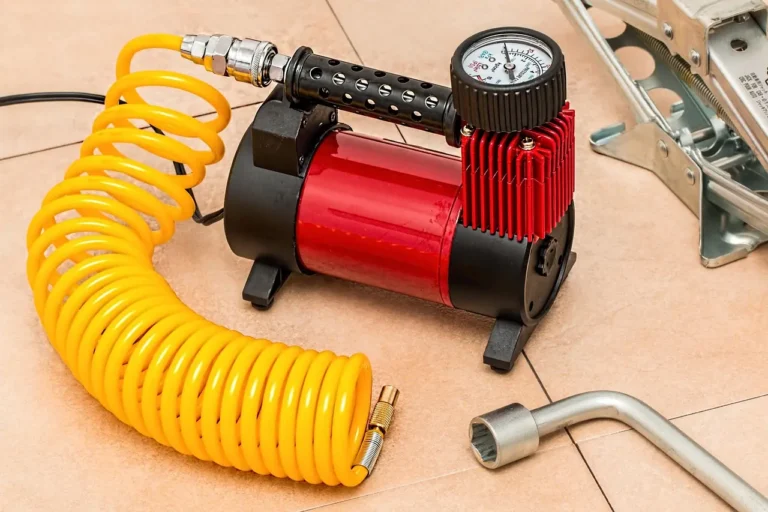
- Keep a portable inflator and professional-grade plug kit in your vehicle for emergencies.
Professional Service
- Schedule routine tire rotations and inspections—generally every 5,000 to 8,000 miles.
- Seek expert help for leaks you can’t diagnose.
- Ensure all repairs are documented for warranty and insurance purposes.
Preventative care not only keeps your tires airtight but also maximizes their performance and safety.
Tire Air Loss: Impact On Safety, Performance, And Costs
Ignoring a tire that doesn’t hold air can have serious consequences.
Safety Risks
- Increased risk of blowouts, especially at high speeds.
- Reduced vehicle handling and braking performance.
- Increased stopping distances and higher risk of skidding or hydroplaning.
- Compromised load carrying capacity, especially on heavily loaded vehicles.
Stat: Tires under-inflated by 25% are three times more likely to be involved in a crash, per NHTSA.
Fuel Efficiency
- Under-inflated tires cause higher rolling resistance.
- Up to 10% decrease in miles per gallon (MPG).
- Increased fuel costs over the life of the vehicle.
Tire Longevity
- Uneven wear shortens tire lifespan.
- Frequent repairs may compromise structural integrity.
- Chronic under-inflation can lead to premature tread separation.
Environmental Impact
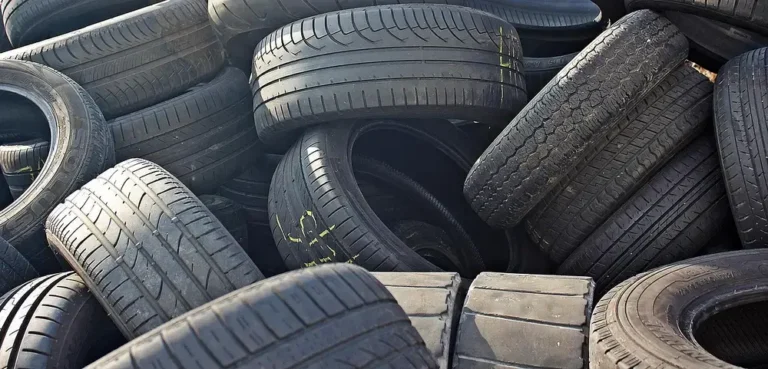
- More frequent replacements contribute to tire waste.
- Increased fuel consumption raises carbon emissions.
- Improperly disposed tires can leach toxins and harbor pests.
Properly maintained tires reduce your ecological footprint and save money over time.
Advanced Diagnostic Tools And Techniques
For persistent or hard-to-find leaks, advanced diagnostics can be invaluable.
Electronic Leak Detectors
- Use sensors to pinpoint air leaks.
- Useful for valve, bead, and tread leaks.
- Can detect leaks invisible to the naked eye or undetectable by traditional methods.
X-ray And Ultrasound Inspection
- Professional shops may use X-ray or ultrasound for internal defects.
- Identify internal cord separation, ply damage, or hidden punctures.
- Especially valuable for fleet vehicles or high-performance tires where safety is paramount.
Tpms Calibration
- Ensure TPMS sensors are functioning and calibrated.
- Replace faulty sensors as needed.
- Some advanced TPMS systems can also provide temperature data for each tire.
External Resource: For more on advanced diagnostics, see Tire Review Magazine.
Investing in advanced diagnostics is cost-effective for those who drive long distances, own high-value vehicles, or operate commercial fleets.
Choosing The Right Tire For Replacement
If a tire must be replaced, selecting the right model is critical for performance and safety.
Considerations
- Vehicle Manufacturer Recommendations: Always consult the owner’s manual.
- Tread Pattern: Choose based on driving conditions (all-season, winter, performance).
- Load and Speed Ratings: Match to your vehicle’s specifications.
- Tire Size: Must match the original specifications for fitment and safety.
- Warranty: Consider the manufacturer’s mileage and defect warranty.
- Reviews and Ratings: Use sources like Tire Rack and Consumer Reports for real-world feedback.
Top-rated Tire Brands (2026)
| Brand | Average Lifespan (Miles) | Warranty (Years) | Price Range |
|---|---|---|---|
| Michelin | 50,000-80,000 | 6 | $120-$250 |
| Goodyear | 45,000-75,000 | 5 | $100-$220 |
| Bridgestone | 40,000-70,000 | 5 | $110-$230 |
| Continental | 40,000-60,000 | 5 | $95-$200 |
Data Source:Tire Rack
Professional Installation
- Ensure tires are mounted, balanced, and aligned by certified technicians.
- Request new valve stems and proper bead sealing.
- Ask for a road-force balance to minimize vibration and enhance tire life.
- Have the TPMS sensors serviced or replaced if necessary.
Proper installation is as important as selecting the right tire for your vehicle and driving needs.
Environmental And Legal Considerations
Tire maintenance isn’t just about performance—it’s also an environmental and legal responsibility.
Tire Disposal
- Used tires must be disposed of at licensed facilities.
- Improper disposal is illegal and harmful to the environment.
- Many tire shops include disposal fees in their service charges.
Resource: Find regulations at EPA Used Tires.
Legal Minimum Tread Depth
- U.S. legal minimum is 2/32 inch. Replace tires before reaching this limit.
- Some states require 4/32 inch for winter driving or commercial vehicles.
- Use a tread depth gauge or the “penny test” to check compliance.
External Link: For state-specific laws, see Wikipedia: Tire Tread.
Staying compliant with tread depth laws reduces the risk of fines and improves road safety for all.
Frequently Asked Questions
How Can I Tell If My Tire Is Leaking Air?
Check for visual signs like embedded objects or sidewall damage. Use the soapy water test to spot leaks, or monitor your TPMS alert. Persistent loss after inflation is a clear indicator. Regular monitoring helps catch leaks early before they become emergencies.
Is It Safe To Drive With A Slow Air Leak?
Driving on a tire with a slow leak increases risk of blowouts and reduces handling. Address leaks promptly, even if pressure loss is gradual. If you must drive, keep speeds low and travel only short distances to a repair facility.
Can I Repair A Punctured Tire Myself?
Small tread punctures (< 1/4 inch) can be repaired with a plug kit. However, professional patching is safer and more durable. Sidewall damage should never be repaired. DIY repairs are best reserved for emergencies, with professional follow-up recommended.
How Often Should I Check My Tire Pressure?
Check tire pressure at least monthly and before long trips. Pressure should be checked more frequently during temperature changes. Always check when tires are cold for accuracy.
What’s The Lifespan Of A Typical Car Tire?
Most tires last 6 years regardless of tread depth, per industry guidelines. Maximum mileage ranges from 40,000 to 80,000 miles depending on brand and usage. Regular rotations, proper inflation, and alignment extend tire life.
When your tire isn’t holding air, prompt diagnosis and action are essential. By understanding the causes—from punctures to environmental factors—you can make informed decisions about repair or replacement. Preventative maintenance and professional service not only safeguard your safety but also extend tire life and save money.
Stay vigilant, drive safely, and enjoy the peace of mind that comes with well-maintained tires.
Products related to this article
Sponsored / affiliate links. As an Amazon Associate I earn from qualifying purchases. I may earn additional commission from eligible campaigns.
 ACARLUOY 150 PSI portable car tire air pump -Equipped with a digital pressure gauge, Fit for Toyota RAV4 2009-2011, For Toyota RAV4 tire accessories,tire inflator 12v,150 psi tire pump
 ACARLUOY Car tire inflator portable air compressor,Fit for BMW X1 2017-2025,Suitable for BMW X1 tire inflator,Car tire accessories,12 volt air compressor