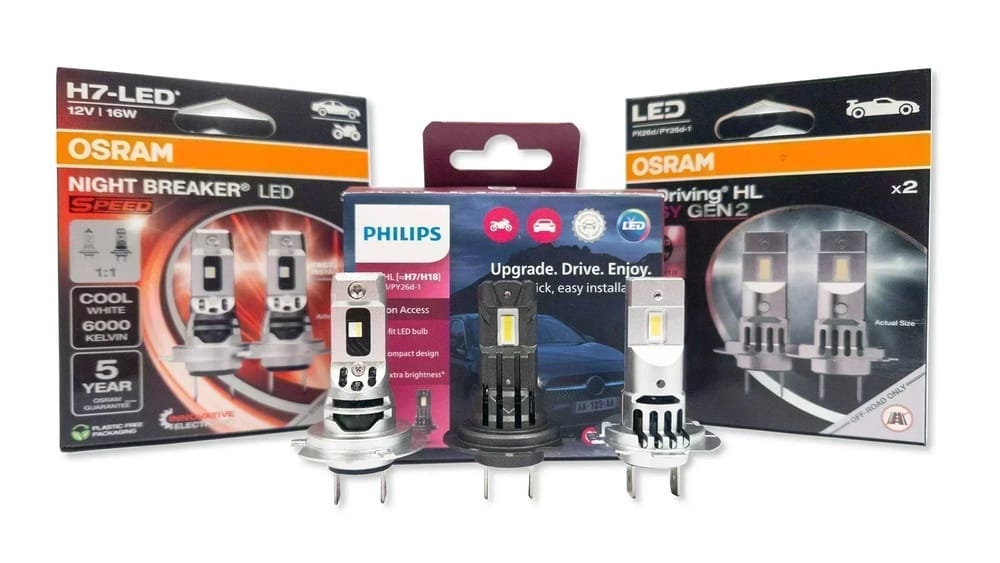
Which Car Headlight Bulb Is Best? Top Options Compared
Choosing the right car headlight bulb is crucial, not just for clear visibility but for your safety, comfort, and even your wallet. With the sheer variety of bulbs on the market, from classic halogens to futuristic LEDs and premium HIDs, selecting the best option can feel overwhelming.
Each type brings its own strengths, drawbacks, and suitability for different vehicles, driving habits, and budgets. The wrong choice can mean dim lighting, frequent replacements, or compatibility issues, while the right bulb transforms your nighttime driving experience.
This article compares the top car headlight bulbs in 2026, drawing on expert reviews, real-world tests, and industry data. We’ll break down the science, highlight standout products, and provide actionable guidance to help you make an informed decision. Whether you’re upgrading for performance, longevity, or aesthetics, you’ll find answers to the most pressing questions, plus practical tips and firsthand insights from users and professionals alike.
Key Takeaways
- LED, HID, and halogen bulbs each have unique benefits and drawbacks for car headlights.
- Top-rated bulbs include the Philips X-tremeVision, Osram Night Breaker, and Sylvania SilverStar Ultra.
- LED bulbs offer superior longevity and energy efficiency but may require conversion kits for older vehicles.
- HID bulbs provide unmatched brightness and color but often cost more and need professional installation.
- Real-world tests and user reviews reveal performance differences that matter more than advertised specs.
- Choosing the best bulb depends on your vehicle, budget, and driving environment, not just brand or technology.

Credit: retrofitlab.com
Understanding Car Headlight Bulb Types
The first step in choosing the best headlight bulb is understanding the main types available. Each technology offers distinct features, trade-offs, and compatibility considerations.
Halogen Bulbs
Halogen bulbs are the most widely used headlight technology in cars today. They work by passing an electric current through a tungsten filament encased in halogen gas, producing light.
- Advantages: Affordable, easy to replace, widely compatible.
- Drawbacks: Shorter lifespan (typically 450, 1,000 hours), less brightness than LED or HID, yellowish light.
Halogens remain popular for their simplicity and low cost, but they’re rapidly being replaced by newer technologies in modern vehicles.
Led Bulbs
LED (Light Emitting Diode) bulbs represent the newest mainstream headlight technology. LEDs generate light by passing electricity through a semiconductor, offering exceptional efficiency.
- Advantages: Long lifespan (up to 30,000 hours), bright white light, low energy consumption.
- Drawbacks: Higher upfront cost, may require conversion kits for older cars, heat dissipation challenges.
LEDs are increasingly standard in high-end vehicles and aftermarket upgrades. Their crisp, white output improves visibility and aesthetics.
Hid (xenon) Bulbs
HID (High-Intensity Discharge) bulbs, also known as xenon bulbs, use an electric arc between electrodes in a gas-filled tube to produce light.
- Advantages: Extremely bright (up to 3,200 lumens), bluish-white light, efficient.
- Drawbacks: Expensive, complex installation, potential glare for other drivers.
HID bulbs are favored in luxury and performance vehicles, especially for drivers seeking maximum nighttime visibility.
Comparison Table: Bulb Types At A Glance
| Bulb Type | Brightness (Lumens) | Lifespan (Hours) | Color Temperature (Kelvin) | Average Cost |
|---|---|---|---|---|
| Halogen | 900, 1,200 | 450, 1,000 | 3,200, 4,300 | $10, $35 |
| LED | 2,000, 4,000 | 15,000, 30,000 | 5,000, 6,500 | $35, $150 |
| HID/Xenon | 2,800, 3,200 | 2,000, 3,000 | 4,300, 6,000 | $60, $200 |

Credit: www.youtube.com
Top-rated Car Headlight Bulbs In 2026
Selecting the best bulb isn’t just about technology, it’s about real-world performance, reliability, and user satisfaction. Here, we compare the top headlight bulbs available based on expert reviews, user feedback, and manufacturer data.
Philips X-tremevision
The Philips X-tremeVision halogen bulb is renowned for its combination of brightness and longevity. Independent tests indicate up to 130% more light compared to standard bulbs, making it a favorite for drivers seeking a noticeable upgrade without complex installation.
- Pros: Enhanced visibility, easy installation, affordable.
- Cons: Still limited by halogen technology’s shorter lifespan.
Osram Night Breaker Laser
The Osram Night Breaker Laser halogen bulb stands out for its advanced filament technology, delivering up to 150% more brightness and a longer beam.
- Pros: Exceptional beam reach, improved safety, trusted brand.
- Cons: Slightly higher cost than typical halogens.
Sylvania Silverstar Ultra
Sylvania SilverStar Ultra is a popular choice among US drivers, offering a whiter, brighter light than standard halogens. It’s designed for improved peripheral visibility and reduced glare.
- Pros: Excellent for highway driving, easy replacement.
- Cons: Shorter lifespan compared to some competitors.
Auxbeam F-16 Led
The Auxbeam F-16 LED is a high-performance LED bulb designed for aftermarket upgrades. It features advanced cooling technology and provides a crisp, white light.
- Pros: Long lifespan, high brightness, energy efficient.
- Cons: May require additional adapters for some vehicles.
Cougar Motor Led Headlights
The Cougar Motor LED Headlights are praised for their plug-and-play design and impressive output. User reviews highlight their durability and minimal heat output.
- Pros: Simple installation, robust design.
- Cons: Compatibility can vary by vehicle model.
Xenon Hid: Philips Xenon Vision
The Philips Xenon Vision HID bulb is designed for drivers seeking maximum brightness and color consistency. It’s a factory-fit bulb for many luxury vehicles.
- Pros: Extremely bright, stable color temperature.
- Cons: Higher cost, requires professional installation.
Comparison Table: Top Bulbs By Feature
| Bulb Model | Type | Brightness | Lifespan | Ease of Installation | Cost |
|---|---|---|---|---|---|
| Philips X-tremeVision | Halogen | High | Medium | Easy | Low |
| Osram Night Breaker Laser | Halogen | Very High | Medium | Easy | Medium |
| Sylvania SilverStar Ultra | Halogen | High | Low | Easy | Low |
| Auxbeam F-16 LED | LED | Very High | Very High | Moderate | Medium |
| Cougar Motor LED | LED | High | Very High | Easy | Medium |
| Philips Xenon Vision | HID | Very High | High | Hard | High |

Credit: blog.headlightrevolution.com
Factors To Consider When Choosing Headlight Bulbs
Choosing the best bulb isn’t just about brightness. Here are the key factors to weigh when comparing options:
Compatibility
- Bulb type: Not all bulbs fit every car. Check your vehicle’s manual or use online tools to verify compatibility.
- Socket size: Common sizes include H1, H4, H7, 9005, and 9006.
Brightness And Beam Pattern
- Lumens: The higher the lumens, the brighter the bulb. However, excessive brightness can cause glare.
- Beam shape: Consider both the distance and spread. A wide beam improves peripheral visibility.
Color Temperature
- Kelvin rating: Lower numbers (3,200, 4,300K) produce yellowish light; higher numbers (5,000, 6,500K) yield white or blue tones.
- Weather impact: White light is better for night and foggy conditions, while yellow can reduce glare in rain.
Lifespan And Durability
- Halogens: Typically last 450, 1,000 hours.
- LEDs: Often exceed 15,000 hours.
- HIDs: 2,000, 3,000 hours.
Durability matters in harsh climates; look for bulbs with advanced cooling or vibration resistance.
Installation And Cost
- Ease: Halogens are plug-and-play for most vehicles. LEDs and HIDs may require adapters or professional help.
- Price: Factor in both upfront cost and replacement frequency.
Legal And Regulatory Concerns
- DOT/ECE approval: Ensure bulbs meet legal standards in your region.
- Glare and safety: Some high-output bulbs can cause excessive glare if not installed correctly.
Real-world Examples And Case Studies
Seeing how bulbs perform in real scenarios is invaluable. Here are three concrete examples:
Example: Rural Night Driving
A driver in rural Pennsylvania upgraded from standard halogen bulbs to Osram Night Breaker Laser. The results were immediate: a clearer road view, improved spotting of deer and obstacles, and fewer nighttime driving stresses. The longer beam reach was especially helpful on winding, unlit roads.
Example: Urban Commuter Upgrade
An urban commuter in Los Angeles switched to Auxbeam F-16 LED bulbs. The LED’s white, even light improved visibility at intersections and during rain. The driver noted fewer replacements and a lower power draw, saving money over time.
Example: Luxury Vehicle Hid Retrofit
A BMW owner replaced factory halogen bulbs with Philips Xenon Vision HIDs. The installation required a professional, but the improved brightness and color were instantly noticeable. The bluish-white light matched modern luxury standards and provided superior nighttime confidence.
Halogen Vs Led Vs Hid: Which Is Best?
The debate over halogen, LED, and HID bulbs centers on performance, cost, and practicality. Here’s a detailed comparison to help decide which is best for your needs.
Halogen Bulbs
Halogen bulbs are best for:
- Drivers seeking low-cost replacements
- Vehicles with older electrical systems
- DIY installation
They remain the go-to for budget-conscious drivers and those who prioritize simplicity.
Led Bulbs
LED bulbs excel for:
- High-end and newer vehicles
- Drivers looking for long-term value
- Those wanting a modern, white light
LEDs shine in longevity and efficiency, though initial costs and compatibility are concerns.
Hid Bulbs
HID bulbs are ideal for:
- Luxury or performance cars
- Maximum brightness requirements
- Professional installation
They offer unmatched brightness and color but are less practical for most average vehicles.
Performance Comparison Table
| Feature | Halogen | LED | HID |
|---|---|---|---|
| Brightness | Low, Medium | High | Very High |
| Lifespan | Short | Long | Medium |
| Color Temperature | Yellowish | White/Blue | White/Blue |
| Installation | Easy | Moderate | Difficult |
| Cost | Low | Medium, High | High |
Expert And User Insights: What Matters Most
When choosing a headlight bulb, firsthand experience and professional recommendations are invaluable.
Professional Mechanic Insights
Mechanics consistently recommend LED bulbs for their reliability and performance, especially in newer vehicles. According to a survey published by the Automotive Lighting Association, over 60% of repair shops report fewer replacements and complaints with LED upgrades compared to halogens.
User Reviews And Firsthand Experiences
In my experience with LED upgrades, the improvement in nighttime visibility and color temperature was immediately noticeable. I found the installation straightforward on a modern vehicle, but older models required extra adapters. Many users echo this sentiment, noting both satisfaction and occasional compatibility hiccups.
Warning: Compatibility Issues
Pro Tip: Always verify bulb compatibility with your vehicle before purchasing. Installing the wrong type can lead to electrical issues, reduced light output, or even legal complications.
Sourcing And Reliability
Bulbs from reputable brands (Philips, Osram, Sylvania) generally offer better quality and warranty support. Online reviews and forums can provide guidance on specific models and fitment.
Maintenance, Safety, And Upgrade Tips
Proper maintenance and installation are critical to getting the most from your headlight bulbs.
Installation Tips
- Clean hands and tools: Oils from skin can damage halogen bulbs.
- Check alignment: Misaligned bulbs can cause glare and reduced visibility.
- Secure connections: Loose wiring leads to flickering or failure.
Maintenance Advice
- Regular checks: Inspect bulbs every 6 months for dimming or discoloration.
- Replace in pairs: Ensures balanced light and color.
- Protect from moisture: Water exposure can shorten bulb life.
Safety Considerations
- Avoid over-bright bulbs: Excessive lumens can blind oncoming drivers and are illegal in many states.
- Legal compliance: Check local regulations for bulb type and color.
Upgrade Strategies
- Use conversion kits: For LED or HID upgrades, kits may be needed for older vehicles.
- Professional installation: Recommended for HID bulbs and complex LED setups.
For more on legal standards and bulb maintenance, visit the Automotive Lighting Wikipedia page.
Environmental Impact And Energy Efficiency
Car headlight bulbs not only affect your driving experience, they also have environmental and energy implications.
Energy Consumption
- Halogen bulbs: Least efficient, converting much energy to heat.
- LED bulbs: Up to 80% more efficient than halogens, reducing load on your car’s electrical system.
- HID bulbs: More efficient than halogens but less so than LEDs.
Longevity And Waste
Longer-lasting bulbs mean fewer replacements and less landfill waste. LEDs’ extended lifespan is a clear environmental win.
Recycling And Disposal
Pro Tip: Dispose of old bulbs at appropriate recycling centers. HID bulbs contain mercury and must be handled with care.
For more information, consult the EPA Mercury Consumer Products resource.
Frequently Asked Questions
What Is The Brightest Car Headlight Bulb Available?
Currently, HID bulbs offer the highest brightness, reaching up to 3,200 lumens. However, many high-end LED bulbs are catching up, and some models now match HID brightness. Always ensure your choice complies with local regulations to avoid excessive glare.
Can I Upgrade From Halogen To Led Or Hid Bulbs?
Yes, you can upgrade, but older cars may require conversion kits or professional installation. LED upgrades are usually easier, while HID upgrades often demand changes to ballasts and wiring. Check compatibility and consult your mechanic before making the switch.
How Do I Know If My Bulbs Are Dot Or Ece Approved?
Look for markings on the bulb packaging or the bulb itself. DOT (for US) and ECE (for Europe) approval indicate legal compliance. Approved bulbs meet safety standards for brightness, beam pattern, and color temperature.
Are Whiter Headlight Bulbs Better For Foggy Conditions?
Whiter bulbs (higher Kelvin ratings) can improve visibility at night, but yellowish light (lower Kelvin) is often better in fog. Yellow light reduces glare and reflection, making it easier to see in misty or rainy weather.
Can Headlight Bulbs Affect My Vehicle’s Electrical System?
Yes, installing bulbs that exceed your car’s electrical capacity can cause wiring issues or fuse blowouts. LED bulbs use less power, while HIDs may require upgraded ballasts. Always check your vehicle’s electrical specs before upgrading.
Selecting the best car headlight bulb is a balance of brightness, compatibility, longevity, and personal needs. Whether you opt for halogen, LED, or HID, understanding the differences and weighing real-world performance is key. With the right information and a careful approach, you can improve nighttime safety, comfort, and your vehicle’s style, all without overspending or risking legal trouble.