How to Turn On Car Lights the Right Way Every Time
Every driver knows that car lights are essential for both safety and legal compliance. Yet, many people underestimate the importance of using them correctly, especially during changing light conditions, poor weather, or nighttime driving. Turning on car lights the right way is more than flipping a switch, it’s about understanding the functions, timing, and nuances that maximize visibility for you and those around you.
Mastering this skill helps prevent accidents, avoids fines, and ensures a smoother driving experience.
From the first time I learned to drive, I realized how much confusion surrounds car light controls. In my experience, the difference between a safe, confident drive and a risky one often comes down to knowing exactly when and how to use each type of light.
This guide offers a comprehensive, practical roadmap for turning on car lights the right way every time, tailored for drivers of all experience levels. Whether you drive a modern vehicle with automatic lighting or an older car with manual controls, the following sections will equip you with the expertise to make smart, safe lighting decisions.
Key Takeaways
- Understanding all car light types is crucial for safe driving and legal compliance.
- Knowing when to use each light, from headlights to fog lights, reduces accident risk.
- Automatic vs. manual controls offer different benefits; learn to optimize both.
- Proper maintenance and troubleshooting prevent lighting failures.
- Regional laws and regulations must be followed to avoid fines and enhance safety.
Understanding Car Light Types And Their Functions
Car lights are more than just headlights. Each type serves a distinct purpose and is governed by specific rules for use. Knowing their functions ensures you activate the right light for every situation.
Headlights: Low Beam And High Beam
Low beam headlights are designed for everyday driving, providing ample light without blinding other drivers. They’re used in urban areas, during dusk, dawn, and poor weather conditions. High beam headlights project further and are ideal for rural roads or areas without street lighting. However, they can cause glare, so their use is restricted to situations where no other vehicles are nearby.
Example: On a rural highway at night, switching from low to high beams increases visibility up to 350 feet ahead, compared to 200 feet with low beams, according to the National Highway Traffic Safety Administration (NHTSA).
Daytime Running Lights (drls)
Daytime running lights automatically turn on when the vehicle is running, improving daytime visibility. They don’t illuminate the road, but make your car more visible to others. Not all vehicles have DRLs, and their use is regulated by local laws.
Fog Lights
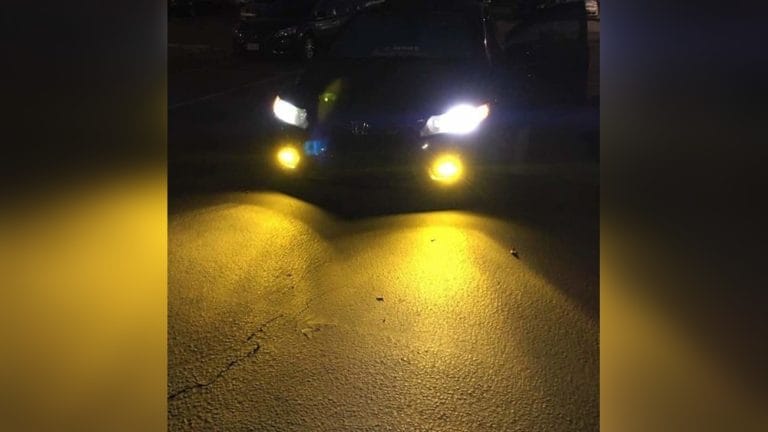
Fog lights emit a wide, low beam that cuts through fog, rain, or snow. They’re positioned low on the vehicle to reduce glare and are used only when visibility is severely compromised.
Warning: Using fog lights in clear conditions can dazzle other drivers and is illegal in many states.
Turn Signals And Hazard Lights
Turn signals indicate your intent to turn or change lanes, while hazard lights alert others to a stopped or slow-moving vehicle. Proper use of these lights prevents confusion and collisions.
Brake Lights And Reverse Lights
Brake lights activate when you press the pedal, alerting drivers behind you. Reverse lights illuminate when backing up, indicating your direction and helping with visibility.
Tail Lights
Tail lights are always on when headlights are active, marking your vehicle’s rear at night or in low visibility.
Interior Lights
Interior lights help you see inside the car but should be used sparingly while driving, as they can reduce nighttime visibility.
| Light Type | Primary Function | When to Use | Legal Requirements |
|---|---|---|---|
| Low Beam Headlights | General visibility | Dusk, dawn, night, poor weather | Required after sunset |
| High Beam Headlights | Extended visibility | Rural, dark roads | Not when other vehicles present |
| Fog Lights | Cut through fog | Severe fog, rain, snow | Restricted use |
| DRLs | Daytime visibility | Daylight hours | Not required everywhere |
| Tail Lights | Rear visibility | Night, low visibility | Required with headlights |
How To Operate Car Light Controls Correctly
Knowing the controls is as vital as understanding the lights themselves. Vehicles vary widely, so familiarize yourself with your car’s manual and dashboard layout.
Manual Controls: Switches And Knobs
Most cars feature a rotary knob or lever on the dashboard or steering column. The standard settings include:
- Off: All lights are off.
- Auto: Lights activate based on ambient light sensors.
- Parking: Only parking and tail lights on.
- Headlights: Activates low beams and tail lights.
Example: In a 2016 Ford Fusion, the headlight knob has four positions. Turning it clockwise activates parking lights, then headlights, while pushing forward engages high beams.
Automatic Lighting Systems
Many modern vehicles include automatic lighting that senses ambient conditions and activates lights accordingly. While convenient, these systems may not always respond promptly to sudden changes, such as entering a tunnel or heavy rain.
Pro Tip: Always override auto mode if visibility drops unexpectedly.
Signal And Hazard Light Controls
Turn signals are operated via a stalk attached to the steering column. Push up for right, down for left. Hazard lights are activated by a dashboard button, often marked with a red triangle.
Fog And Auxiliary Lights
Fog light switches are usually separate, either on the dashboard or near the headlight controls. Auxiliary lights (like off-road lamps) may have custom switches.
Interior And Dome Lights
Controlled by buttons on the ceiling or dash, interior lights should be used only when parked, as excessive use can impair night vision.
| Control Type | Location | Activation Method | Common Issues |
|---|---|---|---|
| Rotary Knob | Dashboard | Turn to desired setting | Misaligned settings |
| Stalk Lever | Steering column | Push/pull for signals | Worn contacts |
| Auto Sensor | Near windshield | Ambient light detection | Sensor failure |
| Fog Light Button | Dashboard | Press for activation | Accidental activation |
When And Why To Use Each Type Of Car Light
Activating the correct lights at the right time is crucial for visibility, safety, and legality. Here’s a detailed look at when each light should be used.
Daytime Use
Many states recommend using DRLs or low beams during daylight hours, especially in rain or overcast conditions. Studies by the Insurance Institute for Highway Safety (IIHS) show that DRLs can reduce daytime accident rates by up to 10%.
Nighttime And Low-light Conditions
As soon as light fades, switch to low beams. In rural or poorly lit areas, use high beams, but always dim them for oncoming traffic. Tail lights activate automatically with headlights, marking your vehicle’s rear.
Example: Driving through a city at dusk, I noticed many drivers waiting until full darkness to turn on headlights, reducing visibility and increasing risk. Early activation is always safer.
Poor Weather: Rain, Fog, Snow
Use low beams in rain or snow; high beams reflect off precipitation and reduce visibility. Fog lights are best in dense fog, as they illuminate the road directly ahead without causing glare.
Parking And Stopped Vehicles
Activate parking lights when stopped on the roadside, especially in low visibility. Use hazard lights if your vehicle poses a risk to others.
Urban Vs. Rural Driving
Urban areas with streetlights require low beams. In rural settings with no artificial lighting, high beams help spot hazards earlier but must be dimmed when another vehicle approaches.

Credit: www.theglobeandmail.com
Legal Requirements And Regional Variations
Car light laws vary by state and country. Compliance is essential to avoid fines and keep roads safe.
Us State Regulations
Most US states require headlights from sunset to sunrise and whenever visibility drops below 500 feet. Some mandate DRLs at all times, while others restrict fog light use to adverse weather only.
Example: In California, headlights must be on when windshield wipers are used, regardless of time of day.
International Laws
European Union countries often require DRLs year-round. In Canada, DRLs are mandatory in all new vehicles. Regulations for high beams and fog lights differ widely.
NHTSA Headlight Regulations provides an overview of US standards.
Penalties For Incorrect Use
Improper light usage, such as driving without headlights at night or using high beams around other vehicles, can result in fines ranging from $50 to $300, depending on jurisdiction.
How To Stay Compliant
- Read your vehicle manual and local DMV guidelines.
- Check for stickers or markings near controls indicating legal requirements.
- Adjust light use based on weather, time, and location.
Real-world Examples And Case Studies
Learning from real-world scenarios helps reinforce best practices. Here are three instructive examples:
Example: Tunnel Lighting In Europe
In Germany, drivers must turn on headlights when entering tunnels, regardless of ambient light. Failure to do so can result in a €40 fine. This rule prevents sudden visibility loss and collisions in confined spaces.
Example: Fog Light Misuse In The Uk
A 2019 survey by the RAC found that 44% of UK drivers misuse fog lights during clear weather, leading to increased glare and accidents. Proper fog light activation is crucial, only use them in actual fog or severe rain.
Example: Automatic Lighting Limitations
In my experience driving a 2026 Toyota Camry, the automatic headlights failed to activate quickly in heavy rain, resulting in reduced visibility. Manual override ensured safety, highlighting the need to monitor and adjust lighting rather than relying solely on automation.
Maintenance And Troubleshooting For Reliable Car Lighting
Effective lighting requires regular upkeep. Dim or malfunctioning lights undermine safety and may lead to legal issues.
Routine Checks
- Inspect all bulbs monthly for brightness and function.
- Clean light covers to remove dirt and haze.
- Test signal and hazard lights before long trips.
Common Problems And Solutions
- Burned-out bulbs: Replace promptly; many states require immediate repair.
- Faulty switches: Repair or replace to ensure consistent operation.
- Dirty lenses: Clean with non-abrasive cloth; foggy lenses reduce brightness.
Upgrading Lights
LED and HID lights offer greater brightness and longevity than traditional halogen bulbs. Upgrading can improve visibility but must comply with local regulations.
Automotive Lighting Wikipedia provides a comprehensive overview of lighting technologies.
Troubleshooting Automatic Systems
If auto lights fail, check the sensor area for obstructions. Consult a mechanic if the system remains unresponsive.
How Car Light Technology Is Evolving
Advancements in car lighting improve safety and usability, but also introduce new learning curves for drivers.
Led And Hid Headlights
LED headlights offer brighter, more focused illumination and longer lifespan. HID lights are common in luxury cars, emitting intense light but requiring careful alignment to avoid glare.
Adaptive Lighting Systems
Modern vehicles feature adaptive headlights that swivel or adjust intensity based on speed, steering, and ambient conditions. These systems enhance visibility but require driver familiarity.
Automatic High Beam Assist
Some cars use cameras to detect oncoming vehicles and automatically switch between high and low beams. While helpful, drivers must remain vigilant for system errors.
Integration With Other Safety Systems
Car lights increasingly integrate with collision avoidance and lane departure systems, automatically adjusting based on sensor input.
| Lighting Technology | Advantages | Challenges |
|---|---|---|
| LED | Bright, long-lasting | Expensive replacement |
| HID | Wide coverage | Glare risk |
| Adaptive | Responsive to driving | Complex system |
| Automatic High Beam | Convenience | Sensor failure risk |
Tips For Turning On Car Lights The Right Way Every Time
Here are actionable steps to ensure you always use your car lights correctly.
1. Familiarize Yourself With Controls
Spend time in your parked vehicle identifying all light switches, knobs, and buttons. Consult the manual for specifics.
2. Adjust For Conditions
Always consider ambient light, weather, and surroundings. If in doubt, activate low beams early.
3. Override Automatic Systems When Needed
Don’t rely solely on automation. Manual activation is essential during abrupt weather changes or sensor failures.
4. Check Lights Regularly
Before setting out, especially for long trips or night driving, test all lights for functionality.
5. Follow Local Laws
Review regulations when driving in new areas. Laws may differ significantly between states and countries.
6. Use Fog Lights Only When Appropriate
Reserve fog lights for severe weather. Turn them off in clear conditions to avoid dazzling other drivers.
7. Replace Faulty Bulbs Immediately
Carry spare bulbs and tools for quick replacement, preventing legal and safety issues.
8. Clean Light Lenses
Dirty or fogged lenses reduce brightness by up to 40%, according to IIHS studies. Regular cleaning is vital.
Frequently Asked Questions
How Do I Know If My Headlights Are Properly Aligned?
Headlight alignment should be checked by a professional mechanic. Misaligned headlights can reduce your visibility and blind other drivers. Most service shops use special equipment to ensure headlights meet legal standards. You can also test alignment by parking 25 feet from a wall and checking if beams are level and symmetrical.
Can I Upgrade My Car Lights To Led Or Hid Without Legal Issues?
Upgrading to LED or HID is allowed in most regions, but the lights must meet local brightness and alignment regulations. Some states require certification or inspection after installation. Always choose DOT-approved bulbs and consult your DMV for compliance details.
What Should I Do If My Automatic Lighting System Stops Working?
If your automatic system fails, check the sensor for dirt or obstructions, and refer to your vehicle manual for troubleshooting steps. If the issue persists, visit a certified mechanic. In the meantime, use manual controls to ensure visibility and safety.
Are There Specific Rules For Using Car Lights In Tunnels?
Many countries require headlights in tunnels, regardless of outside light. This ensures consistent visibility and prevents accidents caused by sudden darkness. Always check for posted signs when approaching a tunnel and activate headlights as required.
How Can I Prevent Glare From My Headlights Affecting Other Drivers?
To prevent glare, use low beams when other vehicles are present and ensure headlights are properly aligned. Avoid using high beams in urban areas or when following another vehicle. If your vehicle has adaptive headlights, make sure the system is calibrated by a professional.
Using car lights correctly is a fundamental skill every driver should master. By understanding the different types, their functions, and the correct timing for activation, you enhance safety for yourself and others on the road. Regular maintenance and awareness of evolving technology ensure your lights remain reliable.
Remember, compliance with local laws and adapting to conditions are key. With these strategies and insights, you can turn on your car lights the right way every time, making each drive safer and smarter.
Products related to this article
Sponsored / affiliate links. As an Amazon Associate I earn from qualifying purchases. I may earn additional commission from eligible campaigns.