Are Ford Cars Made in America? The Honest Answer
The phrase “Built Ford Tough” conjures images of sturdy pickup trucks rolling off assembly lines in the American heartland. For more than a century, Ford Motor Company has been synonymous with American innovation, industry, and the spirit of mobility. Yet in today’s globalized auto industry, car enthusiasts and buyers increasingly wonder: Are Ford cars actually made in America? The answer is more nuanced than a simple yes or no.
As Ford adapts to evolving market trends, cost pressures, and consumer demands, the company’s manufacturing operations have become a complex web spanning the United States, Mexico, Canada, and beyond. Understanding where your Ford is built involves exploring Ford’s domestic manufacturing legacy, its international production footprint, and the factors influencing where specific vehicles are assembled.
This article examines the facts, dispels myths, and provides a thorough, data-driven exploration of Ford’s manufacturing realities—so you can make informed decisions about your next vehicle purchase and what “Made in America” truly means in 2026.
Key Takeaways
- Ford produces many vehicles in the United States, but also relies on international plants in Mexico, Canada, China, and Europe.
- Not all Ford cars sold in America are made domestically; some popular models are imported or have significant foreign components.
- Assembly location, parts sourcing, and American labor content all impact how “American-made” a Ford vehicle is.
- Ford remains one of the top U.S. employers in the auto sector, with dozens of plants and tens of thousands of workers nationwide.
- Globalization and supply chain shifts mean “American-made” is no longer a black-and-white distinction.
- Buyers concerned with domestic manufacturing can consult the annual American-Made Index or Ford’s own vehicle assembly disclosures.
Ford’s American Manufacturing Legacy
The Birth Of An American Icon
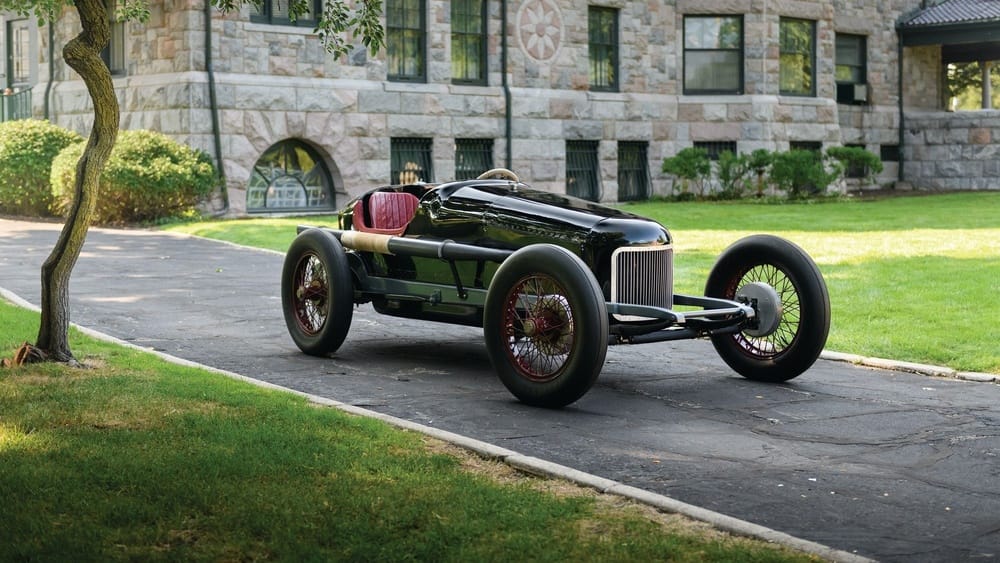
Founded in 1903, the Ford Motor Company revolutionized manufacturing with the moving assembly line at its Highland Park, Michigan, plant in 1913. This innovation set the standard for mass production and allowed Ford to put the Model T—the “car for the great multitude”—within reach of average Americans.
By the mid-20th century, Ford was a pillar of the Detroit auto industry, employing hundreds of thousands and producing iconic vehicles like the Mustang, F-Series trucks, and Thunderbird. Ford’s deep roots in American manufacturing shaped the country’s industrial landscape and national identity.
Ford’s influence extends beyond car production. The company played a pivotal role during World War II, converting its plants to build military vehicles, aircraft engines, and even B-24 bombers at the legendary Willow Run plant. This commitment to American industry during times of national need further cemented Ford’s image as an emblem of American capability and resolve.
Ford’s U.s. Plant Footprint
Today, Ford operates over 30 manufacturing facilities in the United States, including major assembly plants in Michigan, Kentucky, Missouri, Illinois, and Ohio. These plants assemble a range of vehicles, from trucks and SUVs to electric vehicles and commercial vans.
Key U.S. Ford plants include:
- Dearborn Truck Plant (MI): F-150 and electric F-150 Lightning
- Kansas City Assembly Plant (MO): F-150, Transit van
- Louisville Assembly Plant (KY): Escape, Corsair
- Chicago Assembly Plant (IL): Explorer, Aviator
- Wayne Assembly Plant (MI): Bronco, Ranger
Ford’s U.S. operations employ over 57,000 hourly workers (2026), according to the company’s disclosures (Ford US Facilities). In addition, Ford invests billions annually in plant upgrades, worker training, and new technology, ensuring its domestic facilities remain globally competitive and at the forefront of automotive innovation.
The Impact On American Communities
Ford’s American plants are economic engines for their regions, supporting:
- Tens of thousands of direct jobs
- Supplier networks and local businesses
- State and local tax revenues
For example, the Kentucky Truck Plant in Louisville alone employs more than 8,000 workers and supports thousands of additional jobs in the local economy.
Beyond direct employment, Ford’s presence often acts as an anchor for other industries. Local restaurants, retail stores, logistics companies, and even schools benefit from the economic activity generated by a major manufacturing plant. In states like Michigan and Kentucky, Ford’s ongoing investments have helped revitalize neighborhoods, fund public infrastructure projects, and sustain middle-class livelihoods for generations.
Real-world Example: Dearborn Truck Plant
The Dearborn Truck Plant is a flagship example of Ford’s American manufacturing. Opened in 2004, it produces the best-selling F-150 pickup and the all-electric F-150 Lightning. The plant features advanced robotics, sustainable operations, and a workforce of over 4,000 unionized employees.
Dearborn is also a leader in sustainability, featuring a living roof that absorbs stormwater, reduces energy costs, and provides habitat for birds and insects. This combination of traditional automotive might and modern environmental stewardship reflects Ford’s continued commitment to American industry, innovation, and community well-being.

Credit: www.permianford.net
Globalization And Ford’s International Production
Why Ford Manufactures Outside The U.s.
While Ford’s American roots run deep, the company—like all major automakers—has globalized production to remain competitive. Key drivers include:
- Cost efficiencies: Lower labor or material costs in Mexico, China, or Eastern Europe
- Access to markets: Producing vehicles close to growing consumer bases (e.g., China, Europe)
- Tariffs and trade policies: Navigating complex international trade environments
- Supply chain resilience: Diversifying parts and assembly locations
For example, building the Bronco Sport in Mexico allows Ford to offer a competitively priced SUV while maintaining profit margins. Similarly, producing vehicles in China enables the company to avoid steep import tariffs and tap into the world’s largest auto market.
These strategies help Ford remain a global player, balancing domestic priorities with international realities.
Ford’s Major International Plants
Ford operates or partners with manufacturing facilities worldwide, including:
- Hermosillo and Cuautitlán, Mexico: Bronco Sport, Mustang Mach-E
- Oakville, Canada: Edge, Nautilus (previously Flex, MKT)
- Valencia, Spain: Kuga, Transit Connect
- Chongqing and Hangzhou, China: Focus, Mondeo, Territory
These plants are often equipped with cutting-edge technology and employ skilled local workforces. For instance, the Cuautitlán plant in Mexico underwent significant modernization to support production of the Mustang Mach-E, including new robotics and quality assurance systems.
Ford’s International Production: By The Numbers
According to the Automotive News Data Center, about 40% of Ford’s global vehicle production in 2026 occurred outside the United States. Certain models—like the EcoSport, Maverick, and Mach-E—are produced exclusively abroad.
To further illustrate, in 2026 Ford’s North American plants produced approximately 2. 1 million vehicles, while its overseas plants accounted for an additional 1. 4 million units. This demonstrates the scale and balance of Ford’s manufacturing network, which is necessary to support its diverse product lineup and global customer base.
Real-world Example: Mustang Mach-e
The Mustang Mach-E, Ford’s flagship electric SUV, is assembled in Cuautitlán, Mexico. Despite its “Mustang” badge and American marketing, U.S.-bound Mach-Es are fully imported. This underscores the complexity of labeling a car as “American-made.”
Notably, the Mach-E’s battery cells are sourced from South Korea, and its power electronics come from a mix of suppliers in Asia, North America, and Europe. Ford’s decision to manufacture the Mach-E in Mexico was largely driven by the need to keep prices competitive while ramping up EV production quickly.
Impact On American Jobs And Economy
Outsourcing production can reduce U.S. manufacturing jobs but also helps Ford remain profitable and competitive. Ford argues that global manufacturing allows it to invest in new U.S. technologies and jobs, especially as it pivots to electric vehicles.
The savings achieved by producing certain models abroad have enabled Ford to direct more resources to U. S. -based research and development, advanced engineering, and the construction of new high-tech factories for future EVs and batteries. This reinvestment is an important, often overlooked aspect of globalization’s impact on the American workforce.
Credit: www.beadleford.net
What Makes A Car “american-made”?
Assembly Location Vs. Parts Content
The “American-made” label is not straightforward. Key factors include:
- Final Assembly Location: Where the car is physically put together.
- Domestic Parts Content: The percentage of parts sourced from the U.S. or Canada.
- Labor Content: The proportion of U.S. labor involved.
- Company Headquarters: Where profits and decision-making are based.
A car assembled in the U. S. with mostly foreign parts may be less “American” than a car built abroad with mostly U. S. parts.
For example, the Ford Fusion (discontinued in the U. S. after 2020) was assembled in Mexico but used several U. S. -made components, while the Honda Accord, assembled in Ohio, used a high proportion of American parts and labor. This underscores the difficulty in defining “American-made” by a single metric.
The American Automobile Labeling Act (aala)
The AALA requires automakers to disclose:
- Percentage of U.S./Canadian parts
- Final assembly country
- Origin of engine and transmission
This information is found on the Monroney sticker on new cars, providing transparency to buyers.
Consumers can use the AALA data to compare vehicles side by side, making it easier to support domestic manufacturing if they choose. The AALA also helps keep automakers accountable by requiring clear disclosure of sourcing practices.
The Kogod Made In America Auto Index
The Kogod School of Business at American University publishes an annual index ranking cars by their overall American-made content, factoring in assembly, parts, R&D, and profit location. In 2026, the Ford F-150 scored among the highest for U.S. content.
The Kogod Index goes beyond simple parts counts, incorporating factors like manufacturer headquarters, profit distribution, and even where R&D is performed. This gives consumers a more holistic view of a vehicle’s economic impact on the U. S. economy.
Table: Ford Models And U.s. Content (2026)
| Model | Final Assembly | U.S./Canadian Parts (%) | Kogod Index Rank |
|---|---|---|---|
| F-150 | USA | 55-70% | Top 10 |
| Mustang | USA | 65-75% | Top 20 |
| Bronco Sport | Mexico | 20-30% | Lower |
| Mustang Mach-E | Mexico | 15-25% | Lower |
| Escape | USA | 45-55% | Mid |
Source:Kogod Made in America Auto Index
Real-world Example: Ford Bronco Vs. Bronco Sport
The full-size Ford Bronco is assembled in Michigan with over 50% U.S./Canadian parts. The smaller Bronco Sport is built in Mexico with a much lower percentage of domestic content. Both carry the Bronco name, but their “American-made” status differs substantially.
This distinction is important for buyers prioritizing domestic manufacturing. It also highlights the importance of reading vehicle labels and consulting indexes, rather than relying solely on branding or model names.

Credit: autos.yahoo.com
Where Are Popular Ford Models Made?
U.s.-assembled Ford Vehicles
Many of Ford’s best-selling vehicles are built in the United States, including:
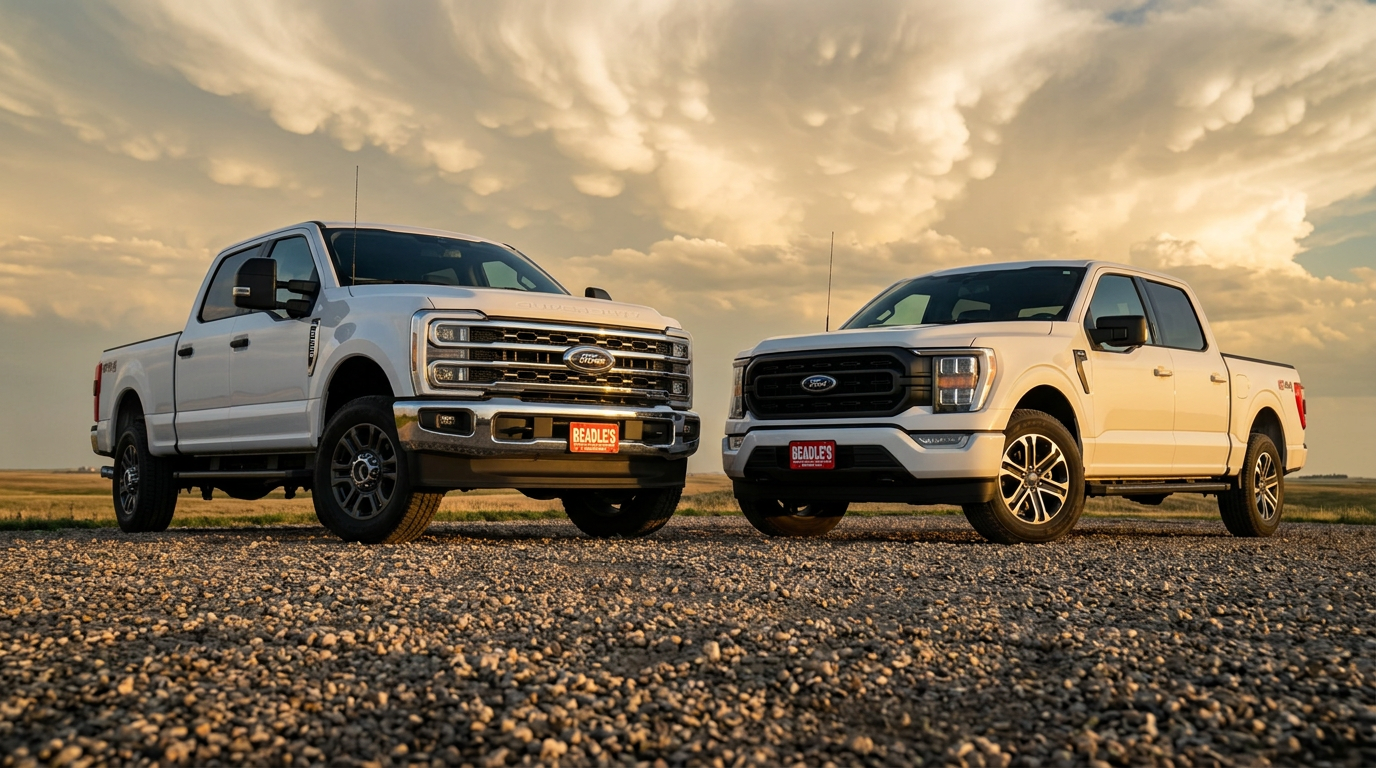
- F-Series (F-150, Super Duty): Michigan, Missouri, Kentucky, Ohio
- Mustang: Flat Rock, Michigan
- Explorer: Chicago, Illinois
- Bronco: Wayne, Michigan
- Escape: Louisville, Kentucky
These vehicles often feature high U. S. parts content and labor.
The F-Series, in particular, has been the best-selling truck in America for over four decades, and its American assembly is a major selling point. The Mustang, a symbol of American performance, is also proudly built in Michigan and exported to more than 140 countries worldwide, enhancing the global reach of American manufacturing.
Ford Models Assembled Outside The U.s.
Some well-known Fords are imported, such as:
- Bronco Sport: Hermosillo, Mexico
- Mustang Mach-E: Cuautitlán, Mexico
- Maverick: Hermosillo, Mexico
- Transit Connect: Valencia, Spain (previously Turkey)
- EcoSport: India (until 2026 discontinuation)
In many cases, Ford’s decision to manufacture certain models abroad is based on cost, proximity to parts suppliers, and the strategic importance of specific markets. For example, the Maverick’s Mexican assembly allows Ford to offer a competitively priced compact pickup with strong appeal to budget-conscious consumers.
Table: Ford Model Assembly Locations (2026)
| Model | Assembly Country | Primary U.S. Market? |
|---|---|---|
| F-150 | USA | Yes |
| Mustang | USA | Yes |
| Bronco | USA | Yes |
| Bronco Sport | Mexico | Yes |
| Mustang Mach-E | Mexico | Yes |
| Maverick | Mexico | Yes |
| Edge | Canada | Yes |
Hybrid And Electric Fords
Ford’s new generation of EVs and hybrids are often built abroad. The Mustang Mach-E (Mexico) and future global EV platforms are examples. However, Ford’s massive investment in U.S. battery and EV plants—such as the new BlueOval City in Tennessee—signals a potential shift back to more domestic production (New York Times).
For instance, Ford is also producing hybrid variants of the F-150 and Escape in the U. S. , leveraging both American labor and advanced manufacturing techniques. The company’s ongoing expansion of its EV offerings will likely see more models shift to U.
S. production as new facilities come online.
Case Study: Ford F-150 Lightning
The F-150 Lightning, Ford’s all-electric pickup, is built in Dearborn, Michigan, with a high percentage of domestic parts. This vehicle combines American assembly, local engineering, and innovative technology—embodying Ford’s dual focus on tradition and future mobility.
The Lightning’s production has already created thousands of new jobs, from battery technicians to software engineers, illustrating the broader ripple effect EV manufacturing can have on the U. S. economy.
The Role Of U.s. Labor And Suppliers
Unionized Workforce
Ford is a leading employer of unionized American autoworkers through the United Auto Workers (UAW). U.S. Ford plants offer:
- Competitive wages and benefits
- Job security through collective bargaining
- Training and advancement opportunities
In 2026, Ford and the UAW reached a new agreement that increased pay and improved working conditions for tens of thousands of American employees (CNBC).
Union contracts also foster a culture of safety, continuous improvement, and skill development. Ford’s apprenticeship programs and tuition assistance help workers adapt to new technologies, such as EV manufacturing and advanced robotics.
Supplier Network
Ford’s U.S. plants support a vast ecosystem of suppliers, including:
- Steel, aluminum, and plastics manufacturers
- Electronics and software companies
- Logistics and transportation providers
This multiplier effect means each Ford vehicle assembled in the U. S. supports multiple additional jobs throughout the supply chain.
For example, the production of a single F-150 involves contributions from over 1,000 different U. S. suppliers, ranging from massive component manufacturers to small, family-owned businesses providing specialized parts or services. This interconnected network amplifies the economic impact of domestic auto manufacturing.
Real-world Example: Kentucky Truck Plant Suppliers
The Kentucky Truck Plant relies on more than 200 domestic suppliers, from major Tier 1 companies to small local businesses. This network amplifies the plant’s economic impact far beyond its own workforce.
These relationships also help drive innovation, as suppliers collaborate with Ford engineers to develop lighter, stronger, and more efficient components—keeping American manufacturing at the cutting edge.
The Evolution Of “made In America” In The Auto Industry
The Changing Definition
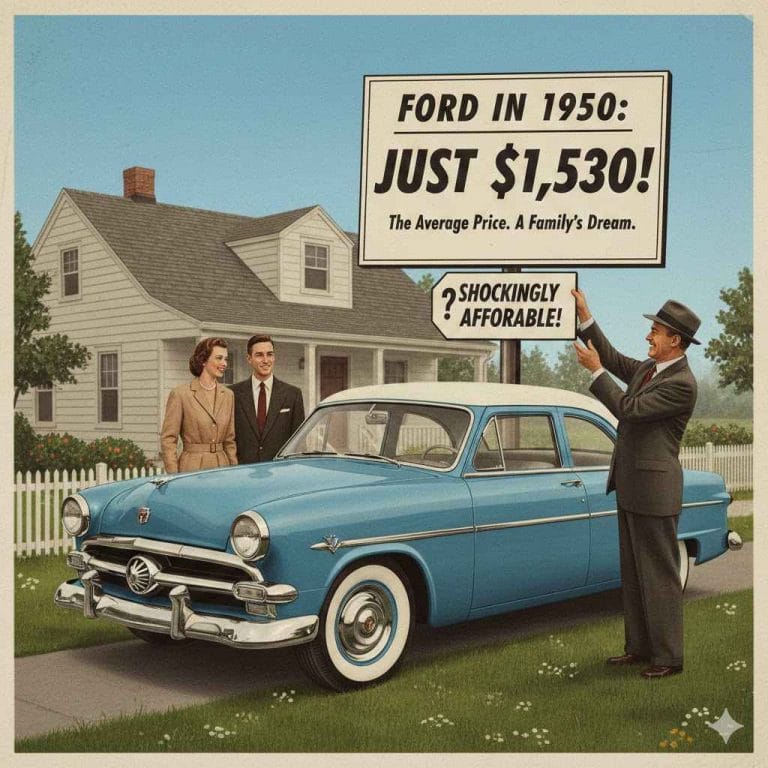
In the 1950s and 1960s, “American-made” meant a car built in Detroit by U.S. labor with almost entirely domestic parts. Today, the reality is more complex:
- Global supply chains mean components are sourced worldwide
- Final assembly might be in the U.S., Mexico, or Canada
- Even “American” brands build some vehicles abroad, while foreign brands (Honda, Toyota) assemble many cars in the U.S.
Additionally, the rise of high-tech content in vehicles—such as advanced driver-assistance systems, infotainment, and battery packs—has increased reliance on specialized suppliers across Asia, Europe, and North America. This trend complicates the traditional notion of what constitutes an “American car. ”
Cross-border Collaboration
The USMCA (United States-Mexico-Canada Agreement) has increased regional integration. Automakers can source parts and assemble vehicles across all three countries while still accessing the U.S. market without tariffs.
For example, a Ford Edge may use a U. S. -built engine, a Canadian-assembled transmission, and be assembled in Oakville, Ontario. The finished vehicle is then shipped to U. S. dealers as a “North American” product, highlighting the interconnected nature of the modern auto industry.
Table: Comparison Of Domestic Content By Brand (2026)
| Brand | Avg. U.S./Canadian Parts (%) | Notable U.S.-Assembled Models |
|---|---|---|
| Ford | 48% | F-150, Mustang, Explorer |
| Chevrolet | 50% | Silverado, Corvette, Malibu |
| Toyota | 40% | Camry, Tundra, Highlander |
| Honda | 38% | Accord, CR-V, Pilot |
| BMW | 30% | X3, X5, X7 (Spartanburg, SC) |
Source:Cars.com American-Made Index
Marketing Vs. Reality
Automakers, including Ford, often emphasize “American” branding even for vehicles with substantial foreign content. Buyers should look beyond the badge and examine the AALA label, Kogod Index, or Cars. com rankings for a full picture.
For instance, Ford’s television ads frequently highlight American workers and assembly lines, even as global sourcing remains a necessity. Being an informed consumer means going beyond advertising and examining the facts.
Real-world Example: Honda Accord Vs. Ford Maverick
The Honda Accord (built in Ohio) often contains more U.S. parts and labor than the Ford Maverick (built in Mexico). This reversal illustrates the blurry lines in today’s global auto industry.
It also demonstrates that supporting American manufacturing sometimes means looking past brand loyalty and considering each model’s unique production story.
How To Find Out Where Your Ford Is Made
Checking The Vin
The Vehicle Identification Number (VIN) reveals a car’s assembly location:
- First digit “1”, “4”, or “5”: Assembled in the U.S.
- First digit “2”: Canada
- First digit “3”: Mexico
Buyers can decode the VIN on the dashboard or door jamb for instant information.
Additionally, the 11th digit of the VIN can indicate the specific assembly plant, which is helpful for enthusiasts or those seeking maximum transparency.
Reading The Window Sticker
The Monroney sticker includes:
- Final assembly location
- U.S./Canadian parts percentage
- Engine and transmission country of origin
Dealers must provide this information for every new vehicle.
Reviewing this information enables buyers to compare vehicles directly and align their purchase with their economic or ethical preferences.
Online Resources
Major resources to check Ford manufacturing details include:
- Kogod Made in America Auto Index (Kogod Index)
- Cars.com American-Made Index (Cars.com Index)
- Ford’s official site (Ford.com)
These sites frequently update their data and offer interactive tools for comparing models and brands.
Ask The Dealer
Buyers should ask for:
- Assembly location
- U.S./Canadian parts content
- Union labor involvement
Dealers are required to share this information, empowering consumers to align purchases with their values.
Don’t hesitate to request documentation or ask to see the window sticker for any vehicle on the lot. Transparency is your right as a consumer.
The Future Of Ford Manufacturing In America
Investment In U.s. Electric Vehicle Production
Ford has pledged over $11 billion in new U.S. EV and battery plants, including:
- BlueOval City (Tennessee): Next-gen electric trucks, battery manufacturing
- BlueOval SK (Kentucky): Battery production
These investments are expected to create over 11,000 new American jobs (Ford Media).
Ford’s partnerships with battery suppliers such as SK On and investments in cutting-edge training for American workers are designed to ensure the company remains a leader in the EV revolution. This marks a significant step toward bringing more high-tech vehicle production back to U.
S. soil.
Reshoring And Supply Chain Security
Rising geopolitical tensions and supply chain disruptions have renewed interest in reshoring production. Ford, like other automakers, is under pressure to:
- Localize battery and chip manufacturing
- Reduce reliance on overseas suppliers
- Invest in U.S. workforce training
By building new battery plants and investing in domestic semiconductor partnerships, Ford aims to reduce vulnerabilities and keep more of its value chain within North America.
Policy And Consumer Influence
U.S. government incentives, such as the Inflation Reduction Act, offer tax credits for American-assembled EVs with local battery content. Consumer preferences for domestic products also influence Ford’s decisions.
Recent surveys show that up to 70% of U. S. buyers would pay more for a vehicle built in America, especially if it supports union jobs. As a result, Ford and other automakers are increasingly factoring domestic content and assembly into future product planning.
Ongoing Challenges
Challenges to expanding U.S. manufacturing include:
- Higher labor and compliance costs
- Skilled labor shortages
- The need for advanced automation
Ford must balance these factors while meeting global market demands.
Attracting and retaining skilled workers—especially in high-demand fields such as battery technology, software engineering, and robotics—will be crucial to Ford’s long-term competitiveness. The company’s apprenticeship programs and partnerships with community colleges are steps in this direction.
Frequently Asked Questions
What Percentage Of Ford Cars Are Made In The Usa?
Approximately 60% of Ford vehicles sold in the U.S. are assembled domestically, but the percentage varies by model and year. Popular models like the F-150, Mustang, and Explorer are mostly U.S.-built, while others like the Bronco Sport, Maverick, and Mach-E are imported from Mexico.
How Can I Tell If My Ford Was Made In America?
Check your car’s VIN (Vehicle Identification Number): if it starts with “1,” “4,” or “5,” it was assembled in the U.S. The Monroney sticker on new vehicles also lists the final assembly location and U.S./Canadian parts content. Online resources like the Kogod Index and Cars.com American-Made Index provide further details.
Is The Ford F-150 Made In America?
Yes, the Ford F-150 is assembled in the United States at plants in Michigan, Missouri, and Kentucky. It consistently ranks among the most American-made vehicles, with high U.S. parts content and labor.
Are Ford’s Electric Vehicles Made In The Usa?
As of 2026, most Ford electric vehicles (EVs) for the U.S. market are built abroad, such as the Mustang Mach-E (Mexico). However, the F-150 Lightning is assembled in Michigan, and Ford is investing heavily in future U.S.-based EV and battery production at new facilities in Tennessee and Kentucky.
Are Ford Cars More American Than Other Brands?
Ford generally has higher U.S. content than most foreign brands, but some Japanese and European automakers (like Honda and Toyota) assemble more vehicles in the U.S. than certain Ford models. The “most American” vehicle varies year-to-year and model-by-model, so consult current indexes and official data for specifics.
Ford’s legacy as an American automaker is undeniable, but in today’s globalized world, “Made in America” is a spectrum, not a guarantee. Many Ford vehicles—including iconic trucks and muscle cars—are still proudly built by American workers. However, global manufacturing realities mean some Fords are assembled abroad or contain significant foreign parts.
By understanding how to check assembly location, parts content, and labor involvement, buyers can make informed choices aligned with their values. Ford’s ongoing investment in U. S. manufacturing, especially for the next generation of electric vehicles, signals that American production remains a core part of its identity—even as the definition of “American-made” continues to evolve.
Products related to this article
Sponsored / affiliate links. As an Amazon Associate I earn from qualifying purchases. I may earn additional commission from eligible campaigns.