Car Headlight Doesn’T Work? Here’S What to Check First
When your car headlight suddenly stops working, it’s more than just a minor inconvenience, it’s a potential safety hazard and a possible reason for a traffic citation. Whether you discover the issue while driving at night or during a routine vehicle check, a non-functioning headlight demands immediate attention. Yet, the problem isn’t always as simple as a burnt-out bulb. A variety of electrical and mechanical issues can lurk behind a dark headlight, and knowing what to check first can save you time, money, and frustration.
This comprehensive guide is designed to walk you step-by-step through the most common causes of headlight failure. From quick visual inspections to deeper electrical diagnostics, you’ll learn how to systematically identify and resolve the issue. We’ll also explore real-world examples, data-driven comparisons, and provide actionable tips for both novice and seasoned car owners. By the end, you’ll be well-equipped to address a headlight that doesn’t work, and know when it’s time to call in a professional.
Key Takeaways
- Headlight failure can result from simple issues like a burnt-out bulb or more complex electrical problems.
- Start with a systematic inspection: Check bulbs, fuses, switches, relays, wiring, and connectors in order.
- Use comparison tables to quickly identify symptoms and likely causes.
- DIY fixes are possible for many issues, but some repairs require professional attention.
- Preventative maintenance and regular checks can minimize future headlight problems.
Credit: carbuzz.com
Understanding How Car Headlights Work
Before troubleshooting a faulty headlight, it’s helpful to understand the basic components and operation of modern headlight systems. This knowledge is essential for accurately pinpointing the source of the problem.
Components Of A Headlight System
- Bulb: The most visible and frequently replaced part; can be halogen, HID (xenon), or LED.
- Socket: Holds the bulb and connects it to the wiring harness.
- Wiring Harness: Delivers electrical power from the battery to the headlight assembly.
- Fuse: Protects the electrical circuit from overloads.
- Relay: Controls the delivery of high current to the headlights using a low-current switch.
- Switch: Located on the dashboard or steering column, it activates the headlights.
- Ground Connection: Completes the electrical circuit.
Types Of Headlights
Modern vehicles typically use one of three headlight technologies:
| Type | Advantages | Common Issues | Typical Lifespan |
|---|---|---|---|
| Halogen | Low cost, easy to replace | Burns out, filament failure | 500-1,000 hours |
| HID (Xenon) | Brighter, longer range | Ballast failure, expensive | 2,000-3,000 hours |
| LED | Long lifespan, energy efficient | Driver failure, complex replacement | 15,000-30,000 hours |
How The Circuit Works
When you turn on your headlights, the switch sends a signal to the relay, which then allows current from the battery to flow through the fuse and into the bulb. If any point in this chain fails, your headlight may stop working.

Credit: www.theautopian.com
Initial Checks: The Fastest Fixes First
Before reaching for tools or heading to a mechanic, start with these simple inspections. Many headlight problems can be resolved with quick visual checks or minimal effort.
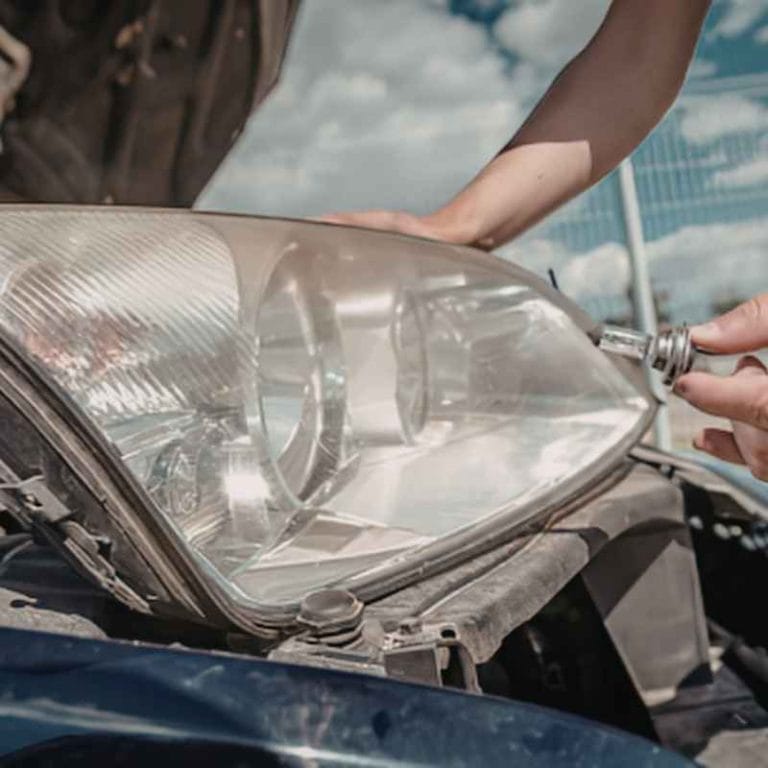
Inspect The Bulb
The most common cause of a non-working headlight is a burnt-out bulb. To check:
- Turn off the vehicle and remove the key.
- Open the hood and locate the back of the headlight assembly.
- Remove the bulb by turning it counterclockwise (consult your manual for specifics).
- Examine the filament in halogen bulbs or the glass for dark spots.
- For HID or LED, inspect for discoloration or cloudiness.
Pro Tip: Swap the suspected bad bulb with the working one from the opposite side. If the problem follows the bulb, you’ve found your culprit.
Check For Power At The Socket
If the bulb looks fine, use a multimeter to test for voltage at the socket. With the headlights switched on, you should read 12 volts (for most vehicles). No voltage indicates a wiring or fuse issue.
Inspect The Fuse
Each headlight circuit is protected by a fuse in the fuse box (usually located under the hood or dashboard). Refer to your owner’s manual for the exact location.
- Remove the fuse and inspect it for a broken wire or discoloration.
- Replace with a new fuse of the same amperage if necessary.
Examine The Headlight Switch
The headlight switch can wear out over time, especially in older cars. If neither headlight works, or they flicker when adjusting the switch, this may be the source.
- Wiggle the switch and observe if the lights flicker.
- Test other lighting functions (parking lights, high beams).
Look For Obvious Wiring Damage
Rodents, corrosion, or physical damage can break the headlight circuit. Check the wiring for:
- Exposed wires
- Burn marks
- Loose or disconnected connectors
Real-world Example: Quick Bulb Swap
A driver of a 2016 Honda Civic noticed the right headlight was out. After a quick bulb swap with the left side, the problem moved to the other headlight, confirming the bulb was bad. A $12 replacement solved the issue instantly.
Diagnosing Electrical Issues
If initial checks don’t reveal the problem, it’s time to dig deeper into the electrical system. Electrical faults can be more challenging to diagnose, but a systematic approach will help you isolate the issue.
Testing The Headlight Relay
The relay is a critical component that allows a low-current switch to control the high-current needed by headlights. Symptoms of a bad relay include:
- Both headlights not working
- Intermittent functionality
- Clicking noises from the relay when switching lights on
To test:
- Locate the relay in the fuse box (check the diagram in your manual).
- Swap with an identical relay (e.g., from the horn circuit) to see if the headlights work.
- If swapping relays solves the problem, replace the faulty relay.
Checking The Ground Connection
Headlights require a solid ground to complete the circuit. A bad ground can cause dim or non-functional lights.
- Locate the ground wire (usually black) from the headlight assembly.
- Inspect for corrosion or loose connections.
- Clean the contact point and reattach securely.
Inspecting The Headlight Module Or Ballast
For HID and LED systems, a ballast (for HID) or driver module (for LED) may fail. Signs include:
- Both bulbs fail at once (if sharing a module)
- Flickering or dim light
- Error messages on the dashboard
Replacement often requires specific parts and can be expensive.
Troubleshooting With A Wiring Diagram
If all else fails, refer to the wiring diagram for your vehicle (available in service manuals or online). Trace the circuit from the switch to the bulb, testing each connection point for continuity with a multimeter.
Example: A 2012 Ford F-150 owner traced a headlight issue to a broken wire inside the harness, identified by following the wiring diagram and testing each segment.
Comparison Table: Symptoms And Likely Causes
| Symptom | Likely Cause | DIY Fix? | Estimated Cost |
|---|---|---|---|
| One headlight out | Burnt-out bulb | Yes | $10-$30 |
| Both headlights out | Blown fuse or relay | Yes | $5-$25 |
| Dim headlights | Poor ground or alternator | Maybe | $0-$100 |
| Flickering lights | Loose wiring or bad switch | Yes | $10-$50 |
| Lights won’t turn on at all | Switch or wiring fault | Maybe | $50-$200 |

Credit: www.motortrend.com
When To Replace, Repair, Or Seek Professional Help
Determining whether to replace, repair, or consult a mechanic depends on the complexity of the issue and your comfort with car repairs.
Diy-friendly Fixes
Many headlight issues are simple to fix at home, especially:
- Replacing bulbs
- Swapping fuses or relays
- Cleaning ground connections
- Reattaching loose connectors
These tasks require minimal tools and can be completed in under an hour.
Warning: When To Avoid Diy
Some repairs are best left to professionals:
- Diagnosing complex wiring faults
- Repairing or replacing HID/LED ballasts and modules
- Replacing headlight assemblies on some late-model cars with integrated electronics
Attempting these repairs without proper training can cause further damage or safety issues.
Cost Comparison: Diy Vs. Mechanic
| Repair | DIY Estimated Cost | Mechanic Labor Cost | Total Mechanic Cost |
|---|---|---|---|
| Bulb Replacement | $10-$30 | $20-$50 | $30-$80 |
| Fuse/Relay Replacement | $5-$25 | $20-$40 | $25-$65 |
| Wiring Repair | $15-$50 | $70-$150 | $85-$200 |
| Ballast/Module Replacement | $50-$200 | $100-$250 | $150-$450 |
Real-world Example: Professional Diagnosis
A Toyota Camry owner faced recurring headlight outages. Despite replacing bulbs and fuses, the issue persisted. A mechanic traced the problem to a faulty headlight switch, which was replaced at a cost of $175. The owner avoided further frustration by seeking professional help.
Preventative Maintenance And Long-term Solutions
A proactive approach can significantly reduce the likelihood of future headlight failures and improve your overall vehicle safety.
Regular Inspection Schedule
Perform these checks every 3-6 months:
- Test all exterior lights, including high and low beams.
- Inspect bulbs and lenses for cracks or cloudiness.
- Check fuses and relays for signs of wear.
Protecting Against Corrosion And Damage
Moisture and road salt can accelerate corrosion, especially in northern climates.
- Apply dielectric grease to bulb sockets and connectors.
- Ensure headlight covers are intact to prevent water ingress.
- Park in a garage or use a car cover when possible.
Upgrading Headlight Systems
Consider upgrading to LED or HID headlights for increased longevity and improved visibility. Before making changes, ensure your vehicle’s electrical system and headlight housings are compatible, as some upgrades may require additional components or professional installation.
Example: Preventative Success
In my experience maintaining a 2010 Subaru Outback, replacing halogen bulbs with high-quality LEDs and applying dielectric grease to connectors eliminated frequent bulb failures and improved nighttime driving visibility.
Legal Considerations
Always use headlight bulbs and assemblies that comply with Department of Transportation (DOT) regulations. Non-compliant modifications may result in fines or inspection failures.
- Check your state’s vehicle code for headlight requirements.
- Ensure color and brightness meet legal standards.
For more information on headlight standards, consult the National Highway Traffic Safety Administration (NHTSA).
Advanced Troubleshooting: Hidden And Intermittent Problems
Some headlight issues are elusive, only appearing under certain conditions or intermittently. These require more advanced diagnostic strategies.
Diagnosing Intermittent Failures
If your headlight works sporadically, consider these causes:
- Loose wiring or connectors that shift with vibration.
- Failing headlight switch or relay that works only when cool.
- Moisture intrusion causing short circuits.
Pro Tip: Gently tap or wiggle the wiring while the headlights are on to see if the light flickers or cuts out, indicating a loose connection.
Dealing With Moisture And Condensation
Condensation inside the headlight assembly can cause bulbs to burn out prematurely and may lead to electrical shorts.
- Remove the assembly and dry thoroughly.
- Check seals and replace if damaged.
- Consider drilling a small vent hole (consult a mechanic first).
Diagnosing With An Obd-ii Scanner
Some modern vehicles store fault codes related to lighting systems. An OBD-II scanner can reveal these codes and help pinpoint the issue.
- Plug the scanner into the OBD-II port under the dashboard.
- Check for codes related to lighting, such as B2575 (headlamp control circuit low).
- Follow recommended diagnostic steps in your service manual.
Real-world Example: Hidden Wiring Fault
A 2015 Chevrolet Malibu owner experienced intermittent headlight outages. After ruling out bulbs, fuses, and relays, a mechanic discovered a pinched wire inside the headlight assembly, which only lost contact when the vehicle was driven over bumps. Repairing the wire resolved the issue.
When To Replace The Headlight Assembly
If the headlight lens is cracked, foggy, or filled with moisture, or if the wiring inside is damaged, it may be more cost-effective to replace the entire assembly. Aftermarket assemblies can range from $80 to $500, depending on your vehicle.
For guidance on choosing the right replacement assembly, consult the Wikipedia entry on headlamps.
Safety, Insurance, And Legal Implications
A non-working headlight isn’t just inconvenient, it can have real-world consequences for safety, insurance claims, and compliance with the law.
Road Safety Impact
According to the Insurance Institute for Highway Safety (IIHS), vehicles with properly functioning headlights reduce nighttime accident risk by up to 20%. Dim or non-functional headlights significantly impair your ability to see hazards and be seen by other drivers.
Insurance Considerations
- Driving with a broken headlight may void your insurance coverage in the event of an accident.
- Some insurers require proof of timely repairs after a claim involving lighting systems.
Traffic Citations And Inspection Failures
Most states require both headlights to be operational. You may face fines ranging from $25 to $200 for driving with a non-working headlight. In some regions, your vehicle may fail inspection until repairs are made.
- Keep repair receipts as proof of compliance.
- Schedule repairs promptly to avoid legal complications.
Example: Ticket Avoidance
A driver in Pennsylvania received a $120 citation for a non-working headlight. After repairing the issue and showing proof to the court, the fine was reduced to $25, highlighting the importance of prompt action.
Frequently Asked Questions
What Should I Do If My New Headlight Bulb Still Doesn’t Work?
If a new bulb doesn’t fix the problem, check the socket for corrosion or damage, verify that the fuse and relay are functioning, and use a multimeter to ensure power is reaching the socket. If all these are fine, there may be a wiring or ground issue.
Can A Car Battery Issue Cause Headlights Not To Work?
While a weak car battery may cause headlights to dim or flicker, it is rare for a battery issue alone to cause one headlight to fail completely. However, if both headlights are out and other electrical systems are malfunctioning, test your battery and alternator.
How Do I Know If My Headlight Issue Is Covered By Warranty?
Most new cars have bumper-to-bumper or specific electrical warranties that cover headlight components for a certain period or mileage. Check your warranty booklet or contact your dealership for details on coverage and exclusions.
Is It Safe To Drive With Only One Headlight Working?
Driving with a single headlight is not only unsafe, reducing your visibility and ability to be seen by others, but is also illegal in most states. It’s best to repair the issue immediately and avoid driving at night until both headlights are operational.
Can Aftermarket Led Or Hid Headlights Cause Issues With My Car’s Electronics?
Installing aftermarket LED or HID headlights without proper adapters or resistors can cause dashboard error lights, flickering, or even damage to your vehicle’s lighting control modules. Always use products designed for your specific make and model, and consider professional installation for complex upgrades.
A working headlight is vital for your safety and legal compliance. By following a systematic troubleshooting approach, from bulbs and fuses to relays and wiring, you can resolve most headlight failures quickly and confidently. Remember, regular maintenance prevents many common issues, and knowing when to seek professional help saves time and money.
With these strategies, you’ll keep your headlights shining bright and your journeys safe.
Products related to this article
Sponsored / affiliate links. As an Amazon Associate I earn from qualifying purchases. I may earn additional commission from eligible campaigns.