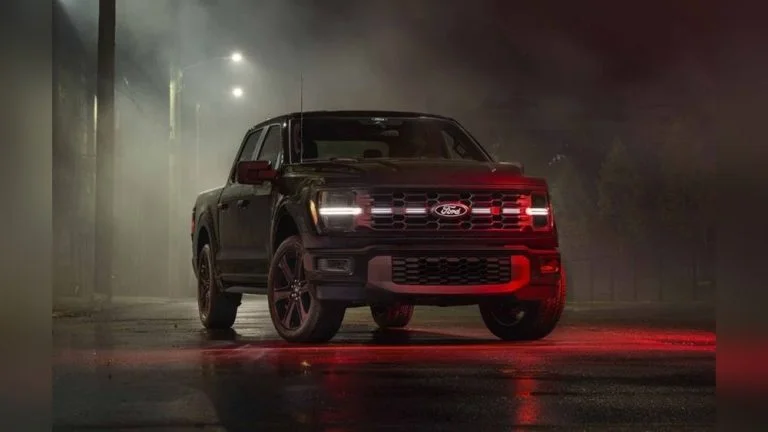
How Much Do Ford Cars Weigh? Average Weight by Model
When it comes to purchasing or researching vehicles, one factor that often gets overlooked is the weight of the car. For Ford, one of the most iconic automotive brands in the world, understanding the weight of their vehicles is crucial—not just for performance enthusiasts, but for anyone interested in fuel efficiency, towing capacity, safety, and overall driving dynamics. From nimble hatchbacks to heavy-duty trucks, Ford’s lineup showcases a vast spectrum of weights, each tailored for a specific purpose. But how much do Ford cars actually weigh? And what does this mean for drivers, owners, and prospective buyers?
Whether you’re curious about the average weight by model, comparing Ford sedans to SUVs, or wondering how weight impacts real-world use, this comprehensive guide is designed to answer your questions. We’ll dive deep into Ford’s current model range, analyze data-driven trends, and explore the implications of vehicle weight—so you can make more informed decisions and better understand what makes Ford vehicles tick.
Key Takeaways
- Ford vehicle weights vary significantly across models, from lightweight hatchbacks to heavy-duty trucks.
- Weight influences fuel efficiency, handling, safety, and towing capacity.
- The average weight for Ford cars ranges from 2,600 lbs (Fiesta) up to 6,500 lbs (F-Series Super Duty).
- Real-world examples show how weight impacts performance, cargo, and ownership costs.
- Knowing your car’s weight is important for insurance, registration, and compliance.
- Ford continues to innovate with lighter materials and electric vehicles, changing the weight landscape.
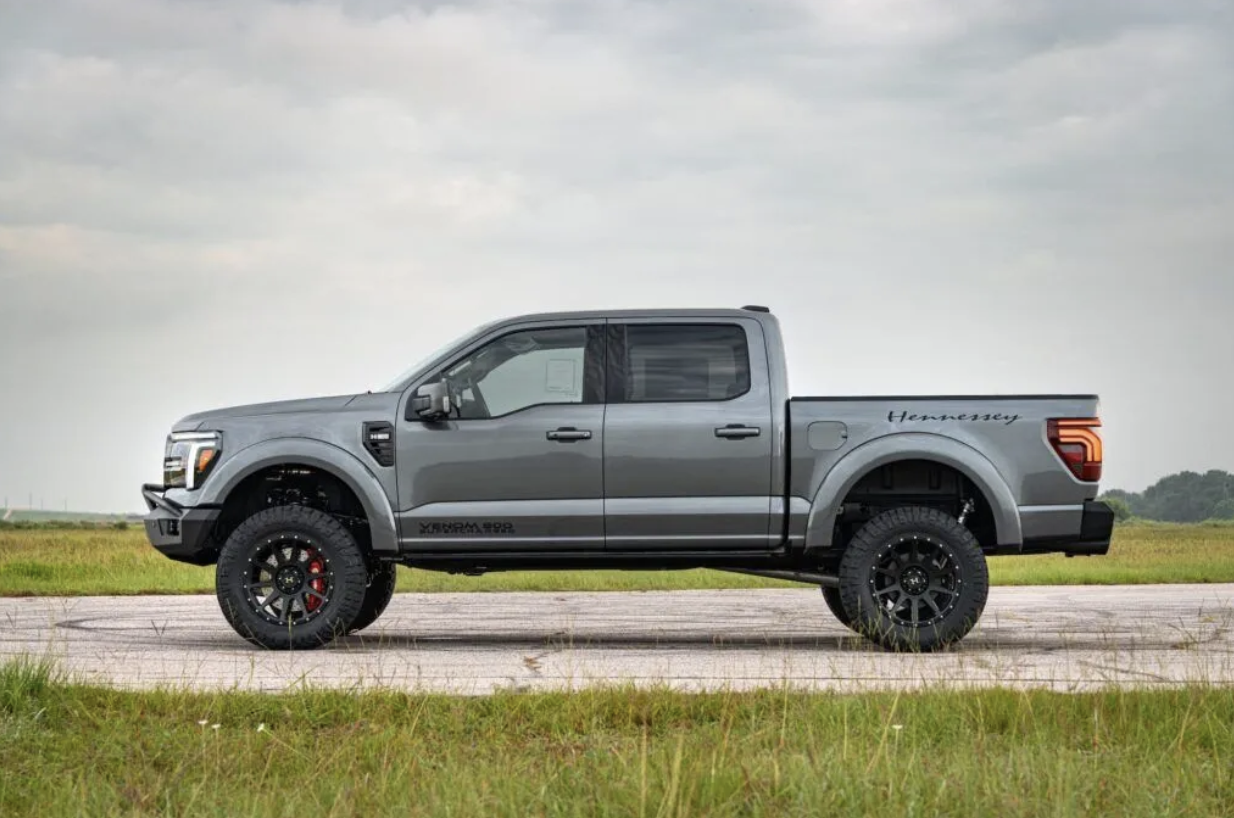
Credit: www.tomballford.com
Ford Car Weight Overview: Why It Matters
Understanding the weight of a Ford vehicle isn’t just a matter of curiosity. It has real-world implications for performance, fuel economy, safety, and more. The weight of a car affects:
- Acceleration and handling: Heavier cars tend to accelerate slower but may offer better stability.
- Fuel consumption: More mass means more energy required to move, impacting MPG.
- Towing and payload: Trucks and SUVs require higher weight ratings for towing.
- Safety: Heavier vehicles often fare better in crash tests due to momentum and structure.
- Registration and taxes: Some states base fees and taxes on vehicle weight.
For example, a lightweight Ford Fiesta is nimble and efficient, while a heavy-duty Ford Super Duty truck is built for towing and hauling. Understanding these differences helps buyers make smarter choices based on their needs. For those living in regions with harsh winters or mountainous terrain, opting for a heavier vehicle like an SUV or truck can deliver added confidence and stability, especially when road conditions are less than ideal.
Conversely, city dwellers or those who prioritize maneuverability and parking ease may find lighter compact cars far more advantageous.
Weight Classifications In Ford’s Lineup
Ford’s vehicle range spans several classes:
- Compact cars: Ford Fiesta, Focus
- Sedans: Fusion, Taurus
- SUVs and crossovers: Escape, Explorer, Edge
- Pickup trucks: Ranger, F-150, Super Duty
- Electric and hybrid models: Mustang Mach-E, Fusion Hybrid
Each class has distinct weight characteristics, reflecting their intended use and engineering. For instance, compact cars are designed to minimize weight for efficiency and affordability, while trucks and SUVs prioritize structural strength and load-bearing capability, which necessarily increases their mass.
Electric and hybrid models present a unique challenge, as battery packs add considerable weight but also deliver improved energy efficiency and new driving dynamics.
How Weight Is Measured
Ford (like most manufacturers) measures vehicle weight in several ways:
- Curb weight: The weight of the car with all fluids, but no passengers or cargo.
- Gross vehicle weight (GVW): Maximum allowable weight with passengers and cargo.
- Payload and towing capacity: Related to but not the same as vehicle weight.
The most commonly cited figure is curb weight, which we’ll use throughout this article for consistency. Curb weight offers a standardized baseline for comparing models, but it’s important to remember that real-world vehicle weight can fluctuate based on aftermarket modifications, accessories, and even seasonal factors like snow tires or roof racks.
Case Study: Ford F-150 Vs Ford Mustang
Consider the Ford F-150, America’s best-selling truck, and the Ford Mustang, an iconic sports car:
- The F-150’s curb weight ranges from 4,000 to 5,500 lbs, depending on configuration.
- The Mustang’s curb weight ranges from 3,500 to 3,900 lbs.
This difference impacts everything from acceleration to insurance premiums. The F-150’s heavier frame allows for greater payload and towing capacity, making it ideal for construction, agriculture, or recreation. Meanwhile, the Mustang’s lower weight helps it achieve superior acceleration and agility, characteristics prized in sports and performance vehicles. For more on Ford’s weight specs, see the official Ford F-150 page.
Average Weight By Ford Model: Data & Comparison
To provide a clearer picture, let’s break down the average curb weight for Ford’s major models. These figures represent typical configurations and may vary with optional equipment or trim levels.
| Model | Vehicle Type | Average Curb Weight (lbs) | Fuel Economy (MPG) | Towing Capacity (lbs) |
|---|---|---|---|---|
| Ford Fiesta | Compact Car | 2,600 | 27/35 | Not Rated |
| Ford Focus | Compact Car | 2,900 | 26/36 | Not Rated |
| Ford Fusion | Sedan | 3,400 | 23/34 | 1,000 |
| Ford Taurus | Sedan | 4,000 | 18/27 | 1,000 |
| Ford Escape | SUV | 3,500 | 27/33 | 2,000 |
| Ford Edge | SUV | 4,100 | 21/29 | 3,500 |
| Ford Explorer | SUV | 4,400 | 21/28 | 5,600 |
| Ford Ranger | Pickup Truck | 4,300 | 21/26 | 7,500 |
| Ford F-150 | Pickup Truck | 4,500 | 19/25 | 14,000 |
| Ford Super Duty | Heavy-Duty Truck | 6,500 | 14/18 | 21,000 |
| Mustang Mach-E | Electric SUV | 4,400 | 90 MPGe | Not Rated |
| Ford Transit | Van | 5,100 | 15/19 | 7,500 |
Compact Cars: Ford Fiesta & Focus
Ford Fiesta and Focus represent the lighter end of Ford’s spectrum:
- Fiesta: ~2,600 lbs
- Focus: ~2,900 lbs
These models are ideal for urban driving, offering nimble handling and high fuel efficiency. Their lighter weight also makes them more affordable to insure and maintain. Additionally, compact cars like the Fiesta and Focus are well-suited for first-time drivers, thanks to their manageable size and responsive feel.
Owners report that these models excel in tight spaces, such as crowded city streets or parking garages. The reduced weight also translates to less strain on brakes and tires, lowering maintenance costs over time.
Sedans: Fusion & Taurus
Ford’s sedans, including the Fusion and Taurus, weigh more due to extra space and features:
- Fusion: ~3,400 lbs
- Taurus: ~4,000 lbs
Heavier sedans provide a smoother ride and enhanced safety, but slightly lower MPG. The Fusion, for example, is often praised for its comfortable seating and quiet cabin, attributes made possible by its additional weight and sound insulation. For families or commuters, these sedans offer a balance between efficiency and comfort, with the Taurus standing out for its robust build and advanced safety systems, including reinforced frames and multiple airbags.
Suvs: Escape, Edge, Explorer
Ford’s SUV lineup demonstrates a significant jump in weight:
- Escape: ~3,500 lbs
- Edge: ~4,100 lbs
- Explorer: ~4,400 lbs
These vehicles are engineered for versatility, offering higher payload and towing capacities. Their weight contributes to stability and road presence. The Escape is popular among small families and those who want a crossover that feels substantial without being overwhelming, while the Edge and Explorer are favored by those needing more space for passengers and gear.
Heavier SUVs are also equipped with sophisticated AWD systems and advanced crash structures, making them a preferred choice for safety-conscious buyers.
Trucks: Ranger, F-150, Super Duty
Ford’s trucks are built for strength, with weights reflecting their capabilities:
- Ranger: ~4,300 lbs
- F-150: ~4,500 lbs
- Super Duty: ~6,500 lbs
The heavier the truck, the greater its ability to tow and carry loads, but at the expense of fuel efficiency. The Ranger, although lighter than its big siblings, remains a solid choice for small business owners or outdoor enthusiasts who require moderate towing capabilities.
The F-150, with its broad range of configurations, is well-suited for both personal and professional use, while the Super Duty is a staple for demanding industries like construction and agriculture, where maximum payload and durability are essential.
Electric And Hybrid: Mustang Mach-e, Fusion Hybrid
Ford’s electric and hybrid vehicles have unique weight profiles due to battery packs:
- Mustang Mach-E: ~4,400 lbs
- Fusion Hybrid: ~3,600 lbs
EVs are often heavier than comparable gas models, but deliver high efficiency and instant torque. For instance, the Mach-E’s additional weight is offset by its impressive acceleration and regenerative braking system. Hybrid models like the Fusion Hybrid offer a compromise, combining traditional engine power with electric propulsion for improved fuel economy, without the full weight burden of a pure EV.
)
Credit: insurify.com
Factors Influencing Ford Car Weight
The weight of a Ford car isn’t arbitrary—it’s shaped by engineering, market demands, and regulatory standards. Understanding these factors helps decode why some models weigh more than others.
Material Choices
Modern Fords use a blend of steel, aluminum, plastic, and composites. For example, the F-150 famously switched to aluminum body panels in 2015, reducing weight by up to 700 lbs compared to previous steel models. This shift improves fuel economy and performance. Aluminum is not only lighter but also resistant to corrosion, which extends vehicle longevity and reduces maintenance needs. Ford’s investment in high-strength steel in frames and critical areas ensures safety and rigidity, even as the brand trims overall mass.
Size And Configuration
The size of the vehicle is a primary determinant:
- Compact cars are smaller, lighter.
- SUVs and trucks are larger, heavier.
Configuration matters, too. Adding features like all-wheel drive, panoramic roofs, or advanced infotainment systems can increase weight by hundreds of pounds. For example, opting for a higher trim with luxury seats, premium audio, or larger wheels can quickly add up.
Fleet buyers often choose stripped-down models to maximize payload, while retail buyers may favor fully-equipped vehicles, accepting the trade-off in weight for comfort and convenience.
Safety Features
Ford vehicles increasingly include advanced safety systems:
- Airbags, reinforced frames
- Crash structures
- Electronic stability controls
Each feature adds mass, but enhances occupant protection. Modern Fords often have side-impact beams, active collision mitigation, and sensors that, while increasing weight, elevate safety ratings and peace of mind. The integration of driver-assistance technologies like adaptive cruise control and lane-keeping systems also requires additional hardware, subtly affecting total weight.
Powertrain And Batteries
Hybrid and electric Fords, such as the Mustang Mach-E, are heavier due to battery packs. A typical lithium-ion battery can weigh over 1,000 lbs. Turbocharged engines, larger transmissions, and other components also influence overall weight. As Ford advances its electrification strategy, engineers carefully balance battery size for range with lightweight materials to maintain performance and handling. The introduction of modular platforms allows Ford to adapt powertrains across multiple models, optimizing weight distribution and structural integrity.
Real-world Example: Aluminum F-150
The transition to aluminum in the F-150 is a case study in weight reduction. According to Car and Driver, Ford managed to cut significant mass while maintaining strength, leading to better fuel economy and performance. This innovation has reshaped industry standards for truck design. Owners report improved acceleration, more responsive braking, and noticeable savings at the gas pump. The lighter body also contributes to reduced wear on suspension components, prolonging service intervals and lowering total cost of ownership.

Credit: www.kennyrossfordsouth.com
Impact Of Weight On Performance And Ownership
Vehicle weight is more than a static number—it has dynamic effects on how a Ford car drives, costs, and ages.
Fuel Efficiency
Lighter vehicles generally consume less fuel. For example:
- Fiesta (2,600 lbs): Up to 35 MPG highway
- F-150 (4,500 lbs): Up to 25 MPG highway
Heavier models require more energy, reducing efficiency. Electric vehicles are somewhat exempt, as regenerative braking and high-torque motors mitigate weight’s impact. However, even among EVs, efficiency can suffer if battery mass is not balanced with aerodynamics and powertrain optimization. Ford’s focus on lightweight engineering ensures that even heavier vehicles maintain competitive fuel economy, helping owners save at the pump and reduce their carbon footprint.
Handling And Ride Quality
Weight affects cornering, braking, and stability. A heavier Ford Explorer offers excellent highway stability, but may feel less agile than a lighter Focus.
- Heavier vehicles: Smoother ride, better crash protection
- Lighter vehicles: Nimble handling, easier parking
For instance, the Mustang Mach-E’s weight is distributed low in the chassis, enhancing handling despite its mass. Owners of heavier vehicles often report a sense of security and comfort on long drives, especially over rough terrain or in inclement weather.
Conversely, lighter models deliver precise steering and quick responsiveness, making them favorites for city driving and spirited road trips.
Towing And Payload
Only heavier, structurally reinforced vehicles can tow significant loads. The Ford Super Duty, at ~6,500 lbs, can tow up to 21,000 lbs, while lighter models are limited. Proper weight management is crucial for safe towing, as exceeding recommended limits can compromise braking, stability, and overall safety.
Fleet operators and recreational users alike depend on Ford’s detailed weight ratings to plan their activities, whether it’s hauling construction materials or towing a boat for vacation.
Insurance And Registration
Some states, such as California, base vehicle fees on weight. Heavier vehicles can cost more to register. Insurance premiums may also reflect the increased liability and repair costs for larger vehicles. Owners should factor these costs into their budget, especially if purchasing a high-capacity truck or SUV.
Insurers may also consider weight when calculating risk, as heavier vehicles tend to cause greater damage in collisions, influencing both liability and comprehensive coverage rates.
Maintenance And Tire Wear
Heavier Fords place more stress on tires, brakes, and suspension components. Owners should budget for:
- More frequent tire replacements
- Higher brake maintenance costs
- Possible increased wear on suspension parts
Routine maintenance is essential to ensure safety and longevity. For example, heavy-duty trucks may require specialized tires rated for higher loads, which can be more expensive. The cost of brake repairs is also typically higher for heavier vehicles, as larger rotors and calipers are needed to manage increased kinetic energy.
Real-world Example: Ford Explorer Family Use
A family in Colorado chose the Ford Explorer for its robust weight and safety. They found the heavier SUV ideal for winter driving, road trips, and towing a small camper. This real-world use case highlights how weight influences both practicality and peace of mind.
During snowy months, the Explorer’s mass helped maintain traction and stability, while its reinforced structure provided assurance during long drives through mountain passes. The family also noted reduced fatigue during travel, attributing it to the SUV’s smooth ride and superior insulation, features made possible by its increased weight.
Comparison: Ford Vs Other Brands
To put Ford’s vehicle weights in perspective, let’s compare them to other leading brands. This helps buyers see how Ford stacks up against competitors in various segments.
| Model | Ford Weight (lbs) | Toyota Weight (lbs) | Chevrolet Weight (lbs) |
|---|---|---|---|
| Compact Car | Fiesta: 2,600 | Corolla: 2,900 | Cruze: 3,000 |
| Sedan | Fusion: 3,400 | Camry: 3,500 | Malibu: 3,100 |
| SUV | Escape: 3,500 | RAV4: 3,600 | Equinox: 3,500 |
| Truck | F-150: 4,500 | Tundra: 5,100 | Silverado: 4,700 |
| Electric SUV | Mach-E: 4,400 | bZ4X: 4,300 | Blazer EV: 4,600 |
Compact Cars
Ford’s Fiesta is lighter than the Toyota Corolla and Chevrolet Cruze, making it a top choice for efficiency. Its lower weight not only enhances fuel economy but also simplifies maneuvering in tight spaces, a feature appreciated by urban drivers. The reduced mass means less wear on tires and brakes, contributing to lower maintenance costs over the life of the vehicle.
Sedans
The Fusion is comparable to the Camry and Malibu, with slight variations in weight influencing ride quality and MPG. Ford’s focus on balancing comfort and efficiency makes the Fusion a competitive option for both private and fleet buyers. The difference in weight across these models often correlates with interior features, safety equipment, and available powertrains.
Suvs
Escape’s weight matches the Equinox, while the RAV4 is marginally heavier. These similarities reflect industry-wide standards for crossover design, where manufacturers aim to balance cargo space, passenger comfort, and moderate towing capabilities. Ford’s Escape stands out for its advanced infotainment systems and available hybrid powertrain, which further optimize weight-to-performance ratios.
Trucks
F-150 is lighter than the Tundra and Silverado, a result of Ford’s aluminum body innovation. This reduction in weight allows the F-150 to achieve higher fuel efficiency and improved handling, while maintaining comparable towing and payload capacities. The Silverado and Tundra, while heavier, offer robust features but often at the cost of increased fuel consumption.
Electric Suvs
The Mustang Mach-E is similar in weight to Toyota and Chevrolet EVs, reflecting industry-wide battery technology. Ford’s emphasis on weight distribution and low center of gravity enhances driving dynamics, giving the Mach-E a competitive edge in both performance and safety. For more comparison data, see Edmunds.
Ford Vehicle Weight Trends And Innovations
Ford’s approach to vehicle weight has evolved dramatically over the years, driven by technology, regulations, and consumer expectations.
Historical Weight Trends
Older Fords were often heavier due to steel construction and less efficient design. For example:
- 1970s Ford LTD: Over 4,500 lbs
- 1980s Ford Bronco: Over 4,800 lbs
Modern Fords are lighter, safer, and more efficient thanks to advances in materials and engineering. The transition from solid steel to high-strength alloys and composites has allowed Ford to maintain durability while shaving off unnecessary mass. Historical models, while iconic, suffered from reduced fuel economy and less agile handling compared to today’s offerings.
Lightweight Materials
Ford’s use of aluminum, high-strength steel, and composites has been industry-leading. This reduces weight without sacrificing durability. The F-150’s aluminum body is a standout example. Ford continues to explore new materials, such as carbon fiber and magnesium alloys, for future models, aiming to set new benchmarks in automotive weight reduction.
Electric Vehicle Impact
EVs like the Mustang Mach-E are heavier than traditional cars, but Ford’s engineers are working to minimize this with new battery technologies and lightweight platforms. The challenge is to retain range and performance while not compromising safety or ride quality.
Upcoming models may feature innovative battery architecture that lowers mass and improves energy density.
Regulatory Influence
Federal standards for fuel economy and emissions have pushed Ford to innovate. Lighter vehicles meet CAFE (Corporate Average Fuel Economy) targets more easily. For details on regulations, see EPA’s CAFE standards. Ford’s ongoing compliance efforts include optimizing aerodynamics and integrating hybrid systems to further enhance efficiency.
Case Study: Ford Mustang Mach-e
The Mustang Mach-E is Ford’s flagship electric SUV. Its weight (~4,400 lbs) is higher than a gasoline Mustang, but it delivers instant torque and up to 90 MPGe. Owners report a solid, planted feel on the road, with minimal trade-off in agility. The Mach-E illustrates how weight can be balanced with performance and innovation. Its structural battery design, advanced infotainment, and driver-assistance features all contribute to its mass, yet the vehicle remains agile and responsive, showcasing Ford’s engineering excellence.
How To Find Your Ford’s Weight
Knowing your car’s exact weight is important for several reasons—towing, compliance, and even insurance. Here’s how to find it.
Owner’s Manual
Every Ford owner’s manual includes a curb weight specification. This is the best starting point for accurate information. The manual also details gross vehicle weight, payload limits, and recommended maintenance schedules, helping owners manage their vehicle responsibly.
Door Sticker
Open your driver’s door and look for the manufacturer sticker. It lists:
- Gross vehicle weight
- Payload capacity
- Recommended tire pressures
These figures help you stay within safe limits. The sticker also includes VIN information and compliance certifications, vital for registration and resale.
Ford’s Official Website
The official Ford site provides detailed specs for each model. For example, visit the Ford Explorer page for up-to-date weight information. Model configurators allow prospective buyers to compare different trims and options, ensuring that weight data matches their specific selection.
Third-party Resources
Websites like Autotrader and Kelley Blue Book offer specifications for new and used Fords. These platforms often include user reviews and real-world data, supplementing manufacturer information for a more comprehensive understanding.
Real-world Example: Towing A Boat
A Ford F-150 owner in Florida needed to tow a 5,000 lb boat. By consulting the door sticker and manual, they ensured their truck’s weight and towing capacity matched the task—avoiding overload and ensuring safety. This practical approach demonstrates the importance of accurate weight knowledge, preventing costly repairs or unsafe driving conditions.
Weight And Ford’s Electric Future
As Ford pivots to electric vehicles, weight remains a central engineering challenge. Batteries are heavy, but EVs promise efficiency and performance.
Mustang Mach-e And F-150 Lightning
Both the Mach-E and F-150 Lightning represent Ford’s push into EVs:
- Mustang Mach-E: ~4,400 lbs
- F-150 Lightning: ~6,000 lbs
Despite their mass, these vehicles deliver instant acceleration and high MPGe. Ford is investing in solid-state batteries and lightweight platforms to offset battery weight. The F-150 Lightning, in particular, showcases Ford’s ability to balance payload, towing, and performance in a fully electric format, opening new possibilities for both commercial and personal use.
Battery Technology
Modern lithium-ion batteries are dense and heavy. Ford’s research focuses on improving energy density and reducing battery mass. According to Wikipedia, the Mach-E’s battery alone weighs nearly 1,200 lbs. The shift toward solid-state and modular battery designs is expected to further reduce weight and improve range, making electric Fords even more competitive.
Lightweight Engineering
Ford’s engineers use advanced CAD tools and simulations to optimize weight distribution. This ensures EVs handle well and maintain safety standards. Real-world testing and feedback from early adopters drive continuous improvements, as Ford seeks to refine chassis stiffness, ride quality, and crash performance in its electric lineup.
Regulatory Pressure
Electric vehicle adoption is partly driven by regulations. Lighter, more efficient EVs help Ford meet global emissions targets and stay competitive. Ford’s commitment to sustainability is evident in its ongoing investments in battery recycling, renewable materials, and responsible manufacturing practices, which all contribute to the evolving weight landscape.
Frequently Asked Questions
What Is The Average Weight Of A Ford F-150?
The Ford F-150 averages around 4,500 lbs in curb weight, depending on engine, cab configuration, and trim. Heavier models with extended cabs and larger engines can reach up to 5,500 lbs. This weight allows for robust towing and payload capacities, making the F-150 a versatile workhorse. Always check your specific model and trim for accurate figures.
Why Are Electric Ford Cars Heavier Than Gasoline Models?
Electric Ford cars are heavier due to the battery packs required for propulsion. For example, the Mustang Mach-E’s battery can weigh over 1,000 lbs. This extra mass is offset by the benefits of instant torque, regenerative braking, and increased efficiency. Ford is working on lighter battery technologies to address this challenge, exploring solid-state batteries and improved energy density.
Does Vehicle Weight Affect Insurance Premiums?
Yes, vehicle weight can impact insurance premiums. Heavier vehicles often cost more to insure because they may cause more damage in collisions and have higher repair costs. Additionally, some states base registration fees on vehicle weight. It’s important to check with your insurer for specific rates and consider local regulations when budgeting for ownership.
How Does Ford Reduce The Weight Of Its Vehicles?
Ford uses advanced materials like aluminum, high-strength steel, and composites to reduce weight. For example, the F-150’s switch to aluminum body panels cut up to 700 lbs. Ford also streamlines design, removes unnecessary features, and adopts lightweight engineering practices to optimize every model. The brand’s ongoing R&D ensures each new vehicle is lighter, safer, and more efficient than its predecessor.
Where Can I Find The Exact Weight Of My Ford Car?
You can find your Ford car’s weight in the owner’s manual, on the driver’s door sticker, or on the official Ford website. Third-party automotive sites like Autotrader and Kelley Blue Book also list vehicle specifications. Always refer to manufacturer data for the most accurate figures. If you’re unsure, your local Ford dealer can provide detailed information and guidance.
Ford’s vehicle weights are a testament to its engineering prowess and adaptability. From lightweight city cars to massive trucks, Ford’s lineup serves a diverse range of drivers and needs. As the company pushes into electric vehicles and adopts new materials, the weight landscape continues to evolve—balancing strength, efficiency, and innovation.
Whether you’re shopping for a new Ford or optimizing your current ride, knowing your car’s weight is a vital step toward smarter, safer, and more efficient driving.
Products related to this article
Sponsored / affiliate links. As an Amazon Associate I earn from qualifying purchases. I may earn additional commission from eligible campaigns.