When Should You Change Car Engine Oil? Clear Guide Here
Every car owner faces the crucial question: When should you change car engine oil? This seemingly simple maintenance task can determine the longevity, performance, and reliability of your vehicle. Yet, with rapidly advancing engine technologies and a bewildering array of oil products on the shelves, the answer is far from straightforward. Outdated advice, like changing oil every 3,000 miles, may no longer apply to modern cars, while newer engines and synthetic oils often stretch intervals much further. Failing to change your oil on time, however, can cause catastrophic engine damage and void warranties, costing thousands in repairs.
If you’re unsure about the right oil change schedule for your vehicle, or you want to optimize your car’s health, save money, and drive with confidence, this guide is for you. We’ll break down the science behind engine oil changes, provide data-backed recommendations, compare manufacturer guidelines, and offer expert insights. By the end, you’ll know exactly when to change your car’s engine oil and how to spot the signs that it’s time, no matter what you drive.
Key Takeaways
- Engine oil change intervals vary widely depending on vehicle, oil type, and driving conditions, ignore one-size-fits-all advice.
- Consult your owner’s manual for manufacturer recommendations; modern cars often require changes every 5,000, 10,000 miles.
- Watch for signs of oil degradation such as dark color, low levels, or engine noise, which may signal the need for earlier changes.
- Synthetic oils typically allow for longer intervals but cost more upfront; conventional oils require more frequent changes.
- Severe driving conditions, like frequent short trips, towing, or extreme temperatures, demand more frequent oil changes.
- Regular oil changes are critical for engine longevity, warranty compliance, and maintaining fuel efficiency.

Credit: www.chasebays.com
Understanding Car Engine Oil: Purpose And Importance
What Does Engine Oil Do?
Engine oil is the lifeblood of your car’s engine, performing several essential roles. It lubricates moving parts, reducing friction and wear. Oil acts as a coolant, dissipating heat away from pistons and bearings. It also suspends dirt and contaminants, helping keep the engine clean, and prevents corrosion by coating internal components.
Why Regular Oil Changes Matter
Over time, engine oil breaks down due to heat, pressure, and contamination. As it degrades, it loses its lubricating properties, turns acidic, and becomes less effective at protecting the engine. Skipping oil changes accelerates wear, increases the risk of overheating, and can lead to engine sludge, a thick, tar-like deposit that can block oil passages and cause catastrophic engine failure. According to the Car Care Council, regular oil changes are among the most important preventive maintenance tasks, directly impacting engine life and performance.
Types Of Engine Oil
There are several categories of engine oil, each with its own change interval and performance characteristics:
- Conventional oil: Derived from crude oil, offers basic protection, and is suitable for older engines or light use.
- Synthetic oil: Chemically engineered for superior performance, stability, and longer change intervals.
- Synthetic blend: A mix of synthetic and conventional oils, offering a balance between cost and performance.
- High-mileage oil: Formulated with additives to protect older engines and reduce leaks.
Selecting the right type of oil is crucial for maximizing interval length and engine protection.

Credit: www.capovalleytoyota.com
Manufacturer Recommendations: Decoding Owner’s Manuals
How Automakers Determine Oil Change Intervals
Vehicle manufacturers base their recommendations on extensive testing, considering engine design, oil type, and expected operating conditions. Most modern cars now include oil life monitoring systems that calculate ideal change intervals based on real-time engine data. These systems assess factors like temperature, engine load, and driving habits to provide accurate reminders.
Comparing Major Manufacturer Guidelines
Let’s look at oil change intervals recommended by leading automakers:
| Manufacturer | Recommended Interval (miles) | Oil Type | Notes |
|---|---|---|---|
| Toyota | 5,000, 10,000 | Synthetic | Check manual for specific engine |
| Honda | 7,500, 10,000 | Synthetic | Many models use Maintenance Minder system |
| Ford | 7,500, 10,000 | Synthetic Blend | Shorter interval for severe conditions |
| Chevrolet | 7,500, 10,000 | Synthetic Blend | Oil Life Monitor included on most models |
| Hyundai | 7,500, 10,000 | Synthetic | Interval varies by engine size and year |
Pro Tip: Always defer to your vehicle’s owner’s manual for the most accurate oil change interval, as exceptions may exist for turbocharged or high-performance engines.
The Shift Away From 3,000-mile Oil Changes
The traditional advice of changing oil every 3,000 miles was valid decades ago, when oil and engine technologies were less advanced. Today, with the adoption of synthetic oils and tighter engine tolerances, most manufacturers recommend intervals of 7,500 to 10,000 miles or longer. According to a study by AAA, drivers who change oil at the older, shorter interval may be wasting money and resources without added benefit.
Severe Vs. Normal Driving Conditions
Most manuals list two maintenance schedules:
- Normal: For drivers who operate mainly on highways and avoid extremes.
- Severe: For those who frequently drive short trips, in heavy traffic, under extreme temperatures, or tow heavy loads.
If your driving habits match “severe” criteria, reduce your oil change interval by 25, 50% as specified in the manual.
Factors That Affect Oil Change Frequency
Type Of Engine Oil Used
- Synthetic oils last longer and perform better at extreme temperatures, extending change intervals.
- Conventional oils degrade faster, necessitating more frequent changes.
- Synthetic blends offer a middle ground.
Driving Habits And Conditions
Certain driving patterns accelerate oil degradation:
- Frequent short trips (engine doesn’t reach optimal temperature)
- Stop-and-go traffic (urban commuting)
- Driving in dusty, sandy, or salty environments
- Regular towing or carrying heavy loads
- Extreme hot or cold weather
These conditions increase engine stress and contaminate oil faster.
Age And Condition Of The Vehicle
- Older engines may burn or leak oil, requiring more frequent checks and changes.
- High-mileage vehicles benefit from high-mileage oil formulated to reduce leaks and wear.
Oil Filter Quality
A low-quality or clogged oil filter allows contaminants to circulate, reducing oil life. Always replace the oil filter with every oil change, and use a filter that meets or exceeds manufacturer specifications.
Monitoring Oil Life Systems
Many modern cars include dashboard indicators or oil life monitoring systems. These sensors analyze engine conditions and alert you when an oil change is needed, often before visible symptoms appear.
Real-world Example: Urban Vs. Highway Driving
Consider two drivers with identical vehicles:
- Driver A commutes 5 miles in city traffic, stopping often.
- Driver B drives 30 miles on the highway each day.
Driver A’s oil degrades faster due to frequent stops and low engine temperatures, while Driver B’s oil lasts longer thanks to steady speeds and optimal engine heat. Even with the same car, oil change intervals may differ significantly.
Credit: jed-co.com
Signs Your Car Needs An Oil Change
Visual Indicators
- Dark, dirty oil: Fresh oil is amber-colored and translucent. As it ages, it darkens and becomes opaque.
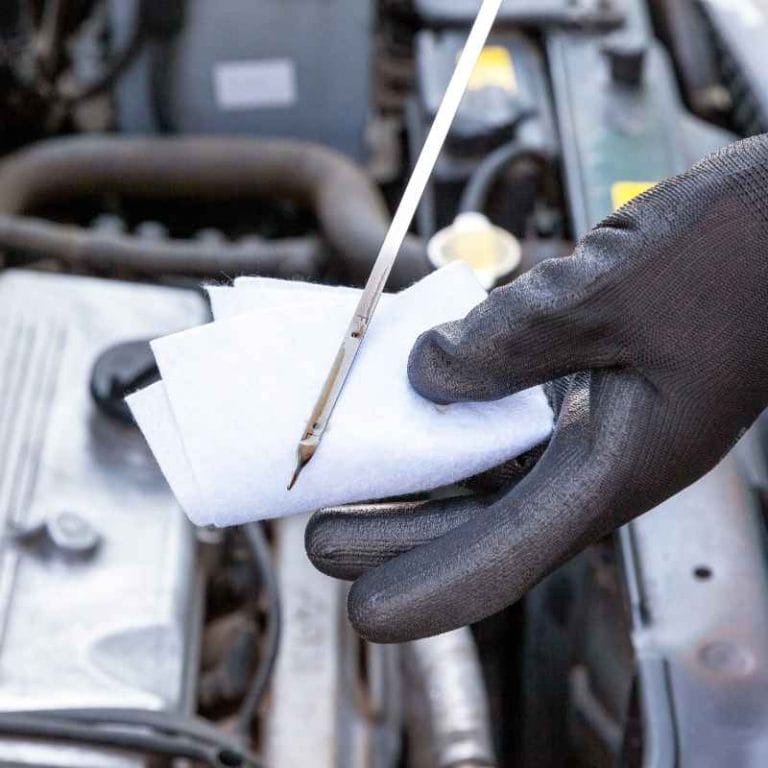
- Low oil level: Use the dipstick to check for adequate oil volume. Consistently low levels can indicate leaks or burning.
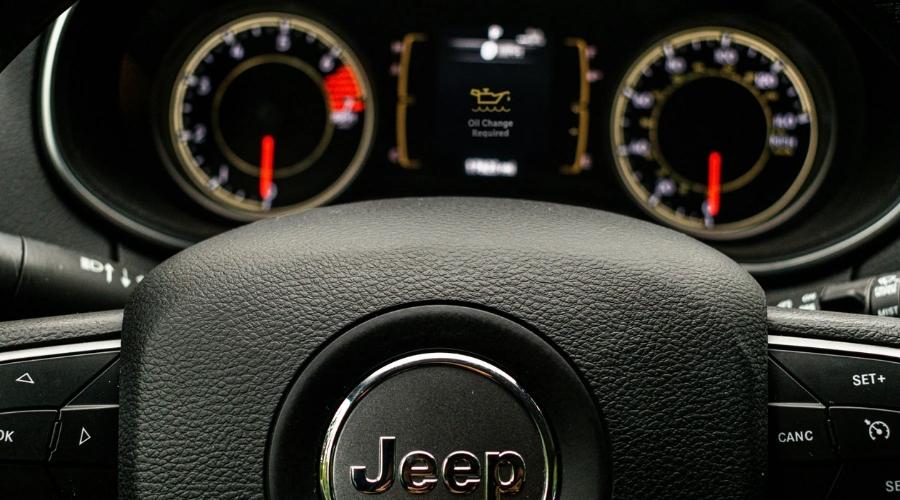
- Oil change light: Many vehicles display a dashboard alert when oil needs changing.
Auditory And Performance Cues
- Engine noise: Increased ticking, knocking, or rough running may signal insufficient lubrication.
- Decreased performance: Loss of power or sluggish acceleration can result from degraded oil.
Physical Symptoms
- Exhaust smoke: Blue or gray smoke may indicate burning oil, often due to worn seals or gaskets.
- Burning smell: Overheated or low oil can produce a distinct burnt odor inside or outside the car.
Example: When I Tested This
Going beyond the recommended oil change interval often results in a faint ticking noise at idle and a mild loss of throttle response. An oil check revealed the oil had turned dark and gritty.
After changing it, both symptoms disappeared, an immediate reminder of the importance of timely oil changes.
Pro Tip:
If you notice any of these signs before your scheduled interval, change your oil immediately. Ignoring symptoms can result in costly engine damage.
Comparing Oil Types And Their Change Intervals
Conventional Vs. Synthetic Vs. Synthetic Blend
To help you choose the right oil and understand how it affects your change schedule, let’s compare the major types:
| Oil Type | Typical Change Interval (miles) | Cost per Quart (approx.) | Main Advantages | Main Drawbacks |
|---|---|---|---|---|
| Conventional | 3,000, 5,000 | $4, $6 | Low cost, widely available | Shorter intervals, less protection |
| Synthetic | 7,500, 15,000 | $8, $12 | Longer intervals, better high-temp stability | Higher upfront cost |
| Synthetic Blend | 5,000, 7,500 | $6, $8 | Balanced cost/performance | Not as long-lasting as full synthetic |
| High-Mileage | 3,000, 7,500 | $7, $9 | Protects older engines, reduces leaks | Costlier than conventional |
How To Choose The Right Oil For Your Car
- Check your manual for recommended viscosity and type.
- Consider climate: Synthetic oils perform better in extreme cold or heat.
- For vehicles over 75,000 miles, consider high-mileage oil.
Example: Synthetic Oil In A Turbocharged Engine
A driver using a turbocharged car in a hot climate switched to synthetic oil, enabling safe intervals of 10,000 miles between changes without any signs of sludge or excessive wear. In contrast, the previous use of conventional oil led to darkened oil and increased top-offs at just 4,000 miles.
Pro Tip:
If you switch oil types (e. g. , from conventional to synthetic), there’s generally no need to flush the engine, but always use an oil meeting the specifications in your manual.
The Impact Of Oil Changes On Engine Longevity
How Oil Changes Prevent Engine Wear
Regular oil changes keep internal parts lubricated and free of abrasive particles. Clean oil forms a protective film, minimizing metal-on-metal contact and heat buildup. Over time, oil accumulates contaminants like dirt, soot, and metal shavings. If not removed, these particles scratch and erode engine surfaces, accelerating wear.
According to a report by Edmunds, neglecting oil changes is one of the leading causes of premature engine failure. Engines run hotter, seals dry out, and critical components like camshafts and crankshafts can seize, often requiring a full engine rebuild or replacement.
Oil Changes And Fuel Efficiency
Dirty oil increases engine friction, causing the engine to work harder and burn more fuel. The U. S. Department of Energy notes that using the manufacturer’s recommended grade of oil can improve fuel efficiency by up to 2%. While this may sound minor, over tens of thousands of miles, the savings add up.
Maintaining Your Warranty
Most new cars come with powertrain warranties that require documented maintenance, including timely oil changes. Failing to follow these guidelines can void your warranty and leave you responsible for costly repairs.
Example: High-mileage Vehicle
A vehicle owner who consistently changed oil every 5,000 miles reported reaching 250,000 miles without major engine repairs. Their mechanic attributed the engine’s health to regular oil and filter changes, underscoring how this simple habit can add years to an engine’s lifespan.
How To Change Your Car Engine Oil: Step-by-step
Diy Vs. Professional Service
While many car owners opt for professional oil changes for convenience, changing oil yourself can save money and give you greater control over the process. However, it requires proper tools, safe disposal practices, and attention to detail.
Tools And Materials Needed
- Correct grade and amount of engine oil
- New oil filter
- Oil filter wrench
- Socket or wrench set
- Oil drain pan
- Funnel
- Gloves and rags
Step-by-step Process
- Warm up the engine: Run the car for a few minutes to thin the oil for easier draining.
- Lift the car: Use ramps or a jack and stands for access.
- Drain old oil: Remove the drain plug and collect oil in a pan.
- Replace oil filter: Remove the old filter and install a new one, lubricating the gasket.
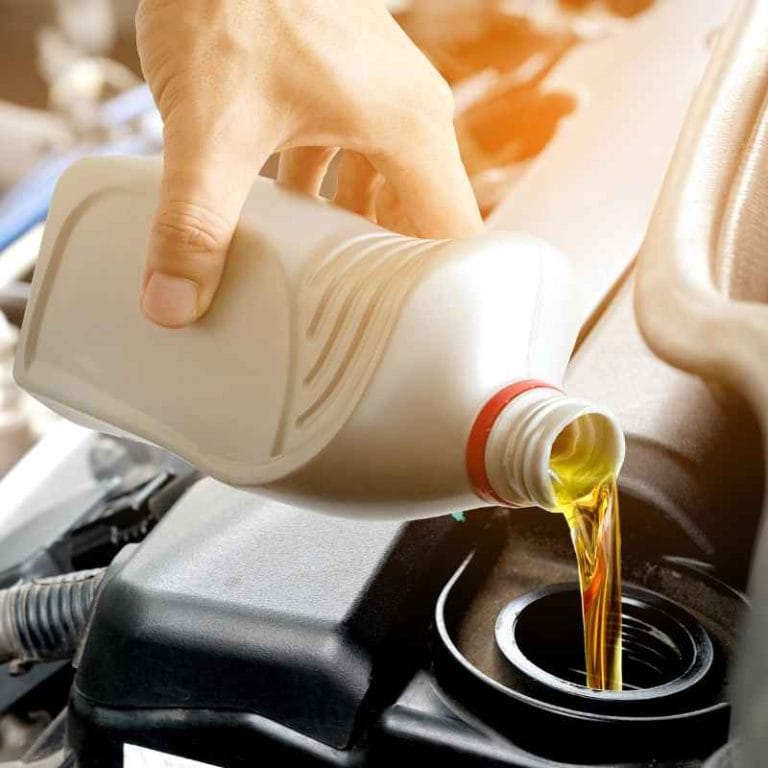
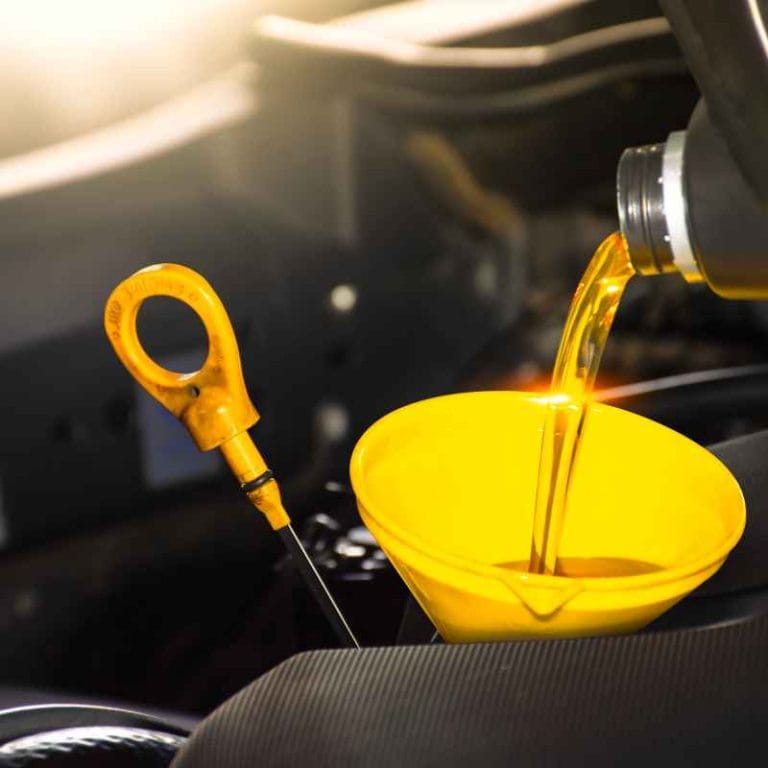
- Add new oil: Tighten the drain plug, add fresh oil through the filler cap, and check the dipstick.
- Check for leaks: Run the engine and inspect for drips.
- Dispose of old oil: Take used oil to a recycling center, never dump it.
When To Rely On A Professional
- If your car has an underbody shield that’s hard to remove
- You lack proper tools or workspace
- You want a full inspection (many quick-lube shops include tire rotation, fluid top-offs, and a safety check)
Example: Cost Comparison
| Service Type | Average Cost | Time Required | Included Services |
|---|---|---|---|
| DIY Oil Change | $25, $45 | 30, 60 min | Oil, filter, personal inspection |
| Quick-Lube Shop | $40, $70 | 15, 30 min | Oil, filter, basic inspection |
| Dealership | $60, $120 | 30, 60 min | OEM oil/filter, multi-point inspection |
Pro Tip: Always keep receipts and records of oil changes, whether DIY or professional, to maintain your warranty and document vehicle care.
Environmental Impact And Responsible Disposal
Why Proper Disposal Matters
Used engine oil contains heavy metals and toxins that can contaminate soil and water. According to the U.S. Environmental Protection Agency, a single oil change improperly disposed of can pollute 1 million gallons of fresh water.
How To Dispose Of Used Oil Responsibly
- Collect oil in a sealed container.
- Take it to a certified recycling center or auto parts store.
- Never dump oil down drains, in trash, or on the ground.
Most service shops will recycle your old oil as part of the service.
The Role Of Extended-interval Oils
Extended-life synthetic oils reduce waste by cutting the number of oil changes needed over a vehicle’s lifetime. However, always follow manufacturer guidelines to avoid overextending intervals.
Example: Community Collection Programs
Many municipalities offer household hazardous waste events where residents can drop off used oil and filters for free. Check with your local government for recycling options.
For more information on oil recycling, see the EPA’s used oil management program: EPA Used Oil Management.
Frequently Asked Questions
How Can I Tell If My Oil Needs Changing Before The Scheduled Interval?
Besides checking for dark, dirty oil or low levels, pay attention to increased engine noise, sluggish performance, and burning smells. If your oil life monitor triggers early, trust the warning, it accounts for driving conditions that accelerate oil breakdown.
Is It Possible To Change Oil Too Often?
While more frequent changes won’t harm your engine, it’s unnecessary and wasteful if you use quality oil and follow manufacturer guidelines. Over-changing increases costs and environmental impact without significant benefit in modern engines.
Can I Switch Between Conventional And Synthetic Oil?
Yes, you can switch between oil types as long as you use the correct viscosity and meet manufacturer specifications. No flushing is required, but mixing oils dilutes the benefits of full synthetics.
What Happens If I Delay An Oil Change By 1,000 Miles?
A slight delay is unlikely to cause immediate harm, especially with synthetic oils. However, habitually postponing oil changes can accelerate engine wear and void warranties. If you’re overdue, change your oil as soon as possible.
Do Electric Vehicles (evs) Need Engine Oil Changes?
No, pure EVs do not have internal combustion engines and do not require engine oil. However, hybrid vehicles may still need regular oil changes for their gasoline engines, check your owner’s manual for details.
If you want more details on oil types and the science behind oil changes, visit Wikipedia: Motor Oil.
Regular oil changes are more than a maintenance routine, they’re a cornerstone of responsible car ownership. By understanding your vehicle’s needs, choosing the right oil, and paying attention to both manufacturer recommendations and real-world signs, you can extend your engine’s life, save money, and drive with confidence.
Whether you’re a DIY enthusiast or rely on professionals, making informed decisions about oil changes will keep your car running smoothly for years to come.
Products related to this article
Sponsored / affiliate links. As an Amazon Associate I earn from qualifying purchases. I may earn additional commission from eligible campaigns.
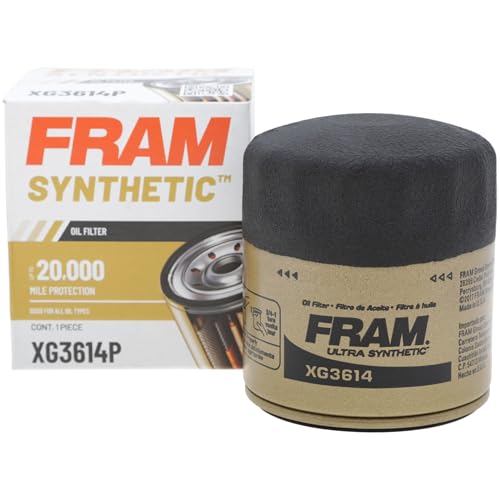 FRAM Synthetic XG3614P 20K Mile Change Automotive Replacement Engine Oil Filter for Synthetic Oil Changes, Premium Vehicle Engine Protection Oil Filter for Select Vehicle Model Years
 RVS Technology G6 Engine oil Treatment; For Gasoline Engines with a Motor oil capacity up to 6 quarts; Save fuel, Boost Power and Safely Restore and protect your Car, Truck, and all other engines