How Many Lights Does a Car Have? Full Breakdown Inside
Cars are marvels of modern engineering, blending safety, style, and technology. Yet, one often-overlooked aspect is the extensive array of lights integrated into every vehicle. From the iconic headlights illuminating night roads to intricate interior ambient lighting, each light serves a distinct purpose.
Whether you’re a car owner, enthusiast, or prospective buyer, understanding the full breakdown of how many lights a car has, and their roles, is crucial for safety, maintenance, and legal compliance.
Lighting systems have evolved dramatically, especially in the last two decades, as manufacturers strive to enhance visibility and aesthetics. With the introduction of LEDs, adaptive technologies, and smart sensors, today’s vehicles feature more lights than ever before. This article provides a comprehensive, data-driven breakdown of every light found in a standard modern car, compares systems across categories, and highlights crucial insights for drivers.
Key Takeaways
- A typical modern car has 20 to 30 distinct lights, including exterior and interior, but luxury models often exceed 40.
- Lighting systems serve purposes ranging from visibility and signaling to comfort and safety.
- LED technology is becoming standard, offering longer lifespan and lower energy consumption.
- Regulations mandate specific lights, but optional features vary by brand and model.
- Maintenance and proper functioning of lights are essential for road safety and legal compliance.
Exterior Lighting: The Foundation Of Vehicle Visibility
Exterior lights are the most visible and essential components for both driver and pedestrian safety. Each light fulfills a unique function, regulated by automotive standards worldwide.
Headlights
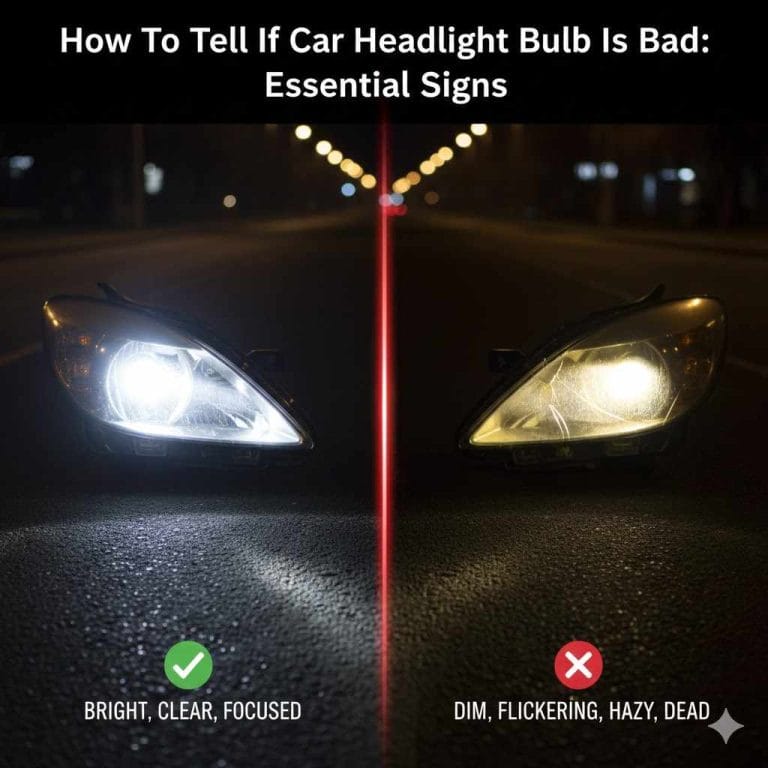
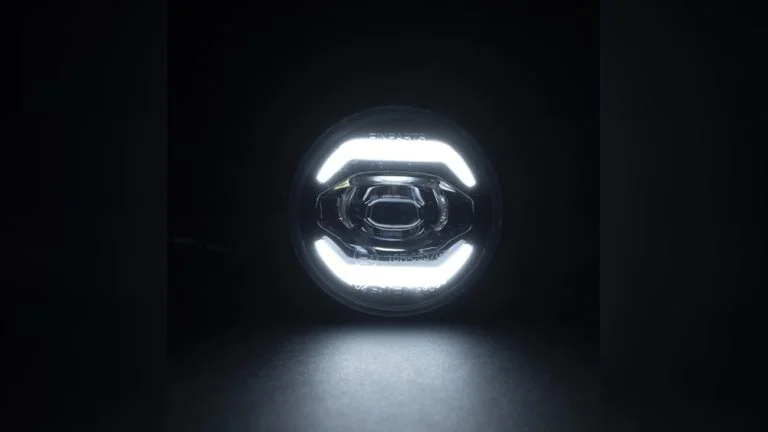
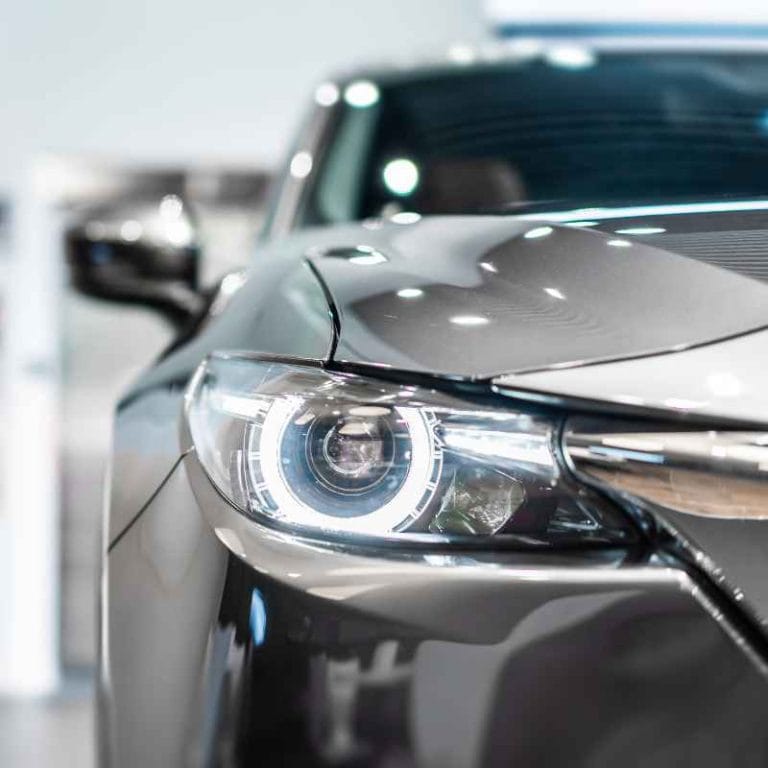
Headlights are the primary light source for night driving and low-visibility conditions. They typically consist of:
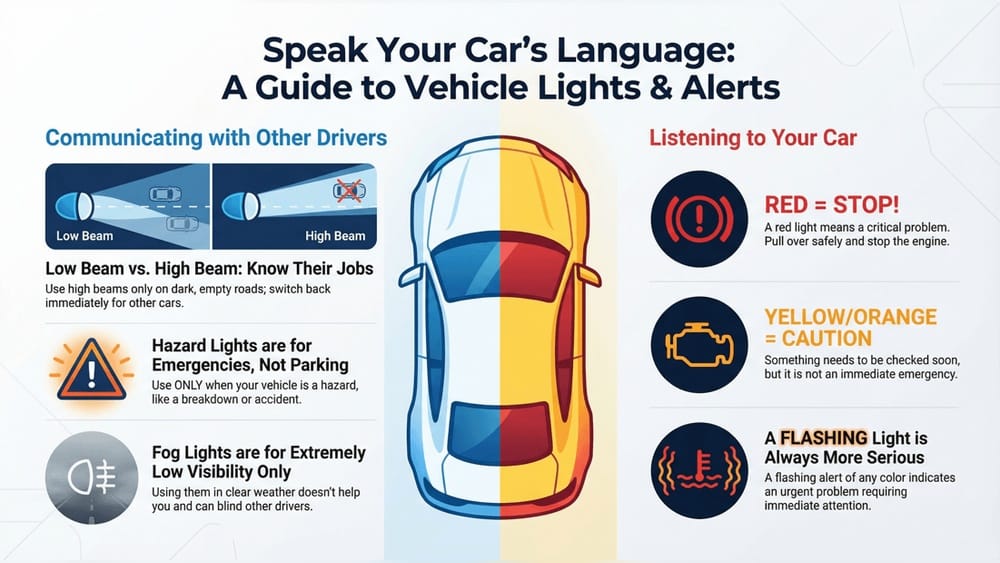
- Low beam (dipped): Used for standard night driving, minimizing glare for oncoming traffic.
- High beam (full): Activated in very dark conditions to maximize visibility.
Modern vehicles often feature adaptive headlights that adjust beam direction based on steering, providing enhanced visibility around curves. According to the Insurance Institute for Highway Safety (IIHS), vehicles with adaptive headlights report a 10% reduction in nighttime crashes.
Daytime Running Lights (drls)
DRLs automatically activate when the engine is running, enhancing vehicle visibility during the day. While not mandatory in all countries, DRLs are standard in most European and North American vehicles.
- LED DRLs: Common in contemporary models for efficiency and style.
- Halogen DRLs: Found in older vehicles.
Taillights
Taillights are mounted at the rear, illuminating when headlights are on. They signal the car’s presence to vehicles behind, especially in low-light conditions.
- Standard taillights: Typically red, always paired with brake lights.
- LED taillights: Offer faster illumination and distinct shapes.
Brake Lights
Brake lights activate when the driver presses the brake pedal, alerting drivers behind to slow down. Regulations require at least two brake lights, but most cars feature three (including the center high-mount stop light, or CHMSL).
Turn Signal Lights
Turn signals, or indicators, flash on either side of the car to indicate direction changes. They are required by law and are often integrated into:
- Headlights or taillights
- Side mirrors (in newer models)
Reverse Lights
Reverse lights are white and illuminate when the vehicle is in reverse gear, signaling to others and aiding the driver during backing.
Fog Lights
Fog lights are positioned lower on the front bumper, designed to cut through fog, rain, and snow. They emit a wide, flat beam to minimize reflection.
Side Marker Lights
Side marker lights increase visibility from the side, especially at intersections. U. S. regulations mandate amber front and red rear side markers.
License Plate Lights
License plate lights illuminate the rear plate, ensuring visibility for law enforcement and compliance with regulations.
| Light Type | Location | Typical Quantity | Function |
|---|---|---|---|
| Headlights | Front | 2 | Night/low visibility |
| DRLs | Front | 2 | Daytime visibility |
| Taillights | Rear | 2 | Rear visibility |
| Brake Lights | Rear | 2-3 | Indicate braking |
| Turn Signals | Front/Rear | 4 | Directional change |
| Reverse Lights | Rear | 2 | Reverse indication |
| Fog Lights | Front/Rear | 2-4 | Foggy conditions |
| Side Marker Lights | Sides | 2-4 | Side visibility |
| License Plate Lights | Rear | 1-2 | Plate illumination |
Real-world Example: 2026 Toyota Camry
The 2026 Toyota Camry features:
- 2 LED headlights (with adaptive function)
- 2 LED DRLs
- 2 LED taillights
- 3 brake lights (including CHMSL)
- 4 turn signals (front and rear)
- 2 reverse lights
- 2 fog lights
- 4 side marker lights
- 2 license plate lights
This totals 23 exterior lights, not including optional extras such as puddle lights.
Credit: holacarrentals.com
Interior Lighting: Comfort, Safety, And Functionality
While exterior lights are critical for visibility and signaling, interior lights enhance driver and passenger experience, providing illumination for various tasks and ambiance.
Cabin Dome And Map Lights
Dome lights are centrally located, illuminating the cabin when doors open or when manually switched on. Map lights are positioned above the driver and passenger seats for reading or focused tasks.
- Most cars have 1-2 dome lights and 2 map lights.
Instrument Cluster Lights
Instrument cluster lights backlight the dashboard gauges, ensuring visibility of speed, fuel level, and other metrics at night.
- Typically, 10-20 small LEDs or bulbs are used, depending on dashboard complexity.
Glove Box, Trunk, And Footwell Lights
- Glove box lights: Activate when opened, aiding item retrieval.
- Trunk lights: Illuminate the cargo area for loading/unloading.
- Footwell lights: Provide subtle lighting for feet and enhance ambiance.
Door Panel And Ambient Lighting
Many modern vehicles feature ambient lighting, customizable LEDs in doors, dashboard, and center console. Luxury brands like Mercedes-Benz and BMW offer up to 64 color choices.
- Ambient lighting systems can have 10+ lights in premium vehicles.
Vanity Mirror And Reading Lights
Vanity mirrors in sun visors often include integrated lights. Rear passengers may have individual reading lights.
Example: 2026 Mercedes-benz S-class
The S-Class includes:
- 1 central dome light
- 2 map lights (front)
- 2 map lights (rear)
- 2 reading lights (rear)
- 1 glove box light
- 1 trunk light
- 4 footwell lights
- 12 ambient lighting strips
- 2 vanity mirror lights
Total: 27 interior lights, demonstrating how luxury vehicles can greatly exceed average counts.
| Light Type | Location | Typical Quantity | Function |
|---|---|---|---|
| Dome Light | Cabin | 1-2 | General illumination |
| Map Lights | Front/rear | 2-4 | Focused tasks |
| Instrument Cluster | Dashboard | 10-20 | Gauge visibility |
| Glove Box Light | Front | 1 | Glove box illumination |
| Trunk Light | Rear | 1 | Trunk illumination |
| Footwell Lights | Front/rear | 2-4 | Ambiance/task |
| Ambient Lighting | Cabin | 2-12 | Style/ambiance |
| Vanity Mirror Lights | Sun visors | 2 | Mirror illumination |
Pro Tip:
Customizable color schemes in the ambient lighting of the Mercedes-Benz S-Class not only enhance aesthetics but also reduce eye strain during night driving.
Credit: www.seg-automotive.com
Specialized And Optional Lighting Features
Modern cars increasingly offer optional and specialized lighting systems, elevating both safety and luxury.
Puddle Lights
Puddle lights are mounted beneath side mirrors or doors, illuminating the ground when the door is opened, preventing missteps and improving visibility in dark parking lots.
- Common in premium vehicles, usually 2-4 per car.
Adaptive And Matrix Lighting
Adaptive headlights change their beam direction and intensity based on speed, steering, and weather. Matrix LEDs selectively dim or brighten zones to avoid blinding other drivers, as seen in Audi’s advanced systems.
Cornering Lights
Cornering lights activate when turning, illuminating blind spots and enhancing safety in urban environments.
Welcome And Goodbye Light Sequences
Luxury brands often feature welcome lights that activate as you approach, and goodbye lights when you leave, creating a personalized experience.
Example: 2026 Audi A8
The Audi A8 offers:
- 2 matrix LED headlights
- 4 adaptive cornering lights
- 2 puddle lights
- 2 welcome lights
- 2 goodbye lights
These specialized features total 12 additional lights, showing how technology advances increase the total count.

Credit: www.amazon.com.be
Regulatory Requirements And Lighting Standards
Vehicle lighting is governed by strict regulations for safety and compliance. The Federal Motor Vehicle Safety Standards (FMVSS) in the U.S. and the Economic Commission for Europe (ECE) standards internationally specify required lights, placement, and performance.
Mandatory Lights
Every car must have:
- Headlights (low/high beam)
- Taillights
- Brake lights
- Turn signals
- Reverse lights
- License plate lights
- Side marker lights (in some regions)
Optional And Region-specific Lights
- Fog lights: Mandated in Europe but optional in the U.S.
- DRLs: Required in Canada and Europe, optional in the U.S.
- Rear fog lights: Common in Europe, rare in North America.
Color And Intensity Regulations
- White or yellow for headlights and DRLs
- Red for taillights and brake lights
- Amber for turn signals and front side markers
- White for reverse lights and license plate lights
Example: U.s. Vs. European Standards
| Regulation | U.S. Requirement | European Requirement |
|---|---|---|
| DRLs | Optional | Mandatory |
| Rear Fog Lights | Optional | Mandatory |
| Side Marker Lights | Mandatory | Optional |
| Turn Signal Color | Front: Amber or White Rear: Red or Amber |
Front/Rear: Amber only |
Warning:
Failure to maintain required lights can lead to fines, failed inspections, and increased accident risk. Always consult your vehicle manual and local regulations.
Lighting Technologies: Halogen, Led, Xenon, And Laser
The evolution of automotive lighting has brought significant advances in brightness, efficiency, and lifespan. Different technologies are used for various lights.
Halogen
Halogen bulbs are the most common in older vehicles due to low cost and ease of replacement. They have a lifespan of about 500 hours and emit a yellowish light.
Led
LEDs are now dominant, offering:
- Lifespans exceeding 15,000 hours
- Lower energy consumption
- Instant illumination
- Customizable shapes and colors
According to a study by the U. S. Department of Energy, LED headlights can improve visibility by 20% compared to halogen.
Xenon (hid)
Xenon or High-Intensity Discharge (HID) bulbs provide intense white-blue light and are used in premium models. They last longer than halogen but are more expensive to replace.
Laser
Laser headlights, available in select BMW and Audi models, offer superior brightness and range but are currently limited to high-end vehicles.
| Technology | Brightness | Lifespan | Energy Efficiency | Cost |
|---|---|---|---|---|
| Halogen | Moderate | ~500 hours | Low | Low |
| LED | High | 15,000+ hours | High | Moderate |
| Xenon | Very High | 3,000 hours | Moderate | High |
| Laser | Extreme | 20,000+ hours | Very High | Very High |
Example: Led Adoption
According to NHTSA, over 85% of new cars sold in the U.S. in 2026 feature LED lighting for headlights and taillights.
Maintenance And Troubleshooting: Ensuring Safety And Compliance
Proper maintenance of vehicle lights is critical for safety and regulatory compliance. Neglecting a single brake light can result in failed inspections and costly repairs.
Routine Checks
Drivers should routinely inspect:
- Headlights, taillights, and brake lights for function and brightness
- Turn signals and reverse lights for correct operation
- License plate, fog, and side marker lights for visibility
Replacement And Upgrades
- Replace bulbs promptly when they fail; LED upgrades are recommended for longevity.
- Consult your vehicle manual for bulb types and access instructions.
Common Issues
- Burned-out bulbs: Most frequent issue, easily resolved.
- Faulty wiring: Can cause intermittent failures; professional diagnosis is required.
- Moisture intrusion: May lead to fogging or corrosion, impacting performance.
Example: Diy Replacement
Replacing a halogen headlight typically costs $15, $25 and takes 10 minutes. Upgrading to LED requires a compatible kit and may cost $50, $100 per bulb.
Pro Tip:
Always wear gloves when handling bulbs, especially halogen, to prevent oil transfer and extend lifespan.
Car Lighting In Electric And Autonomous Vehicles
Electric and autonomous cars are redefining vehicle lighting, incorporating advanced features for safety, communication, and style.
Electric Vehicle (ev) Lighting
EVs often use full-LED systems to maximize efficiency. Tesla’s Model 3 includes:
- 2 adaptive LED headlights
- 2 LED taillights
- 2 LED DRLs
- 2 LED reverse lights
- 2 LED turn signals (front/rear)
- 2 LED license plate lights
EVs may also feature charging port indicator lights to display charging status.
Autonomous Vehicle Lighting
Autonomous vehicles like Waymo’s fleet utilize specialized lights for:
- Sensor visibility: Ensuring LIDAR and cameras function optimally.
- Communication: Displaying signals to pedestrians and other vehicles (e.g., “yielding” or “autonomous mode”).
Example: Tesla Model 3
Tesla Model 3 integrates 20+ exterior and interior LED lights, including unique features such as charging status indicators and driver attention alerts.
Wikipedia Automotive Lighting provides additional details on the evolution and standards of automotive lighting.
Frequently Asked Questions
How Many Lights Does A Typical Car Have In Total?
A typical modern car features 20 to 30 distinct lights, covering both exterior and interior functions. Luxury or advanced models may have 40 or more due to ambient and specialized lighting systems.
Why Do Luxury Cars Have More Lights Than Standard Models?
Luxury cars prioritize comfort, customization, and safety, adding ambient lighting, puddle lights, welcome sequences, and advanced adaptive systems. This often doubles the light count compared to standard vehicles.
Are All Car Lights Required By Law?
Not all lights are legally required. Headlights, taillights, brake lights, turn signals, reverse lights, and license plate lights are mandatory. Features like ambient lighting, puddle lights, and cornering lights are optional and depend on manufacturer offerings and regional regulations.
How Often Should Car Lights Be Checked Or Replaced?
Car lights should be checked monthly and before long trips. Replacement depends on the technology: halogen bulbs typically last 500 hours, LEDs 15,000+ hours, and Xenon bulbs about 3,000 hours. Always consult your manual and consider professional inspection annually.
What Is The Impact Of Faulty Car Lights On Safety And Legal Compliance?
Faulty lights increase accident risk and can result in fines or failed inspections. For example, missing brake lights reduce rear visibility, and non-functioning headlights impair night driving. Legal compliance and safety demand regular maintenance and timely repairs.
Cars today integrate a remarkable number of lights, each designed with safety, function, and style in mind. Whether you drive a compact sedan or a luxury SUV, understanding the complete lighting breakdown empowers you to maintain your vehicle, stay safe, and enjoy the benefits of modern technology.
As lighting systems continue to advance, drivers can expect even greater integration of smart features, efficiency, and customization in the future.
Products related to this article
Sponsored / affiliate links. As an Amazon Associate I earn from qualifying purchases. I may earn additional commission from eligible campaigns.