When Should You Have Car Lights On? Rules Every Driver Needs
It’s a question many drivers might not think about much until it’s dark, rainy, or foggy. Then, suddenly, you’re unsure if your car lights are on when they should be. This can be a little stressful, especially if you’re trying to drive safely and follow all the rules.
We’ve all been there, looking at other cars and wondering, “Am I doing this right?”
This guide is here to clear up all those hazy moments. We’ll break down what your car lights do, when to use them, and what the general rules are. The goal is simple: to help you feel confident and drive safer, no matter the weather or time of day.
You’ll learn about different light types and understand why they matter so much for you and everyone else on the road. Let’s make driving a little less guesswork and a lot more clear.
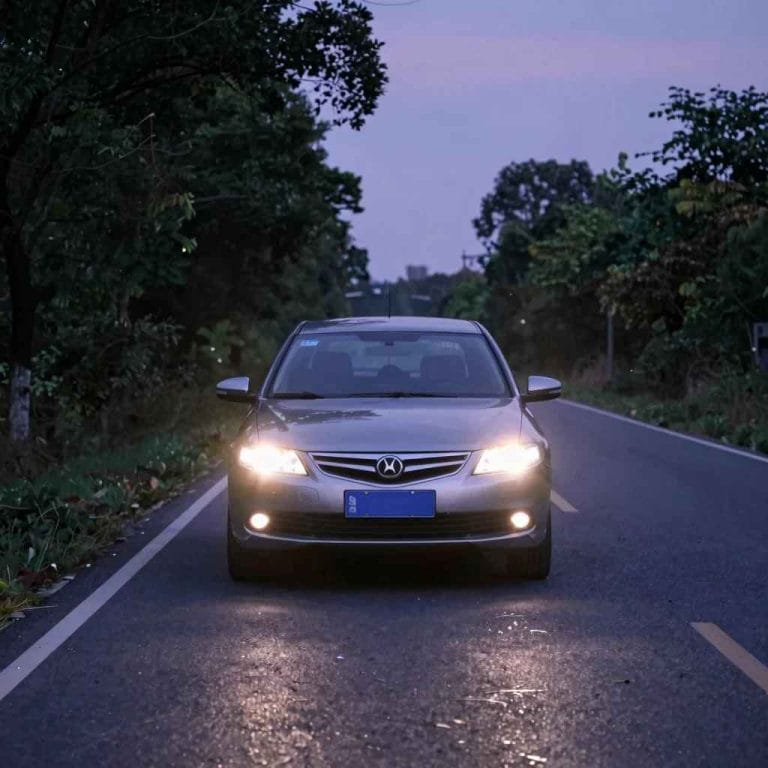
The basic rule is to have your car lights on whenever visibility is low. This includes nighttime, fog, rain, snow, and dusk or dawn. Many cars also have daytime running lights (DRLs) that come on automatically. Your headlights are essential for seeing the road and being seen by others.
Understanding Your Car’s Lights
Your car has several types of lights, and they all serve a purpose. Knowing what each one does helps you use them correctly. This isn’t just about following rules; it’s about making sure everyone on the road can see and be seen.

TEKSHINNY
4Pcs Car LED Lights Interior Wireless, 7…
- 7 Colors Car Light: The led interior car lights are built-in 6 RGB LED lamp beads, which can be changed 7 different colors by touc…
- Touch Switch Design: Our led lights for car interior features touch control, one-key perspective lighting. Long touch to turn on/o…
- Easy to Use: Stick the the iron plate in one place with double-sided tape, then put the light on it to complete the installation a…
As an Amazon Associate I earn from qualifying purchases.
Let’s look at the main players.
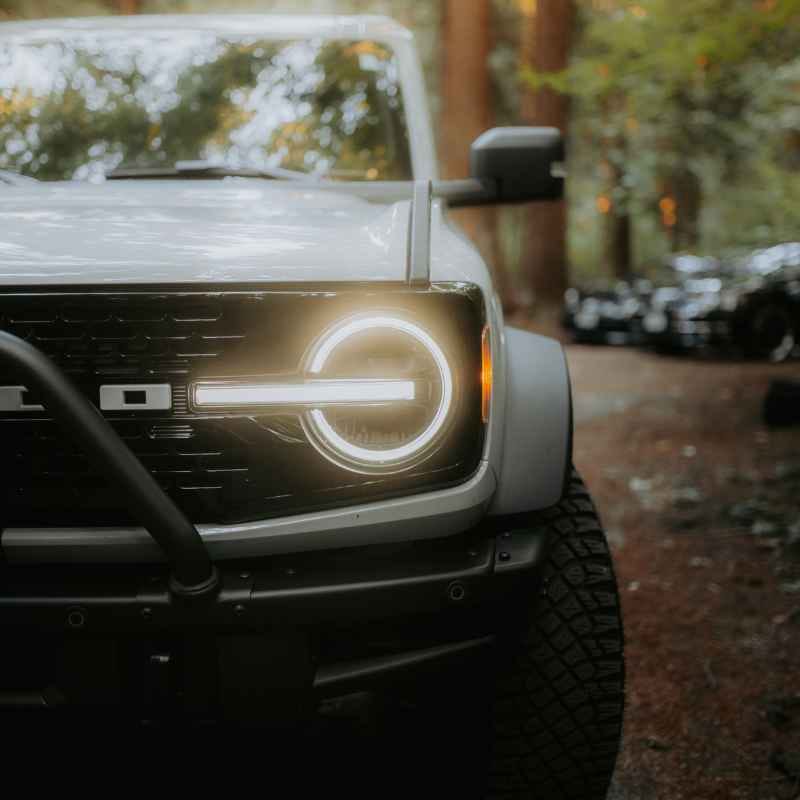
Daytime Running Lights (DRLs) are the most common these days. You’ll see them on most new cars. They are the smaller, often brighter lights that turn on automatically when you start your car.
Their main job is to make your car more visible to others during the day. They are usually less bright than headlights. Think of them as a ‘hello’ to other drivers.
They don’t light up the road ahead much. They are a key safety feature for daylight driving.
Headlights are your main lights for seeing. They come on when it’s dark or visibility is poor. Most cars have two sets: low beams and high beams.
Low beams are for normal driving, especially in town or when there are other cars around. They point down to light the road ahead without blinding other drivers. High beams are much brighter and point up.
You use them on empty roads to see farther. But you must switch to low beams when you see oncoming traffic or are following another car. Using high beams improperly can really dazzle other drivers.
Parking Lights are a bit of a throwback for some. These are weaker lights, usually at the front and back of your car. They are less bright than DRLs or headlights.
You use them when you’re parked on the street where it’s dark. They let other drivers know your car is there. They aren’t strong enough for driving.
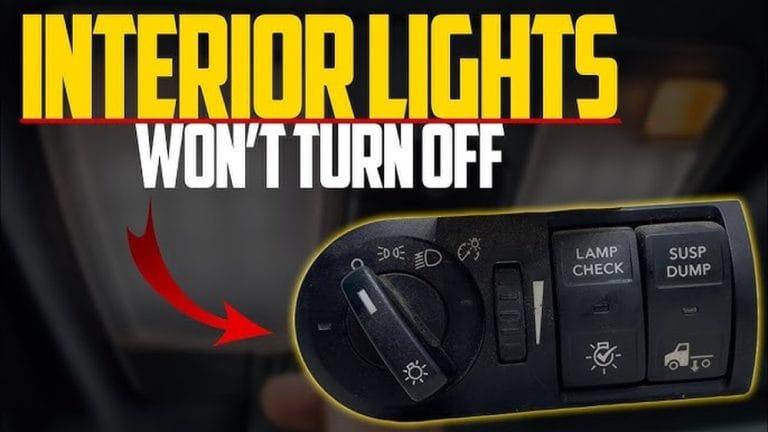
Always check your car’s manual to see how to turn these on and off. They are often controlled by a specific dial or switch setting.
Taillights are the red lights at the back of your car. They turn on with your headlights or parking lights. Their job is to make sure other drivers can see your car from behind.
They are crucial for preventing rear-end collisions, especially in bad weather or at night. They also often house your brake lights, which are a separate, brighter red light that comes on when you press the brake pedal.
Brake Lights are super important. They are the brighter red lights on the back of your car. They signal to drivers behind you that you are slowing down or stopping.
If these aren’t working, it’s a big safety risk. It’s easy to forget about them, but they’re vital for everyone’s safety.
Turn Signals, or blinkers, are the flashing lights, usually amber at the front and red at the back. They tell other drivers which way you plan to turn. Use them well before you make a turn.
This gives others time to react. Clear communication with turn signals is key to safe driving.

Why Visibility Matters: More Than Just Seeing
Thinking about when your car lights should be on isn’t just about knowing the law. It’s deeply tied to your safety and the safety of everyone else on the road. When visibility is poor, your car lights do two major things: they help you see the road ahead, and more importantly, they help others see you.
Imagine driving in heavy rain or thick fog. The world can get pretty hazy. Your headlights cut through that haze, showing you where to steer and what’s coming up.
Without them, you’re basically driving blind. This is where low visibility becomes a real danger. It’s not just about seeing obstacles; it’s about being able to react in time.
But it’s also about being seen. Many accidents happen because one driver simply didn’t see another vehicle. This is especially true at dawn, dusk, or on cloudy days.
Your car might blend in with the surroundings. DRLs and headlights make your vehicle stand out. They act as an alert to other drivers, cyclists, and even pedestrians.
They say, “I’m here!”
In the U.S., laws about lights are designed to ensure this visibility. They are based on common sense and a lot of data from accident reports. The idea is simple: if you can’t see well, or if others can’t see you well, you need your lights on.
This applies to more than just nighttime driving. Think about driving through a dark tunnel, a sudden heavy downpour, or a dusty road. These situations all call for your lights.
The National Highway Traffic Safety Administration (NHTSA) often talks about the importance of being visible. They highlight that being seen is as critical as seeing. This is why many states have laws requiring headlights to be on during specific weather conditions.
It’s a proactive measure. It helps prevent accidents before they happen. So, when you flip on your lights, you’re not just following a rule; you’re actively participating in making the roads safer for everyone.
Even on a clear day, if the sun is low and casting long shadows, or if you’re in a wooded area where light is dappled, your car can be harder to see. Using your headlights in these conditions, especially if your car doesn’t have strong DRLs, can make a difference. It’s about being proactive rather than reactive.
It’s about contributing to a safer driving environment for all.
The core principle is simple: if your windshield wipers are on, your headlights should be on too. This is a common and easy-to-remember rule of thumb in many places. It covers a wide range of conditions where visibility is compromised.
This includes rain, snow, sleet, and fog. It also applies to dust or smoke that might reduce visibility. Keeping this simple guideline in mind can prevent many dangerous situations.
When Should You Have Car Lights On? The Legal & Practical Guide
So, when exactly should those lights be shining? The rules can vary a bit by state, but there are core principles that apply everywhere in the U.S. The main idea is to use your lights whenever it’s hard to see or be seen.
At Night: This is the most obvious time. When the sun goes down, your headlights are essential. You need them to see the road, pedestrians, and other vehicles. Always use your low beams when there are other cars around.
Switch to high beams only on empty, dark roads. Remember to dip your high beams when you see another car approaching or when you’re following someone. This shows respect for other drivers and keeps them safe.
During Dusk and Dawn: These are tricky times. The light is changing rapidly. It can be hard for your eyes to adjust. Even if it doesn’t feel fully dark, it’s often a good idea to turn on your headlights.
This is especially true if the sun is low and directly in your eyes. Many people overlook this period. Being visible during these transitional hours can prevent accidents.
It’s a crucial time for drivers to be extra cautious.
In Bad Weather: This is where many accidents happen. If visibility is reduced due to weather, turn on your lights. This includes:
- Rain: Heavy rain can make it hard to see the road and for others to see you.
- Fog: Fog is one of the most dangerous conditions. Use your low beams and fog lights if you have them. Never use high beams in fog; they will reflect off the fog and make it harder to see.
- Snow: Snowfall, especially blowing snow, severely limits visibility.
- Sleet: Similar to rain and snow, sleet reduces visibility.
A good rule of thumb: if your windshield wipers are on, your headlights should be on. This is a widely accepted safety guideline.
In Tunnels and Underpasses: These areas are often dimly lit, even during the day. Always turn on your headlights when entering a tunnel or underpass. Remember to turn them off when you exit, unless conditions still require them.
When Parking on the Street at Night: If you park your car on a public road at night, especially if it’s dark or visibility is poor, you should use your parking lights. This makes your parked car visible to other drivers, helping them avoid hitting it. Check your local laws, as some areas have specific requirements for this.
When Visibility is Generally Poor: This is a catch-all for situations not explicitly listed. Think about driving on a dusty road where the dust hangs in the air. Or driving through a construction zone where there might be smoke or debris.
Use your judgment. If you have any doubt about whether others can see you, turn on your lights.
Daytime Running Lights (DRLs): Most modern cars have DRLs that come on automatically. These are great for daytime visibility. However, DRLs are usually not as bright as headlights.
They also often don’t turn on your taillights. So, even if you have DRLs, you still need to manually turn on your headlights in situations where visibility is low, like rain or fog, or at dusk and dawn. Don’t rely solely on DRLs for low-visibility conditions.
State Laws: It’s important to know the specific laws in your state. Most states require headlights to be on from a half-hour after sunset to a half-hour before sunrise. Many also require them to be on in conditions of poor visibility.
Some states have specific laws about DRLs. A quick search for ” vehicle lighting laws” will give you the precise details you need.
Common Scenarios and What to Do
Let’s walk through some common situations to make it even clearer. These are the moments when you might pause and think, “Should my lights be on?”
Early Morning Commute
You’re heading out for work. It’s 6:30 AM. The sun hasn’t fully risen yet.
It’s still quite dim. In this case, you should definitely have your headlights on. Your DRLs might be on automatically, but they likely don’t illuminate your rear or sides enough.
Turning on your headlights ensures you are seen by other early morning commuters and makes it easier for you to see any early morning hazards.
Driving Home on a Sunny Afternoon
It’s 4:00 PM. The sun is shining brightly. You might think you don’t need your lights.
However, if the sun is low on the horizon, it can create glare. This glare can make it hard for you to see the road and for other drivers to see you. If you’re driving directly into the sun, or if it’s causing significant glare, it’s wise to switch on your headlights, even if it’s daytime.
This is especially true if you’re on a highway or a road with lots of cross-traffic.
Sudden Rain Shower
You’re driving along, and the sky opens up. Rain starts pouring down. Your windshield wipers kick on.
According to the rule of thumb, if your wipers are on, your headlights should be on. The rain is reducing visibility significantly, both for you and for other drivers. Turn on your headlights.
This helps others see your car’s shape and presence through the downpour. Don’t wait until it’s pouring; turn them on as soon as the rain starts affecting visibility.
Driving Through a Forested Area
You’re on a scenic drive, passing through a dense forest. Even though it’s midday, the tall trees block out a lot of sunlight. The road ahead might be dark and shadowy.
Your DRLs might be on, but they won’t help much for seeing the actual road surface. Turning on your headlights will illuminate the path ahead and make your car more visible to any other vehicles or cyclists that might be on the road. It helps cut through the gloom.
Stopping at a Scenic Overlook
You pull over to enjoy a view. It’s late afternoon, around 7:00 PM, and the sun has just set. It’s getting dark fast.
If you’re parked on the side of the road, especially a road with traffic, you should have your parking lights on. This makes your car visible to oncoming traffic. If you’re in a location where your car might be obscured by curves or hills, using your parking lights is essential for safety.
Avoid using your full headlights if you’re parked, as this can blind drivers.
Driving in Thick Fog
You encounter a patch of dense fog. Visibility drops to near zero. This is one of the most dangerous driving conditions.
You must turn on your headlights. Crucially, use your low beams. High beams will reflect off the fog particles, making visibility worse.
If your car has fog lights, turn them on as well. They are designed to cut through fog and illuminate the road close to the ground. Slow down considerably and listen for other vehicles.
The key takeaway from these scenarios is to be proactive. Don’t wait until you can barely see. If you’re in doubt, turn on your lights.
It’s always better to be a little too visible than not visible enough. Most cars have automatic headlights that handle some of these situations, but they aren’t foolproof. Human judgment and understanding the principles behind light usage are still critical.
Quick Light Check Guide
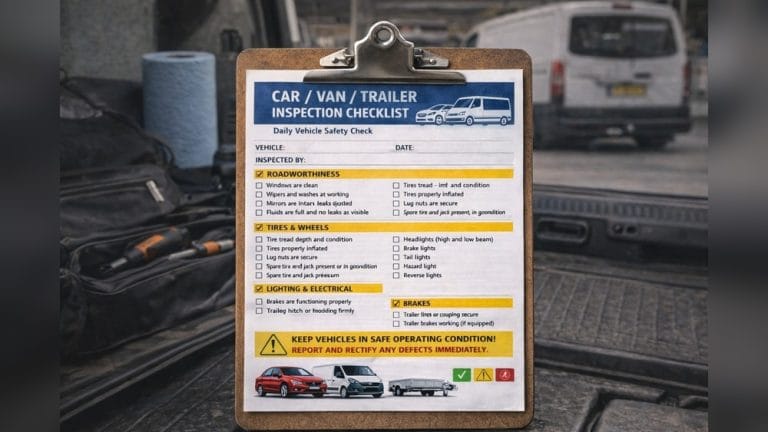
Use this checklist before driving:
- Time of Day: Is it dark, or is it dusk/dawn?
- Weather: Is it raining, snowing, foggy, or is there reduced visibility?
- Location: Are you in a tunnel, underpass, or a dimly lit area?
- Wipers: Are your windshield wipers on?
- Other Cars: Are you following or approaching other vehicles?
If you answered “Yes” to any of these, turn on your headlights.
Understanding DRLs: More Than Just Automatic Lights
Daytime Running Lights, or DRLs, are a standard feature on most cars manufactured since the early 2000s. They are a fantastic safety innovation. But it’s important to understand what they do and, more importantly, what they don’t do.
How DRLs Work: When your car is started and in motion, DRLs typically turn on automatically. They are usually less intense than your full headlights. On many cars, the DRLs are the main headlights running at reduced power.
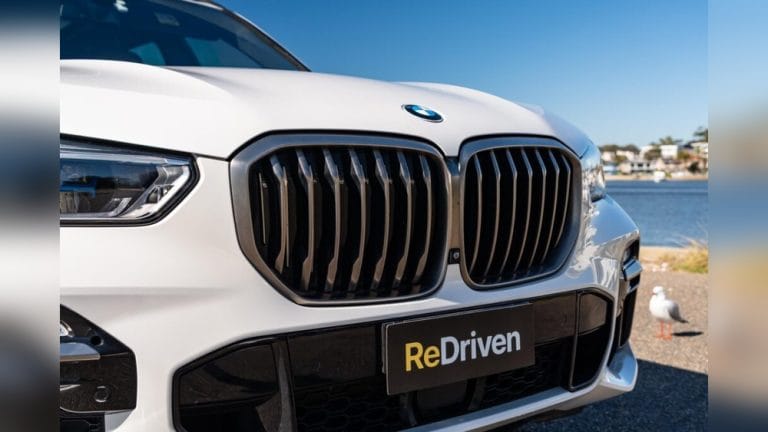
On others, they might be separate, smaller lights, often in the bumper or grille. The primary goal of DRLs is to make your vehicle more visible to others during daylight hours. This can help prevent collisions, especially in complex traffic situations or when the sun is bright.
What DRLs Don’t Do: Here’s the crucial part. DRLs are not designed to illuminate the road ahead for the driver. They are primarily for being seen.
This means that in conditions where you need to see the road clearly – like at night, in fog, heavy rain, or even at dusk and dawn – DRLs are insufficient. They often do not activate your taillights either. So, while other drivers might see your front, they might not see your back.
This is why manual control of your headlights is still essential.
When to Use Headlights with DRLs: Even if your DRLs are on, you must manually switch to your headlights when:
- It’s dark outside (nighttime).
- Visibility is poor due to weather (rain, fog, snow).
- It’s dusk or dawn.
- You are entering a tunnel or underpass.
Think of DRLs as a helpful daytime safety boost. But they are not a replacement for your headlights when you truly need to see and be seen in challenging conditions.
DRLs vs. Headlights: Key Differences
DRLs:
- Purpose: Be seen during the day.
- Brightness: Lower.
- Road Illumination: Minimal.
- Taillights: Often off.
- Activation: Automatic.
Headlights (Low Beams):
- Purpose: See the road and be seen at night/low visibility.
- Brightness: Higher.
- Road Illumination: Significant.
- Taillights: On.
- Activation: Manual (or automatic sensors).
What This Means for You: When It’s Normal and When to Worry
Understanding when your car lights should be on boils down to a few key indicators. Most of the time, it’s straightforward, but sometimes it’s a bit more nuanced.
When It’s Normal to Use Your Lights
It’s perfectly normal and expected to use your headlights during these times:
- After sunset and before sunrise: This is the most common and legally required time.
- During any weather that reduces visibility: Heavy rain, fog, snow, sleet, or even blowing dust. If you can’t see as far as you normally would, or if other drivers might have trouble seeing you, turn them on.
- When driving through tunnels, underpasses, or any dark enclosed space.
- At dusk and dawn: These transitional periods can be tricky for your eyes and for other drivers.
If your car has automatic headlights, they will often handle many of these situations. These systems use sensors to detect light levels. However, they aren’t always perfect.
For example, they might not react quickly enough to a sudden downpour. They also might not recognize glare from a low sun as a reason to turn on.
When to Be Extra Cautious (and Check Your Lights)
There are times when you might be tempted to skip turning on your lights, but you shouldn’t. These include:
- Cloudy or Overcast Days: Even without rain, a very dark, cloudy day can significantly reduce visibility. Your car can look like a shadow to other drivers.
- Driving in a “Grey-Out”: This is when the sky and the road are similar shades of grey, making it hard to distinguish the horizon or the road surface.
- Driving Through Areas with Reduced Light: Such as driving behind large trucks on a sunny day (they cast large shadows), or through areas with dense foliage.
- On Roads with Glare: Especially wet roads reflecting light, or roads with shimmering heat waves.
Simple Checks You Can Do:
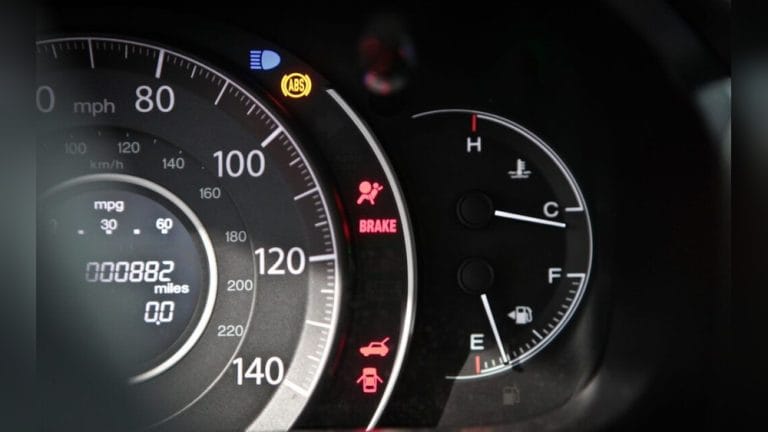
- Check Your Dashboard: Most cars have a light icon on the dashboard that illuminates when your headlights are on. Get familiar with what it looks like.
- Ask a Passenger: If you’re unsure, ask someone in the car to confirm if your lights are on.
- Walk Around Your Car: Before driving at night or in poor conditions, quickly walk around your car. See if your headlights and taillights are on.
- Test Your Lights Regularly: Make it a habit to test your headlights, taillights, brake lights, and turn signals at least once a month.
When to Worry (and Get Them Fixed)
The main reason to worry is if your lights aren’t working when they should be, or if they are malfunctioning. This could include:
- Headlights that won’t turn on at all.
- Only one headlight working.
- Dim headlights.
- High beams that won’t switch off.
- Taillights that are out.
- Brake lights not illuminating when you brake.
- Turn signals that don’t flash or flash too quickly.
If you notice any of these issues, it’s critical to get them fixed as soon as possible. Driving with faulty lights is not only dangerous but can also lead to traffic tickets. Visit a mechanic or auto repair shop to have them diagnosed and repaired.
Don’t wait for a ticket or, worse, an accident to address your car’s lighting system. Regular maintenance and awareness are key. Your car’s lights are not just accessories; they are essential safety equipment.
Quick Fixes and Tips for Better Visibility
While major light issues need a mechanic, there are small things you can do yourself or keep in mind to improve your visibility and ensure your lights are working effectively.
- Keep Your Lenses Clean: Over time, headlights and taillights can get covered in dirt, grime, bugs, and road salt. This film can significantly reduce the light output. Wash your car regularly, paying attention to the light lenses. For tougher grime, a simple mixture of dish soap and water works well. Some products are designed specifically for cleaning car lights.
- Check Bulb Status: If a bulb burns out, replace it promptly. If you’re not comfortable doing it yourself, most auto parts stores can do it for you for a small fee, or your mechanic can handle it. It’s often a quick job.
- Understand Your Car’s Automatic Light Settings: Many cars allow you to customize how the automatic headlights and DRLs function. Check your owner’s manual to see if you can adjust sensitivity or choose different modes. This can help the system work better for your specific driving conditions.
- Use Your High Beams Wisely: High beams are great for seeing farther on dark, empty roads. But remember the courtesy and safety of others. Always switch to low beams when you see another vehicle approaching, either from the front or if you’re following them. You should be able to see their headlights or taillights clearly before switching back to high beams.
- Learn Your Car’s Light Switch: Spend a few minutes with your car’s owner’s manual to learn exactly how your light switch works. Know where the off, parking lights, auto, low beams, and high beams are. Knowing this without looking helps immensely in low-light situations.
- Consider Aftermarket Lighting (with caution): While not a “fix,” some drivers opt for brighter headlight bulbs or LED upgrades. Ensure any aftermarket lights are legal in your state and properly aimed. Poorly aimed aftermarket lights can be just as dangerous as old, dim ones. Always prioritize safety and legality over aesthetics.
- Be Aware of Other Drivers’ Lights: When you see other drivers with their lights on in conditions where you might not have thought to turn yours on, take that as a cue. It’s a good reminder that visibility might be an issue.
These tips are simple but effective. They contribute to your overall safety and the safety of everyone around you. A little effort goes a long way in ensuring your car is seen and helps you see the road.
Fog Driving Safety Tips
- Turn on your low-beam headlights.
- Turn on your fog lights (if equipped).
- Slow down significantly.
- Increase your following distance.
- Avoid using high beams.
- Be patient and listen for traffic.
- If you must stop, pull over as far as possible and turn off your lights to avoid confusion.
Frequently Asked Questions
Do I need to turn on my headlights when it’s raining?
Yes, generally you should turn on your headlights when it’s raining, especially if the rain is heavy enough to reduce visibility. A common rule of thumb is: if your windshield wipers are on, your headlights should be on. This helps other drivers see you better.
Are Daytime Running Lights (DRLs) enough at night?
No, DRLs are not enough at night. They are designed for daytime visibility and are not bright enough to illuminate the road ahead for you or to be seen sufficiently by others in the dark. You must manually turn on your headlights at night.
What are parking lights for?
Parking lights are dimmer than headlights and are used when your vehicle is parked on a public road at night. They make your parked car visible to other drivers, helping to prevent collisions. They are not meant for driving.
Do I need my headlights on during the day if I have DRLs?
In most situations during the day, your DRLs are sufficient. However, if visibility is reduced due to glare, fog, heavy rain, or driving through dark areas like tunnels, it is recommended or required to turn on your full headlights, even if DRLs are active.
What happens if I get caught driving without my lights on when I should?
Driving without your lights on when required can result in a traffic ticket, fines, and points on your driving record. More importantly, it significantly increases your risk of being involved in an accident due to poor visibility.
How can I tell if my headlights are properly aimed?
Properly aimed headlights should illuminate the road ahead without blinding oncoming drivers. If your headlights seem too high, too low, or point off to the sides, they may need adjustment. Most professional mechanics can check and adjust your headlight aim.
You can also check your car’s manual for basic aiming information or visual cues on how to check.
Are fog lights mandatory?
Fog lights are generally not mandatory. They are an optional piece of equipment designed to improve visibility in specific adverse conditions like fog, heavy rain, or snow. When using fog lights, ensure they are legal in your area and are only used when truly necessary to avoid distracting other drivers.
Final Thoughts on Driving with Confidence
Mastering when your car lights should be on isn’t about memorizing a long list of rules. It’s about developing an awareness of your surroundings and your vehicle’s capabilities. Prioritizing visibility, both for yourself and for others, is a cornerstone of safe driving.
By understanding your lights and applying simple guidelines, you contribute to a safer journey for everyone on the road.
Related pick: Check today's price on Amazon
Products related to this article
Sponsored / affiliate links. As an Amazon Associate I earn from qualifying purchases. I may earn additional commission from eligible campaigns.