When Do Car Tyres Expire? Signs It’S Time to Replace
Every driver relies on their car’s tires for safety, performance, and comfort—yet many underestimate just how critical tire health is. Like all car parts, tires don’t last forever, and understanding when they expire is essential to avoid accidents, breakdowns, and costly repairs.
The question, “When do car tires expire? ” isn’t just about age—it’s about recognizing the subtle and not-so-subtle signs that it’s time to replace them.
In the US alone, the National Highway Traffic Safety Administration (NHTSA) estimates that over 11,000 crashes annually are related to tire failure. Many of these incidents could be prevented by timely tire replacement. This guide dives deep into tire expiration, the science behind tire aging, how to spot the warning signs, and best practices for replacement. Whether you’re a seasoned car owner or a new driver, understanding this topic will help you maximize safety and get the most out of your vehicle.
Key Takeaways
- Tire expiration depends on age, usage, and environmental factors—not just tread wear.
- Most manufacturers recommend replacing tires every 6–10 years, regardless of tread depth.
- Visible signs like cracks, bulges, and tread wear are clear indicators for replacement.
- Regular inspections and knowing your tire’s DOT code help prevent unexpected failures.
- Climate and driving habits significantly impact tire lifespan.
- Proactive replacement costs less than risking accidents or damage.

Credit: rnrtires.com
Understanding Tire Expiration: What Does It Mean?
Tires are engineered to withstand extreme conditions, but their materials degrade over time. “Expiration” refers to the point where a tire is no longer safe or reliable, regardless of its visible tread. Unlike food, tire expiration isn’t stamped with a single date, but it’s governed by several factors.
The Science Of Tire Aging
Tires are made from rubber compounds mixed with additives for strength, flexibility, and longevity. Over time, exposure to oxygen, ozone, heat, and UV rays causes oxidation and dry rot—making rubber brittle and prone to cracks. Even if a tire is unused, aging continues.
According to a study by the Rubber Manufacturers Association, the average tire loses up to 1% of its elasticity per year due to environmental exposure. This degradation accelerates in hot climates and urban environments, where tires are exposed to more pollutants. Factors such as road salt, chemicals, and regular flexing during driving further contribute to the breakdown of rubber compounds. As tires age, microscopic cracks can form beneath the surface, weakening the structural integrity even before any visible signs appear.
The chemistry of tire rubber involves vulcanization, a process that uses sulfur to cross-link rubber molecules, giving tires their resilience and shape. However, this same process gradually reverses over time as environmental factors break down these cross-links. This phenomenon, called reversion, means the tire loses its ability to flex, grip, and absorb shocks—compromising your vehicle’s ride quality and safety.
Tire Manufacturer Recommendations
Major tire brands, including Michelin and Bridgestone, advise replacing tires every 6–10 years from the date of manufacture, regardless of tread depth. The NHTSA also recommends tire replacement within 10 years, citing material fatigue and increased risk of failure.
It’s important to note that even if tires pass visual inspections and have sufficient tread, the internal structure may have weakened over time, making them susceptible to sudden failure. Many automakers, such as Toyota and Ford, also echo these guidelines in their owner’s manuals, reinforcing the consensus across the automotive industry.
Manufacturers’ recommendations are based on extensive testing, including accelerated aging simulations, which expose tires to heat, humidity, and UV light to predict real-world performance. These tests have consistently shown that a tire’s ability to provide safe performance diminishes steadily after six years.
The Role Of The Dot Code
Every tire sold in the US carries a DOT code on its sidewall, indicating the week and year of manufacture. For example, “2120” means the tire was made in the 21st week of 2020. This code is crucial for tracking tire age, especially if you purchase used or stored tires.
The DOT code can be found on the outside sidewall of the tire and usually begins with the letters “DOT,” followed by a series of numbers and letters unique to the manufacturer and plant. The last four digits, however, are the most important for consumers—they give you the week and year of production.
For example, a code ending in “1517” means the tire was made in the 15th week of 2017.
Knowing how to read the DOT code is essential when shopping for new or used tires. Some retailers may offer “new” tires that have actually been in storage for several years. Even if unused, these tires have aged and may be close to the end of their safe lifespan.
| Brand | Recommended Max Age | Warranty Coverage | Average US Retail Price (per tire) |
|---|---|---|---|
| Michelin | 10 years | 6 years | $130–$220 |
| Goodyear | 6 years | 6 years | $110–$200 |
| Bridgestone | 10 years | 5 years | $120–$210 |
| Continental | 6 years | 6 years | $100–$180 |
| Pirelli | 10 years | 6 years | $140–$250 |
Real-world Example: Tire Aging In Storage
A 2019 study by Consumer Reports found that tires stored for four years in a cool, dark environment lost nearly 5% of their elasticity compared to new tires. This means even unused tires can become unsafe if they are too old.
This example highlights why buying tires that have been in storage for an extended period may not be a wise investment. Even in ideal conditions—away from sunlight, ozone, and temperature fluctuations—chemical degradation quietly takes its toll. Car collectors and seasonal vehicle owners should be especially aware of this aging process, as their vehicles may spend significant time in storage.

Credit: www.consumerreports.org
Signs It’s Time To Replace Your Car Tires
Recognizing the physical and performance-related signs of tire expiration is vital for safety. While tire age is crucial, observable wear and damage often dictate when replacement is necessary.
Tread Depth: The Legal And Safety Threshold
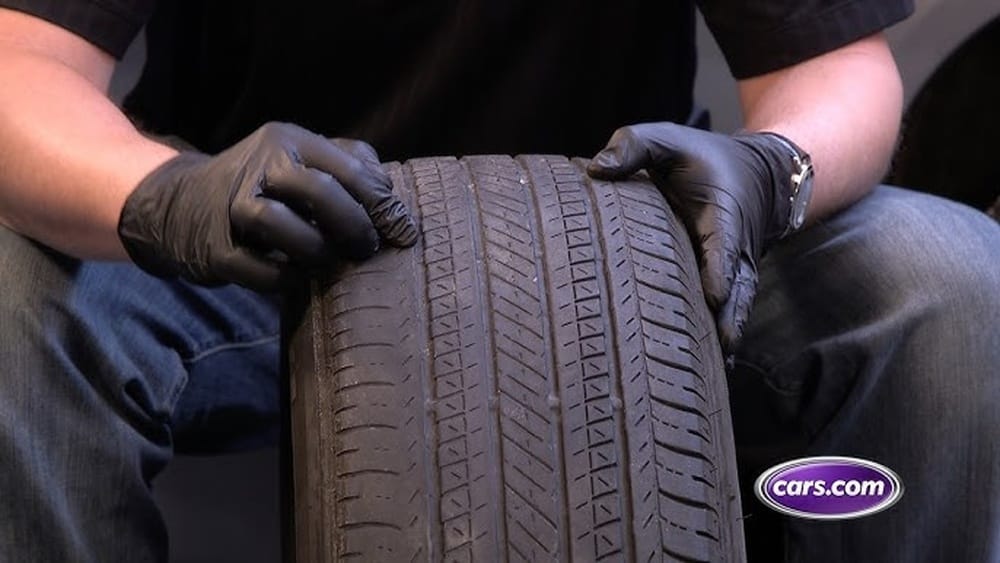
Tread depth directly affects traction, especially in wet or icy conditions. US law requires a minimum tread depth of 2/32 inch (about 1.6 mm), but experts recommend replacement before reaching this limit. The penny test is a quick way to check tread—insert a penny into the tread with Lincoln’s head upside down; if you can see all of his head, your tread is dangerously low.
Tires with shallow tread lose their ability to channel water away from the contact patch, dramatically increasing the risk of hydroplaning. In heavy rain, stopping distances can double or triple with worn tread, and even advanced safety features like anti-lock brakes can’t compensate for reduced grip. According to Consumer Reports, tires with 4/32 inch tread retain 50% more wet traction than those at the legal minimum.
Some tires feature “wear bars”—raised sections molded across the tread grooves. When the tread is worn down to these bars, it’s time for immediate replacement. Always inspect all four tires, as wear can vary from front to rear and side to side, especially if rotations are skipped.
Cracks, Dry Rot, And Sidewall Damage
- Cracks and dry rot appear as small lines or fissures in the sidewall or between treads, indicating rubber deterioration.
- Bulges or blisters are signs of internal damage and potential blowout risk.
If you observe these issues, immediate replacement is necessary. Tires with dry rot may fail even with deep treads.
Dry rot is especially common in older tires exposed to sun, ozone, or long periods of inactivity. The presence of cracks—no matter how small—is a sign that the rubber compounds have lost their flexibility. Sidewall bulges, meanwhile, usually indicate that the internal plies or belts have separated or weakened, creating a weak spot that could rupture at any time, especially at highway speeds.
Road debris, potholes, and curb impacts can also cause internal tire damage that may not be immediately visible. If you notice persistent air loss, a “bubble” on the sidewall, or an unusual shape to the tire, have it inspected by a professional right away.
Uneven Wear Patterns
Uneven wear—such as cupping, bald spots, or scalloping—often indicates alignment or suspension problems, but also signals that the tire can’t perform safely.
Common Causes Of Uneven Wear:
- Improper alignment
- Under/over inflation
- Suspension or steering issues
Address the underlying cause, but replace any tire with severe uneven wear.
Cupping (a series of high and low points around the tire circumference) often signals worn suspension components or unbalanced wheels. Feathering (tread worn more on one edge) suggests alignment issues. These patterns not only reduce tire life but also impair handling and increase noise.
If you feel vibrations or hear a droning noise, inspect your tires and correct any mechanical issues to avoid premature wear on new tires.
Vibration And Handling Issues
Excessive vibration, pulling to one side, or a “rough ride” often points to tire damage. These symptoms can result from internal separation or bent wheels. If vibration persists after balancing, inspect your tires for expiration indicators.
A well-balanced tire should roll smoothly at all speeds. Persistent vibration may indicate a shifted belt, internal damage, or a wheel out of true—all of which compromise safety. Handling issues, such as the car pulling to one side or a loss of responsiveness, can also signal uneven tire wear or structural failure.
Real-world Example: Highway Blowout Incident
A 2026 case reported by the NHTSA involved a driver experiencing a sudden blowout at 70 mph. Investigation revealed the tire was nine years old, with deep cracks but adequate tread. The incident underscores that age, not just tread, determines tire safety.
This incident is a stark reminder that relying solely on tread depth is not enough. The forces on a tire at highway speeds are immense, and aged rubber is far less resilient to impacts, heat, and flexing.
Factors That Affect Tire Lifespan
Several environmental and usage-related factors accelerate or slow tire aging. Understanding these can help you maximize tire longevity and predict when replacement is necessary.
Climate And Weather Conditions
- Hot climates: Higher temperatures increase oxidation, speeding up rubber degradation.
- Cold climates: Freeze-thaw cycles can cause cracking, especially in older tires.
- UV exposure: Sunlight breaks down rubber molecules, leading to dry rot.
A tire in Arizona may expire faster than one in Maine, even if used less frequently.
Humidity and precipitation also play a role. High humidity can accelerate ozone-related degradation, while frequent rain can wash away protective oils from the rubber’s surface. Coastal areas, with salty air, can further corrode steel belts and cause premature aging. Always consider your local environment when assessing tire life.
Driving Habits And Usage Patterns
Aggressive driving, frequent braking, and high-speed travel wear tires faster. Urban stop-and-go traffic causes more wear than highway cruising.
Key Habits That Reduce Tire Life:
- Hard cornering
- Rapid acceleration/deceleration
- Overloading your vehicle
For example, a daily commuter who takes sharp corners and often brakes hard will wear out tires much faster than a driver who maintains steady speeds on the highway. Additionally, carrying heavy loads or towing can put extra strain on tires, increasing heat build-up and structural fatigue.
Maintenance And Storage Practices
Proper maintenance extends tire lifespan. Regular rotation, balancing, and alignment prevent uneven wear. Tires stored indoors, away from heat and sunlight, age more slowly.
Neglecting maintenance can reduce tire life by up to 30%. Improper inflation is a leading cause of tire failure—underinflated tires build up heat and wear on the edges, while overinflated tires wear in the center. Checking pressure monthly and before long trips is a simple but critical habit.
Real-world Example: Fleet Vehicle Tire Management
A delivery company in Texas implemented strict tire rotation and alignment schedules, extending average tire life from 35,000 miles to 50,000 miles. This resulted in annual savings of over $12,000.
Regular checks also caught minor issues before they became dangerous, such as slow leaks, developing cracks, or embedded objects. This proactive approach not only saved money but also reduced downtime and accident risk.
Tire Type And Quality
Premium tires often use advanced compounds that resist aging. All-season tires generally last longer than performance or off-road tires, but all are subject to expiration.
Specialty tires, such as ultra-high-performance or run-flat models, may offer superior handling or convenience but often have shorter lifespans due to softer compounds or unique construction. Investing in high-quality tires from reputable brands pays off in longer life, better performance, and enhanced safety.
| Tire Type | Typical Lifespan (Miles) | Typical Lifespan (Years) | Main Expiration Risk |
|---|---|---|---|
| All-Season | 50,000–70,000 | 6–10 | Dry rot, tread wear |
| Performance | 30,000–40,000 | 4–7 | Sidewall cracking, tread wear |
| Winter | 30,000–40,000 | 4–6 | Cracking, tread separation |
| Off-Road | 20,000–40,000 | 3–6 | Chunking, dry rot |

Credit: www.youtube.com
How To Check Tire Expiration And Health
Ensuring your tires are safe requires regular checks, both visual and using manufacturer information. Here’s how to assess tire health like a pro.
Inspecting The Dot Code
Find the DOT code on the sidewall. The last four digits indicate the week and year of manufacture. If your tire reads “4018,” it was made in the 40th week of 2018. Replace tires older than six years, even if unused.
Checking the DOT code is particularly important when purchasing a used vehicle or a set of “new old stock” tires. Many discount retailers may sell tires manufactured several years prior—always check the DOT code to ensure you’re getting fresh rubber.
Measuring Tread Depth
Use a tread depth gauge or the penny test. Replace tires before reaching 2/32 inch.
- New tires: 10/32 to 11/32 inch
- Replace at: 4/32 inch (for wet conditions), 2/32 inch (legal minimum)
For best results, check tread depth at multiple points around the tire, as uneven wear can result from alignment or inflation issues. Some tires also feature colored wear indicators that become visible as the tread wears down.
Checking For Physical Damage
Look for:
- Cracks, bulges, or blisters
- Uneven wear patterns
- Embedded debris
Replace tires immediately if you find significant damage.
Inspect tires after hitting potholes, curbs, or debris. Even minor impacts can cause internal separation, which may manifest as a soft spot or bulge days or weeks later. Embedded objects, such as nails, can cause slow leaks and should be professionally repaired or the tire replaced if structural integrity is compromised.
Professional Tire Inspection
Many dealerships and tire shops offer free inspections. They can spot hidden damage and advise on expiration.
A professional can also check for subtle issues like belt separation, tread separation, and internal cracks using specialized equipment. Scheduling regular inspections—at least annually, or before long road trips—provides peace of mind and ensures your tires remain safe.
Real-world Example: Used Car Purchase
A buyer in Florida purchased a three-year-old car with original tires. The DOT code revealed the tires were six years old. Despite low mileage, the tires had dry rot and needed replacement—a costly lesson learned.
This scenario is common with vehicles that see limited use or are stored outdoors. Always check the age of the tires when buying a used vehicle, regardless of the odometer reading.
Risks Of Driving On Expired Or Damaged Tires
Operating a vehicle with expired or damaged tires exposes you to significant hazards, both legally and physically.
Increased Accident Risk
Expired tires are more prone to:
- Blowouts
- Loss of traction
- Hydroplaning
The NHTSA attributes 11,000 annual accidents to tire failure, with expired tires a major contributor.
Blowouts are particularly dangerous at high speeds, where a sudden loss of pressure can cause a loss of control. Loss of traction in wet or icy conditions increases the risk of skidding or sliding, especially for vehicles without stability control.
Studies show that vehicles with expired tires are three times more likely to be involved in a crash during adverse weather.
Legal And Insurance Implications
Driving with unsafe tires can result in fines and denied insurance claims if an accident occurs due to tire failure.
Many states require periodic vehicle inspections, including tire checks. Failing these inspections can result in fines or your vehicle being declared unroadworthy. In the event of a crash, insurance companies may investigate whether tire condition contributed to the accident. If they find the tires were expired or below legal tread, they may deny your claim or reduce the payout.
Reduced Performance And Fuel Efficiency
Worn or expired tires increase stopping distances, reduce cornering grip, and worsen fuel economy by up to 3%. This is especially pronounced in wet or icy conditions.
A tire’s rolling resistance increases as it ages and hardens, requiring more energy to maintain speed. This added resistance can cost you money at the pump and put additional strain on your vehicle’s engine and suspension. Poor traction also makes it more difficult to avoid hazards or react to sudden stops.
Real-world Example: Insurance Claim Denial
In 2026, a driver in California was denied insurance coverage after an accident. Investigation found that the tires were 12 years old, with visible cracks. The insurer cited negligence in maintaining vehicle safety.
This example illustrates that maintaining your tires isn’t just about safety—it can have significant financial implications if you’re found at fault due to neglected maintenance.
Best Practices For Tire Replacement And Maintenance
Optimizing tire health and replacement schedules is both cost-effective and crucial for safety.
When To Replace Tires
Replace tires if:
- They are older than 6 years (regardless of tread)
- Tread depth is below 4/32 inch (wet safety) or 2/32 inch (legal minimum)
- Sidewalls show cracks, bulges, or dry rot
- Performance issues persist after balancing or alignment
Additionally, replace tires if they have suffered major impact, show signs of belt or tread separation, or have uneven wear that cannot be corrected. If you plan on driving in severe weather or on long road trips, err on the side of caution and replace questionable tires beforehand.
Choosing Replacement Tires
- Match the size, load rating, and speed rating to your vehicle’s specifications.
- Opt for reputable brands and check for recent manufacture dates.
Check out NHTSA’s tire safety guidelines for comprehensive advice.
When selecting new tires, consider your driving environment, seasonal needs, and desired performance characteristics. All-season tires are suitable for most climates, but dedicated winter or summer tires may be better if you live in extreme conditions. Avoid buying tires that have been on the shelf for several years—request the newest production date available.
Maintenance Tips To Extend Tire Life
- Maintain correct tire pressure (check monthly)
- Rotate tires every 5,000–8,000 miles
- Align wheels annually or after suspension changes
- Inspect for damage after road hazards
Consistent maintenance extends tire life, improves fuel economy, and enhances safety. Overinflation and underinflation are leading causes of premature wear, so use a reliable gauge and follow the manufacturer’s recommended PSI.
Proper Tire Storage
Store unused tires in a cool, dark, dry location—never outdoors or in direct sunlight. Place them upright, not stacked, to prevent deformation.
If storing tires for the off-season, clean them thoroughly to remove road salt and dirt, seal them in airtight plastic bags, and keep them away from motors, generators, or chemicals that emit ozone. Proper storage prevents flat spots, cracking, and other forms of deterioration.
Real-world Example: Diy Tire Maintenance
A car enthusiast in Oregon extended tire life by regularly rotating and maintaining proper pressure, achieving 60,000 miles on a set of all-season tires—well above the national average.
By keeping detailed records and inspecting his tires monthly, he avoided premature wear and caught a slow leak before it caused serious damage. This proactive approach demonstrates that attentive care can maximize tire value.
Comparing Tire Lifespan: Brands, Types, And Usage
The lifespan of a tire varies widely based on brand, type, and driving conditions. Here’s how major factors stack up.
| Factor | Typical Range | Impact on Lifespan | Example Scenario |
|---|---|---|---|
| Brand | 6–10 years | Premium brands use better compounds | Michelin tires last longer than budget brands |
| Type | 3–10 years | Performance tires wear faster | Winter tires expire faster in warm climates |
| Climate | Varies | Heat, UV, and humidity accelerate aging | Arizona tires expire faster than Maine tires |
| Driving Style | Varies | Aggressive driving reduces life | Urban delivery vehicle vs highway commuter |
| Maintenance | Varies | Regular rotation extends lifespan | Fleet vehicles with strict schedules outlast average |
Brand reputation, tire technology, and price all influence expected lifespan. Investing in a recognized brand often yields better long-term value, as these tires are engineered for longevity and undergo rigorous quality control. However, even the best tires can fail prematurely if subjected to harsh conditions or improper care.
Real-world Case Studies: Tire Expiration In Action
Case Study 1: Family Sedan In Texas
A family sedan in Houston averaged 15,000 miles per year. The owner replaced tires every six years, regardless of tread. After 90,000 miles, no tire-related incidents occurred, showing the value of proactive replacement in a hot climate.
The owner also maintained regular rotations and kept detailed maintenance records, ensuring alignment and proper inflation. Despite the high heat and urban driving, this disciplined approach maximized safety and tire investment.
Case Study 2: Rural Truck In Maine
A rural truck in Maine used winter tires for six months annually. Despite low mileage, tires developed cracks after five years due to freeze-thaw cycles. Early replacement prevented roadside emergencies.
The owner noted that even though the tires appeared to have plenty of tread, the rubber had become brittle and showed surface cracks. By replacing the tires early, he avoided the risk of a blowout on remote, icy roads.
Case Study 3: Urban Delivery Fleet
A delivery fleet in Chicago implemented monthly tire inspections and replaced all tires after six years. Accident rates dropped by 30%, saving over $20,000 in insurance costs.
The company also trained drivers to recognize warning signs and report issues immediately. This comprehensive program not only improved safety but also enhanced driver confidence and customer satisfaction due to fewer delays.
The Environmental Impact Of Tire Disposal
Properly disposing of expired tires is essential for environmental health. Tires that end up in landfills pose fire risks and leach chemicals.
Recycling And Repurposing
- Tire recycling turns old tires into playground surfaces, asphalt, and construction materials.
- Many local governments offer free disposal programs—check your area’s guidelines.
Tires can also be repurposed for erosion control, artificial reefs, and even as fuel in cement kilns (known as “TDF” or tire-derived fuel). These practices help offset the environmental footprint of tire production and disposal.
See the Wikipedia page on tire recycling for more details.
Environmental Data
The US generates over 290 million scrap tires annually, according to the EPA. Proper recycling reduces landfill waste and pollution.
Improperly stored tires can also become breeding grounds for mosquitoes and rodents. Many states have enacted strict regulations around tire storage and disposal to reduce these risks. By participating in local recycling programs, drivers can ensure their old tires are put to productive use instead of harming the environment.
Frequently Asked Questions
How Can I Find The Age Of My Car Tires?
Check the DOT code on the tire sidewall. The last four digits indicate the week and year of manufacture. For example, “3019” means the tire was made in the 30th week of 2019. Replace tires older than six years, even if they look new. Refer to Tire Rack’s guide for more details.
Is It Safe To Use Tires With Low Mileage But Old Manufacture Date?
No. Tires degrade chemically over time, regardless of mileage. Rubber loses elasticity and develops cracks, increasing blowout risk. Always prioritize age and visible signs of damage over mileage.
What Is The Legal Minimum Tread Depth In The Us?
The legal minimum is 2/32 inch. Driving below this can lead to fines and insurance issues. However, experts recommend replacing tires before reaching 4/32 inch for safe wet-weather performance. Learn more at Consumer Reports.
Can Tire Age Affect Vehicle Performance?
Absolutely. Old tires have reduced grip, longer stopping distances, and higher hydroplaning risk. Even if tread is deep, aged rubber performs poorly, especially in emergency situations.
How Should I Dispose Of Expired Tires?
Take expired tires to an authorized recycling center or tire shop. Many states offer free or subsidized disposal programs. Proper recycling prevents environmental hazards—see EPA’s waste management hierarchy for guidelines.
Replacing tires at the right time isn’t just a matter of safety—it’s a smart investment in your vehicle’s longevity and your peace of mind. By understanding tire expiration, recognizing warning signs, and following best practices, you’ll minimize risks and maximize performance.
Regular inspections, proactive maintenance, and responsible disposal ensure you’re not only protecting yourself but also contributing to a safer and cleaner environment. Don’t wait for visible damage or performance issues—use the knowledge in this guide to stay ahead and drive with confidence.
Products related to this article
Sponsored / affiliate links. As an Amazon Associate I earn from qualifying purchases. I may earn additional commission from eligible campaigns.