Which Car Lights to Use in Fog? Here’S the Right Answer
When fog descends on the road, even experienced drivers can feel uncertainty set in. The dense, milky haze doesn’t just obscure the landscape, it transforms familiar routes into treacherous corridors. One of the most pressing questions for drivers is: Which car lights should you use in fog? Using the wrong lights doesn’t just hinder your own visibility; it can endanger everyone on the road. Despite the critical importance of this choice, confusion abounds, should you opt for low beams, high beams, or fog lights? Are daytime running lights sufficient?
This article provides a definitive, data-driven guide to the right car lights for foggy conditions. Drawing from road safety research, real-world examples, and vehicle engineering insights, we’ll clarify the science and regulations behind fog lighting. By understanding how each type of light interacts with fog, you can make informed decisions that keep you, your passengers, and fellow drivers safe when visibility is at its worst.
Key Takeaways
- Low beam headlights and dedicated fog lights are the safest choices in foggy conditions.
- High beams worsen visibility in fog and should be avoided.
- Daytime running lights (DRLs) are not sufficient for fog; they often leave taillights off.
- Using fog lights (where available) can dramatically improve road visibility.
- Always check local laws, as requirements for fog light usage vary by region.
- Understanding how fog scatters light is critical to selecting the right illumination.
Credit: www.landerscountry.com
Understanding Fog And Light Behavior
Fog acts as a dense blanket of water droplets suspended in the air, significantly reducing visibility. The way light interacts with these droplets is fundamentally different from its behavior in clear air.
How Fog Scatters Light
Light passing through fog encounters millions of microscopic droplets. These droplets scatter light in all directions, a phenomenon known as Mie scattering. The effect is most pronounced with intense, direct light such as high beams, which bounce off the droplets and create a bright, white wall in front of the car, severely reducing visibility.
Visibility Ranges In Fog
According to the Federal Highway Administration, light fog can reduce visibility to less than 1,000 feet, while dense fog may cut it to less than 200 feet. Drivers often overestimate their ability to see and stop in time, leading to increased accident risk. A study by the National Highway Traffic Safety Administration (NHTSA) found that multi-vehicle pileups are 8 times more likely in heavy fog than in clear conditions.
Why Correct Lighting Matters
The right lighting doesn’t just help you see the road, it also makes your car visible to other drivers. In fog, the wrong lights can create glare, misleading perceptions of distance, or even render your vehicle invisible from behind. Understanding the physics of light and fog is critical to safe driving.

Credit: www.wvnstv.com
Types Of Car Lights And Their Performance In Fog
Modern vehicles come equipped with a range of lighting options. Each serves a distinct purpose, but not all are suitable for foggy conditions.
| Light Type | Location | Beam Pattern | Fog Suitability |
|---|---|---|---|
| Low Beam Headlights | Front | Short, wide, downward | Good |
| High Beam Headlights | Front | Long, narrow, upward | Poor |
| Fog Lights | Front (low) | Wide, flat, low | Excellent |
| Daytime Running Lights | Front | Varies (dim) | Poor |
| Parking Lights | Front & Rear | Dim, marker | Poor |
| Rear Fog Lights | Rear (low) | Intense, focused | Good (rear visibility) |
Low Beam Headlights
Low beams are designed to illuminate the road ahead without blinding oncoming drivers. Their downward angle minimizes reflection off fog droplets, which helps maintain visibility. For most vehicles, low beams are the safest default option in fog.
High Beam Headlights
While high beams provide greater range in clear conditions, their upward, powerful light is counterproductive in fog. The light reflects directly off the droplets, creating a “whiteout” effect. This not only limits your ability to see but can also blind other drivers.
Dedicated Fog Lights
Fog lights are mounted low on the vehicle and project a wide, flat beam. This design allows the light to skim beneath the fog, illuminating the road surface with minimal reflection. Yellow or selective yellow fog lights are popular because yellow wavelengths scatter less in fog than blue or white, reducing glare.
Daytime Running Lights (drls)
DRLs are intended for visibility during daylight hours, not for adverse weather. They are typically dimmer than regular headlights and may not activate rear lights, making your vehicle less visible from behind in foggy conditions.
Parking Lights
Parking lights are very dim and serve only as position markers when parked. They provide insufficient illumination for driving in any conditions, especially fog.
Rear Fog Lights
Some vehicles, particularly European models, include a rear fog light. This intense red light makes the vehicle visible from behind in thick fog, reducing the risk of rear-end collisions.
The Science Behind Fog Light Effectiveness
Understanding why certain lights work better in fog requires a look at the physics of light color, beam pattern, and placement.
Why Yellow Light Is Used
Yellow light (wavelength ~590 nm) is less prone to scattering in fog than blue or white light. This is due to Rayleigh and Mie scattering principles. That’s why many dedicated fog lights use yellow-tinted bulbs or lenses. According to a study published by the Society of Automotive Engineers, drivers detected hazards 20% faster with yellow fog lights compared to white, although color preference can vary by region and regulation.
Beam Angle And Placement
The low mounting position of fog lights allows them to project below the densest part of the fog, lighting up the road surface without causing significant glare. A wide, bar-shaped beam helps illuminate road edges and lane markings, which are crucial for orientation in poor visibility.
Intensity And Spread
High-intensity, narrowly focused beams (as seen in high beams) are less effective than broad, diffused beams in fog. The right intensity ensures the road ahead is visible without overwhelming the driver with reflected glare.
| Light Type | Color Temperature (Kelvin) | Recommended Usage | Glare Risk |
|---|---|---|---|
| Fog Lights (Yellow) | 2,500-3,500K | Heavy Fog | Low |
| Fog Lights (White) | 4,000-5,000K | Moderate Fog | Medium |
| Low Beam Headlights | 3,500-5,000K | Light-Moderate Fog | Medium |
| High Beam Headlights | 4,000-6,000K | Clear Only | High |
Real-world Example: European Vs. Us Fog Light Standards
In Europe, regulations often require both front and rear fog lights, with strict standards on beam pattern and intensity. In the US, front fog lights are common, but rear fog lights are rare. The result: European cars are more visible in dense fog, especially from behind, reducing accident rates in poor weather (see Wikipedia: Fog light).

Credit: www.lutherauto.com
Legal Requirements And Best Practices
Legal obligations for car lighting in fog vary by country and state. Understanding these rules is crucial for compliance and safety.
Us Regulations
In the United States, the Federal Motor Vehicle Safety Standards (FMVSS 108) governs automotive lighting. Fog lights are optional, but if installed, they must comply with specific intensity and beam angle standards. Most states require drivers to use headlights when visibility drops below 500 feet. Some states explicitly ban the use of only parking lights while driving.
European Regulations
European Union regulations mandate the presence of rear fog lights on new vehicles. Drivers are required to use low beams or fog lights in conditions where visibility drops below 100 meters (about 328 feet). There are also restrictions on high beam usage in adverse weather.
Canada And Other Regions
Canada follows standards similar to the US, but some provinces require fog lights to be turned off in clear conditions. Australia, Japan, and other countries have their own regulations, often blending US and European standards.
Avoiding Legal Penalties
Failure to use the proper lighting in fog can result in fines or penalties. More importantly, improper lighting increases accident risk. Always consult your vehicle’s manual and local transportation authority for up-to-date requirements.
Pro Tip:
Check your car’s lighting controls before fog season begins, some vehicles require manual activation of fog lights, and controls may differ from model to model.
Step-by-step: What To Do When You Encounter Fog
Sudden fog can catch any driver off guard. Here’s a practical checklist for immediate, effective action.
1. Reduce Speed And Increase Following Distance
Visibility drops rapidly in fog, so slow down and leave extra space between your vehicle and the one in front. This allows for safer stopping if hazards emerge.
2. Activate Low Beam Headlights
Switch to low beams immediately. If your vehicle has automatic headlights, verify they’re on, some systems may not activate in daylight fog.
3. Turn On Fog Lights (if Equipped)
Activate front fog lights if your vehicle has them. If your car includes a rear fog light, use it to improve visibility for drivers behind you.
4. Avoid High Beams And Hazard Lights
Do not use high beams, they create glare and worsen visibility. Hazard lights should only be used if you’re stopped or moving extremely slowly, as they can confuse other drivers.
5. Use Wipers And Defrosters
Fog often creates condensation on windows. Use your windshield wipers and defroster to keep glass clear and maximize visibility.
6. Stay In Your Lane And Watch Road Markings
Use the right edge of the road or lane markings as a guide. Do not use the center line, as this can put you closer to oncoming traffic.
Example: A Commuter’s Experience
In dense, early-morning fog, activating fog lights alongside low beams makes a dramatic difference to vehicle lighting. Road edges and lane markers stand out clearly, allowing oncoming drivers to see your car sooner. High beams, in contrast, created a blinding wall of white, making it nearly impossible to distinguish the road ahead.
Common Mistakes And Misconceptions
Many drivers unintentionally worsen conditions in fog by misunderstanding which lights to use. Here are some critical mistakes to avoid:
Relying On High Beams
A common error is assuming more light equals better visibility. In fog, this is false, high beams scatter off fog droplets, causing glare and whiteout.
Forgetting Rear Visibility
Some drivers focus only on seeing ahead, neglecting that their taillights may not be on if only DRLs are used. This makes the vehicle nearly invisible from behind.
Using Parking Lights Alone
Parking lights are not intended for driving. Relying on them in fog is both illegal and extremely dangerous.
Overusing Hazard Lights
Hazard lights are for emergencies or when stopped. Using them while moving can confuse other drivers and obscure turn signals.
Not Cleaning Headlights And Windows
Dirty headlights reduce output by up to 40% (source: AAA). Fog, dirt, and road grime further diminish visibility. Clean your lights and windows before every drive in adverse weather.
Real-world Examples And Case Studies
Example 1: The 100-car Pileup On Interstate 75
In 2012, a dense fog bank caused a 100-car pileup on I-75 in Florida, resulting in multiple fatalities. Investigators found that many vehicles had their headlights off or were using high beams, making them invisible until too late. The tragedy led to calls for better driver education and fog lighting enforcement (NHTSA).
Example 2: European Rear Fog Light Adoption
In Germany, rear fog lights are standard. During a 2018 fog event near Munich, traffic flow remained steady and accident-free, attributed to the high visibility of red rear fog lights. This contrasts with typical rear-end collision spikes in regions without such features.
Example 3: Fleet Safety Policy
A major logistics company implemented a policy requiring all drivers to use low beams and fog lights in any reduced visibility. Over two years, fog-related incidents dropped by 37%. This demonstrates the power of simple, consistent lighting protocols.
Comparing Fog Light Technologies
Modern lighting technology offers several options for fog lights, each with its own advantages and drawbacks. Here’s a side-by-side comparison:
| Fog Light Type | Light Source | Color | Energy Efficiency | Cost | Durability |
|---|---|---|---|---|---|
| Halogen | Halogen Bulb | Yellow/White | Medium | Low | Medium |
| LED | Light Emitting Diode | White/Yellow | High | High | High |
| HID/Xenon | High Intensity Discharge | White | Medium | High | Medium |
Halogen Fog Lights
Halogen lights are affordable and widely available. They produce a warm yellow or white light ideal for fog, but have shorter lifespans and higher energy consumption compared to LED.
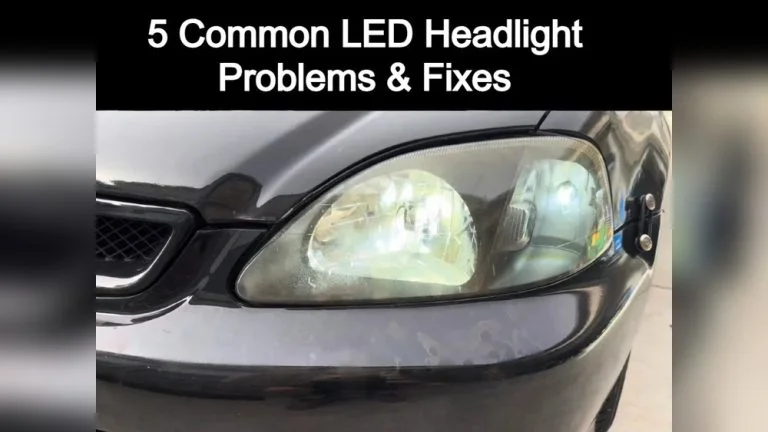
Led Fog Lights
LEDs offer excellent energy efficiency and durability, with crisp light output. Many are available in yellow-tinted options, optimizing them for foggy conditions. However, initial cost is higher.
Hid/xenon Fog Lights
HID fog lights deliver intense, white light and are popular in luxury vehicles. They offer wide coverage but may cause more glare, especially in improperly adjusted aftermarket setups.
Pro Tip:
When upgrading fog lights, ensure the new units are compatible with your vehicle’s electrical system and comply with local regulations.
Frequently Asked Questions
What If My Car Doesn’t Have Fog Lights?
If your vehicle lacks dedicated fog lights, use low beam headlights in fog. Avoid high beams and ensure your taillights are on. Aftermarket fog light kits are available, but check local laws and ensure professional installation to avoid wiring or aiming issues.
Should I Use Automatic Headlights In Foggy Weather?
Automatic headlights may not always activate in daylight fog, as sensors react primarily to darkness, not reduced visibility from fog. It’s best to manually switch on your low beams and fog lights when you encounter fog, regardless of the time of day.
Are Yellow Fog Lights Better Than White?
Yellow fog lights scatter less in fog, reducing glare and making hazards easier to spot. However, the difference is most noticeable in very dense fog. Some drivers prefer white for aesthetic reasons, but both are effective if properly aimed and used with low beams.
Can I Use High Beams If The Fog Is Very Thin?
Even in thin fog, high beams can cause unwanted glare and reflection. Always start with low beams and assess visibility. High beams may be briefly useful on open, empty roads, but should be avoided whenever fog reduces visibility.
Do Rear Fog Lights Need To Be On All The Time In Fog?
Rear fog lights should be used only in dense fog where visibility is significantly reduced. In lighter fog, they can be dazzling to drivers behind you, especially at close range. Always switch them off when visibility improves.
When driving in fog, the right lighting choices are a matter of safety, not just comfort. Use low beams and fog lights where available, avoid high beams, and always ensure that your vehicle is visible from all directions. Stay informed about your local regulations and keep your lights clean and properly maintained. Clear, confident decisions behind the wheel will help you, and everyone on the road, reach your destination safely, no matter how thick the fog.
Products related to this article
Sponsored / affiliate links. As an Amazon Associate I earn from qualifying purchases. I may earn additional commission from eligible campaigns.