Where Are Car Tyres Made? Countries And Brands Explained
Car tires are a crucial element of every vehicle, touching the road and shaping the driving experience—yet most drivers rarely consider where their tires are made. The global nature of tire manufacturing combines advanced engineering, local resources, and international logistics, resulting in a diverse landscape of production hubs and brands.
Whether you’re driving a family sedan, a high-performance sports car, or a heavy-duty truck, your tires likely originated in one of several specialized facilities scattered across the globe.
Understanding where car tires are made is more than a trivial curiosity; it impacts quality, performance, cost, and even environmental footprint. This article unpacks the intricacies of tire production, explores the leading countries and brands, and analyzes what makes certain locations or manufacturers stand out.
From the bustling factories of Asia to the precision plants of Europe and North America, we’ll delve into the world behind the rubber, offering data-driven insights and actionable knowledge to help you make informed choices.
Key Takeaways
- Global tire manufacturing is dominated by countries like China, Germany, Japan, the United States, and South Korea.
- Major tire brands often operate multiple factories worldwide, balancing local and international production.
- Quality and innovation vary by country and brand, influenced by regulations, technology, and supply chains.
- Environmental standards and labor practices differ across manufacturing hubs, impacting sustainability.
- Consumers benefit from understanding tire origins—helpful for choosing brands, interpreting warranties, and assessing value.

Credit: www.topgear.com
The Tire Manufacturing Process: From Raw Materials To Finished Product
Car tire production is a complex, multi-stage process involving advanced engineering, strict quality controls, and global supply chains. Let’s break down how tires are made and why location matters.
Sourcing Raw Materials
Tire manufacturing begins with sourcing natural rubber, synthetic rubber, carbon black, and steel. Key suppliers for natural rubber include Thailand, Indonesia, and Malaysia, which collectively account for over 70% of global supply. In fact, Thailand alone produces more than 4.8 million metric tons of natural rubber annually, making it the world’s top exporter. The quality of natural rubber from these regions is critical, as it directly influences tire flexibility, durability, and performance.
Synthetic rubber, derived from petroleum-based chemicals such as styrene and butadiene, is mainly produced in regions with established petrochemical industries, notably in the United States, China, Russia, and parts of Western Europe. The choice between natural and synthetic rubber depends on the tire’s intended use; for example, high-performance tires often use more synthetic rubber for better heat resistance.
Carbon black, a fine black powder derived from incomplete combustion of heavy petroleum products, is sourced globally and is essential for reinforcing rubber, enhancing durability, and improving road grip. Major suppliers include the US, China, and India. Steel and other textile reinforcements (like polyester and rayon) are also globally sourced and are pivotal for creating the tire’s structure, especially in radial tires.
Design And Engineering
Major brands invest heavily in R&D centers located in their home countries. For example, Michelin operates a research hub in Clermont-Ferrand, France, while Goodyear has its innovation center in Akron, Ohio, USA. These centers focus on developing advanced tire compounds, innovative tread patterns, and new materials. They also conduct extensive simulations and real-world testing to ensure tires meet specific market needs, whether that means superior wet grip for European climates or all-season durability for North American roads.
R&D also includes collaboration with car manufacturers. For example, Pirelli works closely with brands like Ferrari and Lamborghini to design tires tailored for high-performance vehicles. Similarly, Bridgestone partners with Japanese automakers to ensure compatibility and optimization for the latest models. The location of R&D centers often determines where the initial prototypes are produced and tested, influencing which factories later receive the technologies for mass production.
Manufacturing Stages
Tire production involves several key stages:
- Mixing: Raw materials are blended to form rubber compounds. The mixing process is highly technical, as it requires precise temperature and timing controls to achieve the desired chemical properties. Many manufacturers use computer-controlled mixers to ensure consistency.
- Building: Layers of rubber, fabric, and steel are assembled by machines and, in some cases, skilled technicians. This stage is known as “tire building,” and it determines the tire’s internal structure and strength.
- Curing: Tires are placed in molds and subjected to heat and pressure in curing presses. This vulcanization process gives the tire its final shape, tread pattern, and elasticity.
- Quality Control: Finished tires undergo rigorous testing for safety and performance, including X-ray scans, uniformity checks, and road simulations. In leading factories, up to 100 different quality checks may be performed before a tire leaves the facility.
Location Matters
Manufacturing location affects:
- Labor costs: Lower in Asia and Eastern Europe, higher in Western Europe and North America.
- Regulatory standards: EU, US, and Japan have some of the world’s strictest safety and environmental regulations, while standards may be less rigorous in other regions.
- Supply chain efficiency: Proximity to raw materials, ports, and automotive plants can reduce lead times and transportation costs.
- Environmental impact: Factories in developed nations are more likely to adopt advanced emission controls and waste management systems.
For example, Asian factories often focus on high-volume production and cost efficiency, utilizing automation and lean manufacturing principles. European and US plants, on the other hand, may emphasize precision, premium quality, and compliance with strict regulations, sometimes even running on renewable energy.
Leading Tire Manufacturing Countries
Globally, tire production is concentrated in a handful of countries, each with unique strengths and challenges. Let’s explore the main players:
China
China is the world’s largest producer and exporter of car tires, accounting for over 30% of global output. The country hosts both international brands (like Michelin and Continental) and local giants (Triangle Tire, Linglong, Double Coin). Many Chinese manufacturers, such as Sailun and Giti, have made significant inroads into global markets by offering a balance between affordability and improving quality.
- Advantages: Low labor costs, vast industrial capacity, growing R&D investment, and government support for export-driven industries. Chinese tire factories are often located near major ports such as Qingdao, facilitating export logistics.
- Challenges: Variability in quality, environmental concerns, trade restrictions, and frequent anti-dumping investigations from the US and EU have sometimes affected Chinese tire exports.
China’s domestic market is also huge, with millions of vehicles sold annually, supporting both local and foreign investment in tire manufacturing infrastructure.
United States
The US is home to major brands like Goodyear, Cooper, and BFGoodrich (owned by Michelin), with factories spread across Ohio, North Carolina, and other states. The US tire industry also benefits from a strong aftermarket sector, with a high demand for replacement tires.
- Advantages: Advanced manufacturing, strict quality standards (such as DOT regulations), proximity to North American markets, and robust investment in automation and worker training.
- Challenges: Higher labor costs, aging infrastructure in some plants, and a focus on domestic rather than export markets, which can limit global reach compared to Asian competitors.
The US has a long history of tire innovation, with Akron, Ohio, historically known as the “Rubber Capital of the World. ”
Germany
Germany is synonymous with Continental, one of the world’s top tire manufacturers. German plants are known for precision engineering and technological innovation, and the country has a long-standing reputation for high-performance automotive products.
- Advantages: High-quality production, strong R&D, focus on performance tires, and integration with Germany’s luxury auto industry (BMW, Mercedes-Benz, Audi).
- Challenges: High operational costs, limited capacity for mass-market tires, and pressure to remain competitive against lower-cost producers.
German tire factories are often at the forefront of sustainability, with investments in renewable energy and recycling programs.
Japan
Japanese brands like Bridgestone, Yokohama, and Sumitomo combine quality with scale. Japan’s factories are renowned for robotics, lean manufacturing, and efficient workflows—concepts that have influenced global manufacturing standards.
- Advantages: Cutting-edge technology, reliable quality, export-driven production, and strong relationships with Japanese carmakers like Toyota and Honda.
- Challenges: Aging workforce, high costs, reliance on imported rubber, and vulnerability to global supply chain disruptions (such as natural disasters).
Japanese manufacturers are also leaders in developing run-flat and eco-friendly tires.
South Korea
South Korea’s Hankook and Kumho have expanded rapidly, serving both local and international markets. They have invested in building state-of-the-art factories not only in Korea but also in Hungary, the US, and Indonesia.
- Advantages: Modern factories, competitive pricing, strong global presence, and a focus on both OE (original equipment) and replacement markets.
- Challenges: Smaller scale than China, intense competition, and the need to continue differentiating through technology and reliability.
Hankook’s focus on motorsport and technology partnerships has enhanced its reputation worldwide.
Other Notable Countries
- Thailand: Major hub for raw rubber and tire manufacturing (e.g., Maxxis), with a growing number of international and local factories.
- France: Home to Michelin’s flagship factories and advanced R&D operations.
- Italy: Pirelli’s historic plants, known for luxury and motorsport tires.
- India: Emerging market with brands like MRF and Apollo, expanding both domestically and in exports, with factories increasingly adopting global best practices.
Global Distribution Table
Below is a comparison of tire manufacturing by country, showing production volume, leading brands, and export share:
| Country | Annual Production (Million Tires) | Leading Brands | Export Share (%) |
|---|---|---|---|
| China | 700 | Triangle, Linglong, Double Coin | 60 |
| United States | 300 | Goodyear, Cooper, BFGoodrich | 30 |
| Germany | 90 | Continental | 70 |
| Japan | 110 | Bridgestone, Yokohama | 50 |
| South Korea | 80 | Hankook, Kumho | 60 |
| Thailand | 60 | Maxxis | 70 |
| France | 55 | Michelin | 65 |
| Italy | 40 | Pirelli | 60 |
| India | 50 | MRF, Apollo | 20 |
*Sources: Wikipedia, Statista*
Credit: www.utires.com
Major Tire Brands: Global Footprints And Production Strategies
Tire brands often operate in multiple countries, balancing local production and international distribution. This section examines how leading manufacturers manage their global networks.
Michelin
Michelin is headquartered in France but operates over 70 manufacturing sites worldwide. Its largest plants are in France, the US, China, and Thailand. Michelin emphasizes sustainability, investing in green technologies and renewable materials. Their facilities are known for their advanced automation and stringent environmental management systems.
- Production Locations: France, US, Thailand, China, Brazil, Poland, Spain, and more.
- Focus: Premium tires, innovative compounds, eco-friendly manufacturing, and safety performance.
- Notable: Michelin’s Pilot Sport series is produced in France and the US, with specialized high-performance versions for motorsport applications.
Michelin is also a leader in sustainable innovation, pioneering the use of dandelion-derived rubber and recycled materials in certain tire lines.
Bridgestone
Bridgestone is Japan’s largest tire manufacturer, with over 50 factories globally. Its flagship plants are in Japan, the US, and China. Bridgestone integrates robotics and automation for precision, and its facilities often serve as benchmarks for lean manufacturing.
- Production Locations: Japan, US, China, Thailand, Indonesia, India, Europe, and Latin America.
- Focus: Performance tires, mass-market products, advanced technology, and eco-friendly solutions.
- Notable: Bridgestone’s Potenza series is made in Japan and the US, and its “Ecopia” line features low-rolling-resistance technology for hybrid and electric vehicles.
Bridgestone invests heavily in research, with a network of technical centers around the globe to ensure products meet local and international standards.
Continental
Continental is based in Germany but has major facilities in Europe, the US, and China. The company prioritizes innovation and premium segments, with a strong presence in both the OE and replacement markets.
- Production Locations: Germany, Czech Republic, US, China, Portugal, Slovakia, and South Africa.
- Focus: High-performance tires, winter tires, sustainability, and intelligent tire systems.
- Notable: Continental’s PremiumContact is manufactured in Germany and Portugal, often praised for its wet weather performance.
Continental is also at the forefront of developing “smart tires” with embedded sensors for fleet management and safety.
Goodyear
Goodyear is an American powerhouse with factories in North America, Europe, and Asia. The company’s strategy centers on regional production for local markets, which enables fast response to market trends and regulatory changes.
- Production Locations: US, Canada, China, Germany, Poland, Turkey, Brazil, and South Africa.
- Focus: All-season tires, truck tires, innovation in run-flat and fuel-efficient technologies.
- Notable: Goodyear’s Eagle series is produced in the US and Germany, with specialty tires for racing and aviation.
Goodyear’s commitment to research is reflected in its Innovation Centers, which drive advances in tread design and advanced materials.
Pirelli
Pirelli operates its main plants in Italy and Brazil, specializing in high-end and motorsport tires. The brand’s reputation is built on performance and luxury, and it is the exclusive supplier for Formula 1.
- Production Locations: Italy, Brazil, China, Romania, Russia, and Mexico.
- Focus: Motorsport, premium road tires, luxury vehicles, and innovation in noise reduction.
- Notable: Pirelli’s P Zero is made in Italy and Brazil, often custom-engineered for specific car models.
Pirelli’s “Perfect Fit” strategy creates tires tailored for individual car models, collaborating closely with manufacturers like Audi, BMW, and Porsche.
Hankook
Hankook is South Korea’s leading tire brand with factories across Asia and Europe. Hankook targets affordable yet quality products for global markets and is rapidly expanding its OE business with international carmakers.
- Production Locations: South Korea, China, Hungary, Indonesia, the US, and soon, Serbia.
- Focus: Passenger tires, truck tires, value segment, and sustainable manufacturing.
- Notable: Hankook’s Ventus series is manufactured in South Korea and Hungary, with increasing presence in motorsports.
Hankook’s global R&D network ensures products are adapted for different road and climate conditions.
Brand Comparison Table
Below is a comparison of major tire brands, showing headquarters location, global production sites, and product focus:
| Brand | Headquarters | Main Production Countries | Product Focus |
|---|---|---|---|
| Michelin | France | France, US, Thailand, China, Brazil | Premium, eco-friendly |
| Bridgestone | Japan | Japan, US, China, Thailand | Performance, mass-market |
| Continental | Germany | Germany, US, China, Portugal | High-performance, winter |
| Goodyear | US | US, Canada, China, Germany | All-season, truck |
| Pirelli | Italy | Italy, Brazil, China, Romania | Motorsport, luxury |
| Hankook | South Korea | South Korea, China, Hungary | Passenger, value |
*Sources: Michelin, Bridgestone*
Real-world Example: Michelin’s Global Factory Network
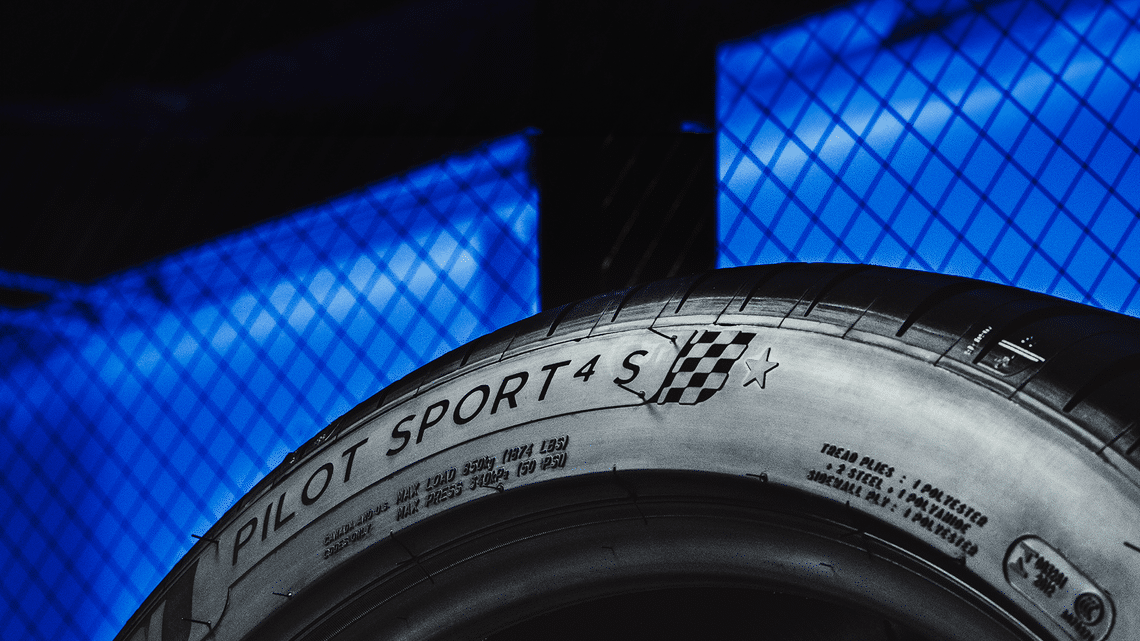
Michelin operates a multi-country production strategy. For instance, its Pilot Sport 4S tires are manufactured in France for European markets and in the US for North America. This approach ensures regional compliance and optimized logistics, illustrating how global brands tailor production to local needs. Additionally, Michelin’s Thai and Brazilian factories focus on producing tires for markets with high demand for SUVs and pickup trucks, further customizing their manufacturing strategy based on regional vehicle trends.
Real-world Example: Goodyear’s Regional Focus
Goodyear’s Eagle F1 Asymmetric tires are made in Ohio for the US market and in Germany for Europe. Each plant adheres to regional standards, reflecting Goodyear’s commitment to local manufacturing and quality assurance. Goodyear also utilizes its Chinese and Turkish factories to supply the growing Asian and Eastern European markets, ensuring a strong global presence while catering to regional preferences and regulations.
Credit: www.michelinman.com
How Manufacturing Location Impacts Quality And Cost
Where a tire is made can influence its performance, safety, and price. Here’s how:
Quality Control And Standards
- European factories generally adhere to stricter regulations, resulting in consistent quality, especially regarding wet grip, noise, and rolling resistance, as mandated by the European Union’s labeling system. In Germany, Continental’s plants are often cited for their meticulous quality assurance processes and high product reliability.
- US plants emphasize safety and durability, meeting DOT standards. For example, Goodyear and Cooper tires undergo extensive endurance testing, including high-speed and load-bearing simulations.
- Asian factories vary, with top-tier brands maintaining rigorous controls but smaller manufacturers sometimes cutting corners. Leading brands like Hankook and Bridgestone have adopted global quality standards, but lesser-known factories may focus more on cost reduction than on quality.
Cost Factors
- Labor costs are lower in Asia, enabling competitive pricing. For instance, a tire produced in China or Thailand can be 20-30% less expensive than a similar tire made in the US or Germany.
- Logistics impact final price; locally made tires often cost less due to reduced shipping expenses and import duties. For consumers in Europe, tires produced in Eastern Europe or Turkey can be more affordable than those imported from Asia.
- Regulatory compliance increases costs in Europe and the US but assures higher standards. Brands often pass these costs to consumers, but the trade-off is improved safety and environmental performance.
Environmental And Ethical Considerations
- Sustainability: Brands like Michelin and Continental invest in eco-friendly manufacturing in Europe, including renewable energy, closed-loop water systems, and reduced emissions. Pirelli’s Italian factories feature advanced recycling initiatives and sustainable material sourcing.
- Labor practices: Some Asian factories face criticism for working conditions; reputable brands enforce strict oversight and audit suppliers for compliance with international labor standards. For example, Bridgestone and Michelin regularly conduct third-party audits of their Asian suppliers to ensure fair wages and safe working environments.
Case Study: Premium Vs Budget Tires
A comparison between Michelin (France) and Linglong (China) illustrates quality and cost differences:
- Michelin: High-quality, advanced compounds, strict environmental standards, premium pricing, and superior wet grip, noise reduction, and longevity.
- Linglong: Economical, basic compounds, variable quality, lower pricing, and may lack advanced features like silica compounds or run-flat technology.
Consumers seeking performance and durability may prefer European or US-made tires, while budget-conscious buyers may opt for Asian brands. However, the gap is narrowing as more Asian brands invest in R&D and quality improvements.
The Rise Of Emerging Markets And Local Brands
While global giants dominate, local brands and emerging markets are reshaping tire manufacturing and changing the competitive landscape.
India’s Growing Tire Industry
India’s MRF and Apollo have expanded internationally, leveraging low production costs and robust domestic demand. Indian factories are increasingly adopting automation and better quality controls, and the Indian government is promoting exports through incentives and infrastructure investment.
- Exports: India exported over $2 billion in tires in 2026, with major markets including Africa, the Middle East, and Southeast Asia.
- Focus: Affordable, durable tires for Asian and African markets, with a growing presence in Europe and Latin America.
Apollo Tyres, for instance, has acquired European manufacturers and built production plants in Hungary and the Netherlands, demonstrating a truly global approach.
Thailand And Indonesia: Rubber Powerhouses
Thailand and Indonesia supply much of the world’s natural rubber and host factories for brands like Maxxis and GT Radial. Many global manufacturers have established joint ventures or wholly-owned factories in these countries to benefit from raw material proximity and favorable export policies.
- Advantages: Proximity to raw materials, efficient logistics, and established export networks.
- Challenges: Environmental concerns, fluctuating rubber prices, and the need to balance rapid industrial growth with sustainable practices.
Maxxis, for instance, has invested in state-of-the-art factories in Thailand, focusing on both OE and replacement tires for the global market.
Eastern Europe: New Manufacturing Hubs
Countries like Hungary, Poland, and Slovakia are attracting investments from Hankook, Continental, and Michelin. These sites offer skilled labor, EU compliance, and strategic location for European distribution.
- Advantages: Lower labor costs than Western Europe, access to the EU single market, and growing automotive clusters.
- Challenges: Competition for skilled labor, infrastructure development, and currency fluctuations.
Real-world Example: Hankook’s Hungarian Factory
Hankook’s plant in Hungary produces millions of tires annually for European markets, blending South Korean technology with local expertise. This hybrid approach delivers quality and cost efficiency, allowing Hankook to supply both premium and value segments in Europe.
The factory is also a leader in sustainability, using renewable energy sources and advanced waste management systems, which aligns with the EU’s strict environmental standards.
Environmental Impact And Sustainability In Tire Manufacturing
Sustainability is increasingly central to tire production, with brands and countries adopting greener practices and consumers demanding transparency.
Eco-friendly Innovations
- Michelin and Continental use renewable materials (such as sunflower oil and recycled plastics) and energy-efficient processes. Michelin’s “Vision” concept tire is made entirely from renewable and recycled materials and is airless, reducing waste and maintenance.
- Bridgestone develops tires with recycled rubber and silica, reducing rolling resistance and improving fuel economy.
- Pirelli invests in low-emission manufacturing in Italy, including carbon-neutral facilities and water recycling systems.
- Hankook and Maxxis are increasingly adopting green technologies in Asian factories, such as solar panels and closed-loop production systems.
Regulations And Certifications
- EU standards require strict emissions and waste controls, and the EU tire labeling system allows consumers to compare wet grip, fuel efficiency, and noise.
- US EPA oversees air and water quality in tire plants, and California’s Proposition 65 influences material choices.
- ISO certifications (such as ISO 14001 for environmental management) are common among reputable brands and can be verified by consumers.
Challenges In Asia
While China and Southeast Asia lead in volume, environmental enforcement can be inconsistent. However, pressure from international brands and consumers is driving improvements. Some Chinese manufacturers have invested in low-VOC (volatile organic compound) adhesives and closed-loop water systems to reduce their footprint.
Impact On Consumers
Eco-friendly tires offer reduced rolling resistance, longer lifespan, and lower carbon footprint. Consumers can check for EU labeling, EPA compliance, ISO certification, or manufacturer-specific sustainability badges when choosing tires. Choosing sustainable tires not only benefits the environment but may also result in fuel savings and quieter rides.
How To Identify Where Your Tires Are Made
Knowing your tire’s origin helps assess quality, warranty, and suitability for your vehicle.
Reading The Tire Sidewall
Every tire has a DOT code or equivalent marking indicating its manufacturing location. For US-made tires, the DOT code begins with a two-character plant identifier, followed by details on tire size and manufacturer. European and Asian brands use similar systems, often including country-specific approval marks.
- Example: “DOT A3” = US plant in Akron, Ohio
- Example: “E4” = Netherlands (EU approval, manufactured in the Netherlands)
- Example: “MADE IN THAILAND” or “MADE IN CHINA” is often printed directly on the sidewall for clarity.
The full DOT code can be cross-referenced with public databases to identify the exact factory.
Checking Manufacturer Information
Brands publish plant lists on their websites. For example, Michelin’s site details each factory and its specialties, and Pirelli provides country-of-origin information for each product line.
Using Online Databases
Sites like Tire Rack provide manufacturing details, reviews, and ratings. Other resources include the US Department of Transportation’s plant code database and independent tire review sites.
Verifying Authenticity
Be wary of counterfeit or gray-market tires. Always buy from reputable dealers and check codes. Counterfeit tires may lack proper codes, have spelling mistakes, or use outdated designs.
Choosing The Right Tire: Country, Brand, And Application
Selecting the best tire involves balancing performance, origin, and brand reputation.
Consider Your Needs
- Performance: Sports cars may require German or Japanese performance tires with advanced compounds and precise tread patterns.
- Budget: Economy vehicles can benefit from Asian brands, which offer reliable performance at lower cost.
- Climate: Winter tires from Continental (Germany) or Nokian (Finland) are ideal for cold regions, featuring specialized rubber for icy conditions. All-season or monsoon tires from Indian and Thai brands are designed for tropical climates.
Evaluate Brand Reputation
- Research reviews and ratings on sites like Consumer Reports, J.D. Power, and Tire Rack.
- Check warranties: European and US brands often offer longer coverage (up to 80,000 miles) and robust customer support. Asian brands are improving in this area but may still offer shorter warranty periods.
- Look for awards and certifications: Brands that receive industry recognition or meet multiple international standards are generally more reliable.
Compare Key Factors Table
| Factor | European Brands | US Brands | Asian Brands |
|---|---|---|---|
| Quality | Consistent, premium | Reliable, durable | Variable, improving |
| Price | High | Medium | Low to medium |
| Innovation | Strong (eco, performance) | Moderate | Strong (automation) |
| Warranty | Long | Long | Short to medium |
| Sustainability | High | Moderate | Variable |
*Sources: Tire Business*
Frequently Asked Questions
Where Are Most Car Tires Made?
Most car tires are made in China, followed by the United States, Japan, Germany, and South Korea. These countries host major factories for both international and local brands, producing billions of tires annually. China alone exported over 400 million tires in 2026, reflecting its dominant role in the global supply chain.
How Can I Find Out Where My Tire Was Manufactured?
You can identify your tire’s origin by examining the sidewall codes—such as the DOT code for US-made tires or E-mark for European tires. Manufacturer websites and databases like Tire Rack also provide factory information. If in doubt, ask your dealer to confirm the country of origin before purchase.
Do Tires Made In Different Countries Have Different Quality?
Yes, quality varies by country and brand. European and US factories often adhere to stricter standards and invest more in quality control, while Asian factories focus on volume and cost efficiency. However, reputable brands maintain high quality regardless of location by enforcing global standards and regular audits. Lesser-known manufacturers may have more variability, so research is crucial.
Are Tires From Emerging Markets Reliable?
Emerging market tires—like those from India or Thailand—have improved significantly, especially when produced by global brands. Local brands are also investing in quality controls, but consumers should research reviews and certifications. Many emerging market brands are OE suppliers for global carmakers, reflecting increased reliability.
What Are The Most Eco-friendly Tire Manufacturers?
Michelin, Continental, Bridgestone, and Pirelli lead in eco-friendly manufacturing, using renewable materials and energy-efficient processes. Look for EU labels, EPA compliance, or ISO certifications for sustainable options. These brands often publish annual sustainability reports detailing their environmental initiatives.
Understanding where car tires are made arms consumers with the knowledge to make smarter, safer, and more sustainable choices. Whether you prioritize performance, price, or planet, the country and brand behind your tires matter. As global production evolves, expect even greater innovation and transparency in the years ahead.
Products related to this article
Sponsored / affiliate links. As an Amazon Associate I earn from qualifying purchases. I may earn additional commission from eligible campaigns.