Can Car Tyres Be Repaired? What You Need to Know First
Every driver dreads the sudden thump of a punctured tire. Whether you’re commuting to work or embarking on a cross-country road trip, tire damage can disrupt your plans, lead to unexpected expenses, and pose serious safety risks. With car tires being both a critical safety component and a costly investment, the question arises: Can car tires be repaired, or must they always be replaced? Understanding the possibilities and limitations of tire repair is crucial for making informed, budget-friendly, and safe decisions.
Many motorists are surprised to learn that not all tire damage is a death sentence for their wheels. Advances in repair technology, rigorous safety standards, and expert guidelines now allow certain types of tire injuries to be reliably fixed. However, knowing when a tire can be repaired—and when it absolutely cannot—requires a blend of technical knowledge, safety awareness, and an honest assessment of risk. This comprehensive guide demystifies the world of tire repair, so you can confidently answer, “Can my car tire be repaired?” the next time you’re faced with a flat.
Key Takeaways
- Not all tire damage is repairable. Only certain punctures and injuries can be safely fixed according to industry standards.
- Tire repair guidelines are strict—factors like puncture location, size, and type determine if a repair is possible.
- Proper repair methods (plug-patch combination) are essential for safety; improper fixes can lead to blowouts or further damage.
- Legal and insurance implications may affect your ability to repair or must replace a tire.
- Timely professional inspections are critical for making the right decision and ensuring on-road safety.
Understanding Tire Construction And Vulnerabilities
A car tire is a sophisticated piece of engineering, designed to withstand thousands of miles under varying loads, temperatures, and road conditions. Understanding its construction helps clarify why some damages are repairable—and others are not.
Anatomy Of A Modern Car Tire
Every tire comprises several key layers:
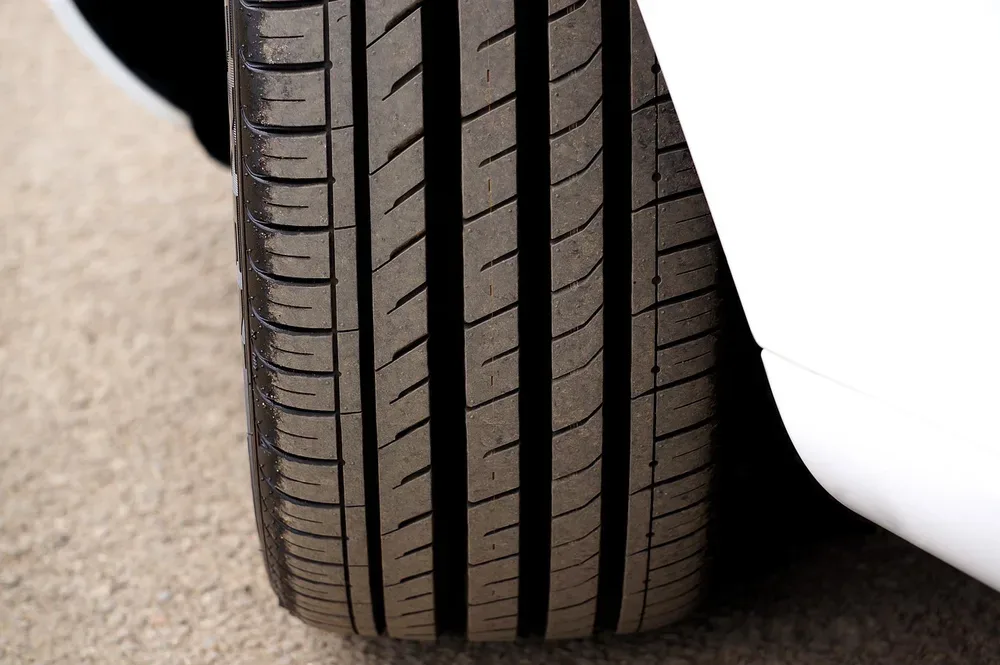
- Tread: The outermost rubber, providing grip and dispersing water. The tread is designed with various patterns to enhance traction in different weather conditions and to channel water away from the tire, reducing hydroplaning risks.
- Belts: Typically steel, reinforcing strength and maintaining shape. These belts provide rigidity and help the tire maintain contact with the road, especially during high-speed driving or under heavy loads.
- Sidewall: Flexible yet tough, absorbs impacts and supports the tread. The sidewall also houses important tire information, such as size, speed rating, and load index.
- Inner Liner: A rubber layer that seals in air, acting as a barrier to prevent air leakage and maintain consistent tire pressure.
- Beads: Secure the tire to the wheel rim, ensuring the tire stays in place during operation and preventing slippage.
Damage to each part has different implications for repair.
Common Causes Of Tire Damage
Tires encounter numerous hazards daily, but not every mishap leads to irreparable harm. Typical sources of damage include:
- Nail or screw punctures (most common): Often happen in parking lots, construction zones, or on roads with debris.
- Cuts from sharp debris or glass: Can occur from broken glass, metal shards, or sharp stones.
- Pothole impacts causing sidewall bulges: Deep potholes can compress the tire, causing the internal structure to break and form visible bulges.
- Curb strikes leading to sidewall abrasions: Common in urban driving or tight parking situations.
- Aging and dry rot: Results from exposure to sunlight, ozone, and temperature extremes over time.
Types Of Tire Damage
- Punctures: Small holes, usually from nails or screws. These can cause slow air leaks and are often repairable if within guidelines.
- Cuts: Slits or gashes, often from sharp objects. Deep cuts may expose internal layers and make repair unsafe.
- Sidewall damage: Bulges, splits, or deep abrasions. Often irreparable due to the flexing nature of the sidewall.
- Bead damage: Where tire meets rim. Can result from improper mounting or dismounting, or hitting curbs.
- Tread separations: Often due to manufacturing defects or excessive wear, causing the tread to detach from the tire body.
Understanding the nature and location of damage is the first step in determining if a repair is possible. For instance, a small puncture in the tread is often repairable, while a sidewall cut or bulge usually necessitates replacement.
Why Some Tire Damage Can’t Be Repaired
Certain zones and types of damage compromise the structural integrity of the tire, making repairs unsafe. For example:
- Sidewall injuries can’t be repaired because they flex constantly, risking patch failure. The sidewall is not only thinner than the tread but also experiences more stress due to cornering and impacts.
- Large or irregular cuts weaken the tire’s structure beyond repair. Deep gashes may expose the belts or inner liner, making the tire unsafe.
- Multiple punctures close together can destabilize the tread. Overlapping repairs can weaken the tire’s overall strength.
- Tread separations or severe bead damage always require replacement. These conditions can lead to catastrophic tire failure.
Safety is the overriding factor—no reputable shop will repair a tire outside strict guidelines. For example, even if a puncture seems minor, if the tire has been driven on while flat, internal damage can compromise its integrity.
Credit: www.tranbc.ca
Industry Guidelines: When Can A Tire Be Repaired?
Global standards for tire repair exist to protect drivers and ensure repairs do not compromise safety. The leading authority is the U.S. Tire Manufacturers Association (USTMA), whose recommendations are widely followed across the auto industry.
Repairable Vs. Non-repairable Damage
According to USTMA and the Rubber Manufacturers Association (RMA), a tire can be repaired only if:
- The puncture is in the tread area (not the sidewall or shoulder).
- The puncture is no more than 1/4 inch (6 mm) in diameter.
- The injury is not overlapping with a previous repair.
- There is no visible or hidden damage to the sidewall or belts.
- The tire has not been driven flat for an extended period (which can damage inner layers).
| Damage Location | Repairable? | Reason |
|---|---|---|
| Tread (center 75%) | Yes | Area is stable and does not flex excessively |
| Shoulder | No | Too close to sidewall, high flex risk |
| Sidewall | No | Constant flexing, weakens repairs |
| Bead | No | Structural integrity compromised |
Types Of Repairable Punctures
- Nail or screw punctures in the center tread: These are common and often result in slow leaks, making them ideal candidates for repair.
- Small, clean holes (no tearing or irregular shape): Clean punctures are less likely to have caused internal damage.
- Single punctures (not multiple or clustered): Multiple injuries can weaken the area and make repairs unsafe.
Repair Limits And Legal Guidelines
- Maximum 2 repairs per tire is a common industry practice, but this varies. Some manufacturers recommend only one repair for high-speed or performance tires.
- Some states or insurers have stricter rules—always check local regulations. For example, California and New York have specific guidelines regarding repairable puncture locations.
- Tires with tread depth below 2/32 inch should not be repaired. This is the legal minimum tread depth in most U.S. states, and tires below this are unsafe regardless of repair.
For official guidelines, see the U.S. Tire Manufacturers Association.
When Replacement Is Mandatory
- Any sidewall or shoulder injury: The flexing and stress make repairs unreliable and unsafe.
- Large holes, slashes, or tread separations: These compromise the tire’s structural integrity.
- Run-flat tires that have been driven flat often cannot be repaired: The reinforced sidewalls may be damaged beyond repair.
- Aged or dry-rotted tires—repairing old tires is unsafe: Rubber degrades over time, making it less flexible and more prone to failure.
Example: Real-world Inspection Scenario
A driver notices a slow leak and discovers a nail in the tread. At the garage, the technician:
- Removes the tire and inspects the interior for signs of hidden damage.
- Measures the puncture—3 mm wide, in center tread, well within repairable limits.
- Checks for sidewall bulges and inner liner damage, ensuring none are present.
Result: The tire is safely repairable and receives a professional patch-plug combination. The driver can continue using the tire without compromising safety.
Credit: www.frpmoto.com
Tire Repair Methods: What Works And What Doesn’t
Not all tire repairs are created equal. The method used directly impacts safety, longevity, and whether the tire will pass inspection.
Approved Professional Repair Methods
The gold standard: The plug-patch combination.
- Step 1: Remove the tire from the wheel for a full inspection, ensuring no hidden damage.
- Step 2: Clean and prep the injured area, removing any debris and roughening the surface for better adhesion.
- Step 3: Insert a rubber stem (plug) through the puncture to seal it from the inside out, preventing moisture and contaminants from entering.
- Step 4: Apply a patch to the inner liner, restoring air seal and structural integrity. The patch reinforces the repair and prevents air leaks.
This method is endorsed by the National Highway Traffic Safety Administration (NHTSA)—see their official tire safety page.
Diy Repairs: Temporary Solutions Only
- Tire sealants and inflator cans: Provide a temporary fix for small punctures, but can damage sensors and make later repairs harder. They are useful for emergencies but should not be relied upon for permanent repairs.
- External plugs (without patch): Not recommended; they may allow moisture and air to seep in, leading to hidden damage. These are quick fixes but often fail to address internal issues.
What Not To Do
- Never repair sidewall or shoulder punctures: These areas are under too much stress for a patch or plug to reliably hold.
- Don’t use strings or “mushroom” plugs as a permanent solution: They don’t properly seal the inner liner and can lead to air leaks.
- Never attempt to fix large cuts, tears, or tread separations: These conditions compromise the tire’s safety and cannot be reliably repaired.
Comparison Table: Repair Methods
| Repair Method | Permanent? | Recommended For | Risks/Limitations |
|---|---|---|---|
| Plug-Patch Combo | Yes | All repairable tread punctures | Requires tire removal, professional only |
| Plug Only | No | Temporary emergency use | May leak, not safe for long-term |
| Tire Sealant/Inflator | No | Emergency roadside fix | Can damage TPMS, messy cleanup |
| Patch Only | No | Small holes, but less effective than combo | Doesn’t seal puncture path completely |
Example: Professional Vs. Diy Repair
A commuter uses a can of sealant after a puncture on the highway. Later, at a tire shop, the technician finds internal damage and must replace the tire. Lesson: Emergency fixes buy time—but only a professional repair ensures lasting safety. DIY solutions are useful for short-term mobility but should be followed up with a certified repair as soon as possible.
Credit: www.simivalleychryslerdodgejeepram.com
Risks And Limitations Of Tire Repair
While proper repairs restore safety and extend tire life, there are inherent risks and limitations that every car owner should recognize.
Safety Risks Of Improper Repairs
- Blowouts: A poorly repaired tire can fail suddenly at speed, causing loss of vehicle control. This is particularly dangerous at highway speeds or in heavy traffic.
- Hidden internal damage: Not visible from outside, compromising strength. Internal damage can lead to unexpected failures, even if the tire appears fine externally.
- Moisture intrusion: Can corrode steel belts, leading to tread separation. Moisture entering through an improperly sealed puncture can degrade the tire from within.
According to a 2026 NHTSA report, improper tire repairs were a factor in 12% of tire-related crash investigations. This underscores the importance of adhering to industry standards and not cutting corners.
Warranty And Insurance Implications
- Tire warranties may be voided by improper or unauthorized repairs. Manufacturers often specify acceptable repair methods.
- Some insurance policies will not cover accidents caused by substandard repairs. Liability may fall on the driver if a faulty repair leads to an accident.
- Run-flat and high-performance tires often have special repair restrictions; always check manufacturer guidance. Repairs outside guidelines could affect performance or safety ratings.
Performance And Longevity Concerns
- Repaired tires may have slightly reduced speed ratings. This is especially relevant for performance or racing tires.
- Balance and ride quality could be affected if repairs are not perfectly executed. Improper repairs can cause vibrations or uneven wear.
- Multiple repairs can accumulate, reducing overall tire life. Each repair slightly alters the structure of the tire, and too many can compromise its integrity.
Legal And Inspection Issues
- Many regions require tires to pass regular safety inspections. Improper repairs can result in failed inspections, fines, or forced replacement.
- Visible repairs outside of guidelines may fail inspection, requiring replacement. This is especially important for commercial vehicles or fleets.
Case Study: Inspection Failure After Improper Repair
A taxi operator had sidewall damage plugged at a roadside shop. During a routine government inspection, the tire failed, and the car was temporarily taken off the road—resulting in lost income and extra costs for proper replacement. This highlights the importance of adhering to repair standards, especially for vehicles in constant use.
Cost Analysis: Repair Vs. Replacement
Repairing a tire is almost always less expensive than replacing it, but the true cost equation includes safety, longevity, and possible hidden damage.
Typical Repair Costs
- Professional plug-patch repair: $20–$40 per tire. This includes labor and materials and is generally offered at most tire shops.
- DIY sealant/inflator: $8–$15 per can (temporary). Often used for emergency roadside repairs but not suitable for permanent fixes.
- Tire replacement: $80–$300+ per tire, depending on brand and size. Premium and performance tires can cost even more.
Cost Comparison Table
| Option | Average Cost | Longevity | Safety |
|---|---|---|---|
| Professional Repair | $20–$40 | Full remaining tread life | High (if within guidelines) |
| DIY Temporary Fix | $8–$15 | Short term (until professional repair) | Moderate to low |
| Replacement | $80–$300+ | New tire life | Highest |
Hidden Costs To Consider
- Time lost for improper repairs that lead to future breakdowns. A failed repair can result in additional towing, downtime, and inconvenience.
- Potential vehicle damage from blowouts or failed repairs. A blown tire can damage wheel rims, suspension components, or even cause accidents.
- Loss of warranty coverage if repairs are not to manufacturer standards. Always check your tire’s warranty terms before authorizing repairs.
Real-world Example: Fleet Cost Savings
A delivery company regularly repaired minor tread punctures professionally, saving over $2,000 annually compared to always replacing tires. However, after a failed DIY repair led to an accident, the company mandated only certified shops could perform repairs. This policy improved safety, reduced downtime, and maintained warranty coverage.
The Repair Process: Step-by-step And What To Expect
Knowing what happens during a professional tire repair helps set expectations and ensures you’re getting a safe, compliant fix.
Step 1: Initial Assessment
- Visual inspection of the tire, inside and out. Technicians look for visible punctures, cuts, bulges, and tread wear.
- Check for secondary damage (sidewall bulges, belt separations). This includes checking for signs of tire fatigue or previous repairs.
- Tread depth measurement to ensure tire has sufficient life left. Repairs are not performed on tires below minimum tread depth.
Step 2: Tire Removal And Internal Inspection
- Tire is removed from the wheel—this is mandatory for proper repair. Internal inspection detects hidden damage not visible from the outside.
- Technician inspects for hidden internal damage (cuts, separations, liner breaches). They look for signs of impact, moisture, and belt corrosion.
Step 3: Preparation And Cleaning
- Area around puncture is buffed to roughen the surface. This ensures better adhesion for the patch.
- Foreign object (nail, screw) is carefully extracted. Removal is done to avoid causing further damage.
Step 4: Application Of Plug-patch Combo
- A rubber stem (plug) is inserted from the inside out, sealing the puncture path.
- Patch is applied over the injury on the inner liner, sealed with vulcanizing cement. This ensures a strong, airtight bond.
Step 5: Reassembly And Balancing
- Tire is remounted on the wheel. Proper mounting ensures the tire seats correctly.
- Wheel is rebalanced to ensure smooth operation. Balancing prevents vibrations and uneven tire wear.
- Tire is re-inflated and checked for leaks. Technicians use soapy water or electronic sensors to confirm air-tightness.
Step 6: Final Inspection And Documentation
- Technician checks the repair for air tightness. Any leaks require rework.
- Some shops provide a repair certificate for insurance or warranty purposes. This documentation can be useful if the tire is later inspected or if warranty claims arise.
What To Ask Your Technician
- Is the puncture within repairable guidelines?
- Was the tire removed and inspected internally?
- Was a plug-patch combo used?
- What is the expected remaining lifespan of the tire?
- Are there any warranty implications from the repair?
For more on the certified repair process, see the Tire Rack repair guide.
Example: High-performance Tire Repair
A sports car owner suffers a tread puncture on a $400 performance tire. The shop follows the above protocol, ensuring the repair does not affect the tire’s speed rating or handling—saving the owner hundreds over replacement. The professional repair also maintains the tire’s balance and performance characteristics.
When To Repair, When To Replace: Decision Matrix
Deciding between repair and replacement involves balancing safety, cost, and peace of mind. Here’s a practical approach:
Repair If:
- Puncture is in the tread area and less than 1/4 inch (6 mm).
- No internal or sidewall damage is present.
- Tire has sufficient tread remaining (above 2/32 inch).
- This is the first or second repair on the tire.
Replace If:
- Puncture is on the sidewall, shoulder, or bead.
- Hole is larger than 1/4 inch (6 mm) or irregular in shape.
- Multiple punctures close together.
- Tread is worn down or tire is old (usually >6 years).
- Tire has suffered a blowout or run flat for extended distance.
Decision-making Checklist
- Identify puncture location and size
- Inspect for secondary/internal damage
- Consult professional guidelines
- Consider age and tread depth
- Get a second opinion if unsure
Case Study: Family Sedan With Repaired Tire
A family’s minivan had a screw puncture in the middle of the tread. Following all repair guidelines, a plug-patch combo restored full safety and saved $150 compared to immediate replacement. The tire lasted for another 20,000 miles without issue. Periodic inspections confirmed the integrity of the repair, and the family was able to avoid unnecessary expenses.
Preventing Tire Damage And Maximizing Repairability
While not all flats are avoidable, you can minimize risk and make it more likely a future puncture is repairable.
Tire Maintenance Best Practices
- Check tire pressure monthly: Under-inflation increases sidewall flex and risk. Proper inflation also improves fuel efficiency and tire longevity.
- Rotate tires regularly: Promotes even wear and extends life. Most manufacturers recommend rotation every 6,000 to 8,000 miles.
- Inspect for embedded objects: Catch slow leaks before they worsen. Remove small stones, nails, or debris from the tread.
- Replace tires before they’re worn out: Thin tread is more vulnerable. Tires with low tread are more likely to suffer irreparable damage.
Driving Habits To Reduce Tire Damage
- Avoid potholes and debris on the road whenever possible. Slow down when approaching rough patches.
- Slow down over speed bumps and rough surfaces. Excessive speed increases impact force and risk of damage.
- Park carefully to avoid curb strikes. Use caution when parallel parking or entering tight spaces.
Choosing The Right Tires
- Quality brands typically use stronger materials. Premium tires often offer better puncture resistance and longer life.
- Consider run-flat tires for peace of mind, but know their repair limitations. Run-flats allow you to drive to safety but may require replacement after a puncture.
Using Technology
- Many cars now feature Tire Pressure Monitoring Systems (TPMS). Respond promptly to warnings. TPMS systems alert you to low pressure or leaks, enabling early intervention.
- Apps like TireMinder or myCARFAX can help track tire health and maintenance schedules. These apps send reminders and help log repairs, rotations, and replacements.
For more tire safety tips, see the NHTSA tire safety brochure.
Example: Fleet Proactive Maintenance
A logistics company reduced tire failures by 35% after implementing monthly inspections and mandatory pressure checks. More punctures were caught early, making repairs possible and reducing costly blowouts. This proactive approach also increased driver confidence and reduced downtime.
Frequently Asked Questions
What Types Of Punctures Can Be Repaired?
Only small punctures (up to 1/4 inch/6 mm) located in the tread area (center 75% of the tire) are considered safely repairable. Sidewall, shoulder, or large/irregular punctures should not be repaired. Multiple repairs in close proximity are also discouraged due to structural weakening.
Can I Use Tire Sealant As A Permanent Fix?
No, tire sealants are for temporary emergency use only. They may allow you to reach a repair shop, but a professional internal repair (plug-patch combo) is required for long-term safety and to maintain tire integrity. Sealant can also interfere with TPMS sensors and complicate future repairs.
Is It Safe To Repair Run-flat Tires?
Run-flat tires can sometimes be repaired, but many manufacturers prohibit repairs due to the risk of hidden structural damage after driving on a flat. Always consult your tire manufacturer’s guidelines and have run-flats inspected by a specialist. Some brands recommend replacement even after minor punctures to ensure safety.
How Many Times Can A Tire Be Repaired?
Most experts recommend no more than two repairs per tire, provided they are not overlapping and are located in the repairable tread area. Multiple repairs can weaken the tire and affect performance. High-performance tires may require replacement after a single repair.
Will A Repaired Tire Last As Long As A New One?
If a proper repair method is used and the tire is otherwise in good condition, a repaired tire can last for the remainder of its tread life. However, improper repairs, multiple fixes, or repairs on older tires can shorten lifespan and compromise safety. Regular inspections are advised to monitor the repaired tire’s condition.
A flat tire doesn’t always mean it’s time for a costly replacement. By understanding the types of damage that can be safely repaired, following professional guidelines, and seeking expert help, you can save money and stay safe on the road. Regular maintenance and smart driving habits not only reduce the risk of tire damage but also increase the odds that, if disaster strikes, your tire will be a candidate for reliable repair. When in doubt, always consult a qualified tire technician—your safety and peace of mind are worth it. For more in-depth resources, visit the Wikipedia Tire article or the Consumer Reports tire buying guide. Safe travels!
Products related to this article
Sponsored / affiliate links. As an Amazon Associate I earn from qualifying purchases. I may earn additional commission from eligible campaigns.