Best Transmission Controller for 4L80E: Top Picks Ranked
More resources, such as wiring diagrams and troubleshooting guides. If you buy from a lesser-known company, you may be left searching forums for help. Always check what support options are available before you buy.
- Forgetting about software compatibility: Some controllers require specific computers or operating systems for tuning. Make sure your laptop or device is compatible. For example, some older tuning software doesn’t work on Mac without extra steps.
- Overlooking sensor requirements: Many advanced controllers need additional sensors—like throttle position, vehicle speed, or temperature sensors—to function properly. If your setup is missing these, you might need to buy and install extra parts.
- Believing “set and forget” is always best: While simplicity is great, controllers that offer only fixed settings can limit your ability to fine-tune the driving experience. For example, if you drive in different conditions (city vs. highway, towing vs. racing), you’ll appreciate more adjustability.
Beginner insight: Sometimes, a controller’s feature list sounds impressive, but you may never use advanced features like paddle shift or nitrous control. Focus on what you’ll actually use, not just the “coolest” options.
Installation Tips For Beginners

Saihisday
Saihisday 4L80E Independent Controller NCR80E Stand Alone…
- Replaces Part Number: NCR80E. Gear changes with column or floor shifter; must have PRND321
- No Automatic Shifting: Functions like a fully manual valve body, featuring a forward shift pattern and providing engine braking du…
- Plug and Play:This setup requires no internal modifications to the transmission. It features a torque converter lockup switch for…
As an Amazon Associate I earn from qualifying purchases.
Even the best controller can cause headaches if installed incorrectly. Here are some practical steps and insights for a smoother process:
- Read the manual before starting: Many installation issues happen because people skip the instructions. Take time to read the manual from start to finish. Highlight wiring diagrams and key steps.
- Lay out all parts and tools: Check that you have everything needed—controller, harness, sensors, zip ties, connectors, and tools—before you start. Missing parts can stall your project.
- Label wires and connections: Use masking tape or wire labels to mark each wire as you disconnect and reconnect. This makes troubleshooting much easier later.
- Plan your wiring route: Keep the harness away from hot engine parts or sharp edges. Use loom or heat wrap where needed to protect from heat and abrasion.
- Grounds matter: Poor grounding is a top cause of transmission controller issues. Clean paint or rust from grounding points and use star washers for solid contact.
- Check for firmware updates: Before powering up, visit the manufacturer’s website to download the latest firmware or software. Updates often fix bugs and improve compatibility.
- Test before tidy-up: Once everything is connected, test the system before bundling wires or closing panels. Catching mistakes now saves time later.
- Don’t rush the first drive: Start with gentle driving. Watch for warning lights, check for leaks, and listen for odd noises. Use the tuning interface to verify correct gear changes.
Non-obvious tip: If you’re not comfortable with wiring or have never installed a transmission controller, consider asking a friend with electrical experience to help. Even a second set of eyes can spot missed connections or potential issues.
Advanced Tuning Advice
For those wanting to get the most out of their 4L80E, tuning is where you turn a “good” setup into a great one. Here’s how to approach tuning for best results:
- Start with the base map: Most controllers come with a base tune for common setups. Load this first, then make gradual changes. Big jumps can make troubleshooting difficult.
- Adjust shift points for your driving style: Street cars may benefit from early, smooth shifts for fuel economy. Race cars need later, firmer shifts to stay in the power band.
- Fine-tune line pressure: Higher pressure firms up shifts (good for performance), but too much can stress transmission parts. Too little and you’ll get slippage.
- Monitor transmission temperature: Overheating is the enemy of automatics. Use a controller with temp readout and consider an auxiliary cooler if temps are high.
- Log and review data: Advanced controllers let you record shift events, errors, and sensor data. Reviewing logs helps spot patterns and issues before they become problems.
Example: If you notice shifts are harsh after engine upgrades, review your data logs. You may need to adjust line pressure or shift timing to match the new torque curve.

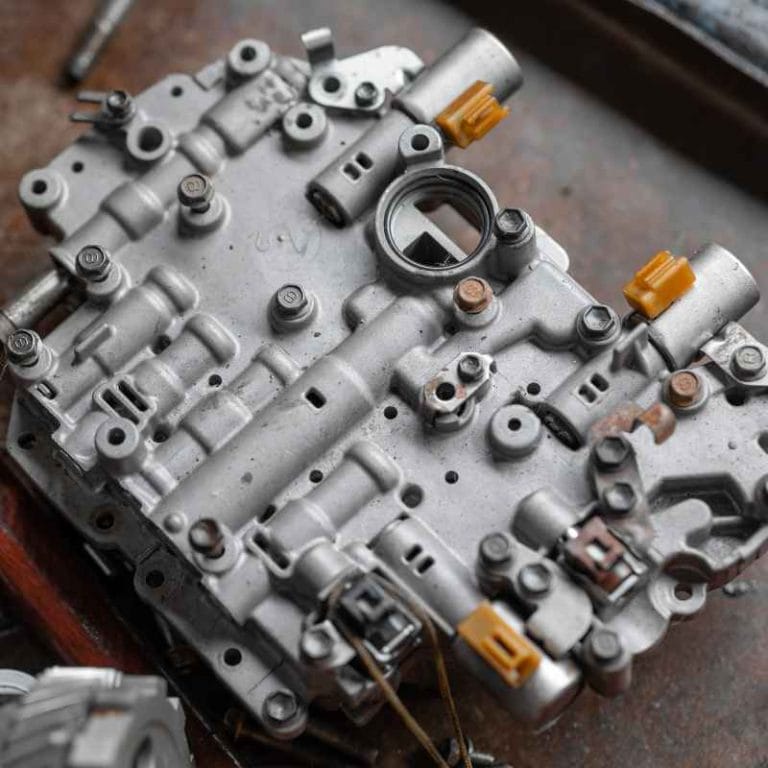
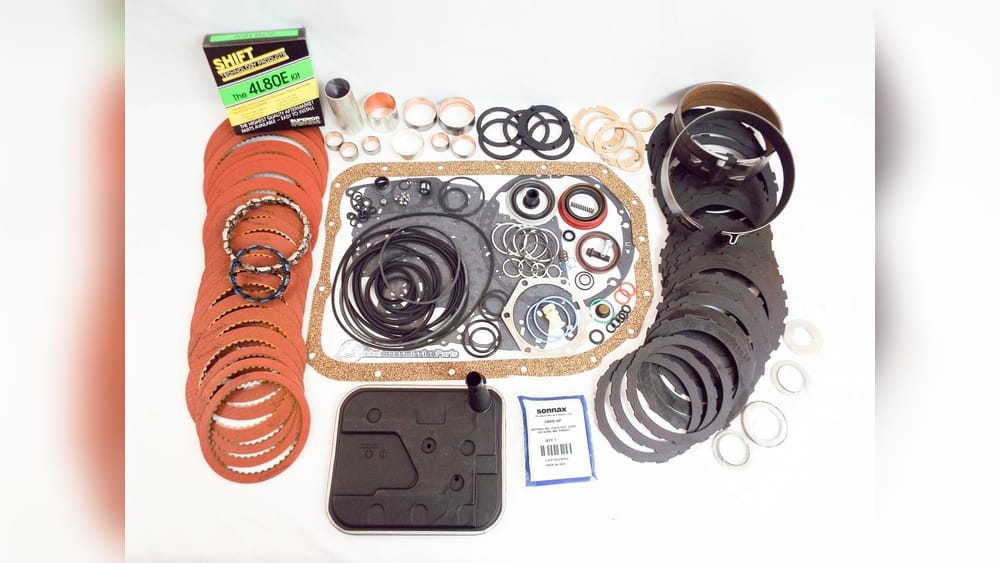
Credit: www.ebay.com
Resources For Further Learning
If you want to go deeper, online communities and official documentation can save hours of trial and error. Good starting points include:
- [LS1Tech transmission forum](https: //ls1tech.com/forums/automatic-transmission/)
- Manufacturer YouTube channels for install videos
- Product-specific Facebook groups and Reddit threads
Don’t hesitate to ask questions in forums—many members are happy to help, and you’ll often find solutions faster than waiting for tech support.
Final Thoughts: Picking Your Best 4l80e Controller
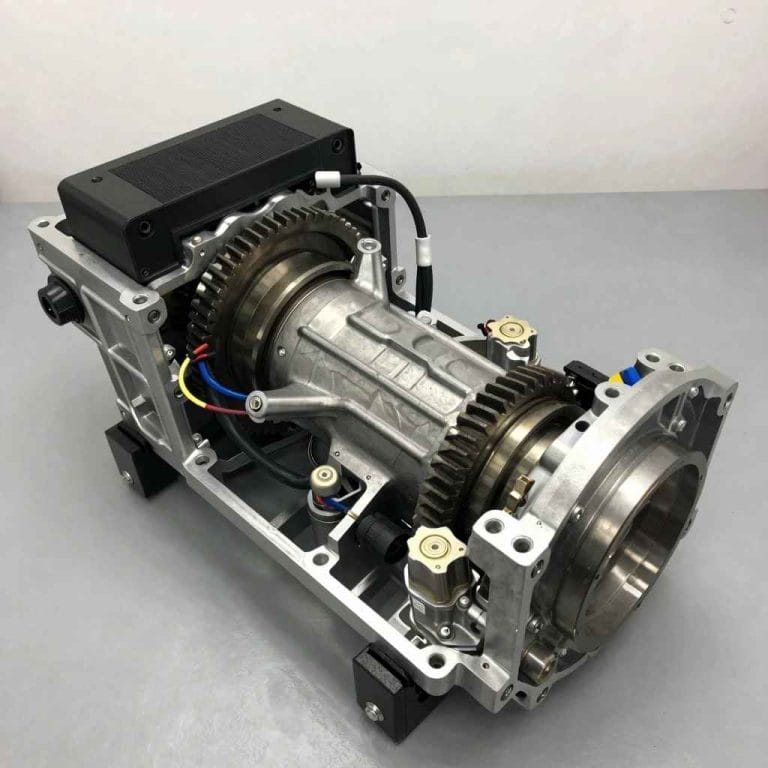
Choosing the best transmission controller for your 4L80E depends on your goals, budget, and comfort with technology. For a plug-and-play upgrade, the TCI EZ-TCU or PCS Simple Shift is hard to beat. If you’re building a high-power LS swap or want total control, the Holley Terminator X Max or US Shift Quick 4 is worth the investment.
Remember, the right controller does more than shift gears—it protects your transmission, adapts to your driving, and makes your project more enjoyable. Think about your future plans, read real user experiences, and don’t be afraid to invest a little more for reliability and support.
With the right choice and a careful install, your 4L80E will deliver years of strong, smooth performance—whether you’re cruising, towing, or racing.
—
If you want to learn more about transmission technology and the latest trends in tuning, [Summit Racing’s tech articles](https://www.summitracing.com/search/brand/summit-racing/part-type/transmission-control-modules) are a great resource for real-world advice and updates.
Related pick: Check today's price on Amazon
Products related to this article
Sponsored / affiliate links. As an Amazon Associate I earn from qualifying purchases. I may earn additional commission from eligible campaigns.