Is Transmission Control Module Worth Replacing Or Not?
Is Transmission Control Module Worth Replacing Or Not?
When your car’s transmission starts acting up, panic often follows. Many drivers fear costly repairs or even a full transmission replacement. But sometimes, the problem lies in a smaller, smarter part: the Transmission Control Module (TCM). This electronic brain controls shifting, adapts to your driving style, and keeps your transmission running smoothly. When it fails, you face a choice—replace the TCM or look for a different fix. But is replacing the TCM really worth it? The answer depends on several factors, including cost, symptoms, long-term reliability, and the unique role of the TCM in your vehicle.
Let’s explore what the TCM does, how it fails, what symptoms you’ll notice, and whether investing in a new module is the right call. You’ll also see cost comparisons, pros and cons, and advice that goes beyond simple “yes or no” answers.
What Is A Transmission Control Module?
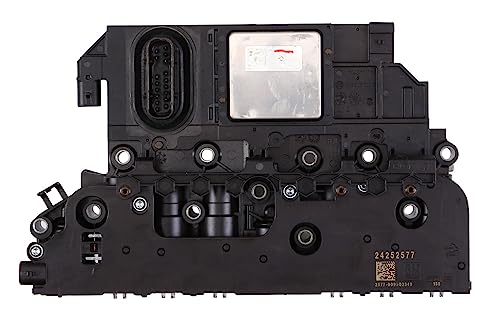
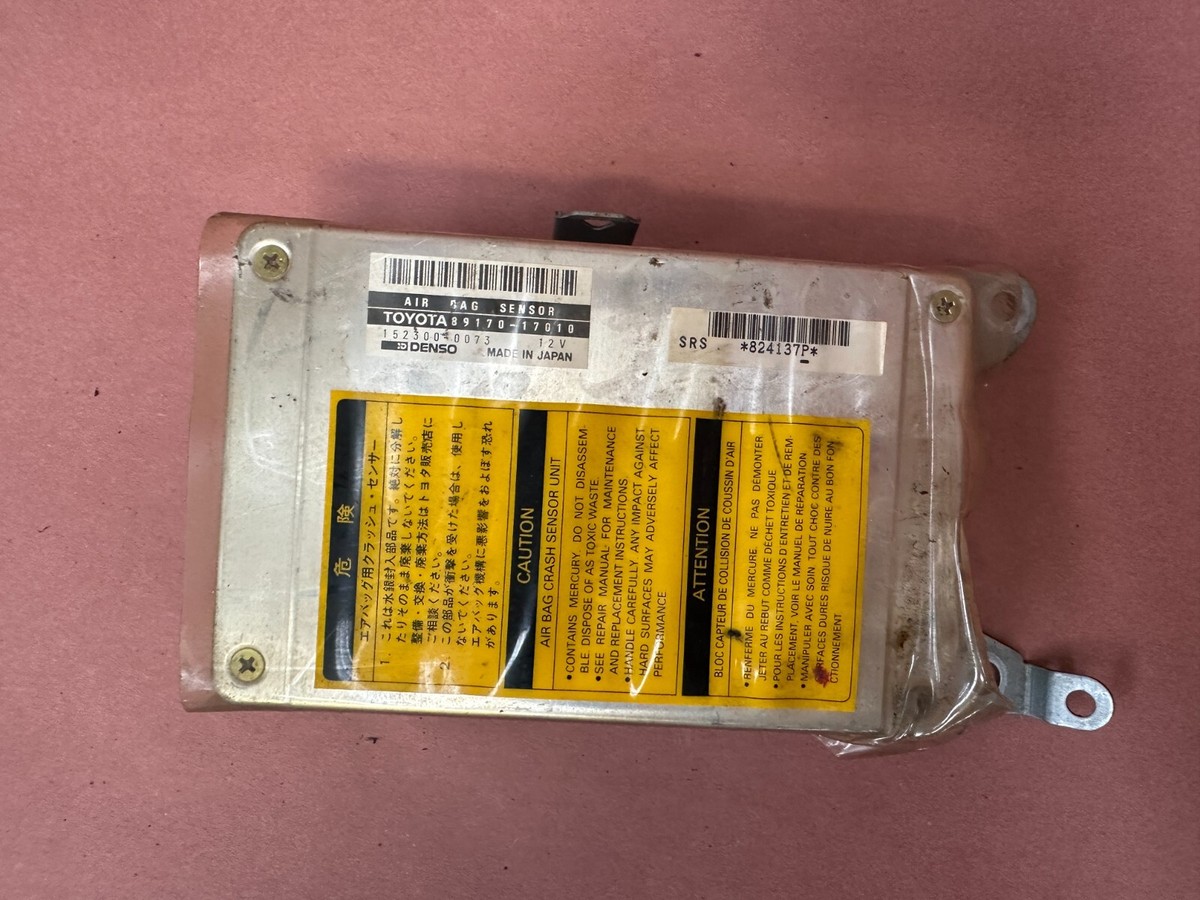
The Transmission Control Module is a small computer inside your car, usually located near the transmission or under the hood. It communicates with the engine control module (ECM) and other parts to manage gear shifting. The TCM receives data from sensors about vehicle speed, throttle position, engine load, and more. It uses this information to shift gears at the best time for performance, fuel economy, and smooth driving.
Modern cars with automatic transmissions rely heavily on the TCM. Without it, gear changes would be rough, delayed, or not happen at all. Think of it as the conductor in an orchestra, making sure everything happens in perfect harmony.
What Happens When The Tcm Fails?
When the TCM goes bad, you may notice:
- Slipping gears or harsh shifts
- Delayed acceleration
- Stuck in one gear (often third or fourth, called “limp mode”)
- Check engine or transmission warning light
- Poor fuel economy
Sometimes, these symptoms mimic bigger transmission problems. That’s why a proper diagnosis is essential.
How Much Does Tcm Replacement Cost?
The cost of replacing a TCM depends on your car’s make, model, and year. Prices can vary widely, but here’s a practical overview:
| Vehicle Type | OEM TCM Price | Labor Cost | Total Estimated Cost |
|---|---|---|---|
| Compact Sedan | $250 – $600 | $100 – $250 | $350 – $850 |
| Luxury SUV | $600 – $1,500 | $200 – $400 | $800 – $1,900 |
| Pickup Truck | $300 – $900 | $150 – $300 | $450 – $1,200 |
OEM TCMs (Original Equipment Manufacturer) are more expensive than aftermarket options, but they offer better compatibility and reliability. Labor usually takes 1-3 hours, depending on the car’s design and the mechanic’s rates.
Can You Repair Instead Of Replace?
Sometimes, repair shops offer TCM reprogramming or board repairs for $150–$400. This is possible if the problem is software-related or a minor hardware fault. However, severe water damage, burned circuits, or complete failure usually require full replacement.
Signs You Need To Replace The Tcm
Not every shifting problem means your TCM is dead. Here are clear signs that replacement might be necessary:
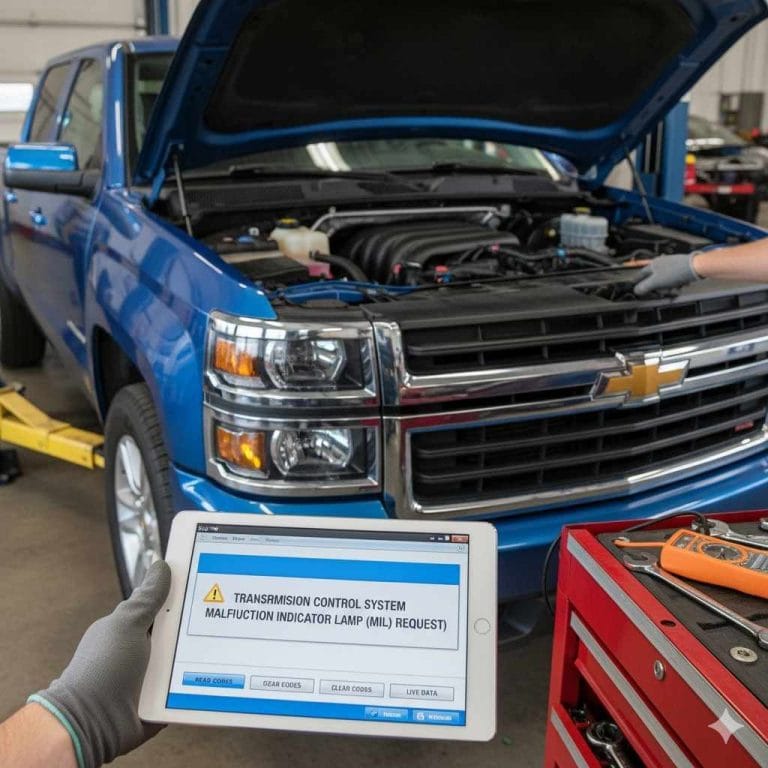
- Persistent Transmission Codes: If diagnostics consistently show TCM-related trouble codes (like P0700 or P0606) after other fixes, the module is likely at fault.
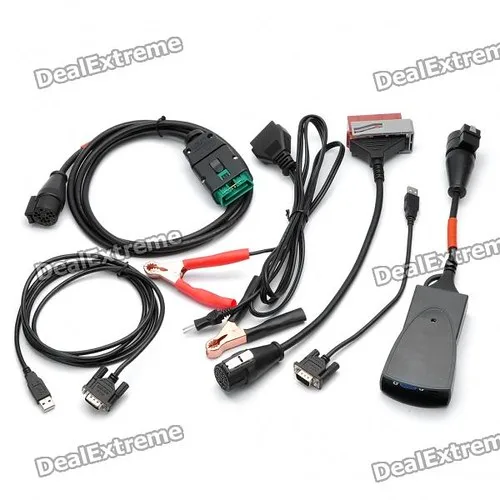
- No Communication: When scan tools cannot communicate with the TCM, it’s often completely failed.
- Failed Reprogramming: If updating or resetting the software does not solve the problem, the hardware may be damaged.
- Repeat Failures: Repeated issues after repairs or temporary fixes often point to a failing TCM.
A good mechanic should run specific tests to confirm the TCM is the problem. Misdiagnosis is common, so always seek a second opinion if you’re unsure.
Is Replacing The Tcm Worth It? Pros And Cons
Let’s look at both sides before making a decision:
| Pros | Cons |
|---|---|
|
|
Non-obvious Insights
- Programming Is Essential: New TCMs often need to be programmed to your car’s VIN and transmission type. Skipping this step can lead to more problems. Many independent shops do not have the right tools.
- Transmission Fluid Issues Can Mimic TCM Failure: Low or dirty fluid can cause shifting problems similar to TCM failure. Always check fluid quality and level before replacing expensive electronics.
When Replacing The Tcm Makes Sense
You should seriously consider TCM replacement if:
- Your car has fewer than 150,000 miles, and the rest of the transmission is healthy.
- The TCM is the only failed component, confirmed by multiple diagnostics.
- You want to avoid the much higher cost of a new transmission.
- The vehicle is worth more than the repair cost (check resale value and depreciation).
For newer cars (less than 10 years old), TCM replacement can add years of reliable service. For older, high-mileage cars, it’s smart to weigh the repair cost against the value of the car.
When It’s Not Worth Replacing The Tcm
It might not be worth it if:
- The transmission has internal mechanical damage (slipping clutches, metal shavings in fluid).
- The vehicle is near or below its resale value (for example, a $1,000 repair on a $1,500 car).
- Other critical systems (engine, brakes) are also failing.
- The TCM failed due to water intrusion or electrical shorts that may return.
In these cases, investing in a new TCM could be throwing good money after bad.
Comparing Tcm Replacement To Other Transmission Repairs
Drivers often wonder if TCM replacement is a better deal compared to other fixes. Here’s a side-by-side look:
| Repair Type | Typical Cost | Average Downtime | Long-Term Reliability |
|---|---|---|---|
| TCM Replacement | $350 – $1,900 | 1–2 days | High (if only TCM is faulty) |
| Transmission Fluid Change | $120 – $250 | Few hours | Prevents issues, not a direct fix |
| Transmission Rebuild | $1,800 – $4,500 | 3–7 days | High (if done well) |
| Used Transmission Swap | $1,200 – $3,500 | 2–5 days | Varies (depends on donor part) |
TCM replacement is usually less expensive and faster than rebuilding or replacing the entire transmission. But if other transmission parts are worn, a new TCM won’t solve deeper issues.
How To Make The Right Decision
Making the right choice means balancing cost, car value, and your long-term plans. Here’s a step-by-step approach:
- Get a Proper Diagnosis: Ask for a full scan with a dealer-level tool. Make sure the TCM is the root cause.
- Check Transmission Health: Inspect fluid for metal shavings, burning smell, or low levels. These point to bigger problems.
- Request a Repair Estimate: Compare TCM cost to the value of your car and your budget.
- Consider Your Needs: Do you plan to keep the car for several years? Or sell soon?
- Ask About Warranty: New TCMs often come with a warranty (12–36 months). Used or repaired modules may not.
Real-world Example
A 2014 Ford Focus owner noticed hard shifting and a warning light. Dealer diagnosed a failed TCM. Replacement cost: $850. Car value: $6,000. Fluid and clutches checked out fine. In this case, replacing the TCM was a smart investment—cheaper than a full transmission and extended the car’s life.
Common Mistakes To Avoid
- Skipping Diagnostics: Never guess. Many drivers replace the TCM without confirming the problem, wasting money.
- Using Cheap Aftermarket TCMs: These often fail early or don’t communicate well with your car’s computer.
- Ignoring Fluid Maintenance: A new TCM won’t fix problems caused by dirty or low fluid.
- Not Programming the New TCM: Some modules need special setup. Without it, the transmission may not shift at all.
- Delaying Repairs: Driving with a bad TCM can damage the transmission, increasing repair costs.
How To Extend The Life Of Your Tcm
While TCMs can last a long time, you can take steps to prevent early failure:
- Keep electrical connections clean and dry. Water or corrosion can short the module.
- Maintain battery health. Power surges or low voltage can damage the TCM’s delicate circuits.
- Change transmission fluid as recommended. Clean fluid reduces stress on sensors and modules.
- Repair leaks quickly. Fluid leaks can affect wiring and modules located under the hood.
Credit: www.ebay.com
Alternatives To Tcm Replacement
If cost is a concern, consider these options:
- Used TCMs: Cheaper than new, but riskier. Must match your car’s part number and may need reprogramming.
- Rebuilt TCMs: Refurbished modules with new parts. Usually cheaper than new, but quality varies.
- Repair Services: Some shops fix and reprogram your original TCM, especially for common failure modes.
Always ask about warranty and return policies when choosing alternatives.
Technology Trends: Are Tcms Becoming More Reliable?
Modern TCMs use advanced microchips and better waterproofing, so failures are less common than in the past. However, more complex electronics mean higher replacement costs. Some carmakers, like Toyota and Honda, have lower TCM failure rates, while certain Ford and GM models are known for issues.
As cars move toward electric and hybrid powertrains, integrated control modules (handling both engine and transmission) are becoming standard. This makes diagnosis even more important, since a failure can affect multiple systems.

Credit: www.fs1inc.com
Environmental Impact: Is Replacing The Tcm Greener Than A New Transmission?
Replacing a TCM uses fewer resources than rebuilding or swapping an entire transmission. It keeps more of your car’s original parts in service and reduces waste. For environmentally minded drivers, fixing the TCM is often the more sustainable choice.
Should You Diy Or Go To A Professional?
Replacing a TCM is possible for experienced DIYers, but there are risks:
- Programming tools may be required
- Incorrect installation can damage the new part
- Some TCMs are hard to access (under the battery, behind panels)
For most people, letting a qualified mechanic handle the job is safer and offers warranty protection. If you do try it yourself, follow the service manual step-by-step and use proper safety gear.

Credit: en.wikipedia.org
Warranty Considerations
- New OEM TCMs: Usually 12–36 months, sometimes longer if installed by a dealer
- Aftermarket/Used: Typically 3–12 months, sometimes none
- DIY Installation: May void warranty if not done by a certified shop
Always keep records of your repair in case you need to file a warranty claim later.
How To Avoid Tcm Failure In The Future
- Keep wiring and connectors clean. Check for corrosion every oil change.
- Fix leaks quickly. Fluid on wires can cause shorts.
- Don’t ignore warning lights. Early diagnosis prevents bigger problems.
- Use the right transmission fluid. The wrong type can confuse sensors.
- Avoid jump-starting carelessly. Power surges can fry sensitive electronics.
Frequently Asked Questions
What Causes A Tcm To Fail?
Common causes include water intrusion, power surges, age-related wear, and overheating. Sometimes, software bugs or failed sensors can also damage the TCM.
Can I Drive With A Bad Tcm?
It’s possible, but not recommended. You may be stuck in “limp mode” (reduced power and speed), and long-term driving can damage the transmission or other parts.
How Do I Know If My Tcm Or My Transmission Is The Real Problem?
A diagnostic scan is the best way. If trouble codes point to the TCM and fluid/gearbox checks are clean, it’s likely the module. If you see metal shavings in the fluid or hear grinding, the transmission itself may be bad.
Is It Safe To Use A Used Tcm From Another Car?
Only if it matches your car’s exact part number and you can program it for your vehicle. Used TCMs carry risk of early failure and may not be compatible with your car’s software.
Where Can I Find More Information About Tcms?
You can learn more about TCMs, how they work, and repair options from the Wikipedia page on Transmission Control Units.
Final Thoughts
Replacing a Transmission Control Module is often worth it if your car is in good condition and the TCM is the confirmed cause of shifting problems. It’s a cost-effective fix compared to a full transmission overhaul, and, when done properly, can restore your vehicle’s smooth performance for years. However
Products related to this article
Sponsored / affiliate links. As an Amazon Associate I earn from qualifying purchases. I may earn additional commission from eligible campaigns.