How Much Is A Transmission Control Unit? Pricing Explained
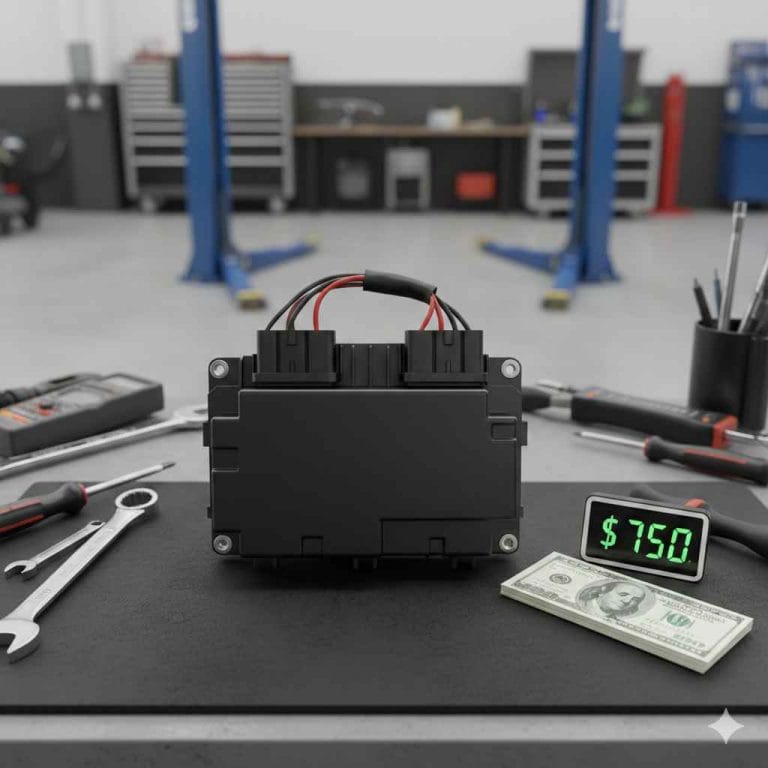
The cost of a Transmission Control Unit (TCU) can range widely, typically from $200 to over $1,000 for the part alone. This is before considering installation, labor, and potential diagnostic fees, which can add another $100 to $800 or more, making the total job cost often fall between $300 and $1,800. The price depends heavily on the vehicle make and model, whether it’s a new or remanufactured unit, and where you have the work done.
What Is a Transmission Control Unit?
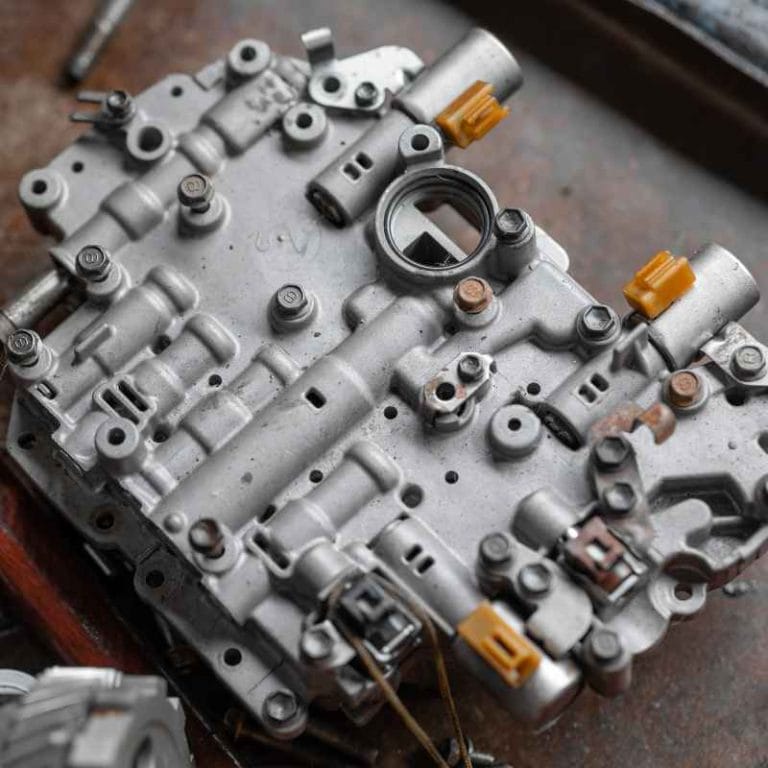
Think of your car’s transmission as the part that changes gears. It lets your engine work well at different speeds. The Transmission Control Unit, or TCU, is like the transmission’s brain.
It tells the transmission when to shift gears. It gets signals from many sensors all over your car. It then tells the transmission parts exactly what to do.
This little computer is very important. It helps your car shift smoothly. It also helps with fuel efficiency.
It even helps keep your transmission from breaking. A failing TCU can cause all sorts of transmission problems. These can include rough shifting, delayed gear engagement, or even a “limp mode” where your car can only go very slowly.
My Story with a Tricky Transmission Light
I remember this one time, about three years ago. My old sedan, a trusty but aging model, suddenly started acting weird. I was driving home from a friend’s place, late on a Tuesday night.
The road was dark and quiet. All of a sudden, the transmission warning light blinked on the dashboard. It wasn’t a steady light, but a quick, annoying flash.
Then, my car started to feel… sluggish. It felt like it was stuck in one gear. Going uphill felt like I was pulling a giant anchor.
My stomach dropped. My mind immediately went to the worst-case scenario: a broken transmission. I pictured thousands of dollars in repairs.
I felt a knot of panic and dread. I pulled over to the side of the road, the engine idling rough. I just sat there for a minute, listening to the quiet hum.
I opened the owner’s manual, my hands a little shaky, and flipped through to the warning lights section. It just said “Transmission System Malfunction. See Dealer.” Great.
Very helpful. That feeling of helplessness, staring at a warning light you don’t understand, is awful. I drove the rest of the way home very slowly, my mind racing about repair bills.
TCU Basics: The Car’s Gear Shifter Brain
What it is: A small computer that controls your automatic transmission.
What it does: Tells the transmission when to shift gears.
Why it’s important: Ensures smooth shifts, good gas mileage, and protects the transmission.
Why Does a Transmission Control Unit Cost So Much?
You might be wondering why a small computer part can cost so much. There are a few big reasons for this. First, the technology inside is pretty advanced.
These units have to be super reliable. They control a vital part of your car. They need to withstand heat, vibration, and electrical interference.
This means they are built with high-quality components. They are also programmed with complex software.
Second, many TCUs are specific to a car’s make and model. This is not like buying a generic filter. A TCU for a Ford F-150 might be totally different from one for a Honda Civic.
This specialization means manufacturers don’t make them in massive, cheap quantities. They are often made in smaller batches. This specialized production drives up the individual cost.
Finally, the complexity of the repair job adds to the total price. Replacing a TCU isn’t usually a simple swap. It needs to be programmed correctly to your car’s specific needs.
This programming requires special tools and expertise. A mechanic needs to use a diagnostic scanner to talk to the car’s computer. They then load the correct software onto the new TCU.
This labor adds a significant amount to the final bill.
Common Signs of a Failing TCU
Spotting the early signs of a problem can save you a lot of hassle. If your car’s transmission is acting up, it’s good to know what to look for. These symptoms might point to a failing TCU, or a related issue.
One of the most common signs is rough or jerky shifting. Your car might hesitate before changing gears. Or it might shift with a noticeable clunk.
This is not how a smooth-shifting transmission should feel. It can feel like the car is struggling to find the right gear.
Another sign is delayed engagement. When you put your car in drive or reverse, there might be a long pause before it actually engages. This delay can be unnerving.
It makes it feel like your car isn’t responding right away. This is a classic symptom that something is not right with the transmission controls.
You might also notice the transmission temperature warning light coming on. While this can indicate a fluid or mechanical problem, it can also be triggered by a faulty TCU. The TCU helps manage the transmission’s heat.
If it’s not working right, it might not manage the temperature correctly.
Then there’s the dreaded “limp mode.” This is a safety feature. When the car’s computer detects a serious problem, it puts the transmission into a limited mode. Your car might only be able to go about 25-30 miles per hour.
This mode prevents further damage. But it means you can’t drive your car normally. You’ll need to get it checked out right away.
TCU Failure Symptoms Checklist
- Rough Shifting: Jerky gear changes, clunks.
- Delayed Engagement: Hesitation when shifting into Drive or Reverse.
- Warning Lights: Transmission temperature light or check engine light.
- Limp Mode: Car stuck in a low gear, speed limited.
- Poor Fuel Economy: Transmission not shifting efficiently.
- No Gear Engagement: Car feels like it’s in neutral even when in gear.
What Affects the Price of a TCU?
The price you pay for a Transmission Control Unit can vary a lot. It’s not a one-size-fits-all cost. Several factors play a role in the final number.
Understanding these can help you budget better and shop smarter.
Vehicle Make and Model: This is a huge factor. Luxury cars or performance vehicles often have more complex transmissions. They also use more advanced TCU technology.
This means their parts will naturally cost more. A TCU for a high-end European sedan will likely be pricier than one for a common economy car.
New vs. Remanufactured vs. Used: You usually have options when buying a
Brand and Quality: Just like with any electronic part, there are different brands. Some aftermarket companies produce high-quality, reliable TCUs. Others might be cheaper but less durable.
Dealerships typically sell original equipment manufacturer (OEM) parts, which are made by or for the car company. These are usually the most expensive but offer guaranteed compatibility and quality.
Labor Costs: The price of the part itself is only one piece of the puzzle. The mechanic’s labor rate is another big part. Some shops charge more per hour than others.
The complexity of the installation for your specific car also matters. Some cars make it harder to access the TCU. This means more time for the mechanic.
Diagnostic Fees: Before even replacing the TCU, a mechanic needs to diagnose the problem. They use specialized equipment to read error codes. This diagnostic process takes time.
Most shops charge a fee for this. This fee is separate from the repair itself. It’s important to know if this fee will be applied to your repair if you decide to proceed.
Cost Breakdown: What You Might Pay
Part Prices (Estimate):
- New OEM TCU: $500 – $1,500+
- Remanufactured TCU: $300 – $800
- Used TCU: $100 – $400
Labor & Diagnostics (Estimate):
- Diagnostic Fee: $80 – $200
- Installation & Programming: $150 – $600+
Where to Buy a Transmission Control Unit
When it’s time to replace your TCU, you have a few main places to look for a replacement part. Each has its pros and cons. Knowing these options can help you find the best fit for your needs and budget.
Dealerships: This is the most straightforward option for a new, OEM part. Dealerships are guaranteed to have the exact part for your vehicle. The quality is top-notch, and they often come with a good warranty.
However, this is almost always the most expensive route. You’ll pay a premium for the convenience and brand name.
Aftermarket Parts Stores: Many large auto parts chains carry aftermarket TCUs. These can be a more affordable option than dealership parts. You might find new or remanufactured units here.
It’s important to check the brand and read reviews. Some aftermarket brands are excellent, while others might not be as reliable. Always check the warranty offered.
Online Retailers: The internet offers a vast selection of TCUs. Websites like Amazon, eBay, and specialized auto parts sites have many options. You can often find competitive pricing here, especially for remanufactured or used parts.
Be extra cautious when buying online. Look for sellers with good return policies and clear warranty information. Make sure the part number matches your vehicle exactly.
Salvage Yards (Junkyards): This is typically the cheapest option for a used TCU. You can find parts from cars that have been wrecked or totaled. The main drawback is the uncertainty.
You don’t always know the condition of the used part. The warranty is usually very limited, if offered at all. This is best for those on a very tight budget or for older vehicles where the cost of other options is prohibitive.
Specialty Transmission Shops: Some independent shops that specialize in transmissions might sell and install TCUs. They often have good relationships with parts suppliers. They may be able to get you a better price on a remanufactured unit.
They also have the expertise to install and program it correctly.
Where to Shop for a TCU
- Dealerships: Guaranteed fit, OEM quality, highest price.
- Auto Parts Stores: Good selection, various brands, moderate price.
- Online Retailers: Wide variety, competitive prices, need careful vetting.
- Salvage Yards: Cheapest option, used parts, less certainty.
- Transmission Specialists: Expert installation, potential for good parts deals.
The Installation and Programming Process
Getting a new TCU installed is more than just bolting it in. It involves a crucial step: programming. Without this, the new unit won’t work correctly, or at all.
This is why you usually can’t just buy the part and install it yourself without special tools.
First, the mechanic will locate the TCU. It’s usually found under the dashboard, behind the glove box, or sometimes attached directly to the transmission. They will disconnect the battery.
Then, they remove the old unit. This might involve unbolting it and unplugging its connectors. Care must be taken to avoid damaging wires or the transmission casing.
Next, the new or remanufactured TCU is installed. The connectors are plugged in securely. The battery is reconnected.
This is where the magic—or the complexity—happens. The car’s diagnostic computer system needs to communicate with the new TCU. This is often done using a scan tool.
The mechanic will hook up the scan tool to the car’s OBD-II port. They will then initiate a “relearn” or “programming” procedure. This process essentially teaches the new TCU about your car.
It calibrates it to your specific engine, transmission, and driving style. This might involve downloading software updates. It also involves setting base parameters for how the transmission should operate.
This step is critical for ensuring smooth shifts and proper function.
After programming, the mechanic will likely take the car for a test drive. They will check for proper shifting. They will also make sure no warning lights come back on.
Sometimes, the programming might need minor adjustments. This ensures everything is working as it should. This entire process can take a few hours.
Installation Steps:
- Locate and Remove Old TCU: Find the unit, disconnect battery, unplug, and unbolt.
- Install New TCU: Connect and secure the new unit.
- Connect Battery: Reconnect the car battery.
- Program the New TCU: Use a scan tool to calibrate the unit to the vehicle.
- Test Drive: Check for proper shifting and ensure no warning lights appear.
Can You Drive With a Bad TCU?
Driving with a failing Transmission Control Unit is generally not recommended. While your car might still move, the issues can get worse quickly. Ignoring the problem can lead to more severe and expensive damage to your transmission.
If your car enters “limp mode,” you can drive it. But it’s only meant for short, slow trips to a repair shop. Driving at highway speeds or for long distances in limp mode can overheat and damage other transmission components.
It’s a protective measure, not a solution.
If your TCU is causing rough shifting or delayed engagement, you can continue driving. However, these symptoms often mean the transmission is not operating correctly. It might be slipping internally.
Or it might be engaging gears too harshly. This constant improper operation puts extra stress on the transmission. This can lead to premature wear and tear.
Over time, this can turn a potentially fixable TCU issue into a much larger mechanical problem.
For example, if the TCU isn’t telling the transmission to shift into the right gear at the right time, parts inside the transmission can grind or clash. This can cause damage to clutch packs, gears, or bands within the transmission. These parts are much more expensive to repair or replace than the TCU itself.
Therefore, it’s always best to address TCU issues as soon as you notice symptoms. Don’t wait for the problem to get worse. Getting a professional diagnosis is the safest bet.
This way, you can understand the exact issue and the best course of action. It can save you money in the long run by preventing further damage.
Should You Drive With a Bad TCU?
- Limp Mode: Drive only slowly and for short distances to a mechanic.
- Rough Shifting/Hesitation: Not recommended for long trips or heavy use.
- Risk: Can lead to more extensive and costly transmission damage.
- Best Action: Get it diagnosed and repaired promptly.
Factors That Can Cause TCU Failure
Like any electronic component, TCUs aren’t immune to failure. They can break down for several reasons. Understanding these can help you take preventive steps or recognize potential issues.
Heat: This is a big one. Cars generate a lot of heat, especially around the engine and transmission. TCUs are often located in or near these hot areas.
Excessive heat can degrade the electronic components over time. This leads to premature failure. Poor ventilation or engine overheating can worsen this.
Moisture and Corrosion: Water or other fluids getting into the TCU can cause serious damage. This can happen from leaks, driving through deep water, or even condensation. Moisture can cause short circuits.
It can also lead to corrosion on the electrical connections, preventing them from working properly.
Vibration: Cars are constantly subjected to vibrations from the road and the engine. While TCUs are built to withstand some vibration, excessive or constant shaking can loosen internal components. It can also damage solder joints or wiring connections over time.
Power Surges and Electrical Issues: Faulty alternators, bad grounds, or improper jump-starting can send damaging power surges through the car’s electrical system. These surges can fry sensitive electronic modules like the TCU.
Manufacturing Defects: Although less common, sometimes a TCU might have a manufacturing flaw. This could be a faulty chip, a bad solder joint, or an issue with the casing. These defects might not show up right away.
They can lead to failure much later in the unit’s life.
Age: Electronic components simply have a lifespan. Over many years and miles, the constant cycling of power and exposure to varying temperatures can take their toll. Eventually, even well-made TCUs can wear out.
Common Causes of TCU Failure:
- Overheating: Extreme engine and transmission temperatures.
- Water Damage: Leaks, floods, or high humidity affecting connections.
- Vibration: Constant shaking from driving can loosen parts.
- Electrical Problems: Power surges, bad grounds, or faulty charging systems.
- Internal Defects: Rare, but sometimes the unit is faulty from manufacturing.
- Wear and Tear: Natural aging of electronic components over time.
TCU vs. Other Transmission Issues
It’s important to remember that a failing TCU is not the only reason your transmission might act up. Many other things can cause similar symptoms. A good mechanic will perform thorough diagnostics to pinpoint the exact cause.
This prevents you from paying for unnecessary repairs.
Transmission Fluid Problems: Low or dirty transmission fluid is a very common cause of shifting issues. Fluid lubricates and cools the transmission. It also applies pressure to engage gears.
If the fluid is low, old, or contaminated, shifting can become rough or delayed. Checking and changing the fluid is a basic maintenance step that can solve many problems.
Solenoid Issues: Inside the transmission are small valves called solenoids. These are controlled by the TCU. They direct fluid flow to engage specific gears.
If a solenoid fails or gets clogged, it can cause shifting problems. Sometimes, a bad solenoid can be
Torque Converter Problems: The torque converter connects the engine to the transmission. It allows the engine to keep running when the car is stopped. If the torque converter is failing, it can cause slipping, shuddering, or loss of power.
These symptoms can sometimes be mistaken for TCU issues.
Internal Mechanical Failure: This is the most serious. This includes problems with the transmission’s gears, clutch packs, bands, or seals. If these parts wear out or break, the transmission will not function correctly.
This often requires a complete transmission rebuild or replacement, which is very expensive.
Wiring Harness Issues: The TCU connects to various sensors and solenoids via a wiring harness. If this harness is damaged, frayed, or corroded, it can cause communication errors. This can mimic TCU failure.
Sometimes, the problem is just a bad connection, not the TCU itself.
Common Transmission Issues (Not Always the TCU):
| Symptom | Possible Cause 1 | Possible Cause 2 | Possible Cause 3 |
| Rough Shifting | TCU Issue | Low/Dirty Fluid | Solenoid Problem |
| Delayed Engagement | TCU Issue | Low Fluid Pressure | Solenoid Problem |
| Slipping | Internal Mechanical Issue | Low Fluid | Torque Converter |
| Overheating Light | TCU Issue | Low Fluid | Cooling System Problem |
What This Means for Your Wallet
When you need a new TCU, it’s a significant expense. The total cost can range from a few hundred dollars to close to two thousand dollars. This is a substantial repair for any household budget.
It’s wise to prepare for this possibility, especially with older cars.
The price of the TCU itself is just part of the equation. You also have to pay for the mechanic’s time to diagnose the issue. Then there’s the labor to install the new unit.
And don’t forget the critical step of programming the new TCU. This requires specialized software and expertise. These extra costs add up quickly.
If you’re facing this repair, it’s worth getting a few quotes. Call different mechanics and transmission shops. Compare their prices for both the part and the labor.
Ask them if they offer remanufactured options, which can save money. Also, inquire about their diagnostic fees. Some shops will waive the diagnostic fee if you proceed with the repair.
For older vehicles, you might want to weigh the cost of repair against the car’s value. If the TCU replacement is very expensive, and the car is nearing the end of its lifespan anyway, it might make more sense to put that money towards a newer vehicle. This is a tough decision, but one many car owners face.
Understanding the potential costs upfront is crucial. It allows you to make informed decisions about your car’s repair and maintenance. Don’t be afraid to ask your mechanic questions.
They should be able to explain the problem and the repair process clearly.
When to Worry About Your Transmission
Most of the time, your car’s transmission works silently in the background. You only notice it when something goes wrong. But knowing when a symptom is normal versus when it’s a cause for concern is important.
A slight hesitation when shifting into gear on a very cold morning, or after the car has been sitting for a long time, might be normal. Especially in older vehicles. This can be due to the transmission fluid being cold and thick.
Once the car warms up, the shifting should become smooth.
However, you should worry if you notice any of the following:
- Persistent Rough Shifting: If your car lurches or jerks every time it shifts, it’s not normal. This indicates the transmission is struggling.
- Warning Lights: Any transmission warning light or check engine light that stays on needs immediate attention. These lights are designed to alert you to potential problems before they become severe.
- Strange Noises: Whining, grinding, or clunking sounds coming from the transmission area are red flags. These noises often point to internal damage.
- Transmission Slipping: If your car feels like it’s losing power, or the engine revs up without the car speeding up, the transmission is likely slipping. This is a serious issue.
- Fluid Leaks: If you see reddish-brown fluid under your car, it’s likely transmission fluid. Leaks can lead to low fluid levels and transmission damage.
If you experience any of these worrying signs, it’s best to stop driving the car as much as possible. Get it to a trusted mechanic for an inspection. Early detection and repair can often prevent much larger, more expensive problems down the road.
Is Your Transmission Okay?
- Normal: Slight hesitation in very cold weather, smooths out when warm.
- Worry: Consistent rough shifts, warning lights, grinding noises, slipping.
- Action: If you worry, get it checked by a professional mechanic ASAP.
Quick Tips for Transmission Care
While you can’t always prevent a TCU from failing, there are steps you can take to help your entire transmission system last longer. Good maintenance is key to avoiding costly repairs down the line.
- Regular Fluid Checks: Check your transmission fluid level and condition regularly. It should be a bright red color and not smell burnt. If it’s dark or smells burnt, it needs to be changed.
- Follow Maintenance Schedule: Adhere to your car manufacturer’s recommended schedule for transmission fluid changes. This is usually outlined in your owner’s manual.
- Avoid “Riding” the Clutch (for manual transmissions) or Over-Idling (for automatics): Don’t keep your foot on the brake pedal while in gear for extended periods. This puts unnecessary strain on the transmission.
- Gentle Driving Habits: Avoid rapid acceleration and hard braking. Drive smoothly. This puts less stress on all your car’s components, including the transmission.
- Address Warning Lights Immediately: Never ignore a transmission warning light or check engine light. Get it diagnosed promptly to prevent minor issues from becoming major ones.
- Be Mindful of Towing: If you tow or carry heavy loads, ensure your vehicle is rated for it. Overloading can put extreme stress on the transmission.
Frequently Asked Questions About Transmission Control Units
What is the average lifespan of a Transmission Control Unit (TCU)?
The lifespan of a TCU can vary greatly depending on the car’s make and model, driving conditions, and the quality of the unit itself. Many TCUs can last the life of the vehicle, often well over 100,000 miles. However, they can also fail prematurely due to heat, moisture, or electrical issues, sometimes failing after only 50,000 miles.
Can a mechanic fix a faulty TCU, or does it always need replacement?
In some very rare cases, a mechanic might be able to repair a faulty TCU. This usually involves replacing a specific damaged component on the circuit board. However, for most common TCU failures, replacement is the standard and most reliable solution.
Repairing them is complex and often not cost-effective compared to replacement.
How long does it take to replace and program a TCU?
The time it takes to replace and program a TCU can vary. The physical replacement of the unit might take 1-2 hours. The programming process using a scan tool can also take 1-2 hours.
Some vehicles and programming procedures can take longer. Many shops will quote 3-4 hours for the entire job, but it can sometimes extend to a full day depending on the complexity and shop schedule.
Is it possible to buy a used TCU and have it programmed?
Yes, it is often possible to buy a used TCU. However, the success of this depends heavily on the car’s make and model. Some vehicles allow a used TCU to be programmed to a new car relatively easily.
For others, it might be impossible or require very specialized, expensive equipment. It’s best to confirm with your mechanic before purchasing a used unit.
What’s the difference between a TCU and the Engine Control Module (ECM)?
The Engine Control Module (ECM), also known as the Powertrain Control Module (PCM) when it includes transmission functions, manages the engine’s operations like fuel injection and ignition timing. The Transmission Control Unit (TCU) specifically manages the automatic transmission’s gear shifting. On some vehicles, these functions are combined into a single module (PCM).
Can a bad TCU affect my car’s fuel economy?
Yes, a faulty TCU can definitely affect your car’s fuel economy. If the TCU isn’t telling the transmission to shift gears at the optimal times, your engine might be working harder than it needs to. This can lead to increased fuel consumption.
For example, if the transmission stays in a lower gear for too long, the engine RPMs will be higher, using more gas.
Final Thoughts
Dealing with a car problem like a failing Transmission Control Unit can be stressful and expensive. Knowing the potential costs, the signs of trouble, and the repair process can make a big difference. Always remember that a qualified mechanic is your best resource for accurate diagnosis and repair.
Taking care of your car’s transmission is an investment in its longevity and your peace of mind.
See also transmission remote not working here is how to fix it.