Best Cheap Transmission Control Module Options Right Now
Modern cars rely on many computers to run smoothly, but few are as vital as the transmission control module (TCM). This small electronic device tells your transmission when and how to shift gears for the best performance and fuel efficiency. If your car jerks, hesitates, or shifts roughly, a bad TCM could be the cause. Replacing it at a dealership can cost over $1,000, but there are now affordable options that deliver great results without breaking your budget.
Finding a cheap transmission control module that works well is not always easy. Many low-cost parts are poorly made or don’t last long. Some may not match your car’s specific needs. That’s why it’s important to know which budget-friendly TCMs are reliable and how to choose one that fits your vehicle. This guide covers the best cheap TCMs available right now, explains how to pick the right one, and shares tips to avoid common mistakes. Whether you drive an older Honda, a Ford truck, or a GM sedan, you’ll find practical advice to help you save money and keep your transmission running smoothly.
What Is A Transmission Control Module?
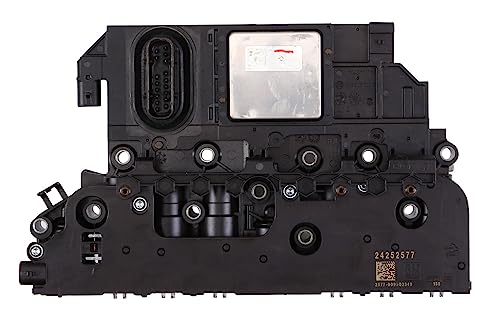
A transmission control module is a small computer that manages how your car’s transmission shifts gears. It takes information from sensors like speed, throttle position, and engine load to decide the best time to shift. In automatic cars, the TCM is essential for smooth driving and good fuel economy.
When a TCM fails, your car might:
- Get stuck in one gear
- Shift at the wrong times
- Show a “Check Engine” light
- Have poor acceleration
Replacing a TCM usually fixes these problems. However, using the wrong or low-quality module can cause more issues. That’s why choosing the right TCM matters.
Why Look For Cheap Tcm Options?
Transmission repairs are often expensive. A new TCM from the dealer can easily cost $400–$1,000, plus labor. Many older cars or budget-conscious owners can’t justify such a high price, especially if the car’s value is low. Cheap TCMs, including refurbished or aftermarket parts, can save hundreds of dollars.
But there are risks:
- Some cheap modules are not programmed for your car
- Quality control can be poor
- Compatibility issues may arise
Knowing which low-cost brands and sources are trusted helps you avoid these problems and get the performance you need.
Best Cheap Transmission Control Module Brands And Options
Not all budget TCMs are created equal. The best ones come from brands with solid reputations, proven compatibility, and clear return policies. Here are the top picks for affordable TCMs in 2026, based on customer reviews, warranty, and ease of installation.
1. Cardone Remanufactured Tcms
Cardone is a well-known brand for remanufactured auto parts. Their TCMs are rebuilt from original units and tested for performance. Many mechanics trust Cardone for affordable, reliable modules.
- Price Range: $100–$250
- Warranty: Limited lifetime
- Pros: Good for most US and Asian cars; tested for quality; easy return process
- Cons: May need reprogramming for your car
2. Dorman Oe Solutions Tcms
Dorman is another popular aftermarket brand. Their TCMs are new or remanufactured and often come with plug-and-play installation for common models.
- Price Range: $120–$300
- Warranty: Limited lifetime
- Pros: Direct fit for many Ford, GM, and Chrysler vehicles; clear instructions
- Cons: Not available for all makes/models
3. A1 Cardone Select Tcms
A1 Cardone’s “Select” line offers new TCMs at used-part prices. These modules are not rebuilt—they’re manufactured new, meeting OEM standards.
- Price Range: $150–$350
- Warranty: Limited lifetime
- Pros: Brand new; less chance of hidden defects; suitable for high-mileage vehicles
- Cons: Slightly higher price than basic remanufactured options
4. Used Or Refurbished Oem Tcms (ebay, Car-part.com)
Buying a used or professionally refurbished original TCM from reputable sellers on eBay or auto salvage networks like Car-Part. com can save a lot.
- Price Range: $50–$200
- Warranty: Often 30–90 days
- Pros: True OEM quality; wide selection by make/model; good for rare vehicles
- Cons: Shorter warranty; may show wear; sometimes need programming
5. Ac Delco (for Gm Vehicles)
For GM owners, AC Delco provides affordable TCMs that are reliable and often plug-and-play.
- Price Range: $120–$350
- Warranty: 12 months
- Pros: Designed for GM cars/trucks; strong brand reputation
- Cons: Limited to GM vehicles
6. Mopar (for Chrysler, Dodge, Jeep)
Mopar is Chrysler’s own parts brand. Mopar TCMs, especially refurbished units, are a solid choice for Dodge, Jeep, and Chrysler cars.
- Price Range: $180–$400
- Warranty: 12 months
- Pros: Perfect fit; tested to OEM specs
- Cons: Not as cheap as used parts
7. Beck/arnley
Beck/Arnley offers both new and rebuilt TCMs, focusing on Japanese and European models.
- Price Range: $140–$300
- Warranty: 12 months
- Pros: Good fit for Honda, Nissan, Toyota, and some European cars
- Cons: Sometimes harder to find
8. Local Junkyards And Salvage Yards
If you are comfortable with some risk, a local salvage yard can be the cheapest source for a working TCM.
- Price Range: $30–$120
- Warranty: Varies, often none or a few days
- Pros: Very cheap; immediate availability
- Cons: Unknown history; no guarantee of working condition
9. Online Aftermarket Sellers (amazon, Rockauto)
Sites like Amazon and RockAuto offer a wide range of cheap TCMs from lesser-known brands. Some are surprisingly good, but it’s essential to check reviews and return policies.
- Price Range: $80–$250
- Warranty: Varies, usually 6–12 months
- Pros: Fast shipping; easy returns; lots of choices
- Cons: Quality can vary widely
10. Specialized Repair Services
Some companies will repair your original TCM for a flat fee. This can be much cheaper than buying a new module.
- Price Range: $80–$200 (repair service)
- Warranty: 6–12 months
- Pros: Keeps your car’s original programming; often quicker than waiting for parts
- Cons: Car must be off the road during repair; not all TCMs are repairable
Key Features To Compare When Choosing A Cheap Tcm
Not every budget TCM will work for every car. Before buying, compare the most important factors:
| Feature | Why It Matters | What to Look For |
|---|---|---|
| Compatibility | Wrong TCM can’t control your transmission | Exact part number match; VIN compatibility |
| Programming | Some TCMs need programming for your car | Pre-programmed or plug-and-play for your model |
| Warranty | Protects you from early failure | At least 6–12 months; lifetime is best |
| Return Policy | Allows you to return if it doesn’t work | Easy, no-questions-asked returns |
| Reputation | Trusted brands mean fewer issues | Good online reviews; proven track record |
How To Identify The Right Tcm For Your Vehicle
Finding the exact TCM your car needs is critical. Buying the wrong one can waste time and money. Here’s how to make sure you get the correct part:
- Locate the part number: Your car’s TCM will have a sticker or engraving with a unique part number. This is the most reliable way to match a replacement.
- Check the VIN: Many sellers can look up the right TCM using your Vehicle Identification Number (VIN). This ensures compatibility.
- Use the car’s year, make, and model: Sometimes, just matching these details is enough—but double-check, especially for cars with multiple transmission types.
- Ask about programming: Some TCMs arrive pre-programmed; others need to be programmed at a dealership or by a qualified mechanic.
Example: 2012 Ford Focus Tcm Replacement
The 2012–2016 Ford Focus is famous for TCM issues. Ford’s part number for this TCM is AE8Z-7Z369-B. Some aftermarket TCMs come pre-programmed, while others must be flashed with your car’s software. If you buy from Cardone or Dorman, ask if programming is included.
Cheap Vs. Expensive Tcms: What’s The Real Difference?
Price isn’t always a sign of quality. Here’s how cheap and expensive TCMs compare:
| Type | Typical Price | Pros | Cons |
|---|---|---|---|
| OEM New | $400–$1,000 | Perfect fit; latest updates; full warranty | Expensive; may need dealer programming |
| Remanufactured | $120–$350 | Cheaper; tested for quality; often plug-and-play | May show minor wear; less warranty |
| Used | $50–$200 | Very cheap; wide availability | Unknown history; short/no warranty |
| Aftermarket New | $80–$300 | Affordable; sometimes better than OEM | Quality varies; risk of incompatibility |
| Repair Service | $80–$200 | Keeps original programming; environmentally friendly | Not always possible; car is out of service during repair |
Installing A Budget Tcm: Step-by-step
Replacing a TCM is a job many DIYers can do at home with basic tools. However, each car is different. Always check your vehicle’s repair manual. Here’s a general process:
- Disconnect the battery. This prevents electrical shorts.
- Locate the TCM. It may be under the hood, near the transmission, or even inside the car (under the dash or behind the glove box).
- Unplug connectors. Gently remove wiring harnesses. Don’t force them.
- Remove old TCM. Unscrew or unbolt the module.
- Install new TCM. Secure it in place. Reconnect all plugs.
- Reconnect battery.
- Program the TCM (if needed). Some cars require special tools to program the new module to your car. Others are plug-and-play.
Pro Tip: If your car’s transmission still acts up after installing a new TCM, try resetting the system by disconnecting the battery for 15 minutes. In some cases, the TCM “learns” your driving habits over time.
Signs Of A Failing Tcm (don’t Replace It Unnecessarily)
Before buying a new TCM, make sure it’s really the problem. Other issues—like wiring faults, bad sensors, or low transmission fluid—can cause similar symptoms.
Common signs of a bad TCM:
- Gear shifts are rough, delayed, or unpredictable
- Car is stuck in one gear (“limp mode”)
- Warning lights for transmission or engine
- Diagnostic codes (like P0700) when scanned
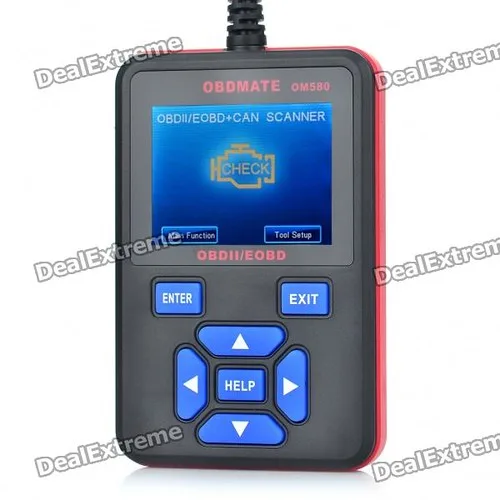
If you’re unsure, have a mechanic scan your car with a diagnostic tool. This can save you from replacing a good TCM by mistake.

Credit: www.benq.com
Common Mistakes When Buying Cheap Tcms
Even experienced car owners can make errors when shopping for budget TCMs. Watch out for these problems:
- Ignoring the part number. Even a small difference can make a module incompatible.
- Not checking the warranty. Some cheap TCMs have no warranty. If it fails quickly, you’re out of luck.
- Assuming all TCMs are plug-and-play. Many need programming to work with your car.
- Overlooking seller reputation. Stick with brands or sellers with solid reviews and return policies.
- Not considering repair as an option. Repairing your old TCM can be cheaper and more reliable.
How Reliable Are Cheap Tcms?
Reliability depends on the source and the quality of the remanufacturing process. Well-known brands like Cardone and Dorman have strict testing standards. Used TCMs from salvage yards are hit-or-miss—you might get a part that lasts for years, or one that fails quickly.
One insight many beginners miss: the TCM is often not the root cause of shifting problems. Sometimes, replacing it only masks an underlying issue (like a bad sensor or wiring). Always diagnose carefully.
Another tip: If you buy a used or remanufactured TCM, keep your receipt and take pictures of the module’s numbers. This helps with warranty claims or returns.
Credit: www.oo-software.com
Real-world Example: Saving Money With A Cheap Tcm
Marvin, a 2007 Chevy Malibu owner, faced a $900 dealer quote for a new TCM. Instead, he found a remanufactured Cardone unit online for $145. Installation took him one hour, and his car’s shifting improved immediately. Marvin’s only regret: not asking about programming first. His TCM needed to be flashed at a local shop for $80, but he still saved over $600.
When To Choose A Cheap Tcm—and When To Spend More
Budget Tcms Are A
Products related to this article
Sponsored / affiliate links. As an Amazon Associate I earn from qualifying purchases. I may earn additional commission from eligible campaigns.