How To Fix P0700 Transmission Control System Code Yourself
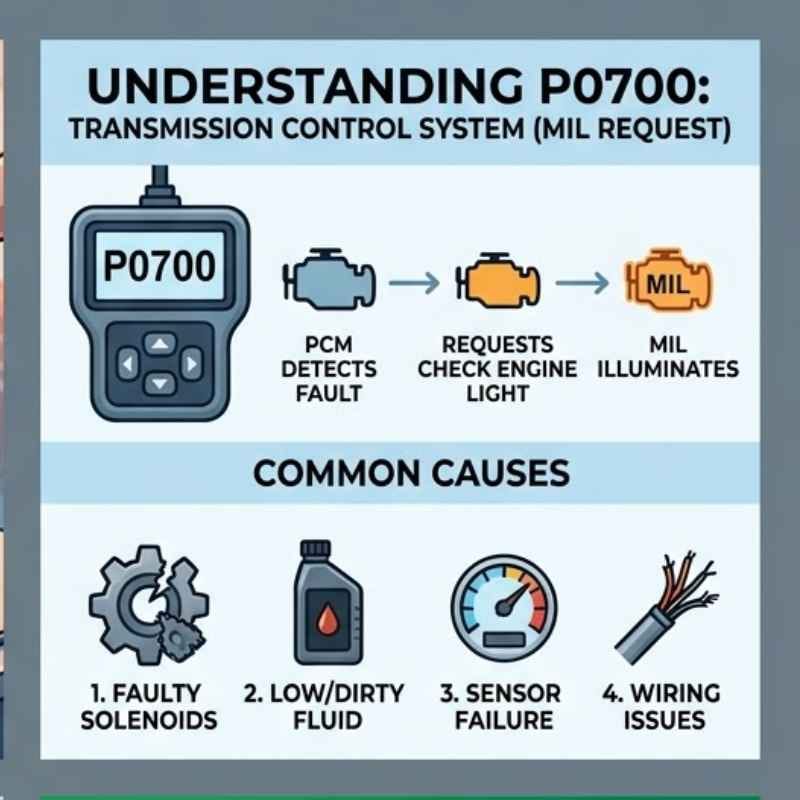
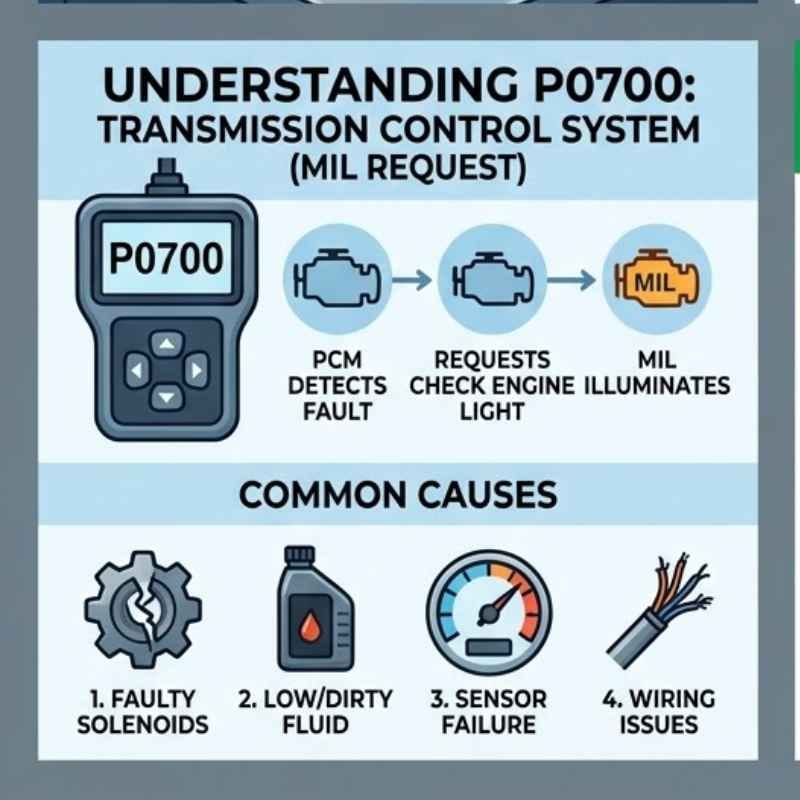
The P0700 diagnostic trouble code (DTC) indicates that the transmission control module (TCM) has detected a fault within the transmission system and has illuminated the Malfunction Indicator Lamp (MIL) or Check Engine Light. This code itself is a general request from the TCM to scan for other specific transmission-related DTCs that are stored in the TCM’s memory. It essentially means there’s a problem with the transmission, and you need to look deeper for the exact cause.
Understanding the P0700 Transmission Control System Code
Think of your car’s transmission like its gearbox. It helps your engine’s power get to the wheels. Modern cars have very smart computers that manage this.
Generic
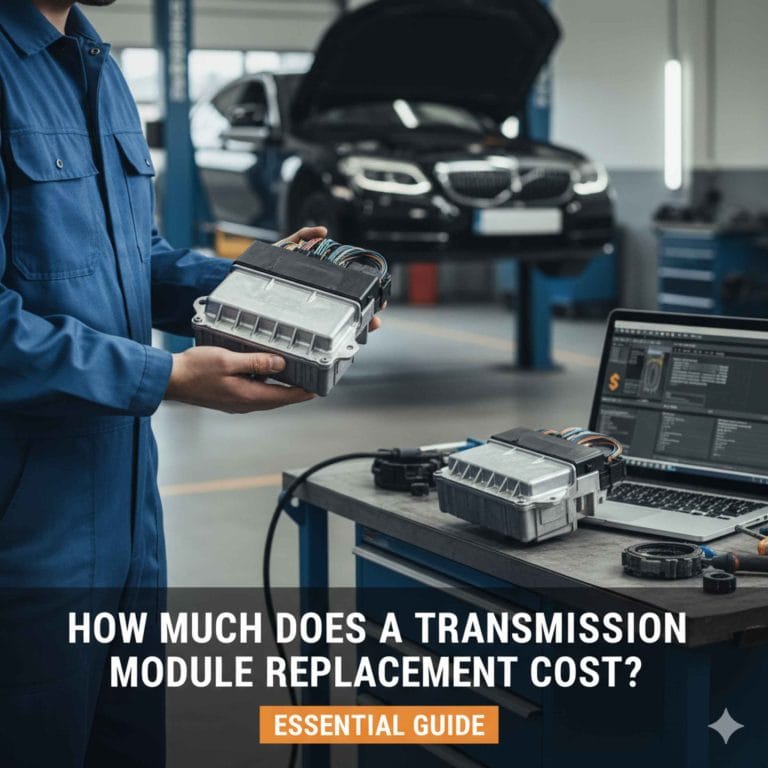
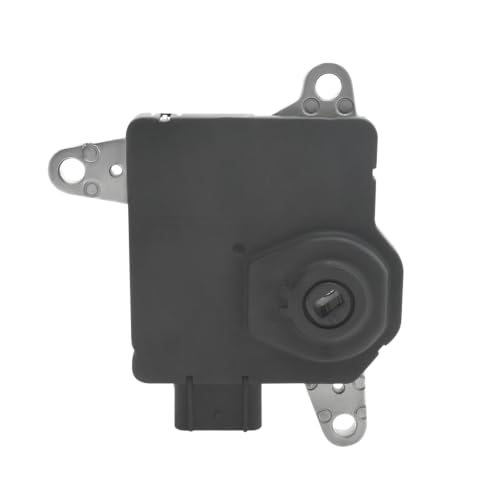
Transmission Control Module TCU 68100693AA, OEM Replacement…
- ✅ OE#68100693AA Exact OEM Spec Direct Fit Manufactured to original factory standards, perfect direct replacement transmission cont…
- 🔧 Fix Common Transmission Malfunction Issues Corrects shifting lag, hard/erratic gear shifts, gear slipping, failure to shift, ill…
- 🛡️ Heavy-Duty Heat Dissipation & Stable Circuit Design Built with thick aluminum heat sink to dissipate operating heat, sealed pla…
As an Amazon Associate I earn from qualifying purchases.
The transmission control module, or TCM, is like the brain of that system. It tells the transmission when to shift gears. It checks sensors to make sure everything is working right.
The P0700 code means the TCM found something it didn’t like. It couldn’t pinpoint the exact issue with just one simple sensor reading. So, it lit up the warning light.
This code is a bit of a “catch-all” for transmission issues. It’s not usually a problem with the TCM itself. Instead, it’s a sign that something else in the transmission system is not working as it should.
The TCM sees this problem and tells you, “Hey, there’s a transmission issue here!” But it doesn’t give you the full story on its own. You need another scan tool to get the specific code that the TCM is referring to. This is a crucial step in figuring out what’s truly wrong.
When the P0700 code shows up, it usually means the TCM has put the transmission into a “limp mode.” This is a safety feature. It limits your car’s speed and gear changes. This helps prevent further damage to the transmission.
You might notice your car feels sluggish or won’t go into certain gears. This is normal behavior when this code is active. It’s the car’s way of saying, “Don’t push me too hard until we figure this out.”
My Own P0700 Scare
I remember one time, I was on a road trip with my family. We were about three hours from home. The sun was setting, and the kids were starting to get restless.
Suddenly, that dreaded red light blinked on. My heart sank. I immediately thought, “Oh no, this is going to cost a fortune.” I pulled over safely on the shoulder.
I popped the hood, even though I knew I probably wouldn’t see anything obviously wrong. Everything looked normal from my casual glance. But then I noticed the transmission felt a bit “off” when I tried to drive again.
It was slow to shift and felt like it was stuck in a lower gear. That gnawing feeling of “what now?” really kicked in. I was so worried about how I would get home or if the car would even make it.
I used my trusty OBD-II scanner, and there it was: P0700. Just that one code. It felt like a dead end at first, but I knew I had to dig deeper to find the real problem.
That moment taught me a lot about not jumping to the worst conclusions and the importance of having the right tools.
Common Transmission System Components
Engine Control Module (ECM) / Powertrain Control Module (PCM): The main computer controlling engine and transmission functions.
Transmission Control Module (TCM): A dedicated module for managing transmission shifts and operations. Sometimes integrated into the PCM.
Sensors: These gather data like vehicle speed, engine speed, throttle position, and transmission fluid temperature.
Actuators: These are the parts that physically make the shifts happen, like solenoid valves.
Torque Converter: Connects the engine to the transmission, allowing for smooth starts and stops.
Transmission Fluid: Crucial for lubrication, cooling, and hydraulic pressure.
Why Does the P0700 Code Appear?
The P0700 code is a symptom, not the root cause. It signals that the TCM has detected an anomaly. This anomaly could be related to a problem with one or more of the sensors that monitor the transmission’s performance.
It could also be an issue with the communication between different parts of the system. Or, it might be an internal mechanical or electrical problem within the transmission itself.
One of the most frequent culprits is a faulty transmission sensor. Cars have sensors for many things. For the transmission, these might include a vehicle speed sensor (VSS) or an input/output shaft speed sensor.
If one of these sensors sends incorrect data to the TCM, the TCM will detect an error. This error can then trigger the P0700 code. For example, if the VSS tells the TCM the car is going 60 mph when it’s actually stopped, that’s a big problem.
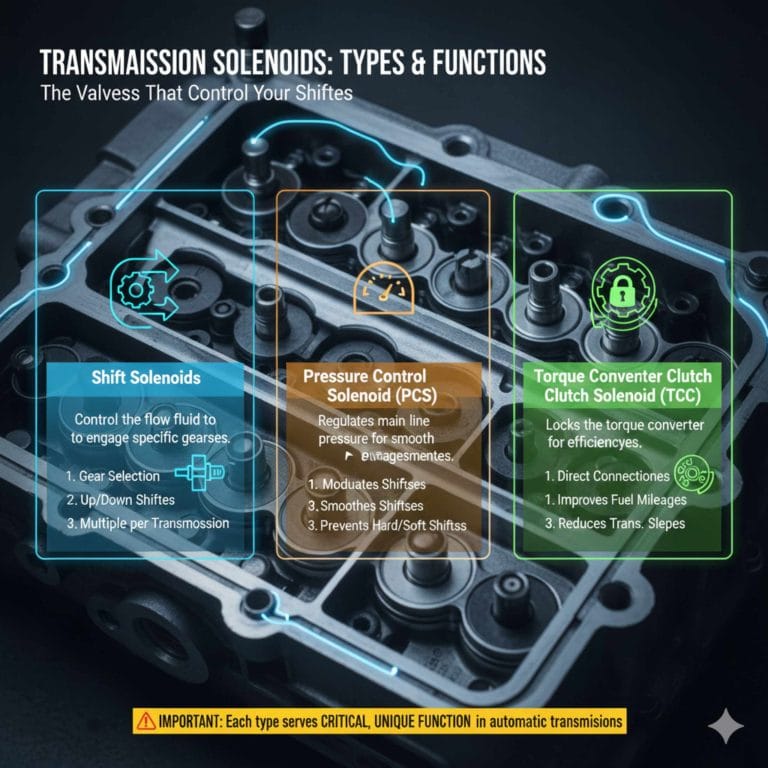
Another common reason is a malfunctioning shift solenoid. These solenoids are like tiny valves that control the flow of transmission fluid. This fluid movement is what allows the transmission to shift gears.
If a solenoid gets stuck or fails, it can prevent proper shifting. The TCM will notice this and log the P0700 code. Issues with the wiring or connectors to these sensors and solenoids can also cause problems.
Corrosion, loose connections, or damaged wires can disrupt the signals.
Sometimes, the problem isn’t with a single part. It can be a communication error between the TCM and other control modules in the car. Modern cars are complex networks.
If messages aren’t getting through correctly, the TCM might report a general issue. Low or dirty transmission fluid is also a major concern. Transmission fluid is vital.
It keeps things cool and lubricated. If the fluid level is too low, or if it’s old and degraded, it can cause all sorts of transmission problems. This can lead to the P0700 code being set.
Internal transmission problems can also trigger this code. This might involve issues with clutch packs, gear sets, or the hydraulic system. These are often more serious and may require professional attention.
But even in these cases, the P0700 code is often the first sign that something is amiss. It’s the TCM’s way of alerting you that the transmission isn’t performing within its expected parameters.
What the P0700 Code Means for You
General Transmission Fault: This code indicates a problem exists within the transmission system.
Need for Further Diagnosis: It’s a signal to use an OBD-II scanner to retrieve specific codes from the TCM.
Limp Mode Activation: Your car may enter a reduced performance mode to prevent damage.
Potential Causes: Faulty sensors, solenoids, wiring issues, low fluid, or internal transmission problems.
Diagnosing the Real Problem Beyond P0700
As we’ve said, P0700 is a general code. The real work starts when you scan for the specific codes stored in the TCM. This is where an OBD-II scanner comes in.
If you don’t have one, you can often get this done for free at an auto parts store. You’ll need to plug the scanner into the diagnostic port, usually located under the dashboard on the driver’s side. Follow the scanner’s instructions to read codes from the TCM specifically.
Once you have the specific code (or codes), you can start to narrow down the problem. For instance, a code like P0740 might point to a torque converter lock-up clutch issue. A code like P0750 could indicate a problem with a specific shift solenoid.
Each specific code gives you a much clearer picture of what’s wrong. Many online resources and repair manuals can help you understand what these specific codes mean for your car’s make and model.
It’s also important to check your transmission fluid. Is the level correct? Is the fluid a dark, burnt color?
Does it smell burnt? Low or contaminated fluid is a very common cause of transmission issues. If the fluid is low, you’ll need to find out why.
Is there a leak somewhere? If the fluid looks or smells bad, it often needs to be changed. Sometimes, a simple fluid and filter change can resolve transmission problems and clear the P0700 code.
This is a good first step to try if you’re comfortable with basic maintenance.
Inspect the wiring and connectors related to the transmission. Look for any signs of damage, corrosion, or loose connections. Wires can get frayed or chewed by rodents.
Connectors can become dirty or corroded. A bad connection can interrupt signals and cause false readings. Sometimes, carefully cleaning and securing these connections can fix the issue.
This requires a bit of careful visual inspection and perhaps some electrical contact cleaner.
Common Specific Transmission Codes to Look For
- P0740: Torque Converter Clutch Circuit Malfunction
- P0750: Shift Solenoid A Malfunction
- P0755: Shift Solenoid B Malfunction
- P0760: Shift Solenoid C Malfunction
- P0765: Shift Solenoid D Malfunction
- P0715: Input/Turbine Speed Sensor Circuit Malfunction
- P0720: Output Shaft Speed Sensor Circuit Malfunction
- P0725: Engine Speed Input Circuit Malfunction
- P0743: Torque Converter Clutch Solenoid Electrical
- P0780: Shift Control System Malfunction
How to Fix the P0700 Transmission Code (DIY Steps)
The first and most important step for fixing the P0700 code is getting those specific codes from the TCM. Without them, you’re just guessing. Let’s assume you’ve done that and found a specific code that you can work with.
Step 1: Scan for Specific Codes
Use an OBD-II scanner. Plug it in and navigate to the transmission codes section. Write down any codes you find.
If there are multiple, research each one.
Step 2: Check Transmission Fluid Level and Condition
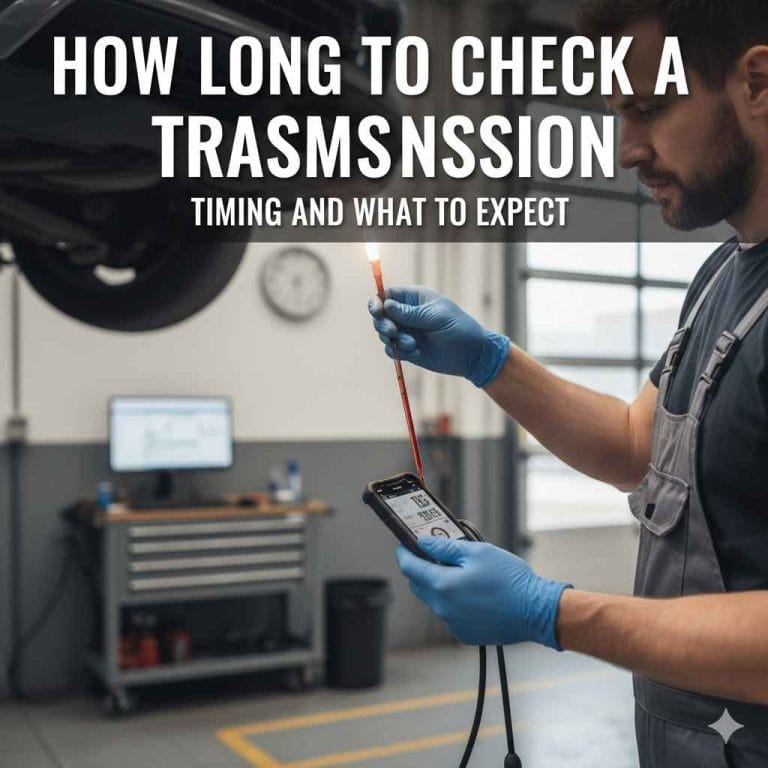
Consult your car’s owner’s manual for the correct procedure to check transmission fluid. This often involves the engine running and the transmission in Park or Neutral. Look at the fluid on the dipstick.
Is it red and clean? Or is it dark brown, black, or does it have a burnt smell? If it’s low, find the leak.
If it’s bad, a fluid and filter change is often the best first step.
Step 3: Inspect Wiring and Connectors
Locate the transmission wiring harness and connectors. Look for any visible damage, corrosion, or loose pins. Gently wiggle connectors to ensure they are secure.
If you find corrosion, you can try cleaning the terminals with electrical contact cleaner. Ensure all connections are dry and snug before reassembly.
Step 4: Address Specific Sensor or Solenoid Issues (If Codes Indicate This)
If your specific codes point to a faulty sensor (like the VSS or ISS/OSS sensors) or a shift solenoid, this is where things can get more involved. You’ll need to identify the exact location of the part. Sometimes, these are relatively easy to access and replace.
Other times, they are deep inside the transmission and require significant disassembly. Researching your specific car model and the exact code will tell you if this is a DIY job for you. Replacement parts can often be found at auto parts stores or online.
Step 5: Clear Codes and Test Drive
After performing any repairs or maintenance, use your OBD-II scanner to clear the stored codes. Start your car and let it idle for a few minutes. Then, take it for a test drive.
Drive it under various conditions, including acceleration, braking, and steady speeds. Pay attention to how the transmission shifts. Does it feel smoother?
Does it shift at appropriate times? Drive it for at least 15-20 minutes. If the P0700 code (or the specific code you fixed) does not return, you have likely resolved the issue.
Step 6: If the Code Returns or You’re Unsure
If the code returns after your repairs, or if the specific codes indicated a complex internal transmission problem, it’s time to consult a professional transmission specialist. Some problems, like internal wear or complex electronic failures, are beyond typical DIY repair. A mechanic with transmission expertise will have specialized tools and knowledge to diagnose and fix these more challenging issues.
Quick Fixes & Tips for P0700
1. Scan First: Always get the specific TCM codes. P0700 is just the beginning.
2. Check Fluid: Low or dirty fluid is a huge culprit. Easy to check, sometimes easy to fix.
3. Inspect Wires: Look for damage, corrosion, or loose plugs near the transmission.
4. Simple Parts: If a code points to an external sensor, it might be a DIY job.
5. Test Drive: After any fix, a good test drive is essential to confirm the repair.
When to Call a Professional
There comes a point where DIY can only go so far. If the specific codes you retrieve point to internal transmission components that are hard to access, like shift solenoids buried deep within the transmission, or if the codes suggest internal mechanical failures, it’s time to seek expert help. Signs that you should definitely call a mechanic include:
- Persistent Leaks: If you have transmission fluid leaks that you can’t locate or stop.
- Grinding or Clunking Noises: Unusual sounds during shifting or when the car is in gear.
- Slipping Gears: The engine revs up, but the car doesn’t gain speed, or it feels like the gear is not engaging properly.
- Complete Loss of Gears: The car won’t move in any gear, or only a specific gear works.
- Multiple P0700 Related Codes: If your scanner shows many different transmission codes, it suggests a complex problem.
- Lack of Confidence or Tools: If you’re not comfortable with the repair, or you don’t have the right tools, it’s safer to let a professional handle it.
Transmission repairs can be expensive, but trying to fix a complex issue yourself without the proper knowledge can lead to more damage and higher costs in the long run. A qualified transmission specialist has the experience and equipment to accurately diagnose and repair these intricate systems. They can also advise you on whether a repair is cost-effective compared to replacing the transmission.
Real-World Context: Why This Matters for Your Car’s Lifespan
Understanding and addressing the P0700 code isn’t just about fixing a warning light. It’s about the health and longevity of your vehicle. Your transmission is one of the most complex and expensive parts of your car.
Neglecting transmission issues can lead to premature wear and tear. This can result in costly repairs or even the need for a complete transmission replacement down the line. Regular maintenance, including checking transmission fluid and addressing warning lights promptly, is key to keeping your car running smoothly for years to come.
Think about it: your transmission is constantly working. It’s responsible for translating the engine’s power into movement. If it’s not functioning correctly, it puts extra strain on other parts of the drivetrain.
This can lead to a cascade of problems. For example, a slipping transmission can overheat, which degrades the fluid and can damage internal components. An electrical issue that’s causing a P0700 code might also be affecting the shift points, leading to rougher shifts that stress the gears.
In U.S. climates, temperature extremes can also play a role. Extreme heat can cause transmission fluid to break down faster, leading to less lubrication and cooling.
Extreme cold can make the fluid thicker, making it harder for the transmission to shift properly, especially when starting the car on a cold morning. Ensuring your transmission fluid is at the correct level and in good condition is vital year-round, regardless of the weather outside.
Frequently Asked Questions About P0700
Is the P0700 code a serious transmission problem?
The P0700 code itself is a general indicator that a transmission fault has been detected. It means there is a problem, and further diagnosis is needed. It’s not always a catastrophic failure, but it should not be ignored.
Driving with a transmission issue can lead to more severe damage.
Can I drive my car with a P0700 code?
You may be able to drive your car, but it will likely be in “limp mode” with reduced performance. It’s best to limit driving and get the issue diagnosed as soon as possible to prevent further damage. Driving long distances or at high speeds could be risky.
How long does it take to fix a P0700 code?
The time it takes to fix depends entirely on the specific cause. If it’s just a low fluid level or a loose connection, it could be a quick fix. If it requires replacing a sensor or solenoid, it might take a few hours.
Internal transmission repairs can take days.
What is the difference between P0700 and other transmission codes?
P0700 is a general code. It tells you the Transmission Control Module (TCM) has found an issue and has stored specific diagnostic trouble codes (DTCs) within its own memory. Other codes, like P0740 or P0750, are specific and point to particular components or circuits that have failed.
Will a transmission fluid change fix the P0700 code?
A transmission fluid and filter change can absolutely fix the P0700 code if the problem was caused by low or degraded fluid. It’s a common and often effective first step. However, if the fluid was fine and the code returns, the issue lies elsewhere.
Where is the transmission control module (TCM) located?
The location of the TCM varies by vehicle make and model. It’s often located within the engine bay, near the powertrain control module (PCM), or sometimes integrated into the PCM. In some vehicles, it might even be inside the transmission housing itself.
Your car’s service manual will have the exact location.
Final Thoughts on Tackling P0700
Seeing a warning light like the P0700 can be unnerving, but remember, it’s your car’s way of communicating. It’s a signal to pay attention. By understanding that P0700 is a gateway code, and by having the right tools and a systematic approach, you can often diagnose and even fix the underlying problem yourself.
Don’t let car trouble bring you down; use it as an opportunity to learn and save some money. Always prioritize safety and seek professional help when needed. Your transmission will thank you for it, and you’ll be back on the road with confidence.
See also electronically controlled transmission vs cvt which wins . See also what is a transmission control system simple breakdown.
Related pick: Check today's price on Amazon