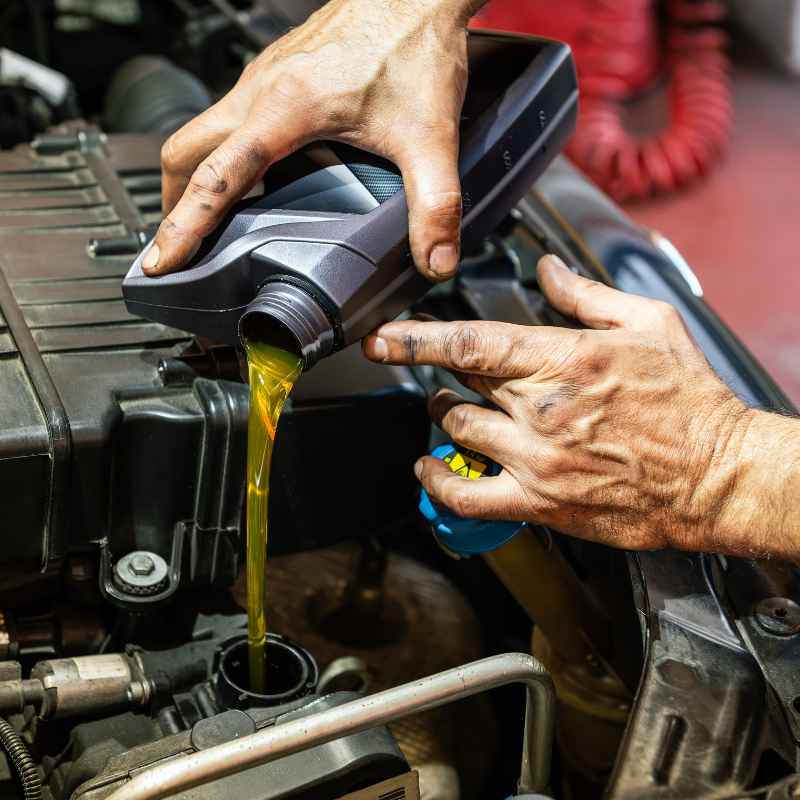
Best Car Engine Oil For Hot Weather: Tested & Reviewed
When it’s hot, your car’s engine oil needs to protect its parts from high temperatures. This means picking an oil that is stable and can handle the heat without breaking down, ensuring your engine runs smoothly and avoids damage.
Understanding Engine Oil in Hot Weather
Engine oil does a lot of jobs. It keeps parts from rubbing together. This is called lubrication.
It also helps cool the engine. And it cleans out gunk. In hot weather, these jobs get harder.
The heat makes oil thinner. Thinner oil doesn’t protect parts as well. It can also burn off faster.
This means you might need more oil. Your engine can get too hot. This can cause big problems.
Think of it like water versus honey. Water flows easily when cold. But it gets even thinner when hot.
Honey is thicker. It stays thicker even when warm. Engine oil needs to act more like that honey in the heat.
It needs to stay thick enough to coat parts. But it still needs to flow to reach everywhere. This balance is key for engines in hot climates.
The most important thing to know is viscosity. Viscosity is how thick or thin a liquid is. It’s how well oil flows.
Car engines need oil with the right viscosity. This is shown by numbers on the oil bottle. Like 5W-30 or 10W-40.
The first number (before the W) is for cold weather. W means winter. Lower is thinner when cold.
The second number is for hot weather. Higher is thicker when hot. So, for hot weather, you want that second number to be higher.
This means the oil is thicker when the engine is hot.
But it’s not just about being thick. The oil must also resist breaking down. Heat can cause oil to break down.
This is called thermal breakdown. When oil breaks down, it loses its ability to lubricate. It also forms sludge.
Sludge is like thick mud. It blocks oil passages. This starves parts of oil.
So, the oil needs to be tough. It needs to fight the heat. High-quality oils have special additives.
These additives help them stay strong. They resist burning. They resist getting too thin.
They resist forming sludge. This is why picking the right oil is so important. It’s not just a suggestion.
It’s vital for your car’s health.
Many U.S. regions experience very hot summers. Places like Arizona, Texas, and Nevada see temperatures well over 100 degrees Fahrenheit.
Even in cooler states, car engines generate their own extreme heat. Under the hood, temperatures can reach hundreds of degrees. This is far hotter than the air outside.
A car driving in stop-and-go traffic on a hot day is like an oven. The oil is constantly working under pressure. It’s fighting friction.
It’s fighting heat. It needs to be up to the task. Choosing an oil designed for these conditions is a smart move.
It’s an investment in your car’s life. It helps prevent costly repairs down the road.
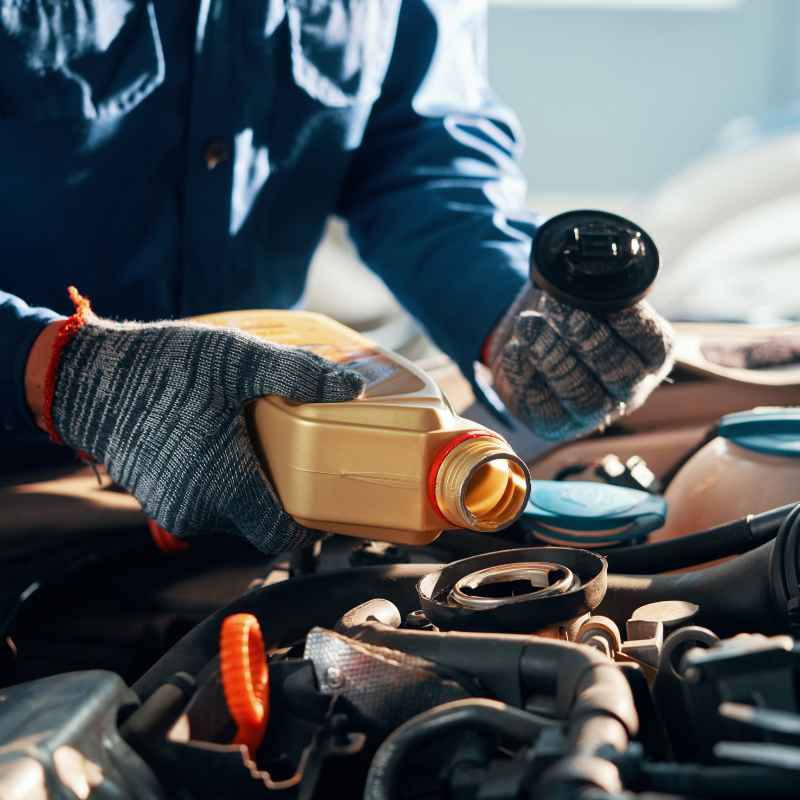
Personal Experience: The Day My Engine Ran Hot
I remember one summer. It was a scorcher in my town. I was driving my old pickup truck.
I had a long drive ahead. I’d forgotten to check the oil. Honestly, I thought, “It’s just oil, right?” Big mistake.
About two hours into the drive, I saw it. The temperature gauge. It was creeping up.
And up. Then the warning light came on. My heart sank.
I pulled over immediately. Smoke was coming from under the hood. I could smell it.
That burnt oil smell. It was terrible. I was stuck on the side of a lonely highway.
It was so hot outside. I was sweating just standing there.
When the tow truck finally arrived, the driver took a look. He pointed to the dipstick. It was bone dry.
Completely empty. He said, “Son, you cooked your oil. It’s all burned up.
This heat combined with the wrong oil for this kind of work. It’s a recipe for disaster.” He explained how the thin oil couldn’t handle the heat. It had burned off.
It left my engine parts unprotected. The metal parts started to grind. That’s what caused the smoke.
And the terrible noise I heard before I stopped. It was a huge learning moment for me. I had to get a new engine.
It cost a small fortune. That day taught me. Never underestimate your car’s needs.
Especially when the weather heats up.
Oil Viscosity Explained Simply
What it is: Viscosity is how thick or thin oil is.
Hot Weather Factor: In hot weather, oil gets thinner. You need oil that stays thicker when hot.
The Numbers: Look for the second number on the oil bottle. A higher number means thicker oil when hot.
Example: 10W-40 is thicker when hot than 5W-30.
Choosing the Right Oil Type for Heat
When you go to buy engine oil, you’ll see different types. You have conventional oil. Then you have synthetic oil.
And there’s synthetic blend oil. For hot weather, synthetic oils are usually the best choice. Conventional oil is made from crude oil.
It’s refined but still has impurities. These impurities can break down faster under heat. Synthetic oil is made in a lab.
It’s engineered. This means it’s much purer. It has fewer impurities.
It’s designed to perform better. Especially under tough conditions like high heat.
Synthetic oils are more stable. This means they resist heat better. They don’t break down as easily.
They also stay cleaner longer. This means less sludge. They can also handle colder temperatures better.
So, synthetic oil offers year-round benefits. But its strength in hot weather is a big plus. Synthetic blends are a mix.
They have some synthetic oil and some conventional oil. They are better than conventional oil. But not as good as full synthetic.
If your budget allows, full synthetic is the way to go for hot climates.
When choosing a synthetic oil, pay attention to the specifications. Your car’s owner’s manual is your best friend here. It will tell you the recommended oil weight.
For example, it might say “SAE 10W-40” or “SAE 0W-20”. If you live in a very hot area, and your manual allows for a higher hot-weather viscosity, you might consider it. For example, if it says 10W-30 is okay, but you have extreme heat, a 10W-40 might be a better choice.
Always check your manual first. Using the wrong weight can cause problems. Even with synthetic oil.
Some cars are designed for very thin oil. Like 0W-20. This is for fuel efficiency.
But in extreme heat, it might not offer enough protection. This is where expert advice can help. Or looking at oils specifically made for high-performance or hot climates.
Many people ask about “high-mileage” oils. These oils are designed for cars with over 75,000 miles. They have special additives.
These additives help condition seals. They can reduce leaks. And they can help reduce oil burning.
If your car is older and you live in a hot place, a high-mileage synthetic oil could be a great option. It combines the benefits of synthetic. It adds protection for an older engine.
It’s a way to give your aging engine a bit more care. Especially when facing tough conditions like summer heat. It’s about giving your car what it needs to survive and thrive.
Synthetic vs. Conventional Oil
Conventional Oil: Refined from crude oil. Good for normal conditions. Breaks down faster in heat.
Synthetic Oil: Man-made in a lab. Purer. More stable.
Resists heat better. Lasts longer. Best for hot weather.
Synthetic Blend: A mix of both. Better than conventional, not as good as full synthetic.
Key Oil Specifications for Hot Climates
When you look at an oil bottle, there are numbers and symbols. These are important. They tell you what the oil can do.
For hot weather, we focus on a few things. First, the viscosity grade. As we talked about, this is the number after the ‘W’.
Like the ’40’ in 10W-40. A higher number means thicker oil. This is good for heat.
It means the oil forms a stronger protective film. This film is crucial. It prevents metal parts from touching.
This reduces wear and tear. It also helps carry away heat.
Another important spec is the API service category. This is a letter code. Like SN, SP, or others.
These letters indicate the oil’s performance level. Newer categories are generally better. They meet stricter standards.
For modern cars, look for the latest API category. Your owner’s manual will specify this. It might also list an ILSAC rating.
This is a joint industry standard. For example, “GF-6A” or “GF-6B”. These ratings also tell you about the oil’s performance.
Especially in areas like fuel economy and engine protection.
You also want to look for oils that are rated for high temperatures. Some brands market specific oils for “extreme heat” or “heavy-duty” use. These often have enhanced additive packages.
These additives help the oil resist oxidation. Oxidation is when oil reacts with oxygen. This makes it thicker and form sludge.
Good oils also have anti-wear additives. These create a protective layer on metal surfaces. They are extra important when the oil film might be thinner due to heat.
Detergents and dispersants are also key. They keep the engine clean. They prevent deposits from forming.
This is vital in a hot engine.
Don’t forget about the total base number (TBN). This indicates the oil’s reserve alkalinity. It measures how much acid the oil can neutralize.
Acids form in the engine. They can be corrosive. A higher TBN means the oil can fight these acids for longer.
This is especially important in hot weather. Because high heat can speed up the chemical reactions that create acids. Some high-quality synthetic oils have a very high TBN.
This gives them longer life. And better protection over time. It’s a sign of a robust oil formulation.
One that’s built to last and protect.
Quick Scan: What to Look For
Viscosity Grade: Higher second number (e.g., 40, 50) for hot weather.
API Category: Latest designation (e.g., SP).
ILSAC Rating: Modern rating (e.g., GF-6A).
Additives: Look for enhanced heat protection, anti-wear, detergents.
Oil Type: Full synthetic is best for high heat.
Top Engine Oils for Hot Weather Driving
There are many great brands out there. Choosing the absolute “best” can depend on your specific car. And your driving habits.
But some oils consistently perform well in hot conditions. Here are a few types and brands often recommended by mechanics and enthusiasts for their high-temperature stability.
Mobil 1 Advanced Full Synthetic: This is a very popular and well-respected brand. Their advanced full synthetic line comes in various weights. Like 10W-30, 10W-40, and 15W-50.
These oils offer excellent heat protection. They resist breakdown. They also have great low-temperature flow.
So they work well year-round. Mobil 1 is known for its advanced additive technology. It provides superior wear protection.
It also helps keep engines remarkably clean. Many people I know use this oil. They swear by its performance.
Especially in cars that see hard use or hot climates.
Castrol EDGE Full Synthetic: Castrol EDGE is another top-tier synthetic oil. It’s designed for drivers who demand high performance. It uses a special “Fluid Strength Technology.” This helps the oil maintain its strength under extreme pressure.
And heat. It’s available in common weights like 5W-30 and 10W-40. Castrol EDGE offers excellent protection against thermal breakdown.
It can handle the intense heat generated by modern engines. Plus, it helps reduce friction. This can lead to slightly better fuel economy.
It’s a solid choice for reliability.
Royal Purple High Performance Synthetic: Royal Purple is known for its bright purple color. It’s a high-performance synthetic oil. It’s formulated to offer maximum protection.
It has a high zinc content. Zinc is a great anti-wear additive. This makes it particularly good for high-performance engines.
Or engines that work hard. It also has excellent thermal stability. It resists oxidation and sludge buildup.
If you have a performance car or tow heavy loads in the heat, this is a strong contender.
Valvoline SynPower Full Synthetic: Valvoline has a long history in motor oil. SynPower is their premium synthetic offering. It’s designed to offer superior protection in extreme conditions.
Including high temperatures. It features advanced detergents. These help keep your engine clean.
It also offers excellent wear protection. Valvoline SynPower is often competitively priced. It offers a great balance of performance and value.
Many DIYers trust Valvoline for its consistent quality.
When choosing, always double-check your owner’s manual for the correct viscosity. For example, if your manual says 5W-30, and you live in Phoenix, you might consider a 5W-30 full synthetic from one of these brands. If your manual allows for a heavier oil, like 10W-40, that could also be a good option.
Some high-performance or older vehicles might benefit from even thicker oils like 15W-50, but again, consult your manual or a trusted mechanic. Never go against the manufacturer’s recommendations without good reason and understanding the risks.
Popular Brand Picks
Mobil 1: Advanced Synthetic, various weights.
Castrol EDGE: Full Synthetic, high performance.
Royal Purple: High Performance Synthetic, good for heavy duty.
Valvoline SynPower: Full Synthetic, reliable value.
Factors Beyond Oil Type: Your Car and Driving Habits
It’s not just about the oil itself. What kind of car do you drive? And how do you drive it?
These things matter a lot. A small economy car might have different needs than a big truck. A car driven mostly on highways in cool weather has a different life than one driven in city traffic.
Especially during a hot summer.
Vehicle Type: Some engines are designed for tighter tolerances. They might need a more precise oil. High-performance cars often have hotter running engines.
They benefit greatly from full synthetic oils with higher viscosity ratings. Newer cars might specify very thin oils for fuel economy. Like 0W-20.
In extreme heat, if your car is older or you tow, you might need to be cautious with these very thin oils. Check if your manual offers alternatives for severe driving conditions.
Driving Conditions: Stop-and-go traffic is brutal on oil. Every time you stop, the engine cools down a bit. Then you accelerate, making it super hot again.
This constant cycle is hard. It leads to more heat buildup. And more stress on the oil.
Long highway drives are generally easier on oil. But if the ambient temperature is extremely high, the engine still works hard to stay cool. Towing or carrying heavy loads adds even more strain.
This generates extra heat. It requires an oil that can handle that extra burden without breaking down.
Maintenance History: Has your car had regular oil changes? Using the correct oil type consistently matters. If you’ve always used conventional oil, switching to synthetic might be a good idea.
Especially if you live in a hot climate. But it’s best to do it during an oil change. And make sure you’re using the right weight.
A car with a history of skipped oil changes might have internal sludge. This can make it harder for even good oil to do its job effectively. Regular maintenance is the first step to good engine protection.
Manufacturer Recommendations: I can’t stress this enough. Your car’s owner’s manual is the ultimate guide. It lists the specific oil viscosity and quality standards your manufacturer recommends.
They design these cars. They know what’s best for them. While we’re talking about general advice for hot weather, always start with what your car maker says.
If your manual allows for a range of viscosities (e.g., 5W-30 or 10W-30), then choosing the higher one for hot weather might be a good idea. But don’t deviate from the minimum quality standards. Or the recommended weights without understanding the potential impact.
Consider Your Driving Style
City Driving (Stop-and-Go): Very stressful for oil. Needs robust protection.
Highway Driving: Easier on oil, but high ambient temps still matter.
Towing/Heavy Loads: Adds significant heat and strain. Demands high-performance oil.
Performance Driving: Engines run hotter. Require specialized, high-temp oils.
What This Means for You: When It’s Normal vs. When to Worry
It’s important to know what’s normal and what’s a red flag when it comes to your car’s oil and heat. Understanding these signs can save you a lot of trouble. And money.
Normal in Hot Weather: It’s normal for your engine temperature gauge to sit slightly higher on a very hot day. Especially in traffic. This is the engine working to stay cool.
It’s also normal for you to see the oil level drop slightly over time. Some oil consumption is natural. Especially in older cars or those driven hard.
If you check your dipstick and the level is still within the recommended range (between the ‘add’ and ‘full’ marks), it’s likely fine. The oil might also look a bit darker than usual. This means it’s doing its job.
It’s collecting dirt and debris.
When to Worry (Red Flags): If your engine temperature gauge goes into the red zone, that’s a major problem. You need to stop the car safely as soon as possible. If the oil warning light stays on after you start the engine, that means low oil pressure.
This is critical. You need to check your oil level immediately. If the oil level is very low, add some oil.
If it’s full but the light is still on, you have a more serious issue. A burnt oil smell is also a bad sign. It means the oil is likely overheating and breaking down.
You might also hear new, unusual noises from the engine. Like knocking or grinding sounds. These can indicate metal-on-metal contact due to poor lubrication.
Checking Your Oil: Make it a habit to check your oil level regularly. At least once a month. And before any long trips.
Do it when the engine is cool. Park your car on a level surface. Pull out the dipstick.
Wipe it clean. Put it back in all the way. Pull it out again.
Look at the oil level. It should be between the two marks. If it’s low, add the type of oil recommended for your car.
Add a little at a time. Wait a minute. Then check again.
Don’t overfill it. Overfilling can cause as much damage as running too low.
Oil Color: Clean oil is usually amber or light brown. After use, it darkens. It can become dark brown or black.
This is normal. However, if you see milky or foamy oil on the dipstick, this is a serious concern. It can mean coolant is leaking into the oil.
This is a sign of a blown head gasket or other major engine problem. That requires immediate professional attention. Don’t drive the car.
Get it towed to a mechanic.
Your Oil Check Guide
Frequency: Monthly, and before long trips.
When: Engine cool, car on level ground.
What to Look For: Level between ‘add’ and ‘full’ marks.
Color: Amber (new), dark brown/black (used) is normal. Milky/foamy is BAD.
Smell: Fresh oil smell is okay. Burnt smell means trouble.
Quick Tips for Managing Oil in Hot Weather
Here are some easy things you can do to help your car’s oil deal with the heat:
- Follow Your Manual: Always use the oil viscosity recommended in your owner’s manual. If your manual allows for a range, consider the higher end of the range for hot weather.
- Go Synthetic: If you can, switch to a full synthetic oil. It offers much better protection against heat and breakdown.
- Check Oil Level Often: Hot weather can increase oil consumption. Make sure your oil is always at the proper level.
- Change Oil On Time: Don’t skip oil changes. Follow the recommended intervals. Or change it sooner if you drive in severe conditions.
- Consider High-Mileage Oil: For older cars, a high-mileage synthetic can offer extra benefits.
- Use Quality Filters: A good oil filter keeps your oil clean.
- Watch Your Temperature Gauge: Keep an eye on your dashboard. If the engine temperature climbs too high, pull over safely.
- Avoid Idling Too Long: Prolonged idling in very hot weather can cause heat to build up.
- Proper Tire Inflation: While not directly oil-related, properly inflated tires reduce engine strain, which can indirectly help with heat management.
Your Hot Weather Oil Checklist
Check Viscosity: Use manual’s recommendation, consider higher for heat.
Choose Oil Type: Full synthetic is king for hot weather.
Monitor Level: Check dipstick regularly; add if needed.
Stick to Schedule: Regular oil changes are non-negotiable.
Filter Matters: Use a quality oil filter.
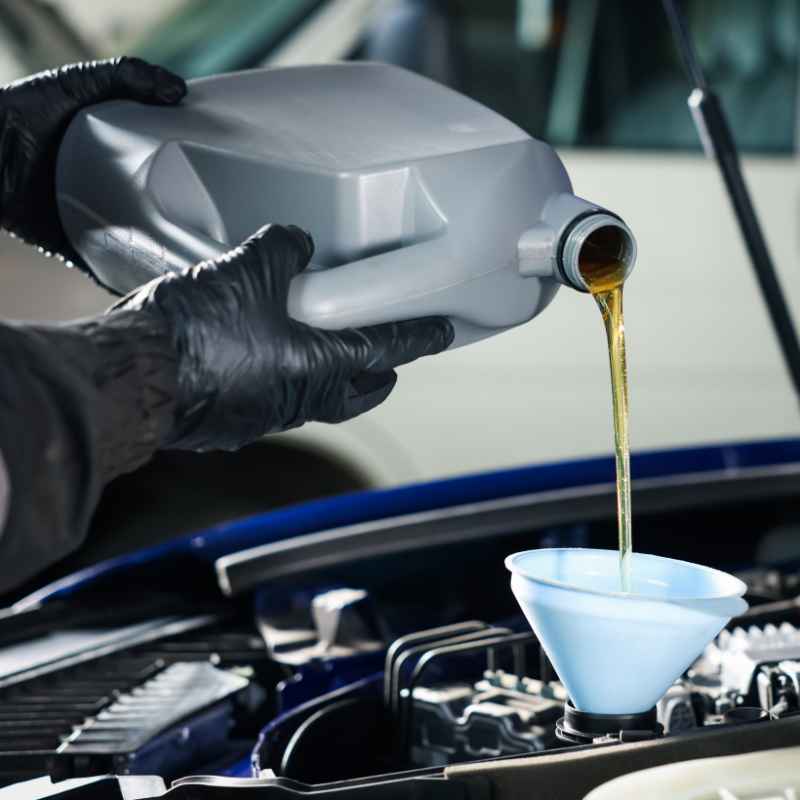
Frequently Asked Questions About Hot Weather Engine Oil
Can I use thicker oil in my car for the summer?
You can, but only if your car’s owner’s manual allows for it. For example, if it says you can use 5W-30 or 10W-30, using a 10W-40 in the summer might be a good idea. However, never use oil that is thicker than what the manufacturer specifies.
This can starve parts of oil, especially when the engine is cold.
How often should I change my oil in hot weather?
It’s a good idea to change your oil more often if you drive in very hot conditions or under severe use (like frequent stop-and-go traffic, towing, or very dusty areas). Many experts recommend shortening the interval by about 20-25%. Always check your owner’s manual for severe service recommendations.
Does synthetic oil really make a difference in the heat?
Yes, it makes a big difference. Synthetic oils are engineered to be more stable at high temperatures. They resist breaking down and losing their lubricating properties much better than conventional oils.
This means better protection for your engine when it’s working hardest.
What if my car burns oil in the summer?
If your car is burning oil, it means some oil is getting into the combustion chamber. This can be due to worn piston rings, valve seals, or PCV systems. In hot weather, oil consumption can increase.
Using a high-mileage synthetic oil might help condition seals. But if it’s a significant issue, it’s best to have a mechanic inspect your engine. Address the root cause rather than just adding more oil.
Is 10W-40 always better than 5W-30 in the summer?
Not necessarily. It depends on your car. 10W-40 is thicker at operating temperature than 5W-30.
This can be good for some engines in hot weather. However, 5W-30 might be what your car’s manufacturer recommends. Always check your owner’s manual.
Modern engines are designed for specific oil viscosities for optimal performance and protection.
What does “high-temperature viscosity” mean?
High-temperature viscosity refers to how thick the oil remains when it’s hot. It’s represented by the second number in the oil’s viscosity grade (like the ’40’ in 10W-40). A higher number indicates a thicker oil at operating temperature.
This thicker oil can provide better protection against wear in hot engines.
Conclusion
Keeping your car’s engine happy in the summer heat is crucial. The right engine oil is your engine’s best defense against high temperatures. By understanding viscosity, oil types, and your car’s needs, you can make informed choices.
Full synthetic oils with higher hot-weather viscosity ratings offer superior protection. Always refer to your owner’s manual. Regular checks and timely changes will keep your engine running smoothly.
Even when the mercury soars.
Products related to this article
Sponsored / affiliate links. As an Amazon Associate I earn from qualifying purchases. I may earn additional commission from eligible campaigns.