Best 4L60E Transmission Controller For Carbureted Engines
It can be a real headache when your 4L60E transmission acts up, especially when you’ve got a carbureted engine. You want that smooth shifting and reliable performance. But getting the electronics of a newer transmission to talk to the simpler setup of a carb can feel impossible.
Many folks feel stuck, wondering if there’s a way to bridge that gap without a complete engine swap. This guide is here to help you understand your options and find the right controller to make your setup work like a dream.
The best 4L60E transmission controllers for carbureted engines offer precise electronic control over shifting, allowing them to integrate seamlessly with older fuel systems. These units translate engine load signals into commands for the transmission, ensuring optimal gear changes for improved performance and drivability.
Understanding the 4L60E Transmission
The 4L60E transmission is a popular choice. It’s an automatic with four speeds. It also has overdrive.
This makes it great for fuel economy on the highway. Many car makers used it for years. It’s found in trucks and cars.
Think GM models from the 1990s and early 2000s.
What makes the 4L60E different from older transmissions is its electronic control. It uses sensors and a computer module. This is the “E” part of its name.
It needs signals to know when to shift. These signals tell it about engine speed and throttle position. It also looks at vehicle speed.
Older engines with carburetors don’t send these electronic signals. Carburetors work with mechanical linkages. They control fuel and air.
They don’t have the computer chips that modern engines do. This is where the problem starts.
You can’t just bolt a 4L60E to a carbureted engine and expect it to work. The transmission computer won’t get the information it needs. It won’t know when to shift gears.
This can lead to harsh shifts or no shifts at all. It might even damage the transmission.
So, how do you make this modern transmission work with a classic setup? That’s where a 4L60E transmission controller comes in. This is the key piece of the puzzle.
It acts as a translator. It bridges the gap between your engine and the transmission.
The controller takes simpler inputs from your carbureted setup. It then sends the right electronic signals to the 4L60E. This allows the transmission to function correctly.
It gives you the benefits of the overdrive transmission. You get better gas mileage and a smoother ride. It lets you keep your classic engine.
Why a Controller is Essential for Carbureted Setups
Putting a 4L60E behind a carbureted engine is a common swap. But it’s not plug-and-play. Older engines lack the computer brain.
They don’t send the right electronic pulses. The 4L60E transmission relies heavily on these pulses. Without them, it’s like a car with no driver.
Think of it this way. Your engine has a gas pedal. It controls how much fuel goes in.
A carbureted engine does this mechanically. A modern engine does it electronically. The 4L60E transmission needs to know how hard you’re pressing that pedal.
It needs this info to decide when to shift. A controller helps give it that info.
Without a controller, the transmission might not shift at all. Or it might shift at the wrong times. This can cause rough rides.
It can also hurt your engine and transmission. You might feel a clunk. Or the engine could rev too high.
Or it might lug. It’s just not a good situation.
A dedicated 4L60E transmission controller acts as the brain. It takes the signals you can provide. This might be from a throttle position sensor (TPS).
It might be from manifold absolute pressure (MAP) data. It even uses vehicle speed sensor (VSS) data. The controller then tells the 4L60E what to do.
It allows for custom tuning. You can tell the controller how you want the transmission to behave. Do you want it to shift early for better MPG?
Or do you want it to hold gears longer for performance? The controller can do that. This level of control is impossible without it.
So, if you’re putting a 4L60E into a car with a carburetor, a controller isn’t optional. It’s a requirement. It’s what makes the swap work well.
It ensures smooth shifts. It protects your transmission. And it lets you enjoy the benefits of an overdrive transmission.
It’s the missing link.
The Difference: Standalone Controllers vs. Integrated Systems
When you’re looking to control a 4L60E with a carbureted engine, you’ll mainly see two types of solutions. These are standalone controllers and integrated systems. They both aim to do the same job.
But they go about it in different ways.
Standalone controllers are designed specifically for this purpose. They are separate boxes. You wire them into your car’s system.
They don’t rely on the original engine computer. This is why they are perfect for carbureted engines. They are their own boss.
They don’t need to talk to a non-existent factory ECU.
These units often have a lot of flexibility. You can often program them. You can set shift points.
You can adjust shift firmness. You can even set up manual modes. This lets you tailor the transmission’s behavior.
It’s great for performance builds. It’s also good for achieving a specific feel. Many popular brands offer these.
Examples include Holley, TCI, and FiTech.
Integrated systems usually refer to using the original factory computer. This is the Engine Control Unit, or ECU. This computer controls both the engine and the transmission.
For a carbureted engine, this is tricky. You’d need to find a way to feed the ECU the right signals. This might involve adding sensors.
You might also need to modify or swap parts of the engine.
For a true carbureted setup, using an integrated system is usually much harder. It’s often more costly. It requires more complex wiring and tuning knowledge.
You might end up needing a standalone ECU anyway. Or you might have to simulate factory sensor inputs. This is not ideal for simplicity.
So, for most people swapping a 4L60E into a carbureted vehicle, a standalone 4L60E transmission controller is the way to go. It’s simpler to install. It’s easier to tune.
It’s designed for this exact scenario. It gives you the control you need without the headache of trying to trick a modern computer.
Key Features to Look For in a Controller
When you’re shopping for the best 4L60E transmission controller for your carbureted setup, there are a few things to keep an eye out for. Not all controllers are created equal. Some offer more features than others.
And some are just better suited for certain applications.
Programmability: This is a big one. You want a controller you can tune. Can you set shift points?
Can you change how firm the shifts are? Some controllers offer simple dial adjustments. Others use computer software for in-depth tuning.
Software tuning offers more control. It lets you really dial in the performance. Look for controllers that let you adjust shift timing based on vehicle speed.
Also, look for adjustments based on engine load. This is often done with a Throttle Position Sensor (TPS).
Input Compatibility: How does the controller get its information? Most will use a Throttle Position Sensor (TPS). This is essential.
It tells the controller how much throttle you’re giving it. Many also use a Vehicle Speed Sensor (VSS). This is usually taken from the transmission itself.
Some advanced controllers can also use MAP (Manifold Absolute Pressure) sensors. This is more common if you’re running fuel injection. But some carb setups can adapt them.
Make sure the controller you choose works with the sensors you plan to use.
Transmission Cooler Control: A good controller can also manage your transmission fluid temperature. It can control an electric fan for your transmission cooler. This helps prevent overheating.
Overheating is a major killer of automatic transmissions. This feature is a big plus for reliability.
Self-Learning Capabilities: Some modern controllers have a “self-learning” or adaptive feature. They monitor your driving habits. They can make small adjustments automatically.
This can help optimize shifts over time. It’s like the transmission gets smarter the more you drive it.
Ease of Installation and Wiring: Let’s be honest, wiring can be a pain. Look for controllers that come with clear diagrams and instructions. Some come with pre-made wiring harnesses.
This can save a lot of time and frustration. A good wiring kit makes the job much easier.
Brand Reputation and Support: Who makes the controller? Do they have a good reputation? Are they known for quality products?
Do they offer good customer support if you run into issues? Holley, TCI, and FiTech are popular brands in this space. They generally have good support.
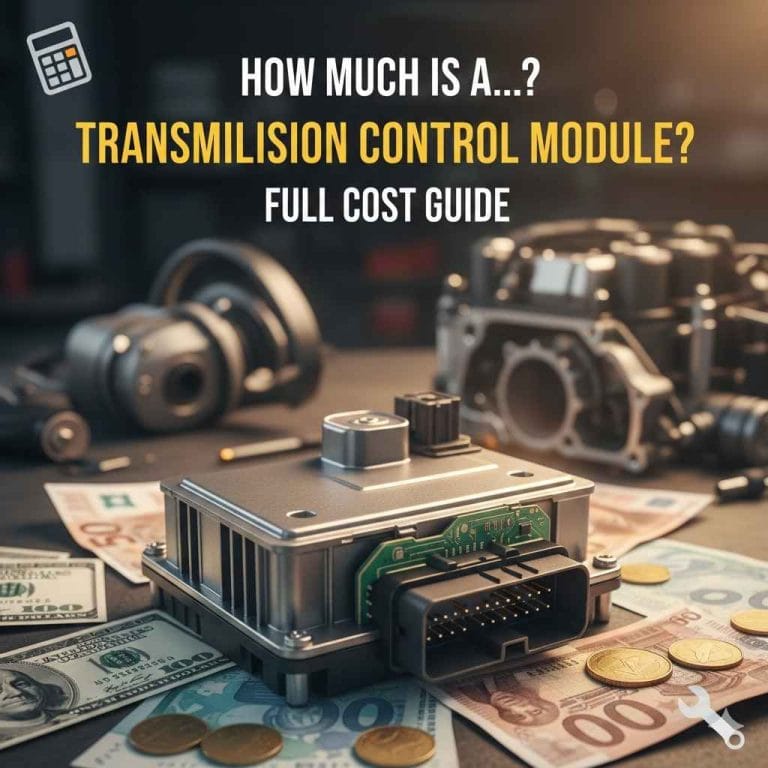
Cost: Controllers can range from a few hundred dollars to over a thousand. Set a budget. Then look for the best features within that budget.
Remember, a cheaper controller might lack important features. It could end up costing you more in the long run with poor performance or transmission issues.
Popular Controller Brands and Models
There are several excellent options out there when it comes to controlling your 4L60E with a carbureted engine. Each brand has its strengths. Choosing the right one often comes down to your specific needs and budget.
Holley EFI Dominator/HP & Terminator X
Holley is a big name in performance automotive parts. Their EFI systems are top-notch. They also offer standalone transmission controllers.
The Terminator X is often a popular choice. It’s designed to be user-friendly. It offers great control over your 4L60E.
It has plenty of inputs and outputs. You can tune it via a handheld device or laptop.
Pros: Widely respected brand, extensive features, good support, works with Holley EFI systems or standalone.
Cons: Can be pricey, especially the higher-end Dominator/HP versions.
TCI EZ-TCU (Transmission Control Unit)
TCI is another well-known company. They specialize in transmissions and their components. The EZ-TCU is a very popular standalone controller.
It’s designed for ease of use. It offers good adjustability without being overly complex. It has pre-programmed settings for common setups.
You can also fine-tune it. It handles most common sensors.
Pros: Very user-friendly, good value, reliable, designed for easy installation.
Cons: Might not offer the absolute deepest tuning options compared to some higher-end systems.
FiTech Go EFI Controllers
FiTech is known for its affordable and effective throttle-body fuel injection systems. They also offer transmission controllers. These are often integrated with their EFI systems.
But they can sometimes be used standalone or with carburetors if you add the right sensors. They aim for simplicity and good performance for the money.
Pros: Often more budget-friendly, integrates well with FiTech EFI, simple to set up.
Cons: May require more creative solutions for purely carbureted setups, feature set might be less extensive than others.
US Shift (Quick 2 or Quick 4)
US Shift controllers are highly regarded by many enthusiasts. They offer a lot of power and flexibility. The Quick 2 is a solid option for many builds.
The Quick 4 offers even more advanced features and inputs. They are known for their precise control and robust performance. They often use laptop software for tuning.
Pros: Very precise control, extensive tuning options, robust and reliable.
Cons: Can have a steeper learning curve for tuning, might be more expensive.
When you look at these, think about your own skills. Are you comfortable with tuning software? Or do you prefer something with presets?
What kind of budget do you have? All these factors will help you pick the best controller for your project.
Installation Considerations and Tips
Installing a 4L60E transmission controller might seem daunting. But with careful planning and good instructions, it’s a manageable project for many DIYers. It’s crucial to get this right.
A proper installation ensures the controller works as intended. It also protects your transmission and engine.
Read the Manual: This might sound obvious, but it’s the most important step. Every controller comes with an installation manual. Read it cover to cover.
Understand the wiring diagram. Know what each wire does. Don’t guess.
Gather Your Tools and Parts: You’ll need basic hand tools. You’ll also need wire strippers, crimpers, and possibly a soldering iron. Make sure you have any necessary adapters or sensors.
A multimeter is essential for checking connections and voltages.
Wiring: This is the core of the installation. You’ll need to connect the controller to your transmission. You’ll also connect it to your engine’s sensors and power.
- Power and Ground: The controller needs a good, clean power source and a solid ground. Often, this comes from the battery or a dedicated fuse block. A bad ground is a common cause of electronic issues.
- Transmission Connections: The controller will connect to the transmission’s wiring harness.
This might involve tapping into existing wires or using a specific adapter harness.
- Sensor Connections: Connect the controller to your Throttle Position Sensor (TPS). You’ll also need to connect it to your Vehicle Speed Sensor (VSS). If your controller supports it, connect a MAP sensor.
- Ignition Switched Power: The controller needs power when the ignition is on.
Sensor Setup:
- Throttle Position Sensor (TPS): If your carburetor doesn’t have one, you’ll need to adapt one. Many performance carburetors have provisions for a TPS. Ensure it’s properly calibrated.
- Vehicle Speed Sensor (VSS): The 4L60E transmission usually has one built-in.
Your controller will need to read this signal.
Mounting the Controller: Find a safe place for the controller. It should be protected from heat and moisture. The cabin of the car is often a good choice.
Make sure it’s accessible for tuning later.
Initial Setup and Calibration: Once everything is wired up, you’ll need to set up the controller. This usually involves calibrating the TPS. You might need to input gear ratios and tire size.
Follow the controller’s manual for this.
Testing: Start the engine. Check for any warning lights. Carefully test the transmission.
Start with gentle acceleration. Listen for unusual noises. Check for proper shifts.
Make small adjustments to the controller as needed.
Safety First: Always disconnect the battery before starting any wiring work. Double-check all connections. If you’re unsure about any part of the installation, it’s best to consult a professional mechanic or an experienced installer.
They can save you a lot of headaches.
I remember installing my first standalone transmission controller. It was for a different transmission, but the principles were the same. I spent a whole weekend just on the wiring.
I double-checked every single connection. The manual looked like a puzzle. But when I finally turned the key, and the transmission shifted smoothly, it was incredibly satisfying.
The trick is patience and meticulous work.
Real-World Scenarios and Use Cases
Let’s look at some common situations where a 4L60E controller is a game-changer for carbureted engines.
The Classic Hot Rod Build
Scenario: Someone is building a classic muscle car. They want modern overdrive for highway cruising. They’ve chosen a powerful V8 engine with a carburetor.
They want the transmission to shift firmly under acceleration. They also want it to be smooth and quiet on the freeway.
Controller’s Role: A controller allows them to set firm shifts for performance. It can also be programmed to shift into overdrive at lower RPMs on the highway. This saves fuel and reduces engine wear.
They can tune it to match their engine’s power band.
The Vintage Truck Restoration
Scenario: A person is restoring an old pickup truck. They’re keeping the original carbureted engine. But they want to update the transmission for better fuel economy.
They haul occasional loads and go on road trips. They need reliability and a smooth driving experience.
Controller’s Role: The controller enables the truck to achieve better MPG. It ensures that shifts are smooth and predictable. This makes long drives more comfortable.
It also helps protect the transmission from the stress of improper shifts, especially when loaded.
The Budget-Conscious Swap
Scenario: Someone finds a cheap 4L60E transmission. They have a carbureted engine already. They want to use the 4L60E without breaking the bank on a full EFI conversion.
They need a functional solution that doesn’t require deep technical knowledge.
Controller’s Role: A more user-friendly, standalone controller like the TCI EZ-TCU is ideal. It offers a good balance of performance and ease of use. It allows them to get the overdrive benefits without the high cost of other options.
The Drag Racing Application
Scenario: A drag racer is using a carbureted engine and a 4L60E. They need the transmission to shift at very specific, high RPMs. They want the shifts to be as hard and fast as possible.
They might even want to manually control shifts at certain times.
Controller’s Role: An advanced, programmable controller is essential here. It allows for precise tuning of shift points to match the engine’s power band. The firm shift settings can handle the high horsepower and torque.
Some controllers even offer transbrake integration for optimal launch.
These scenarios highlight how versatile a transmission controller can be. It allows you to tailor the 4L60E’s behavior. It works with your specific carbureted engine.
It makes the swap practical and enjoyable.
What This Means for You: When to Worry and When to Relax
So, you’ve got your 4L60E and your carbureted engine. You’ve got a controller. What does all this mean for your daily driving and peace of mind?
When to Relax:
- Smooth Shifts: When you accelerate gently, the shifts feel smooth. You don’t get a jarring jolt. This means the controller is sending the right signals.
- Proper Gear Engagement: The transmission selects the right gear for the speed and throttle. You don’t feel like the engine is struggling or over-revving.
- Overdrive at Speed: On the highway, you feel the transmission shift into its highest gear (overdrive). The engine RPMs drop. This is exactly what you want for better fuel economy.
- No Warning Lights: Your check engine light isn’t on. Your transmission isn’t acting erratically.
When to Worry:
- Harsh or Clunking Shifts: If every shift feels like a hit, something is wrong. This could be the controller settings. It could also be a transmission issue.
- Delayed or No Shifts: If the transmission doesn’t shift at all, or it takes a very long time, that’s a problem. It might mean the controller isn’t getting inputs. Or the transmission itself is failing.
- Slipping Gears: If the engine revs up, but the car doesn’t speed up much, the transmission is slipping. This is a serious issue. It needs immediate attention.
- Overheating Transmission: If you notice a burning smell or the transmission fluid is dark and smells burnt, it’s overheating. Make sure your cooler is working. Ensure your controller is managing it.
- Controller Error Codes: If your controller has a diagnostic port, check for any codes. These can point you to the exact problem.
In my own projects, I’ve experienced both. I had a setup that was almost perfect. The shifts were crisp but not harsh.
Highway cruising was a dream. Then, one day, it started slipping. It turned out a solenoid in the transmission had failed.
It had nothing to do with the controller. But the controller was still giving me the data to realize something was wrong quickly. Knowing when to worry helps you act fast.
If you’re new to this, don’t be afraid to ask for help. Online forums and specialist shops are great resources. They can help you diagnose issues.
They can also guide you on proper settings. A well-tuned controller should make driving pleasant.
Quick Fixes and Tips for Optimization
Once your 4L60E controller is installed, you might want to fine-tune its performance. Here are a few tips to help you get the most out of it.
- Start with Default Settings: Most controllers come with good default settings. Try driving with these first. Get a feel for how the transmission behaves. This gives you a baseline.
- Adjust Throttle Sensitivity: If shifts feel too lazy when you want them, you might need to adjust the TPS sensitivity. If they feel too aggressive for daily driving, dial it back.
- Experiment with Shift Points: Most controllers let you adjust shift points. For better fuel economy, try shifting slightly earlier. For performance, try holding gears a bit longer. Make small changes and test drive after each one.
- Firmness Control: If you want a sportier feel, increase the shift firmness. Be careful not to make it too harsh, as this can increase wear.
- Monitor Transmission Temperature: Keep an eye on your transmission fluid temperature. If your controller has fan control, ensure it’s working correctly. High temps are bad for any automatic.
- Tire Size and Gear Ratio: Make sure the controller is programmed with your correct tire diameter and rear axle gear ratio. This is vital for accurate speed sensing and shift points.
- Drive Consistently: When testing new settings, try to drive in a consistent manner. This helps you judge the impact of your changes more accurately.
I learned the hard way that drastic changes don’t always work. Making small, incremental adjustments is key. It lets you understand how each setting affects the transmission.
It also prevents you from making a bad change that throws everything off.
Frequently Asked Questions
Can I use a 4L60E transmission with a carbureted engine without a controller?
No, it is highly unlikely to work correctly. The 4L60E transmission relies on electronic signals for shifting. A carbureted engine does not provide these signals on its own.
You will Transmission Control Modules Need Programming? A Simple Guide” target=”_blank” rel=”noopener” data-wpil-monitor-id=”7640″>need a transmission controller
to translate inputs and command the transmission.What is the most common controller for a carbureted 4L60E swap?
The TCI EZ-TCU and Holley Terminator X are very popular choices. They are known for their user-friendliness and effectiveness in carbureted applications.
Do I need a new carburetor if I use a 4L60E controller?
Not necessarily. Most controllers require a Throttle Position Sensor (TPS). Many aftermarket carburetors have provisions for a TPS.
If yours doesn’t, you might need to adapt one or consider a carb designed for TPS input.
How much does a 4L60E transmission controller typically cost?
Prices can range from around $300 for basic models to over $1000 for high-end, feature-rich systems. The cost depends on the brand, features, and programmability.
Can I tune the controller myself, or do I need a professional?
Many controllers are designed for DIY tuning, especially user-friendly ones like the EZ-TCU. More advanced systems might benefit from professional tuning. Online resources and forums are also great places to learn.
What happens if I don’t set up the Vehicle Speed Sensor (VSS) correctly?
If the VSS is not configured correctly, your transmission shifts will be unpredictable. The speedometer might also be inaccurate. This can lead to poor driving performance and potential transmission damage.
Will a controller help with transmission overheating?
Some controllers offer a transmission cooler fan control. This feature helps regulate fluid temperature. Proper temperature management is crucial for the longevity of any automatic transmission.
Conclusion
Adding a 4L60E transmission to a carbureted engine can seem complicated. But with the right 4L60E transmission controller, it’s absolutely achievable. These controllers act as the essential bridge.
They translate your engine’s signals into commands the transmission understands. This ensures smooth shifts. It boosts performance.
And it makes your classic setup feel modern. Investing in a good controller is key. It makes the entire swap worthwhile.
You get the best of both worlds: classic style and modern comfort.