What Is the Meaning of Car Light Symbols? Full Guide
Car light symbols are the dashboard indicators that communicate your vehicle’s status, warnings, and system health at a glance. Understanding these symbols helps you respond quickly to potential issues, avoid costly repairs, and stay safe on the road. This guide breaks down every major symbol, explains what it means, and tells you exactly what to do when it appears.
Simply put, car light symbols are your vehicle’s way of talking to you. They range from routine reminders (low fuel) to critical warnings (engine overheating). Knowing the difference between a red, yellow, and green light can save you time, money, and even your life.
Key Takeaways
- Car light symbols are color‑coded: red means immediate action, yellow means caution, and green/blue means a system is active.
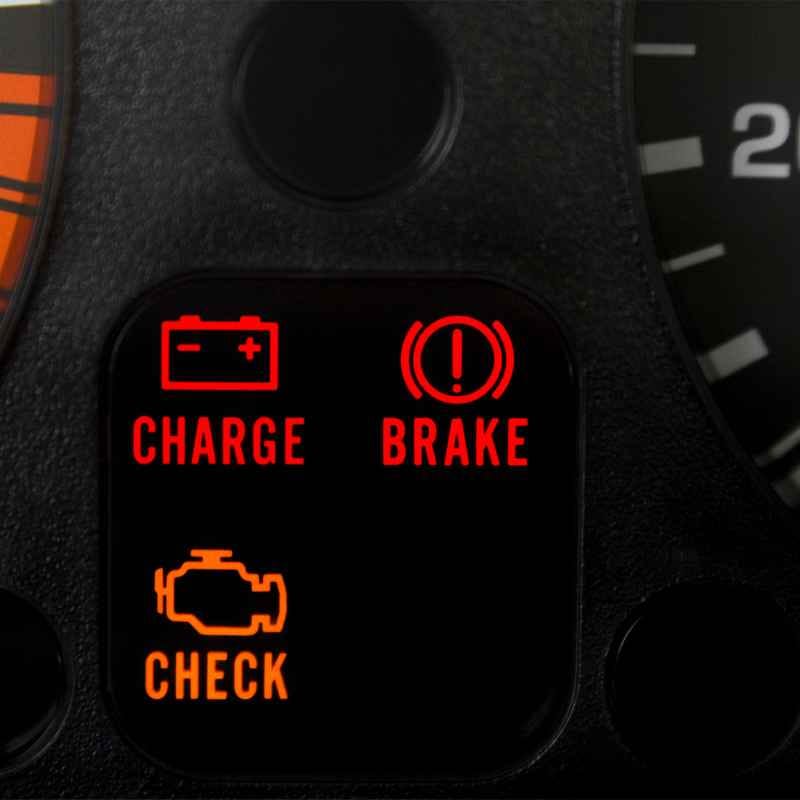
- The most critical symbols include the check engine light, battery warning, oil pressure warning, and brake system light.
- Dashboard warning lights are standardized across most car brands, but some symbols are manufacturer‑specific.
- Ignoring a red warning light can lead to severe engine damage, brake failure, or an accident.
- Refer to your owner’s manual for the exact interpretation of your vehicle’s symbols.
What Are Car Light Symbols and Why Do They Matter?
Car light symbols are visual indicators on your dashboard that represent the status of various vehicle systems. When you start the engine, many lights turn on briefly as a bulb check, then go out. If a light stays on or comes on while driving, it signals that something needs attention.
These symbols are standardized under ISO 2575 and SAE J2402, so most cars use the same icons. However, some luxury or electric vehicles add unique symbols. Knowing what each icon means helps you diagnose problems early, avoid breakdowns, and maintain safety.
- Red lights – Stop immediately. Potential safety hazard or critical failure.
- Yellow/amber lights – Caution. Service or repair needed soon.
- Green/blue lights – System active (e.g., headlights, cruise control).
- White lights – Informational (e.g., outside temperature, vehicle settings).
Tip: Always check your owner’s manual for the exact meaning of each symbol in your specific make and model. Some manufacturers use slightly different icons.
What Does Each Dashboard Warning Light Color Mean?
The color of a car light symbol is the first clue to its urgency. Red alerts demand immediate action, while yellow lights indicate a problem that should be addressed soon. Green and blue lights are purely informational.
| Color | Meaning | Action Required |
|---|---|---|
| Red | Critical – stop driving as soon as safe | Check the issue and call for assistance |
| Yellow/Amber | Warning – schedule a service soon | Inspect the system or visit a mechanic |
| Green/Blue | System active – no problem | No action needed |
| White | Informational only | Refer to your manual if unclear |
According to the National Highway Traffic Safety Administration (NHTSA), nearly 70% of drivers cannot identify the most common dashboard symbols. Knowing these colors alone can prevent dangerous driving situations.
The Most Critical Red Warning Lights You Should Never Ignore
Red car light symbols indicate a problem that requires your immediate attention. Continuing to drive with a red light can cause serious damage or a crash.
1. Brake System Warning Light
This symbol (an exclamation mark inside a circle with parentheses on each side) indicates a problem with your braking system. It could mean low brake fluid, worn brake pads, or a hydraulic failure.
- If it comes on while driving, pull over immediately.
- Check the parking brake first – it may be engaged.
- If the parking brake is off, do not drive. Call a tow truck.
2. Engine Oil Pressure Warning
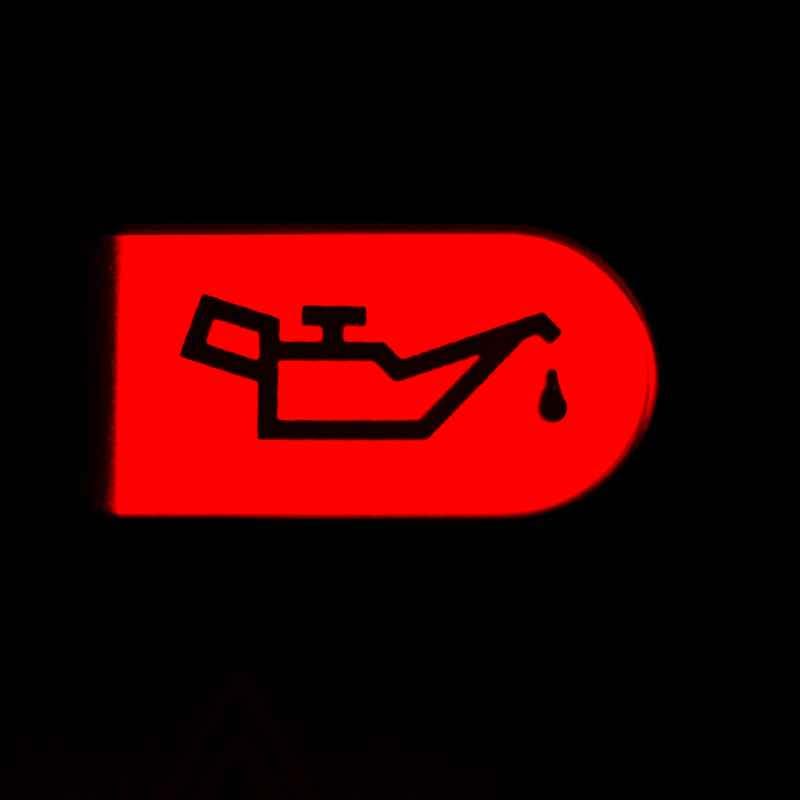
This symbol (an oil can with a drop) means oil pressure is too low. Low oil pressure can quickly destroy your engine.
Warning: If the oil pressure light stays on, turn off the engine immediately. Running the engine with low oil pressure can cause catastrophic damage in seconds.
- Stop the vehicle and turn off the engine.
- Check the oil level (allow the car to cool first).
- If the level is low, add oil and monitor the light.
3. Battery Charging Warning
The battery light (a battery icon) indicates the charging system is not working properly. This could be a failed alternator, a loose belt, or a dead battery.
- You can still drive a short distance, but electrical systems will gradually fail.
- Turn off all unnecessary accessories (AC, radio, lights).
- Head to a repair shop as soon as possible.
4. Coolant Temperature Warning
This symbol (a thermometer in water) means the engine is overheating. Driving with an overheated engine can warp cylinder heads and blow the head gasket.
- Pull over safely and turn off the engine.
- Wait at least 20 minutes for the engine to cool.
- Check the coolant level in the reservoir (never open the radiator cap when hot).
- If low, add coolant and look for leaks.
Common Yellow/Amber Warning Lights and What They Mean
Yellow car light symbols warn of a problem that needs attention but is not immediately dangerous. You can usually continue driving, but schedule a service soon.
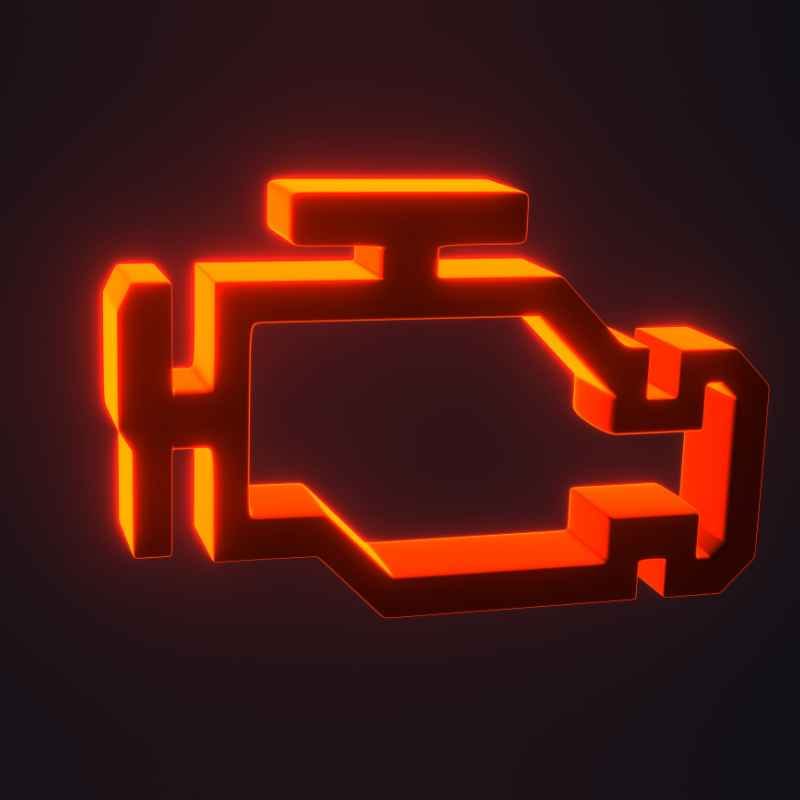
Check Engine Light (CEL)
The check engine light is one of the most misunderstood symbols. It can indicate anything from a loose gas cap to a serious engine misfire.
- Solid – A non‑urgent issue. Schedule a diagnostic check.
- Flashing – A severe problem (e.g., catalytic converter damage). Reduce speed and get help.
| Check Engine Light Behavior | Likely Cause | Action |
|---|---|---|
| Solid steady light | Loose gas cap, O2 sensor, or minor fault | Check gas cap, then schedule a scan |
| Flashing light | Engine misfire, severe fault | Pull over and call for a tow |
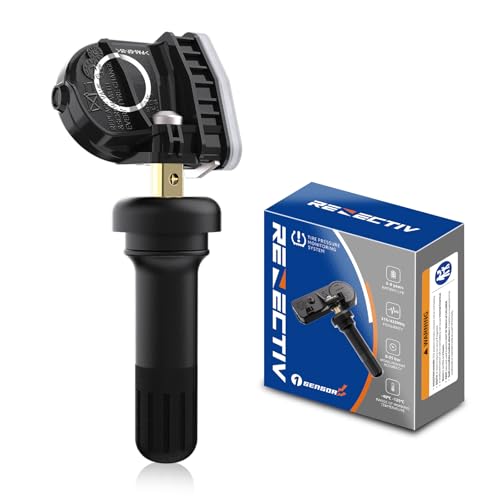
Tire Pressure Monitoring System (TPMS)
This symbol (an exclamation mark inside a horseshoe‑shaped tire cross‑section) means one or more tires are significantly underinflated. Underinflated tires can cause poor handling and blowouts.
- Check tire pressures with a gauge when tires are cold.
- Inflate to the recommended pressure (found on the driver’s door jamb).
- If the light remains on, there may be a leak or a faulty sensor.
Anti‑Lock Braking System (ABS) Warning
The ABS light (the letters “ABS” inside a circle) indicates a problem with the anti‑lock braking system. Your regular brakes still work, but the ABS may not engage during hard braking.
- Drive cautiously and avoid situations requiring emergency braking.
- Have the ABS system diagnosed by a professional.
Green and Blue Indicator Lights – What They Tell You
Green and blue car light symbols are not warnings – they confirm that a system is active. They help you understand what your car is doing.
- High Beam Headlights (blue) – A blue icon of a headlight with lines indicates high beams are on. Dim them for oncoming traffic.
- Turn Signal Indicators (green) – Flashing green arrows show which turn signal is active.
- Cruise Control (green) – A speedometer with an arrow indicates cruise control is set.
- ECO Mode (green) – This light shows the vehicle is operating in an economy‑friendly mode.
- Side Lights (green) – A lantern‑shaped icon confirms parking lights are on.
Important: Some hybrid and electric vehicles have unique green/blue symbols for regenerative braking and charging status. Always read your owner’s manual for these specific indicators.
How to Reset a Dashboard Warning Light After a Repair
After fixing the issue that triggered a car light symbol, you may need to reset the light. The method depends on whether the light is simple or requires a diagnostic tool.
- Simple reset for oil change or tire pressure: Most vehicles have a reset button (often on the dashboard or near the steering wheel). Press and hold for 5–10 seconds until the light blinks and turns off.
- Using an OBD‑II scanner: Plug the scanner into the port under the dashboard (usually near the steering column). Follow the device instructions to read and clear trouble codes. This works for the check engine light, ABS light, and airbag light.
- Battery disconnect method: Disconnect the negative battery terminal for 15–30 minutes. This will clear many lights, but it may also erase adaptive settings (radio presets, clock).
Warning: Never reset a warning light without fixing the underlying problem. The light will reappear if the issue persists, and you risk masking a serious condition.
What Are the Most Common Misinterpretations of Car Light Symbols?
Many drivers misread car light symbols, leading to unnecessary panic or dangerous neglect. Here are the most frequent misunderstandings:
- Flashing check engine light vs. solid – A flashing light is far more urgent than a solid one. A solid light might just be a loose gas cap.
- Brake light vs. parking brake light – The same symbol can mean either. Check the parking brake first.
- Battery light vs. alternator issue – The battery light often indicates a faulty alternator, not a dead battery.
- Traction control light – A flashing TCS/ESC light when driving on slippery roads is normal – it means the system is working. A steady light means a fault.
- Door ajar light – This icon (a car with an open door) can also indicate the trunk or hood is not fully closed.
According to a survey by the Car Care Council, 60% of drivers ignore the check engine light for at least a month. This can turn a minor repair into a major expense.
Car Light Symbols in Electric and Hybrid Vehicles
Electric vehicles (EVs) and hybrids have additional car light symbols that are unique to their drivetrains. Knowing these can help you manage your battery and charging.
| Symbol | Meaning | Action |
|---|---|---|
| Battery charge level (green/blue lights) | Indicates current battery percentage | Charge when low |
| Regenerative braking icon | Energy is being recovered while decelerating | No action needed |
| Charging port indicator | Plug is connected or charging in progress | Ensure secure connection |
| EV system warning (yellow) | Fault in the electric drive system | Schedule service; limited driving may be possible |
As EV adoption grows, manufacturers like Tesla, Rivian, and Lucid are adding new symbols for autopilot, battery temperature, and charging status. Familiarize yourself with these if you drive an electric vehicle.
Frequently Asked Questions
What does the orange wrench light mean in a car?
The orange wrench symbol is a maintenance reminder, often indicating that a scheduled service (like an oil change or tire rotation) is due. It is not an emergency, but you should schedule an appointment soon.
Can I drive with the check engine light on?
Yes, if the light is solid and the car is running normally. However, if the light is flashing, pull over immediately. A solid light should be diagnosed within a week to prevent further damage.
Why does my car’s tire pressure light come on when it’s cold?
Tire pressure drops about 1 psi for every 10°F drop in temperature. In colder months, the TPMS light may come on even if tires are properly inflated. Check pressures and add air if needed.
What does the red battery light mean?
The red battery light indicates the charging system is failing – usually a bad alternator, broken belt, or dead battery. You have limited driving range before electrical systems shut down. See what to do if your car battery light comes on for the exact steps and a DIY multimeter test.
How do I know if a dashboard light is serious?
Use the color rule: red = stop, yellow = caution, green/blue = active. If the light is red and accompanied by a warning chime, treat it as an emergency. Always consult your owner’s manual for your specific make and model.
Final Thoughts
Knowing your car light symbols transforms panic into informed action. Red lights demand an immediate stop, yellow lights call for prompt service, and green/blue lights simply inform. By learning the most common icons, you avoid unnecessary repairs and stay safer on the road.
Keep your owner’s manual handy, and never ignore a warning that could lead to a breakdown or accident.
See also how to use car lights correctly in every condition. See also why won’t my car lights work top causes and quick fixes.
Products related to this article
Sponsored / affiliate links. As an Amazon Associate I earn from qualifying purchases. I may earn additional commission from eligible campaigns.