Why Are Car Lights So Bright Now? The Real Explanation
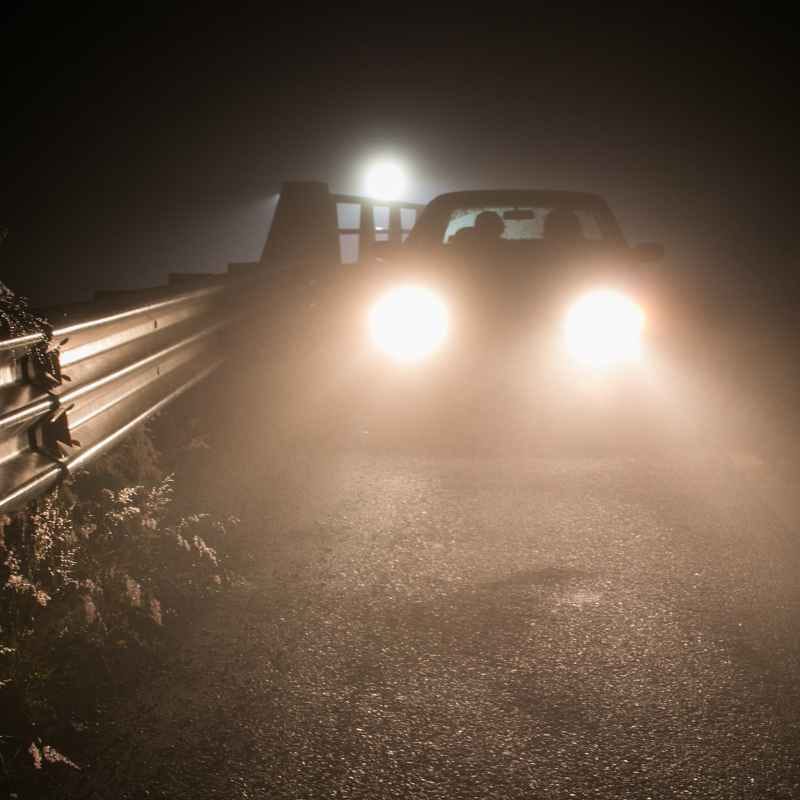
Why are car lights so bright now is a question many drivers ask when facing oncoming headlights that seem blindingly intense. This shift toward brighter car lights stems from advances in lighting technology, safety regulations, and consumer demand for better nighttime visibility.
Simply put, modern car lights are much brighter because automakers have switched from halogen bulbs to high-intensity discharge (HID), LED, and laser systems that produce significantly more lumens. These technologies offer longer life, greater energy efficiency, and improved road illumination, but they also create more glare for other drivers.
Key Takeaways
- Why are car lights so bright now? Advances in LED and HID technology produce more lumens and whiter light than traditional halogen bulbs.
- Regulatory changes have allowed automakers to install brighter headlights, but glare and misalignment remain common complaints.
- Brighter car lights improve driver safety in low-visibility conditions, but they can also cause temporary blindness for oncoming traffic.
- Proper headlight aiming and adaptive beam systems help reduce glare without sacrificing brightness.
What Makes Modern Car Lights So Bright?
The core reason behind the surge in headlight brightness is the transition from older halogen bulbs to newer lighting technologies. Halogen bulbs, which have been standard for decades, produce around 700–1,200 lumens per bulb. In contrast, modern HID (xenon) bulbs can emit 3,000–3,500 lumens, while high-quality LED headlights often exceed 4,000 lumens per unit.

Govee
Govee Car LED Lights, RGB Smart Car…
- Creative DIY Mode: Choose from 16 million available colors or customize car led light effects to your liking in DIY mode via Govee…
- Dynamic Music Mode: Built-in mic helps interior car lights sync with any music type. Liven up your road trips, weekend getaways or…
- Smart App Control: Manage the colors and brightness of car lights or choose music mode by one simple tap with Govee Home app. Enjo…
As an Amazon Associate I earn from qualifying purchases.
Another factor is color temperature. Halogen bulbs emit a yellowish light (around 3,000K), while LEDs and HIDs produce a much whiter or bluish light (5,000K–6,500K). The human eye perceives whiter light as brighter, even at the same lumen output.
This perceptual effect makes modern headlights feel more intense.
Important: The brightness of a headlight is measured in lumens, not watts. A typical LED headlight uses only 20–30 watts but produces over 3,000 lumens — more than double the output of a 55-watt halogen bulb.
Automakers also design headlight housings with advanced reflectors and projectors that focus the beam more precisely. This concentrated light can appear blinding when viewed directly, even if the total light output is the same as an older design.
How Do LED and Laser Headlights Work?
Understanding the technology behind bright headlights helps explain why they are so intense. LED headlights use light-emitting diodes that produce light when an electric current passes through a semiconductor. They generate very little heat and can be arranged in arrays to create a powerful, even beam.
Laser headlights, used in some premium luxury cars, work by firing a laser at a phosphor material inside the housing. This excites the phosphor to emit bright white light. Laser headlights can produce up to 2.5 times more light than LEDs while using the same amount of energy.
- LEDs: Instant-on, durable, 30,000+ hour lifespan, compact design
- Laser: Extremely bright (up to 8,000 lumens), longer range (up to 600 meters), used in BMW, Audi, Mercedes
- HID: Very bright, require warm-up time, cost less than laser
- Halogen: Warm color, low cost, shorter lifespan, lower brightness
Tip: If you drive a car with factory LED headlights, avoid aftermarket LED kits for halogen housings. They often produce poor beam patterns and increase glare for other drivers.
The National Highway Traffic Safety Administration (NHTSA) reports that the number of crash fatalities at night has remained high, partly due to inadequate lighting. In response, automakers are pushing more lumens into the road, but the results are not always balanced.
Why Are Car Headlights Getting So Bright? Regulations and Competition
Regulatory changes have played a major role in the brightness arms race. In the United States, Federal Motor Vehicle Safety Standard (FMVSS) 108 sets limits on headlight brightness, but these limits are higher than in many other countries. The allowed candela (a unit of luminous intensity) can reach up to 40,000 candela per headlamp, whereas Europe’s maximum is around 30,000 candela.
Additionally, the Insurance Institute for Highway Safety (IIHS) introduced headlight ratings in 2016, awarding higher scores to vehicles with better nighttime illumination. Automakers quickly retooled to earn top ratings, which often meant installing brighter lights. Between 2016 and 2022, the average headlight rating improved by nearly 20% according to IIHS data.
| Factor | Impact on Brightness |
|---|---|
| Consumer demand | Drivers want better visibility for safety, pushing automakers to increase output |
| IIHS ratings | Higher ratings require minimum light levels, incentivizing brighter lights |
| LED/Laser cost drop | Manufacturing advances make bright tech affordable for mainstream models |
| Regulatory limits | U.S. limits are higher than Europe, allowing brighter beams on U.S. roads |
According to the American Automobile Association (AAA), 63% of drivers report being “very or extremely” bothered by oncoming headlight glare. Yet the same drivers want their own headlights to be as bright as possible. This paradox fuels the continuous increase in bulb output.
Types of Bright Car Lights: Halogen, HID, LED, Laser
Each headlight technology has distinct characteristics that determine its brightness, beam pattern, and color. Here’s a comparison:
| Type | Lumens (per bulb) | Typical Lifespan | Color Temp |
|---|---|---|---|
| Halogen | 700–1,200 | 450–1,000 hours | 3,000K (yellow) |
| HID (Xenon) | 3,000–3,500 | 2,000–3,000 hours | 4,300–5,000K (white/blue) |
| LED | 3,000–6,000 | 30,000+ hours | 5,000–6,500K (cool white) |
| Laser | 6,000–8,000 | 30,000+ hours | 6,000K (pure white) |
Automakers now equip even mid-range models with LEDs as standard. This trend means the average car on the road produces far more light than a vehicle from a decade ago. The result is a fleet-wide increase in brightness that can be startling for drivers accustomed to halogens.
Are Brighter Headlights Safer?
Studies show that better road illumination can reduce nighttime crash rates. The IIHS found that vehicles with good-rated headlights have 9–19% fewer nighttime single-vehicle crashes compared to those with poor-rated lights. However, the relationship between raw brightness and safety is not linear.
When headlights are too bright or misaligned, they create glare that can temporarily blind oncoming drivers. The human eye takes up to several seconds to recover after exposure to bright lights. At 60 mph, those seconds translate to hundreds of feet of travel with reduced vision, increasing crash risk.
- NHTSA data: About 50% of fatal crashes occur at night, despite only 25% of driving taking place in darkness.
- AAA research: High-beam glare from HID and LED headlights can take up to 9 seconds for drivers to fully recover from.
- European Parliament: Mandatory adaptive driving beam (ADB) systems are being phased in across Europe to reduce glare while maintaining brightness.
- IIHS: Misaimed headlights are a leading cause of excessive glare, affecting 1 in 5 vehicles on the road.
Warning: Aftermarket LED replacement bulbs installed in reflector-style halogen housings often scatter light improperly, greatly increasing glare. These retrofits are illegal for road use in many states.
Adaptive headlights that swivel with steering, auto-leveling systems, and matrix LED technology help deliver high brightness where needed while shielding oncoming traffic. Vehicles equipped with adaptive driving beams can keep high beams on constantly without blinding others.
Common Complaints About Bright Car Lights and What You Can Do
Many drivers feel that modern headlights are too harsh. The main complaint is glare caused by the combination of high intensity, cool color temperature, and incorrect aiming. Older drivers are especially sensitive because the lens of the eye becomes more opaque with age, scattering light.
For drivers who find oncoming lights blinding, here are some practical tips:
- Look to the right edge of your lane — do not stare directly at the approaching headlights.
- Use your own high beams only when no oncoming traffic is present to avoid contributing to the problem.
- Clean your windshield — a dirty or foggy windshield increases glare from any external light source.
- Consider anti-glare glasses with yellow or polarized lenses designed for nighttime driving.
- Adjust your interior rearview mirror to the anti-glare (dimmed) position when headlights approach from behind.
If you own a vehicle with factory LED or HID headlights, a simple headlight alignment check can ensure your beams aren’t pointed too high. Most shops perform this for a small fee, and it can make a significant difference for other road users.
Frequently Asked Questions
Why do some cars have blindingly bright headlights?
Blinding headlights usually result from high-lumen LED or HID bulbs combined with poor beam focus. Factory lights are designed to meet regulations, but aftermarket modifications or improper alignment can cause excessive glare.
Are bright headlights illegal?
In the U.S., headlights that exceed NHTSA’s candela limits on a standard beam pattern are technically illegal. However, enforcement is rare. Aftermarket LED conversions in halogen housings often violate federal standards.
How can I stop being blinded by oncoming headlights?
Avoid looking directly at the lights. Focus on the right side of the road or the lane markings. Reduce your speed if glare impairs your vision, and keep your windshield clean to minimize scatter.
Do LED headlights last longer than halogen?
Yes. Quality LED headlights can last 30,000 hours or more, compared to 1,000 hours for halogen. This longevity is why automakers are adopting LEDs as standard equipment.
Will future car lights become even brighter?
The trend toward brighter lights is expected to continue, but with smarter controls. Adaptive matrix beams and laser lights will deliver high output without blinding oncoming traffic through active beam shaping and automatic dimming.
Final Thoughts
Car lights are so bright now thanks to rapid advances in LED, HID, and laser technology that provide safer nighttime visibility. While these lights reduce crash rates for their own vehicle, they can create dangerous glare for others. The real solution lies in adaptive beam systems and proper alignment – not in turning down the brightness entirely.
As regulations evolve, we can expect headlights that are both powerful and considerate of other drivers.
Related pick: Check today's price on Amazon
Products related to this article
Sponsored / affiliate links. As an Amazon Associate I earn from qualifying purchases. I may earn additional commission from eligible campaigns.