How To Know If Car Lights Are On (Quick & Easy Check)
It’s that sinking feeling. You’re leaving a friend’s house late, or perhaps you just parked for a quick errand. A nagging thought pops into your head: “Are my car lights actually off?” It’s a common worry, and for good reason.
Leaving your lights on can drain your car battery. It can also lead to a ticket if you’re driving with them off at night. This guide will help you feel confident you know exactly when your lights are on or off.
We’ll cover simple checks for every light on your car.
Knowing if your car lights are on or off is crucial for battery health and safety. This guide offers simple, visual, and auditory checks for headlights, taillights, brake lights, and interior lights, ensuring you never leave them on accidentally or drive without proper illumination.
Understanding Your Car’s Lights
Cars have a lot of lights. They help you see. They also help others see you.
Headlights are the big ones at the front. They light up the road ahead. Taillights are at the back.
They show other drivers where you are. Brake lights get brighter when you stop. They warn cars behind you.
Then there are the smaller lights. These include turn signals and hazard lights. Your dashboard also has lights.
They tell you about your car’s status. Even the little lights inside your car matter. These are your interior lights.
Each type of light serves a purpose. Headlights have two main settings. Low beams are for normal driving.
High beams are for very dark roads. Your car’s system often controls these. It might turn them on automatically.
It might also turn them off when you turn the engine off. But this isn’t always true for every car. Older cars might rely more on you.
Newer cars have more smart features. These systems aim to help drivers. They prevent common mistakes.
Still, it’s good to know how to check yourself.
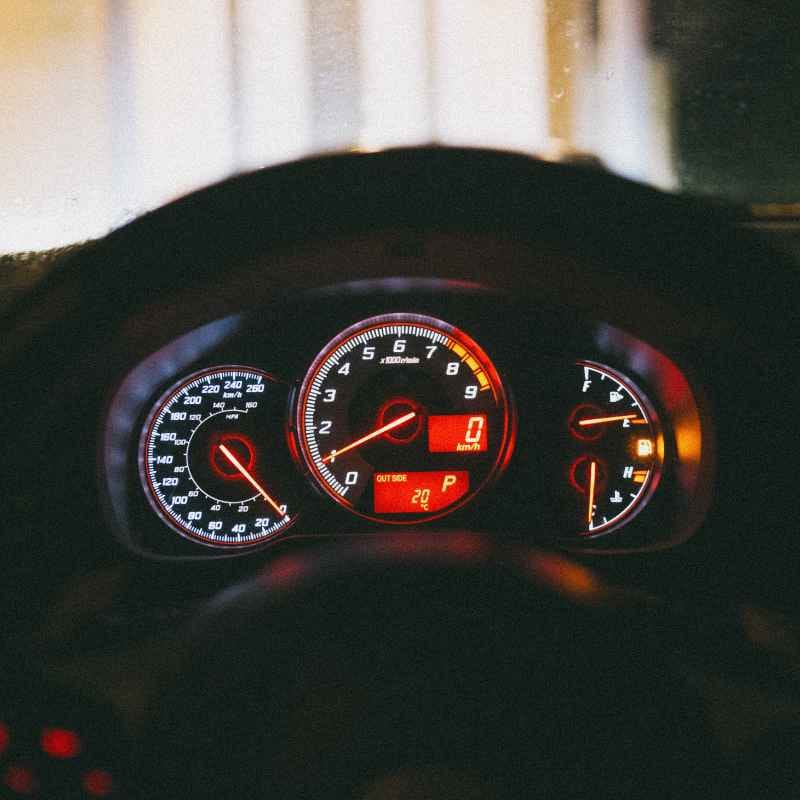
The dashboard is a key place to look. Many cars have a light symbol. This symbol shows if your lights are on.
It’s usually a green or white light. It looks like a headlamp with lines pointing down. This is the auto light indicator.
It tells you if your headlights are active. Other lights on the dash warn you too. A red brake warning light is serious.
A yellow or amber light might mean a problem.
Knowing the basic functions helps. It makes checking easier. You can spot what’s normal.
You can also spot what’s not. This guide breaks it down simply. We will go through each light type.
We will explain how to check it. You’ll become a pro at this. You’ll save yourself trouble.
You’ll also be a safer driver.
My Own “Oh No!” Headlight Moment
I remember this one time, a few years back. It was a Tuesday evening. I had just finished a long work project.
I was tired and just wanted to get home. I grabbed my bag, locked up the office, and headed to my car. It was already getting dark outside.
I got in, started the engine, and put the car in drive. As I pulled out of the parking lot, I noticed something. The streetlights were on.
The car in front of me had its lights on. But mine? My dashboard seemed dark.
No green headlight symbol. I thought, “Okay, maybe my automatic lights aren’t working.”
I drove for a few minutes. I was getting a little anxious. I saw a police car in the distance.
My heart did a little jump. “Oh no, am I driving without lights?” I fumbled around the light switch. I twisted it, pulled it, pushed it.
Nothing seemed to happen. My mind raced. Was I going to get pulled over?
Was my battery going to die because of some faulty switch? Then, I remembered a quick trick. I looked at the reflection of my car in a shop window as I passed by.
And there they were. My headlights were on. They were shining bright.
I had just been looking at the wrong part of the dashboard. Or maybe the indicator light was burnt out. It was a simple fix, just a visual check.
But in that moment, tired and worried, it felt like a huge relief.
That experience taught me a valuable lesson. Don’t always trust just one indicator. Use your senses.
Look around your car. Listen. It’s about being sure.
It’s about having a few go-to checks. This way, you don’t have to panic like I did. It’s mostly common sense.
But sometimes, our minds get clouded. Especially when we’re tired or stressed. So, let’s make sure you have a solid plan.
Checking Your Headlights
Headlights are super important. They light up the road. They also make your car visible to others.
Most modern cars have automatic headlights. They turn on when it gets dark. Or when you turn on the windshield wipers.
Some cars have a sensor for this. But automatic doesn’t mean foolproof. Sometimes, the sensors fail.
Or the settings get changed. You need to be able to check them yourself.
The easiest check is the dashboard. Look for the green or white headlight symbol. It’s usually on the left side.
It looks like a battery symbol. But it has lines pointing down. This means your headlights are on.
If you don’t see this symbol, your headlights might be off. This is especially true for low beams. High beams usually have a blue indicator.
It looks like a headlamp with lines pointing straight ahead.
Another visual check is to look at your car. When it’s dark outside, the headlights are obvious. You can see them shine.
Even in dim light, they might cast a glow. If you are in your car, look at the front. Can you see the light shining?
If you’re outside your car, just walk around it. Look at the front lights. Do they look lit up?
You can also use reflections. Park your car facing a wall or a garage door. Turn your lights on.
Then turn them off. See the difference. If it’s dark, you can easily see the light beams.
Another trick is to use the reflection in another car’s window. Or in a shop window. This works even if it’s not fully dark.
You’ll see the light reflecting back.
What about the automatic system? Many cars have a setting for this. It’s often controlled by a dial or a stalk.
You might see settings like “AUTO,” “OFF,” “ON,” and “PARK.” “AUTO” means the car decides. “OFF” means they stay off. “ON” means they stay on all the time.
“PARK” often turns on taillights and parking lights. Make sure your car is set to “AUTO” or “ON” if you want them to work automatically or be on always.
Headlight Check Summary
- Dashboard Indicator: Look for the green/white headlight symbol.
- Visual Check (Dark): See the light beams shining.
- Visual Check (Reflection): Use walls, windows, or other cars.
- Control Stalk/Dial: Ensure it’s set to AUTO or ON.
- High Beams: Look for the blue indicator on the dash.
Don’t forget your high beams. They are stronger. They shine further.
The blue indicator on your dashboard confirms they are on. They can blind other drivers. So, use them only when needed.
And switch back to low beams quickly.
Checking Your Taillights and Brake Lights
Taillights are just as vital as headlights. They show other drivers where your car is. Especially at night or in bad weather.
Brake lights are a critical safety feature. They signal when you are slowing down or stopping. They are usually brighter than taillights.
Checking taillights is similar to headlights. When it’s dark, they should be lit up. They are the red lights at the back of your car.
If your headlights are on, your taillights should also be on. This is often linked. The dashboard indicator for headlights usually means taillights are also on.
But it’s good to be sure. Especially if you’re unsure about the dashboard light.
To check taillights yourself, you need to get out of the car. Or have a helper. If you’re alone, park in a safe spot.
It’s best to do this when it’s dark or dusk. Walk to the back of your car. Look at the taillights.
Are they glowing red? If your headlights are on, they should be. If you have a car with a separate parking light setting, these might be on too.
They are often dimmer than full taillights.
Checking brake lights requires a bit more action. Or another person. When you press the brake pedal, the brake lights should turn on.
They are usually the same lights as the taillights, but brighter. If you have a friend, ask them to stand behind your car. Get in your car.
Turn on the engine. Press the brake pedal. Your friend should see the brake lights light up.
Then, release the pedal. They should turn off or dim back to taillight brightness.
If you’re by yourself, this check is harder. You can use reflections. Park your car facing a reflective surface.
Like a shop window or a tinted glass building. Get in your car. Turn on your engine.
Put the car in neutral or park. Gently press the brake pedal. Look at the reflection.
You should see the bright red brake lights appear. Release the pedal, and they should vanish or dim.
Taillight & Brake Light Quick Guide
- Taillights: Red lights at the rear. Should be on with headlights. Check visually at dusk/night.
- Brake Lights: Brighter red lights at the rear. Activate when brake pedal is pressed.
- Checking Brake Lights (with helper): Helper stands behind, watches for lights when pedal is pressed.
- Checking Brake Lights (alone): Use reflections (windows, walls) to see light change.
Some cars have a third brake light. It’s usually mounted higher up. On the trunk lid or the rear window.
This one should also light up when you brake. It’s often a long, thin red light. Ensure this one works too.
It’s a key safety signal.
What if they don’t work? First, check the bulbs. They can burn out.
If you see one taillight out, it might just need a new bulb. For brake lights not working, it could be the bulb. Or it could be a fuse.
Or a problem with the brake light switch. This switch is usually near the brake pedal. If you’re not comfortable with car electrics, it’s best to see a mechanic.
Checking Interior Lights
Interior lights are often overlooked. But they are important too. They help you see inside your car.
Especially at night. This includes the dome light. It’s usually above the front seats.
There are also vanity lights. They are in the sun visors. Some cars have door lights.
They turn on when you open the door.
Checking the dome light is simple. Most dome lights have a switch. It might have settings like “ON,” “OFF,” and “DOOR.” “ON” keeps the light lit.
“OFF” keeps it dark. “DOOR” means it turns on only when a door is opened. Try each setting.
See if the light works. In the “DOOR” setting, open and close a car door. The light should turn on when the door is open.
And turn off when it’s closed.
Vanity lights are in the sun visors. They usually have a small switch. Or they turn on when you flip the visor down.
Or when you open the little mirror cover. Flip the visor down. Open the mirror cover.
See if the lights come on. If they don’t, check for a small switch. Sometimes it’s a tiny button you need to press.
Door lights are usually small lights on the bottom of the doors. When you open the car door, they should illuminate. This helps you see when you get out of the car at night.
It also warns other drivers or cyclists. To check these, you need to open the car doors. Make sure it’s dark enough to see them.
Open each door one by one. Look at the bottom of the door. Do you see a light turn on?
Interior Light Checks
- Dome Light: Test ON, OFF, and DOOR settings. Verify DOOR setting with door open/close.
- Vanity Lights: Check sun visor lights when flipping visor or opening mirror cover.
- Door Lights: Open each door in the dark to see if lights activate.
- Glove Box Light: Open glove box; light should turn on if equipped.
- Trunk Light: Open trunk; light should turn on.
Don’t forget the glove box light and trunk light. If your car has them, they should turn on when you open those compartments. These might be small bulbs.
But they are handy. They prevent you from fumbling in the dark. If these aren’t working, it’s usually a simple bulb change.
But it’s still good to know they should be on.
Why worry about interior lights? Well, they can also drain your battery. Especially if left on all night.
Some cars are smarter. They will turn off interior lights after a set time. Or when the car is locked.
But not all cars do this. So, it’s good practice to check them. Especially if you’ve been rummaging in the trunk or glove box.
Checking Parking Lights and Hazard Lights
Parking lights are a bit of a middle ground. They are not as bright as headlights. But they are more visible than nothing.
They are often used when parked. Especially on a street where you need to be seen. Or when you’re in a dimly lit area.
They usually include the taillights and front marker lights.
Your car’s light control stalk or dial often has a “PARK” or “P” setting. Or sometimes it’s a separate position. When you turn your lights to this setting, the parking lights should come on.
You can check them visually. In the dark, you’ll see the glow from the front and rear. They are dimmer than headlights.
They won’t light up the road.
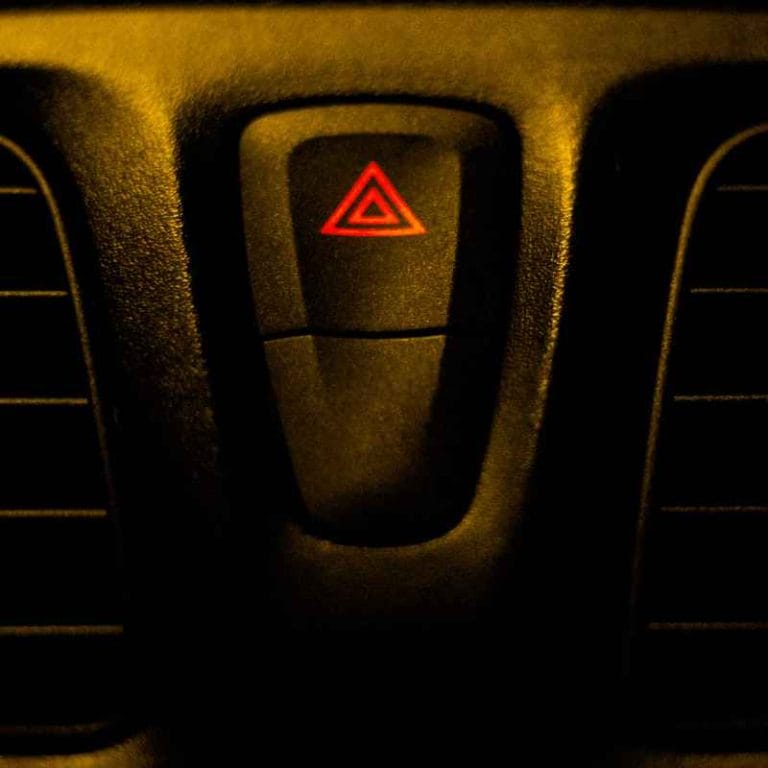
Hazard lights are for emergencies. They make your car highly visible. They flash all four turn signals at once.
You usually find a button with a red triangle symbol on it. It’s often on the dashboard or the steering column. Press this button.
All your turn signals should start flashing. This alerts other drivers to a problem. Like a breakdown or a dangerous situation.
To turn them off, just press the button again.
Parking & Hazard Lights Explained
Parking Lights:
- Purpose: Visibility when parked, especially at night.
- Activation: Often via a “PARK” or “P” setting on the light switch.
- Visual: Dimmer glow from front marker lights and taillights.
Hazard Lights:
- Purpose: Emergency signaling, breakdown, danger.
- Activation: Red triangle button on dashboard/column.
- Visual: All turn signals flash rapidly.
When checking hazard lights, make sure they flash. And that all four corners are flashing. Sometimes one bulb might be out.
This makes them less effective. It’s a good idea to test them occasionally. Especially before a long trip.
Or if you know you’ll be parking in a tricky spot.
Leaving parking lights on all night can drain your battery. Especially if your car doesn’t have an auto-off feature for them. So, be mindful of this setting.
Unless you need them for safety, turn them off when you park and turn off the engine.
Dashboard Warning Lights Related to Lights
Your dashboard is a control center. It has lights that tell you things. Some are about your car’s systems.
Some are about driving. Several dashboard lights relate to your car’s lights.
The green/white headlight indicator is the main one. It shows headlights are on. The blue one is for high beams.
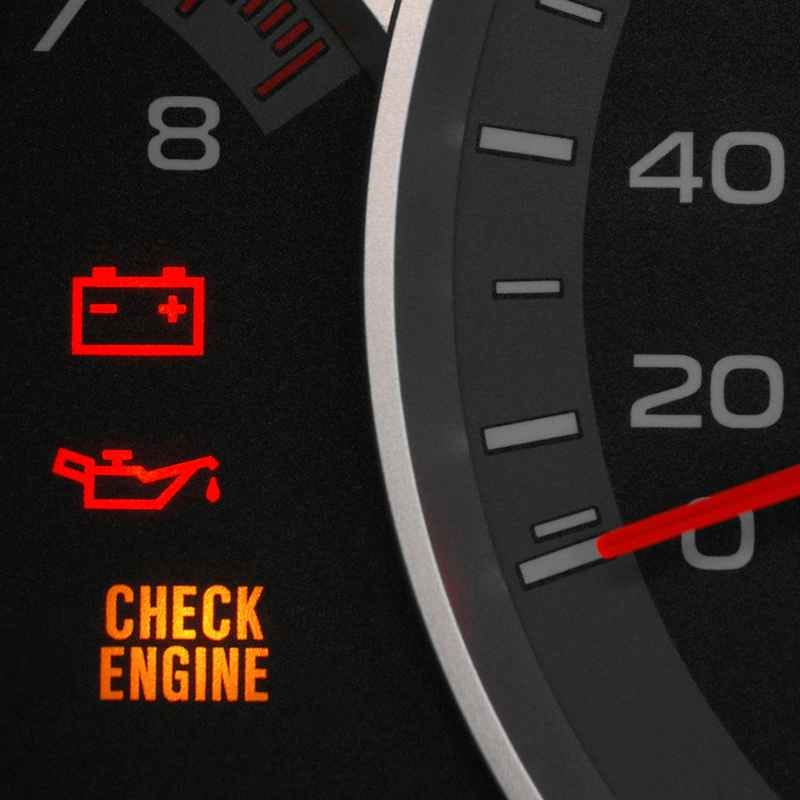
A flashing amber or red light with a circle and lines inside often means a light bulb is out. This is your bulb warning light. It could be a headlight, taillight, or brake light.
It’s your car telling you to check them.
Some cars have specific warnings. They might say “LEFT HEADLIGHT OUT” or “TAILLIGHT MALFUNCTION.” These are very direct. They tell you exactly what’s wrong.
Older cars might not have these detailed warnings. They might just have the general bulb warning light.
Dashboard Light Warnings
- Green/White Headlight Icon: Regular headlights are on.
- Blue High Beam Icon: High beams are activated.
- Flashing Amber/Red Bulb Icon: A light bulb is likely burned out. Check all exterior and interior lights.
- Specific Text Warnings: Modern cars may display exact messages like “Right Brake Light Failure.”
If you see a bulb warning light, don’t ignore it. Driving with a burnt-out light is unsafe. It’s also illegal in many places.
It means you’re less visible. And you might not be able to see well. It’s important to check all your lights.
Front and back. Even small ones. Then, replace any burnt-out bulbs.
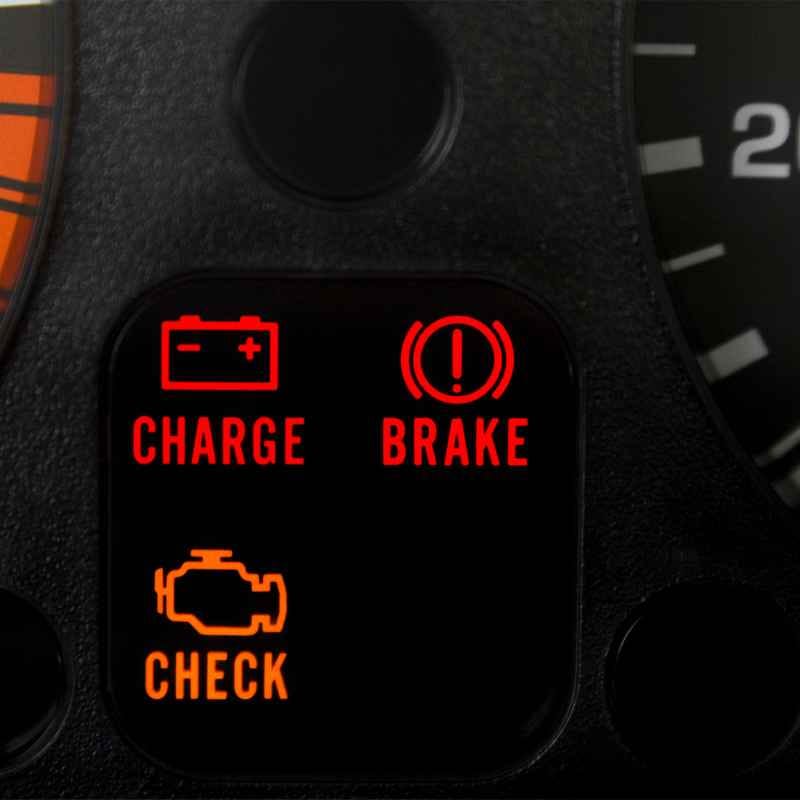
The brake warning light (often red) can also be related. If your brake fluid is low, this light might come on. But sometimes, issues with the brake light system can trigger it.
It’s always a serious light. If it comes on, check your brakes and brake fluid immediately.
When Are Lights Supposed to Be On?
Knowing when to use your lights is a key part of driving safely. In the U.S., laws vary by state. But there are general rules.
You must use your headlights during specific times.
Nighttime: This is the most obvious. From sunset to sunrise, headlights should be on. This ensures you can see the road.
And that others can see you. Nighttime” means when there is not enough light to see people or objects clearly at a distance of 500 feet.
Bad Weather: This is crucial. If visibility is poor due to rain, snow, fog, or dust, turn on your lights. Even if it’s daytime.
This helps other drivers see you. Many states require headlights to be on when windshield wipers are in use. This is a good rule of thumb.
If you need wipers, you likely need headlights.
Dawn and Dusk: These are twilight hours. Light levels are low. It can be hard for other drivers to see you.
Or for you to see them. It’s smart to turn on your headlights during these times. Many automatic systems are set to do this.
Tunnels: When you enter a tunnel, it gets dark. You need to see. And be seen.
Turn on your headlights. Most modern cars will do this automatically. But if yours doesn’t, do it manually.
When to Use Headlights
- At Night: Sunset to sunrise, or when visibility is less than 500 feet.
- Poor Weather: Rain, snow, fog, dust that reduces visibility.
- When Wipers Are On: Many states require this.
- Tunnels: For visibility inside dark tunnels.
- Dawn & Dusk: During twilight hours for increased visibility.
What about just parking lights? These are useful when parked. On a street at night.
Or in a parking lot that is not well lit. They are not meant for driving. They don’t provide enough light to see the road.
Hazard lights are for when your car is stopped. And it’s a dangerous location. Like the side of a highway.
Or if you have car trouble. They tell others to be cautious. Or to go around you.
Understanding these rules helps you stay safe. And avoid tickets. Most importantly, it helps other road users.
They need to know where you are. And what you are doing.
Common Mistakes and How to Avoid Them
We all make mistakes. With car lights, the common errors are usually simple. But they can have consequences.
Let’s look at them.
Mistake 1: Leaving headlights on overnight. This is a big one. It drains your battery. You might wake up to a car that won’t start.
Many cars now have auto-off features. But not all. Always double-check.
A quick walk-around can save you a lot of trouble. Or learn your car’s specific system.
Mistake 2: Forgetting brake lights. This is dangerous. If your brake lights aren’t working, the car behind you might not see you stop. This can lead to rear-end collisions.
If you have a helper, check them regularly. If you’re alone, use reflections. Make it a habit.
Mistake 3: Driving with only one headlight or taillight. This is illegal. It’s also unsafe. Your car’s width is harder to judge.
And your visibility is reduced. The bulb warning light should alert you. But if it’s not working, visual checks are key.
Mistake 4: Forgetting to turn off high beams. High beams are great for dark roads. But they can blind other drivers. If you see oncoming headlights, or if you’re following a car, switch to low beams.
The blue indicator on your dash should go off.
Common Light Mistakes & Prevention
- Leaving Lights On: Auto-off features help, but always visually check or learn your car’s system. A quick walk-around is best.
- Non-Working Brake Lights: Regular checks with a helper or reflections are vital. These are critical safety lights.
- Partial Lighting (One Headlight/Taillight): Check your dashboard bulb warning light. Perform visual checks. Avoid driving with only one light.
- Blinding Others with High Beams: Be aware of other vehicles. Switch to low beams when needed. The blue dash light indicates high beams are on.
Mistake 5: Relying solely on automatic lights. Automatic systems are helpful. But they can fail. Or they might not be sensitive enough.
For instance, they might not turn on in a very light fog. Or if the sensor is dirty. Always have a manual backup plan.
Know how to turn your lights on yourself.
By being aware of these common errors, you can prevent them. Simple habits make a big difference. It’s about being a responsible driver.
When Is It Okay to Leave Lights On?
You might be wondering, are there ever times when it’s okay to leave lights on? Yes, there are a few specific situations.
Daytime Running Lights (DRLs): Many newer cars have DRLs. These are lights that are on automatically during the day. They are usually less bright than headlights.
They are designed to make your car more visible to others. They usually turn off or dim when you activate your headlights or turn off the engine. So, if your car has DRLs, they are designed to be on during the day.
Headlights Left On by Mistake (and Auto-Off): As mentioned, many cars have an auto-off feature. If you forget your lights, the car might turn them off itself. This is a fantastic feature.
It prevents battery drain. It’s a good idea to know if your car has this. And how it works.
Situations Where Lights Are Intentionally On
- Daytime Running Lights (DRLs): Designed to enhance visibility during daylight hours. Typically lower intensity than headlights.
- Automatic Shut-Off Systems: Many modern vehicles automatically turn off headlights after a set period or when the ignition is turned off.
- Parking Lights: Used intentionally for visibility when parked on streets or in poorly lit areas.
- Hazard Lights: Used intentionally to signal a problem or dangerous situation.
Parking Lights for Visibility: If you are parked on a street at night, especially a busy one or one with poor lighting, turning on your parking lights can help. It makes your car more visible to other drivers. Just be mindful of your battery.
And turn them off if they are not necessary.
Hazard Lights for Emergencies: You turn these on deliberately. To warn others of a problem. Like a flat tire.
Or if you are stopped in a dangerous spot. They are meant to be on.
The key is to understand why the lights are on. Are they automatic? Are they for safety?
Or did you simply forget? Knowing the difference will help you manage your car’s lights effectively.
How to Know if Your Car Battery is Drained
The biggest fear of leaving lights on is a dead battery. How do you know if this has happened?
The most common sign is that your car won’t start. When you turn the key or push the start button, you might hear a clicking sound. Or nothing at all.
The dashboard lights might be dim. Or they might not come on at all. This indicates the battery doesn’t have enough power.
If your car has power locks, they might not work. Or they might be very slow. The radio might not turn on.
Or it might sound weak.
Signs of a Drained Car Battery
- Car Won’t Start: No crank or a rapid clicking sound when turning the key/pushing start button.
- Dim Dashboard Lights: Lights may flicker or be very faint.
- Weak Electronics: Power locks, radio, or interior lights may function poorly or not at all.
- Engine Turns Over Slowly: If the engine struggles to crank, the battery might be low.
If you suspect a drained battery, don’t keep trying to start the car. You could make it worse. You’ll need a jump start.
Or to charge the battery. If your lights were accidentally left on, this is the likely culprit. It’s a good reminder to always check your lights.
Frequent Questions About Car Lights
What does the green light on my dashboard mean?
The green or white light on your dashboard that looks like a headlight with lines pointing down usually means your headlights are on. Some cars use a blue light for high beams.
Why are my car lights turning off by themselves?
This is likely an automatic shut-off feature. Many cars are designed to turn off headlights or interior lights after a certain time. This prevents the battery from draining if you forget to turn them off.
How can I check my brake lights if I’m alone?
You can check your brake lights by parking your car facing a reflective surface, like a garage door or shop window. Get in your car, start it, and press the brake pedal. Look in the reflection to see if the brake lights illuminate.
Do I need to turn my lights on in a car wash?
Generally, no. Most car washes have systems that manage vehicle movement. However, if you have automatic lights, they might turn on.
It’s usually safe to leave them in the AUTO setting for a car wash.
What should I do if my taillights aren’t working?
First, check if the bulbs have burned out. If one taillight is out, it’s likely just a bulb replacement. If both are out, or if it’s a more complex issue, it could be a fuse or wiring problem.
It’s best to have a mechanic inspect it.
Are Daytime Running Lights (DRLs) the same as headlights?
No. DRLs are designed to be on during the day to increase visibility. They are typically less bright than headlights.
Headlights are for driving at night or in low visibility conditions.
Final Thoughts on Knowing Your Lights
Staying on top of your car’s lights is simple. It takes just a moment. A quick glance at the dash.
A visual check outside. Or a simple test with a friend. These small habits can save you from a dead battery.
They can keep you and others safe on the road. Never underestimate the power of knowing if your lights are on or off. Be safe out there!
See also why do people flash car lights at each other explained.
Products related to this article
Sponsored / affiliate links. As an Amazon Associate I earn from qualifying purchases. I may earn additional commission from eligible campaigns.