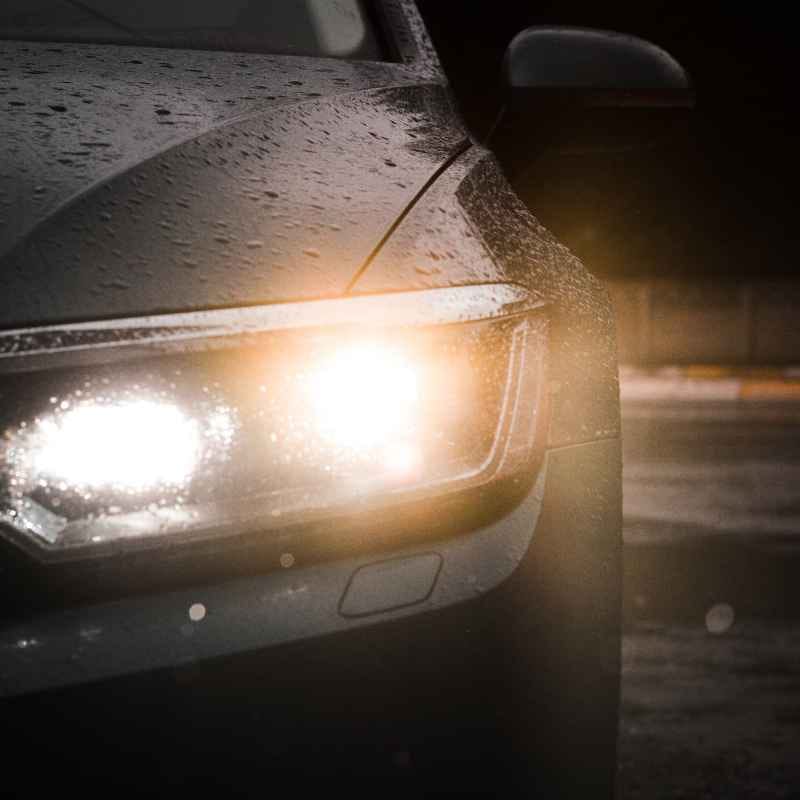
What Is The Purpose Of Car Lights? Everything You Should Know
It can be really frustrating when you’re not sure about something simple, like why your car has so many lights. You see them on every vehicle, but do you really know what each one does? Many people just think of headlights and taillights.
But there are others. Knowing their purpose is key. It helps you drive safer and understand your car better.
Let’s break down all the different car lights. We’ll see why they are so important for everyone on the road.
The purpose of car lights is to ensure visibility for the driver and others, communicate intentions, and signal a vehicle’s presence and status. This includes helping drivers see the road, making the vehicle visible to others, indicating turns, braking, and reversing, and alerting others to hazards. Properly functioning car lights are crucial for road safety in all conditions.
Understanding the Core Functions of Car Lights
Car lights are more than just tiny bulbs. They are vital safety tools. Their main job is to help you see.

Hemei9319
Wireless LED Lights for Car, Rechargeable Interior…
- ✨【Helpful Tips for Best Use】Before installation, thoroughly clean and dry the mounting surface for stronger adhesion. Before using…
- ✨【WIRELESS LED LIGHTS FOR CAR – NO WIRING NEEDED】 Upgrade your vehicle without messy wires. Each compact rechargeable light featur…
- ✨【8 COLORS, 10 MODES & 3 BRIGHTNESS LEVELS】 Customize your car interior lights with 8 colors, 10 lighting modes and 3 adjustable b…
As an Amazon Associate I earn from qualifying purchases.
They also help other people see you. Think about driving at night. Without headlights, you wouldn’t be able to see the road ahead.
You also wouldn’t see other cars or obstacles. This is true even in bad weather like fog or heavy rain. Low visibility makes driving very dangerous.
Car lights cut through this darkness.
Beyond just seeing, lights help cars talk to each other. Drivers use signals to say what they plan to do. A turn signal tells other cars you want to change lanes.
Brake lights tell people behind you that you are slowing down. Reverse lights show that you are backing up. These signals prevent accidents.
They make driving a shared, understandable experience. Without these simple signals, roads would be chaotic.
Different lights serve different needs. Some are always on. Others only turn on when you do something specific.
Each type has a unique role. They work together to make driving safer. Understanding each light’s function is important for every driver.
It ensures you use them correctly. It also helps you know if something is wrong with your car.
My Own Headlight Scare
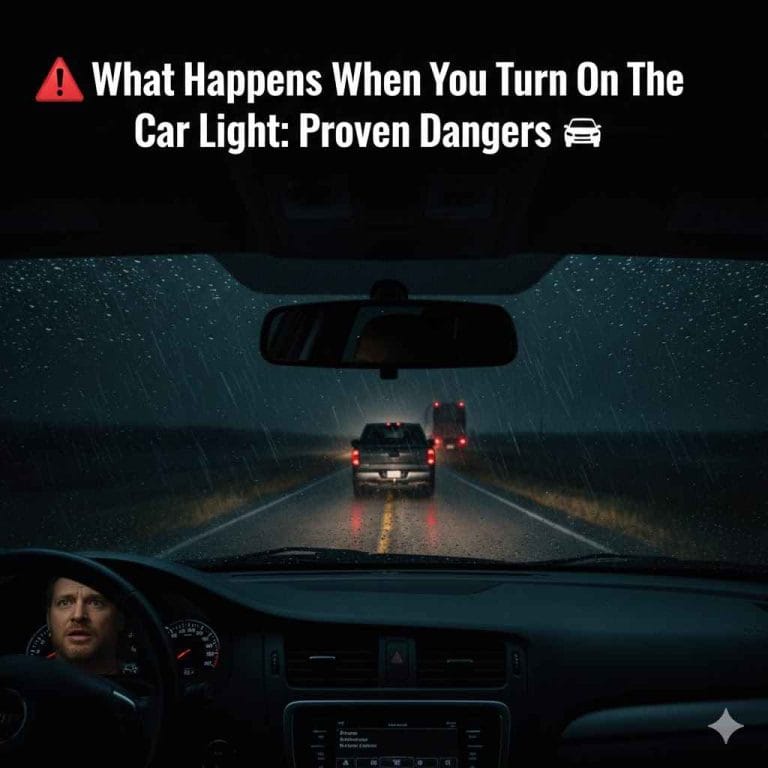
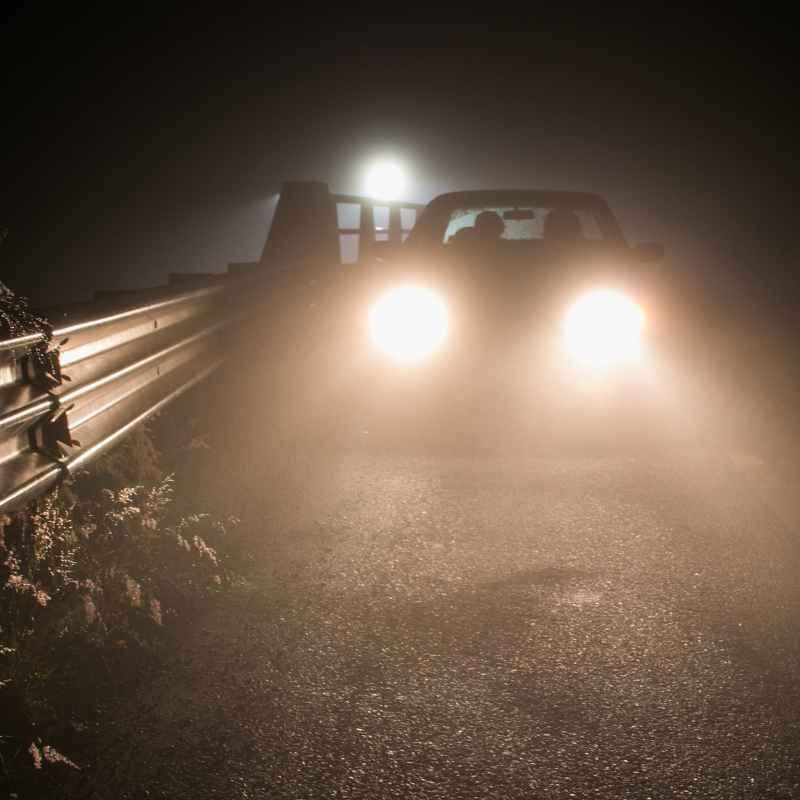
I remember one time, I was driving home late from visiting family. It was a dark, country road with no streetlights. The weather had turned really bad.
It started raining hard, and a thick fog rolled in. Suddenly, I realized my headlights weren’t as bright as usual. I couldn’t see more than a few feet ahead.
My stomach dropped. I felt a wave of panic wash over me. Was a bulb going out?
Was there something wrong with the whole system?
I slowed way down. I could barely make out the white lines on the road. Then, I saw another car approaching.
Its taillights were a dim red blur. We passed each other very slowly. That moment really hit me.
It showed me how much we rely on lights. Not just for us to see, but for others to see us. It made me realize the critical role every single light plays.
It’s not just about passing your inspection. It’s about actual safety.
Exploring the Different Types of Car Lights
Cars have many types of lights. Each one has a specific place and job. Let’s look at them one by one.
This will help you know what each light is for.
The Science and Technology Behind Car Light
Car lights have changed a lot. Older cars used simple incandescent bulbs. These bulbs have a filament inside.
When electricity passes through it, the filament gets hot and glows. This is how light is made. But these bulbs are not very efficient.
A lot of energy turns into heat, not light. They also don’t last as long as newer types.
Now, many cars use Halogen bulbs. These are a type of incandescent bulb. They have a halogen gas inside.
This gas helps the filament last longer. It also makes the light brighter. They are still common because they are cheap to make.
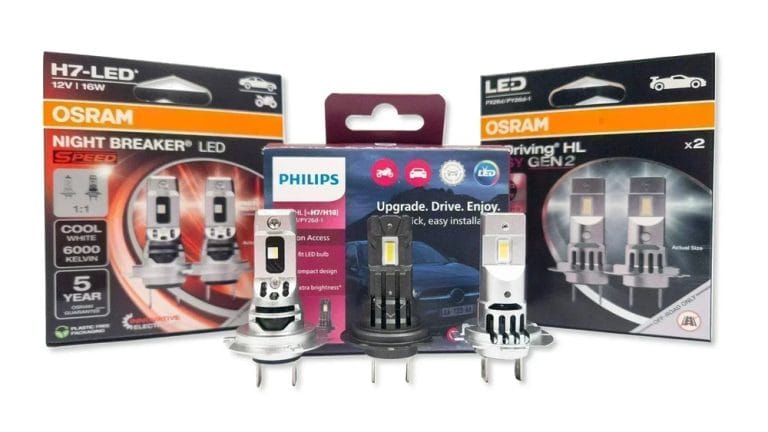
The biggest change has been the move to LED and HID lights. LEDs are Light Emitting Diodes. They are very energy efficient.
They use much less power than old bulbs. They also last a very long time. LEDs can be made in many colors and shapes.
This gives car designers more freedom.
HID stands for High-Intensity Discharge. These lights use gas and electricity. They create a very bright, white light.
They are often used for headlights because they offer excellent visibility. However, they take a moment to warm up to full brightness. They also cost more than standard bulbs.
Newer cars are even exploring laser lights. These are the newest technology. They can project light much farther than LEDs.
They also use very little energy. But they are very expensive. They are not common in most cars yet.
They are usually found in high-end luxury vehicles.
Real-World Scenarios: When Lights Make All the Difference
Car lights are constantly working. They are used in so many different situations. Let’s think about some common times when lights are crucial.
Morning Commute Chaos
Scenario: It’s 7 AM. The sun is up, but it’s still a bit dim. Clouds are overhead.
You’re merging onto a busy highway.
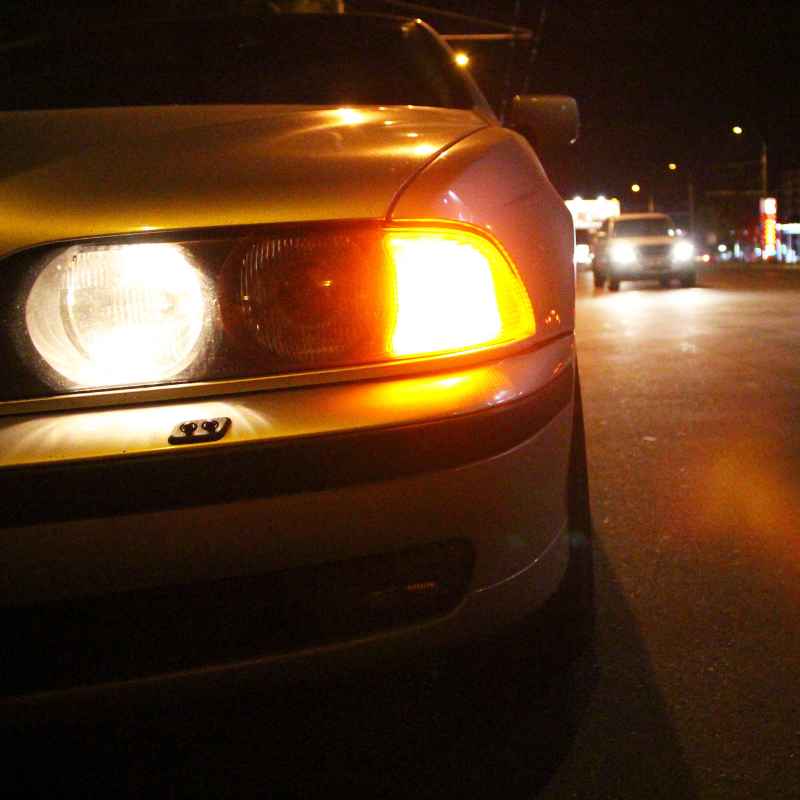
Lights in action: Your daytime running lights are on, making you visible. As you signal to merge, your front turn signal flashes. Cars in the other lanes see it.
They adjust their speed. This avoids a sudden stop or swerve. Your taillights are also on.
They glow softly, letting faster drivers behind you see your car clearly.
Sudden Rain Shower
Scenario: You’re driving on a rural road. The sky opens up. Heavy rain starts falling.
Visibility drops quickly.
Lights in action: You turn on your headlights. Even though it’s daytime, the low beams help. You can see the road edge better.
You see a car ahead slow down. Their brake lights flash red. You immediately press your own brakes.
Your own brake lights come on too. This tells the car behind you that you are slowing. Everyone stays safe.
Navigating Parking Lots
Scenario: You’re leaving the grocery store. It’s dusk. You need to back out of your parking spot.
Lights in action: You put your car in reverse. Your white reverse lights turn on. They shine brightly.
They also signal to a pedestrian walking by that you are moving backward. You check your mirrors. You see a car coming down the aisle.
You wait for it to pass. Then you back out safely.
Unexpected Stop on the Shoulder
Scenario: Your car sputters and dies. You manage to pull over onto the shoulder of a busy road. It’s getting dark.
Lights in action: You immediately turn on your hazard lights. All your turn signals flash. This is a loud warning to approaching traffic.
It signals that your car is stopped and is a potential hazard. You also turn on your headlights. This makes your car more visible.
It helps other drivers see you sooner. They can then steer around you safely.
What Does This Mean for You? Understanding Safety and Maintenance
Knowing the purpose of car lights helps you drive smarter. It also means you should check them often. A burnt-out bulb isn’t just an annoyance.
It’s a safety risk. It can also lead to a ticket from the police.
When is it normal? It’s normal for your lights to be on when it’s dark. It’s normal for your brake lights to come on when you brake. It’s normal for your turn signals to flash when you signal.
And it’s normal for your reverse lights to come on when you back up.
When should you worry? You should worry if:
- A headlight or taillight is out.
- Your brake lights don’t come on when you press the pedal.
- Your turn signals aren’t flashing or are flashing too fast.
- Your reverse lights don’t turn on.
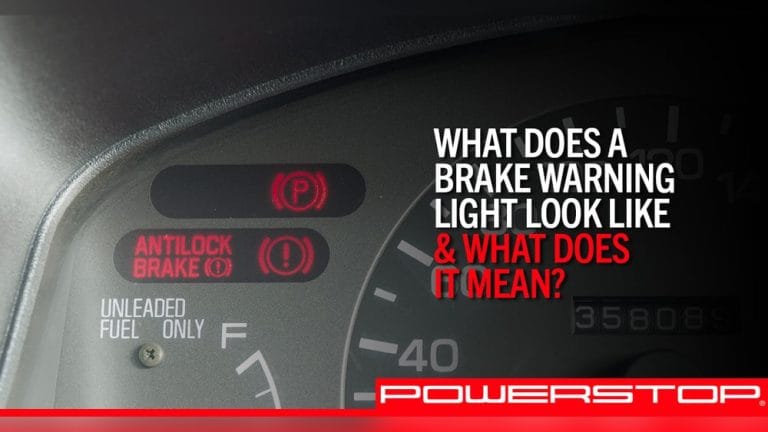
- Your dashboard lights up with a warning about a bulb.
Simple checks you can do:
- Walk around your car before driving, especially at night.
- Have a friend stand behind your car while you press the brake pedal.
- Check your turn signals before making turns.
- Look at your dashboard for any warning lights related to lights.
Maintaining your car’s lights is part of good car ownership. It keeps you and others safe. It also helps you avoid unexpected problems.
Quick Tips for Keeping Your Lights in Top Shape
It’s not hard to keep your car’s lights working well. Here are some simple things to do.
- Regular Checks: Make it a habit to do a quick light check once a week. Do it when you wash your car or fill it with gas.
- Know Your Bulbs: Learn what kind of bulbs your car uses. Keep a spare set for common bulbs like headlights and taillights. This way, you can replace one quickly if it burns out.
- Clean Lenses: Dirt and grime can make your lights less bright. Clean your headlight and taillight lenses regularly with soap and water.
- Address Issues Fast: If you notice a light is out, fix it right away. Don’t wait. A cheap bulb replacement can prevent a serious accident.
- Professional Help: If you’re not sure how to change a bulb, or if a light problem is complex, take your car to a mechanic. They can diagnose and fix it correctly.
Frequently Asked Questions About Car Lights
What is the most important car light?
While all lights are important, headlights and brake lights are often considered the most critical. Headlights allow you to see and be seen in darkness or bad weather, preventing collisions with obstacles and other vehicles. Brake lights are vital for preventing rear-end accidents by warning drivers behind you that you are slowing down.
Why do my turn signals blink faster sometimes?
If one of your turn signal bulbs is burnt out, the remaining bulb on that side will often blink much faster. This is a built-in alert system to let you know that a signal bulb needs replacing. It’s a simple way for your car to tell you something is wrong.
Can I use different colored bulbs for my headlights?
In most places in the U.S., headlights must be white or yellow. Red and blue lights are typically reserved for emergency vehicles. Using incorrect colors can lead to tickets and can also confuse other drivers, reducing safety.
Always check your local laws and use approved bulb colors.
What’s the difference between headlights and DRLs?
Headlights are designed to illuminate the road ahead, allowing you to see. They typically have a low beam and a high beam setting. Daytime Running Lights (DRLs) are less bright and are intended to make your vehicle more visible to others during the day.
They do not help you see the road.
How often should I check my car lights?
It’s a good practice to check your car lights at least once a month. A quick walk-around to ensure all lights are functional is sufficient. Many people find it easiest to do this when they fill up their gas tank or wash their car.
Promptly replacing any burnt-out bulbs is key.
What are the legal requirements for car lights in the U.S.?
Legal requirements for car lights vary by state. However, common rules include having functioning headlights (low and high beams), taillights, brake lights, and turn signals. Lights must generally be white for headlights and reverse lights, red for taillights and brake lights, and amber or red for turn signals.
Many states also have rules about how bright lights can be and the angle at which they are directed.
Conclusion
Car lights are essential for safe driving. They help you see the road and help others see you. Each light has a specific job.
From headlights to brake lights, they all work together. Keeping them in good working order is a simple but vital part of owning a car. Make sure your lights are always bright and clear.
See also how to polish car lights at home for crystal clarity.
Related pick: Check today's price on Amazon
Products related to this article
Sponsored / affiliate links. As an Amazon Associate I earn from qualifying purchases. I may earn additional commission from eligible campaigns.