What Damage Can No Oil Do to an Engine (Complete Guide)
When you hear the sound of an engine running, it’s easy to forget what’s happening inside. Oil is the silent hero, moving through every part, keeping things cool, smooth, and protected. But what if there’s no oil? The damage is not just minor; it can completely destroy an engine in a matter of minutes.
Most drivers know oil is important, but few truly understand how quickly things can go wrong, and how deep the problems can get. This article will explore exactly what happens to an engine with no oil, why it’s so damaging, and what you can do to avoid such a disaster.
By the end, you’ll know more than just “oil is good”—you’ll see why it’s essential for your car’s survival.
Why Engines Need Oil

STP
STP Premium Synthetic Blend 4 Cycle Small…
- SAE 10W-30 MOTOR OIL FOR SMALL ENGINES: One 32 fl oz bottle of STP Premium Synthetic Blend 4 Cycle Small Engine Oil SAE 10W-30, fo…
- FIGHTS THERMAL BREAKDOWN: Antioxidants fight thermal breakdown to enhance oil durability, helping the SAE 10W-30 oil handle high t…
- PREVENTS BUILDUP: Detergents help keep small engine components clean and control carbon deposits, preventing buildup that can affe…
As an Amazon Associate I earn from qualifying purchases.
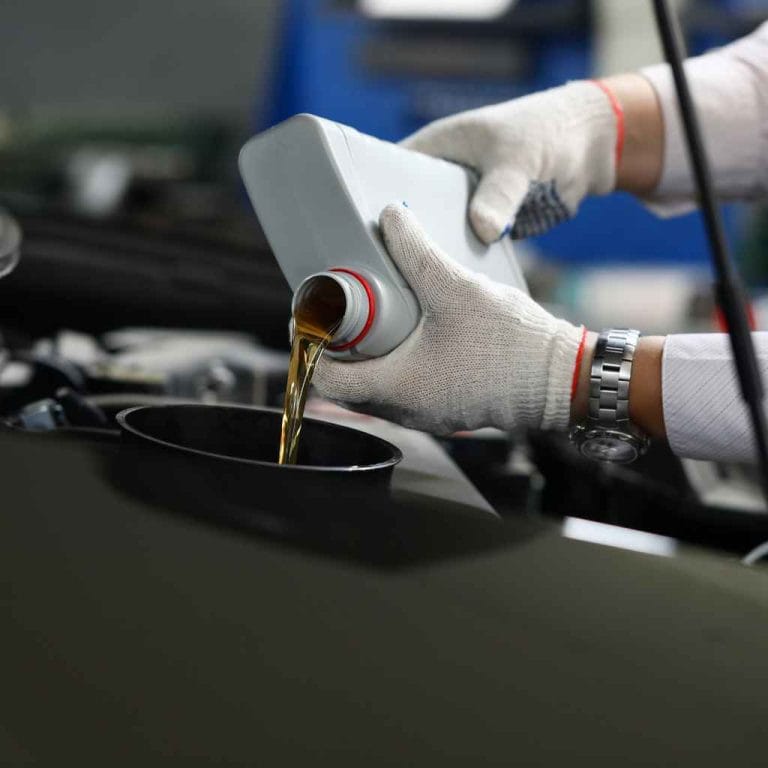
Engines are full of moving parts—pistons, camshafts, crankshafts, and valves. When the engine runs, these parts move thousands of times per minute. Engine oil acts as a lubricant, forming a thin layer between metal surfaces. This layer prevents metal-to-metal contact, reducing friction and heat.
Oil also helps with:
- Cooling: It carries heat away from hot engine parts.
- Cleaning: It traps dirt and tiny metal particles, keeping the engine clean.
- Sealing: It fills small gaps, improving compression and performance.
- Protection: It guards against rust and corrosion.
Without oil, none of these protections exist. The engine is left exposed to intense stress and damage.
What Happens When There’s No Oil
The moment oil is gone, the engine changes. At first, you might not notice anything. But inside, damage starts immediately.
The First Few Minutes: Silent Destruction
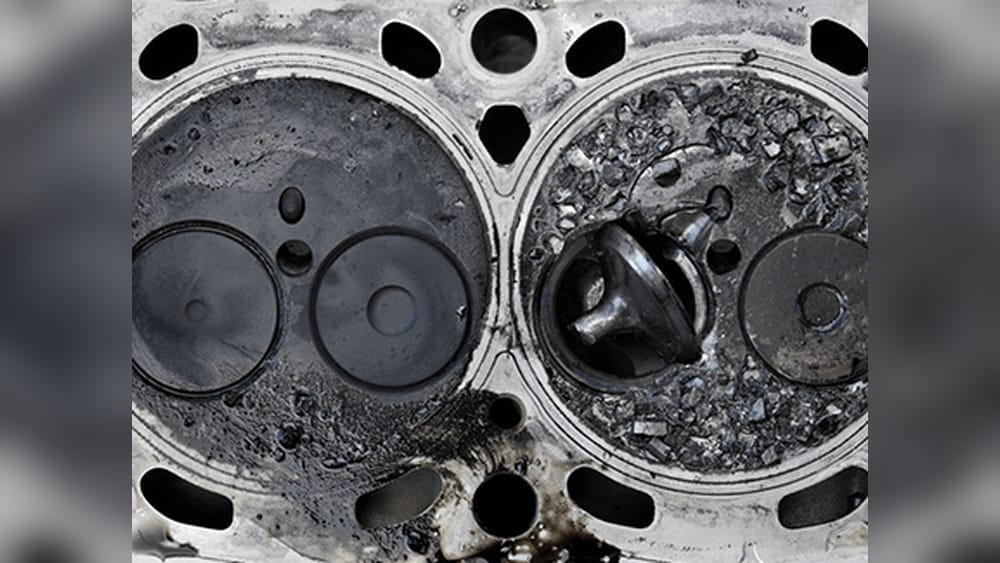
In just a few seconds, friction rises. Metal parts that once glided smoothly now grind against each other. The engine gets hotter, faster. The thin protective oil film disappears, and heat builds up even more. Tiny metal shavings start to form as parts wear down.
After only a minute or two, the damage is visible:
- Scored cylinder walls: Deep scratches appear where pistons scrape the cylinder.
- Overheated bearings: Bearings lose their shape, causing parts to wobble.
- Warped components: Heat causes metal to change shape, leading to leaks and failures.
If the engine keeps running, parts will eventually seize up, meaning they lock together and stop moving. At this point, the engine is often ruined.
Warning Signs Of Oil Loss
Some cars have oil pressure lights or warning messages. If you see a light or notice engine noise, stop right away. Common signs include:
- Loud knocking or ticking sounds
- Burning smell
- Smoke from the engine
- Loss of power
- Dashboard oil warning light
Ignoring these signs can turn a simple oil change into a full engine replacement.
Types Of Damage Caused By No Oil
The effects of running an engine with no oil are far-reaching. Here’s a closer look at the main types of damage.
1. Bearing Failure
Bearings allow the crankshaft and camshaft to spin smoothly. Without oil, these parts grind against their supports, causing:
- Overheating and warping
- Pieces of metal breaking off
- Complete lockup (seizure)
Once bearings fail, the engine may stall and won’t start again.
2. Piston And Cylinder Wall Damage
The piston moves up and down inside the cylinder. Oil keeps this movement smooth. With no oil:
- Pistons scrape the cylinder, leaving deep grooves
- Loss of compression (engine can’t make power)
- Possible melting of piston edges
This kind of damage usually means the engine block needs replacing—a costly fix.
3. Crankshaft And Camshaft Scoring
Both the crankshaft and camshaft turn at high speeds. Oil prevents them from touching other parts. Without it:
- Surfaces become rough and scarred
- Engine timing goes out of sync
- In severe cases, parts can break
A damaged crankshaft or camshaft usually requires a full rebuild.
4. Connecting Rod Damage
The connecting rods link pistons to the crankshaft. If they overheat:
- They can bend or break
- This often leads to “throwing a rod,” where the rod breaks through the engine block
- The engine can’t run and may even be dangerous to repair
5. Valve Train Wear
The valve train (valves, lifters, pushrods) opens and closes to let air and fuel in and out. These parts need oil to move freely. Without oil:
- Valves can stick or seize
- Springs can snap
- The timing chain or belt can break
This leads to poor engine performance or total failure.
6. Head Gasket Failure
The head gasket seals the space between the engine block and cylinder head. Overheating from no oil can cause:
- The gasket to crack or blow out
- Coolant and oil to mix (leading to more damage)
- Loss of engine power and overheating
A blown head gasket is expensive and time-consuming to repair.
7. Turbocharger Damage
Many modern engines use turbochargers for more power. Turbos spin very fast and get extremely hot. Without oil:
- Turbo bearings fail quickly
- Shafts can seize or snap
- Turbo replacement is costly
A failed turbo can send metal pieces into the engine, causing even more damage.
8. Timing Chain/belt Problems
The timing chain or belt keeps the engine’s moving parts in sync. Oil reduces wear and helps the chain or belt last longer. No oil means:
- Chain or belt stretches or breaks
- Engine timing fails
- Possible “interference” damage, where valves hit pistons
This can destroy the upper part of the engine.
9. Severe Overheating
Oil carries heat away from hot spots. Without it, temperatures rise fast:
- Engine can overheat in minutes
- Parts warp, melt, or crack
- Coolant may boil, leading to leaks
Overheating can damage every part of the engine, making repair impossible.
10. Seizure
The final stage is engine seizure. This means parts have welded themselves together from heat and friction. The engine stops suddenly and may never run again. At this point, only a full replacement will fix the car.
How Quickly Can Damage Happen?
Many people think an engine can run for a while with low oil. The truth is, damage starts in seconds. Most engines will fail in less than five minutes if run with no oil at all. At high speeds or under heavy loads, it can take less than a minute.
Real-life example: A test by mechanics showed a car engine seized after just 45 seconds of running with no oil. The repair cost was more than buying a replacement engine.
How To Know If Your Engine Ran With No Oil
Sometimes, you might not know your engine lost all its oil. Here are signs to watch for:
- Metal shavings in oil during an oil change
- Unusual engine noise that appears suddenly
- Blue or gray smoke from the exhaust
- Engine overheating with no clear reason
- Oil light or check engine light on
If you see any of these signs, stop the engine and check the oil level immediately.
Comparing Engine Damage: With Oil Vs. Without Oil
Let’s look at how engine parts fare when oil is present versus when it’s missing.
| Component | With Oil | Without Oil |
|---|---|---|
| Bearings | Smooth rotation, minimal wear | Severe friction, overheating, failure |
| Pistons & Cylinders | Low friction, long life | Scratches, warping, loss of power |
| Turbocharger | High-speed operation | Rapid bearing failure, possible explosion |
| Timing Chain/Belt | Stays in sync, durable | Stretches/breaks, major engine damage |
This table makes it clear: oil is not optional. It’s the key to engine survival.
What Causes Oil Loss?
Engines don’t lose oil for no reason. Here are common causes:
- Leaks: Worn gaskets, seals, or oil pan.
- Burning oil: Older engines may burn oil due to worn piston rings.
- Faulty oil filter: A bad filter can let oil escape.
- Drain plug problems: Loose or missing drain plugs after oil changes.
- Neglect: Not checking oil levels regularly.
Some of these issues, like leaks, leave stains under your car. Others, like burning oil, are harder to spot.
How To Prevent Engine Damage From No Oil
Prevention is simple if you follow good habits. Here’s what you can do:
1. Check Oil Regularly
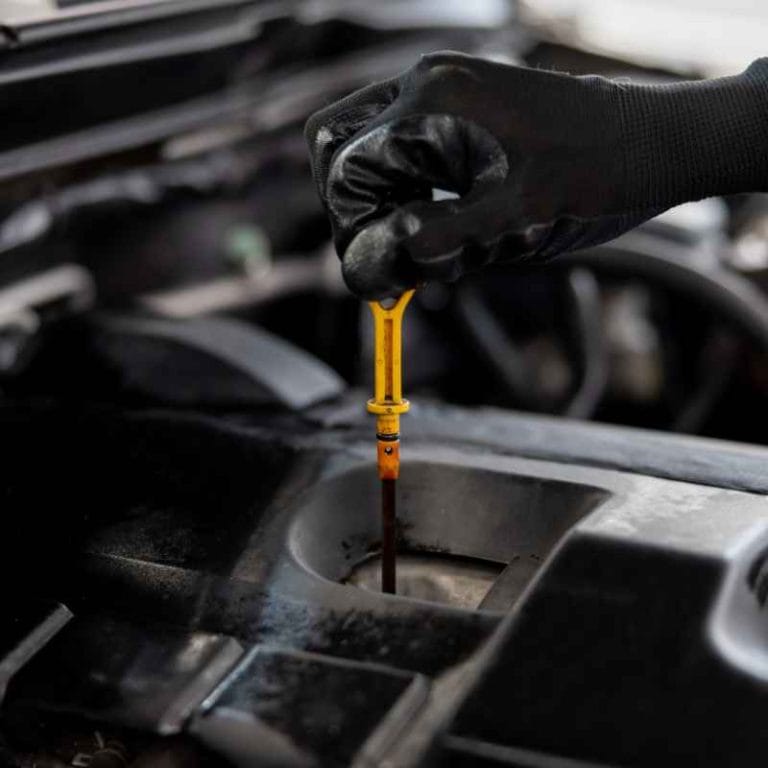
- Use the dipstick to check oil every 1,000 km or once a month.
- Top up if the level is low.
2. Change Oil And Filter On Time
- Follow your car’s maintenance schedule.
- Use the right oil type for your engine.
3. Watch For Leaks
- Check for oil spots under your car.
- Fix leaks immediately.
4. Respond To Warnings
- Never ignore the oil pressure light or engine noise.
- Stop the engine and check oil right away.
5. Use Quality Parts
- Always use high-quality oil and filters.
- Cheap parts can cause leaks or poor lubrication.
6. Avoid Overfilling
- Too much oil can also cause problems (foaming, leaks).
- Add oil slowly and check the level.
These steps help prevent the worst-case scenario—engine failure from no oil.
Case Study: Cost Of Repair Vs. Prevention
Let’s compare the cost of engine repairs from oil loss versus regular maintenance.
| Action | Cost (Approx.) | Frequency |
|---|---|---|
| Oil Change | $40-$100 | Every 5,000-10,000 km |
| Engine Bearing Replacement | $2,000-$4,000 | As needed (rare with maintenance) |
| Full Engine Replacement | $4,000-$8,000+ | Rare (usually after oil loss) |
A simple oil change is much cheaper and easier than fixing severe engine damage.
Non-obvious Insights: What Many Drivers Miss
Many car owners believe that “modern engines can handle low oil” or that “oil changes can be skipped if the car isn’t used much.” Both ideas are risky.
- Even modern engines can be ruined in minutes without oil. Advanced materials and design help, but not enough to survive zero lubrication.
- Short trips and rare driving can still cause oil breakdown. Moisture collects in the engine, leading to sludge and corrosion.
Another point: Some engines can run with very low oil, but this is a trap. The damage may be happening slowly, and signs might not appear until it’s too late. Regular oil checks are the only way to catch problems early.
What To Do If You Run Out Of Oil
If you find your engine has no oil:
- Turn off the engine immediately. Do not try to drive further.
- Check the oil level. Use the dipstick to confirm.
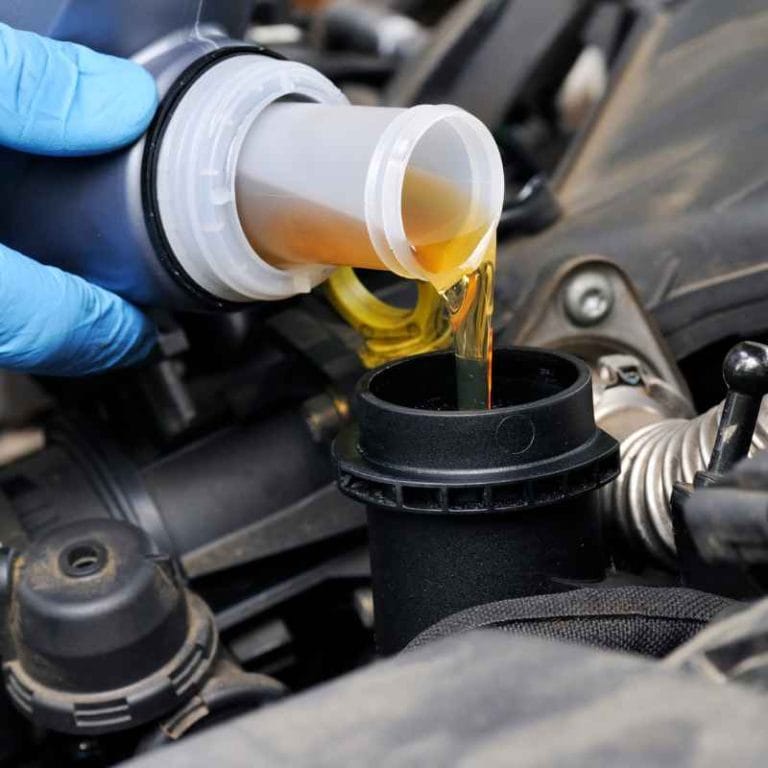
- Add oil if possible. Use the correct type for your engine.
- Do not restart if the engine made loud noises, stalled, or showed warnings. Call for a tow.
- Have a mechanic inspect for damage before running the engine again.
Trying to drive with no oil—even for a short distance—can turn a small problem into a total engine loss.
How Mechanics Diagnose Engine Damage From No Oil
When a car comes in with engine trouble, mechanics look for:
- Knocking or tapping sounds
- Low or no oil pressure
- Metal flakes in the oil
- Scored or discolored engine parts
- Compression test results
They may also use a borescope to look inside the cylinders without removing the engine. If damage is found, repairs can range from replacing bearings to a full engine rebuild.
Myths About Running An Engine With No Oil
Let’s clear up some common myths:
- “A little oil left is enough.”
Even if there’s a small amount, it may not reach all parts. Damage still happens.
- “Thicker oil means better protection.”
Using oil that’s too thick can cause poor flow, especially at startup.
- “You can add oil later and be fine.”
If the engine was run dry, adding oil after the fact won’t repair damage already done.
- “Electric or hybrid cars don’t need oil.”
Most hybrids still have a gas engine that needs oil. Only full electric motors don’t.
How Oil Degrades Over Time
Even if you never lose oil, it still breaks down with use. Heat, moisture, and contaminants cause oil to lose effectiveness. Old oil can’t protect as well as fresh oil, leading to:
- Sludge buildup
- Blocked oil passages
- Reduced cooling
This is why time-based oil changes (every 6-12 months) are important, even for low-mileage cars.
Advanced Engine Protection: Modern Solutions
Some modern cars include oil level sensors and engine shut-off systems. These can help, but they’re not foolproof. Sensors can fail, and software can be slow to respond. Human checks and regular maintenance are still essential.
For more on how oil works, check out this Wikipedia page on motor oil.
Frequently Asked Questions
What Happens If I Drive With Low Oil For A Short Distance?
Even a short drive with low oil can cause damage, especially if the oil level is below the minimum mark. Critical parts might not get enough lubrication, leading to wear and overheating.
Can I Fix Engine Damage From No Oil By Just Adding More Oil?
No. Once metal parts are damaged, adding oil won’t reverse the wear or fix broken pieces. The engine may need major repairs or replacement.
How Often Should I Check My Engine Oil?
Check at least once a month, or before any long trip. Always check if you see oil leaks or warning lights.
Is Synthetic Oil Safer If I Forget An Oil Change?
Synthetic oil lasts longer and protects better at extreme temperatures, but it’s not a guarantee against damage if the oil runs out. No oil means no protection, no matter the type.
What Should I Do If My Oil Light Comes On While Driving?
Pull over and turn off the engine as soon as it is safe. Check the oil level. If it’s low, add oil. If you can’t fix the issue, call for help—driving further can cause severe engine damage.
Keeping your engine healthy is about regular checks and quick action when problems appear. Oil is the lifeblood of your car, and losing it—even for a moment—can mean the end of your engine. Stay alert, check often, and your car will reward you with many years of reliable service.
Related pick: Check today's price on Amazon