How Much Engine Oil Does Your Car Actually Need?
Your car’s engine needs a specific amount of engine oil. This amount varies by make, model, and engine type. Always check your owner’s manual for the exact capacity.
A general rule is 4 to 6 quarts for most cars, but precise measurement is key.
Understanding Engine Oil Capacity
Every car engine is designed to work best with a certain amount of oil. This is called the engine oil capacity. Think of it like a juice box.
If you don’t put enough juice in, you won’t get much to drink. If you overfill it, it’s a mess and hard to drink.
Your car’s engine is similar. The oil does a lot of jobs. It keeps parts moving smoothly.
It cools down hot engine parts. It also helps clean out gunk. If there isn’t enough oil, these jobs don’t get done well.
This can lead to parts wearing out much faster.
But here’s the tricky part: that exact amount isn’t the same for every car. It depends on the engine size. A small four-cylinder engine will need less oil than a big V8 engine.
The way the engine is built matters too. Some engines have more places for oil to go.
Why Engine Oil Capacity Matters
Your car’s owner’s manual is your best friend here. It will tell you the exact oil capacity for your specific vehicle. This isn’t just a suggestion; it’s what the engineers designed the engine to run on.
Using the right amount ensures the oil can circulate properly.
When the oil circulates, it reaches all the small spaces within the engine. These spaces need constant lubrication to avoid friction. Friction causes heat.
Too much heat can damage engine parts. It can even warp metal components.
Think about the oil pump. It pushes the oil through the engine. If the oil level is too low, the pump might suck in air.
This is called “foaming.” Foamy oil doesn’t lubricate as well. It can lead to metal-on-metal contact very quickly. This is how serious engine damage happens.
On the flip side, putting too much oil in can also be bad. When you overfill, the crankshaft can spin in the oil. This churns the oil up a lot.
It creates too much foam. This foam, as we said, doesn’t lubricate well. It can also lead to oil pressure issues.
Overfilling can also push oil past seals and gaskets. This can cause leaks. In some cases, it can even get into the combustion chambers.
This leads to the engine burning oil. You’ll see blue smoke from your exhaust. Burning oil is bad for your engine and the environment.
So, it’s clear why getting the engine oil level just right is so crucial. It’s not just about keeping things running; it’s about keeping them running for a long, long time without problems.
My Own Oil Change Mishap
I remember one time, years ago, when I was first learning about car maintenance. I had bought my first “new to me” car. It was a used sedan.
I decided to save some money and do my own oil change. I’d watched a few videos and felt pretty confident.
I drained the old oil, which was a dark, sludgy mess. Then, I put in a new oil filter. I looked at the oil bottle.
It said “5 Quarts.” The manual said my car took about 5 quarts. “Easy enough,” I thought. I poured in the whole 5-quart jug.
I started the car. It sounded fine. I checked the dipstick.
It looked a little high, but I figured it would settle. I took it for a short drive. A few hours later, I noticed a strange smell.
It was kind of oily. Then, I saw a small puddle under the car. Uh oh.
My heart sank. I had overfilled it! The excess oil was leaking out.
I had to drain some oil out until it was at the correct level on the dipstick. It was a messy, frustrating experience. I learned a very important lesson that day: always measure carefully and don’t just guess.
Precision matters when it comes to your car’s engine oil.
Quick Guide: Finding Your Oil Capacity
Step 1: Locate Owner’s Manual
This is the most reliable source. Look in the index for “Engine Oil” or “Capacities.”
Step 2: Check Online Resources
Many auto parts store websites and car forums list capacities. Use your car’s year, make, and model.
Step 3: Understand “With Filter” vs. “Without Filter”
Capacities are usually listed for an oil change that includes replacing the oil filter. This is the standard way.
How to Check Your Engine Oil Level
Checking your oil is something you should do regularly. It’s a simple process. You don’t need to be a mechanic.
Doing it often helps you catch low oil levels before they become a big problem.
First, find a flat, level surface. It’s important the car is on level ground. If it’s on a hill, the reading won’t be accurate.
You want to make sure the oil has settled down into the oil pan.
Next, turn off the engine. Let it sit for at least 5-10 minutes. This gives the oil time to drain back down into the oil pan.
If you check it right after running, the reading will be lower than it actually is.
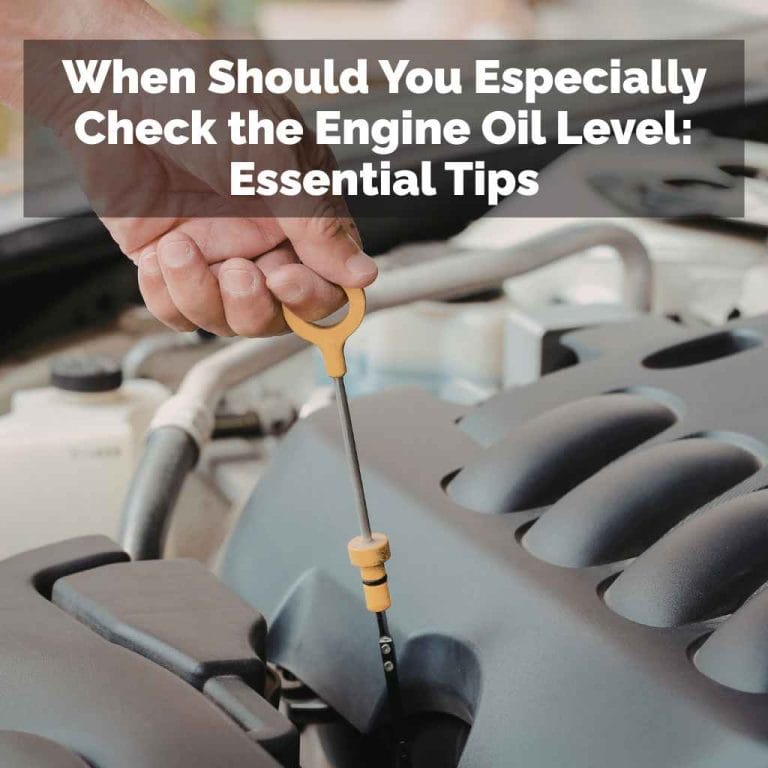
Open the hood. Find the engine oil dipstick. It usually has a bright-colored handle.
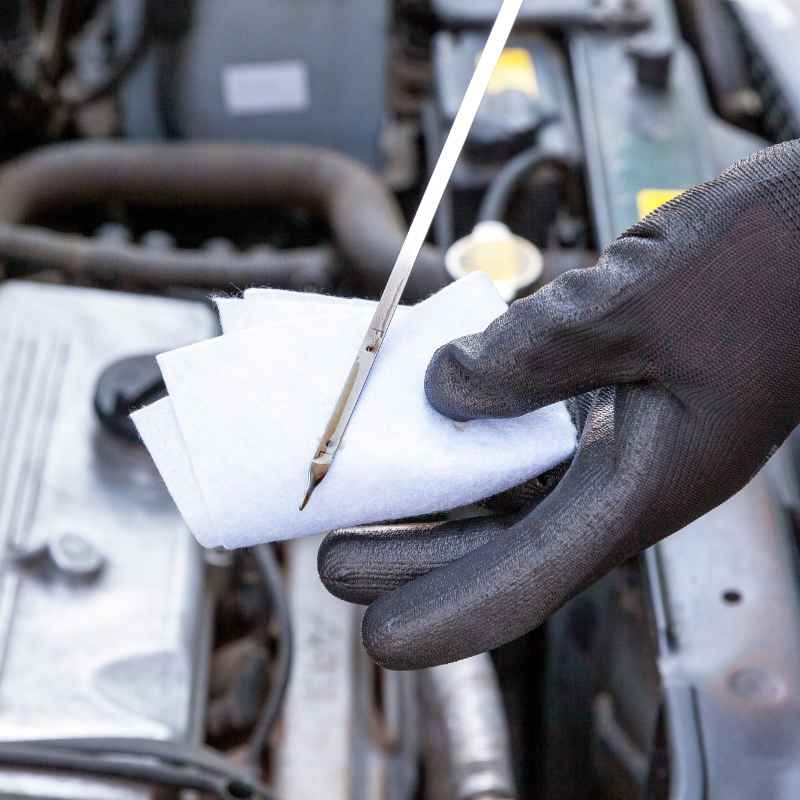
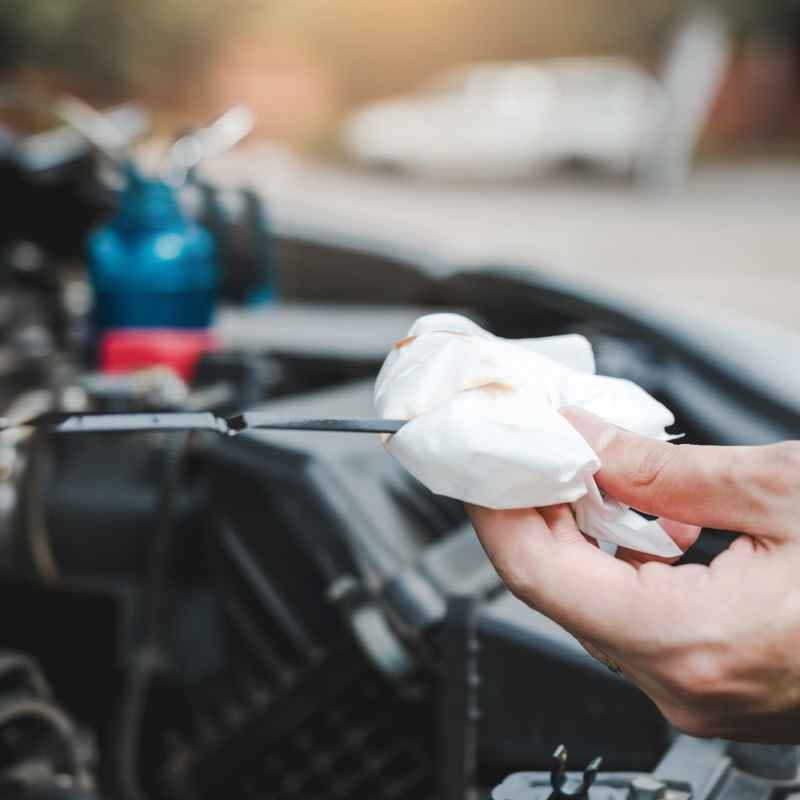
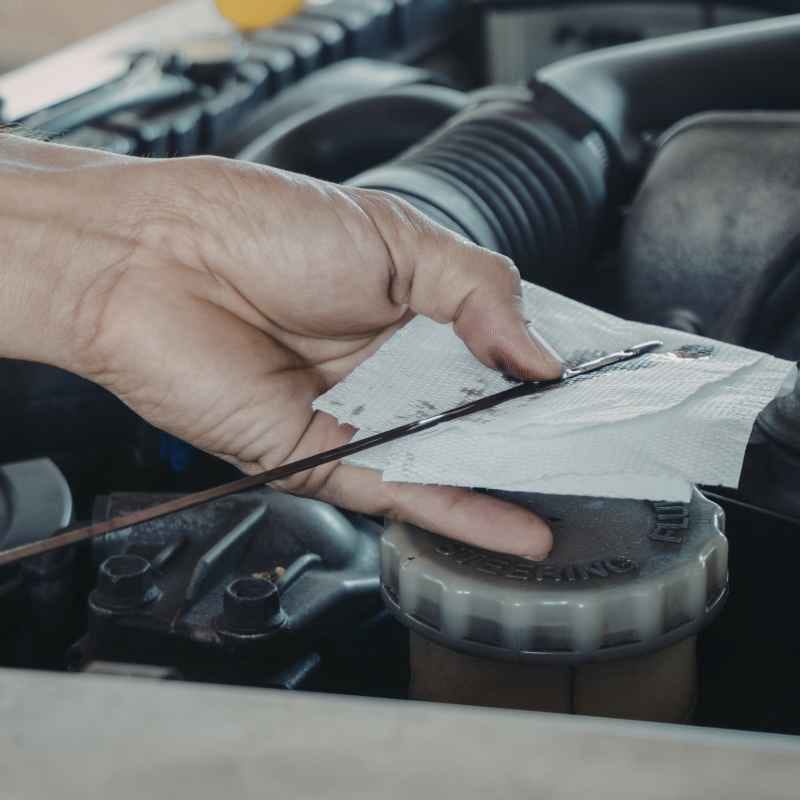
It might be yellow, orange, or red. Pull the dipstick out. Wipe it clean with a rag or paper towel.
Then, push the dipstick all the way back in. Make sure it’s seated properly. Pull it out again.
Look at the end of the dipstick. You’ll see markings. There are usually two marks.
They might look like dots, lines, or the words “MIN” and “MAX.”
The oil level should be between these two marks. Ideally, it should be closer to the “MAX” mark. If the oil level is below the “MIN” mark, you need to add oil.
If it’s right at the “MAX” mark, you’re good to go.
If you need to add oil, know what type of oil your car needs. Your owner’s manual will tell you the correct weight (like 5W-30) and specifications. Add a little at a time.
Check the dipstick after each addition.
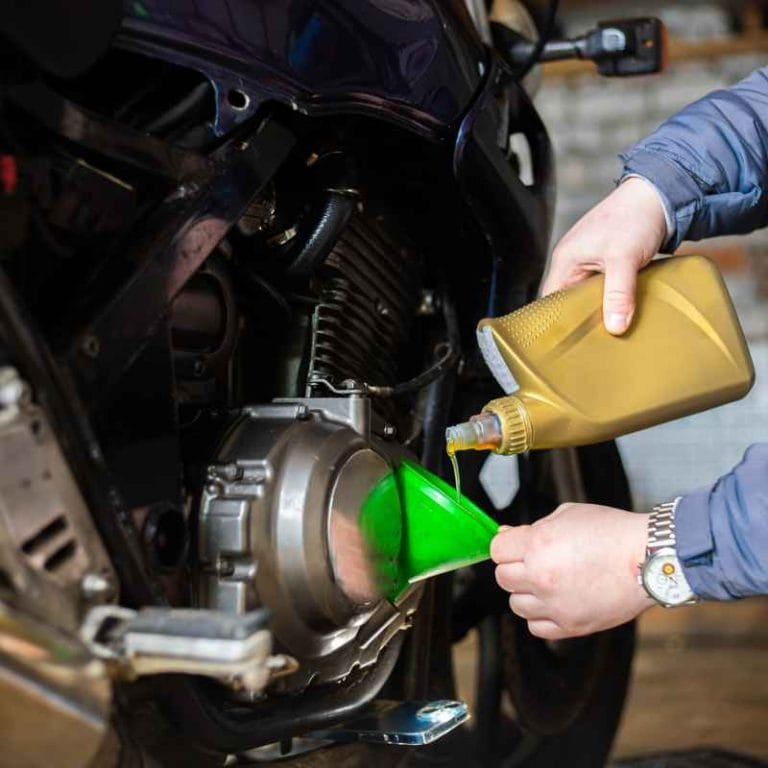
Don’t just dump in a whole quart. Add maybe half a quart, wait a few minutes, and check again. It’s much easier to add more oil than it is to remove excess oil if you overfill.
This simple check can save your engine a lot of trouble.
Understanding the Dipstick Markings
MIN / ADD: This is the lowest safe level. If your oil is at this mark or below, you need to add oil immediately.
MAX / FULL: This is the ideal top level. Your oil should be at or just below this mark.
Between MIN and MAX: This is the safe operating range. Most mechanics like to see the oil near the MAX mark.
Above MAX: This means you have overfilled the engine. This can cause problems like foaming and leaks.
Common Misconceptions About Oil Capacity
There are a few common ideas people have about engine oil that aren’t quite right. These can lead to mistakes when changing oil.
One big one is thinking all cars use the same amount of oil. As we’ve seen, this is totally false. A compact car and a truck will have very different oil needs.
Always look up the specific oil capacity for your car.
Another myth is that more oil is always better. People sometimes think that if a little oil is good, a lot of oil must be even better for protection. This is dangerous.
Overfilling, as we discussed, can cause significant damage to the engine. It’s like drinking way too much water; it’s not good for you.
Some people also believe that you should fill the oil all the way to the very top of the dipstick, even past the MAX line. This is wrong. The MAX line is there for a reason.
It indicates the highest safe level. Filling above it can lead to the issues we’ve talked about.
Another mistake is not considering the oil filter. When you change your oil, you should also change the oil filter. The oil filter holds some oil.
If you don’t account for this, you might not add enough oil initially. The capacity listed in the manual usually includes replacing the filter.
Finally, some folks think that if the oil looks clean, it’s fine to leave it in. Oil degrades over time. It collects dirt and metal particles.
Even if it looks okay, it loses its lubricating properties. Regular oil changes are essential, regardless of how the oil looks.
Myth vs. Reality: Oil Capacity
Myth: All cars need 5 quarts of oil.
Reality: Oil capacity varies greatly by car model and engine size. Always check your owner’s manual.
Myth: More oil is always better for engine protection.
Reality: Overfilling can cause serious damage, including oil foaming and leaks.
Myth: You can fill the oil right to the very top of the dipstick.
Reality: The MAX line is the highest safe level. Filling above it is overfilling.
Factors Affecting Oil Consumption
Even with the correct oil level, your car might consume some oil over time. This is normal for many engines. Understanding why can help you monitor it effectively.
Age and Mileage: As engines get older and gain more miles, their internal parts wear down. Seals and piston rings might not be as tight. This allows a small amount of oil to slip past into the combustion chamber, where it burns off.
Engine Design: Some engine designs are more prone to consuming oil than others. High-performance engines, for example, often run hotter and at higher RPMs, which can lead to slightly more oil consumption.
Driving Habits: Aggressive driving, like frequent hard acceleration and braking, puts more stress on the engine. This can increase oil consumption compared to gentle driving.
Oil Type: Using the wrong viscosity or type of oil can also affect consumption. A thinner oil might burn off more easily. Always use the oil recommended by your car manufacturer.
Oil Leaks: Sometimes, what looks like oil consumption is actually an oil leak. A tiny leak from a gasket or seal might drip oil onto the engine and burn off, creating a smell. Or it might drip onto the ground.
It’s important to distinguish between normal consumption and a problem. If you suddenly notice you’re adding a lot of oil frequently, or if you see blue smoke from your exhaust, it’s time to get your car checked by a mechanic. They can diagnose if it’s a minor issue or something more serious.
When is Oil Consumption Normal?
Low Usage: A small amount of oil disappearance between changes is often normal, especially for older cars.
Consistent Level: The oil level drops slowly and steadily, staying within the safe range for most of the interval.
No Warning Signs: No strange noises, no blue smoke from the exhaust, and no oil leaks.
Check your manual: Some manufacturers specify an acceptable range for oil consumption per 1,000 miles.
The Role of the Oil Filter
When you do an oil change, you’re not just changing the oil. You’re also changing the oil filter. The oil filter is a vital part of your engine’s lubrication system.
It works hand-in-hand with the oil to keep your engine healthy.
The oil filter’s job is to remove contaminants from the oil. As oil circulates through the engine, it picks up tiny particles. These can be metal shavings from wear, dirt that gets in from the air, or soot from combustion.
If these particles stay in the oil, they act like sandpaper.
They rub against moving engine parts. This causes more wear and tear. The oil filter has a special paper or synthetic material inside.
As the oil passes through this material, the contaminants get trapped. The clean oil then continues to flow to the engine parts that need it.
A clogged oil filter can restrict oil flow. This means less oil gets to critical engine parts. This can lead to increased wear.
It can also cause the oil pressure warning light to come on. Most filters have a bypass valve. If the filter gets too clogged, this valve opens.
It lets unfiltered oil pass through. This is better than no oil, but it’s not ideal.
That’s why it’s so important to replace the oil filter every time you change your oil. Using a quality filter is also important. A cheap, low-quality filter might not trap contaminants effectively.
It could also fail prematurely. Always use a filter recommended for your specific vehicle.
Quick Scan: Oil Filter Facts
Purpose: Traps dirt and debris from engine oil.
Why Replace: Prevents restricted oil flow and protects engine parts.
When to
Quality Matters: Use a filter designed for your car and from a reputable brand.
When to Add Oil vs. When to Change Oil
It’s important to know the difference between needing to add a bit of oil and needing a full oil change. They are not the same thing.
Adding Oil: You add oil when your regular checks show the level is below the “MIN” or “ADD” mark on the dipstick. This is usually just topping up the oil. You might do this between scheduled oil changes if your car consumes a bit of oil.
You should only add enough oil to bring the level back up to the “MAX” or “FULL” mark. Use the correct type of oil recommended for your car. Adding the wrong type can cause problems.
Changing Oil: An oil change is when you drain out all the old oil. You
Your owner’s manual will give you the recommended oil change interval. For many cars, this is every 5,000 to 7,500 miles. Some newer cars with synthetic oil can go longer, maybe 10,000 miles.
But always follow your manual’s advice.
If you drive in harsh conditions (like lots of stop-and-go traffic, extreme temperatures, or dusty environments), you might need to change your oil more often. This is called “severe service” driving.
So, if you check your oil and it’s a bit low, just add some. If it’s time for your scheduled maintenance, then it’s time for a full oil change. Both are important for keeping your engine running smoothly.
Real-World Scenarios for Oil Capacity
Let’s look at how oil capacity plays out in different situations.
Scenario 1: The Road Trip
You’re heading out on a long road trip. Before you leave, you check your oil. It’s a little low, maybe halfway between MIN and MAX.
Since you’re going on a long drive, it’s a good idea to top it up. You add about half a quart to bring it up to the MAX line. This ensures your engine has enough lubrication for the extended driving.
Scenario 2: The First Oil Change After Buying Used
You just bought a used car. The previous owner might not have kept up with maintenance. You decide to do a full service, including an oil change.
You consult the manual, which says your car needs 5.5 quarts of oil with a filter change. You carefully drain the old oil, replace the filter, and then measure out exactly 5.5 quarts of the correct synthetic oil. You pour it in slowly.
Scenario 3: The “Check Engine” Light Comes On
Your check engine light flashes on. You pull over safely and check your oil. It’s very low, below the MIN mark.
This is a serious situation. You’ve likely been running with too little oil. You need to add oil immediately to prevent further damage.
After adding oil, you should get the car to a mechanic to find out why the oil level got so low. Was it a leak? Or was it burning oil?
Scenario 4: The Mechanic’s Recommendation
You take your car in for routine maintenance. The mechanic tells you your car needs 4.7 quarts of oil. They use a special machine to measure it precisely.
They also
These scenarios show that understanding your car’s oil needs isn’t just about the number on a page. It’s about applying that knowledge to real driving situations to keep your car safe and running well.
What This Means for You
Knowing your car’s specific engine oil capacity is more than just trivia. It’s a practical piece of information that directly impacts your car’s health and longevity.
When it’s normal: It’s normal for your oil level to be between the MIN and MAX marks. It’s also normal for the level to drop slightly over time, especially if you drive a lot.
When to worry: You should worry if your oil level is consistently below the MIN mark. You should also worry if you see oil spots under your car. Blue smoke from the exhaust is a big warning sign.
Any sudden drop in oil level needs attention.
Simple checks: Make it a habit to check your oil level at least once a month. Also, check it before long trips. This simple act can prevent major engine problems down the road.
Always use the dipstick on a flat surface with the engine off and cool.
Understanding how much oil your car needs and how to check it empowers you. It helps you take better care of your vehicle. This can save you money on repairs in the long run.
Quick Fixes and Tips for Oil Level
Here are some practical tips to help you manage your car’s oil level correctly.
Tip 1: Stick to the Manual. Always refer to your owner’s manual for the exact oil capacity and type. This is the most reliable source of information.
Tip 2: Measure, Don’t Guess. When adding oil, use a measuring cup or jug. Pour slowly and check the dipstick often. It’s better to add too little and top up than to add too much.
Tip 3: Use the Right Funnel. A clean funnel makes adding oil easier. It prevents spills and ensures the oil goes into the correct opening.
Tip 4: Keep Records. Note down when you last changed your oil and what type you used. This helps you stay on track with maintenance.
Tip 5: Listen to Your Car. Pay attention to any new noises or smells coming from your engine. These could be signs of an oil-related problem.
Tip 6: Don’t Ignore Warning Lights. If your oil pressure light comes on, stop the car as soon as it is safe to do so. Check the oil level immediately. Low oil pressure can cause severe engine damage very quickly.
Frequent Questions About Engine Oil Needs
How much oil do most cars need?
Most passenger cars need between 4 and 6 quarts of engine oil. However, this is a very general estimate. The exact amount depends on your car’s make, model, and engine size.
Always check your owner’s manual for the precise capacity.
Can I use more or less oil than recommended?
No, it’s not recommended. Using less oil than needed can cause engine parts to wear out faster due to lack of lubrication. Using more oil than recommended (overfilling) can cause oil foaming, leaks, and damage to seals and gaskets.
What happens if I don’t have enough engine oil?
If you don’t have enough engine oil, critical engine parts won’t be properly lubricated. This leads to increased friction and heat. Over time, this can cause severe damage, like worn bearings, damaged pistons, and a blown engine gasket.
You might also see an oil pressure warning light.
How often should I check my engine oil level?
It’s a good practice to check your engine oil level at least once a month. You should also check it before any long road trips. This simple habit can help you catch low oil levels before they become a serious problem.
What is the difference between adding oil and an oil change?
Adding oil is topping up the level if it’s low between scheduled changes. An oil change involves draining all the old oil and replacing it with fresh oil and a new oil filter at specific intervals (mileage or time based).
Can I use a different weight of oil than what my manual says?
It’s best to stick to the oil weight recommended in your owner’s manual. Using a different weight can affect how well the oil lubricates your engine, especially in different temperatures. If you’re unsure, consult a trusted mechanic.
Conclusion
Understanding your car’s engine oil capacity is a key part of good car care. It’s not overly complicated, but it does require attention to detail. By checking your owner’s manual, regularly inspecting your oil level, and following best practices, you help ensure your engine stays healthy and reliable for years to come.
Happy driving!