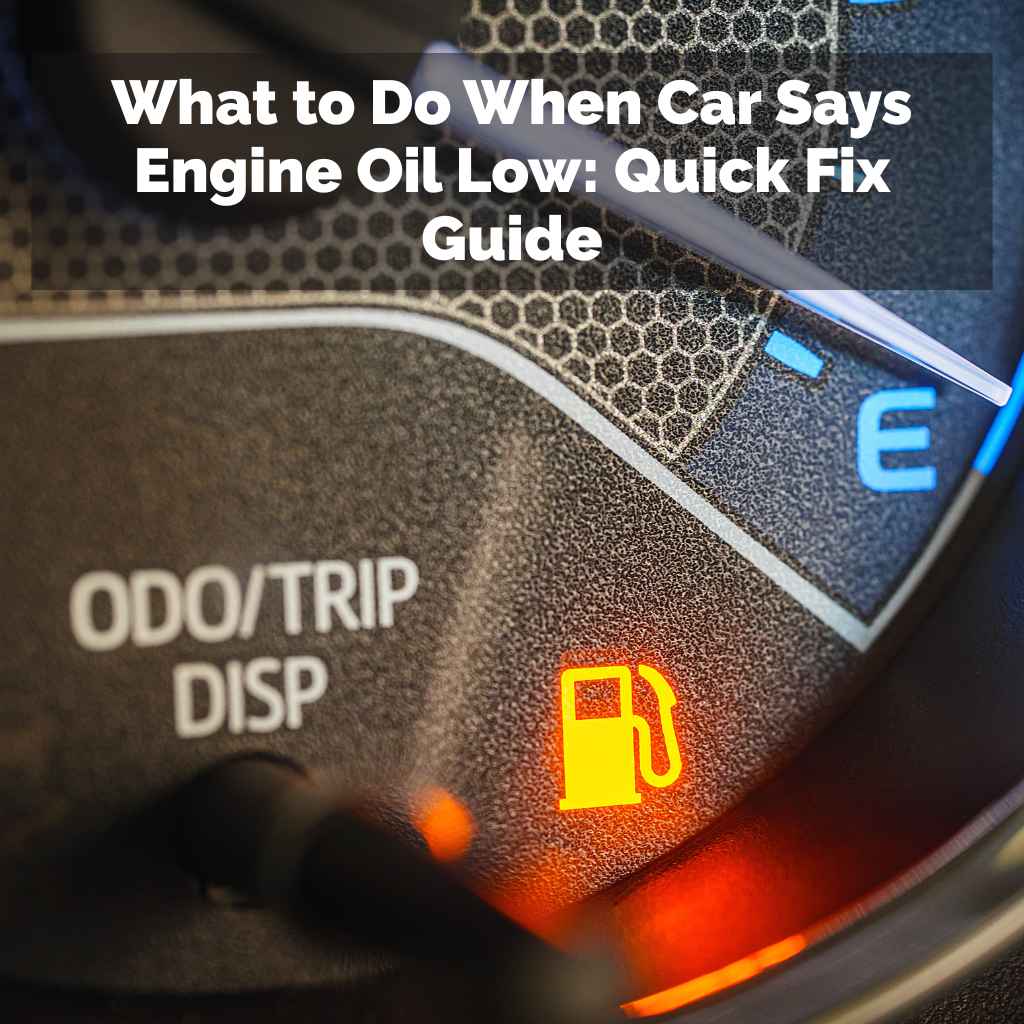
What to Do When Car Says Engine Oil Low: Quick Fix Guide
When your car suddenly displays a “Engine Oil Low” warning, it’s easy to feel worried. This alert is more than just a simple reminder. It can signal serious trouble if ignored. Engine oil is the lifeblood of your vehicle’s engine. Without enough oil, metal parts grind together, causing costly damage. But what should you actually do when this warning lights up? Many drivers panic or make mistakes that can harm their cars or even their wallets.
This guide is written to help you, especially if English is not your first language, understand what to do—step by step—when your car says “engine oil low. ” You’ll learn why this warning appears, how to check your oil safely, what to do next, and how to prevent future problems.
You’ll also discover common mistakes to avoid and get clear, confident answers to the questions most drivers have. Whether you’re new to cars or just want to be prepared, this article will give you the practical advice you need.
Why The “engine Oil Low” Warning Appears
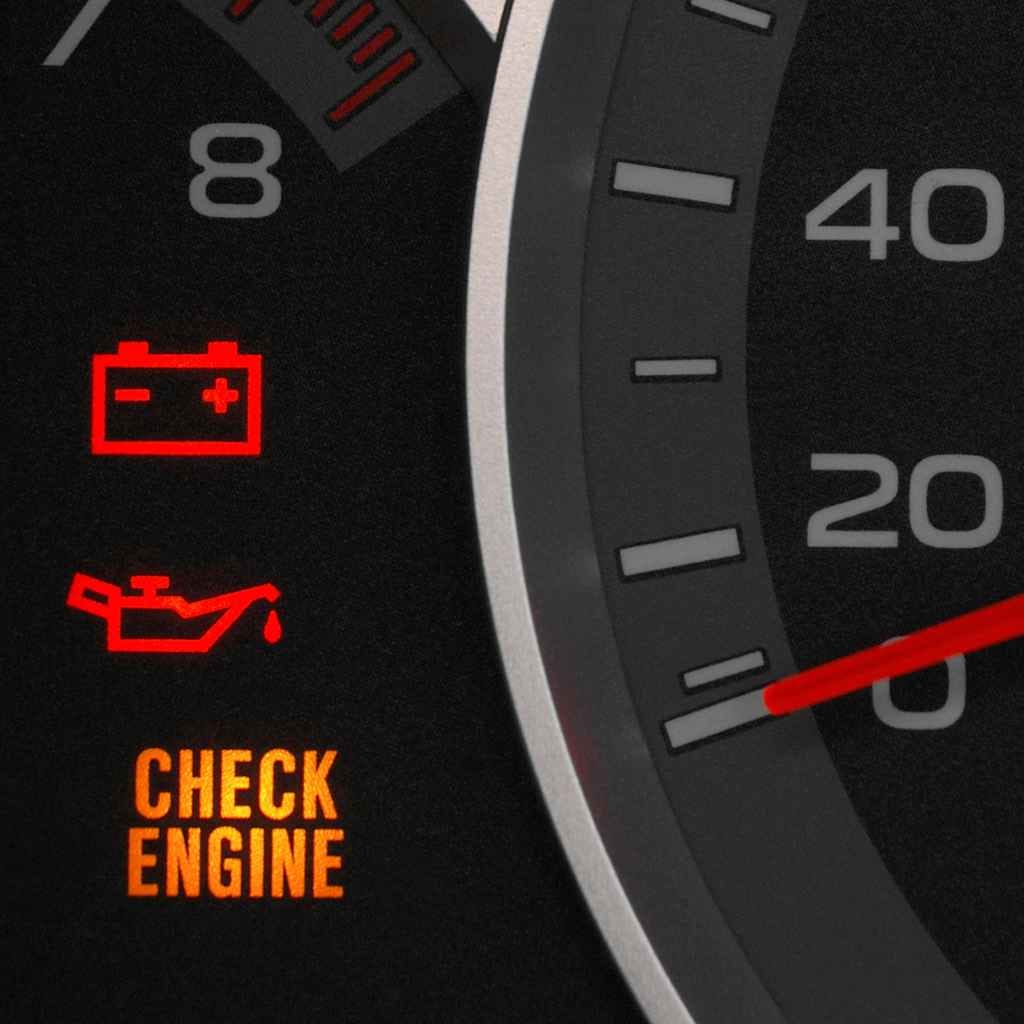
When your car’s dashboard flashes the engine oil low light, it’s not just a suggestion—it’s a sign of a real problem. The oil warning can appear for several reasons. The most common is that your engine oil level has dropped below the safe limit. But the warning could also mean there’s an oil leak, the oil sensor is faulty, or the oil has become too thin to protect the engine.
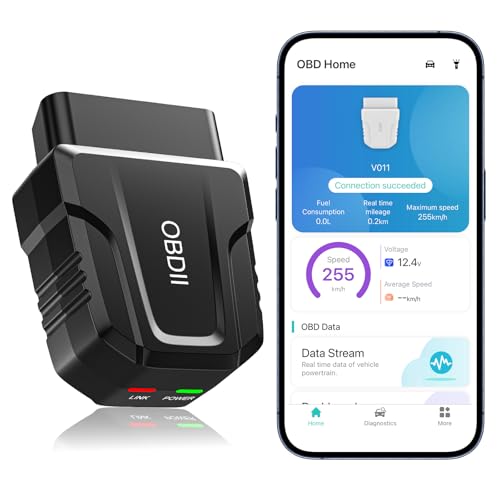
UMEIJA
OBD2 Scanner Diagnostic Tool, Car Scanner for…
- 【Comprehensive Performance Testing】V011 OBD2 Scanner provides a complete diagnostic solution, giving you a thorough understanding…
- 【Convenience and Savings for All Users】Designed with user-friendliness in mind, the V011 OBD2 Scanner is perfect for both novices…
- 【Intuitive Data Visualization】Understanding car diagnostics has never been easier. The V011 OBD2 Scanner displays detected data in…
As an Amazon Associate I earn from qualifying purchases.
Engine oil lubricates moving parts, reduces friction, and helps cool the engine. When the oil is low, these functions are reduced. Over time, running with too little oil can cause the engine to overheat or even seize up completely.
Typical Triggers For The Oil Warning
- Low oil level: The most straightforward reason. Oil has dropped below the minimum mark.
- Oil leak: Oil may be escaping from a gasket, seal, or oil pan.
- Faulty sensor: The oil level sensor or oil pressure sensor can sometimes fail.
- Burning oil: Some engines use or “burn” oil as they age.
- Delayed oil change: Old, dirty oil may not protect the engine well.
Understanding these causes helps you respond quickly and avoid making the situation worse.
What To Do Immediately When You See The Warning
Seeing the engine oil low warning can be stressful, especially if you’re driving. But your first actions are very important for your safety and your car’s health. Here’s what to do:
- Don’t panic. Stay calm. The warning means you should act soon, but you usually have time to stop safely.
- Pull over safely. If you’re driving, find a safe spot to pull off the road. Avoid stopping in dangerous areas.
- Turn off the engine. Keeping the engine running with low oil can cause damage. Turn off the car as soon as it’s safe.
- Wait a few minutes. Allow the engine to cool for at least 5–10 minutes before you open the hood. This reduces the risk of burns and gives oil time to settle in the pan.
Many people make the mistake of driving home or to the next gas station. Unless you are very close, it’s safer to stop and check the problem first. Driving with low oil can quickly damage your engine.
How To Check Your Engine Oil Level
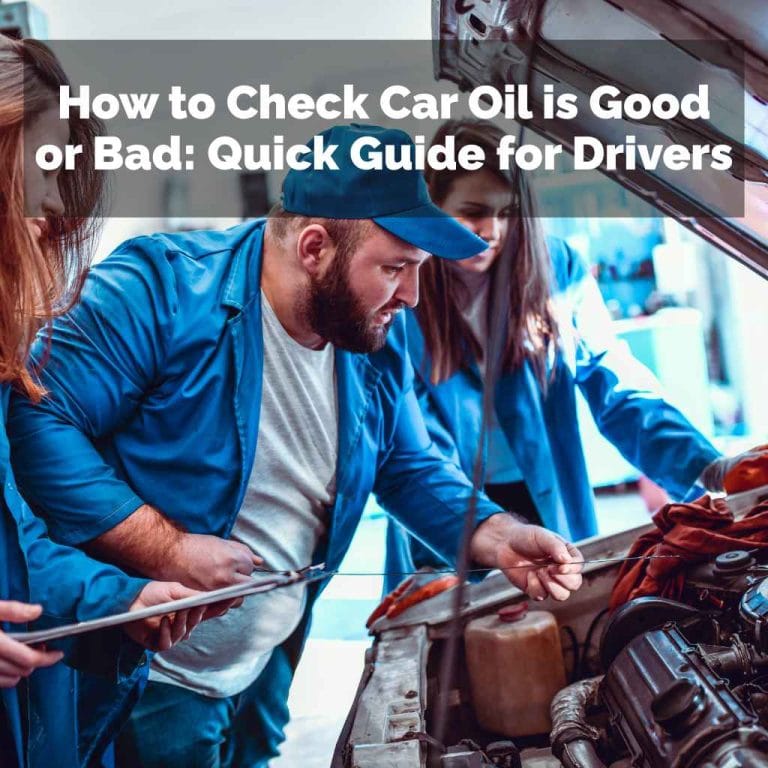
Checking your oil yourself is simple and takes just a few minutes. Here’s a practical, step-by-step guide:
1. Gather What You Need
- Clean rag or paper towel
- Your car’s owner’s manual (if you’re unsure where things are)
- Gloves (optional, but keeps hands clean)
2. Open The Hood
Release the hood latch inside your car. Then, go to the front and use the secondary catch under the hood to fully open it. Secure the hood with the support rod if your car has one.
3. Locate The Dipstick
Most cars have a bright-colored handle (yellow or orange) labeled “engine oil. ” If you’re unsure, the owner’s manual will help.
4. Pull Out And Clean The Dipstick
Pull the dipstick out completely. Wipe it clean with your rag so you can get a clear reading.
5. Reinsert And Remove Again
Put the dipstick fully back in, then pull it out again. This gives you an accurate oil level reading.
6. Read The Level
Look at the oil mark on the dipstick. There are usually two marks: “Full” and “Low” (or “Min” and “Max”). The oil should be between these marks.
- If oil is below the minimum mark: You must add oil before driving.
- If oil is just above the minimum: It’s still safer to add a small amount.
- If oil is within the safe range: There may be another issue (such as a faulty sensor).
7. Observe Oil Color And Smell
Healthy oil is usually amber or brown and smooth. If it’s very dark, gritty, or smells burnt, it may need changing.
Example: Reading A Dipstick
Imagine you pull out the dipstick and see oil only at the very tip. This means your oil is dangerously low, and you should not drive the car until you add oil.
Adding Engine Oil: How And What Kind
If your dipstick shows low oil, you need to add more before you drive. Here’s how to do it safely:
Choosing The Right Oil
Check your owner’s manual for the recommended oil type and viscosity (like 5W-30 or 10W-40). Using the wrong oil can cause engine problems. If you’re unsure, ask at an auto parts store or look for a sticker under your hood.
Steps To Add Oil
- Find the oil filler cap. It’s usually labeled “engine oil” or shows an oil can symbol.
- Unscrew the cap. Place it somewhere safe.
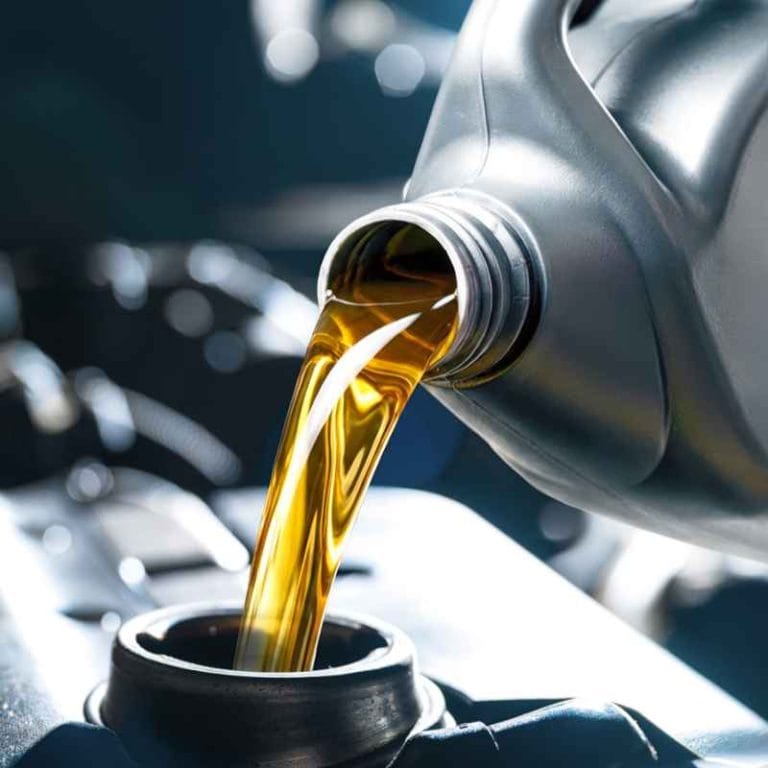
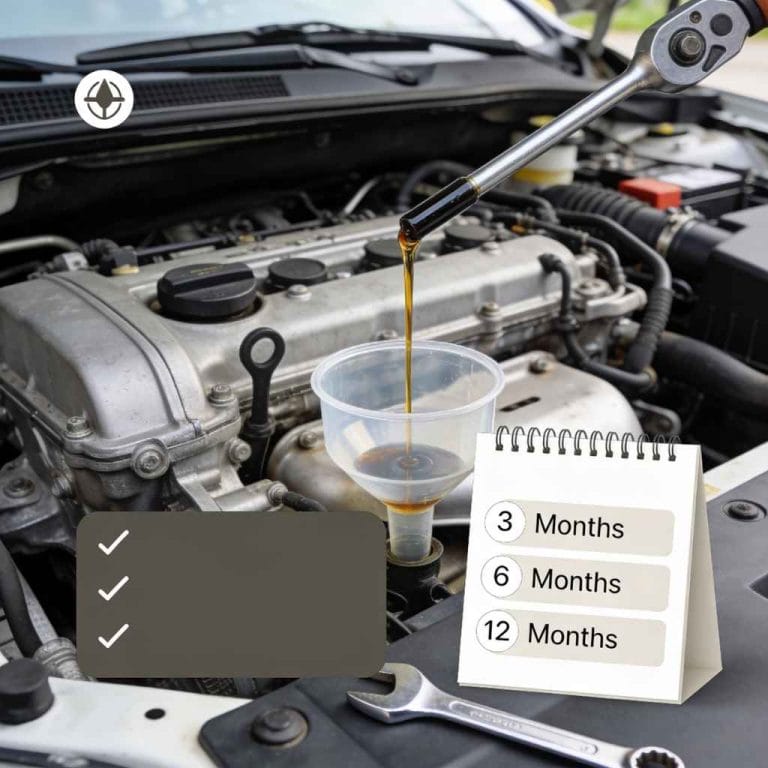
- Pour in oil slowly. Use a funnel to avoid spills. Add a little at a time—about half a quart (500 ml) first.
- Wait 1–2 minutes. Let the oil settle in the pan.
- Check the dipstick again. Repeat the check-and-add process until the oil is between the marks.
- Replace the cap and close the hood. Make sure everything is secure.
How Much Oil To Add
Most engines need 4–6 quarts total, but if you’re just topping up, you may only need 1 quart (1 liter) or less. Never overfill—the oil level should be at or just below the “Full” mark.
Example: Overfilling Oil
Adding too much oil can be almost as bad as too little. Overfilling can cause foaming or leaks. Always add small amounts and check often.
Oil Brands And Types: What’s Best For Your Car?
Car engines need specific oil types to work best. The right oil keeps your engine safe and running smoothly. But with so many brands and numbers, it’s easy to get confused.
Understanding Oil Grades
Engine oil is labeled with numbers like 5W-30 or 10W-40. These numbers show how the oil flows in cold and hot temperatures. For example, 5W-30 works well in most climates, while 10W-40 is better for hot regions or older engines.
Synthetic Vs. Conventional Oil
- Synthetic oil: Lasts longer, works better in extreme temperatures, more expensive.
- Conventional oil: Cheaper, works well for older cars or those with simple engines.
Popular Oil Brands
Here’s a quick comparison of popular brands and features:
| Brand | Main Benefit | Typical Price (per quart) |
|---|---|---|
| Mobil 1 | Excellent protection, synthetic | $7–$10 |
| Castrol | Great for older engines | $6–$8 |
| Valvoline | High mileage options | $6–$9 |
| Pennzoil | Good cleaning ability | $6–$8 |
Always choose oil that matches your car’s needs—not just the cheapest or most popular.
What If You Don’t Have Oil With You?
Sometimes you see the warning light when you’re far from home or a store. If you don’t have oil:
- Do not drive long distances. Driving even a few miles with low oil can damage your engine.
- Ask for help. If you’re near a service station or auto shop, see if they can help.
- Call roadside assistance. Most plans cover emergency fluids.
- Buy oil at a gas station or convenience store. Most sell small bottles of engine oil.
It’s always smart to keep a small bottle of the right oil in your trunk for emergencies. This can save time and stress later.
What Causes Low Engine Oil?
Understanding why your oil is low can help you prevent future problems. Here are the main causes:
- Oil leaks. Seals, gaskets, or the oil pan can leak. Look for oil spots under your car.
- Burning oil. Some engines slowly burn oil, especially older models.
- Irregular oil changes. Skipping scheduled oil changes makes oil break down faster.
- Using the wrong oil. Thin oil may burn or leak more easily.
- Faulty oil filter. A bad filter can let oil leak out or not flow properly.
Some of these issues are easy to fix, but others need a mechanic’s help.
Signs Of A Serious Problem
While the engine oil low warning is common, sometimes it means something more serious. Watch out for these warning signs:
- Loud knocking or tapping from the engine
- Smoke from the exhaust
- Burning oil smell
- Oil puddles under your car
- Engine running rough or losing power
If you see any of these, stop driving and call a mechanic. Ignoring these signs can lead to very expensive repairs.
When To See A Mechanic
While adding oil yourself is safe for minor drops, there are times when you should see a professional:
- The warning light stays on after adding oil.
- You need to add oil often (more than once every few months).
- You notice oil leaks under your car.
- Engine is making strange noises.
- Oil looks milky, thick, or very dark.
A mechanic can check for leaks, test your oil pressure, and find hidden problems. Fixing a small issue early is much cheaper than replacing an engine.
Comparing Diy Vs. Professional Oil Service
Many drivers wonder if they should always call a mechanic or if it’s safe to handle low oil on their own. Here’s a side-by-side look:
| DIY Oil Check/Top-Up | Professional Service |
|---|---|
| Quick and cheap | Thorough inspection |
| Good for minor drops | Fixes leaks and sensor problems |
| Needs some knowledge | More expensive ($30–$100+) |
| Possible to miss hidden problems | Includes filter and oil change |
If you notice frequent oil loss or other engine problems, always choose a professional.
Preventing Engine Oil Low Warnings
You can avoid most engine oil warnings with simple habits:
- Check oil every month. Make it a routine, even if your car feels fine.
- Follow your car’s oil change schedule. Most cars need new oil every 5,000–7,500 miles (8,000–12,000 km).
- Use the correct oil type. Check the owner’s manual, especially after buying a used car.
- Inspect for leaks. Look for wet spots under your car regularly.
- Listen for engine noises. New sounds can signal oil issues.
- Replace the oil filter at every oil change. This keeps oil clean and flowing well.
Advanced Tips Most Beginners Miss
- Check oil after long trips or heavy loads. Towing or driving in hot weather can use up oil faster.
- Don’t rely only on the dashboard light. Some older cars don’t have accurate sensors.
- Track your oil use. If you notice you’re adding oil more often, write it down and tell your mechanic.
Common Mistakes To Avoid
Many drivers cause more harm than good by making simple mistakes after seeing the engine oil low warning. Here’s what to avoid:
- Ignoring the warning. Even “just one more trip” can be risky.
- Adding oil without checking the type. The wrong oil can cause more issues.
- Overfilling the engine. Too much oil can damage seals or create foam.
- Not checking for leaks. Adding oil is a quick fix, but leaks will keep coming back.
- Forgetting to replace the oil cap. Leaving the cap off can let dirt in or cause leaks.
Learning these points saves you time, money, and worry in the future.
Real-world Example: The Cost Of Ignoring The Warning
A study by AAA found that over 60% of engine failures could have been prevented with regular oil checks and changes. In one real case, a driver ignored the oil warning for weeks. The engine seized, and repairs cost over $3,000—far more than a simple oil top-up. Quick action saves both engines and wallets.
The Role Of Sensors And Electronics
Modern cars use sensors to monitor oil levels and pressure. Sometimes, the engine oil low warning comes from a faulty sensor, not a real oil problem. If you check your oil and it’s full, but the light stays on, the sensor may need replacing.
Newer cars may display messages like “Check Oil Level” or “Add Oil Now. ” These systems are helpful, but not perfect. Always check oil manually to be sure.
Cost Comparison: DIY Vs. Ignoring The Problem
Neglecting the engine oil low warning can be expensive. Here’s a quick look at possible costs:
| Action | Estimated Cost | Possible Outcome |
|---|---|---|
| Add oil yourself | $5–$10 | Problem solved, engine safe |
| Visit mechanic for oil change | $30–$100 | Full inspection, longer engine life |
| Ignore warning | $1,500–$6,000 | Engine damage, major repairs |
Spending a few dollars and minutes now can save thousands later.
How To Talk To A Mechanic About Oil Issues
If you need professional help, knowing what to say makes a big difference. Here’s what to tell your mechanic:
- When the warning light appeared
- How often you add oil
- Any noises, smells, or leaks you’ve noticed
- When you last changed the oil
Clear information helps your mechanic find the cause faster and fix it right.
Useful Resources For Drivers
If you want to learn more about engine oil and car care, the American Automobile Association (AAA) provides helpful guides and videos. You can find more details on engine oil basics.
Frequently Asked Questions
What Happens If I Keep Driving With Low Engine Oil?
If you drive with low oil, your engine parts will not be protected. This causes extra heat and friction, leading to wear, engine damage, or even a complete breakdown. Always stop and add oil as soon as possible.
How Often Should I Check My Engine Oil?
It’s smart to check your oil once a month, or before long trips. Older cars or those with oil leaks may need checking more often. Newer cars with sensors still benefit from manual checks.
Can I Use Any Engine Oil If I’m In An Emergency?
In an emergency, using any oil is better than driving with no oil. However, try to use the correct type as soon as possible. Mixing oils is not ideal, but it’s safer than running dry.
Why Does My Car Use Up Oil So Quickly?
Fast oil loss can be due to leaks, burning oil, or using the wrong oil type. Some older engines naturally use more oil. If you add oil often, visit a mechanic to check for bigger problems.
Is It Normal For Oil To Get Dark Quickly?
Engine oil darkens as it picks up dirt and does its job. Some darkening is normal, but if oil turns black or gritty soon after a change, it may be time to change it again or inspect your engine for issues.
Taking care of your car’s engine oil is one of the simplest ways to avoid costly repairs and keep your vehicle running smoothly. By acting quickly when you see the engine oil low warning, checking your oil regularly, and using the right products, you keep your car reliable and safe—mile after mile.
Related pick: Check today's price on Amazon
Products related to this article
Sponsored / affiliate links. As an Amazon Associate I earn from qualifying purchases. I may earn additional commission from eligible campaigns.
 ECOGARD X10023 Cartridge Engine Oil Filter for Conventional Oil - Premium Replacement | Fits 2018-2023 Volkswagen Atlas 3.6L; 2020-2023 Atlas Cross Sport 3.6L
 ECOGARD X10040 Cartridge Engine Oil Filter for Conventional Oil - Premium Replacement | Fits 2011-2026 Jeep Grand Cherokee, Dodge Durango 3.6L; 2012-2026 Wrangler 3.6L; 2014-2022 Cherokee 3.2L