How Much Is Car Engine Oil In The Usa? Current Prices
This guide will break down the puzzle. We’ll look at what makes oil prices go up and down. You’ll learn about different types of oil and their costs. We’ll also share how to get the best deal. So, let’s dive in and figure out what you can expect to pay.
Understanding car engine oil prices in the USA involves looking at oil type, brand, quantity, and where you buy it. Expect costs to range from about $20-$60 for a standard oil change, with synthetic oils and specialized blends being higher. DIY oil changes can save money.
What Affects Car Engine Oil Prices?
Several things play a big role in the price you see on the shelf or at the shop. It’s not just one factor. Think of it like a recipe. You need all the right ingredients to get the final dish.
First, the type of oil is a huge driver. There are different kinds. Conventional oil is usually the cheapest. It’s made from crude oil. It’s basic but works for many cars.
Then, you have synthetic blends. These are a mix of conventional and synthetic oils. They offer better protection than plain conventional oil. So, they cost a bit more.
The most advanced type is full synthetic oil. It’s made in a lab. This means it’s cleaner and performs better. It lasts longer and protects your engine best. But, it’s also the most expensive option. This is often a key reason for higher car engine oil prices.
Next up is the brand. Big, well-known brands often cost more. They spend a lot on advertising. They also have a reputation for quality. Smaller brands or store brands might be cheaper. But, always check reviews to ensure quality.
The quantity also matters. You can buy oil in quarts, gallons, or even larger containers. Buying a gallon is usually cheaper per quart than buying single quarts. If you do oil changes often, a gallon jug can save you money over time.
Where you buy the oil makes a difference too. Big box stores like Walmart or Target often have good prices. Auto parts stores are another option. Sometimes, these have sales. Service centers and dealerships will charge more. They include labor and profit for the service.
Finally, the oil’s viscosity and additives influence the price. Viscosity is how thick or thin the oil is. This is shown by numbers like 5W-30. Some oils have special additives. These can boost cleaning, reduce friction, or handle extreme temperatures. These special features add to the cost.
Average Oil Prices: A Closer Look
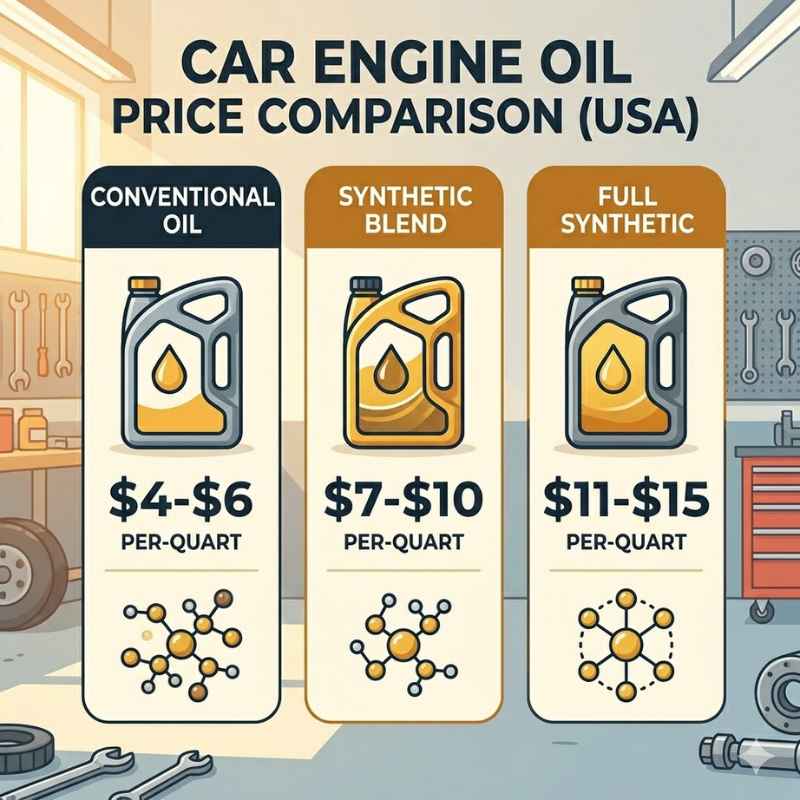
Let’s get down to numbers. What can you realistically expect to spend? These are typical ranges in the U.S. Prices can shift based on the factors we just talked about.
Oil Price Ranges Per Quart (Typical U.S.)
- Conventional Oil: $4 – $7 per quart
- Synthetic Blend Oil: $6 – $10 per quart
- Full Synthetic Oil: $8 – $15+ per quart
These are just the oil costs. When you get an oil change at a shop, there’s labor involved. This adds to the total bill. For a typical oil change using conventional oil at a quick lube place, you might pay $40-$70. Full synthetic oil changes at a shop can easily be $70-$150 or more.
A car usually needs between 4 to 6 quarts of oil. So, if you buy oil for a DIY change, multiply the per-quart price by the number of quarts your car needs. For example, 5 quarts of synthetic oil at $10 each would cost $50 for just the oil.
My Experience with Oil Prices
I remember one sweltering August afternoon a few years back. My old sedan started making a weird ticking noise. I’m not super car-savvy, but I know that’s not good. I pulled over, heart pounding a bit. The oil light was flickering. Panic set in. I knew I had waited too long between oil changes.
I limped it to the nearest auto shop. The mechanic came out, gave my car a quick look, and then delivered the news. “You’re low on oil, and it’s really dirty. Looks like it’s been a while.” He handed me a quote. It felt high. I think it was around $90 for a conventional oil change. I just nodded and paid. But, I learned a big lesson that day. Taking care of your car’s oil saves money and prevents major headaches.
Since then, I’ve gotten smarter. I started checking my oil level more often. I also learned to compare prices at different stores. Sometimes, I’ll even buy my own oil and take it to a shop. The savings can add up, especially if you use synthetic oil.
Understanding Oil Weights and Viscosity
Let’s talk about those numbers on the oil bottle. They aren’t just random. They tell you about the oil’s flow. This is its viscosity. Your car’s manual tells you the right viscosity for your engine. Using the wrong one can cause problems.
What Do Oil Numbers Mean?
Oil is rated by its viscosity using a system from the Society of Automotive Engineers (SAE). A common rating is 5W-30.
- The “W” stands for Winter.
- The first number (e.g., 5) is the oil’s viscosity at low temperatures. A lower number means the oil flows better when cold. This is good for starting your engine on a cold day.
- The second number (e.g., 30) is the oil’s viscosity at normal engine operating temperatures. A higher number means the oil is thicker when the engine is hot. This helps protect engine parts.
So, 5W-30 oil flows better when cold than, say, 10W-30 oil. But, when hot, both oils have similar thickness (30). Choosing the right weight ensures your engine gets oil when it needs it most, whether it’s -10°F or 90°F outside.
Different climates might favor different weights. For colder regions, a lower first number is often better. For hotter regions, the second number might be more important. Always consult your car’s owner’s manual for the manufacturer’s recommendation. This is crucial for engine health and can affect how long your oil lasts.
DIY vs. Professional Oil Changes
This is a big one for your wallet. Should you do it yourself? Or let a pro handle it? Both have pros and cons.
DIY Oil Change Benefits
- Cost Savings: You only pay for oil, filter, and maybe a new drain plug washer. Labor costs are zero.
- Control: You choose the exact oil and filter your car needs.
- Convenience: You can do it on your own schedule.
- Learning: You gain a better understanding of your car.
To do it yourself, you’ll need some basic tools. A wrench for the drain plug, an oil filter wrench, a drain pan, and rags. You also need safety stands if you’re lifting the car. Oh, and don’t forget the new oil and filter!
On the flip side, professional oil changes offer ease. You drive in, they do the work, and you drive out. Shops also have specialized tools and experience. They can often spot other issues, like leaks, while they’re under the car.
Professional Oil Change Benefits
- Speed and Ease: No tools or cleanup needed on your part.
- Expertise: Technicians have training and experience.
- Inspection: Often includes a basic check of other car fluids and parts.
- Warranty: Some shops offer warranties on their work.
The main drawback for professional service is the price. You’re paying for their time, expertise, and overhead. For many people, the cost of professional oil changes adds up significantly over the life of a car. If you’re comfortable getting a little dirty, DIY can be very rewarding.
When Is It Time for an Oil Change?
This is another area where prices can be influenced. If you wait too long, you might need more than just an oil change. Overdue oil changes can lead to engine damage. That costs way more than oil! So, when should you get it done?
Your car’s owner’s manual is your best friend here. It will give you recommended intervals. These are often based on mileage, like every 5,000 or 7,500 miles. Some newer cars have oil life monitoring systems. These systems tell you when your oil needs changing based on actual driving conditions.
For older cars or if you drive in severe conditions, you might need to change oil more often. Severe conditions include frequent short trips, driving in extreme heat or cold, heavy towing, or stop-and-go city traffic. The American Petroleum Institute (API) suggests this.
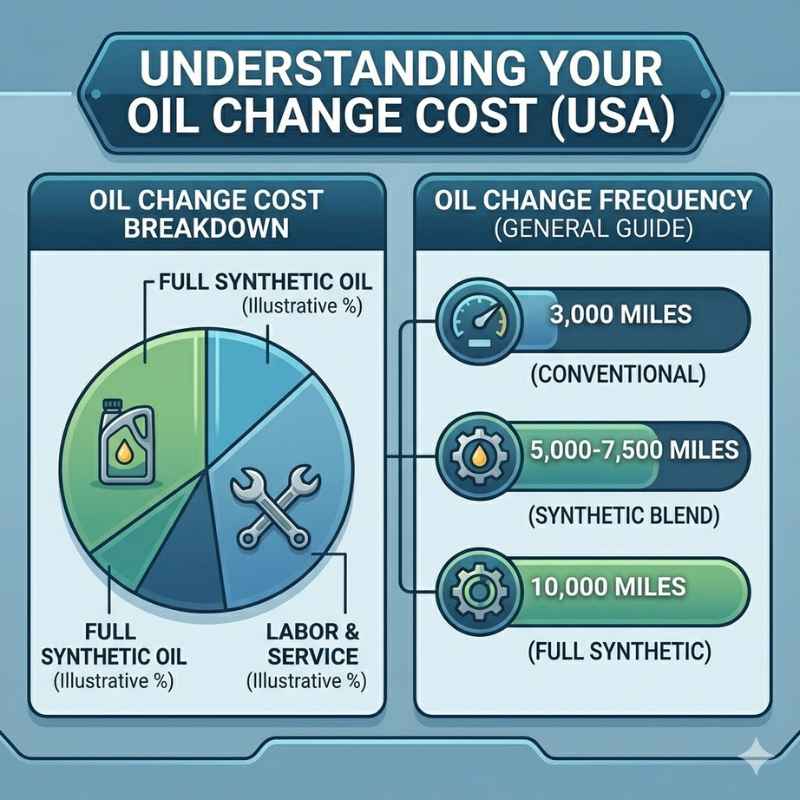
Oil Change Frequency Guidelines
- Modern Cars (w/ Oil Life Monitor): Follow the dashboard system.
- Conventional Oil: Typically every 3,000-5,000 miles or 6 months.
- Synthetic Blend Oil: Typically every 5,000-7,500 miles or 6-12 months.
- Full Synthetic Oil: Typically every 7,500-10,000 miles or 12 months.
- Severe Driving Conditions: Reduce intervals by 25-50%.
Paying a bit more for synthetic oil can actually save you money in the long run. It lasts longer and protects your engine better. This means fewer oil changes and potentially fewer repairs down the road.
Where to Buy Car Engine Oil in the USA
You have many options when it comes to buying oil. Each place might have different prices and selections. Knowing where to look can help you get the best value.
Auto Parts Stores: Places like AutoZone, O’Reilly Auto Parts, and Advance Auto Parts are popular. They have a wide selection of brands and types of oil. They often have sales and coupons available. You can also get expert advice from their staff.
Big Box Retailers: Stores like Walmart, Target, and Costco sell car oil. Walmart, in particular, is known for competitive pricing. They often carry major brands as well as their own store brands. Costco sometimes has good deals on multi-packs of synthetic oil.
Online Retailers: Websites like Amazon, eBay, and specialized auto parts sites offer a huge range. Prices can vary greatly. It’s worth comparing before buying online. Be sure to check shipping costs, especially for heavy items like oil.
Dealerships and Service Centers: While convenient, these are usually the most expensive places to buy oil. They often use specific brands recommended by the car manufacturer. The price includes more than just the oil; it’s part of the service package.
When I need oil, I usually check my local AutoZone or Walmart first. I compare prices online too. If I find a good deal on a brand I trust, I’ll buy a few extra quarts to have on hand. It saves me a trip later.
Cost-Saving Tips for Buying Oil
- Buy in Bulk: Gallon jugs or multi-packs are often cheaper per quart.
- Look for Sales and Coupons: Auto parts stores frequently offer discounts.
- Consider Store Brands: Many are made by major manufacturers and offer good value.
- Compare Prices: Check prices at different retailers before buying.
- DIY Oil Changes: This eliminates labor costs, saving significant money.
What Does This Mean for Your Wallet?
So, how much is car engine oil? It’s not a fixed price. It truly depends on your choices. For a basic oil change using conventional oil at home, you might spend $20-$30 for the oil and filter. For a premium full synthetic oil change at home, it could be $50-$80.
If you go to a shop, expect to pay more. A standard oil change at a quick lube place might range from $40-$70. A full synthetic oil change at a dealership could easily hit $100-$200. The higher end is for specialized oils, more complex engines, or premium service.
It’s important to balance cost with quality. Using the cheapest oil might save money now. But, it could lead to more expensive engine repairs later. Always use oil that meets your car manufacturer’s specifications.
For most everyday drivers in the U.S., budgeting around $50-$100 for an oil change is reasonable, whether you do it yourself with good quality oil or take it to a reputable shop. The key is to be informed and make smart choices.
Quick Fixes and Tips
Want to make sure you’re getting the most bang for your buck when it comes to oil?
Smart Oil Change Tips
- Check Your Manual: Always use the oil type and viscosity recommended for your car.
- Keep Records: Track when you get your oil changed.
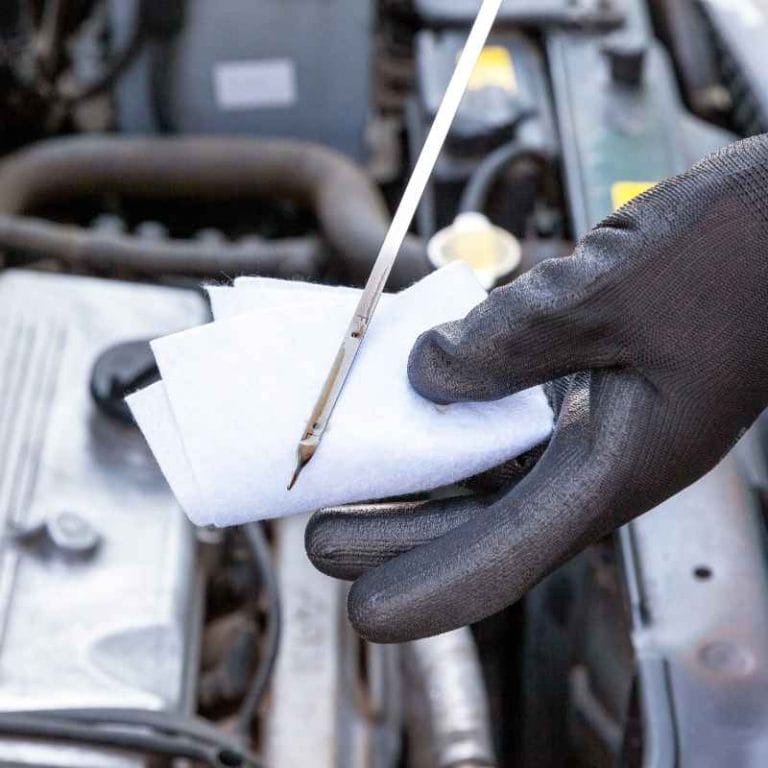
- Inspect Your Oil: Check the oil level and color between changes. Dark or gritty oil means it’s time.
- Don’t Wait Too Long: Changing oil regularly prevents costly engine damage.
- Dispose of Old Oil Properly: Many auto parts stores and service centers accept used oil.
Consider investing in a good quality synthetic oil if your car allows it. The longer service intervals and better engine protection often make it more cost-effective over time. It also gives you peace of mind, knowing your engine is well-protected.
Frequently Asked Questions
Is synthetic oil worth the extra cost?
For many vehicles, yes. Full synthetic oil offers superior protection against wear, heat, and sludge. It also allows for longer oil change intervals, which can sometimes offset the higher upfront cost. Check your owner’s manual for recommendations.
Can I mix different brands of oil?
It’s generally best to stick to one brand and type of oil. While mixing oils of the same viscosity and type (e.g., conventional with conventional) is usually not harmful in a pinch, it can dilute the additives and performance benefits of each. Always check your owner’s manual.
How often should I change my oil filter?
It’s highly recommended to change your oil filter every time you change your oil. The filter traps dirt and debris. A clogged filter can’t do its job and can even reduce oil flow, harming your engine.
What happens if I don’t change my oil?
Old, dirty oil loses its lubricating properties. It can cause increased friction, overheating, and wear on engine parts. Eventually, this can lead to serious damage like a seized engine, which is very expensive to repair or replace.
Are store-brand oils as good as name brands?
Often, yes. Many store brands (like Pennzoil, Valvoline, or Mobil 1) are manufactured by major oil companies. They meet the same industry standards. Always check the API service symbol on the bottle to ensure it meets your car’s requirements.
Can I use a thicker oil than recommended?
Using oil that is too thick can make it harder for your engine to start in cold weather and can reduce fuel economy. It might also not flow to all parts of the engine quickly enough. Stick to the manufacturer’s recommended viscosity for optimal performance and longevity.
Conclusion
Figuring out the cost of car engine oil is about understanding the variables. From oil type to where you buy it, many factors play a part. By choosing wisely and staying on top of maintenance, you can protect your engine and your wallet. Regular oil changes are a small investment for a big payoff.
Related pick: Check today's price on Amazon
Products related to this article
Sponsored / affiliate links. As an Amazon Associate I earn from qualifying purchases. I may earn additional commission from eligible campaigns.