Is Car Tire Air Free In California? What You Need To Know
It’s a common question many drivers have. You’re at the gas station, notice your tire pressure is a bit low, and wonder, “Can I just fill this up for free?” Especially when you’re in a state like California, where things can sometimes feel a little different. You’re looking for a simple answer, a clear sign whether you’ll be reaching for your wallet or if it’s a quick, free top-up.
You don’t always get free air for your car tires in California. Some gas stations offer it for free, especially those that also sell air compressors. Others charge a small fee, often around 75 cents to $1.50, for a few minutes of use. It really depends on the specific station’s policy.
Understanding Tire Air Stations
So, what’s the deal with tire air? It’s basically just regular air that goes into your tires. But where you get it matters.
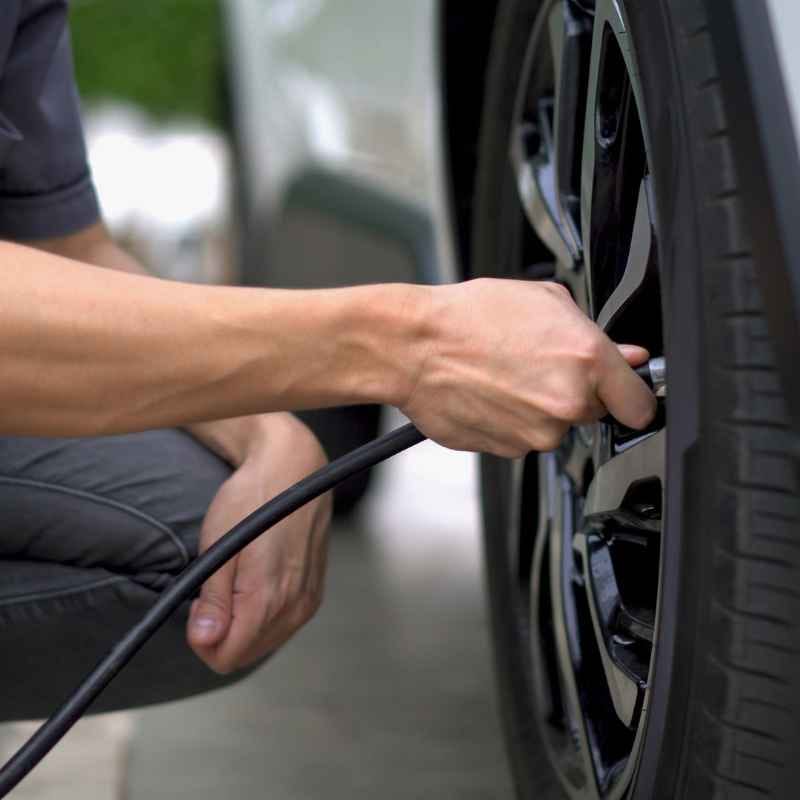
Many gas stations in California have machines that dispense air. These are often called “air and water machines” or “tire inflation stations.” They look like tall metal boxes with hoses.
These machines help keep your tires properly inflated. Good tire pressure is super important for your car. It helps with your car’s safety and how it handles on the road.
It also helps your tires last longer and can save you money on gas. When tires are low on air, your car works harder to move.
The machines usually have a display screen. You might see options for “air” or “water.” You’ll usually put in money to use the air feature. Some stations have older machines that still work.
Others have newer ones that take cards or even phone payments. It’s a good idea to check before you go if you can.
Why Some Air is Free and Some Isn’t
The main reason you sometimes pay for air is that it costs the station owner money. They have to buy the machines. They also pay for the electricity to run them.
The air itself is usually free, but the machine and the service cost money. So, they charge a small amount to cover these costs.
Some stations choose to offer free air as a customer service. They want you to come back to their station. It’s a way to get people to stop and perhaps buy gas or other items.
Think of it like a free air freshener for your car when you get gas. It’s a nice little perk.
In California, there isn’t a state law that says all tire air must be free. This is why policies vary so much from place to place. It’s up to the business owner to decide.
Some might have a policy for free air, while others do not. It’s a business decision.
You might find that newer, larger chain gas stations are more likely to charge. They might have more advanced machines. Smaller, independent stations might offer free air to compete.
It’s worth looking around your usual spots to see what they offer. A quick check can save you a dollar or two.
What to Look For at a Tire Inflation Station
Machine Type: Some are basic coin-operated. Others take dollar bills. Many newer ones accept credit cards or even phone payments.
Instructions: Always read the screen. It tells you how to pay and how to use the air hose.
Hose Condition: Check that the hose looks good. Make sure there are no cracks or leaks.
Pressure Gauge: Most machines have a built-in gauge. This helps you see the pressure as you fill.
Time Limits: Be aware that some machines give you a set amount of time after payment. Use it wisely.
My Own “Air Scare” Moment
I remember one sweltering summer afternoon in Fresno. My car had been making a funny noise, and I finally realized it was the tires. One looked really flat.
I pulled into a random gas station, desperate. I saw the air machine and breathed a sigh of relief, thinking it was a freebie.
I grabbed the hose, ready to go. Then, a big sign popped up: ” I could buy a new tire later that day.
That day taught me to always be prepared.
The Importance of Proper Tire Inflation
Even if you have to pay a little, keeping your tires at the right pressure is so important. It’s not just about avoiding a flat. It affects your car’s performance and your safety.
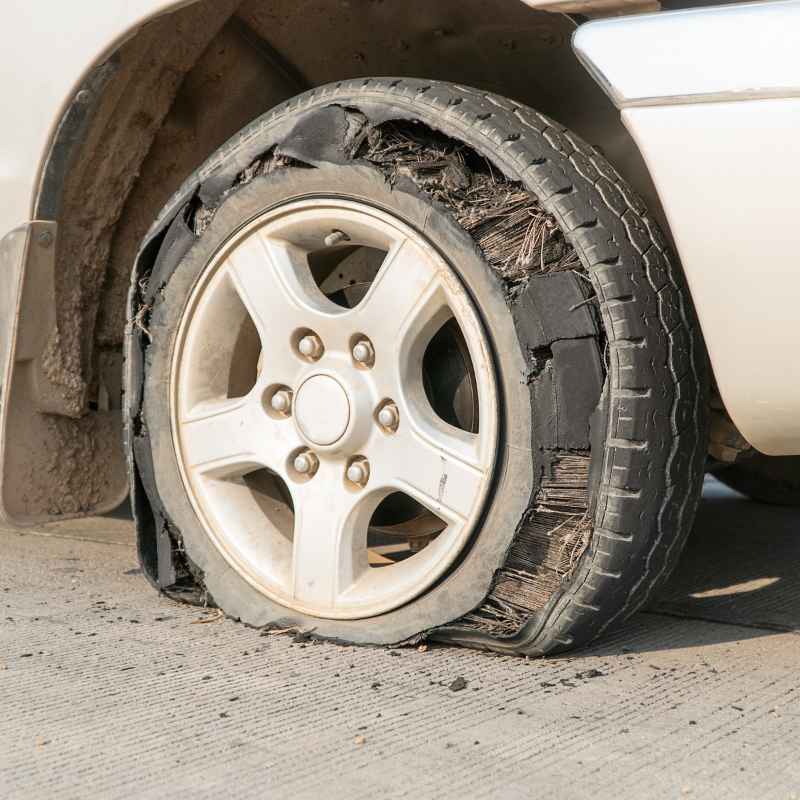
Safety First: Underinflated tires can overheat. This can lead to blowouts. It also makes your car harder to steer.
This is dangerous, especially at higher speeds. Overinflated tires can reduce your grip on the road.
Fuel Economy: When your tires have the correct air pressure, your car uses less gas. The U.S. Department of Energy says you can improve gas mileage by up to 3% by keeping your tires properly inflated.
That adds up over time.
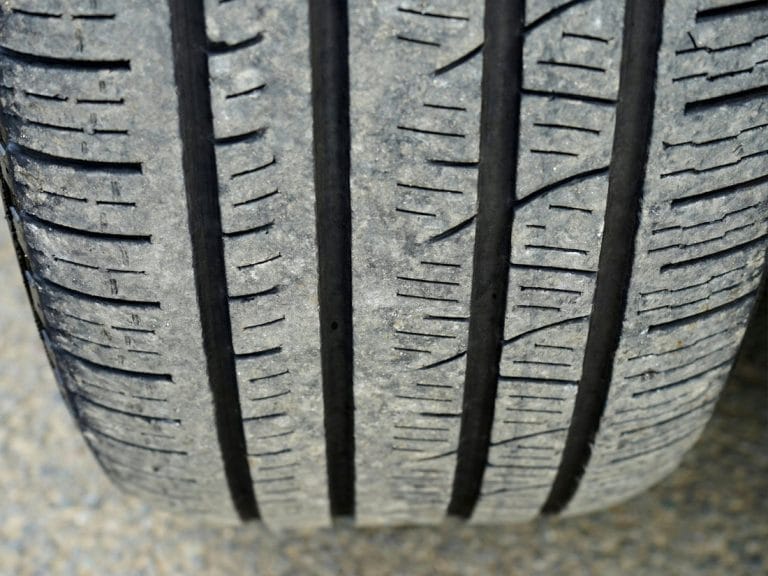
Tire Lifespan: Tires wear out faster if they are not properly inflated. If a tire is underinflated, the edges wear down too quickly. If it’s overinflated, the center of the tire wears down too fast.
Correct pressure means your tires will last longer.
Handling: Properly inflated tires help your car handle better. They make turns smoother. They give you a more comfortable ride.
You can feel the difference when your tires are just right.
Where to Find Tire Inflation Services
Gas Stations: The most common place. Some are free, some charge.
Auto Parts Stores: Many offer free air, especially if you buy something. Some have coin-operated machines.
Tire Shops: They always have air. Sometimes free, sometimes part of a service fee.
Car Washes: Some car washes include air services.
Rest Stops/Travel Centers: Often have paid air machines.
Finding Free Air in California
While it’s not guaranteed, there are ways to find free air for your tires in California. It often takes a little bit of searching or knowing where to look.
Check Your Local Auto Parts Stores: Many auto parts stores, like AutoZone or O’Reilly Auto Parts, offer free air. It’s a great service they provide to customers. You can usually just walk up and use it.
Sometimes, you might need to ask an employee to turn it on.
Look for “Free Air” Signs: Some gas stations advertise “Free Air” with big signs. These are golden opportunities! Keep an eye out for them as you drive around.
Ask Other Drivers: If you see someone using an air machine, it never hurts to ask them if it’s free or if they know of any free spots nearby. Most people are happy to share useful information.
Online Maps and Apps: There are apps and websites that list gas stations and their services. Some might even note which ones offer free air. This takes some research but can be helpful.
Myth vs. Reality: Tire Air
Myth: All gas stations in California offer free tire air.
Reality: This is not true. Policies vary greatly. Some charge, some offer it free.
Myth: You should fill your tires when they are hot.
Reality: It’s best to check tire pressure when tires are cold. Driving heats up the air inside, making it expand. This can give you a false reading.
Myth: Any air will do for your tires.
Reality: Most standard tire inflation stations use regular compressed air. Some specialty vehicles might need nitrogen, but for regular cars, regular air is fine.
How to Use a Tire Inflation Machine
Using a tire inflation machine is usually pretty straightforward, but here’s a simple guide, especially if you’re paying:
1. Park Your Car: Pull up near the air machine. Make sure your tire is within reach of the hose.
2. Check Your Tire Pressure: Look for the recommended tire pressure on a sticker inside your driver’s side door jamb or in your car’s manual. This is often called the “PSI” (pounds per square inch).
3. Pay for Air (If Required): Insert your payment. This might be coins, bills, a credit card, or your phone.
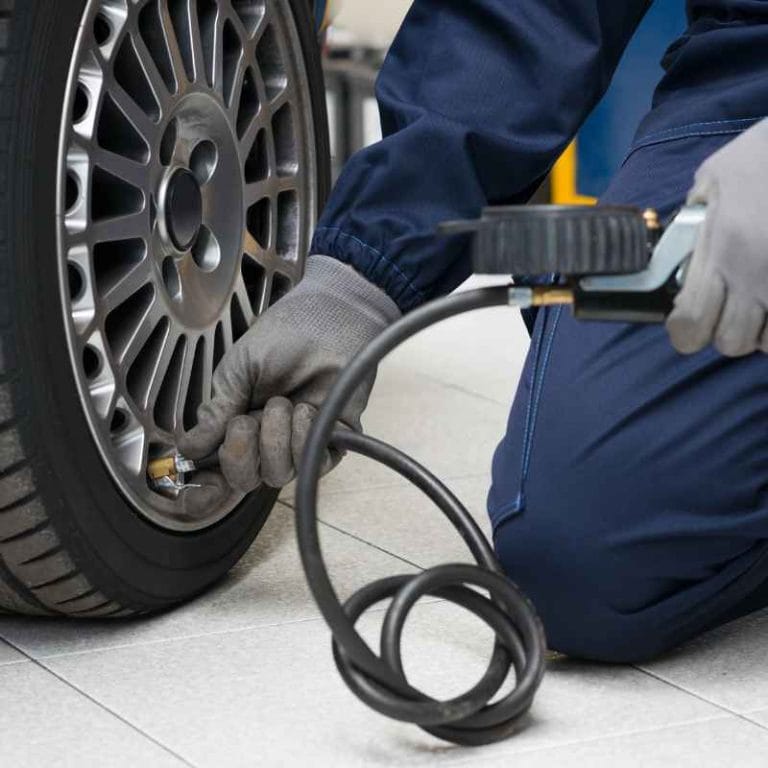
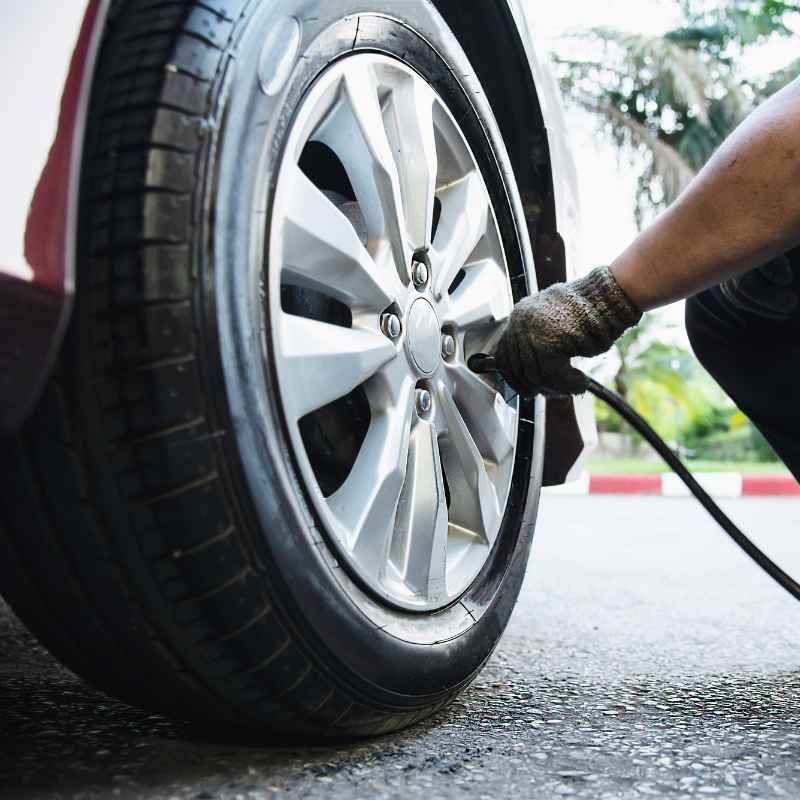
4. Attach the Hose: Unscrew the valve cap from your tire’s valve stem. Push the air hose connector firmly onto the valve stem.
You might hear a hiss. Make sure it’s sealed well. Most machines will start inflating automatically or require you to press a button.
5. Monitor Pressure: Watch the gauge on the machine. Stop adding air when you reach the recommended PSI.
If you overfill, most machines have a way to release air. You might need to press a button or use the hose itself.
6. Detach Hose and Replace Cap: Quickly remove the hose from the valve stem. Screw the valve cap back on tightly.
Repeat for all tires.
If the machine is free, you can skip the payment step. Just attach the hose and fill up. It’s a good habit to check all four tires.
Sometimes one tire might be more deflated than others.
What If I Can’t Find Free Air?
Don’t panic if you can’t find free air. The cost is usually pretty low. A dollar or two will get you enough air for all your tires at most stations.
Think of it as a small investment in your car’s safety and efficiency.
If you find yourself in this situation regularly, consider buying your own portable tire inflator. They plug into your car’s 12V outlet. They are very handy and can save you money over time.
Plus, you can check and inflate your tires anytime, anywhere.
Some people also ask about nitrogen instead of regular air. Nitrogen helps tires maintain pressure better in changing temperatures. It’s often used in racing.
For everyday driving, regular compressed air is perfectly fine. Stick with that unless your car manual suggests otherwise.
The important thing is to check your tire pressure often. Don’t wait until your tires look flat. Low tire pressure is a common issue that many drivers face.
Being prepared makes a big difference.
Real-World Scenarios in California
Living in California means dealing with different weather. Summers can be very hot, especially inland. This heat can cause tire pressure to rise.
Winter can bring cooler temperatures, and your tire pressure might drop. These changes mean you should check your tires more often.
For instance, if you live in a coastal area where temperatures are mild, your tire pressure might stay more stable. But if you drive to the mountains or the desert, you’ll see bigger shifts. This is why understanding your car’s needs is key.
Many Californians drive long distances for work or recreation. This means tires are constantly in use. Keeping them properly inflated ensures they don’t wear out too quickly.
It also helps ensure you get the best possible gas mileage on those long drives.
Think about the roads too. California has a variety of road surfaces. From smooth highways to rougher backroads, your tires take a beating.
Proper inflation helps them absorb some of that impact and keeps them from failing under stress.
What This Means for You
So, is car tire air free in California? Sometimes yes, sometimes no. The key takeaway is to not assume.
Always look for signs or check the machine’s instructions. If it asks for money, be ready to pay a small fee.
If you’re concerned about costs, make a habit of visiting auto parts stores that offer free air. Or, invest in a small portable inflator. Having your own tool gives you freedom and saves hassle.
The most important thing is that your tires are properly inflated. This is for your safety and your car’s health. A few minutes of your time and perhaps a dollar can make a big difference.
When you’re driving, especially on busy California roads, you want to feel confident. Knowing your tires are in good shape is a big part of that confidence. So, whether it’s free or costs a little, make that tire check a priority.
Quick Fixes & Tips
Here are some simple tips to keep your tire pressure in check:
- Know Your PSI: Always use the pressure recommended by your car’s manufacturer. Not the number on the tire itself (that’s the max pressure).
- Check When Cold: For the most accurate reading, check tire pressure before you drive for the day.
- Don’t Forget the Spare: If you have a spare tire, check its pressure too. It’s no good if it’s flat when you need it!
- Look for Wear Patterns: Uneven tire wear can be a sign of incorrect pressure.
- Get a Good Gauge: A small, reliable tire pressure gauge is a worthwhile purchase.
Frequent Questions About Tire Air
Is it safe to use air from a regular air compressor for my car tires?
Yes, for most standard passenger cars, regular compressed air from a gas station or a home compressor is perfectly safe and effective. It’s what most vehicles are designed to use.
How often should I check my tire pressure in California?
It’s best to check your tire pressure at least once a month. You should also check it before any long trips or if you notice a significant change in temperature. In California’s varied climate, monthly checks are a good habit.
What if a tire inflation machine doesn’t work?
If a machine is out of order, try another one at the same station or look for a different gas station. Sometimes there’s a customer service number to call for repairs.
Can I get air from a tire shop if I didn’t buy my tires there?
Most tire shops will happily provide air, often for free or a very small fee, regardless of where you purchased your tires. It’s a common service they offer.
How much should I expect to pay for tire air if it’s not free?
Typically, you can expect to pay between $0.75 and $1.50 for a few minutes of air. This is usually enough to inflate all four tires sufficiently.
Is nitrogen better than regular air for my tires?
Nitrogen can help tires maintain pressure more consistently with temperature changes. However, for everyday driving, regular compressed air is perfectly adequate and much more accessible.
Final Thoughts on Tire Air
Getting air for your car tires in California isn’t always free, but it’s rarely expensive. The most important thing is to keep those tires properly inflated. It’s good for your car, your wallet, and most importantly, your safety on the road.
So, next time you see a low tire, take a moment to check and fill it up.
See also car tire vs trailer tire key differences you must know. See also what happens when a car tyre bursts at high speed .
Products related to this article
Sponsored / affiliate links. As an Amazon Associate I earn from qualifying purchases. I may earn additional commission from eligible campaigns.