What Car Light Looks Like A Wrench? Dashboard Symbol Solved
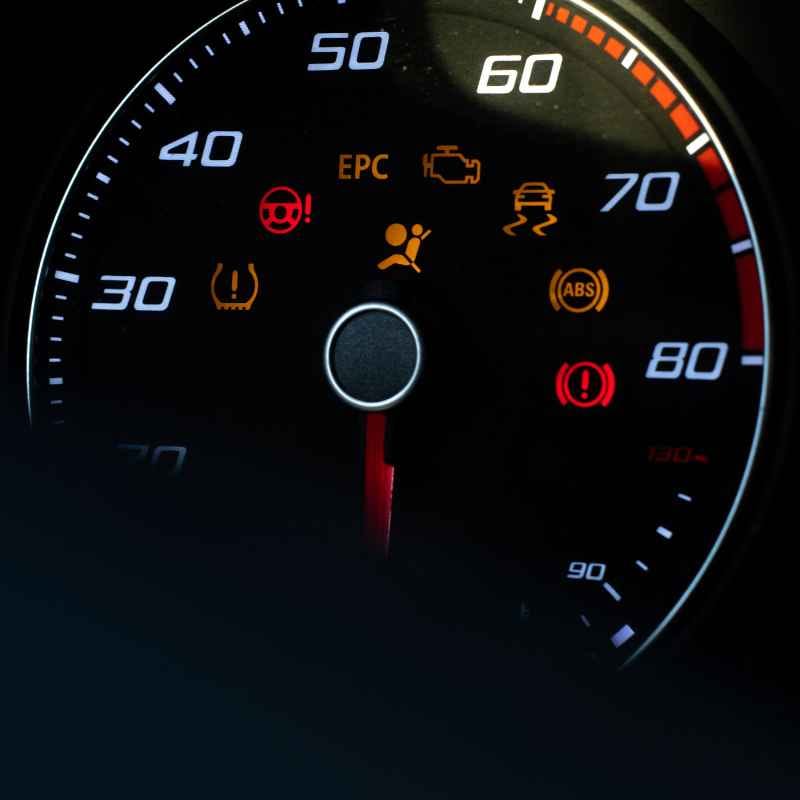
Seeing a new light pop up on your car’s dashboard can be scary. Especially when it looks like a little tool you might use for repairs. That strange symbol, often shaped like a wrench or a gear, can leave you wondering what’s wrong.
Is it serious? Do I need to pull over right now? You’re not alone in feeling this way.
Many drivers find this symbol confusing and a bit alarming. This guide will help you understand exactly what that wrench light means and what to do about it.
The car light that looks like a wrench typically signals an issue with the vehicle’s powertrain or electronic throttle control system. It often indicates a need for service, but it doesn’t always mean an immediate emergency. Check your owner’s manual for specific details on your car model.
What Is That Wrench Light?
That wrench symbol you’re seeing on your car’s dashboard is usually related to the vehicle’s onboard diagnostics system. It’s like a little messenger from your car, telling you something needs attention. This symbol is part of a system that monitors many different parts of your car.
When it detects a problem, it lights up to let you know. Think of it as your car’s way of saying, “Hey, I might need a little check-up.”
This warning light is often referred to as the wrench symbol or the service wrench light. It’s not usually a generic “check engine” light, though it can sometimes be related. This specific symbol often points to issues with the engine, transmission, or other major mechanical components.
It could also be an electronic problem. The system is designed to alert you before a small issue becomes a big, expensive one.
The exact meaning can vary a bit between car makes and models. Some cars use it for specific engine tune-ups. Others use it when there’s a fault detected by the engine control unit (ECU).
The important thing is that it’s a signal to pay attention. Ignoring it might lead to more serious damage down the road. So, seeing this light means it’s time to investigate.
When Did This Wrench Show Up? My Experience
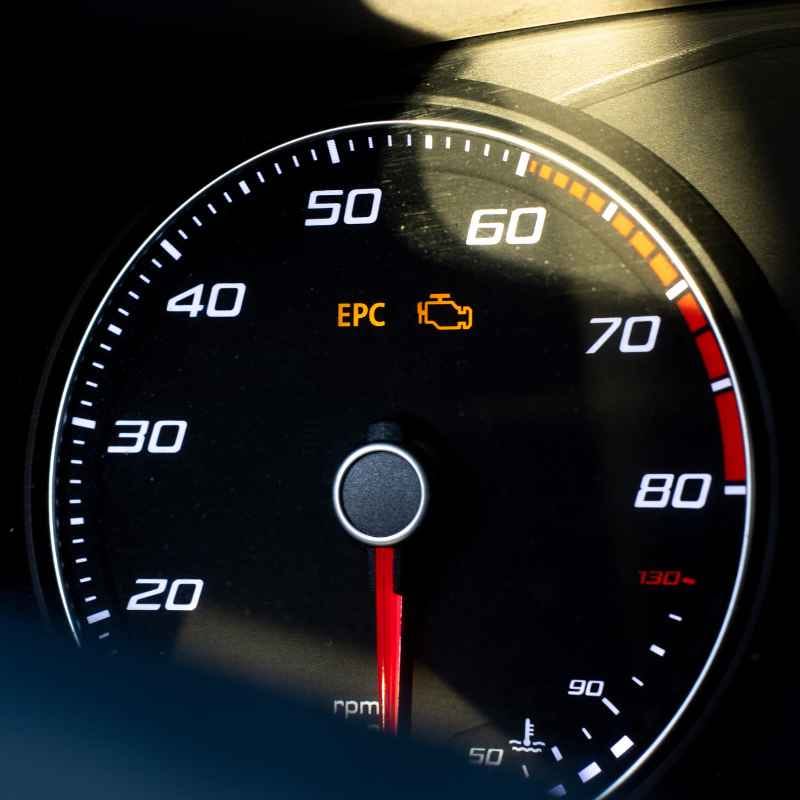
I remember the first time I saw that little metal tool light up on my dashboard. I was driving home after a long day, just trying to get my kids from school. Suddenly, there it was, glowing bright orange.
My heart sank. My mind immediately went to worst-case scenarios. Was my car going to break down on the side of the road?
I started thinking about tow trucks and expensive repair bills. It was stressful, to say the least.
I tried to stay calm and didn’t notice any immediate changes in how the car was driving. No strange noises, no weird smells, no loss of power. This made it even more confusing.
Was it just a random glitch? I pulled over in a safe spot, turned the car off, and then back on. The light stayed on.
That’s when I knew I couldn’t ignore it. I decided to drive home very carefully and consult my car’s manual.
Opening the manual felt like opening a cryptic ancient text. But there it was, right in the dashboard symbols section. The wrench light.
It explained that it indicated a potential issue with the powertrain. It wasn’t an immediate emergency, but it needed attention soon. Relief washed over me.
It wasn’t a fire or a complete engine failure. It was something that could be diagnosed. That night, I slept a little easier knowing I had a path forward.
Understanding the Wrench Symbol Across Brands
Ford: Often lights up for issues with the powertrain control module (PCM) or electronic throttle control (ETC). It might appear during routine maintenance reminders too.
Chevrolet: Similar to Ford, it can signal a problem with the engine or transmission. Sometimes, it’s linked to the StabiliTrak stability control system.
Dodge/Chrysler/Jeep: This light can point to various powertrain faults. It’s usually a signal to get the car scanned for diagnostic trouble codes (DTCs).
Toyota/Honda: While less common, some models may use a wrench-like symbol for maintenance reminders or specific system alerts.
Why Does This Wrench Light Come On?
The wrench light isn’t usually triggered by just one thing. It’s a broad warning. Modern cars have complex computer systems.
These systems monitor everything from your engine’s performance to your car’s transmission. When the computer finds something that’s not working as it should, it triggers this light. It’s like a digital alarm bell.
One common reason is an issue with the electronic throttle control (ETC) system. This system controls how much air goes into your engine based on how much you press the gas pedal. If there’s a problem with the throttle body, the pedal sensor, or the wiring, the wrench light can come on.
This can sometimes lead to a noticeable change in how the car accelerates.
Another frequent culprit is a problem with the powertrain control module (PCM). This is the main computer that manages your engine and transmission. If the PCM detects a fault in its own operation or in a sensor it relies on, it will signal you.
This could be anything from a faulty sensor reading to a more significant internal issue with the module itself.
Transmission problems can also cause the wrench light to illuminate. This could involve issues with sensors, solenoids, or the transmission fluid. Sometimes, the car might even go into “limp mode.” This is a safety feature that limits the car’s power to prevent further damage.
Your owner’s manual is your best friend here. It will often give more specific reasons for your particular car.
Common Triggers for the Wrench Light
- Electronic Throttle Control (ETC) Faults: Issues with the throttle body or sensors.
- Powertrain Control Module (PCM) Errors: Problems with the car’s main computer.
- Transmission Malfunctions: Sensor failures, fluid issues, or mechanical problems.
- Speed Sensor Issues: Faulty sensors that help the car measure its speed.
- Brake System Concerns: Sometimes linked to ABS or other related systems.
- Mass Airflow (MAF) Sensor Problems: Affects the air-fuel mixture for the engine.
- Turbocharger Problems: If your car has a turbo, issues here can trigger the light.
Is It Safe to Drive With the Wrench Light On?
This is the big question on everyone’s mind when that light appears. The answer is: it depends. Most of the time, the wrench dashboard symbol means your car needs service, but it’s not an immediate emergency.
You can usually continue driving, but with caution.
However, there are times when it’s best to stop driving as soon as it’s safe. If the wrench light comes on along with other warning lights, like the check engine light or a flashing red light, it’s a more serious sign. Also, pay close attention to how your car is driving.
If you notice any significant changes, like a strong loss of power, strange noises, rough idling, or difficulty shifting gears, it’s time to pull over.
Driving with a serious powertrain issue can lead to further damage. This can turn a manageable repair into a much more costly one. It could also be a safety hazard.
If the car suddenly loses power or becomes difficult to control, you want to avoid being in that situation on a busy highway.
The best advice is to consult your vehicle owner’s manual. It will provide specific guidance for your make and model. If you’re unsure, it’s always better to err on the side of caution.
Contacting a trusted mechanic or your dealership can give you peace of mind. They can perform a diagnostic scan to find out exactly what the code means.
Quick Safety Check: When Driving Might Be Risky
Check Other Lights: Is the wrench light on with other major warnings (like oil pressure or engine temp)? If yes, stop driving.
Feel the Drive: Are there any odd sounds, shakes, or power drops? If yes, stop driving.
Smell the Air: Any burning smells? If yes, stop driving immediately.
Consult Manual: Your car’s book has specific advice. If it says to stop, listen.
What Do I Do When I See the Wrench Light?
The moment you spot that car wrench light, take a deep breath. It’s not the end of the world. Here’s a step-by-step approach to handle it:
1. Check Your Owner’s Manual: This is your first and most important step. Your manual will have a section on dashboard warning lights.
It should tell you what the wrench symbol specifically means for your car. It might also suggest immediate actions or advise you to seek service soon.
2. Assess Car Performance: Pay attention to how your car is running. Is it driving normally?
Are there any unusual noises, vibrations, or smells? Is the acceleration sluggish? If the car feels fine, you likely have a little time.
If it’s behaving strangely, you should stop driving as soon as it’s safe.
3. Note Other Warning Lights: Is the wrench light the only one on? Or are other lights like the check engine light also illuminated?
A combination of lights can indicate a more urgent situation.
4. Schedule a Diagnostic Scan: The best way to know for sure what’s wrong is to get a diagnostic scan. Most auto repair shops and dealerships have special tools that plug into your car’s computer.
This tool reads the trouble codes (DTCs) that are stored when a warning light comes on. These codes point technicians toward the specific problem.
5. Visit a Trusted Mechanic: Once you have the diagnostic codes, you can take your car to a mechanic. Ideally, find a mechanic you trust who has experience with your car’s make and model.
They can interpret the codes and recommend the necessary repairs.
6. Consider DIY if Comfortable: If you’re mechanically inclined and the diagnostic code points to a simple fix, you might consider doing it yourself. However, for most people, it’s best to leave complex repairs to professionals.
Action Plan: Wrench Light Activated
Immediate:
- Owner’s Manual: Consult its warning light section.
- Car Feel: Note any performance changes (noises, power loss).
- Other Lights: Check if other warnings are active.
Next Steps:
- Diagnostic Scan: Get codes read at a shop.
- Trusted Mechanic: Take codes and car for repair.
- DIY (Optional): Only if confident and codes are simple.
What Does the Wrench Light Mean for Maintenance?
Sometimes, that little wrench symbol is simply a reminder for routine maintenance. Many modern cars have systems that track mileage and engine operating conditions. Based on this data, they’ll illuminate the wrench light to let you know it’s time for something like an oil change, tire rotation, or a more specific service interval check.
For example, a Ford owner might see the wrench light appear after reaching a certain mileage, indicating it’s time for a scheduled service. This is a proactive measure by the car’s computer. It’s trying to ensure you keep up with the manufacturer’s recommended maintenance schedule.
Following this schedule is crucial for the longevity and performance of your vehicle. It helps prevent bigger problems from developing.
If your wrench light comes on and the car is driving perfectly fine, and you’re close to a mileage marker for service (like 5,000 miles since your last oil change), it’s highly likely to be a maintenance reminder. Check your manual or service records to see what’s due. A quick oil change or filter replacement might be all that’s needed to turn the light off.
However, it’s important not to assume it’s just a maintenance reminder. If the light stays on after you’ve had the service done, or if it comes on unexpectedly, it could be a genuine fault. Always get it checked out to be certain.
A mechanic can confirm if it was a simple reminder or if there’s an underlying issue that needs fixing.
Maintenance vs. Malfunction: Decoding the Wrench
Maintenance Reminder Signs:
- Mileage Milestone: Light appears around a scheduled service interval (e.g., 5,000, 7,500, 10,000 miles).
- Car Runs Fine: No strange noises, smells, or performance issues.
- Owner’s Manual: Matches typical service reminder patterns.
Malfunction Alert Signs:
- Sudden Appearance: Light comes on without a clear mileage trigger.
- Performance Changes: Engine misfires, rough idling, loss of power, strange sounds.
- Other Lights On: Combined with check engine or other critical warnings.
- After Service: Light remains on even after maintenance is performed.
Can I Clear the Wrench Light Myself?
In some cases, a wrench light might appear due to a temporary glitch. Modern cars have sophisticated electronics, and sometimes these can get a little confused. A common, albeit temporary, way to try and clear some warning lights is by resetting the car’s computer.
The simplest way to do this is to disconnect the car’s battery for about 15-30 minutes. You’ll need to locate your car’s battery, typically under the hood. Then, using a wrench (usually 10mm or 13mm), disconnect the negative terminal (the black cable).
Wait for a while, then reconnect it securely. This process can sometimes reset the onboard diagnostic system and turn off the light.
However, there are big caveats here. Firstly, if the problem that triggered the light is still present, it will likely come back on shortly after you start driving again. Disconnecting the battery doesn’t fix the underlying issue; it just clears the immediate warning.
Secondly, this might reset other settings in your car, like your radio presets or clock.
More importantly, if the wrench light is on because of a serious mechanical or electronic fault, attempting to clear it without addressing the root cause is not recommended. It could lead to further damage or mask a dangerous problem. For most people, especially if the light reappears or if there are performance issues, it’s far safer and more effective to get a professional diagnostic scan done.
Resetting the Computer: Pros and Cons
Pros:
- Simple & Free: Can be done at home with basic tools.
- Temporary Fix: May clear minor glitches.
Cons:
- Doesn’t Fix Problem: If the fault persists, light returns.
- Resets Settings: Radio, clock, and other preferences may be lost.
- Masks Serious Issues: Can hide dangerous problems, leading to more damage.
- Not Always Effective: Some codes are stored more persistently.
Recommendation: Use as a last resort for minor doubts. Always follow up with a diagnostic scan if the light reappears.
When to Call a Professional Mechanic
There are several situations where you should definitely call a professional mechanic. Your safety and the health of your vehicle are the top priorities. If you’re ever in doubt, it’s always better to seek expert advice.
Here are some key times to contact a mechanic when the wrench symbol is illuminated:
1. Light Stays On After Reset: If you try the battery disconnect or if the light comes back on after a service, it’s a strong sign of a persistent issue. A professional has the tools to find and fix it.
2. Multiple Warning Lights: If the wrench light is on alongside other critical warnings (like the engine overheating, low oil pressure, or brake system failure), this indicates a potentially serious problem. Do not drive the car if these lights are on; call for a tow.
3. Noticeable Performance Issues: Any significant changes in how your car drives are a red flag. This includes:
- Sudden loss of power
- Rough idling or stalling
- Strange noises from the engine or transmission
- Difficulty shifting gears
- Spongy or unresponsive brakes
These symptoms, combined with the wrench light, suggest you need immediate professional attention.
4. Unfamiliarity with Car Systems: If you’re not comfortable working on cars or don’t have the right diagnostic tools, it’s best to leave it to the experts. Trying to fix a complex problem without the proper knowledge can lead to more damage and higher costs.
5. Uncertainty About the Cause: Even if the car seems to be driving okay, if you’re unsure why the light is on, a mechanic can provide a definitive diagnosis. They have the experience and equipment to pinpoint the exact problem, whether it’s a minor sensor issue or a major component failure.
6. Specific Manufacturer Warnings: Your owner’s manual might have specific warnings about certain lights. Always follow the manufacturer’s recommendations.
For instance, some manuals will explicitly state to stop driving and have the vehicle towed if a particular combination of lights appears.
When to Definitely Call the Pros
Persistent Light: If the wrench light stays on even after a service or reset attempt.
Multiple Warnings: When the wrench light appears with other critical dashboard indicators.
Performance Changes: If you notice power loss, strange noises, rough running, or shifting issues.
Lack of Experience: If you’re not comfortable diagnosing or repairing car issues.
Uncertainty: If you just don’t know what the light means for your specific car.
Safety First: Always prioritize your safety and the car’s condition over DIY attempts for complex issues.
What Could a Mechanic Find? Common Wrench Light Codes
When a mechanic plugs in their diagnostic scanner, they’ll retrieve trouble codes. These codes are like a secret language that tells them where the problem is. While the exact code depends on your car, some are very common when the dashboard wrench symbol appears.
Here are a few examples of what they might find:
P0000 Series (Engine Performance):
- P0171, P0174: System Too Lean (Bank 1 or 2) – This means there’s not enough fuel in the air-fuel mixture. It could be a vacuum leak, a faulty mass airflow sensor (MAF), or a fuel delivery problem.
- P0300-P0308: Random/Multiple Cylinder Misfire Detected – The engine is misfiring in one or more cylinders. This can be caused by bad spark plugs, ignition coils, fuel injectors, or low compression.
P0500 Series (Vehicle Speed and Idle Control):
- P0500: Vehicle Speed Sensor (VSS) Malfunction – The sensor that tells your car how fast it’s going might be faulty or its wiring damaged. This can affect transmission shifting and other systems.
P0600 Series (Internal Control Module):
- P0600: Serial Communication Link Malfunction – This indicates a problem with how different control modules in your car are talking to each other. It could be a wiring issue or a faulty module.
- P0621: Check Engine Light Control Circuit Malfunction – This is a bit of a catch-all, but it suggests a problem with the circuit that controls the check engine light, which can sometimes be linked to the wrench light.
P0700 Series (Transmission Control System):
- P0700: Transmission Control System (MIL) Request – This is a general code indicating the transmission control module (TCM) has detected a fault and is requesting the Malfunction Indicator Lamp (MIL, often the check engine or wrench light) to be illuminated. The TCM will likely have its own specific codes too.
- P0740: Torque Converter Clutch (TCC) System Malfunction – Problems with the torque converter, which helps your engine connect to the transmission.
This is just a small sample. There are hundreds of diagnostic trouble codes. A mechanic’s expertise is in reading these codes and understanding the context within your specific vehicle to accurately diagnose the problem.
Don’t try to self-diagnose based on codes alone without further research or professional help.
Common Wrench Light Diagnostic Trouble Codes (DTCs)
Engine Misfire:
- P0300 – P0308 (Indicates spark plug, ignition coil, or fuel injector issues)
Lean Fuel Mixture:
- P0171, P0174 (Suggests vacuum leaks or MAF sensor problems)
Speed Sensor Issues:
- P0500 (Vehicle Speed Sensor failure)
Communication Problems:
- P0600 (Issues between car computers)
Transmission Faults:
- P0700 (General transmission warning)
- P0740 (Torque converter issues)
Note: These are examples. Actual codes vary by vehicle. A professional scan is essential.
Preventing Future Wrench Lights
While some issues are unavoidable, you can significantly reduce the chances of seeing that wrench dashboard light again. Proactive care is key to a healthy car. Here’s how to keep your vehicle running smoothly:
Follow the Maintenance Schedule: This is the single most important thing you can do. Your owner’s manual lays out a schedule for oil changes, fluid checks, filter replacements, and inspections. Stick to it.
Regular maintenance catches small problems before they become big ones.
Use Quality Fluids and Parts: When you do get service, make sure the shop uses good quality parts and fluids recommended for your car. Cheap, off-brand parts can fail prematurely and cause issues.
Address Small Problems Quickly: If you notice a minor issue – a slight hesitation, a strange sound, a small leak – don’t ignore it. Get it checked out. These small issues can often be indicators of a larger problem brewing.
Drive Responsibly: Aggressive driving, such as rapid acceleration and hard braking, puts extra strain on your engine and transmission. Driving smoothly not only saves fuel but also reduces wear and tear on critical components.
Keep Your Engine Clean: While not always easy, keeping the engine bay reasonably clean can help you spot leaks or damage early. Dirt and grime can also obscure problems.
Pay Attention to Your Car: Get to know how your car normally sounds, feels, and behaves. This makes it easier to notice when something is not right. Trust your instincts if something feels off.
Proper Fuel Use: Always use the recommended octane fuel for your vehicle. Using lower octane fuel than recommended can sometimes lead to engine pinging or knocking, which can eventually cause damage.
By taking these preventative measures, you invest in the long-term health of your car. This not only saves you money on repairs but also gives you peace of mind every time you get behind the wheel.
Proactive Steps for a Happy Car
Regular Maintenance: Follow your owner’s manual service schedule diligently.
Quality Parts: Use reputable brands for oil, filters, and other components.
Prompt Repairs: Address minor issues before they escalate.
Smooth Driving: Avoid aggressive acceleration and braking.
Listen & Feel: Be aware of your car’s normal sounds and performance.
Correct Fuel: Use the octane rating recommended by the manufacturer.
Frequently Asked Questions About the Wrench Light
What’s the difference between the wrench light and the check engine light?
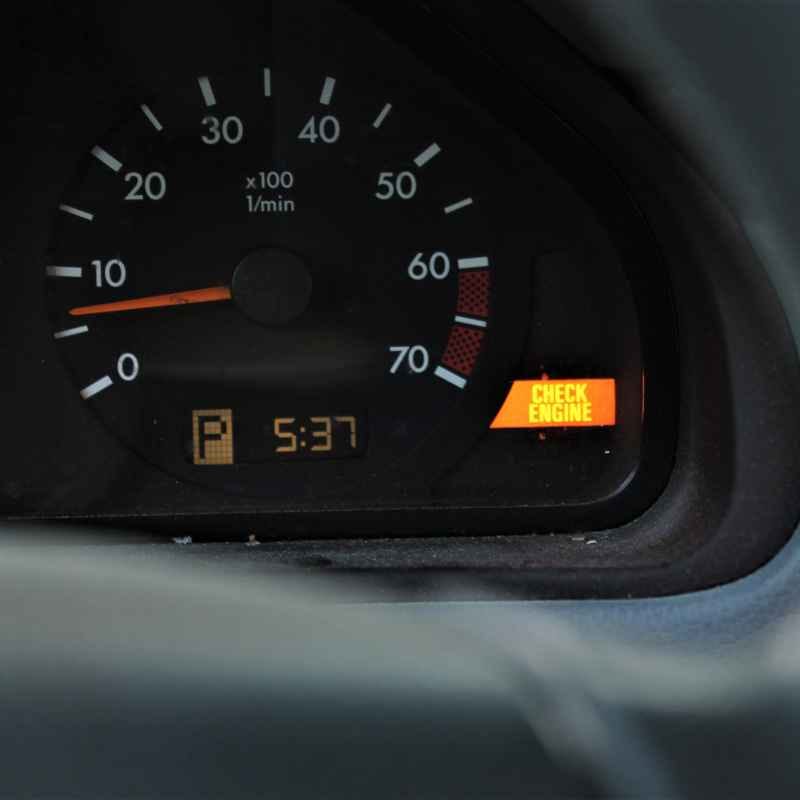
The wrench symbol often points to issues with the powertrain or electronic throttle control system. The check engine light is more general and can indicate a wider range of problems, including emissions system faults. However, some issues can trigger both lights, or one might precede the other.
Always consult your owner’s manual for specifics on your vehicle.
Can a bad battery cause the wrench light to come on?
Yes, a weak or failing battery can sometimes cause various warning lights to illuminate, including the wrench light. This is because other electronic systems in the car may not be receiving stable voltage. If you’re also experiencing slow starts or dimming lights, a battery issue is a strong possibility.
How long can I drive with the wrench light on before serious damage occurs?
It’s impossible to give an exact timeframe, as it depends heavily on the underlying cause of the light. If the issue is minor, like a sensor glitch, you might drive for a long time with no ill effects. However, if it’s a critical powertrain or transmission problem, driving for even a short distance could cause significant damage.
It’s always best to get it checked as soon as possible.
Does the wrench light mean I need a new transmission?
Not necessarily. While transmission problems can trigger the wrench light, it’s not always a sign that your transmission needs replacing. It could be a faulty transmission speed sensor, low transmission fluid, or a problem with a solenoid.
A proper diagnostic scan is needed to determine the exact cause.
Can I just ignore the wrench light and hope it goes away?
No, it’s highly advisable not to ignore it. While some lights might be temporary glitches, the wrench symbol typically indicates a fault detected by your car’s onboard diagnostics. Ignoring it could lead to more severe damage, increased repair costs, and potential safety issues.
It’s best to investigate the cause.
How much does it cost to fix a wrench light issue?
The cost varies greatly depending on the problem. A simple fix like replacing a sensor might cost a few hundred dollars. However, if it’s a more complex issue with the engine or transmission, repairs could run into thousands of dollars.
Getting a diagnostic scan first is crucial for an accurate estimate.
Conclusion
Seeing that wrench light on your dashboard can be unnerving. But now you know it’s usually a signal for service, not necessarily a breakdown. Understanding what it means, checking your manual, and getting a diagnostic scan are your key steps.
Taking proactive care of your vehicle through regular maintenance is the best way to prevent these alerts from appearing. Stay informed, stay safe, and keep your car running smoothly.
See also best car lights for fog driving top rated options. See also how to improve car headlight brightness quickly at home.