Can A Transmission Control Module Cause Limp Mode? Yes, Here
It’s a moment that can stop you in your tracks. Your car suddenly feels sluggish, won’t accelerate much, and the dashboard might light up with warnings. This is often called “limp mode.” It’s your car’s way of telling you something is wrong, and it’s protecting itself.
Many things can trigger this. But one common culprit is the Transmission Control Module, or TCM.
You might be wondering if your TCM is really the reason your car is acting this way. It’s a valid question. This module is a key part of your car’s transmission system.
When it’s not working right, it can definitely put your car into limp mode. We’ll dive deep into how this happens.
We will explore the signs you might see. We’ll talk about why a TCM failure puts your car in this mode. You’ll learn what this means for your driving.
And we’ll cover what you can do next. Let’s get your questions answered.
A Transmission Control Module (TCM) failing can absolutely cause your car to enter limp mode. This happens because the TCM is vital for managing your transmission’s gears and shifts. When it malfunctions, it can trigger safety protocols, forcing the transmission into a restricted, low-power state to prevent further damage.
What Is Limp Mode and Why Does It Happen?

Manymiba
Manymiba Programmed TCM TCU Transmission Control Module…
- 【𝗙𝗮𝗰𝘁𝗼𝗿𝘆-𝗣𝗿𝗼𝗴𝗿𝗮𝗺𝗺𝗲𝗱 𝗳𝗼𝗿 𝗜𝗻𝘀𝘁𝗮𝗻𝘁 𝗨𝘀𝗲】Pre-programmed specifically for 2011-2022 Ford Focus 2.0L models with DPS6 transmissions. This…
- 【𝗚𝗲𝗻𝘂𝗶𝗻𝗲 𝗢𝗘𝗠-𝗟𝗲𝘃𝗲𝗹 𝗥𝗲𝗽𝗹𝗮𝗰𝗲𝗺𝗲𝗻𝘁】Engineered as a direct replacement for multiple OEM part numbers (including A2C53377498, AE8Z-7Z369…
- 【𝗦𝘁𝗿𝗮𝗶𝗴𝗵𝘁𝗳𝗼𝗿𝘄𝗮𝗿𝗱 𝗜𝗻𝘀𝘁𝗮𝗹𝗹𝗮𝘁𝗶𝗼𝗻】The module comes pre-loaded with the correct Ford software. Simply install it and perform the final…
As an Amazon Associate I earn from qualifying purchases.
Imagine your car’s computer is like a smart brain. It monitors many parts. The transmission is complex.
It needs precise commands for shifting gears. This is where the TCM comes in. It’s a small computer itself.
It talks to other car computers.
The TCM controls how your automatic transmission shifts. It tells it when to change gears. It also manages clutch engagement.
This ensures smooth acceleration. It uses data from various sensors. These sensors measure things like vehicle speed.
They also check engine load and throttle position.
When the TCM detects a problem with the transmission itself or its own operation, it activates “limp mode.” This is a safety feature. It limits the car’s performance. This prevents the transmission from breaking completely.
It’s like your car saying, “Whoa, something’s wrong. I need to slow down and protect myself.”
In limp mode, the transmission usually stays in one gear. Often, this is second or third gear. This allows you to drive slowly.
You can typically get to a mechanic. The engine power is also reduced. This stops you from pushing the transmission too hard.
Several things can cause limp mode. A faulty transmission sensor is one. Low transmission fluid is another.
Internal transmission damage can also trigger it. And, as we’re focusing on, issues with the Transmission Control Module can be a major cause.
TCM’s Role in Transmission Health
Core Function: The TCM is the brain for your automatic transmission. It decides when to shift gears.
Sensor Input: It reads data from speed sensors, engine speed sensors, and throttle position sensors.
Command Output: It sends signals to solenoids and hydraulic systems to execute shifts.
Safety Protocols: It monitors for errors. It can activate limp mode if issues arise.
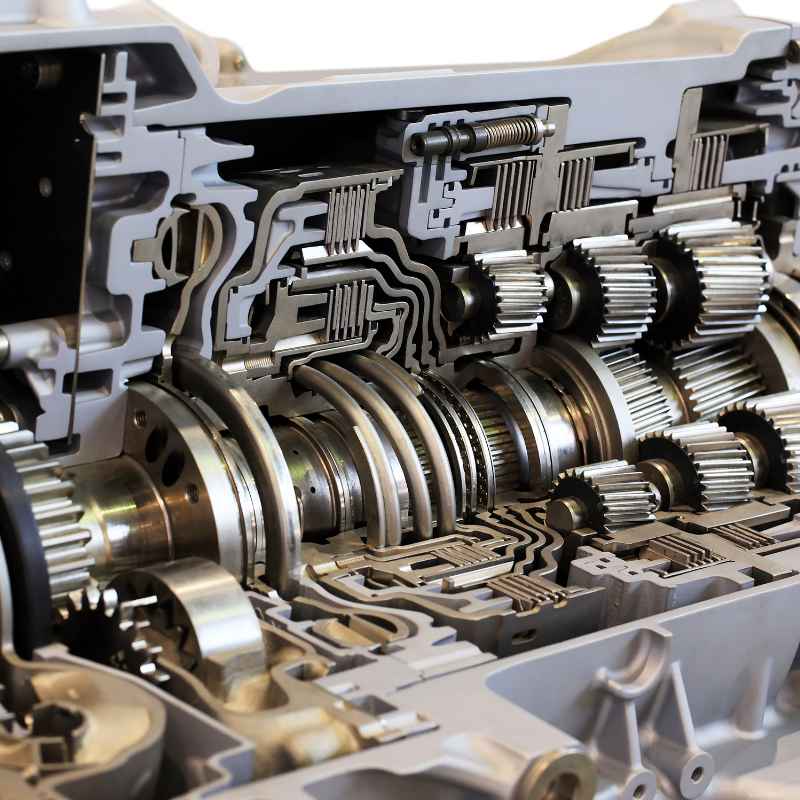
The Transmission Control Module: Your Car’s Transmission Brain
Think of the TCM as the conductor of an orchestra. The transmission is the orchestra. The TCM ensures all the instruments (gears, clutches) play together perfectly.
It receives constant updates from the vehicle’s network. This data helps it make split-second decisions about shifting.
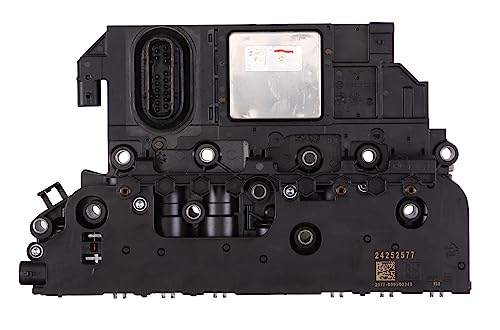
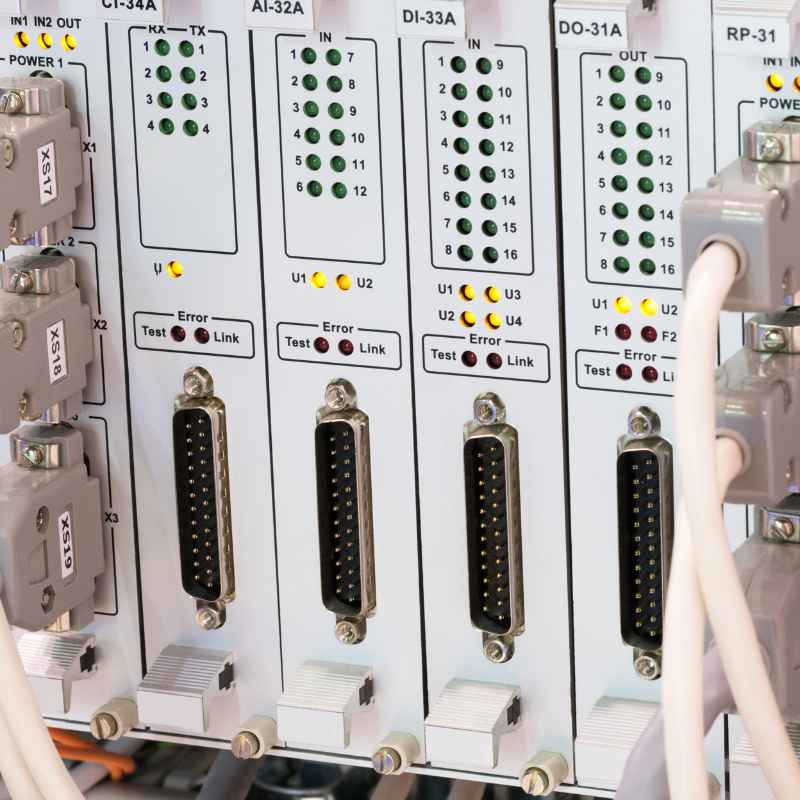
A TCM is a sophisticated electronic control unit (ECU). It’s specifically designed for transmission management. Inside, microprocessors process information.
They run complex software algorithms. These algorithms are tuned by the car manufacturer. They are designed for optimal performance and fuel economy.
When the TCM receives faulty data, or if its internal components fail, it can no longer manage the transmission correctly. For example, if a TCM incorrectly thinks the transmission is overheating, it might engage limp mode as a precaution. It’s trying to be helpful, but it’s acting on bad information.
The TCM works closely with the Engine Control Module (ECM) or Powertrain Control Module (PCM). These modules share information. This coordination is vital.
It helps ensure the engine and transmission work in harmony. A problem in one module can sometimes affect the other.
If the TCM itself has a software glitch or a hardware failure, it might not be able to communicate properly. This communication breakdown is a red flag for the car’s overall computer system. The system then often defaults to a safe mode, which is limp mode.
Many car owners don’t even realize the TCM is a separate unit. On older cars, it might be integrated into the engine computer. Modern cars often have it as a distinct module.
This modular design makes troubleshooting easier. But it also means a TCM failure is a specific issue to address.
Signs Your TCM Might Be Causing Limp Mode
Not all limp mode situations point to the TCM. But there are some clues. You might notice the transmission behaves strangely even before limp mode kicks in.
Sometimes, the warning lights are a bit more specific.
One common sign is erratic shifting. Gears might feel clunky. They might slip when you expect a smooth change.
The transmission might hesitate to shift up or down. Or it might shift at odd times.
You could also experience a complete loss of power. This is very noticeable. The car just won’t go faster, no matter how hard you press the gas pedal.
This sudden lack of acceleration is a hallmark of limp mode.
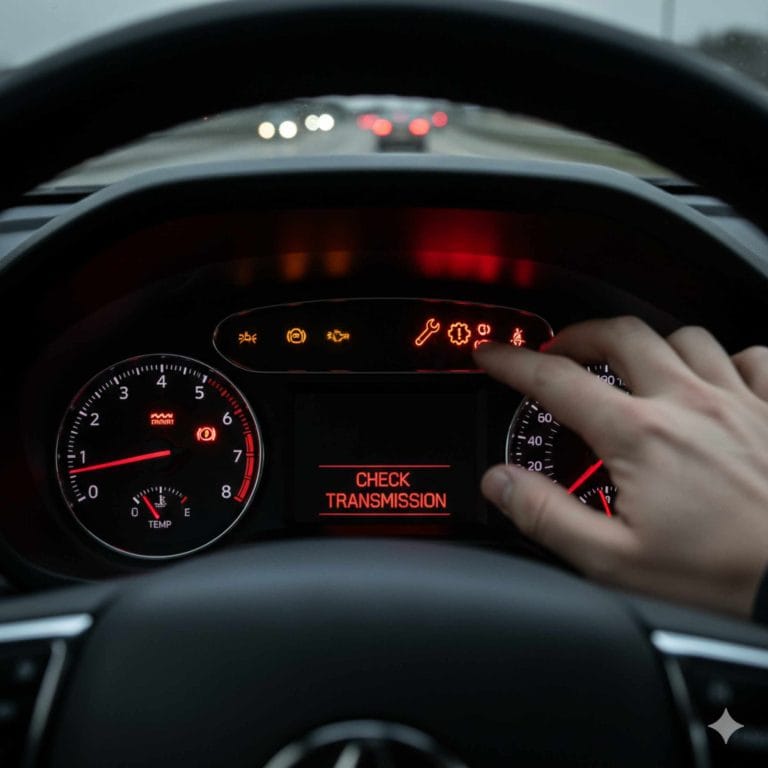
The dashboard is your best friend here. If your check engine light comes on, pay attention. If the transmission warning light also illuminates, it’s a strong indicator.
Some cars have a specific “Transmission Fault” light.
Another symptom can be the transmission refusing to shift out of a certain gear. You might be stuck in what feels like first or second gear. This is a direct result of the TCM restricting its operation.
Occasionally, you might smell something unusual. A burning smell could indicate transmission fluid overheating. While this might not be a direct TCM fault, the TCM might activate limp mode to prevent further damage.
It’s also worth noting that sometimes the issue isn’t obvious until you try to drive. You start the car, and it seems fine. Then, as you accelerate, it drops into limp mode.
This sudden transition can be alarming.
Common Symptoms Pointing to Transmission Issues (Possibly TCM)
- Sudden loss of acceleration
- Transmission feels stuck in one gear
- Rough or delayed gear shifts
- Check engine light is on
- Transmission warning light is on
- Car enters “limp mode” with reduced speed
My Own “Oh No” Moment with a Transmission Issue
I remember one time, a few years back, I was driving home from a friend’s house. It was late, and I was tired. The road was pretty empty.
Suddenly, my car just lost power. It felt like someone had turned off the engine, but it was still running.
The accelerator pedal did nothing. My speed dropped rapidly. My heart sank.
I looked at the dashboard. The check engine light was on. But worse, a red exclamation point inside a gear symbol started flashing.
That’s when I knew it was something serious with the transmission.
I managed to coast to the side of the road. The car was still moving, but so slowly. It felt like I was driving a golf cart.
I was miles from home. My mind raced with all the expensive repairs I might face. I was so frustrated and a little scared.
I called for a tow truck. The driver took one look and said, “Sounds like limp mode. Could be a lot of things.” He was right.
Later, the mechanic found that a specific sensor relay connected to the TCM had failed. This confused the TCM, and it put the car into its safe mode. It wasn’t the TCM itself that was bad, but something it relied on.
That repair cost me a few hundred dollars, which felt like a win compared to a whole new transmission.
How a Faulty TCM Forces Limp Mode
The TCM monitors itself constantly. It runs internal diagnostic tests. If it finds an error in its own programming or hardware, it can trigger limp mode.
It’s like a doctor who, if they feel sick, might stop their own work to avoid making a mistake.
Here are some specific ways a TCM failure can lead to limp mode:
Internal Component Failure
The TCM is filled with electronic components. These can fail over time. This includes microchips, capacitors, and resistors.
If a critical component within the TCM fails, it can no longer process information correctly. This loss of function forces the transmission into limp mode.
Software Glitches or Corruption
Like any computer, the TCM runs software. This software can develop bugs. It can also become corrupted.
This might happen due to power surges, failed updates, or just age. A corrupted TCM can send wrong signals or no signals at all, leading to limp mode.
Communication Errors
The TCM needs to communicate with other modules in your car. If it can’t talk to the ECM or other sensors, it doesn’t have the full picture. This loss of communication is seen as a serious fault.
The car’s system then activates limp mode.
Faulty Sensor Readings Processed by TCM
Even if the TCM itself is working, it can be fooled. If it receives incorrect data from a transmission sensor, it might make a bad decision. For example, a faulty speed sensor might tell the TCM the car is moving too fast or too slow.
The TCM, believing this bad data, might shift into limp mode to protect the transmission from imagined stress.
In this scenario, the TCM isn’t broken. It’s acting on what it thinks is real. The problem is the faulty input.
So, diagnosing limp mode often involves checking not just the TCM but all the sensors and wires connected to it.
TCM Failure Scenarios
Scenario 1: Bad TCM Hardware
A solder joint breaks inside the TCM. This cuts off power to a vital chip. TCM can’t control shifts.
Limp mode activated.
Scenario 2: Software Glitch
A power surge corrupts the TCM’s memory. The shift logic becomes scrambled. The system detects an anomaly.
Limp mode engaged.
Scenario 3: Communication Loss
The TCM’s communication wire is frayed. It stops talking to the engine computer. This loss of connection triggers a safety response.
Limp mode.
Scenario 4: Misinterpreted Sensor Data
A transmission fluid temperature sensor fails. It sends a reading of 300°F. TCM sees this as a critical overheat.
Limp mode activates to protect. (Actual temp was normal).
Real-World Scenarios Where TCM Issues Surface
Let’s look at some common situations where a TCM problem might show up. These are based on experiences I’ve seen and heard about. They highlight how different factors can lead to the same symptom: limp mode.
The Unexpected Electrical Surge
I’ve seen this happen after a battery replacement or jump start. If the voltage spikes too high, it can fry sensitive electronics. A TCM can be susceptible to this.
One minute your car is fine, the next it’s in limp mode. The TCM may have received a damaging surge.
This is more common with older TCMs. Newer ones have better protection. But it’s still a possibility.
It’s why proper battery handling is important. Mechanics usually disconnect the battery when working on electrical systems.
Water Intrusion and Corrosion
The transmission area can be exposed to water. Driving through deep puddles or flooding can get moisture into electrical connectors. Corrosion can build up over time.
This corrosion can interfere with electrical signals. It can also damage the TCM’s casing or internal boards.
In one case, a car owner reported limp mode after washing their car. Water had seeped into the TCM connector. This caused a short circuit.
The TCM started giving erratic signals. Limp mode was the immediate result.
High Mileage and Wear and Tear
Just like any part of your car, the TCM has a lifespan. High mileage means the components inside have been active for a long time. They can wear out.
Heat from the engine bay also contributes to aging electronics.
On a car with over 150,000 miles, I saw the TCM start to fail. It wasn’t a sudden death. It was gradual.
First, some rough shifts. Then, occasional limp mode instances. Eventually, it stayed in limp mode permanently.
The internal electronics had simply aged out.
Common Real-World Triggers for TCM-Related Limp Mode
- Voltage Spikes: During jump starts or battery replacements.
- Water Damage: From heavy rain, car washes, or driving through water.
- Corrosion: In connectors and on TCM circuit boards over time.
- Heat Exposure: From the engine bay, especially in stop-and-go traffic.
- Vibration: Constant shaking can loosen internal connections.
- Age: Electronic components degrade over years of use.
What Does Limp Mode Actually Mean for Your Drive?
When your car enters limp mode, it’s a clear signal to stop driving normally. You can usually drive, but with severe limitations. This is by design.
The goal is to prevent further, more costly damage.
Here’s what you can expect:
Restricted Acceleration
The most noticeable effect is the lack of power. The car will feel very slow. It struggles to get up to speed.
This is because the TCM is limiting engine output. It’s also often stuck in a higher gear, like second or third, making initial acceleration very weak.
Limited Gear Selection
Most often, the transmission will lock into a single gear. This is usually a safe gear like second or third. You won’t be able to shift up or down.
Manual modes, if your car has them, will not work.
Reduced Top Speed
Even if you floor the accelerator, the car won’t go very fast. The top speed might be limited to around 30-40 mph. This is another protective measure.
Dashboard Warning Lights
As mentioned, you’ll likely see warning lights. The check engine light is almost always on. You might also see a transmission warning light, an ABS light, or other related error indicators.
These lights are your car’s way of shouting for attention.
Driving in limp mode for an extended period is not recommended. While it’s designed to protect the transmission, it’s not a long-term solution. You need to get the underlying issue diagnosed and repaired.
Quick Scan: Limp Mode Impact
| Symptom | Description |
|---|---|
| Power Loss | Car feels very sluggish, struggles to accelerate. |
| Gear Lock | Transmission stuck in one gear (usually 2nd or 3rd). |
| Speed Limit | Maximum speed is significantly reduced (e.g., 30-40 mph). |
| Warning Lights | Check Engine, Transmission Fault, ABS lights likely illuminated. |
When is Limp Mode Normal (ish) vs. Concerning?
Limp mode itself is always a sign that something is wrong. Your car wouldn’t go into this restricted state unless its computer detected a fault. However, the severity and persistence of limp mode can tell you a lot.
Normal (but still needs attention)
If limp mode comes on suddenly after you hit a big pothole, or right after a significant system change (like a new battery installed incorrectly), it might be a temporary electrical hiccup or a sensor giving a false reading. The car might go back to normal after a restart. However, even in these cases, it’s wise to get it checked.
That event might have revealed a weak spot.
Concerning
If limp mode occurs without any obvious external cause, or if it happens repeatedly, that’s more concerning. If the car stays in limp mode even after you turn it off and on, it’s a stronger indicator of a serious underlying problem. This could be a failing TCM, a damaged transmission component, or a critical sensor failure.
The key is to not ignore it. Even if the car seems drivable, the underlying fault is still there. It could worsen over time and lead to more expensive repairs.
Think of it like a fever: it’s your body telling you something is wrong, even if you can still walk around.
Simple Checks You Can Do
Before rushing to a mechanic, you can perform a couple of basic checks:
- Check Transmission Fluid: Ensure your transmission fluid is at the correct level and looks clean. Low or dirty fluid can cause shifting problems.
- Check Battery Connections: Make sure your battery terminals are clean and tight. Loose connections can cause all sorts of weird electrical issues.
- Restart the Car: Sometimes, a simple restart can clear a temporary electronic glitch. If limp mode disappears, still get it checked soon.
Quick Fixes and Tips for TCM-Related Limp Mode
When your car is in limp mode due to a suspected TCM issue, the “fixes” are usually not quick DIY jobs. This isn’t like topping up your windshield washer fluid. It often requires specialized tools and knowledge.
Here are some guidelines and tips:
Get It Scanned Professionally
The first and most important step is to have a mechanic scan your car’s computer. They will use an OBD-II scanner. This tool reads diagnostic trouble codes (DTCs) stored in the car’s computer.
These codes provide clues about what the system detected.
Codes related to the TCM might start with “P07xx” or “U0
Consider TCM Repair vs. Replacement
If the TCM is indeed faulty, you have a few options. You can often repair a TCM. Specialized shops can diagnose and fix issues like bad solder joints or corrupted software.
This can be cheaper than a new TCM.
However, if the TCM is severely damaged (e.g., from water damage or a major electrical surge), replacement might be necessary. A new TCM will likely need to be programmed to your specific vehicle by a dealership or a qualified mechanic.
Check Wiring and Connectors
Sometimes, the TCM is fine, but the wiring harness connected to it is damaged. Look for frayed wires, corroded pins, or loose connectors. These can easily disrupt communication and trigger limp mode.
A mechanic can thoroughly inspect these.
Fluid Level and Condition
Always ensure your transmission fluid is at the correct level and condition. Old, burnt, or low fluid can cause serious transmission problems that might be misinterpreted by the TCM, leading to limp mode.
It’s crucial to understand that attempting complex electronic repairs on a TCM without the right knowledge can make things worse. For safety and effectiveness, rely on experienced automotive technicians.
TCM & Limp Mode: What to Do Next
Step 1: Scan for Codes
Use an OBD-II scanner to retrieve diagnostic trouble codes (DTCs). This is essential.
Step 2: Inspect Wiring
Check the TCM’s wiring harness for visible damage, corrosion, or loose connections.
Step 3: Check Transmission Fluid
Verify the fluid level and condition. Low or dirty fluid needs addressing.
Step 4: Professional Diagnosis
If codes point to TCM, consult a mechanic experienced with transmission electronics. They can test the TCM itself.
Step 5: Repair or Replace
Based on diagnosis, decide on TCM repair, replacement, or addressing related component failures.
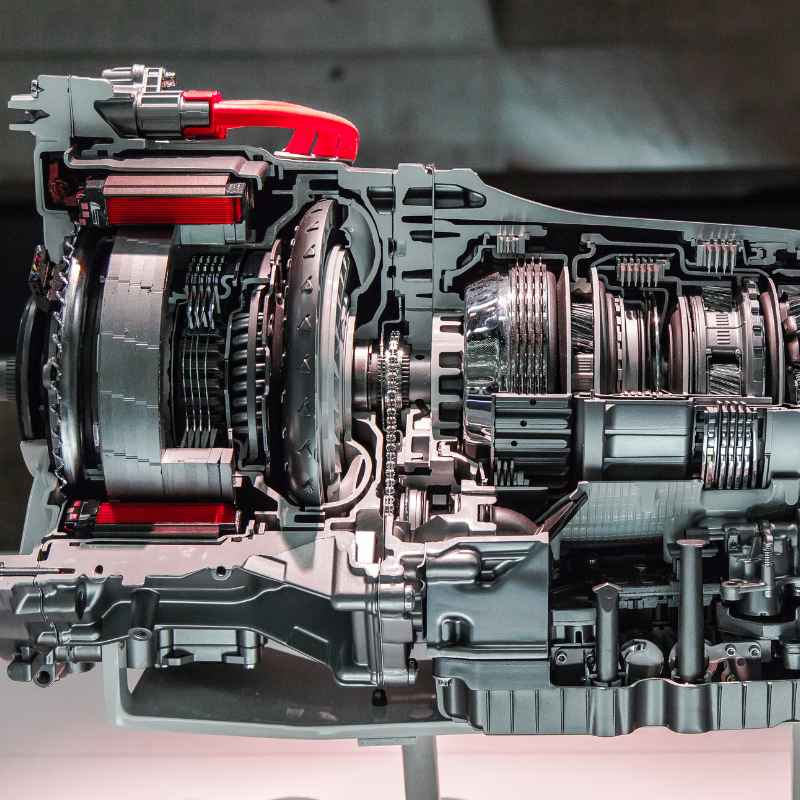
Frequently Asked Questions About TCMs and Limp Mode
What exactly is a Transmission Control Module (TCM)?
A Transmission Control Module (TCM) is a small computer in your car that controls the automatic transmission. It monitors sensors and tells the transmission when to shift gears for smooth driving and efficiency.
Can a bad TCM cause my car to not start?
While a faulty TCM primarily affects the transmission, some vehicles have integrated systems. In rare cases, a severe TCM failure might prevent the engine from starting if it cannot communicate properly with other critical modules. However, it’s less common than limp mode.
How much does it cost to fix a faulty TCM?
The cost varies greatly. Replacing a TCM can range from $500 to over $1,500, depending on the car and if it needs programming. Repairing a TCM might be cheaper, often costing a few hundred dollars.
Professional diagnosis is key to accurate pricing. See our full TCM replacement cost breakdown for what affects your price.
My car went into limp mode after hitting a pothole. Is it definitely the TCM?
Not necessarily. Hitting a pothole can jolt sensors, damage the transmission, or loosen wiring. While the TCM might have triggered limp mode due to a faulty reading from a disturbed sensor, the root cause might be elsewhere.
A diagnostic scan is needed.
How long can I drive in limp mode?
It’s best to drive in limp mode for the shortest time possible, only to get your car to a safe place or a mechanic. Driving for extended periods can put stress on other components and potentially worsen the problem, leading to more expensive repairs.
What’s the difference between a TCM and a PCM?
A PCM (Powertrain Control Module) or ECM (Engine Control Module) manages the engine. A TCM specifically manages the automatic transmission. On some older vehicles, these functions might be combined into one unit.
Modern vehicles often have separate TCMs.
Can I replace a TCM myself?
While physically replacing a TCM might be possible for some DIYers, it often requires specialized programming and calibration tools. These tools are typically only available to professional mechanics and dealerships. Incorrect programming can lead to more issues.
Conclusion: Understanding Your Car’s Signals
Seeing your car enter limp mode can be unnerving. It’s a sign that your vehicle’s sophisticated systems have detected a problem. And yes, a failing or malfunctioning Transmission Control Module is a very common reason for this to happen.
The TCM, as the brain of your transmission, plays a critical role. When it falters, it initiates a protective shutdown, limiting your car’s performance to prevent further damage.
Paying attention to the symptoms – the sluggish acceleration, the warning lights, the inability to shift properly – is your first step. Don’t ignore these signals. They are your car’s way of communicating its needs.
A timely visit to a qualified mechanic for a diagnostic scan can pinpoint the exact cause, whether it’s the TCM itself, a related sensor, or wiring issues.
Understanding how your car works, even at a basic level, empowers you. It helps you make informed decisions about repairs. And it can save you time and money in the long run.
Limp mode is a message, not a dead end.
See also best 4l80 transmission controller picks for any budget.
Related pick: Check today's price on Amazon
Products related to this article
Sponsored / affiliate links. As an Amazon Associate I earn from qualifying purchases. I may earn additional commission from eligible campaigns.