What Causes Car Indicators to Stop Working? Fix It Fast
Car indicators can stop working for several simple reasons, including blown bulbs, a failing flasher relay, or a faulty fuse. In this guide, you’ll learn what causes indicator failure and how to diagnose and fix the problem quickly, often in under 30 minutes.
Simply put, the most common cause of indicator failure is a blown bulb or a bad flasher relay. Check the bulbs on both sides first, then inspect the fuse and relay. Most fixes cost less than $20 and require only basic hand tools.
Key Takeaways
- Car indicators can stop working due to blown bulbs, bad relays, blown fuses, or wiring faults.
- Diagnosing the issue takes about 10 minutes with simple checks like listening for clicks and testing the hazard lights.
- Fixing indicator problems is usually a DIY job, but some electrical issues need a professional mechanic.
- Regular maintenance of bulbs and connectors can prevent most indicator failure from happening in the first place.
What Causes Car Indicators to Stop Working? The Most Common Culprits
Your indicator circuit is simple: power flows from the battery through a fuse, a flasher relay, the indicator switch, and then to the bulbs. When any part of that chain breaks, the blinkers stop working.
Most failures happen because a component wears out, corrodes, or simply burns out over time. Here are the five most common causes:
- Blown indicator bulb – The most frequent cause. Bulbs naturally burn out after hundreds of hours of use.
- Bad flasher relay – This small component creates the clicking sound and flashes the current. It can fail internally with age.
- Blown fuse – A power surge or short circuit can pop the fuse that controls the indicator circuit.
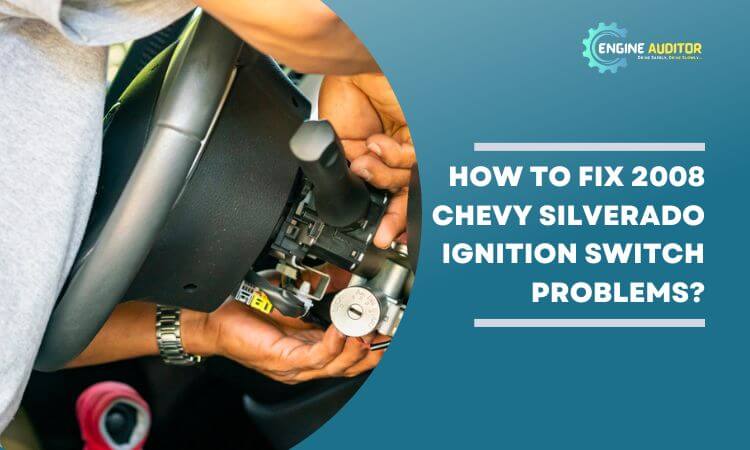
- Faulty indicator switch/stalk – The plastic lever on the steering column can break or wear out, losing contact.
- Corroded wiring or earth connection – Moisture and road salt can corrode connectors, interrupting the circuit.
Sometimes the issue is in the bulb holder itself. The metal contacts can bend or oxidize, preventing the bulb from grounding properly.
Here’s a quick reference table to help you match symptoms to causes:
| Symptom | Likely Cause |
|---|---|
| One side not blinking | Blown bulb on that side |
| Both sides not working | Bad relay or blown fuse |
| Rapid flashing | One bulb burned out on that side |
| No clicking sound | Flasher relay failure |
| Intermittent operation | Corroded wiring or loose bulb |
According to the Royal Society for the Prevention of Accidents (RoSPA), failed indicator lights are a contributing factor in thousands of low-speed collisions each year. Understanding what causes car indicators to stop working is the first step to staying safe on the road.
How to Diagnose the Problem Quickly
Before you buy any parts, spend a few minutes narrowing down the cause. You don’t need a multimeter to start – just a good eye and a bit of listening.
Follow these steps in order:
- Turn on the hazard lights. If they flash on all four corners, the relay, fuse, and bulb circuits are mostly fine. The problem is likely the indicator switch.
- Listen for a clicking sound. Click fast? That’s usually a blown bulb. No click at all? The relay or fuse may be dead.
- Walk around the car. Check front and rear indicators on both sides. Note which ones are dark, dim, or flickering.
- Test the turn signal in both directions. If only left or right fails, the issue is isolated to that side.
- Try the dashboard arrow. A glowing arrow that stays solid (not flashing) often means a bulb is out.
Tip: Use your phone’s camera to check front and rear indicators while you press the lock button or activate hazards. Some cars have indicator bulbs that are hard to see directly.
If all bulbs work in hazard mode and the regular blinker fails, the switch stalk is your prime suspect. On many older cars, the switch can be taken apart and contacts cleaned, but replacement is often easier and more reliable.
How to Fix Car Indicators That Stopped Working (Step-by-Step)
Once you’ve identified the likely culprit, the repair is usually straightforward. You’ll need a few basic tools: a screwdriver set, pliers, and possibly a replacement bulb, fuse, or relay.
Here’s exactly how to fix car indicators that stopped working:
Step 1: Inspect and Replace the Bulbs
Remove the indicator lens or tail light cover using a screwdriver. Twist the bulb socket counterclockwise and pull it out.
- Look for a broken filament or blackened glass.
- Check the socket for rust or bent contacts.
- Replace the bulb with the exact same type (check the owner’s manual).
- Apply a tiny amount of dielectric grease to the base to prevent corrosion.
Step 2: Check and Replace the Fuse
Locate the fuse box under the dashboard or hood. The fuse for the indicators is labeled “TURN” or “HAZARD” in the cover diagram.
- Pull the fuse with included pliers or tweezers.
- Hold it to light or use a test light to see if the metal strip is broken.
- Replace with the same amperage fuse (usually 10A or 15A).
Step 3: Swap the Flasher Relay
The relay is a small black or silver box that plugs into the fuse box. It makes the rhythmic clicking sound. Buy a new relay matching your car’s part number, then unplug the old one and plug in the new one.
Step 4: Test the Switch and Wiring
If bulbs, fuses, and relay are fine, the switch or wiring needs attention. Spray electrical contact cleaner into the switch stalk while working it back and forth. If that doesn’t work, the switch may need replacement – this is a moderate DIY job, so consider a mechanic if you’re not experienced.
Warning: Always disconnect the car battery before working on electrical components. A short circuit can blow fuses or damage the body control module.
According to a study by the Department for Transport, faulty indicator lights are responsible for roughly 3% of all lighting-related vehicle defects reported during road safety inspections. Staying on top of repairs isn’t just about convenience – it’s a legal requirement in most places.
Why Are My Indicators Not Working But Hazards Are?
This is one of the most common questions we see. If the hazard lights work perfectly but your turn signals don’t, the problem is almost never a bulb or fuse. Both systems share the same fuse, relay, and bulbs in most modern cars.
The main difference is the input switch. The hazard button sends a direct signal to the relay, while the indicator stalk sends a signal through the steering column. So if hazards work and regular indicators don’t, look here:
- The indicator switch/stalk itself – Worn contacts break the circuit when you push the lever.
- The turn signal wiring in the steering column – Wires can chafe or snap when the steering wheel is adjusted.
- The body control module (BCM) – In newer cars, a software glitch or BCM failure can disable just the indicators. This requires a dealer scan tool.
Important: If you scan your car with an OBD2 scanner, look for codes like “turn signal circuit failure” or “switch circuit malfunction.” These codes can pinpoint the exact fault faster than guesswork.
To test the switch, you can carefully unplug the connector at the base of the steering stalk and bridge the pins with a piece of wire. If the indicators come on, the switch is bad. If not, the wiring or BCM is the culprit.
Most DIY mechanics can replace an indicator switch in about an hour. The part costs $40 to $100 for most makes and models.
When to Call a Professional
Not every blinker problem is a simple bulb swap. Some electrical faults are deeply hidden in the wiring harness or require specialized diagnostic tools. If you’ve checked the obvious components and the indicator still won’t work, it’s time to call a professional.
Here are the most common scenarios that require a mechanic’s help:
- Body control module failure – Modern cars route indicator signals through the BCM. Reprogramming or replacing it isn’t a home job.
- Short-circuited wiring harness – Broken wires inside the loom can cause intermittent faults that are hard to trace without a wiring diagram.
- Airbag-related steering column issues – Removing the steering wheel to access the switch can affect the airbag clock spring. A mistake here is dangerous.
- No electrical experience – If you’re not comfortable using a multimeter, you risk causing more damage.
The cost of professional repair varies widely. A simple wiring repair might run $100 to $200, while a new switch installed at a dealership can cost $300 or more.
Always get a written estimate before approving any work. And remember, a car with non-functioning indicators will likely fail a roadworthiness inspection in most states and countries.
How Much Does It Cost to Fix Car Indicators?
Cost depends entirely on the root cause. Fortunately, most common fixes are cheap. Here’s a breakdown of typical replacement costs for two popular car makes, using current aftermarket parts and average labor rates:
| Component | Part Cost | Labor Time | DIY Difficulty |
|---|---|---|---|
| Indicator bulb | $2 – $10 | 10-15 min | Easy |
| Fuse | $1 – $5 | 5 min | Very easy |
| Flasher relay | $12 – $35 | 15 min | Easy |
| Indicator switch/stalk | $40 – $120 | 1-2 hours | Moderate |
| Wiring repair | $50 – $150 | 2-3 hours | Hard |
| Body control module | $250 – $800 | 2-4 hours | Professional only |
As you can see, the DIY-friendly fixes are also the cheapest. Car and Driver reports that the average driver spends under $50 on turn signal repairs when they handle it themselves. That’s a solid argument for learning how to fix car indicators that stopped working.
How to Prevent Indicator Problems in the Future
Once you’ve fixed your indicators, take a few small steps to prevent the same problem from returning. Most causes of car indicator failure are preventable with basic maintenance.
Follow these preventive tips:
- Use quality bulbs – Cheap no-name bulbs burn out faster and can stress the relay.
- Seal the light housings – Moisture is the enemy. Replace cracked lenses and check rubber gaskets.
- Clean bulb contacts annually – A quick wipe with contact cleaner and a tiny bit of dielectric grease prevents corrosion.
- Don’t ignore rapid flashing – It’s a warning sign that a bulb is dying. Replace it before it goes completely dark.
- Test indicators monthly – Walk around your car once a month and check all lights, including brakes and reversing lights.
Tip: On many modern cars, you can change the indicator bulb without tools by sliding out the light unit. Check your owner’s manual – it’s designed for quick service.
By keeping the connections clean and replacing bulbs in pairs, you can easily extend the lifespan of your indicator system by several years.
Frequently Asked Questions
Why do car indicators stop working but hazards still work?
Because the hazard switch bypasses the indicator stalk. If the stalk has worn contacts or broken wiring, hazard lights will still flash all four corners while the turn signals remain dead.
What does a fast-blinking indicator mean?
It usually means the bulb on that side is burned out. The flasher relay senses less current draw and doubles its speed as a warning sign to the driver.
Can a blown fuse cause only one indicator to fail?
No. A blown fuse typically disables all indicators and often the hazard lights too. A single failed side points to a bulb, socket, or wiring fault on that side.
How much does it cost to replace a car indicator relay?
A replacement flasher relay costs between $10 and $35, and installation takes about 15 minutes. Most drivers can do this themselves without special tools.
Is it illegal to drive with broken car indicators?
Yes, in nearly every jurisdiction. Driving with non-functioning indicators is considered a safety defect and can result in a fine or failed vehicle inspection. Fix the issue promptly.
Final Thoughts
Car indicators can stop working for a handful of simple reasons, and diagnosing the problem is usually faster than you think. Start with the bulbs, then check the fuse and relay, and only then move to the switch and wiring. Most fixes are cheap and DIY-friendly.
If the issue is in the body control module or behind the steering wheel, don’t delay seeking professional help. Working indicators keep you safe and legal on every road.