How To Fix Car Lights Not Working (Quick & Easy Solutions)
When car lights are not working, the issue often stems from simple problems like burnt-out bulbs, blown fuses, or loose wiring. Addressing these common culprits with basic troubleshooting can quickly restore functionality and ensure road safety. This guide breaks down the likely causes and provides clear steps for resolution.
Understanding Your Car’s Lighting System
Your car has many lights. Headlights are for seeing at night. Taillights show drivers behind you where you are.
Brake lights tell them when you stop. Turn signals show you’re turning. Reverse lights help you back up.
Each light has its own job. They are all connected through wires. These wires go to switches and then to the car’s power source.
A small problem in one spot can stop a whole set of lights.
The electrical system in your car is like a complex map. Power flows from the battery. It goes through fuses and relays.
These protect the wires from too much power. Then, the power goes to the light switch. When you flip a switch, it tells the power where to go.
Special bulbs create the light. Sometimes, the problem is the bulb itself. Other times, it’s the path the power takes to get to the bulb.
Modern cars have even more lights. Daytime running lights can stay on. Fog lights help in bad weather.
Interior lights make it easy to see inside. Some cars have complex computer systems that control lights. But the basic idea is the same: power needs to reach the light bulb.
If it can’t, the light won’t turn on. We’ll focus on the most common issues that stop lights from working.
My Own Headlight Scare
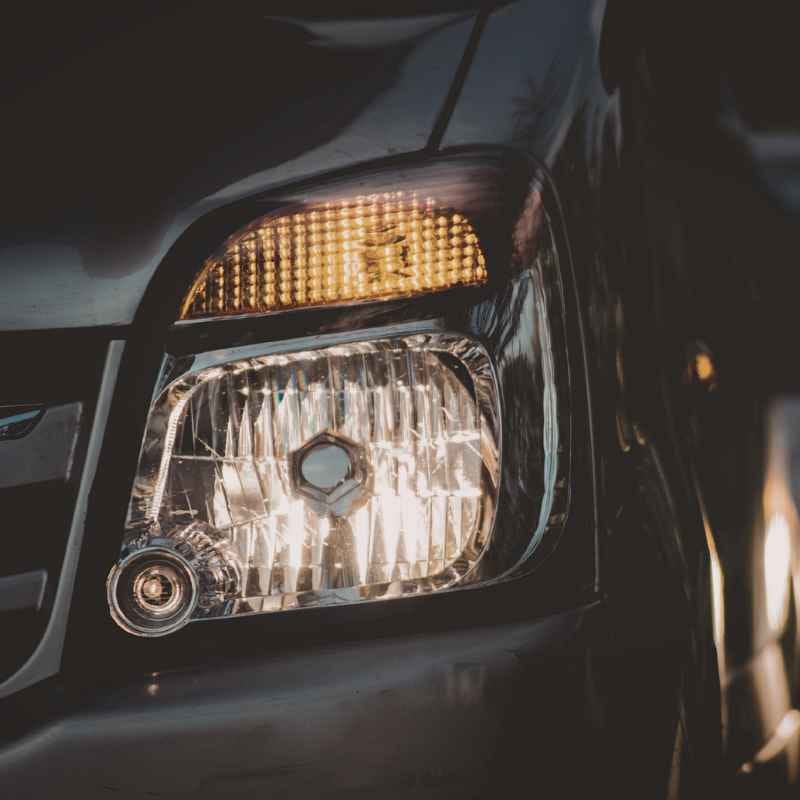
I remember one particularly chilly evening. I was heading home after a long day. The sun had set earlier than I expected.
As I pulled out of my office parking lot, I flicked on my headlights. Nothing. I flicked them again, harder this time.
Still dark. A wave of panic washed over me. It was already pretty dark, and visibility was dropping fast.
My heart started pounding. I could feel a cold sweat on my forehead.
I pulled over to the side of the road, trying to stay calm. I knew I couldn’t drive without headlights. My mind raced through all the possibilities.
Was it a blown fuse? A bad bulb? Or something worse?
I grabbed my phone and searched for “car lights not working.” The results were overwhelming. Some suggested simple fixes, others spoke of complex electrical issues. I felt a bit helpless standing there in the dark, under a streetlamp, trying to make sense of it all.
Thankfully, my neighbor happened to drive by. He’s a car guy. He popped my hood and looked around.
In less than five minutes, he found the problem. It was a loose connection on the headlight assembly. He wiggled it, and boom, the light came back on.
It was such a simple fix, but in that moment of panic, I just couldn’t see it. That experience taught me how important it is to know the basics of your car’s lights.
Common Car Light Issues at a Glance
Problem: Headlights won’t turn on.
Possible Cause: Burnt-out bulb, blown fuse, faulty headlight switch, wiring issue.
Problem: Taillights are out.
Possible Cause: Blown fuse, bad bulbs (often both go at once), wiring problem.
Problem: Brake lights don’t work.
Possible Cause: Brake light switch issue, blown fuse, burnt-out bulbs (usually two). Try pressing the brake pedal to see if they flash or don’t come on at all.
Problem: Turn signals not flashing.
Possible Cause: Bad bulb (front or rear), blown fuse for the flasher relay, faulty flasher relay itself.
Problem: Only one headlight works.
Possible Cause: Single burnt-out bulb, loose connection on the non-working side.
Why Aren’t My Car Lights Working? The Big Picture
There are several main reasons why your car lights might not be working. We’ll look at each one. Knowing these will help you narrow down the problem fast.
It’s like being a detective for your car.
The most common culprit is a simple burnt-out bulb. Bulbs have a lifespan. They can burn out without warning.
This is especially true for older incandescent bulbs. Even LED bulbs can fail, though they last much longer. When a bulb burns out, it can’t make light anymore.
It’s like a light switch that’s broken inside.
Another very frequent cause is a blown fuse. Your car’s electrical system has fuses. They are small safety devices.
They protect the wires from too much electricity. If there’s a short circuit, or if too much power flows, the fuse will blow. This breaks the circuit.
It stops the flow of power. This prevents wires from melting or starting a fire. You can usually find a fuse box under the dashboard or in the engine bay.
Sometimes, the problem is with the wiring. Wires can get damaged. They can rub against metal parts.
This can strip the protective coating. Then, the bare wire might touch something it shouldn’t. This creates a short.
Or, a wire connection might just become loose. This stops the power from reaching the light. Vibrations from driving can loosen connections over time.
The light switch itself can also fail. This is the switch on your dashboard or steering column. If the switch is broken, it won’t send the signal to turn on the lights.
This is less common than bulbs or fuses, but it does happen. Relays are also part of the system. These are like electronic switches that control bigger electrical flows.
A bad relay can stop lights from working too.
Checking the Bulbs: The First Step
This is usually the easiest thing to check. Most car lights use bulbs. You can often see if a bulb is burnt out.
You might need to open the hood or a small panel. For headlights and taillights, it’s often straightforward. You’ll need to find the bulb housing.
Sometimes there’s a cover you need to remove.
Look at the filament inside the bulb. The filament is a tiny wire. If you see a break in this wire, the bulb is bad.
If the bulb looks dark and sooty inside, it’s probably also bad. If the filament is intact, the bulb might be okay. But sometimes bulbs can fail in other ways.
They might look fine but not conduct electricity anymore.
Replacing a bulb is often a DIY job. You’ll need to know the exact type of bulb your car uses. You can usually find this in your car’s owner’s manual.
It will say something like “H4” or “9005” for headlights. For taillights, it might be a different number. Take the old bulb with you to the auto parts store.
This helps make sure you get the right replacement. Be careful not to touch the glass part of new halogen bulbs. Skin oils can make them burn out faster.
Quick Bulb Check Guide
Headlights: Look directly at the bulb through the lens. Sometimes you can see the filament. If not, you may need to access the back of the headlight assembly.
Taillights: Open the trunk or access panel. The taillight assembly usually has a cover that can be removed with screws or clips. The bulbs are then visible.
Turn Signals: These are often in the front and rear. Access is similar to taillights or headlights depending on the car’s design.
Brake Lights: Usually accessed from the inside of the trunk or via a panel in the rear.
The Fuse Box: Your Electrical Guardian
Fuses are small, often colorful, plastic-cased devices. They have a metal strip inside. This strip is the weakest link.
It’s designed to melt if too much current flows. This protects the rest of the electrical system. If a light or a whole system isn’t working, checking the fuse is your next step.
Your car has at least one fuse box. Many cars have two: one under the dashboard and one in the engine compartment. Your owner’s manual is key here.
It will show you where the fuse box is. More importantly, it will have a diagram. This diagram labels each fuse.
It tells you what each fuse controls. It also tells you the amperage rating for each fuse (like 10A, 15A, 20A).
To check a fuse, you first need to identify the correct one. If your headlights aren’t working, look for the fuse labeled “Headlights” or “Lighting.” Once you find it, you need to remove it. Some cars come with a small plastic fuse puller tool.
If not, you can often gently pull it out with your fingers or needle-nose pliers. Be careful not to break the fuse.
Hold the fuse up to the light. Look at the metal strip inside. If the strip is broken or melted, the fuse is blown.
If the strip looks solid and intact, the fuse is likely good. You can also test a fuse with a voltage tester or multimeter if you have one. But for most people, a visual check is enough.
If a fuse is blown, you need to replace it. It’s critical to use a fuse of the exact same amperage rating. Putting in a higher-rated fuse is dangerous.
It won’t blow when it should. This could cause wire damage or even a fire. Putting in a lower-rated fuse might cause it to blow too easily.
You can buy replacement fuses at any auto parts store. They are very inexpensive.
Fuse Box Tips
Location: Check your owner’s manual. Common spots are under the driver’s side dashboard, on the side of the dashboard, or in the engine bay.
Diagram: Always refer to the fuse box diagram in your manual. It’s your roadmap.
Amperage: Never use a fuse with a different amperage rating. Match it exactly.
Why did it blow? If a fuse blows, there’s a reason. It might be a faulty bulb or a short in the wiring. If a new fuse blows right away, you have a more serious electrical problem to investigate.
Wiring and Connections: The Unseen Network
Wires are the highways for electricity in your car. They carry power from the battery to all the components. These wires are usually covered in a protective plastic or rubber coating.
They are often bundled together in harnesses.
Over time, wires can suffer damage. They might get pinched or cut. They can rub against sharp metal edges.
This can wear away the protective coating. When the wire is exposed, it can touch other wires or metal parts. This is called a short circuit.
A short circuit can cause a fuse to blow. It can also damage other parts.
Connections are just as important as the wires themselves. Connectors are where wires link up to components, like the light bulb socket or the switch. These connections can become loose.
They can also corrode over time, especially if exposed to moisture. Corrosion adds resistance. This can reduce the amount of power getting to the light.
Checking wiring involves a bit more skill. You need to look for obvious signs of damage. Are there any wires that look frayed, cut, or melted?
Are the connectors clean and snug? For headlights, there’s a main connector that plugs into the back of the bulb. Make sure this is pushed in all the way.
For taillights, the housings connect to the car’s body. These connections can sometimes get dirty or corroded. You might need to disconnect the housing to clean the contacts.
If you suspect a wiring issue but can’t see any obvious damage, it might be time to consult a mechanic. They have specialized tools to test circuits.
Wiring Inspection Checklist
Visual Damage: Look for any frayed, cut, burned, or melted wires. Check the entire length you can see.
Connections: Ensure all plugs and connectors are firmly seated. Wiggle them gently to see if they are loose.
Corrosion: Examine metal contacts on connectors and bulb sockets. Look for a green or whitish powdery substance. Clean gently with a wire brush if found.
Chafing: See if any wires are rubbing against sharp metal edges. This can wear through the insulation over time.
The Role of the Light Switch and Relays
The light switch on your dashboard or steering column is the control center. When you turn it, it completes a circuit. This sends power to the lights.
If the switch itself is faulty, no power will flow, even if the bulbs and fuses are good.
Symptoms of a bad switch can vary. Sometimes, lights might flicker. Other times, they might work only in certain positions.
Or, they might not work at all. Replacing a headlight switch can be a bit more involved. It often requires removing trim pieces around the steering column or dashboard.
Relays are like automatic switches. They use a small amount of electricity to control a larger flow of electricity. For example, your headlights might have a relay.
The light switch sends a signal to the relay. The relay then sends full power to the headlights. If the relay fails, the headlights won’t get power.
Relays are usually located in the fuse box or a separate relay module. They often look like small black or gray cubes. You can sometimes test a relay by swapping it with an identical relay from a non-essential system (like a horn relay, if it’s the same type).
If the lights then work, you know the original relay was bad.
Diagnosing a faulty switch or relay usually requires testing with a multimeter. You need to check if power is reaching the switch and if it’s passing through correctly. You also need to check if the relay is getting its control signal and if it’s sending power out.
This is where professional help might be needed if you’re not comfortable with electrical testing.
Specific Light Problems and Solutions
Let’s break down some common scenarios. Knowing what specific light isn’t working helps a lot.
Headlights Not Working (Both Sides): This points to a common issue. Start with the fuses for the headlights. Check both low and high beam fuses.
Then, check the headlight switch. If those seem okay, there might be a problem with the main wiring harness or a headlight relay. Sometimes, a faulty body control module (BCM) can cause this on newer cars, but that’s a complex fix.
Only One Headlight Works: This is almost always a bulb issue. The bulb on the side that isn’t working has likely burned out. Replace that bulb.
If replacing the bulb doesn’t fix it, check the connector for that specific headlight. Make sure it’s clean and firmly plugged in.
Taillights Not Working: This is a critical safety issue. Blown fuses are common. There are usually separate fuses for left and right taillights, or one for both.
Check the bulbs in the taillight housings. Often, both bulbs can burn out around the same time. Look for corrosion in the bulb sockets.
Wiring issues can also cause this.
Brake Lights Not Working: This is a major safety concern. First, check the brake light bulbs. There are usually two.
If they are good, the next suspect is the brake light switch. This switch is usually located near the brake pedal. It might be adjustable.
If the switch is bad, it won’t tell the brake lights to turn on when you press the pedal. Fuses for brake lights should also be checked.
Turn Signals Not Flashing: If your turn signals don’t work at all, or only one side works, check the bulbs first. A burnt-out bulb is the most common cause. If the bulbs are good, the problem might be the flasher relay.
This is a small unit that makes the lights blink. You can often find it in the fuse box. If the bulbs and relay seem okay, check the fuses related to the turn signal system.
When to Call a Professional
While many car light issues are simple fixes, sometimes you need expert help. If you’ve checked the bulbs and fuses and the lights still don’t work, it’s time to consider professional help.
Complex electrical problems can be hard to diagnose without the right tools. Mechanics have multimeters, circuit testers, and diagnostic computers. These tools help them trace the flow of electricity.
They can pinpoint exact locations of shorts, breaks, or other faults in the wiring harness.
If your car has a more advanced electrical system, like one with a body control module (BCM), troubleshooting can be very tricky. These systems manage many functions, including lights. A fault in the BCM itself or its programming can cause issues that aren’t obvious.
These require specialized knowledge.
Also, if you’re not comfortable working with car parts or electrical systems, it’s always best to take it to a professional. Safety is the top priority. Messing with electrical systems without knowing what you’re doing can be dangerous.
It can also lead to more costly damage.
Signs You Need a Mechanic
Multiple Systems Affected: If more than one light system (e.g., headlights and interior lights) is out, it suggests a bigger electrical issue.
New Fuse Blows Immediately: If you replace a blown fuse and it blows again right away, there’s a short circuit that needs professional diagnosis.
Intermittent Problems: Lights that work sometimes but not others can be frustrating and hard to fix. A mechanic can often track down these elusive issues.
Lack of Confidence: If you’re unsure or uncomfortable with any step of the troubleshooting process, it’s wise to seek professional help.
Preventative Maintenance for Your Lights
While you can’t always prevent a bulb from burning out, you can take steps to keep your lighting system in good shape. Regular checks are your best defense.
Periodically walk around your car. Turn on all your lights. Check headlights (low and high beam), taillights, brake lights (have someone help you), turn signals, and hazard lights.
Do this at least once a month. Catching a problem early makes it easier and cheaper to fix.
Keep your lenses clean. Dirt and grime on headlight or taillight lenses can reduce their brightness. This makes it harder for you to see and for others to see you.
A simple wash with soap and water can make a big difference. For older, yellowed plastic headlights, there are restoration kits available that can greatly improve visibility.
Check your owner’s manual for any specific maintenance related to your lighting system. Some cars might have bulbs that are harder to access. Knowing this ahead of time can be helpful.
If you’re getting an oil change or other service, ask your mechanic to give your lights a quick look.
Frequently Asked Questions
What’s the easiest way to check if my car lights are working?
The easiest way is to have a friend help. Park your car on a flat surface. Turn on your headlights, taillights, brake lights, and turn signals.
Have your friend walk around the car and confirm that all of them are on and working correctly. You can also check bulbs yourself by looking at them, but the helper method is best for brake lights.
How do I know if I have the right replacement bulb?
Your car’s owner’s manual will list the specific bulb types for each light. You can also often find this information on the old bulb itself. Take the old bulb to an auto parts store, and they can help you find the exact match.
Make sure to get the correct base type and wattage.
Can a bad alternator cause my lights to flicker?
Yes, a failing alternator can cause electrical problems, including flickering lights. The alternator is responsible for charging the battery and powering the car’s electrical system when the engine is running. If it’s not working properly, the voltage can be unstable, leading to flickering or dim lights.
How much does it usually cost to fix car lights?
The cost can vary a lot. Replacing a simple headlight bulb might cost $20-$50. Replacing a fuse is very cheap, often under $10.
If you need to replace a headlight assembly or a more complex electrical component, the cost can range from $100 to several hundred dollars, depending on the part and labor.
Why do my brake lights come on by themselves?
This is usually caused by a faulty brake light switch. The switch might be stuck in the “on” position or have a short circuit. It’s a safety issue, so get it checked out by a mechanic as soon as possible.
Are LED headlights better than regular bulbs?
LED headlights generally offer brighter light and last much longer than traditional halogen bulbs. They also use less energy. However, they can be more expensive initially, and proper installation is crucial to avoid glare for other drivers.
The Takeaway: Keeping Your Vision Clear
Dealing with car lights that don’t work can be stressful. But most of the time, the fix is straightforward. Start with the simple checks: bulbs and fuses.
These are the most common culprits. If those don’t solve it, look at wiring and connections. For more complex issues, don’t hesitate to call a professional.
Keeping your lights in good working order is vital for your safety and the safety of everyone else on the road. Regular checks and simple maintenance go a long way in preventing bigger headaches.
See also best car christmas light ideas to decorate your vehicle. See also car lights and what they mean every symbol explained.
Products related to this article
Sponsored / affiliate links. As an Amazon Associate I earn from qualifying purchases. I may earn additional commission from eligible campaigns.