Best Way to Pop a Car Tire You Should Actually Know
Popping a car tire might seem like an odd topic to discuss, but there are valid reasons why understanding the safest and most effective methods is important. Whether you’re a mechanic, a first responder, or simply someone dealing with a vehicle emergency, knowing how to deflate or puncture a tire intentionally—while avoiding unnecessary risks—is a crucial skill.
In situations such as disabling a stolen car, handling a hazardous flat, or in certain controlled testing scenarios, doing this the right way can prevent injury, property damage, and environmental harm.
It’s vital to approach this subject from a safety-first perspective. Improperly popping a tire is extremely dangerous and can result in high-pressure blowouts, projectile debris, or even legal consequences. This article will walk you through the best, safest, and most practical ways to pop a car tire (and what to avoid), supported by industry data, real-world examples, expert advice, and essential precautions.
By the end, you’ll have a thorough understanding of when, why, and how to pop a car tire—if you ever truly need to.
Key Takeaways
- Popping a car tire should only be done when absolutely necessary and in a safe, controlled environment.
- The best methods prioritize safety for both the person and surrounding property.
- Improper techniques can cause injury, legal issues, or environmental hazards—knowing what NOT to do is as important as knowing what to do.
- Professional tools and protective gear are essential for controlled tire deflation.
- Understanding legal, ethical, and environmental considerations is critical before taking any action.
- The article provides step-by-step instructions, comparisons, and case studies for responsible tire deflation.
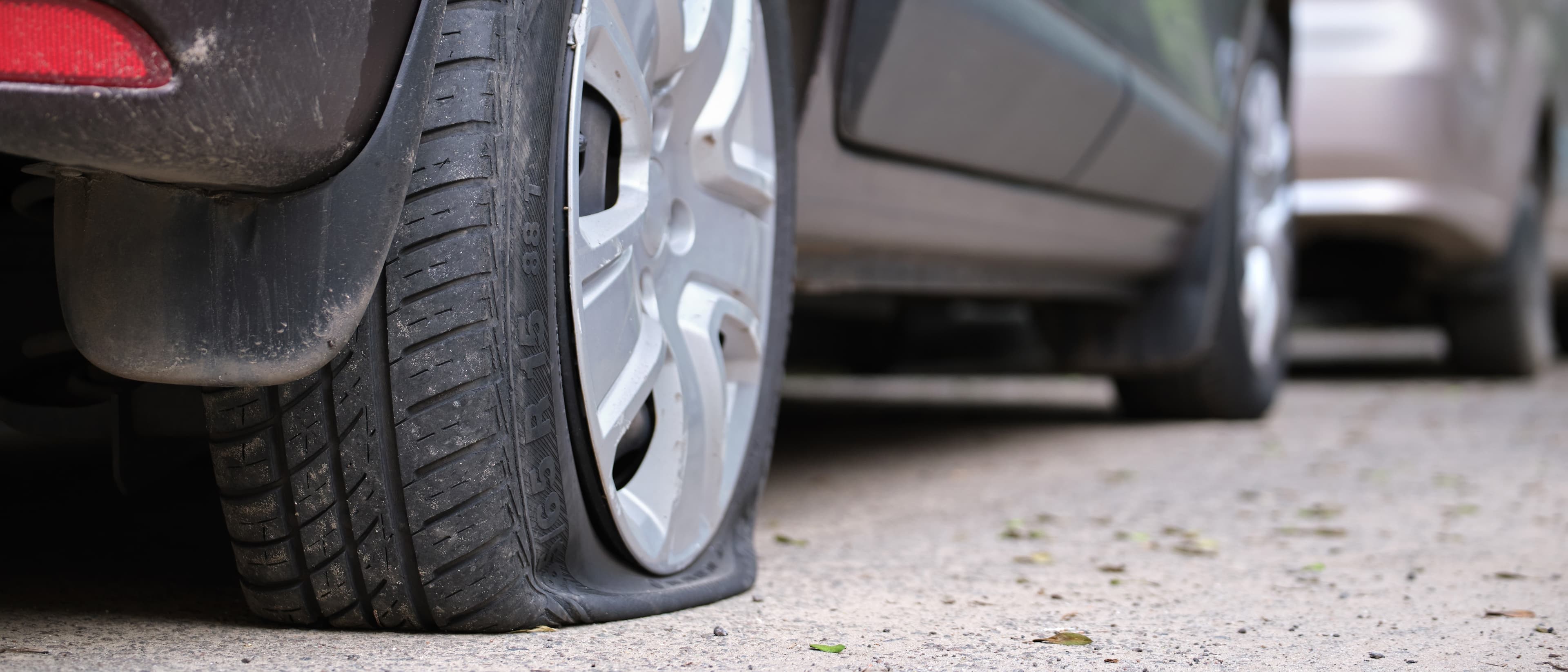
Credit: www.mavis.com
Why Would You Need To Pop A Car Tire?
Popping a car tire is not an everyday activity, and for most people, it’s an emergency or last-resort measure. However, there are several legitimate scenarios where this skill is necessary.
Emergency Situations
In rare situations, disabling a vehicle quickly can prevent harm or stop a crime. For example:
- Law enforcement may need to immobilize a suspect’s vehicle during a pursuit or a standoff.
- First responders might pop a tire to prevent a runaway vehicle in an accident zone, especially on hills or slippery surfaces where a car could roll and threaten bystanders.
- Vehicle owners might need to deflate a tire if their car is stuck in a precarious spot, such as on a steep incline or in a flooded area, and immediate immobilization is required for safety.
Example:
During hurricane evacuations, first responders sometimes need to deflate tires on abandoned or disabled vehicles blocking emergency routes, preventing them from rolling into hazardous areas or obstructing rescue operations.
Safety And Maintenance
Sometimes, controlled deflation is safer than waiting for a tire to blow out on its own.
- Tire recalls: Deflating potentially dangerous tires before handling or disposal can help avoid accidental high-pressure bursts.
- Transport safety: Shipping vehicles, especially in containers or on multi-level carriers, often requires partial deflation to prevent damage from expansion, temperature changes, or shifting during transit.
- Seasonal storage: When storing vehicles for long periods, slightly deflating tires can reduce the risk of flat spots and sidewall damage.
Example:
Automotive shops routinely deflate tires on vehicles scheduled for long-term storage or shipping overseas. Controlled deflation prevents tire deformation due to fluctuating temperatures or prolonged inactivity.
Controlled Testing And Demonstration
- Automotive workshops and training sessions may need to demonstrate tire failures to educate mechanics, emergency responders, or students about the risks and warning signs of tire damage.
- Crash testing facilities sometimes pop tires for controlled studies, simulating blowouts or rapid deflation to test vehicle stability and safety features.
- Tire manufacturers often conduct destructive testing by intentionally popping tires to evaluate tread separation, sidewall strength, and failure patterns, providing valuable data for product improvement.
Example:
In a tire safety seminar, instructors use controlled deflation to illustrate the effects of under-inflation, over-inflation, and sudden air loss on vehicle handling, helping drivers and technicians recognize the importance of proper tire care.
Illegal Or Unsafe Reasons (what Not To Do)
It’s critical to note that popping someone else’s tire, or doing so in public without cause, is illegal and dangerous. This article focuses on legitimate, safe, and ethical uses only.
Acts of vandalism, retaliation, or insurance fraud involving tire deflation or destruction can result in criminal charges, civil lawsuits, and significant personal liability. Misuse of this knowledge is irresponsible and can have far-reaching consequences.

Credit: vatire.com
Understanding Car Tire Construction And Pressure
Before attempting to pop a tire, it’s essential to understand how car tires are built and how they handle pressure.
Anatomy Of A Car Tire
Car tires are complex, multi-layered structures designed for durability and safety. Key components include:
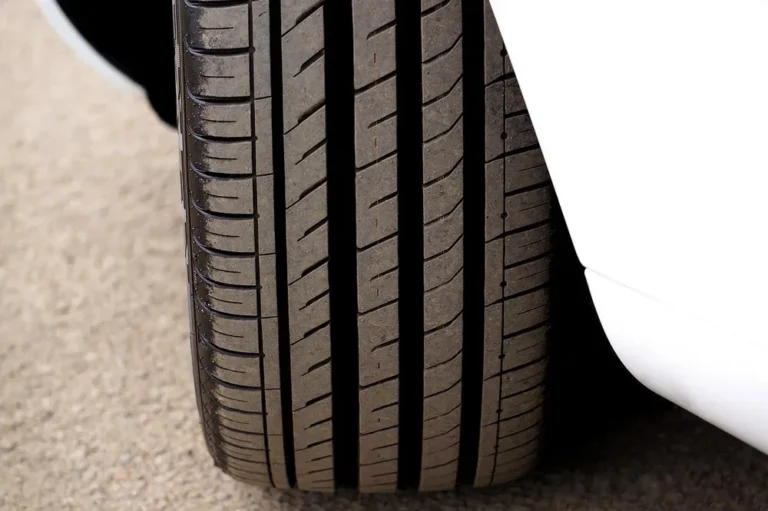
- Tread: The outer rubber that contacts the road, providing grip, channeling water, and resisting wear.
- Sidewall: The flexible rubber sides connecting the tread to the bead, absorbing shocks, supporting the tire’s shape, and displaying manufacturer information.
- Beads: Steel-reinforced edges that secure the tire to the rim, ensuring an airtight seal and preventing slippage.
- Carcass ply: Internal fabric and steel belts (often made from polyester, nylon, or aramid fibers) that provide strength, flexibility, and help the tire maintain its shape under pressure.
- Inner liner: A layer of synthetic rubber that acts as an internal air seal, preventing leaks.
Example:
Modern radial tires contain multiple steel belts and plies, making them highly resistant to punctures but also increasing the risks of violent blowouts if ruptured suddenly.
How Tire Pressure Works
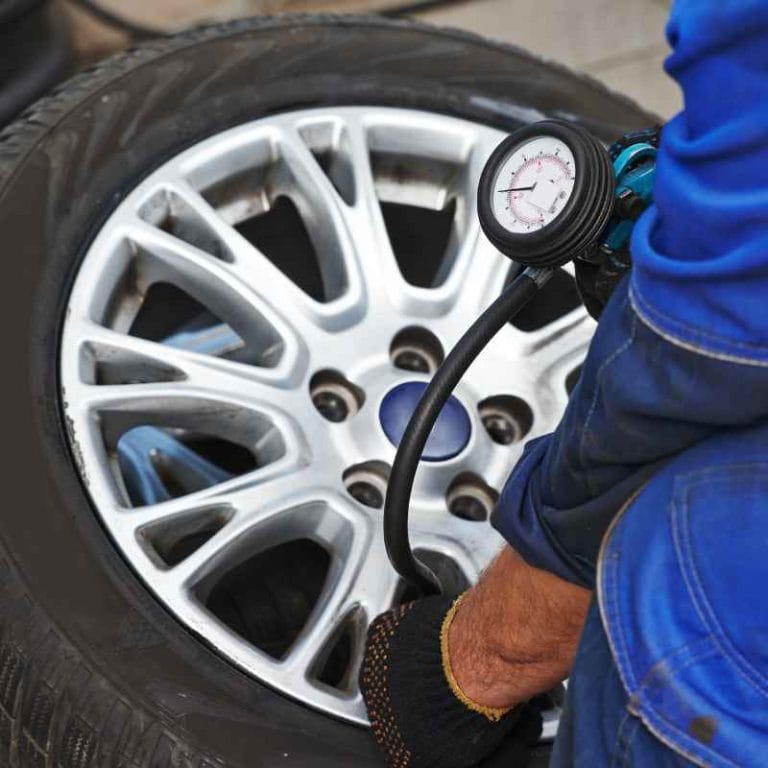
Most passenger car tires are inflated to 30-35 PSI (pounds per square inch), but this can vary by vehicle type, tire size, load rating, and manufacturer recommendations. Tire pressure is crucial for:
- Load carrying capacity: Proper inflation supports the vehicle’s weight and passengers without excessive flexing or bulging.
- Handling and safety: Under-inflated or over-inflated tires have reduced contact patches, compromising grip, braking, and stability.
- Fuel efficiency: Correct tire pressure minimizes rolling resistance, maximizing miles per gallon.
Example:
A study by the National Highway Traffic Safety Administration (NHTSA) found that under-inflated tires are a contributing factor in over 11,000 annual tire-related crashes in the United States.
Overinflated or underinflated tires can fail catastrophically, making controlled deflation preferable to accidental blowouts.
Potential Hazards
Popping a tire releases compressed air rapidly. Risks include:
- Flying debris: Pieces of rubber, valve cores, or even the tool itself can become dangerous projectiles.
- Loud noise (potential for hearing damage): The sudden release of air can create a loud pop or hiss, startling nearby people and potentially causing temporary hearing loss.
- Sudden vehicle movement if the car is not secured: Tires can shift or collapse, causing the vehicle to lurch, especially if parked on an incline or uneven ground.
- Inhalation of dust or chemical particles: Some older tires or those exposed to harsh conditions may release dust, which can be harmful if inhaled.
Understanding these risks is the first step to choosing the safest method and ensuring proper preparation.

Credit: www.reddit.com
Best Methods To Pop A Car Tire Safely
Not all methods of popping a tire are created equal. Here’s a comparison of the safest, most effective techniques, along with those you should avoid.
Method 1: Using A Valve Stem Tool (recommended)
Valve stem tools are designed to remove the core from the tire valve, allowing air to escape quickly but safely. This method is widely used by mechanics, tire shops, and emergency responders for controlled deflation.
Step-by-Step:
- Park the vehicle on a flat, stable surface and engage the parking brake. If possible, place wheel chocks in front and behind at least one tire to prevent movement.
- Wear safety goggles and gloves. Protective gear is essential in case of debris or an unexpected burst of air.
- Remove the valve cap from the tire’s valve stem to expose the valve core.
- Insert the valve stem tool and turn counterclockwise to remove the core. Hold the tool firmly, as the air pressure may push it out.
- Step back as the air escapes; the hissing sound is normal and indicates air is being released in a controlled fashion. The rate of deflation can be observed—if it’s too rapid or uneven, reinsert the core partially to slow the process.
Pros:
- Controlled, safe air release
- No flying debris or risk of tire explosion
- Valve stem can be replaced and tire reinflated if needed
- Minimal environmental impact and waste
Cons:
- Requires a small, inexpensive tool (usually available at auto stores)
- Not suitable for tires with damaged or inaccessible valve stems
Method 2: Deflating With A Screwdriver Or Sharp Object (not Recommended)
Many attempt to poke a hole in the tire sidewall with a screwdriver or knife. This is dangerous.
Risks:
- Unpredictable air release (can cause a violent blowout or rapid loss of structural integrity)
- Flying debris, risk of personal injury (cuts, puncture wounds, or eye injuries)
- Permanent tire damage (rendering the tire unusable and potentially damaging the rim)
- May void manufacturer warranty or insurance coverage
Conclusion: Only use as a last resort, and only if all other methods are impossible. Even then, extreme caution should be exercised, and proper safety gear is non-negotiable.
Method 3: Professional Tire Deflators
Tire deflators are common in off-roading and auto shops. These screw onto the valve stem and release air at a set rate, often adjustable for desired PSI.
Advantages:
- Precise control over deflation speed (helpful when lowering tire pressure for off-road driving or controlled testing)
- Minimal risk to operator and vehicle
- Reusable, with consistent performance
Disadvantages:
- Slightly more expensive, but reusable
- May require calibration or adjustment for specific tire types
Example:
Off-roaders use tire deflators to lower tire pressure on all four wheels simultaneously, ensuring even traction and preventing sudden pressure drops that could damage the tire or rim.
Method 4: Law Enforcement Spike Strips
Used by police to stop fleeing vehicles, spike strips puncture tires immediately but are designed for moving vehicles and should not be used by the general public.
Details:
- Spikes penetrate and lodge in the tire, causing rapid but controlled deflation.
- Used under strict protocols and training to minimize risk to bystanders and officers.
- Not suitable for stationary vehicles or civilian use.
Method Comparison Table
| Method | Effectiveness | Safety | Cost | Reusability |
|---|---|---|---|---|
| Valve Stem Tool | High | High | Low | Yes |
| Screwdriver/Knife | High | Low | Low | No |
| Tire Deflator | High | Very High | Medium | Yes |
| Spike Strip | Very High | Medium | High | No |
Method 5: Heat Or Chemicals (strictly Avoid)
Never use heat or chemicals to pop a tire. This is extremely dangerous, environmentally hazardous, and illegal in most jurisdictions. Such methods risk explosion, fires, toxic exposure, and uncontrollable damage to property and the environment.
Example:
There have been reports of individuals attempting to use lighter fluid or industrial solvents to speed up tire deflation, resulting in severe burns, chemical injuries, and hazardous waste contamination.
Legal, Ethical, And Environmental Considerations
Before popping a tire, you must consider the legal, ethical, and environmental impact of your actions.
Legal Issues
- Tampering with another person’s vehicle is a crime in all 50 states. Charges may range from vandalism to destruction of property, and in some cases, may result in felony charges if injury or significant damage occurs.
- Insurance fraud: Deflating your own tires to file a false claim can lead to prosecution and permanent loss of insurance coverage.
- Always check local regulations before disposing of or disabling tires, as some states have strict rules regarding hazardous waste and automotive repairs.
For more, refer to NHTSA Tire Safety.
Ethical Concerns
- Only deflate tires when necessary and safe. Never use this knowledge to harm others, retaliate, or settle disputes.
- Respect private property and the safety of others at all times.
- When in doubt, consult a professional or contact authorities.
Environmental Impact
- Disposing of punctured tires must be done at certified recycling facilities. Tires left in the environment can leach chemicals, attract pests, and create fire hazards.
- Avoid letting rubber fragments or chemicals enter the environment, as these can contaminate soil and water supplies.
- Many states have tire recycling programs to turn old tires into playground surfaces, road materials, or energy.
Case Example: Responsible Tire Disposal
A tire shop in Los Angeles implemented a policy where all punctured tires are stored in sealed bins and recycled through a state-certified program, reducing environmental waste by 80% over two years. This not only benefits the environment but also improves the shop’s reputation and compliance with local regulations.
Step-by-step Guide: How To Pop A Car Tire Safely
Assuming you have a legitimate reason, here’s how to proceed using the valve stem tool method.
Preparation
- Gather tools: Valve stem tool, gloves, safety glasses, wheel chocks.
- Ensure you have permission and a safe work environment.
- Let others nearby know what you are doing to avoid startling them with sudden noise.
Secure The Vehicle
- Park on level ground, away from traffic and flammable materials.
- Apply the parking brake and use wheel chocks to prevent rolling.
- Double-check that the area is clear of pets, children, or bystanders.
Remove The Valve Core
- Take off the valve cap and place it somewhere safe.
- Insert the valve stem tool and rotate counterclockwise. You may hear a faint hiss as air escapes.
- The core will unscrew and air will begin to escape rapidly. Hold onto the tool until the core is free, then carefully remove it.
- Step back to avoid inhaling dust or debris. The hissing will intensify as pressure drops.
Wait For Complete Deflation
- The tire will deflate in 1-3 minutes, depending on size and pressure.
- Listen for the hissing to stop, indicating the tire is flat.
- Gently press the sidewall to check for remaining air.
Inspect For Safety
- Ensure the tire is fully flat before moving or handling.
- Check for visible damage to the rim, valve stem, or tire structure.
- If reinflation is planned, ensure the valve core and stem are undamaged before replacing.
Table: Time To Deflate Tire By Method
| Deflation Method | Average Time to Flat (minutes) | Risk of Blowout |
|---|---|---|
| Valve Stem Tool | 2 | Very Low |
| Screwdriver/Knife | 0.5 | High |
| Tire Deflator | 3 | Very Low |
What To Do After Deflation
- If the tire must be removed, use a jack and wrench as normal, following proper lifting procedures.
- For disposal, take the tire to a certified recycler, avoiding illegal dumping or burning.
- If reinflating, inspect the tire for damage, replace the valve core, and use a calibrated air compressor.
Example:
A tire shop technician always logs each deflation and disposal in their system, ensuring traceability and compliance with state waste management laws.
What Not To Do: Myths And Dangerous Methods
Many myths and unsafe techniques circulate online. Avoid these at all costs.
Myth 1: Shooting A Tire
Some believe firearms are a quick way to pop a tire. This is illegal, highly dangerous, and can cause ricochets or explosions. Never attempt.
Example:
Incidents of celebratory gunfire or using a gun to “vent” a tire have resulted in injuries and deaths, as tires can launch fragments at high speed and bullets can ricochet unpredictably.
Myth 2: Burning Or Heating
Applying fire or heat can cause the tire to explode violently, sending shrapnel in all directions. This method has resulted in serious injury and death.
Example:
In industrial accidents, overheated tires have exploded with enough force to shatter nearby windows and injure workers up to 50 feet away.
Myth 3: Using Household Chemicals
Acids or solvents may eat through rubber, but they also release toxic fumes and can damage surrounding materials. This is both unsafe and environmentally irresponsible.
Example:
A case of attempted tire deflation using drain cleaner resulted in chemical burns, environmental contamination, and an expensive hazardous material cleanup.
Real-world Example: Dangerous Attempt Gone Wrong
In 2026, a viral video showed a person attempting to pop a tire using a knife, resulting in a rapid blowout and lacerations. The incident highlighted the risks of using sharp objects and the importance of using proper tools.
For more information on tire safety, see Consumer Reports Tire Guide.
Case Studies: Popping A Tire In Real-world Scenarios
Understanding how professionals and the public have handled tire deflation provides valuable insights.
Case Study 1: Law Enforcement Use
Police routinely deploy spike strips to safely stop vehicles in high-speed chases. According to the Police1 Resource, spike strips have reduced pursuit fatalities by 60% over the past decade. These devices are only deployed by trained officers, and strict safety protocols are followed to protect all parties involved.
Case Study 2: Automotive Workshop Demonstration
A certified mechanic at a Honda dealership used a valve stem tool during a training session to show how controlled deflation works. The demonstration took under two minutes, with no damage to the tire or rim, reinforcing the value of proper technique. Trainees were able to observe the gradual loss of pressure and learn the importance of safety measures.
Case Study 3: Off-road Vehicle Preparation
Off-road enthusiasts often use automatic tire deflators to reduce tire pressure for better traction. These devices screw onto the valve and gradually let out air, preventing sudden drops in pressure and improving vehicle control. For more, see 4WheelParts Guide.
Case Study 4: Emergency Response
During a wildfire evacuation, firefighters deflated tires on abandoned vehicles blocking a road using valve stem tools, allowing them to move vehicles safely without damaging rims or risking fire spread from hot, pressurized tires. Their quick, controlled approach ensured rapid clearance of escape routes while minimizing risk.
Tools And Equipment: What You Need To Pop A Tire Safely
The right tools make the process safer and more efficient.
Essential Tools
- Valve stem tool: Inexpensive and available at auto stores. A must-have for anyone working with tires regularly.
- Tire deflator device: Useful for frequent or controlled deflation, especially in off-road or fleet settings.
- Protective gloves and eyewear: Prevent injury from dust, debris, or unexpected spurts of air.
- Wheel chocks: Secure the vehicle during deflation to prevent movement.
Optional Tools
- Portable air compressor: For reinflating after demonstration, maintenance, or if you need to adjust tire pressure afterward.
- Jack and lug wrench: For tire removal if needed, especially in repair or disposal situations.
- Flashlight: For working in poorly lit areas or inspecting valve stems.
Table: Tool Comparison
| Tool | Cost (USD) | Skill Required | Best Use Case |
|---|---|---|---|
| Valve Stem Tool | $3 – $8 | Basic | Single or occasional use |
| Tire Deflator | $15 – $40 | Basic | Frequent or off-road use |
| Screwdriver/Knife | $5 – $15 | Moderate | Emergency only (not recommended) |
Where To Get Tools
- Auto parts stores: Most carry valve stem tools, deflators, and protective gear.
- Online retailers such as Amazon offer a range of options, including kits with multiple tools.
- Specialty off-road suppliers: For high-quality, adjustable tire deflators and accessories.
For more information on safe tool use, see the OSHA Hand and Power Tools Guide.
Safety Tips And Best Practices
Popping a car tire, even for legitimate reasons, carries inherent risks. These best practices will help keep you safe.
Personal Safety
- Always wear protective gear (gloves, goggles) to shield yourself from sudden air bursts or debris.
- Stand to the side of the tire, never directly in front or behind, reducing risk from flying objects or collapsing tires.
- Release air slowly when possible to avoid sudden pressure changes that could cause the tire to deform or burst.
Vehicle And Environmental Safety
- Secure the vehicle with wheel chocks and parking brake to prevent unexpected movement.
- Avoid deflating tires near flammable materials, heat sources, or in confined spaces.
- Collect any debris, such as valve cores or rubber fragments, for proper disposal to protect the environment.
Aftercare
- Inspect the tire and rim for damage after deflation. Check for cracks, cuts, or deformation.
- Only attempt reinflation if the tire is structurally sound and no hazardous materials have entered the casing.
- Dispose of punctured tires at certified facilities—never abandon them in the environment or burn them.
Emergency Protocol
- If you are injured or experience a sudden blowout, seek medical attention immediately. Even minor cuts can become serious if not treated.
- In public spaces, notify authorities if you must disable a vehicle for safety reasons. Documentation can protect you from legal repercussions.
For further safety guidance, consult the National Safety Council Tire Safety page.
Frequently Asked Questions
What Is The Safest Way To Pop A Car Tire?
The safest way is to use a valve stem tool to remove the core and allow air to escape in a controlled manner. This method avoids sudden pressure changes, minimizes flying debris, and allows for possible reinflation.
Is It Illegal To Pop Someone Else’s Car Tire?
Yes, popping another person’s tire is considered vandalism and is illegal in all states. Legal consequences can include fines, jail time, and civil liability for damages. Only pop a tire you own or have explicit permission to work on.
Can Popping A Tire Cause Injury?
Improper methods, such as using a sharp object or applying heat, can cause serious injury from flying debris or sudden explosions. Always use proper tools and protective gear to minimize risks.
What Happens To The Tire After It Is Popped?
A popped tire is often unusable for normal driving, especially if punctured by sharp objects. If deflated using the valve stem tool, the tire may be reinflated and used again if undamaged. Otherwise, it should be recycled at a certified facility.
Are There Alternatives To Popping A Tire If I Need To Disable A Car?
Yes, alternatives include removing the valve core for slow deflation, removing the wheel entirely, or using wheel locks. These methods are typically safer, reversible, and less likely to cause lasting damage.
Can I Use A Tire Repair Kit After Popping A Tire With A Valve Stem Tool?
If the tire was not otherwise damaged and was only deflated via the valve stem, a tire repair kit may allow reinflation. However, always inspect for hidden damage before using the tire on the road.
How Do I Know When A Tire Is Fully Deflated?
The hissing of air will stop, and the tire will appear collapsed and soft. Pressing the sidewall should reveal little to no resistance. If unsure, use a tire pressure gauge to confirm zero PSI.
Resources For Further Reading
For more information on tire safety, responsible vehicle maintenance, and legal considerations, review the following resources:
- Wikipedia: Tire
- NHTSA Tire Safety
- Consumer Reports Tire Guide
- Police1: Tire Deflation
- 4WheelParts Guide
- OSHA Hand and Power Tools
Knowing the best way to pop a car tire is about more than just the act itself; it’s about safety, responsibility, and understanding the consequences. By using the right tools and following expert guidelines, you can handle emergencies or required deflation with confidence and care. When in doubt, always consult a professional and adhere to local laws and best practices.
Products related to this article
Sponsored / affiliate links. As an Amazon Associate I earn from qualifying purchases. I may earn additional commission from eligible campaigns.