Type of Vehicle Categories: Full Classification Breakdown
The world of vehicles is as complex as it is fascinating. Whether for personal, commercial, or specialized use, the variety of vehicles on the road, rails, and even in the skies underscores the ingenuity and adaptability of human transportation. Understanding the full breakdown of vehicle categories is essential, not only for enthusiasts and industry professionals but also for anyone seeking to make informed decisions about travel, logistics, or vehicle ownership. As technology and regulatory frameworks evolve, so too do these categories, with environmental considerations and innovative engineering shaping the vehicles we see every day.
This comprehensive guide provides a detailed classification of vehicles, exploring distinctions by purpose, design, propulsion, and legal status. From the ubiquitous passenger cars to niche special-purpose vehicles and the emerging world of electric and autonomous vehicles, this article offers a clear roadmap through the complexities of vehicle categorization. With real-world examples, authoritative data, and practical comparisons, you’ll gain valuable insights into how vehicles are grouped, what sets them apart, and why these distinctions matter in daily life and industry alike.
Key Takeaways
- Vehicle classification is vital for regulation, safety, insurance, and consumer choice.
- Categories are typically based on purpose, design, propulsion, and legal status.
- Each class, passenger, commercial, two-wheeler, specialty, and more, has unique features and uses.
- New technologies like electric and autonomous vehicles are reshaping traditional categories.
- International standards and local regulations may differ, affecting vehicle definitions and compliance.
- Understanding these categories helps consumers and businesses make informed transportation decisions.
Credit: afdc.energy.gov
Passenger Vehicles
Passenger vehicles are the most visible and widely used category, designed primarily for the transport of people. Their subcategories reflect a range of needs from daily commuting to luxury travel.
Sedans
Sedans are characterized by a three-box configuration: engine, passenger, and cargo. They typically seat four or five passengers and offer a balance of comfort, efficiency, and affordability. Popular examples include the Toyota Camry and Honda Accord. Sedans dominate many global markets due to their practicality for families and professionals.
Hatchbacks
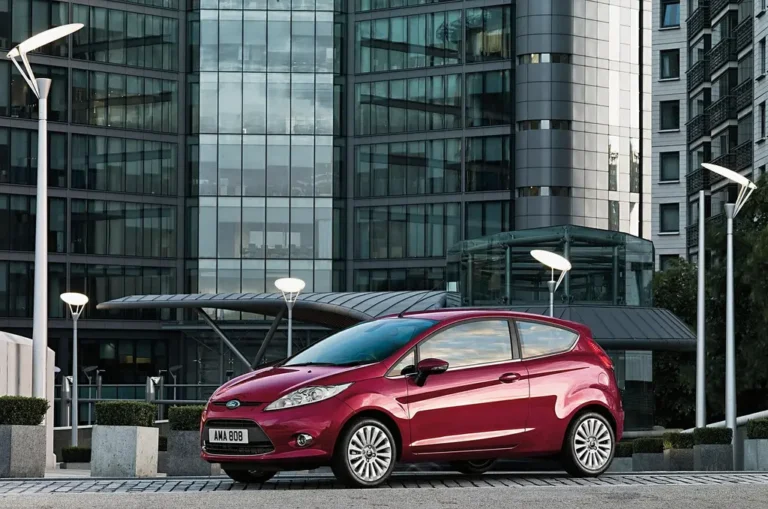
Hatchbacks integrate the cargo and passenger areas, featuring a rear door that swings upward. This design provides flexible cargo space and a compact footprint, making hatchbacks ideal for urban settings. Models like the Volkswagen Golf and Ford Fiesta exemplify this class.
Suvs (sport Utility Vehicles)
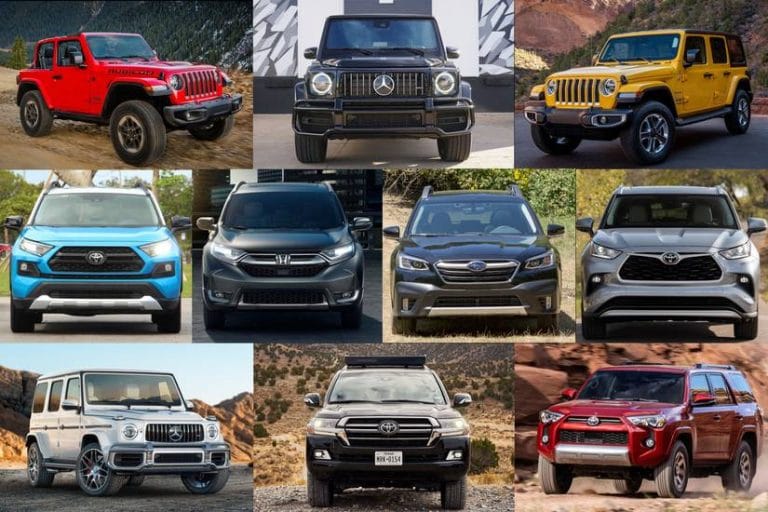
SUVs blend passenger comfort with off-road capabilities. Available in compact, mid-size, and full-size variants, SUVs often feature higher ground clearance, optional four-wheel drive, and spacious interiors. The Toyota RAV4 and Ford Explorer are leading examples, with SUVs now comprising over 40% of new vehicle sales in the US (according to the International Energy Agency).
Minivans And Mpvs
Minivans (or Multi-Purpose Vehicles – MPVs) are tailored for maximum passenger capacity and flexible seating. Features like sliding doors and configurable interiors make them popular for large families and group transport. The Honda Odyssey and Chrysler Pacifica are notable models.
Coupes And Convertibles
Coupes offer two doors and a sportier profile, prioritizing style and performance. Convertibles further add retractable roofs for open-air driving. These vehicles, such as the BMW 4 Series Coupe and Mazda MX-5 Miata, target drivers seeking excitement and exclusivity.
Crossovers
Crossovers merge car and SUV characteristics, built on passenger car platforms for improved ride quality and efficiency. The Nissan Rogue and Honda CR-V are top-selling models, attracting buyers who want SUV aesthetics without sacrificing comfort.
Real-world Example: Family Decision-making
A family of five evaluating a new vehicle must consider space, safety, and fuel economy. In my experience, test-driving both an SUV and a minivan revealed the trade-offs: the minivan’s sliding doors and flexible seating offered easier access and more cargo space, while the SUV provided better handling and a sense of security. This practical comparison highlights why these categories exist and how they serve distinct needs.
| Type | Passenger Capacity | Cargo Volume (cu ft) | Typical Use Case |
|---|---|---|---|
| Sedan | 4-5 | 13-16 | Daily commuting |
| Hatchback | 4-5 | 18-25 | Urban driving |
| SUV | 5-8 | 30-80 | Family, off-road |
| Minivan | 7-8 | 30-150 | Large families |
| Coupe | 2-4 | 8-12 | Sporty driving |

Credit: mechtex.com
Commercial Vehicles
Commercial vehicles are engineered for the transport of goods, specialized services, and mass transit. Their classification has regulatory, economic, and operational implications.
Light Commercial Vehicles (lcvs)
LCVs typically weigh less than 3.5 tons and include vehicles like pickup trucks, cargo vans, and small delivery vehicles. These are favored by small businesses and urban delivery fleets due to their maneuverability and lower operating costs.
Heavy-duty Trucks
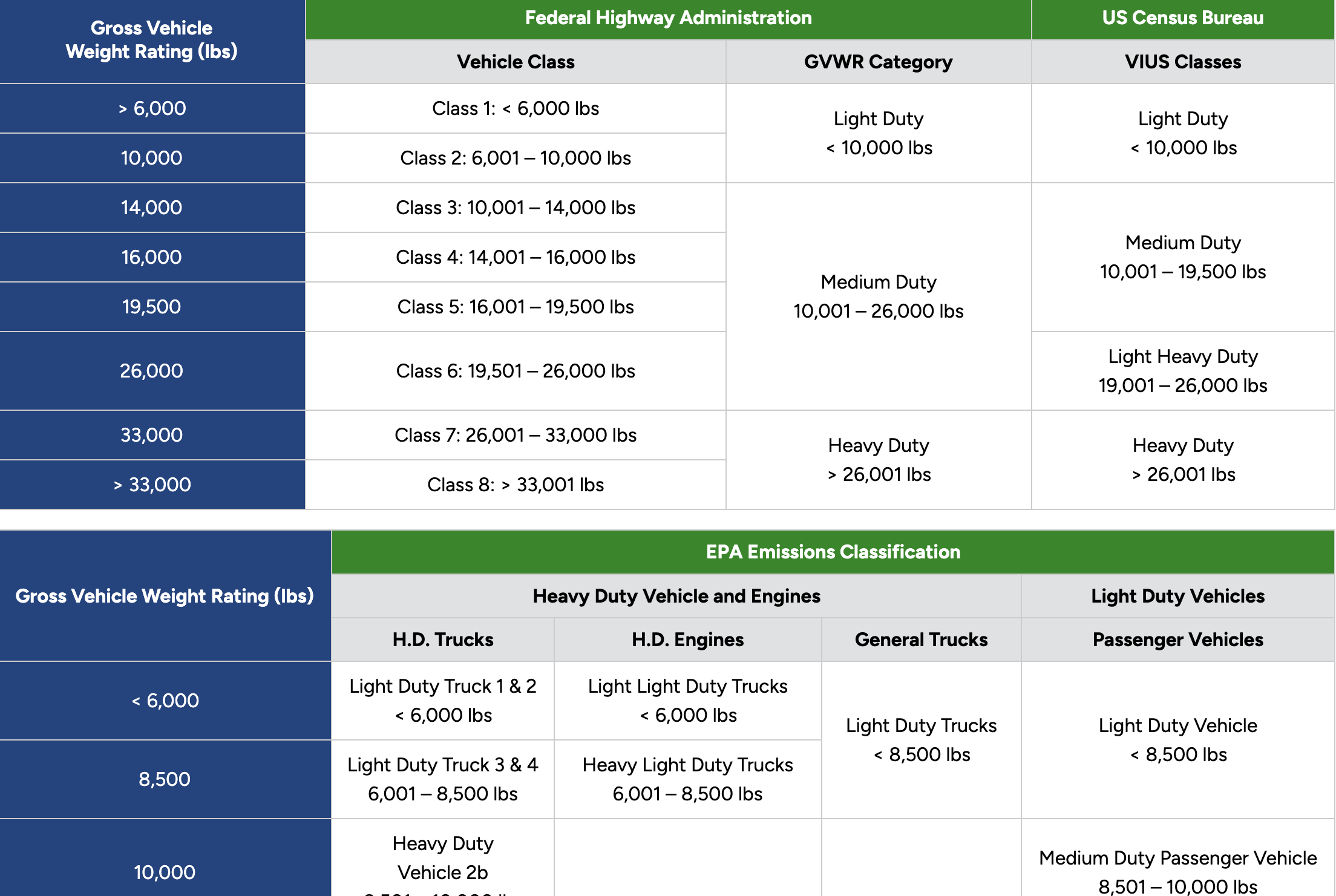
Heavy-duty trucks are critical for logistics and supply chains, moving large volumes over long distances. Categories include semi-trailer trucks, dump trucks, and tankers. According to the US Department of Transportation, the average Class 8 truck can haul up to 80,000 pounds gross vehicle weight.
Buses And Coaches
Buses and coaches transport large groups of passengers, from city commuters to intercity travelers. City buses prioritize standing space and frequent stops, while coaches focus on comfort for long-distance routes. The Volvo 9700 coach is a well-known long-haul example.
Specialized Commercial Vehicles
This segment includes vehicles designed for unique tasks, such as refrigerated trucks for perishables, tow trucks, and cement mixers. Their construction is dictated by the specific requirements of their industries.
Taxis And Ride-hailing Vehicles
Taxis and ride-hailing vehicles (e.g., Uber, Lyft) are classified as commercial due to their business use. Many cities have regulations specifying minimum vehicle standards for this category.
Real-world Example: Urban Delivery Shift
The surge in e-commerce has increased demand for light commercial vans. Companies like Amazon have invested in fleets of electric vans to meet urban emission standards, demonstrating how vehicle classifications adapt to new logistical and regulatory needs.
| Vehicle Type | Typical Payload (tons) | Main Usage | Regulatory Class |
|---|---|---|---|
| Pickup Truck | 0.5-1.5 | Small business | Light Commercial |
| Semi-Trailer | 20-40 | Long-haul freight | Heavy Duty |
| City Bus | N/A | Mass transit | Commercial Passenger |
| Tanker | 15-35 | Liquid transport | Heavy Duty |
Two-wheelers And Three-wheelers
These categories encompass both personal and commercial mobility solutions, especially vital in densely populated or developing regions.
Motorcycles
Motorcycles range from lightweight scooters to high-powered sport bikes. They offer affordability, fuel efficiency, and maneuverability, making them popular in Asia and Europe. Key subtypes include:
- Standard bikes for everyday use
- Cruisers for comfort and style
- Sport bikes for speed and agility
- Tourers for long-distance riding
Scooters
Scooters are defined by smaller wheels and a step-through frame, making them highly accessible. They typically have automatic transmissions and are ideal for short urban trips.
Mopeds
Mopeds blend elements of bicycles and motorcycles, with low-powered engines (often under 50cc). In many countries, mopeds can be operated with minimal licensing, catering to young or entry-level riders.
Three-wheelers
Three-wheelers include both passenger and cargo variants. In India, for example, the auto rickshaw is a vital part of public transport. These vehicles offer greater stability than two-wheelers and are often used for short-distance urban transport or last-mile delivery.
Real-world Example: Urban Commuting
In cities like Hanoi, more than 80% of households own a motorbike or scooter (Wikipedia), highlighting the category’s importance for affordable, rapid personal mobility where car ownership is limited by space and cost.

Credit: www.bigrentz.com
Special-purpose And Off-road Vehicles
Some vehicles are engineered for environments or tasks far beyond public roads, serving industries, emergency services, and recreational users.
Agricultural Vehicles
Tractors, combine harvesters, and plows are essential for modern agriculture. These vehicles are designed for rugged terrain, high torque, and compatibility with various implements.
Construction Vehicles
Bulldozers, excavators, backhoes, and cranes form the backbone of construction fleets. Their classification is based on both function and mobility (wheeled vs tracked).
Emergency Vehicles
This group includes fire engines, ambulances, and police vehicles. They are equipped for rapid response and specialized tasks, often with legal exemptions (e.g., running red lights in emergencies).
Military Vehicles
Armored personnel carriers, tanks, and military trucks are purpose-built for defense, combining protection, firepower, and mobility. Their classification is often governed by military standards and international treaties.
Recreational Off-road Vehicles
Vehicles like ATVs (All-Terrain Vehicles), UTVs (Utility Task Vehicles), and dune buggies are designed for recreational use on unpaved surfaces, providing access to remote areas.
Example: Emergency Response Efficiency
When seconds matter, the design and classification of emergency vehicles can save lives. For instance, modern ambulances are optimized for rapid loading and advanced life support, reflecting the unique requirements of their category.
Alternative Propulsion And Emerging Categories
As technology evolves, so do vehicle categories, particularly in response to sustainability goals and automation.
Electric Vehicles (evs)
EVs use electric motors powered by batteries, producing zero tailpipe emissions. Their popularity is surging, with global EV sales surpassing 10 million units in 2026 (International Energy Agency). Key types include:
- Battery Electric Vehicles (BEVs)
- Plug-in Hybrid Electric Vehicles (PHEVs)
- Fuel Cell Electric Vehicles (FCEVs)
Hybrid Vehicles
Hybrids combine internal combustion engines with electric propulsion for better fuel efficiency and lower emissions. The Toyota Prius is a pioneering example in this segment.
Autonomous Vehicles
Autonomous vehicles (self-driving cars) rely on sensors, AI, and advanced algorithms. While fully autonomous vehicles are still emerging, levels of automation are commonly classified from Level 0 (no automation) to Level 5 (full automation).
Hydrogen Vehicles
Powered by hydrogen fuel cells, these vehicles emit only water vapor. Though adoption is limited by infrastructure, models like the Toyota Mirai showcase their potential.
Micro-mobility Vehicles
This rapidly growing segment includes electric scooters, e-bikes, and compact urban vehicles. Their classification is under active regulatory review as cities adapt to new forms of shared and personal mobility.
Data Table: Electric Vs Hybrid Vs Hydrogen
| Category | Main Power Source | Range (miles) | Emissions | Charging/Refueling Time |
|---|---|---|---|---|
| Electric (BEV) | Battery | 150-350 | Zero tailpipe | 30 min – 8 hrs |
| Hybrid | Gasoline + Battery | 400-600 | Low | Gas: 5 min, Electric: 1-4 hrs |
| Hydrogen | Fuel Cell | 300-400 | Zero tailpipe | 5 min |
Warning:
The classification and regulation of emerging vehicle categories can change rapidly. Always consult local authorities or official resources before purchasing or operating a new technology vehicle.
Legal And Regulatory Classifications
Vehicle categories are not only technical but also legal constructs, crucial for enforcement, taxation, and safety standards.
Homologation And Type Approval
Before vehicles are sold, they must undergo homologation, a process verifying that they meet national or international standards. These can include crash safety, emissions, and lighting requirements.
Licensing And Registration Classes
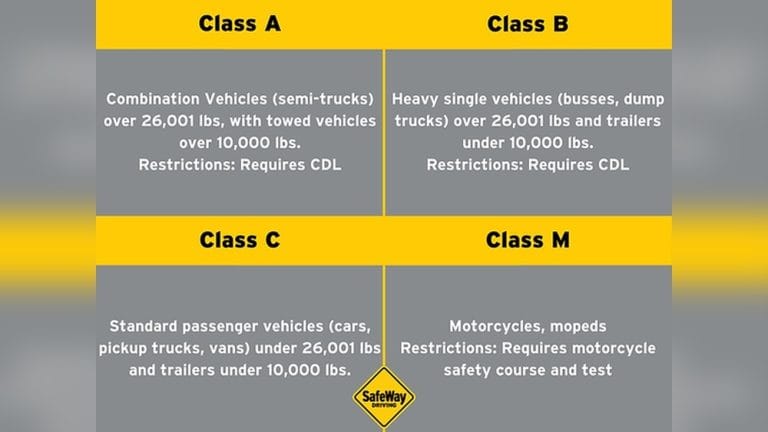
Many jurisdictions divide vehicles into classes (e.g., Class A, B, C in the US), which determine the licensing required to operate them. For example, a standard driver’s license may suffice for a sedan but not for a heavy truck or bus.
Emissions And Fuel Economy Standards
Environmental agencies set emissions limits and fuel economy benchmarks. Vehicles are grouped by category for compliance, such as Light-Duty Vehicles or Medium-Duty Trucks, with distinct standards for each.
Insurance Categories
Insurance providers use vehicle classifications to assess risk and set premiums. High-performance cars, for example, are often in a higher risk category than standard sedans.
Import And Tariff Classifications
Customs agencies classify vehicles by type, purpose, and origin, affecting import duties and regulatory approvals. These classifications can influence pricing and market access.
Example: Grey Market Vehicles
Vehicles imported outside official channels (the grey market) often face additional scrutiny or restrictions due to differences in classification and compliance.
Rail, Water, And Air Vehicle Categories
While road vehicles dominate daily life, other transportation modes have their own complex classification systems.
Rail Vehicles
Trains are categorized by purpose (passenger, freight, metro), power source (diesel, electric), and gauge. High-speed trains like the Shinkansen in Japan are a specialized class, distinct from urban trams or freight wagons.
Watercraft
Boats and ships are classified by size, propulsion, and use (cargo, passenger, military, recreational). Categories include container ships, ferries, cruise liners, and personal watercraft.
Aircraft
Aircraft are divided into fixed-wing (airplanes), rotary-wing (helicopters), and lighter-than-air (blimps, balloons). Further divisions reflect commercial, cargo, private, and military roles.
Unmanned Aerial Vehicles (drones)
Drones are increasingly important for delivery, agriculture, and surveillance. Regulatory agencies like the FAA classify drones by weight and intended use, setting distinct rules for recreational and commercial operations.
Data Table: Vehicle Modes And Primary Subcategories
| Mode | Main Subcategories | Typical Use | Regulatory Body |
|---|---|---|---|
| Rail | Passenger, Freight, High-Speed | Mass transit, logistics | FRA (US), ERA (EU) |
| Watercraft | Cargo, Passenger, Military | Shipping, travel, defense | IMO, USCG |
| Aircraft | Commercial, Cargo, Private | Travel, freight | FAA, EASA |
| Drones | Recreational, Commercial | Delivery, filming | FAA, CAA |
Frequently Asked Questions
What Is The Difference Between A Crossover And An Suv?
A crossover is built on a car platform, offering a smoother ride and better fuel efficiency, while an SUV uses a truck-based platform, prioritizing off-road capability and towing. Crossovers are more car-like in handling, whereas SUVs are designed for rugged conditions.
Are Electric Vehicles Categorized Differently From Traditional Cars?
Yes, electric vehicles (EVs) are often classified separately due to their unique powertrains and regulatory requirements. Many countries have special standards and incentives for EVs, and insurance or registration processes may differ as well.
How Are Commercial Vehicles Regulated Compared To Passenger Vehicles?
Commercial vehicles face stricter regulations regarding safety, emissions, and operator licensing. They are subject to periodic inspections, higher insurance requirements, and, in many cases, special road taxes or tolls due to their size and impact on infrastructure.
Why Do Some Countries Have Unique Vehicle Categories?
National needs, infrastructure, and legal frameworks shape vehicle classification systems. For example, India recognizes three-wheelers as a major transport category, while the US emphasizes pickup trucks and SUVs. Climate, economic development, and tradition also play a role.
Can Autonomous Vehicles Be Registered Like Regular Cars?
In many regions, autonomous vehicles are still under pilot programs or limited commercial use. Registration often requires additional disclosures, insurance, and compliance with evolving safety standards. Check with your local DMV or transport authority for the latest requirements.
The classification of vehicles is an ever-evolving field, reflecting technological advancements, regulatory shifts, and changing societal needs. Understanding these categories empowers individuals and organizations to make smarter choices, whether buying a family car, managing a fleet, or innovating the next generation of transport.
As vehicles continue to diversify, staying informed ensures safety, compliance, and the best possible experience on the road or beyond.
Products related to this article
Sponsored / affiliate links. As an Amazon Associate I earn from qualifying purchases. I may earn additional commission from eligible campaigns.