What Does Transmission Control Do in Your Vehicle Exactly?
What Does Transmission Control Do In Your Vehicle Exactly?
If you’ve ever wondered what keeps your car moving smoothly as you shift gears or accelerate, the answer lies in a system few drivers fully understand: transmission control. For most people, the transmission is a mystery—something that works quietly in the background until there’s a problem. Yet, modern vehicles rely on advanced transmission control systems to deliver power, efficiency, and safety every time you drive. Whether you own an automatic, manual, or the latest hybrid, knowing how transmission control works can help you drive smarter, spot issues earlier, and even save on repairs.
In this article, you’ll discover what transmission control actually does inside your car, why it’s so important, and how it impacts your daily driving. We’ll break down the basic concepts, dive into the details, and clear up common myths. By the end, you’ll have a clear, real-world understanding of this essential system—no engineering degree needed.
The Basics: What Is Transmission Control?
When you press the gas pedal, you expect your car to move forward or backward at the speed you want. The transmission is what makes this possible, transferring power from the engine to the wheels. But the transmission itself doesn’t act alone—it needs a “brain” to decide when and how to shift gears. That’s where transmission control comes in.
In simple terms, transmission control refers to the set of electronics, sensors, and sometimes hydraulic systems that manage how and when your vehicle shifts gears. In older cars, this job was done mechanically or by the driver. Today, most modern vehicles use a Transmission Control Module (TCM) or similar computer to handle gear shifts automatically.
Why Not Just Let The Driver Control Gears?
Manual transmissions give drivers full control, but most people prefer automatics for comfort and ease. Automatic transmissions use transmission control to:
- Shift gears at the right time for speed and power
- Protect the engine from damage
- Improve fuel efficiency
- Respond to driving conditions (like hills or towing)
Without transmission control, gear shifts would be rough, unpredictable, and often damaging to the vehicle.
Main Parts Of A Transmission Control System
To understand how transmission control works, it helps to know the key parts involved. Each plays a special role in keeping your drive smooth and safe.
Transmission Control Module (tcm)
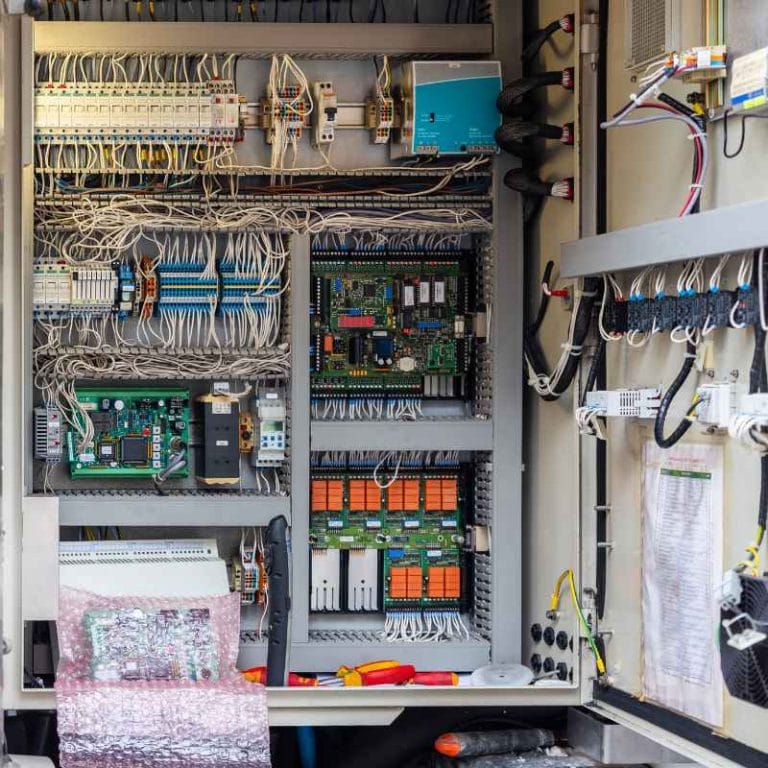
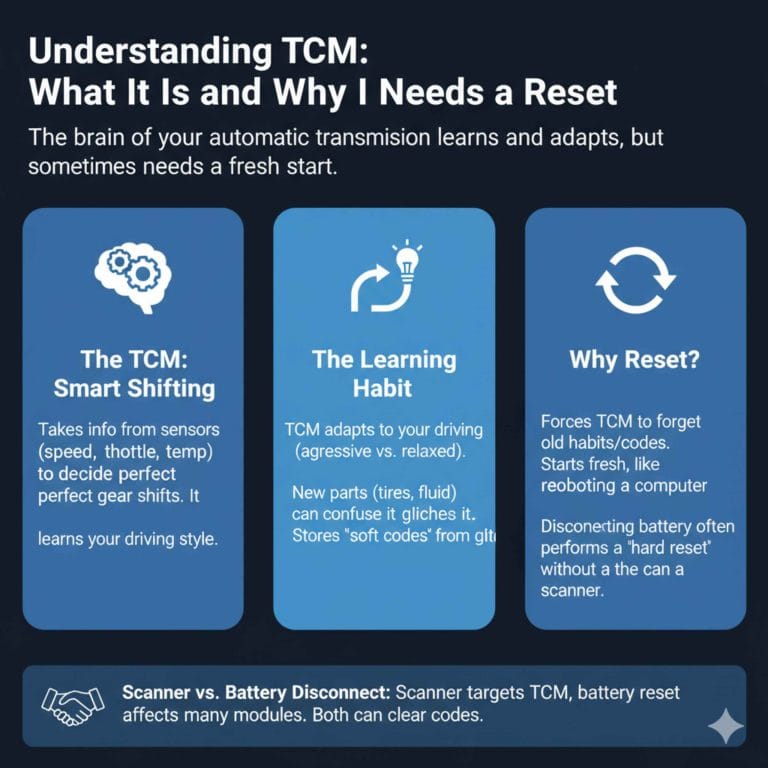
The TCM is the main computer that manages the transmission. It receives signals from sensors and sends commands to shift gears. Think of it as the “brain” of the transmission.
Sensors
Modern cars use several sensors to monitor things like:
- Vehicle speed
- Engine RPM (revolutions per minute)
- Throttle position (how much you press the gas pedal)
- Transmission fluid temperature
- Gear position
These sensors send real-time data to the TCM, so it always knows how the car is performing.
Solenoids
Solenoids are small electronic valves inside the transmission. The TCM uses them to control the flow of transmission fluid, which activates the gear changes. When you feel a gear shift, solenoids are working behind the scenes.
Hydraulic System
Many automatic transmissions use hydraulic pressure to move gears. The TCM and solenoids manage this pressure for smooth shifts.
Wiring And Connectors
All these parts communicate through a network of wiring and connectors. If there’s a bad wire or loose connection, the transmission may not work properly.
Below is a simple comparison of how transmission control differs in manual and automatic systems:
| Feature | Manual Transmission | Automatic Transmission |
|---|---|---|
| Gear Shifting | Driver controlled | Computer (TCM) controlled |
| Sensors | Minimal or none | Multiple (speed, RPM, fluid, etc.) |
| Main Control | Mechanical | Electronic & hydraulic |
| Complexity | Simple | Complex |
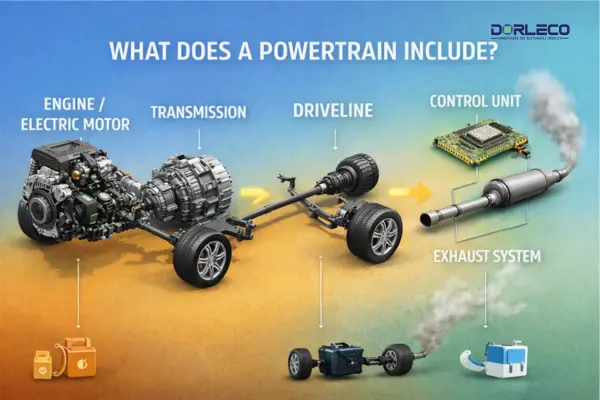
Credit: dorleco.com
How Transmission Control Works Step By Step
A lot happens in just a few seconds when you drive. Here’s a simple look at how the transmission control system operates every time you hit the road.
- Start and Sensor Check
- When you turn on your car, the TCM runs a quick check of all sensors and systems.
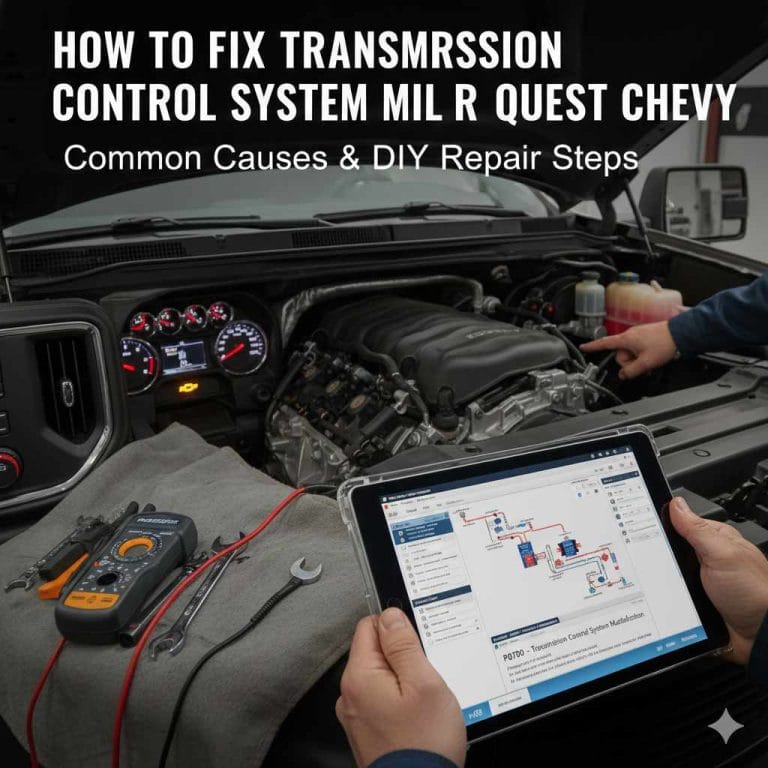
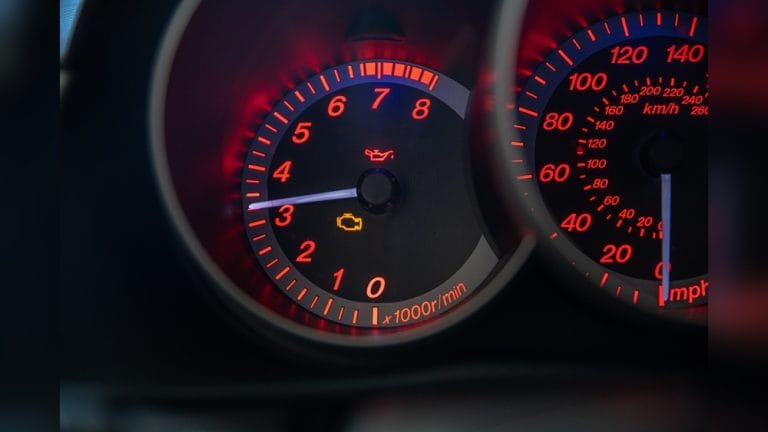
- If a problem is found, the “Check Engine” or transmission warning light may turn on.
- Reading Driving Conditions
- As you drive, sensors constantly send data to the TCM. For example, if you press the gas hard, the TCM knows you want faster acceleration.
- Choosing the Right Gear
- The TCM uses special software (algorithms) to decide the best gear for the situation.
- It considers speed, engine power, and even outside temperature.
- Activating the Shift
- The TCM sends an electrical signal to the solenoids.
- Solenoids open or close, directing hydraulic fluid to change the gear.
- Monitoring and Adjusting
- After the shift, the TCM checks sensors again to make sure the gear engaged correctly.
- If something’s wrong (like a slipping gear), the TCM may adjust or warn the driver.
Real-world Example
Imagine you’re driving uphill. The TCM senses extra load and may hold a lower gear longer for more power. On a flat road, it shifts to higher gears quickly for better fuel efficiency.
Types Of Transmission Control Systems
Not all vehicles use the same type of transmission control. The design depends on the kind of transmission your car has.
Automatic Transmission Control
Most modern vehicles use fully electronic control. The TCM manages everything, making gear shifts smooth and fast.
Continuously Variable Transmission (cvt) Control
CVTs use belts and pulleys instead of gears. The control system adjusts the transmission ratio smoothly, without traditional gear changes. This often gives better fuel economy but can feel different to drive.
Dual-clutch Transmission (dct) Control
DCTs are common in sporty cars. They use two clutches for faster, almost instant shifts. The TCM carefully times both clutches to avoid jerky movements.
Manual Transmission Control
Manuals have little or no electronic control. The driver does most of the work, but some newer manuals use sensors to help prevent damage or improve performance.
Hybrid And Electric Vehicle Transmission Control
Hybrid and electric cars use unique transmission systems. Their controllers manage power from both electric motors and engines, blending them for efficiency and smoothness.
Here’s a comparison of how different transmission control systems operate:
| Transmission Type | Control Method | Driver Involvement |
|---|---|---|
| Automatic | Electronic (TCM) | Low |
| CVT | Electronic (TCM) | Low |
| Dual-Clutch | Electronic (TCM + clutch control) | Low |
| Manual | Mostly mechanical | High |
| Hybrid/Electric | Specialized electronic | Very low |
Credit: aamcominnesota.com
Key Functions Of Transmission Control
Transmission control does more than just shift gears. Here are the main jobs it handles in your car:
1. Gear Selection And Timing
The system picks the right gear based on speed, acceleration, and load. Proper timing makes shifts smooth and reduces wear.
2. Torque Converter Lockup
In automatics, the torque converter helps transfer power from the engine. Transmission control can “lock” the converter at certain speeds to boost fuel efficiency.
3. Shift Quality Control
The TCM adjusts how quickly or softly gears change. For example, it may make shifts softer in city driving and firmer during hard acceleration.
4. Adaptation To Driving Style
Some advanced systems “learn” your driving style. If you often drive fast, the TCM may shift at higher RPMs to give more power.
5. Safety Features
Transmission control can:
- Prevent shifts that would damage the engine
- Limit power if the transmission is overheating
- Activate “limp mode” to protect the car if there’s a fault
6. Integration With Other Systems
The TCM often works with other computers in the car, like the engine control unit (ECU) or anti-lock brakes. This helps the car handle complex situations, such as slippery roads.
7. Diagnostics And Error Reporting
If something goes wrong, the TCM can store error codes. Mechanics read these codes to find and fix problems faster.
How Transmission Control Affects Your Driving
It’s easy to forget about the transmission when everything works well. But the control system has a big impact on your daily driving.
Smoother Acceleration
Good transmission control means you barely notice gear changes. This makes driving more comfortable, especially in city traffic.
Improved Fuel Efficiency
By choosing the right gear at the right time, the TCM helps your car use less fuel. Some cars even show better mileage after a software update to the TCM.
Faster Response
When you need to pass another car or climb a hill, the TCM can downshift quickly for more power.
Longer Transmission Life
Smooth, well-timed shifts reduce wear on gears and clutches. A smart TCM can even adjust shifting to match the condition of aging parts.
Enhanced Safety
By preventing wrong shifts or overheating, the TCM protects both the car and the driver from sudden failures.
Common Transmission Control Problems
Like any computer, the TCM and its sensors can develop problems. Here are some signs of transmission control trouble:
- Hard or delayed shifting
- Gear slips (engine revs but car doesn’t move as expected)
- Warning lights (“Check Engine” or transmission symbol)
- Poor acceleration
- Transmission stuck in one gear (often called “limp mode”)
Why Problems Happen
Issues can be caused by:
- Failing sensors (dirty or broken)
- Damaged wiring or connectors
- Software glitches in the TCM
- Low or dirty transmission fluid
Ignoring these signs can lead to bigger, more expensive repairs. Transmission control isn’t just about comfort—it’s also about preventing costly damage.
Diagnosing And Fixing Transmission Control Issues
If you suspect a problem, here’s how most shops diagnose and fix transmission control issues:
- Computer Scan
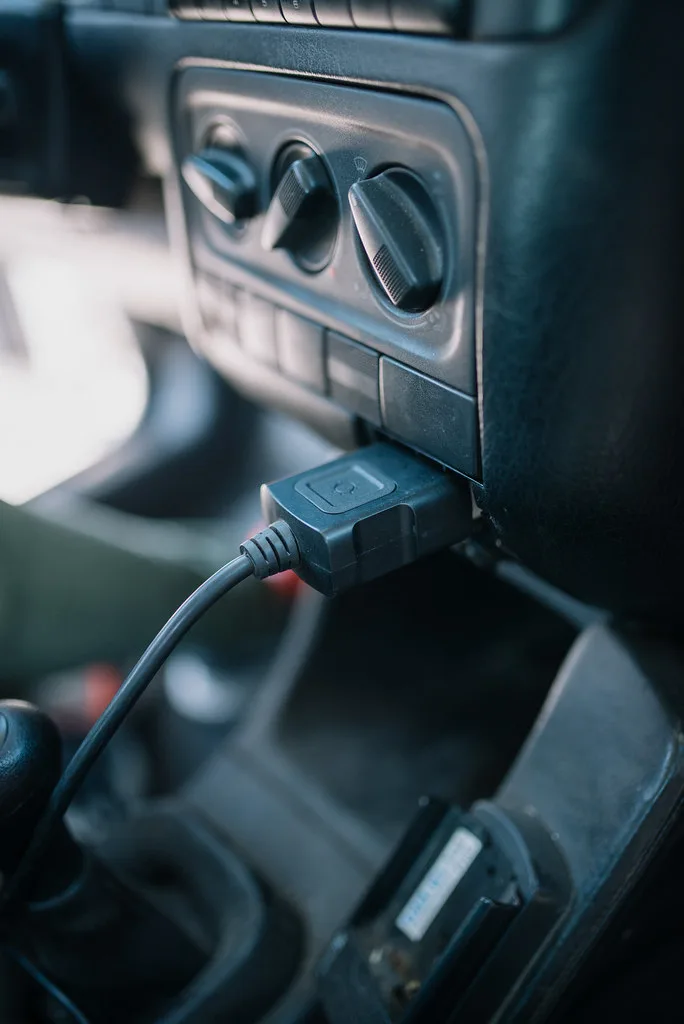
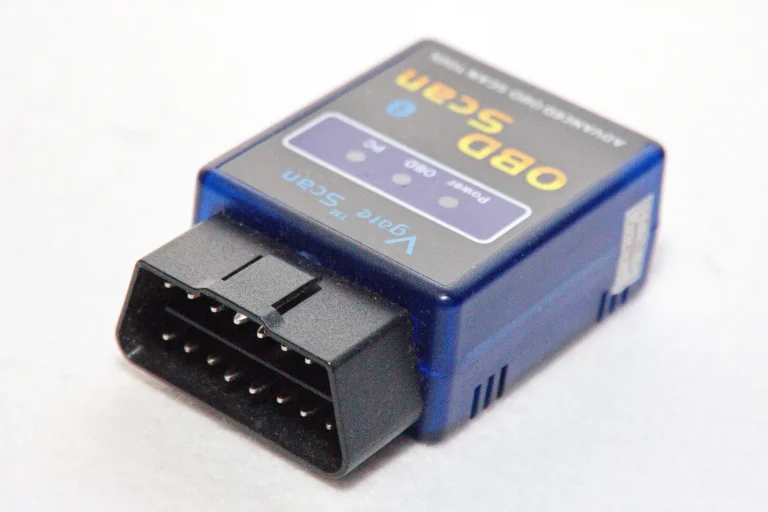
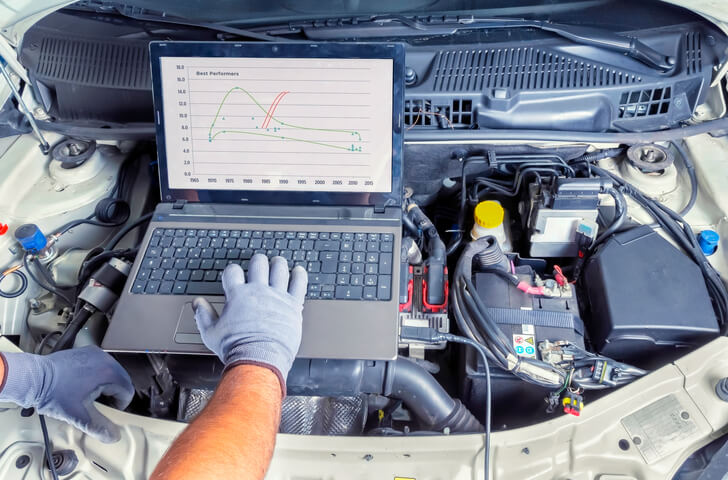
- A mechanic uses a special tool to read error codes from the TCM.
- Sensor Testing
- Sensors may be checked or replaced if they’re sending bad data.
- Wiring Inspection
- Loose, corroded, or broken wires can cause communication problems.
- Fluid Check
- Low or dirty fluid can affect shifting and damage the TCM.
- Software Update
- Sometimes, the TCM just needs a software update to fix bugs.
Non-obvious Insight 1
A failing battery or alternator can cause TCM problems, even if the battery seems “good. ” The TCM needs steady voltage—weak power can cause shifting errors.
Non-obvious Insight 2
After certain repairs (like replacing the transmission or TCM), the system may need to “re-learn” or be reprogrammed. Skipping this step can lead to poor performance.
Maintenance Tips For Transmission Control Systems
Taking care of your transmission control system isn’t hard, but it does require attention.
- Check transmission fluid regularly. Low or dirty fluid is a top cause of TCM problems.
- Fix warning lights quickly. Don’t ignore the “Check Engine” or transmission light.
- Keep software updated. Ask your dealer about TCM updates during regular service.
- Avoid high heat. Overheating is bad for both the transmission and its computer.
- Don’t tow or overload beyond your car’s limits. This stresses the TCM and can cause faults.
A well-maintained system can last the life of the car, but neglect can lead to expensive repairs.
The Future Of Transmission Control
Transmission control is getting smarter every year. Here’s what’s changing:
Smarter, “adaptive” Systems
New TCMs use artificial intelligence to predict and respond to driving conditions. They can even adjust for things like traffic jams or icy roads.
More Integration With Other Systems
Future cars will have transmission control working closely with navigation, cruise control, and self-driving features. For example, the TCM might downshift before a steep hill based on GPS data.
Over-the-air Updates
Some modern vehicles can update the TCM software remotely, just like a smartphone. This means better performance and fewer trips to the shop.
Electric And Hybrid Innovations
Electric cars use simpler transmissions, but their control systems are very advanced. They can blend power from motors and engines for the best efficiency.
Here’s a look at how transmission control is evolving:
| Era | Transmission Control Type | Main Features |
|---|---|---|
| 1980s | Hydraulic & mechanical | Basic automatic shifting |
| 1990s-2000s | Electronic (TCM) | Adaptive shifting, diagnostics |
| 2010s-present | Integrated electronic | Learning algorithms, safety features |
| Future | AI-integrated, over-the-air | Predictive, self-updating, connected |
For more detailed technical reading, you can visit the Transmission Control Unit page on Wikipedia.
Frequently Asked Questions
What Happens If The Transmission Control Module Fails?
If the TCM fails, your car may not shift gears correctly or could get stuck in a single gear (often called “limp mode”). This protects the transmission but limits performance. You
Products related to this article
Sponsored / affiliate links. As an Amazon Associate I earn from qualifying purchases. I may earn additional commission from eligible campaigns.