Fuel Injectors vs Carburetors: Older Car Owner Guide
For older cars, keep the carburetor if it starts, idles, and cruises well, diagnose EFI if it has sensor, pump, or wiring faults, and convert only when parts, tuning, or fuel-stability problems keep returning. I have seen owners spend money on the wrong system and end up with hard starts, poor mileage, flooding, or parts swaps that fixed nothing. This guide compares drivability, originality, repair costs, and parts availability for carbureted and EFI setups.
This guide is part of our Car engine components: parts, functions and diagrams series.
Fuel injectors vs carburetors: the real choice on an older car


| Decision factor | Fuel injectors | carburetors: What older car owners should know | Winner |
|---|---|---|---|
| Cold starting and altitude compensation | Computer-controlled fueling adjusts well for temperature and air density. | Mechanical metering is less forgiving when weather or elevation changes. | Fuel injectors |
| Originality on stock classics | Often a later add-on, so it can hurt factory-correct appearance. | Matches the original layout on many pre-1990 vehicles. | carburetors: What older car owners should know |
| Diagnosis and repair access | Needs fuel pressure checks, sensor checks, wiring checks, and injector testing. | Usually simpler to inspect, clean, and rebuild if parts are available. | carburetors: What older car owners should know |
| Parts availability on mixed-condition old cars | Service parts can be available, but old wiring, pumps, and sensors add complexity. | Remanufactured units and rebuild parts may be easier to source for common engines. | Tie |
| Fuel stability after storage | Less sensitive to routine use when the pump, filter, and injectors stay healthy. | More likely to varnish, gum jets, and act up after long sits. | Fuel injectors |
Cold start and weather behavior
Fuel injectors usually win here because EFI meters fuel from sensor input and fuel pressure, which helps on frosty mornings and at higher elevation. I have watched a well-tuned carburetor start cleanly, then fall apart when the temperature swings hard or the car has sat for weeks.
Originality and under-hood appearance
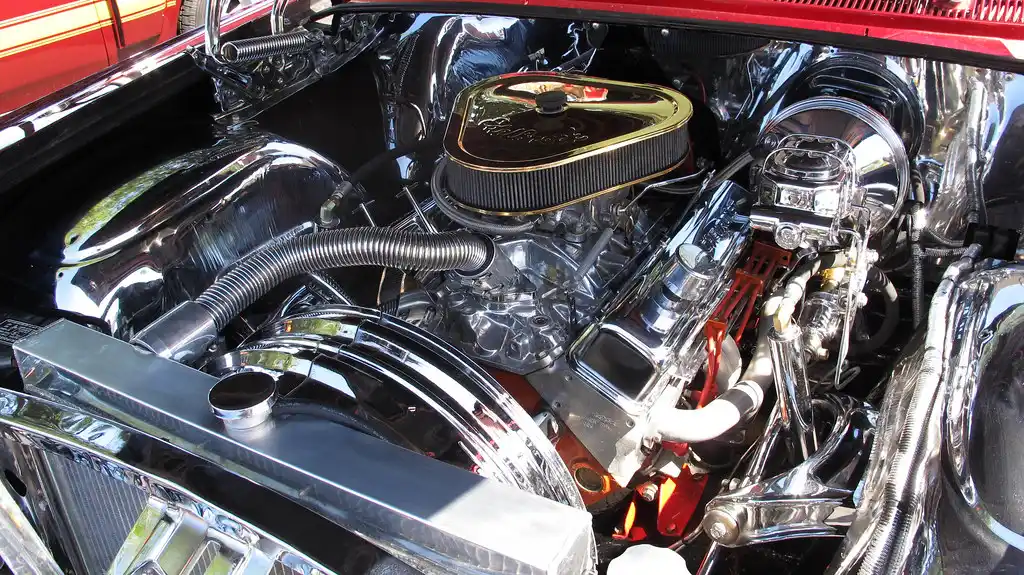
Carburetors win for a stock restoration or any car where period-correct parts matter. Many older engines were built around a carburetor, and leaving it in place avoids the look change that comes with a conversion kit, added wiring, and an electric pump.
Repair path and service access
Carburetors usually need simpler tools and a smaller parts list. EFI usually calls for a broader check: fuel pressure, filter condition, sensors, wiring, pump output, and injector balance. That makes EFI more exact, but it also means a bad diagnosis is more likely if the technician blames the injectors before checking the rest of the system.
Long-term parts planning
Older carburetors can be rebuilt, but the usable parts pool varies a lot by model. Injector service is also available; UREMCO lists CPFI, DFI, EFI, MPI/MFI, SFI, and TBI among supported injector systems, and it offers a 12 month/12,000 mile warranty on remanufactured injectors. The practical winner is often a tie, because the best path depends on engine family and how common the platform is.
Storage and fuel age
Weekend cars and stored classics punish carburetors more often. Old fuel leaves varnish, clogged jets, and sticky float parts. EFI still dislikes stale fuel, but a healthy pump and filter usually cope better than a carburetor that has sat with fuel drying inside it.
According to uremcoinc.com — Most vehicle manufacturers guarantee fuel injectors on new cars for 5 years or 50,000 miles.
What is the difference between fuel injectors and carburetors?
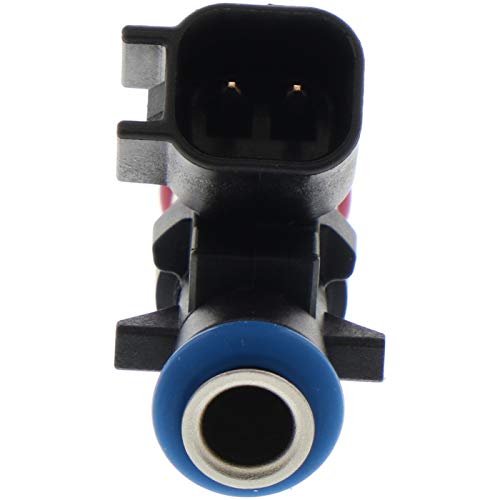
Fuel injectors are pressurized nozzles that spray fuel into the engine, while a carburetor is a mechanical fuel-mixing device that uses jets, floats, and a throttle plate to blend air and fuel. EFI usually meters fuel with tighter control, especially for cold starts and altitude changes, while carburetors stay simpler on older cars I work on often.
Fuel-metering method
A carburetor depends on airflow and mechanical passages. That works well when the system is clean and the engine is healthy, but deposits, worn parts, and vacuum leaks can upset the mixture. A fuel injector does not meter fuel the same way; it depends on pressure, spray pattern, and control from EFI electronics.
Control and service access
EFI adds sensors, wiring, pumps, and a regulator. That makes it more exact, but it also means a bad reading or weak supply can create symptoms that look like injector failure. Carburetors usually have fewer parts in the control chain, which makes them easier to open, inspect, and rebuild on the bench.
How do I know if my older car has a carburetor or fuel injection?
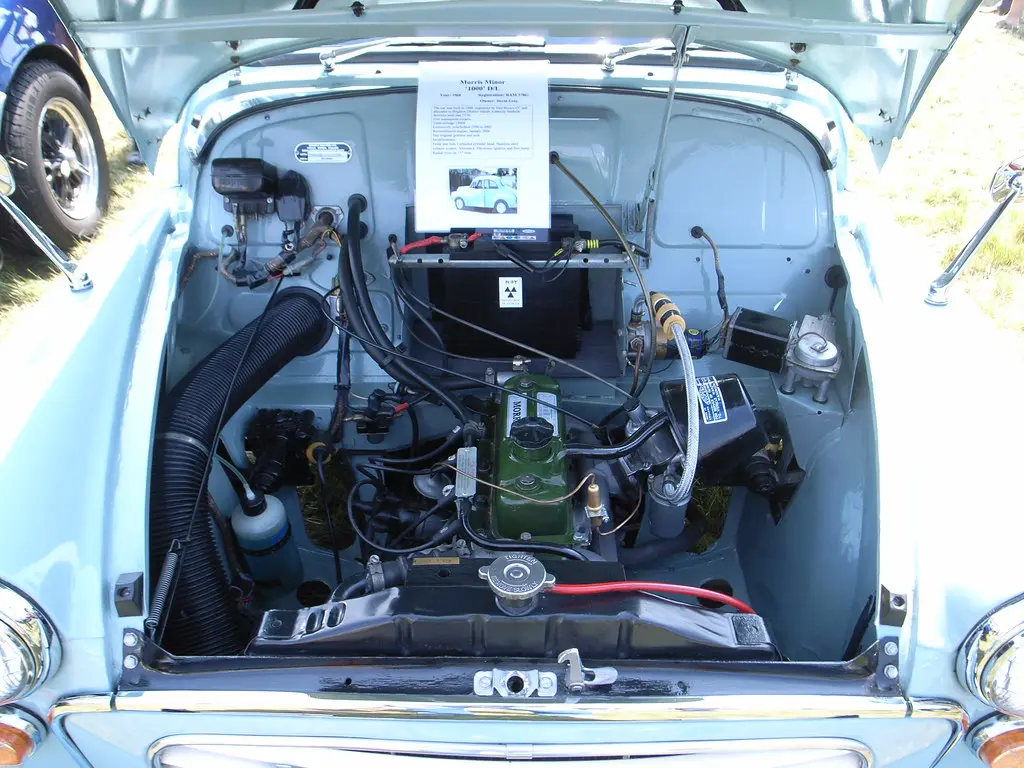
The fastest check is under the hood. A carburetor sits on the intake with a fuel bowl and linkage, while EFI uses injectors, an electric pump, and usually a fuel rail, throttle body, or injector lines. Many late older cars have TBI or MPI, so do not assume every pre-1990 car is carbureted.
Visual clues for carburetor, TBI, and MPI
A carburetor usually has a throttle lever, choke hardware, and a bowl casting on top. TBI looks like a throttle body with one or two injectors mounted in the unit, so owners often mistake it for a carburetor. MPI places an injector near each intake port, with fuel rails feeding them.
Where to check first
Follow the fuel line and look for an electric pump and a fuel rail. On EFI cars, pressure is a key diagnostic value and should be measured with a gauge. Carburetors generally run at much lower pressure, so a high-pressure pump on a carb setup often suggests the system has been changed.
Signs of a past conversion
New wiring, a return-style regulator, an external high-pressure pump, or a patched wire bundle often means the car has been converted. Mixed parts are common on older cars, especially when an owner swapped an engine but kept the original body. That is the point where ordering the wrong parts becomes expensive fast.
Which is easier and cheaper to repair on an older car, a carburetor or fuel injectors?
Carburetors are usually cheaper and easier to open up, clean, and rebuild. Fuel injectors are often simpler to replace as components, but EFI diagnosis can take longer because the fault may be in pressure, wiring, sensors, or the injector itself. On old cars, the cheapest fix is the one that targets the right system first.
Carburetor repair cost reality
A carburetor rebuild often means gaskets, jets, a float, and careful cleaning. That is straightforward when the core casting is sound. If the carburetor is rare or badly worn, the price rises because a replacement or remanufactured unit may be harder to source.
Injector repair cost reality
Injector service can be practical when the problem is clogging or flow imbalance. UREMCO says it rebuilds CPFI injectors and lists DFI, EFI, MPI/MFI, SFI, and TBI among supported systems. The catch is that EFI problems often need more than the injectors, so the bill can grow if the pump, regulator, or harness also needs work.
Why diagnosis changes the bill
A rough idle is not proof that the carburetor or injector is bad. Vacuum leaks, ignition faults, weak fuel pressure, or a clogged fuel filter can all create the same complaint. If the wrong part is replaced first, the car may still run badly and the repair budget gets burned twice.
What are the common failure signs of a bad carburetor versus bad injectors?
Carburetor failures often show up as hard hot starts, stalling, fuel smell, or a dirty idle caused by varnish, clogged jets, float trouble, or worn passages. Injector failures more often show up as one-cylinder misfire, imbalance, leakage, poor spray pattern, or electrical fault. In both cases, a fuel filter or vacuum leak can imitate the same symptom.
Carburetor fault patterns
Storage is the enemy. Old fuel gums up the bowls and passages, and a sticky float can flood the engine after a heat soak. A carburetor with a vacuum leak around the base gasket can also act lean, surge, or stall at a stoplight.
Injector fault patterns
A bad injector can clog, leak, or lose coil resistance. That often shows as one cylinder running differently from the others, which is why spray pattern and flow balance matter. If the fuel pressure is too low, the whole EFI system may run lean and misfire even when the injectors are fine.
Non-fuel causes that get blamed on fuel parts
Vacuum leaks are a frequent false lead on both carbureted and injected engines. So is weak ignition, especially on older cars with tired caps, rotors, coils, or plug wires. A dirty fuel filter can also restrict flow and mimic a bad pump, bad carburetor, or bad injector set.
What fuel-injection types were used on older cars, like TBI and MPI?
Older cars used several EFI forms, and the differences matter during diagnosis. TBI uses one or two injectors in the throttle body and is often a stepping stone from carburetion to full EFI. MPI, or MFI, places injectors near each intake port, which usually gives better cylinder-to-cylinder fuel control than TBI.
TBI as the bridge system
TBI often looks like a carburetor at a glance because it sits in the same spot and uses a throttle plate. It is still EFI, though, because a computer controls the fuel delivery. Late-carb era vehicles used it to move toward electronic control without a full redesign of the intake system.
MPI and later EFI layouts
MPI uses one injector near each intake port. That improves fuel distribution compared with a single central nozzle because each cylinder gets a more even share. Sequential systems take this a step further by timing injector pulses more closely to engine events.
Why the label matters during diagnosis
Owners often order carburetor parts for a TBI truck or chase injector faults on a carbureted car. That wastes time. The correct diagnosis starts by naming the system correctly, then checking pressure, filters, vacuum leaks, and ignition before buying hardware.
Use the owner decision table before you touch the car
Use this table to separate carburetor faults from injector faults and from non-fuel causes. It also points to the right ownership choice: keep the stock setup, repair the current system, or convert when use and parts access justify it. That order matters more than parts-brand loyalty.
| Symptom or use case | Likely carburetor issue | Likely injector issue | Likely non-fuel cause | First move |
|---|---|---|---|---|
| Hard start after long storage | Varnish, stuck float, clogged jets | Stale fuel, clogged injector, weak pump prime | Weak battery, bad ignition, vacuum leak | Check fuel age, filter, and spark before parts |
| Rough idle at traffic lights | Idle circuit fault or base leak | Injector imbalance or low pressure | Vacuum leak, timing issue, sensor fault | Inspect vacuum hoses, then measure fuel pressure |
| One-cylinder miss | Less common unless carb feeds badly uneven mixture | Clogged, leaking, or electrically failed injector | Plug, wire, cap, coil, compression loss | Swap ignition parts before condemning fuel delivery |
| Black smoke or fuel smell | Float too high, stuck needle, flooding | Leaking injector or excess pressure | Bad sensor input on EFI, weak spark | Check fuel pressure and spark quality |
| Lean stumble or surge | Clogged jets, restricted passages | Low pressure, restricted filter, injector clog | Vacuum leak, exhaust leak, timing error | Smoke-check intake leaks and inspect the filter |
How to read the table
The same symptom can come from different systems. That is the key point. A car that stalls after warm-up may need a carburetor float repair, an injector service, a new filter, or a vacuum leak repair, and the symptom alone does not pick the winner.
Keep / repair / convert checklist
- Keep the original carburetor if the car is stock, starts well, and only sees occasional use.
- Repair the EFI system if the car already has TBI, MPI, or another serviceable setup and the fault is in pressure, wiring, or injectors.
- Convert only if parts are hard to source, the car sits for long periods, or drivability problems keep returning after proper repair.
- Verify vacuum integrity, ignition condition, and fuel filter state before buying major parts.
Choose carburetor repair if… / choose fuel-injection repair or conversion if…
Choose carburetor repair if the car is a stock classic, originality matters, and the engine already starts and runs close to right. Choose fuel-injection repair or conversion if the car is a daily driver, sees cold-weather use, sits through storage, or already has EFI hardware that is worth saving. The right answer is the one that fits the car’s use and the parts you can still source.
Choose carburetor repair if…
The car is mostly original. The engine is known to run well once warmed up. Parts for the carburetor are still available, or a rebuild kit solves the problem without altering the car’s character.
Choose fuel-injection repair if…
The car already has TBI, MPI, or another EFI layout. The fault points to fuel pressure, an injector, a sensor, or wiring. The rest of the system is healthy enough that a repair is cheaper than a full change.
Choose a conversion if…
The car is driven often enough that cold starts, altitude changes, and fuel stability matter more than originality. The owner is ready for the added parts list: ECU, sensors, harness, pump, and regulator. A conversion kit is useful, but it is not a casual bolt-on fix.
Does fuel injection improve starting, fuel economy, and drivability on older cars?
Yes, fuel injection usually improves cold starting, mixture control, and day-to-day drivability on older cars. It is also better at compensating for altitude and temperature changes. The trade-off is that EFI adds parts and diagnostics, so the system is better when maintained, not when ignored.
Where EFI helps most
EFI helps the most on cars that see frequent starts, varied weather, or storage gaps. It meters fuel with more control than a carburetor, which usually means fewer cold-start complaints and fewer mixture changes with weather swings. That is why many older daily drivers feel better after conversion or repair.
Where EFI does not solve everything
EFI does not cure a vacuum leak, weak ignition, or bad compression. It also does not forgive a failing pump or clogged filter. If the rest of the engine is tired, injection will not hide those problems for long.
Can a carbureted car be converted to fuel injection?
Yes, a carbureted car can be converted to EFI, but the conversion is not just a throttle-body swap. A proper kit usually needs an ECU, sensors, harness, electric pump, and regulator. The choice makes sense when drivability, storage behavior, or parts access matter more than keeping the original carburetor.
What a conversion kit usually includes
A real conversion needs control and supply hardware, not just injectors. That means the ECU, sensors, wiring harness, pump, and regulator all have to work together. If one piece is undersized or mismatched, the conversion can create new driveability problems.
When conversion is worth it
Conversion makes sense for older daily drivers that live in traffic, face seasonal weather, or sit through long storage between uses. It can also help modified classics with cams, headers, or other changes that make carb tuning annoying. For a stock weekend car, the original carburetor often remains the better fit.
Can bad fuel quality or gas price concerns affect carbureted or injected classics differently?
Yes. Bad or aged fuel tends to hurt carburetors more because varnish, gum, and deposits clog jets and float passages. Fuel injection still hates stale gasoline, but the system usually handles normal use better. Gas price concerns also matter more to cars that are driven often, which tends to favor EFI for daily use rather than a carburetor swap by itself.
Fuel quality and storage
Weekend classics are the hardest case. Fuel sits, evaporates, and leaves residue in the carburetor bowl or injector system. A clean fuel filter and fresh fuel matter on both systems, but carburetors are usually first to complain after a long sit.
Gas price in practical terms
The EIA reported U.S. regular gasoline at $4.465 on 09/28/26 and California regular gasoline at $6.189 on 09/28/26. AAA reported Pennsylvania regular gas at $4.5307 on 9/29/26, Pittsburgh regular gas at $4.7086, and Philadelphia regular gas at $4.4967. Those numbers do not decide carburetor versus EFI, but they do change how much wasted fuel from poor tuning or rich running hurts the owner.
Frequently asked questions
What is the difference between fuel injectors and carburetors?
Fuel injectors spray pressurized fuel, while carburetors mix air and fuel with jets, floats, and a throttle plate. EFI usually meters fuel with tighter control, especially for cold starts and altitude changes. Carburetors are simpler and still common on older vehicles that were built around them.
How do I know if my older car has a carburetor or fuel injection?
Look for a fuel bowl and choke hardware for a carburetor, or a fuel rail, electric pump, and injectors for EFI. TBI can fool owners because it sits where a carburetor would sit, but it is still electronic fuel injection. MPI usually has one injector near each intake port.
Which is easier and cheaper to repair on an older car, a carburetor or fuel injectors?
Carburetors are often easier to clean and rebuild, which keeps basic repair costs down. Fuel injectors may be cheaper to replace as individual parts, but EFI diagnosis can take longer because fuel pressure, wiring, sensors, and filters all matter. The cheapest repair is the one aimed at the right fault.
What are the common failure signs of a bad carburetor versus bad injectors?
Carburetors usually fail with hard hot starts, stalling, rough idle, or fuel smell from varnish, clogged jets, or float trouble. Injectors more often show one-cylinder misfire, leakage, imbalance, or poor spray pattern. Vacuum leaks, ignition faults, and clogged filters can copy both sets of symptoms.
Can a carbureted car be converted to fuel injection?
Yes, but a proper conversion usually needs an ECU, sensors, harness, pump, and regulator. It is worth doing when the car is driven often, storage behavior is poor, or carburetor parts are hard to source. It is less attractive for a stock car that already runs well.
Does fuel injection improve starting, fuel economy, and drivability on older cars?
Usually yes. EFI helps with cold starts, weather changes, and altitude correction, and it often makes an older car easier to live with every day. It does not fix vacuum leaks, weak ignition, or bad compression, so the rest of the engine still has to be sound.
What fuel-injection types were used on older cars, like TBI and MPI?
TBI was a common bridge system on late older cars and uses one or two injectors in the throttle body. MPI, also called MFI, places an injector near each intake port and usually gives better cylinder-to-cylinder control. Both are EFI, but they diagnose differently from a carburetor.
Can bad fuel quality or gas price concerns affect carbureted or injected classics differently?
Bad fuel and long storage usually hurt carburetors first because stale gasoline gums jets and float parts. EFI handles regular use better, though it still needs clean fuel and a healthy filter. Higher fuel prices mainly affect cars that are driven often, which makes correct tuning more important on either system.
Products related to this article
Sponsored / affiliate links. As an Amazon Associate I earn from qualifying purchases. I may earn additional commission from eligible campaigns.