Best cars for winter driving: top traction picks for safety
The best cars for winter driving are all-wheel-drive or four-wheel-drive models fitted with winter tires; for most buyers, that beats any badge or horsepower number. Pick badly, and you get longer stops, worse hill starts, more stuck moments, and higher crash risk. This guide sorts top picks by real use case: light city snow, steep hills, unplowed roads, and long cold commutes.
This guide is part of our Car comparisons and reviews series.
Best cars for winter driving: top pick and quick picks
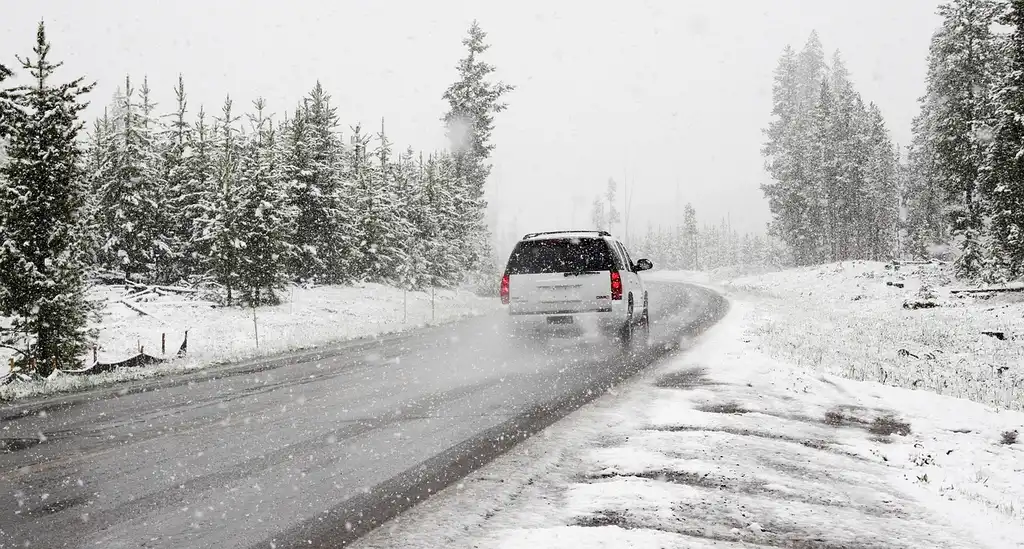


The best all-around winter pick for most snowy-region shoppers is the Subaru Outback, because it combines standard symmetrical AWD, a wagon body that stays steady in slush, and enough ground clearance for rutted city streets without feeling truck-like on dry pavement.
Quick picks by winter use case
| Use case | Best fit | Why it fits | What to check |
|---|---|---|---|
| Light city snow | Subaru Outback | Stable wagon stance, good visibility, easy-to-live-with traction | Winter tire fitment and heated comfort features |
| Steep hills and mixed roads | Subaru Forester | AWD traction plus upright seating for traffic and snowbanks | How the AWD behaves under throttle on slick grades |
| Unplowed roads and deep snow | Jeep Wrangler or a true 4×4 pickup/SUV | Part-time or full-time 4WD, ground clearance, low-range ability | Whether the system is real 4WD, not styling only |
| Long cold commutes | Skoda Superb Estate 4×4 | Comfort, space, and winter stability without SUV bulk | Heated kit, battery health, and winter tire availability |
| Budget winter buy | Dacia Duster | Simple, tall, practical, and available with 4WD | Gearbox choice and tire size options |
A lot of winter shopping goes wrong at this step. Buyers look at all-wheel-drive badges and stop there. That is too shallow for packed snow, black ice, and steep parking lots.
Top picks, explained briefly
Subaru Outback. The cleanest answer for people who want one vehicle for plowed suburbs, slushy highways, and winter trailheads. Symmetrical AWD is standard, so the traction package is not left to trim level luck.
Subaru Forester. Some drivers find better visibility than in many crossovers, easier ingress in winter boots, and an upright driving position that can help when snowbanks squeeze lanes. It is a safer shape for daily winter abuse than many low wagons.
Skoda Superb Estate 4×4. A strong long-commute answer. The Skoda Superb Estate can be had with four-wheel drive on its most powerful models, and four-wheel-drive Superb Estates weigh under 1,700kg. That keeps it from feeling like a heavy winter boat.
Dacia Duster. The value pick. The Dacia Duster has more than 200mm of ground clearance, and the Duster four-wheel-drive model is only available with a manual gearbox. That makes it a very specific tool, not a one-size answer.
Jeep Wrangler. Best when roads are not really roads anymore. It is the sort of vehicle that earns its keep after the plow stops at the county line.
Which cars are best for light city snow?
For light city snow, the best cars are usually AWD wagons, compact crossovers, and sedans with winter tires. In plowed neighborhoods, the biggest gains come from steady traction, clear sightlines, and braking manners on polished slush rather than huge ride height.
Best sedan or wagon choices for plowed streets
Wagons usually make more sense than tall SUVs here. They sit low enough to feel controlled in crosswinds, but they still give useful cargo room for snow gear and winter kit.
The Subaru Outback is the easiest all-around recommendation. The Skoda Superb Estate is the smarter choice for buyers who want long-distance comfort and a lower, more car-like ride. A sedan can work too, especially if it has winter tires and a calm throttle map.
What helps most in stop-and-go snow
Traction control and stability control matter here because they trim wheelspin and reel in a sliding rear end on slick intersections. Modern cars have these systems, but they do not replace tire grip.
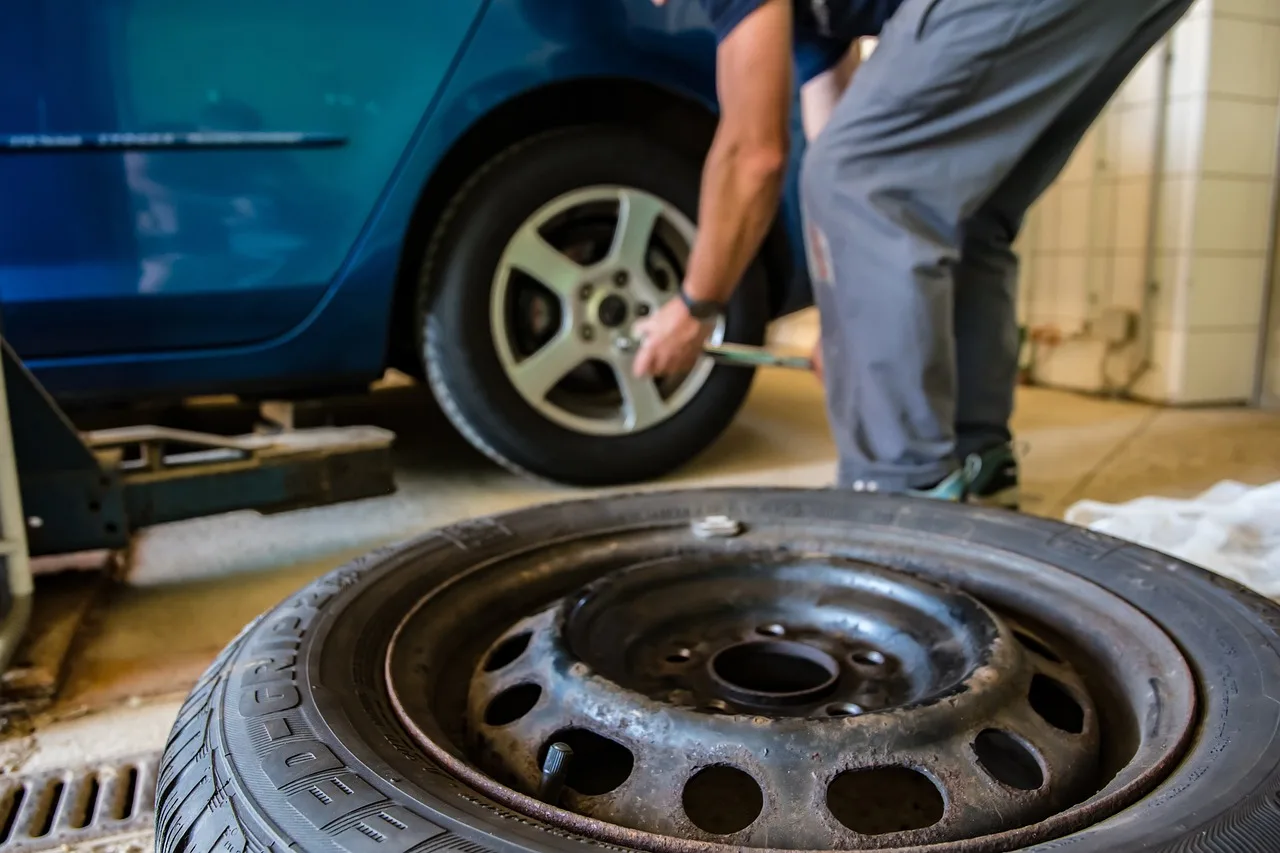
Winter tires are the real difference-maker. Winter tyres can provide extra traction on snow and ice, and they may outperform all-seasons even when a car has AWD. That is especially clear in stop-start traffic, where brake feel and initial bite matter more than top-end traction.
Which vehicles handle steep hills and mixed winter roads best?
For steep hills and mixed winter roads, the best vehicles are AWD models with winter tires and predictable throttle response. Hills punish weak tires first, then open differentials, then overly heavy vehicles that slide backward once momentum disappears.
AWD systems that suit daily climbing
AWD systems help most when they send power to the tires with the most grip before the car bogs down. That is why symmetrical AWD gets such a good winter reputation: the system is built around constant balance, not last-second scrambling on slick pavement.
Many crossover AWD systems are available only on certain trims, so buyers need to check the drivetrain sheet closely. Some rugged-looking SUVs are AWD only, not true 4×4. That matters when the road turns to packed snow and a long hill starts to spin wheels.
Why winter tires matter more on hills than badges
On hills, the tire compound often matters more than the badge on the tailgate. Winter tires cut through the hard polish on snow and grip better on cold pavement. AWD helps you move; winter tires help you stop, hold, and steer once the hill gets ugly.
Traction and stability control can trim wheelspin, but they cannot create grip that is not there. A car with winter tires and a basic AWD system usually climbs and stops more cleanly than a more expensive vehicle on worn all-seasons.
What are the best cars for unplowed roads and deep snow?
For unplowed roads and deep snow, the best vehicles are true 4WD or 4×4 models with high ground clearance and, where possible, low-range gearing. These are the machines that cope with drifted driveways, rutted lanes, and snow that rises over the lower bodywork.
True 4WD and 4×4 picks for rough conditions
Jeep Wrangler is the obvious call for serious off-pavement winter use. A real 4×4 pickup or SUV also works well if it has proper clearance, the right tires, and a transfer case that is more than a badge.
The Dacia Duster is a useful reminder that rugged styling does not equal capability. It has more than 200mm of ground clearance, which is helpful, but the Duster four-wheel-drive model is only available with a manual gearbox. Buyers need to match the vehicle to the driving style they actually want.
How ground clearance and low-range change the outcome
Ground clearance keeps the underbody from plowing snow like a shovel. Low-range gearing matters when the surface is soft, the incline is steep, and a gentle crawl is better than wheelspin. That combination is far more useful than extra power on its own.
In deep snow, the point is not speed. It is keeping the tires on firmer material instead of burying the chassis. Once the belly drags, traction systems can only do so much.
Can a sedan be good in snow?
Yes, a sedan can be good in snow if the roads are plowed, the tires are proper winter tires, and the driver accepts lower ground clearance. A sedan usually handles more cleanly than a tall SUV on cleared roads, but it runs out of clearance sooner in deep snow and ruts.
When a sedan makes sense
Sedans make sense for urban commuters who face regular plowing, short slush patches, and parking garages. They tend to be quieter, more efficient, and less top-heavy than tall crossovers, which helps on slick highways and in strong crosswinds.
They are also easier to place in traffic when visibility is poor. Lower seating can be a drawback in snowbanks, but the stability payoff is real on cleared roads.
Sedan limitations in slush and ground clearance
The limitation is simple: a sedan can bottom out sooner. Once packed snow builds under the bumper or floorpan, traction and braking both suffer. That is why a sedan needs more conservative route choices than a taller wagon or crossover.
If the commute regularly includes steep driveways, unplowed side streets, or roadside snow piles, a sedan is the wrong tool unless the snow falls lightly and gets cleared fast.
How much ground clearance do you need for snow?
For deeper snow, roughly 8 inches or more of ground clearance is often a good target. Less than that can still work on plowed roads, but it gives up margin when snow piles up, drifts across lanes, or turns into ruts after traffic packs it down.
Where it helps
Higher clearance helps avoid getting stuck on snow ridges, frozen slush, and driveway lips. It also reduces the chance of the front bumper acting like a plow. That is valuable when the road surface changes every few blocks.
The Dacia Duster is a useful reference point here because it has more than 200mm of ground clearance. That level is not magic, but it is enough to keep the body from dragging in many winter suburbs and on rough access roads.
The tradeoff in braking and body motion
Higher clearance usually brings more body roll and a little less urgency in emergency lane changes. It can also feel less settled in hard braking. Winter shoppers need to remember that clearance helps with passage, not with stopping distance.
A low wagon with good tires can brake and corner more neatly than a tall SUV on mediocre tires. That is why clearance should be one factor, not the entire decision.
What winter features should I look for in a car?
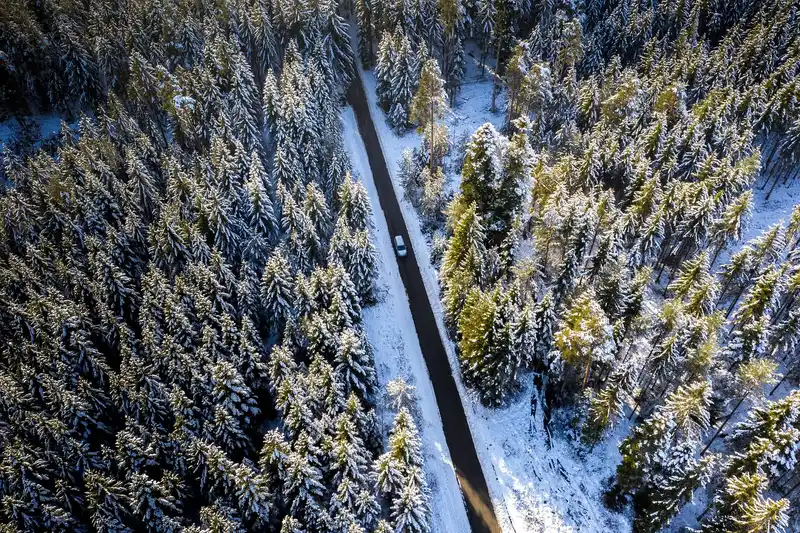
Look for heated seats, a heated steering wheel, a wiper de-icer, remote start, good glass area, and a battery sized for colder starts. These features do not create traction, but they reduce fatigue and improve the odds that the car starts and clears properly on miserable mornings.
Heated seats, heated steering wheel, and remote start
Heated seats and a heated steering wheel make a frozen cabin easier to live with. Remote start helps warm the cabin and defrost the windshield before departure, though it is not a substitute for cleaning the car properly.
For long cold commutes, comfort matters more than many buyers admit. If the driver is miserable, the odds of rushed decisions go up.
Visibility, wiper de-icer, and cold-start confidence
Visibility is a winter safety item, not a luxury. A high seating position helps over snowbanks and traffic spray, while a broad glass area makes it easier to read ruts, lane edges, and pedestrians in heavy weather.
Cold-weather reliability also matters. Battery strength, startup behavior, and owner reliability ratings should be part of the decision. A vehicle that is excellent in motion but unreliable at dawn is a bad winter buy.
Why body style changes winter use
SUVs give height and a stronger view of the road. Wagons often offer a useful blend of stability and cargo room. Sedans can be excellent on cleared roads but need more restraint when snow gets deep.
That is the real buying split: visibility and clearance versus composure and braking. The right answer depends on the roads, not the badge.
Winter-use decision table for the recommended cars
| Model | Traction | Ground clearance | Tire fitment | Visibility | Cold-weather comfort | Deep-snow suitability | What fails first |
|---|---|---|---|---|---|---|---|
| Subaru Outback | Strong | Good | Good winter tire support | Good | Good | Fair to good | Braking on slick downhill sections |
| Subaru Forester | Strong | Good | Good winter tire support | Very good | Good | Good | Body motion in crosswinds and quick lane changes |
| Skoda Superb Estate 4×4 | Strong | Fair | Good winter tire support | Good | Very good | Fair | Clearance on snow ruts |
| Dacia Duster | Good | Very good | Good winter tire support | Good | Fair | Good | Manual gearbox convenience in heavy traffic |
| Jeep Wrangler | Very strong | Very good | Good winter tire support | Good | Fair | Very good | On-road comfort and noise |
| Typical AWD sedan | Good | Poor to fair | Good winter tire support | Fair | Good | Poor | Belly clearance in unplowed snow |
Which winter car is best for a budget buyer?
A budget winter car is usually one that has simple AWD or 4WD, accepts real winter tires, and does not force the buyer into expensive trim packages. The Dacia Duster is a strong budget example because it keeps the formula practical and tall without pretending to be a luxury SUV.
How to choose
- Match the car to the road surface you actually face most often.
- Choose winter tires first, then decide between AWD and 4WD.
- Use higher ground clearance for deep snow, not as a substitute for tires.
- Check visibility from the driver’s seat in slush and snowbanks.
- Look for heated seats, a heated steering wheel, and a wiper de-icer if the commute is cold.
- Verify battery condition and winter-start reliability before buying used.
For budget shoppers, the trap is paying for rugged styling while ignoring the drivetrain and tires. A plain AWD wagon with winter tires can be a better winter buy than a tougher-looking crossover with mediocre rubber.
Frequently asked questions
What are the best cars for winter driving?
The best cars for winter driving are all-wheel-drive or four-wheel-drive models with winter tires, plus enough clearance for the roads you use most. For many shoppers, an AWD wagon or crossover is the sweet spot. For deep snow, a true 4×4 with low-range is a better tool.
Is AWD or 4WD better for snow?
AWD is often a good choice for mixed winter commuting because it is easy to live with and can help on slick pavement without much driver effort. 4WD is often better for deep snow, unplowed roads, and steep rough access routes, especially when low-range gearing is available.
Do you still need winter tires with AWD?
Yes. Winter tyres provide extra traction on snow and ice, and they can outperform all-seasons even with AWD. AWD helps the car move; winter tires help it steer and stop. Without winter tires, AWD still slides, especially at braking points and on polished corners.
Can a sedan be good in snow?
A sedan can be good in snow on plowed roads if it has winter tires and a stable chassis. It usually gives up ground clearance compared with an SUV or wagon, so it is less suited to deep snow, snowbanks, and rough side streets.
Are cars with high ground clearance better in winter?
Higher ground clearance helps in deeper snow because it reduces dragging and bumper plowing. Around 8 inches or more is a practical target for harsher conditions. It does not improve stopping distance, and taller vehicles can feel less settled in hard braking and quick maneuvers.
What safety features matter most for winter driving?
Traction control, stability control, winter tires, strong visibility, and good headlights matter most. Heated seats and a heated steering wheel help comfort, while a wiper de-icer and remote start help on cold mornings. None of them can replace proper tire choice or sensible speed.
Products related to this article
Sponsored / affiliate links. As an Amazon Associate I earn from qualifying purchases. I may earn additional commission from eligible campaigns.