Car Engine Oil And Filter Change Cost: What To Expect
Thinking about getting your car’s oil and filter changed? It’s a common task, but costs can really add up. You might be wondering what a fair price looks like.
It’s frustrating when you just want to keep your car running smoothly, but the bills seem unpredictable. Let’s break down what you can expect to pay, why it varies, and how to get the best deal.
The typical cost for a car engine oil and filter change ranges from $75 to $175. This price depends on the type of oil, the vehicle model, and where you get the service done. Using synthetic oil or going to a dealership will usually cost more.
Understanding the Cost of an Oil Change
Your car’s engine needs clean oil to work right. This oil keeps parts moving smoothly and stops them from getting too hot. Over time, oil gets dirty and worn out.
Changing it regularly is super important. A fresh oil and filter change protects your engine. It helps your car last longer and run better.
The total price you pay includes a few main things. You pay for the new engine oil itself. You also pay for a new oil filter.
There’s a labor charge for the mechanic’s time. Sometimes, shops add other small fees. Knowing these parts helps you understand the bill.
How Oil Type Affects Price
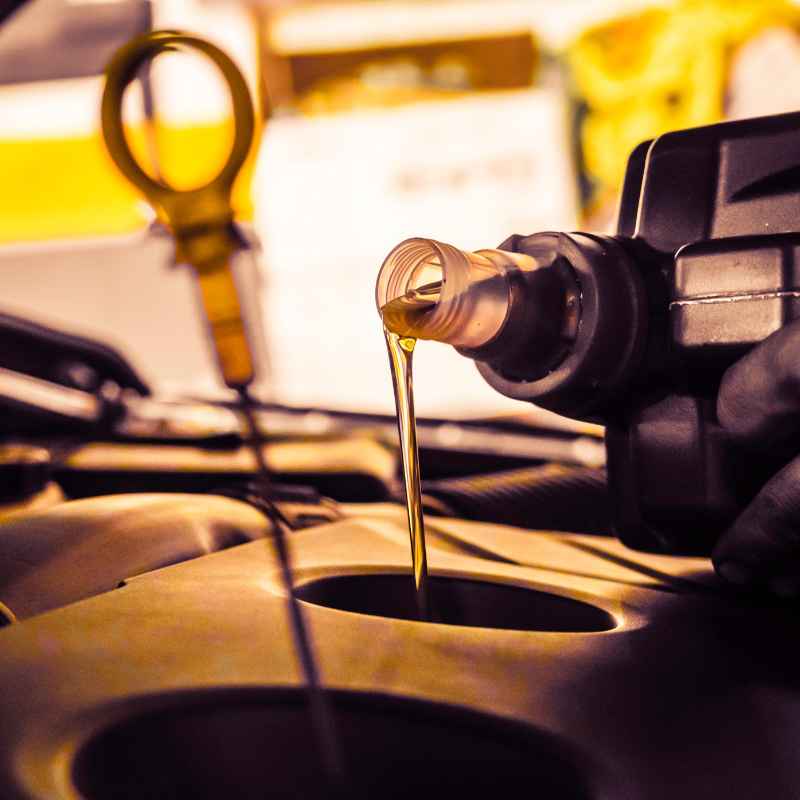
The kind of oil your car needs is a big factor. There are several types. Most cars use conventional oil.
This is the cheapest option. It’s good for older cars or those driven in normal conditions. It works fine for many drivers.
Then there’s synthetic blend oil. It’s a mix of conventional and synthetic oils. It offers better protection than conventional oil alone.
It’s a good middle-ground choice for many cars. It costs a bit more than regular oil.
Full synthetic oil is the most expensive. It’s made in a lab. It offers the best performance and protection.
It can handle extreme temperatures better. It also lasts longer between changes. Many newer cars require synthetic oil.
Check your car’s manual to see what it needs.
Some cars need specific oil weights. This is shown by numbers like 5W-30. The first number is for cold weather.
The second is for normal running temperatures. Using the right weight is key. Specialty oils can sometimes cost more too.
Oil Types Explained
Conventional Oil: Good for basic needs. Least expensive.
Synthetic Blend: Offers better protection. Mid-price range.
Full Synthetic Oil: Best performance and longest life. Most expensive.
The Role of the Oil Filter
The oil filter is just as crucial as the oil itself. Its job is to catch dirt and tiny metal bits. These bits can harm your engine.
A dirty filter can’t do its job well. It can even get clogged up. This can cause oil to bypass the filter.
That means dirt gets into your engine.
Oil filters vary in quality and price. A basic filter is cheaper. It might not last as long.
High-quality filters can cost more. They often have better filtering material. They might also have a stronger casing.
These are built to last and protect your engine more effectively.
Most shops use standard filters. They are usually included in the oil change price. If you ask for a premium filter, there might be an extra charge.
For most everyday drivers, a good quality standard filter is perfectly fine. It’s designed to work with the type of oil you choose.
Labor Costs: The Mechanic’s Time
Labor is a big part of the total cost. Mechanics charge for their time. This rate varies a lot.
It depends on where you live. Big cities usually have higher labor rates. Smaller towns might have lower ones.
The type of shop also matters.
Dealerships often have the highest labor rates. They are experts on your specific car brand. They might use special tools or procedures.
This can justify their higher prices for some people.
Independent repair shops are usually cheaper than dealerships. They can still do great work. Many are very skilled.
They often offer good value for your money.
Quick lube places are typically the least expensive. They focus on fast oil changes. They can be a good option for basic service.
However, some people feel they might rush the job. Or they might try to sell you more services than you need.
The actual time to change oil and filter is usually short. It might only take 20-40 minutes. But the labor charge is often an hourly rate.
So, even a quick job can add up. Most shops have a flat rate for oil changes. This rate includes the parts and the estimated labor time.
Where You Get Service Matters
Dealership: Highest cost, brand-specific expertise.
Independent Shop: Moderate cost, good value, skilled mechanics.
Quick Lube: Lowest cost, fast service, focus on oil changes.
Additional Fees and What to Watch For
Sometimes, shops add extra fees. These might be for disposal of old oil. Or for shop supplies.
Look at your bill closely. Make sure you understand all the charges.
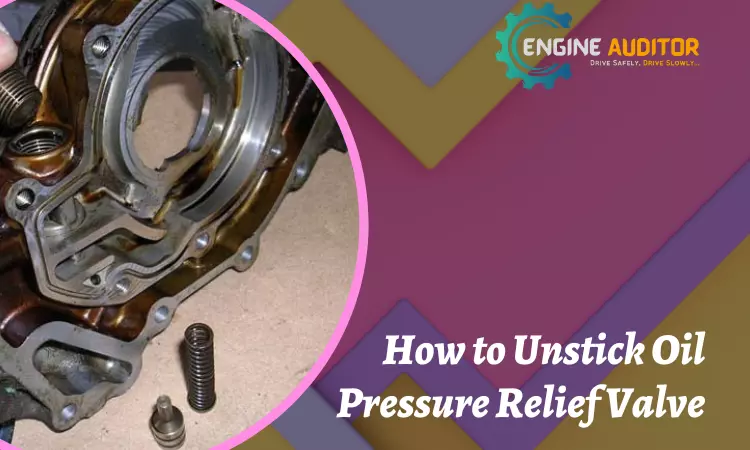
If your car has a special oil pan drain plug, it might cost more. Some plugs have a rubber seal that needs replacing. Or they might be a different design.
This can add a small amount to the bill.
Also, watch out for upsells. The service advisor might suggest other services. Like flushing your engine or changing other fluids.
While these might be needed eventually, ask if they are essential right now. Make sure they are recommended based on your car’s mileage and condition.
Be aware of what’s included. A basic oil change often covers up to 5 quarts of conventional oil. If your car needs more oil, you’ll pay extra per quart.
If you need synthetic oil, that’s usually an extra charge too. Always clarify this before they start the work.
Real-World Scenarios: Seeing the Costs
I remember one time I took my old sedan in for an oil change. It was a Saturday morning. I went to a local chain shop.
They offered a deal on conventional oil. The total came to about $65. That felt pretty good.
The car was older, so it didn’t need fancy synthetic oil.
A few years later, I got a newer SUV. The manual said it needed full synthetic. I took it to the dealership for the first few services.
The bill was closer to $150. It felt high, but I trusted they knew what they were doing. The synthetic oil and a specific filter added to the cost.
Plus, their labor rates were higher.
Later, I found a good independent mechanic. He used a high-quality synthetic oil and filter. His price was around $110.
It was a good balance. I felt I was getting quality service without paying dealership prices. This experience taught me that options really do matter.
My Oil Change Journey
Scenario 1: Older sedan, conventional oil, chain shop. Cost: ~$65.
Scenario 2: Newer SUV, synthetic oil, dealership. Cost: ~$150.
Scenario 3: SUV, synthetic oil, independent shop. Cost: ~$110.
Factors That Make Your Oil Change Cost More
Several things can push the price of an oil change higher. Your car’s make and model is a big one. Some cars have engines that need more oil.
They might also use a more expensive type of filter. Luxury cars or European models often have higher parts costs.
The type of oil, as we’ve discussed, is key. Synthetic oils cost significantly more than conventional. The price difference per quart can be substantial.
If your car needs 6 or 7 quarts, this adds up fast.
The location of the repair shop matters a lot. Costs are generally higher in major metropolitan areas. Rent for the shop space is higher.
So are wages for mechanics. A shop in a rural area might be much cheaper.
The specific filter used can also increase the price. While many shops use standard filters, some offer premium options. These might have better materials or designs.
They can cost a few dollars more.
If your car needs a special type of oil, like a high-mileage formula or a specific synthetic blend, that can also raise the price. Some manufacturers have very strict oil requirements. These specialized oils often come with a higher price tag.
Why Your Bill Might Be Higher
Vehicle Type: Luxury or performance cars may cost more.
Oil Choice: Synthetic oils are more expensive than conventional.
Shop Location: Urban areas typically have higher service costs.
Filter Quality: Premium filters can add to the expense.
Specialty Oils: High-mileage or unique blends cost more.
How to Save Money on Oil Changes
Don’t worry, there are ways to keep costs down. One of the easiest ways is to look for deals. Many quick lube places and even dealerships offer coupons.
Check their websites or mailers. You can often find deals like “$10 off” or a fixed price for a basic service.
Consider using conventional oil if your car allows it. Always check your owner’s manual. If it doesn’t specifically require synthetic, conventional might be fine.
This can save you $20-$50 per change.
If your car needs synthetic, look for sales on oil brands. Sometimes, auto parts stores have sales on popular synthetic oils. You can buy the oil yourself and bring it to an independent mechanic.
Many shops will happily use oil you provide. Just make sure it’s the correct type and weight.
Finding a trusted independent mechanic can save you money. They often have lower overhead than dealerships. This means they can offer more competitive pricing.
Ask friends or family for recommendations. Look for shops with good online reviews.
Consider the frequency of your oil changes. Modern cars often have longer oil change intervals. Your manual will tell you what’s recommended.
It might be every 7,500 miles or even 10,000 miles. Sticking to the manufacturer’s schedule is important. But don’t change it too early if it’s not needed.
That’s just wasting money.
Money-Saving Tips
Look for Deals: Coupons and special offers.
Use Conventional Oil: If your car allows it.
Buy Your Own Oil: For synthetic oil needs (check shop policy).
Find an Independent Mechanic: Often cheaper than dealerships.
Follow Manufacturer Schedule: Don’t over-service.
DIY Oil Changes: Is It Worth It?
Some people choose to change their own oil and filter. This can be the cheapest option in terms of parts cost. You buy the oil and filter yourself.
You don’t pay for labor.
However, it requires some tools. You need a wrench for the drain plug, a filter wrench, a drain pan, and rags. You also need a safe way to lift your car if needed.
Safety is super important here.
The biggest challenge for DIYers is proper disposal of old oil. You can’t just pour it down the drain. Most auto parts stores accept used oil for recycling.
You need to transport it there.
While it saves money on labor, factor in your time. And the cost of tools if you don’t have them. For many, the convenience and expertise of a professional shop are worth the extra cost.
Especially if you’re not comfortable working under your car.
When Is It Time for an Oil Change?
The best way to know is to check your car’s owner’s manual. It will tell you the recommended mileage or time interval for oil changes. For many cars, this is every 5,000 to 7,500 miles.
Some newer cars go 10,000 miles or more.
Your car might also have an oil life monitoring system. This system tracks your driving habits. It tells you when the oil needs changing.
These systems are usually pretty accurate. But it’s still a good idea to know the manual’s recommendation.
Pay attention to your car’s behavior. If you notice the oil light comes on, that’s a clear sign. It means the oil level is low or the pressure is off.
Don’t ignore this. If your engine sounds louder or runs rougher than usual, it might be time for a change too. These are often signs of old or dirty oil.
What This Means for Your Car’s Health
Regular oil changes are one of the best things you can do for your engine. Clean oil reduces friction. It keeps parts from grinding against each other.
This prevents wear and tear. It helps your engine run cooler too.
An engine that runs cooler lasts longer. It’s less likely to overheat. Overheating can cause serious damage.
This can be very expensive to fix. Clean oil also helps prevent sludge buildup. Sludge is like gunk.
It clogs up oil passages. It stops oil from reaching important parts.
Your car’s performance can also be affected. Old oil doesn’t lubricate as well. This can make your engine work harder.
It might use more fuel. A well-maintained engine runs more efficiently. It can save you money on gas.
Benefits of Regular Oil Changes
Reduced Engine Wear: Smooth lubrication prevents damage.
Better Engine Cooling: Prevents overheating.
Prevents Sludge Buildup: Keeps oil passages clear.
Improved Fuel Efficiency: Engine runs smoother and uses less gas.
Longer Engine Life: Regular maintenance extends your car’s life.
When to Worry About Your Oil Change
Most of the time, an oil change is routine. But sometimes, it signals a bigger issue. If your oil looks milky or foamy, that’s a red flag.
It can mean coolant is leaking into your oil. This is a serious problem.
If you see a lot of metal shavings in the old oil, that’s also concerning. It means parts inside your engine are wearing down fast. This needs immediate attention from a mechanic.
Also, if your car is constantly needing oil between changes, something might be wrong. It could be burning oil or leaking it. Both need investigation.
Don’t just keep topping it up without finding the cause.
Listen to your car. If you hear new noises coming from the engine. Or if it’s running very rough.
Get it checked out. Sometimes, these are signs that the oil is too old or low. Or that a problem has developed because of oil issues.
Quick Fixes and Tips for Maintenance
Keep your owner’s manual handy. It’s your best guide. It tells you exactly what oil and filter your car needs.
It also states the recommended service intervals.
Keep records of your oil changes. Write down the date, mileage, and type of oil used. This helps you track when the next one is due.
It’s also useful if you ever sell your car. Good maintenance records add value.
Check your oil level regularly. It’s easy to do. Park on a level surface.
Let the engine cool for a few minutes. Pull out the dipstick. Wipe it clean.
Reinsert it fully. Pull it out again. Check the oil level.
It should be between the “add” and “full” marks. This takes only a minute.
If you’re unsure about anything, ask your mechanic. A good mechanic will explain things clearly. They will tell you why a service is recommended.
They won’t pressure you into unnecessary work.
Frequently Asked Questions About Oil Changes
How often should I change my car’s oil?
Check your owner’s manual. Most cars need an oil change every 5,000 to 7,500 miles. Some new cars can go 10,000 miles or more.
Oil life monitors can also tell you.
What is the average cost of an oil change?
The average cost is between $75 and $175. This depends on oil type, filter, and shop location. Conventional oil changes are cheaper than synthetic ones.
Can I use a different type of oil than what’s recommended?
It’s best to use the oil recommended in your owner’s manual. Using the wrong type can harm your engine. Especially if it needs a specific synthetic oil.
Does synthetic oil really last longer?
Yes, synthetic oil offers better protection. It resists breaking down at high temperatures. This allows for longer intervals between changes, often 10,000 miles or more.
What happens if I don’t change my oil?
Old, dirty oil can’t lubricate well. It causes engine wear, overheating, and sludge buildup. This can lead to serious engine damage and costly repairs.
Are oil change coupons worth it?
Yes, coupons can save you money. Many shops offer discounts. Just make sure you understand what the coupon covers.
And if there are any extra fees for different oil types.
Conclusion
Understanding the cost of an oil and filter change is key. It helps you budget and avoid overpaying. Remember that oil type, filter choice, and shop location all play a role.
By looking for deals and choosing a trusted mechanic, you can keep your car running smoothly without breaking the bank. Regular maintenance is an investment in your car’s future.
See also what color should car engine oil be what each shade means.