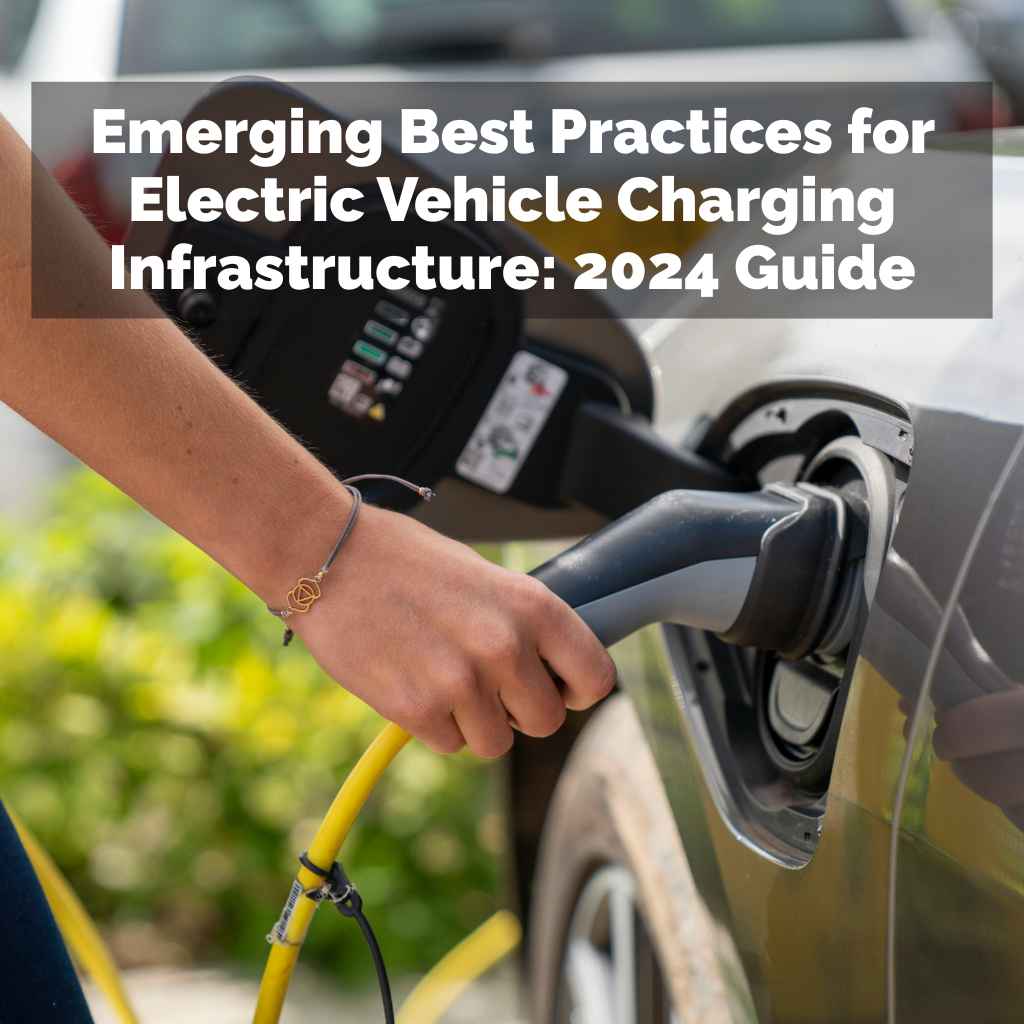
Emerging Best Practices for Electric Vehicle Charging Infrastructure (Top Picks 2025)
The push for electric vehicles (EVs) is transforming how the world thinks about transportation, energy, and the environment. As more people switch from gasoline-powered cars to electric ones, the need for robust, smart, and accessible EV charging infrastructure becomes urgent. Governments, businesses, and city planners are racing to build networks that can keep up with demand—yet the best ways to design, deploy, and manage these charging systems are still emerging.
In this article, you’ll discover the latest practices shaping EV charging infrastructure, what makes them effective, and why they matter for the future of transportation. This is not just about adding more plugs; it’s about creating a reliable ecosystem that supports millions of vehicles, diverse users, and a sustainable world.
Aligning Charging Infrastructure With Real-world Needs
One major lesson from early EV adoption is that charging stations must match how people actually use their vehicles. Blindly installing chargers in random locations is inefficient and costly. Instead, planners now rely on data-driven site selection. By analyzing traffic patterns, popular destinations, and residential density, cities and companies can put chargers where people need them most—at workplaces, shopping centers, and along highways.
For example, cities like Amsterdam and Los Angeles use anonymized vehicle GPS data to map out high-demand zones. This leads to a mix of home, workplace, and public charging that reflects real driving habits. The result: more EVs can charge conveniently, and fewer stations sit unused. A 2022 study by the International Council on Clean Transportation found that optimizing locations can boost station utilization by over 40%, which saves money and improves user satisfaction.
Interoperability: Making Charging Simple For Everyone
As EV adoption grows, so does the variety of car brands and charger types. Early EV drivers often faced a frustrating patchwork of incompatible plugs, memberships, and payment systems. The best practice now is interoperability—making sure drivers can use any charger with any EV, just like filling up at any gas station.
This shift involves several elements:
- Universal connectors: Standards like CCS (Combined Charging System) and CHAdeMO are becoming common, but new standards such as the North American Charging Standard (NACS) are also emerging.
- Roaming agreements: Similar to mobile phone roaming, these let drivers access multiple charging networks with a single account or app.
- Open payment systems: Modern stations support contactless credit cards, RFID tags, and even smartphone payments, ending the need for dozens of network-specific cards.
In Europe, the EU’s Alternative Fuels Infrastructure Regulation (AFIR) requires all public chargers to support ad-hoc payments and universal plugs by 2027. This is making charging as seamless as possible for both locals and tourists.
Charging Speed: Matching Power To Purpose
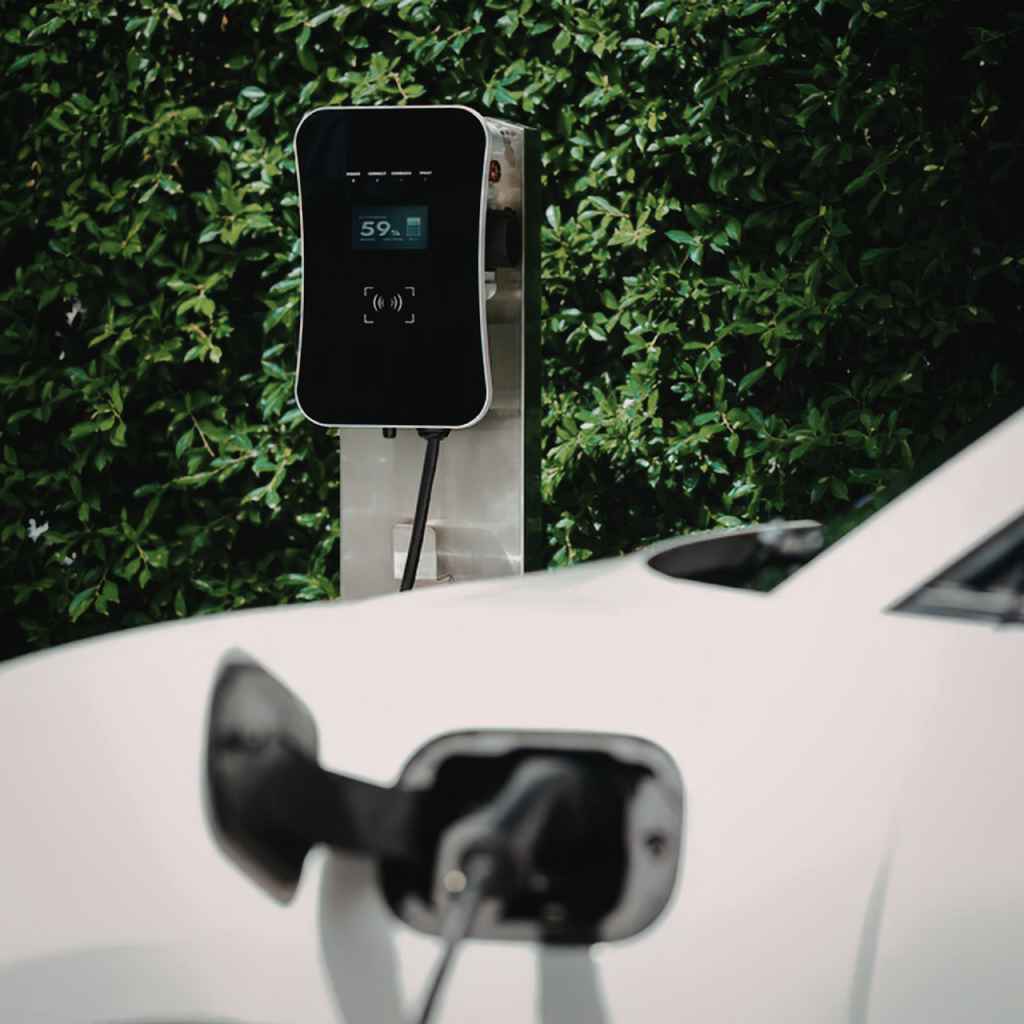
Not all charging is equal. Some EV owners want a quick top-up during a coffee stop; others charge overnight at home. The best networks offer a mix of charging speeds, each suited to its location and use case.
| Charger Type | Power Output | Typical Use | Charge Time (to 80%) |
|---|---|---|---|
| Level 1 (AC) | 1-2 kW | Home, small offices | 8-20 hours |
| Level 2 (AC) | 7-22 kW | Homes, public parking, workplaces | 2-8 hours |
| DC Fast Charger | 50-350 kW | Highways, fleet depots | 15-60 minutes |
Ultra-fast chargers (150 kW+) are best for highways and long-distance travel, while Level 2 chargers serve homes and offices where cars stay parked for hours. Deploying the right mix reduces costs and grid stress. One emerging insight: in dense cities, more moderate-speed chargers spread across neighborhoods can be more effective than a few high-power stations.
Grid Integration: Smarter Energy Use
A rapidly growing EV fleet puts pressure on the power grid, especially during peak charging times. The best networks now use smart charging—systems that communicate with the grid to manage when and how much power is drawn.
Smart charging offers several advantages:
- Load balancing: Chargers automatically adjust their output to avoid overloading the local grid.
- Dynamic pricing: Electricity costs change based on demand, encouraging drivers to charge during off-peak hours.
- Renewable integration: Chargers can sync with solar or wind power, maximizing use of clean energy.
For instance, California’s Pacific Gas & Electric (PG&E) runs a pilot program where home chargers respond to grid signals, reducing power use during critical times. According to the U. S. Department of Energy, smart charging could cut grid upgrade costs by up to 60% compared to unmanaged charging.
But here’s a detail beginners miss: Smart charging also enables vehicle-to-grid (V2G) services, where parked EVs send power back to the grid during shortages. This turns EVs into mobile batteries, supporting grid stability and even earning drivers extra income.
Accessibility And Universal Design
Building a charging network for everyone means thinking beyond just car owners. Best practices now address universal accessibility:
- Physical access: Chargers must be reachable for wheelchair users, with wide paths, proper height, and easy-to-use screens.
- Signage and lighting: Clear signs and well-lit areas improve safety, especially at night.
- Location equity: Chargers should be available in all communities, including low-income neighborhoods and rural areas.
The Americans with Disabilities Act (ADA) sets guidelines for physical design, but real-world feedback from disabled drivers is leading to further improvements. For example, new stations in Boston include lower screens, tactile buttons, and dedicated accessible parking.
A non-obvious insight: Accessibility also includes language options on screens and in apps, so non-native speakers can use chargers easily.
Reliability And Maintenance
A charging station is only as good as its uptime. Early EV adopters found many public chargers offline, broken, or blocked. The best operators now focus on reliability as a core metric.
Key practices include:
- Remote monitoring: Sensors alert operators to problems instantly.
- Regular maintenance: Scheduled inspections and fast repairs keep stations running.
- User feedback loops: Apps let drivers report issues, which are tracked and fixed quickly.
According to PlugShare’s user data, networks with >98% uptime get much higher user ratings and repeat visits. Tesla’s Supercharger network is often praised for its reliability, achieved through robust hardware, 24/7 monitoring, and rapid response teams.
A subtle best practice: Some networks offer real-time availability info in their apps, so drivers can see if a charger is working before they arrive.
Pricing Models And Transparency
Electricity pricing for EV charging can be confusing, with fees based on time, energy, or even session start charges. Leading networks are moving toward transparent, simple pricing, helping drivers make informed choices.
Common models include:
- Per kWh: Pay for the energy used, like a home electricity bill.
- Per minute: Useful where parking time matters more than energy drawn.
- Session fees: A flat fee to start, often combined with per-minute or per-kWh rates.
- Idle fees: Extra charges for leaving a car plugged in after charging is complete, discouraging “charger hogging.”
In California, state law now requires public networks to show prices upfront and use per-kWh billing where possible. This clarity builds trust and encourages more people to switch to EVs.
One tip: Look for networks with dynamic pricing, where charging is cheaper during off-peak hours. This saves money and helps balance grid load.
Integrating Renewables And Onsite Generation
Sustainable charging means more than just plugging into the grid. The best infrastructure is designed to use renewable energy:
- Solar canopies: Parking lots with solar panels generate electricity right where it’s used, often paired with battery storage.
- Wind power integration: In some regions, charging stations draw directly from local wind farms.
- Green tariffs: Networks can buy renewable energy credits to offset their use.
For example, Electrify America’s flagship station in Baker, California, combines 66 solar panels and onsite batteries to power ultra-fast chargers day and night. This reduces emissions and protects against blackouts.
A detail often missed: Onsite batteries can store cheap or surplus energy, delivering fast charging even when the grid is stressed or when the sun isn’t shining.
Urban Vs. Rural Charging: Tailoring To Different Needs
City charging and rural charging have different challenges. Urban areas need lots of chargers in small spaces, while rural highways require reliable fast charging over long distances.
| Location | Main Challenge | Best Practice | Example |
|---|---|---|---|
| Urban | Limited space, high usage | Shared chargers, curbside installations, smart scheduling | London’s lamp-post chargers |
| Rural/Highway | Long distances, low density | Ultra-fast chargers, solar/battery backup, restroom amenities | IONITY stations on European highways |
A non-obvious insight: In cities with many apartment dwellers, on-street charging (like integrating chargers into streetlights) is critical for people without private parking.
Fleet And Commercial Charging
Companies running fleets—delivery vans, taxis, buses—face unique challenges. Best practices here include:
- Depot charging: Large banks of chargers at company sites, often with scheduled charging to avoid grid overload.
- Opportunity charging: Placing chargers at key stops (airports, logistics centers) for quick top-ups.
- Custom software: Fleet management systems that track battery levels, charging times, and route planning.
Amazon is electrifying its delivery fleet with thousands of depot chargers, using AI to schedule charging for lowest grid impact and cost. Public transit agencies are doing the same for electric buses.
One thing beginners miss: Fleet charging often involves higher power levels and specialized connectors, so infrastructure must be built with heavy-duty use in mind.
Smart Apps, Real-time Data, And User Experience
Modern drivers expect more than just plugs; they want information. The best networks invest in user-friendly apps and real-time data:
- Station locator maps: Find the nearest available charger instantly.
- Reservation systems: Book a charger in advance, reducing wait times.
- Live status updates: See if a charger is in use, offline, or out of order.
- Trip planning tools: Map out long journeys with charging stops, including estimated charging time and cost.
Apps like PlugShare and ChargePoint have set the standard for data transparency. Some carmakers, like Ford and Hyundai, now integrate public charger info directly into vehicle dashboards.
A tip for network operators: Integrating user reviews and ratings helps surface hidden problems and keeps quality high.
Policy, Incentives, And Public-private Partnerships
No charging network succeeds in a vacuum. The most effective infrastructure is built through collaboration between government, utilities, automakers, and private companies.
Key practices:
- Financial incentives: Grants, tax credits, and rebates lower the cost of installing new stations.
- Building codes: Mandates for new construction to include EV-ready wiring.
- Streamlined permitting: Faster approval processes for charger installation.
- Public-private partnerships: Cities team up with companies to expand networks rapidly.
For example, the U. S. National Electric Vehicle Infrastructure (NEVI) program is investing $7. 5 billion to build a nationwide fast-charging network, with strict guidelines for reliability, interoperability, and equity.
A detail often missed: Smart policy includes maintenance funding, not just installation dollars, ensuring chargers stay working for years.
Cybersecurity And Data Privacy
With more chargers online and connected to apps, cybersecurity is a growing concern. Best practices protect both the grid and users’ data:
- Encrypted communications: All charger-to-network and user-app data is encrypted to prevent hacking.
- Regular software updates: Keeping charger firmware current closes security gaps.
- Privacy policies: Clear rules about what data is collected, how it’s used, and who can access it.
The Open Charge Point Protocol (OCPP) is an international standard that ensures secure, updatable communication between chargers and central systems.
A subtle point: Cybersecurity must include physical security, like tamper-resistant hardware and video surveillance at charging sites.
Scalability And Future-proofing
With EV adoption rising fast, today’s networks must be scalable—easy to expand as more cars hit the road. Smart designs consider:
- Modular hardware: Stations that can add more plugs or power units as demand grows.
- Upgradable software: Systems that can handle new car types, payment methods, or energy sources.
- Forward-compatible wiring: Using thicker cables and higher-capacity transformers from the start saves money later.
China leads the world in rapid network growth, adding over 600,000 public chargers in 2023 alone. Their secret: standardizing hardware and regulations so networks can scale smoothly.
A best practice often overlooked: Plan for future vehicle types (like trucks or autonomous cars) by including larger bays and higher power capacities from the outset.
Community Engagement And Education
Building chargers is just part of the puzzle. Community engagement ensures people know how, when, and where to charge.
Effective strategies include:
- Public workshops: Teach residents about EV ownership and charging basics.
- Partnerships with local groups: Reach underserved communities and address concerns.
- Feedback channels: Let users suggest new locations or report problems.
Toronto’s “EV Discovery” events pair charger installations with hands-on test drives and Q&A sessions, raising awareness and confidence.
A non-obvious insight: Investing in multilingual education materials expands access, especially in diverse urban areas.
Sustainability In Materials And Lifecycle
The environmental benefits of EVs depend on the sustainability of their infrastructure. Best practices now include:
- Recycled materials: Using recycled steel, plastic, and concrete for station construction.
- Low-impact siting: Avoiding sensitive habitats and minimizing land use.
- End-of-life recycling: Designing chargers to be easily dismantled and recycled when obsolete.
A leading example: ABB’s Terra chargers use recycled plastic for exterior panels and modular components for easy repair.
A detail often overlooked: Track the full carbon footprint of charging infrastructure, from manufacturing to operation and eventual disposal.
Integrating Charging With Other Mobility Solutions
Future cities won’t just have cars; they’ll have e-bikes, scooters, and shared vehicles. The best infrastructure supports this shift:
- Multi-modal hubs: Stations where you can park, charge, and switch between cars, bikes, or public transit.
- Universal payment platforms: One app or card for all transport modes.
- Flexible power delivery: Outlets and lockers for charging smaller vehicles.
Cities like Oslo and Paris are piloting integrated mobility hubs, making it easy to switch from an EV to a subway or rental bike.
A non-obvious best practice: Design stations with future mobility in mind, leaving space and wiring for new vehicle types as they emerge.
Global Standards And Harmonization
As EV adoption goes global, standardization becomes crucial. Best practices involve:
- International plug standards: Like CCS and Type 2, making cross-border travel seamless.
- Open communication protocols: OCPP and ISO 15118 ensure all chargers “speak the same language.”
- Harmonized regulations: Coordinating rules across countries simplifies manufacturing and planning.
The European Union leads here, mandating unified plugs and payment methods for all public chargers by 2027. This will enable smooth travel from Spain to Poland without compatibility headaches.
A detail often missed: Standardization also speeds up innovation, as new features can be adopted network-wide more quickly.
Measuring Success: Data-driven Performance Metrics
You can’t improve what you don’t measure. The best operators use data-driven metrics to track performance:
- Uptime percentage: The share of time stations are operational.
- Utilization rates: How often each charger is used.
- User satisfaction: Ratings and reviews from real drivers.
- Energy source mix: What share of charging comes from renewables.
For example, ChargePoint publishes real-time stats on network uptime and renewable energy use, building trust with users and investors.
A tip for planners: Share data publicly to attract investment and feedback, accelerating improvements.
Frequently Asked Questions
What Is The Difference Between Level 1, Level 2, And Dc Fast Charging?
Level 1 chargers use standard 120V outlets, charging an EV slowly (8-20 hours for a full charge). Level 2 chargers use 240V and are much faster (2-8 hours). DC fast chargers use direct current and deliver very high power, adding 100-300 miles of range in 15-60 minutes. The right type depends on your location and how quickly you need to charge.
How Do I Know If A Charger Is Compatible With My Ev?
Most modern EVs use either the CCS or NACS standard, but always check your car’s manual. Many public chargers now support multiple plug types, and apps like PlugShare list compatibility info. In Europe and North America, public networks are moving toward universal connectors.
Are Home Chargers Better Than Public Ones?
Home charging is convenient and usually cheaper, ideal for overnight charging. Public chargers are essential for long trips, apartment dwellers, or when you need a fast top-up. The best infrastructure combines both, letting you choose what fits your needs.
How Are Charging Stations Powered—are They Really Green?
Many stations use grid electricity, which may include fossil fuels. However, networks are rapidly adding solar, wind, and battery storage to increase the share of renewable energy. Always look for stations or networks that publish their energy mix for full transparency. For more information, see the U.S. Department of Energy.
What Should I Do If A Charger Is Broken Or Offline?
Use the charging network’s app or customer service line to report the issue. Many apps also show real-time status and reviews from other drivers. Choosing networks with high uptime and good support reduces the risk of running into broken chargers.
The future of EV charging infrastructure is bright, but only if we embrace these emerging best practices. By focusing on real user needs, reliable technology, open standards, and sustainability, we can build a charging network that powers the transition to electric mobility for everyone, everywhere.
Products related to this article
Sponsored / affiliate links. As an Amazon Associate I earn from qualifying purchases. I may earn additional commission from eligible campaigns.